As Southeast Asia’s dining scene levels up, a quiet revolution is happening in the wine cellar. Meet Sommly: a new AI-powered platform bridging the sommelier gap in Asia’s top restaurants.
The wine program at Fermi, an Italian restaurant in Taipei run by former Noma sous-chef James Sharman, was struggling. With no in-house sommelier and limited wine knowledge, Sharman did what many chefs across Asia might not dare: he turned to ChatGPT. In just one afternoon, he cobbled together a makeshift digital sommelier. When his friend Jesse Sum heard about it, he saw more than just a clever workaround, he saw the seed of a bigger solution.
“It took him six hours to figure it out,” Jesse recalls. “But that got me thinking. If he could do that with ChatGPT, surely we could build something better—something scalable.”
That idea became Sommly, an AI-powered wine pairing platform that analyzes restaurant menus and wine lists to generate thoughtful pairing suggestions, complete with serving tips, talking points for front-of-house staff, and enough context to make even a rookie server sound like a seasoned sommelier.
READ ALSO: AI vs. Humans: Who Wins?
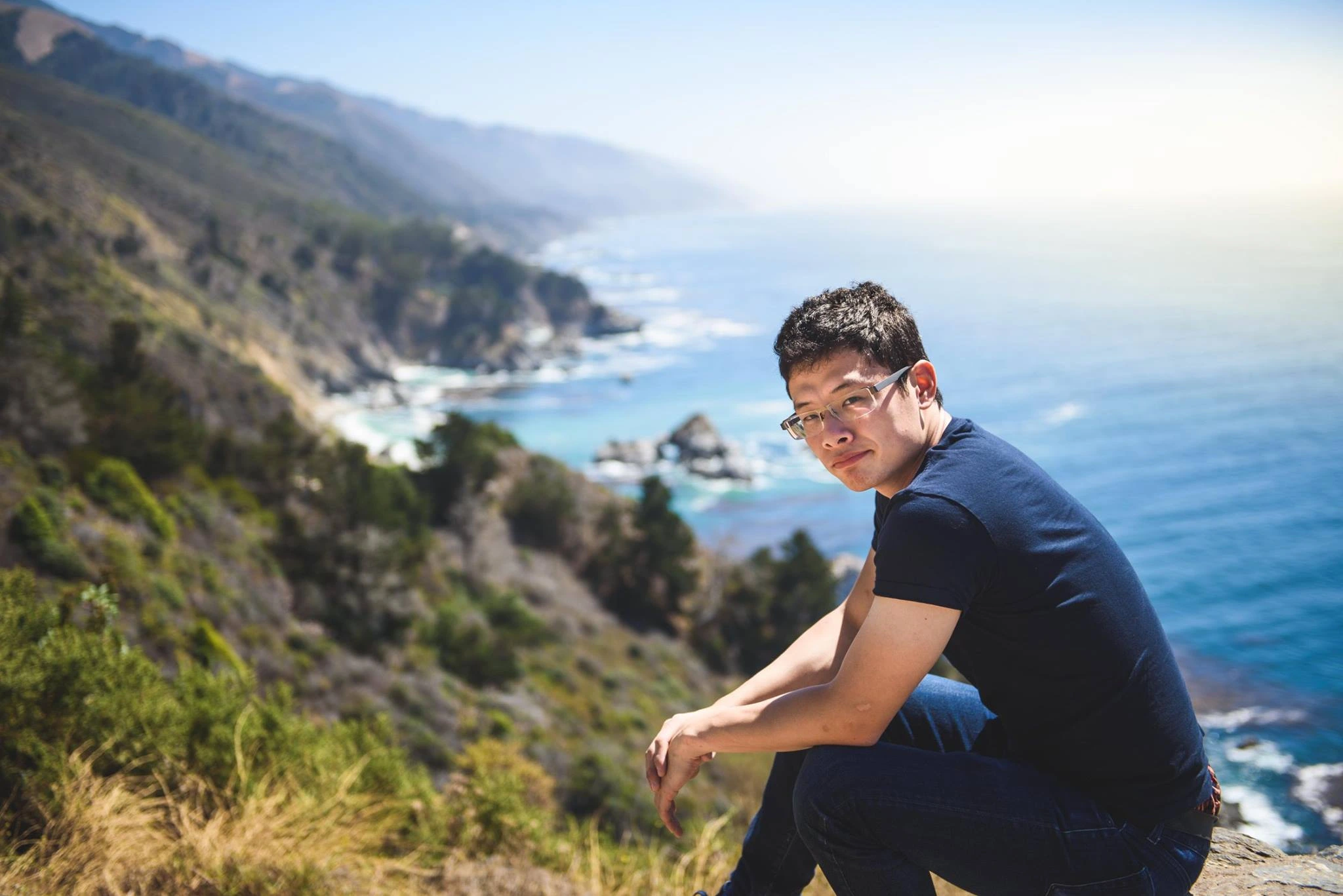
Young Vintage: Meet The Minds Behind Sommly
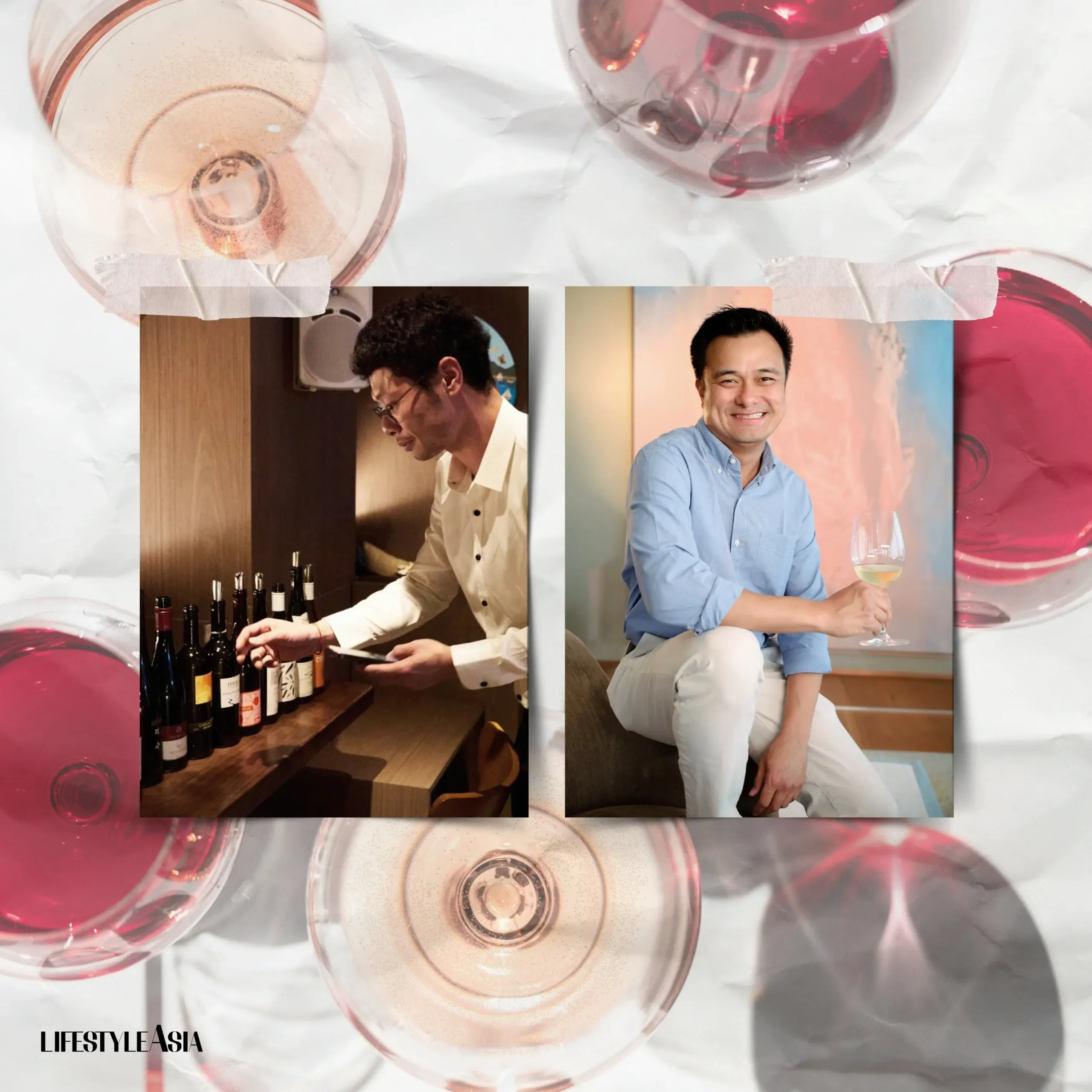
Jesse, who serves as CEO, grew up in a restaurant family in Taiwan. Though he doesn’t consider himself a foodie (“I’m easy to please,” he admits), he’s deeply embedded in the F&B space and increasingly fond of Manila, where he travels often. “Honestly, I come here mostly for the food I miss in Taipei—like Mexican food or pizza. La Grima, Crosta… Manila does those things better,” says Jesse.
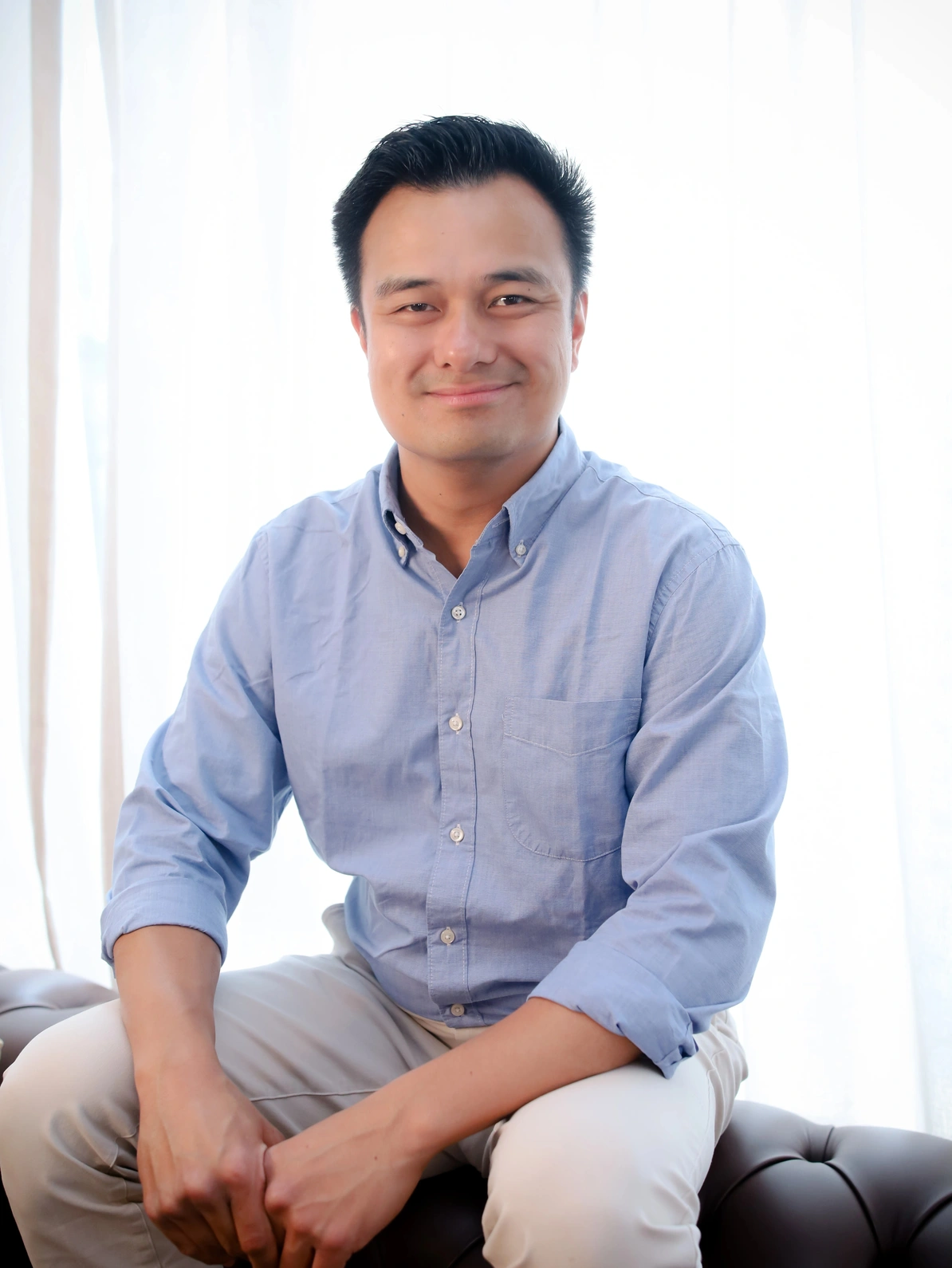
Yannick Crespo, Sommly’s CMO and wine lead, has an even deeper local connection. Born and raised in Manila, he grew up in a house constantly buzzing with dinner parties. “In Manila, business gets done at night,” Yannick says. “So my dad was always entertaining. But he didn’t know anything about wine, and one day he told me, ‘You’re going to learn.'”
Yannick’s father handed him a copy of Robert Parker’s Wine Buyer’s Guide and told him to study. “I was fifteen. I had no idea what I was reading, but I was fascinated. Wine had geography, cultureCultureshared traditions, beliefs, values, customs, arts, and social practices that define the identity and way of life of a community, society, or nation.Go to Culture Glossary, flavor, storytelling—it was all in the bottle.”
Eventually, his dad let him start tasting wines—”under strict supervision,” Yannick laughs. He’s been collecting ever since. Now based in New York, he splits his time between helping chefs commercialize their food products and feeding Sommly his decades of wine knowledge.
“In the team, I’m the wine guy,” he says. “I flag the weird pairings, gut-check the recs, and push us to give more than one option. People want a menu, not a single answer.”
AI with a Palate
So, how does Sommly actually work?
Restaurants upload their menu and wine list. From there, Sommly’s AI dissects each dish, breaking it down into ingredients, cooking method, flavor profiles, and textures. On the wine side, it pulls in data from across the web—vintage, flavor notes, producer info, critic scores, and reviews.
“Once we understand the food and the wine,” Jesse explains, “we run matching logic and offer three pairings per dish: a complementary match, a contrast, and an experimental one.”
The system doesn’t stop there. Sommly also provides serving suggestions, tasting notes, and front-of-house talking points that staff can use to confidently sell and serve wine. For restaurants willing to integrate the pairings directly into their menu and serve by the glass, results have been dramatic. At Fermi—where the idea first took root—wine sales tripled after adopting the platform.
For those not ready to overhaul operations, Sommly also offers a QR code solution. Diners scan, get instant pairing suggestions for the dishes they order, and make informed choices on the spot. No sommelier required.
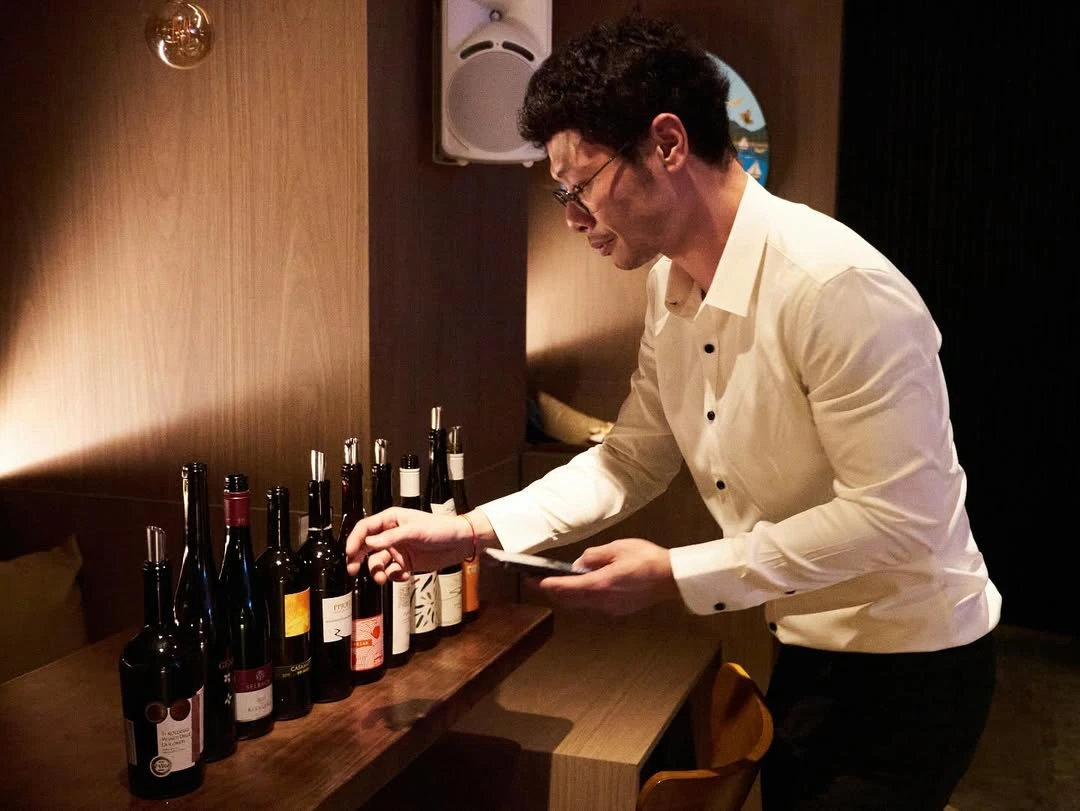
How Technology Is Filling A Gap In The Dining Industry
While sommeliers are common in major Western dining scenes, they’re a rarity in Southeast Asia. In Manila, where the dining scene is evolving quickly, Yannick says the gap is particularly stark: “There are only two fully certified sommeliers in the entire metro area. For a city of over 20 million people, that’s wild.”
That gap becomes even more glaring as institutions like the Michelin Guide begin paying closer attention to the region. As Jesse puts it, “Wine hasn’t caught up. The food is there, the ambition is there, but the wine programs are often an afterthought.”
Sommly sees itself not as a replacement for human sommeliers but as a practical solution for restaurants that can’t afford one, or don’t know where to find one. “Some chefs don’t drink. Some don’t have time to study wine,” Jesse says. “It’s a completely different vertical.”
The product is already live in several Taipei restaurants, and Jesse is now spending time in Manila and Bangkok to research market readiness. He believes the Philippines might actually be the better fit. “There’s a huge drinking cultureCultureshared traditions, beliefs, values, customs, arts, and social practices that define the identity and way of life of a community, society, or nation.Go to Culture Glossary here, and wine is trending. But the expertise hasn’t caught up.”
Man vs. Machine: Testing Sommly’s Capabilities
To test their system, the Sommly team has staged blind tasting challenges in New York and Taipei. In four head-to-head matchups against human sommeliers, Sommly won three.
The one sommelier who outperformed the system? Will Douillet—former sommelier at Alinea, General Manager at Next and The Bazaar, Wine Director at the Dinex Group, and now co-founder of Brooklyn’s Ilis. Impressed by the concept, he joined Sommly as an advisor.
“He gave us incredible feedback,” says Yannick. “He helped us see where we were too rigid, too textbook. That kind of input makes the product smarter.”
As the wine world slowly modernizes, Sommly isn’t trying to disrupt tradition—just make it more accessible. With a blend of technical precision and personal passion, Jesse and Yannick are opening the cellar door for a new generation of diners, restaurateurs, and wine lovers across Asia.