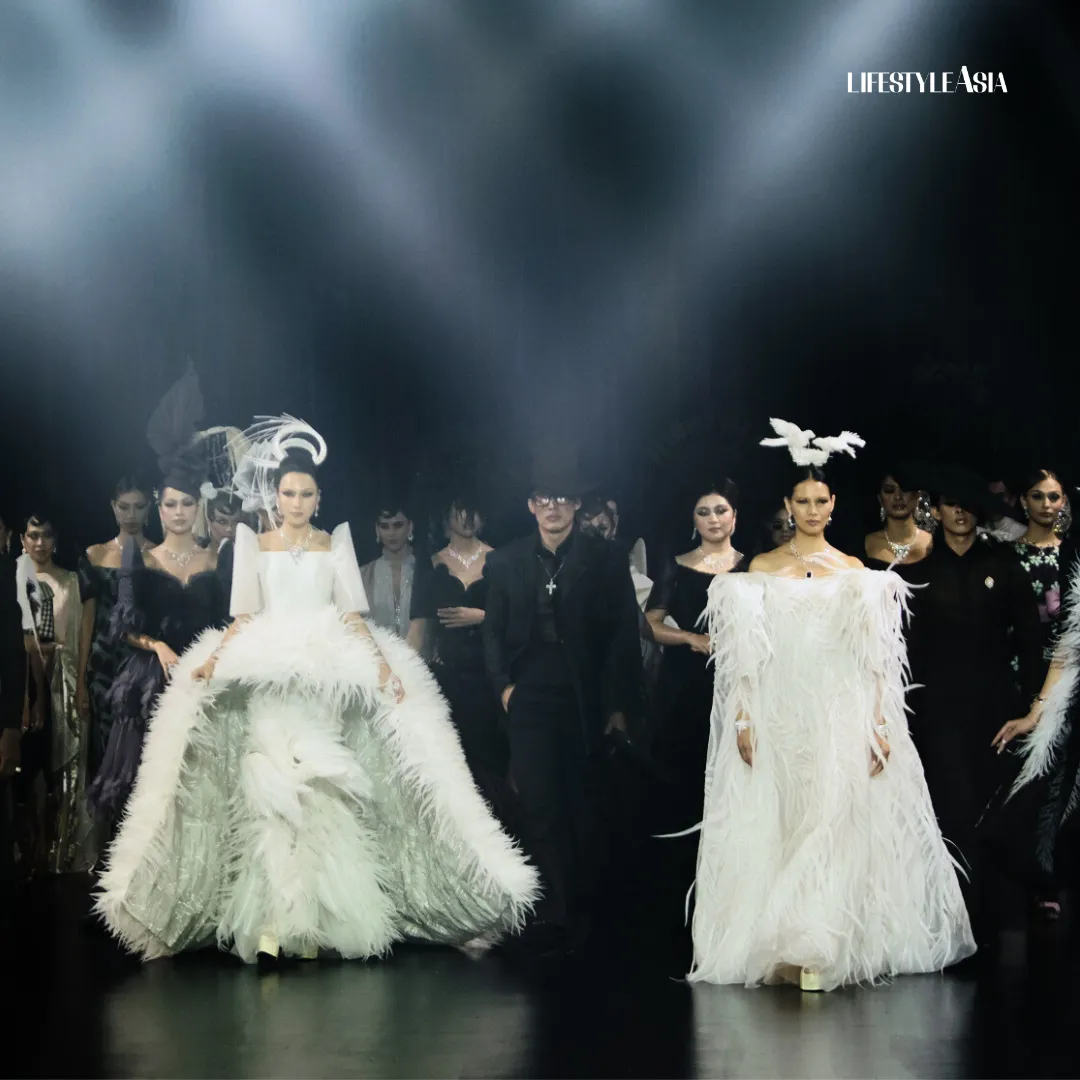
The second edition of the Philippine Terno Gala showcased how six master designers interpret the Philippines’s most iconic garment.
Positioned in the heart of our archipelago, Cebu has long been a crucible of Filipino cultural expression. While serving as one of the first touch points of colonial influence and history, it’s also the first place where Filipinos transformed that encounter into something distinctly our own, acknowledging historical complexity while asserting Filipino creativity. This spirit finds contemporary expression in the Philippine Terno GalaGalaA formal, festive social event, usually with dinner, entertainment, and dress codes such as black tie, often held to raise funds for a cause or celebrate an occasion. Galas areGo to Gala Glossary, now in its second edition, where the nation’s iconic garment serves as both canvas and conversation.
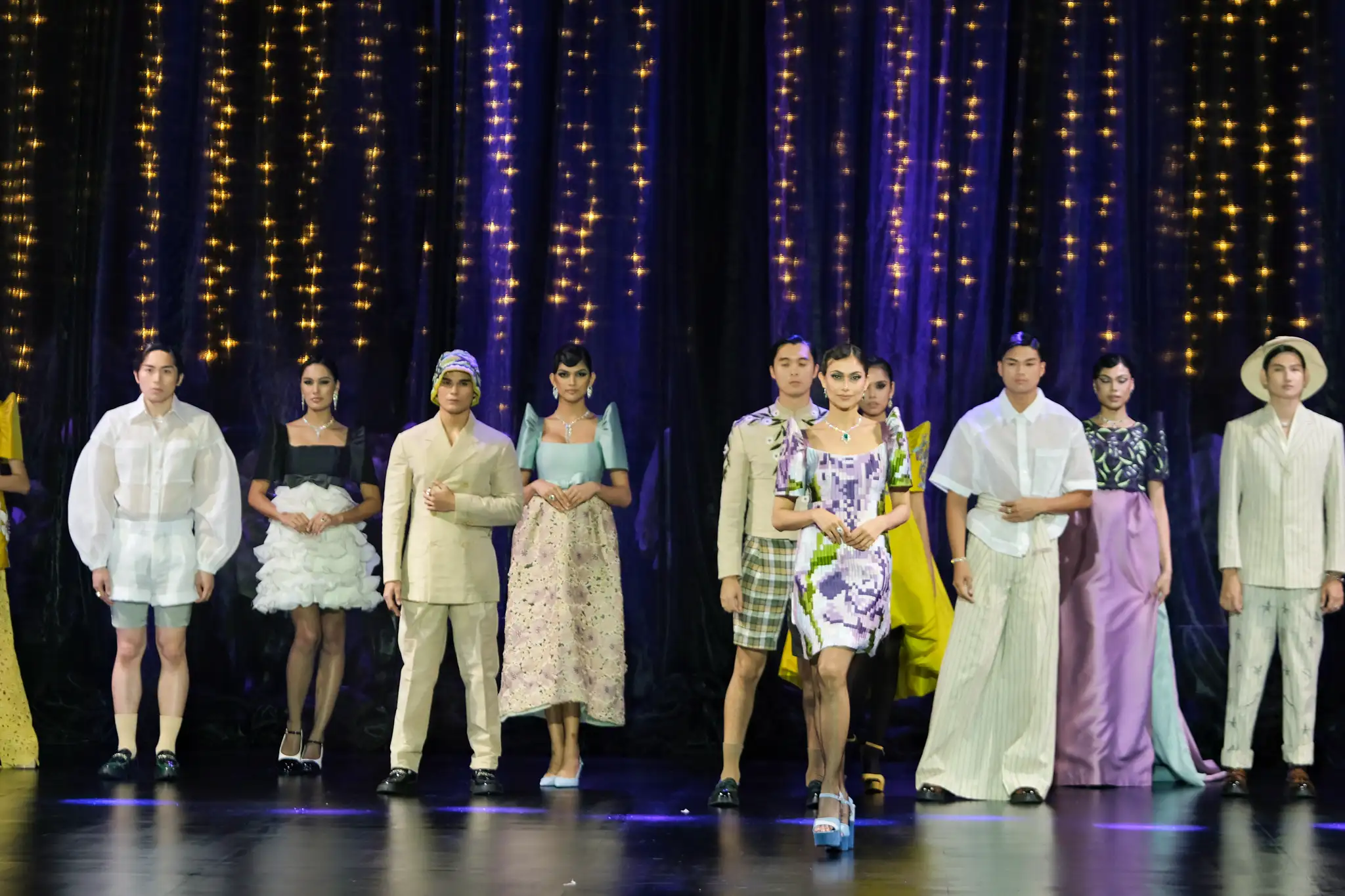
Curated by Cebu-born designer Cary Santiago, this year’s showcase brought together six master designers—Edwin Ao, Protacio Empaces, Jun Escario, Joey Samson, Jojie Lloren, and Santiago himself—each presenting contemporary interpretations of the terno that honor tradition while pushing creative boundaries. Supported by the Cebu City Tourism Commission and the Cultural Center of the Philippines, the galaGalaA formal, festive social event, usually with dinner, entertainment, and dress codes such as black tie, often held to raise funds for a cause or celebrate an occasion. Galas areGo to Gala Glossary demonstrates how meaningful discussions about Filipino identity and design can flourish nationwide, with each designer contributing their distinct voice to an ongoing dialogue about what it means to be Filipino in contemporary fashion.
READ ALSO: The Power of Style: A Story of the Barong Filipino’s Evolution
Edwin Ao
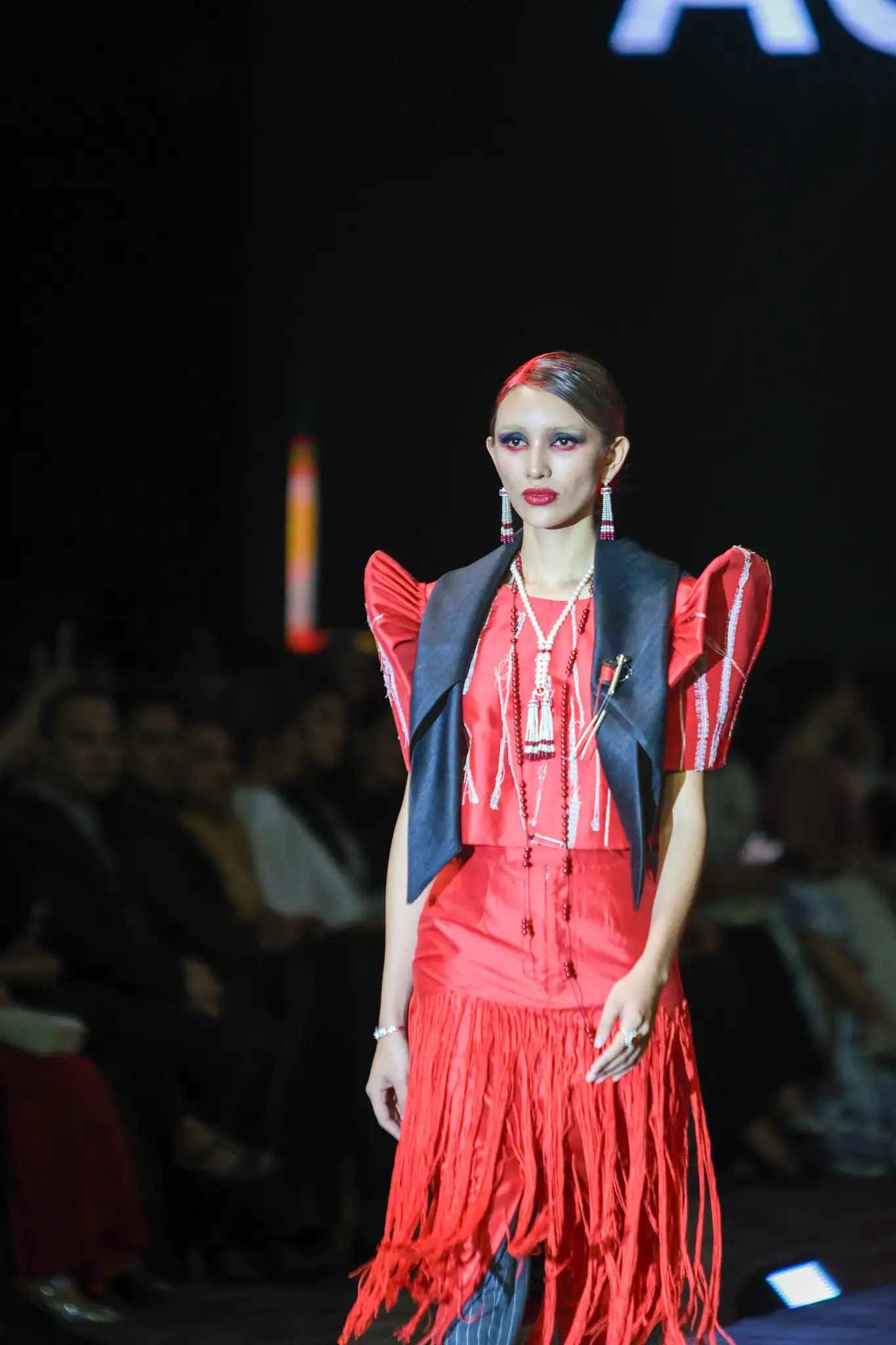
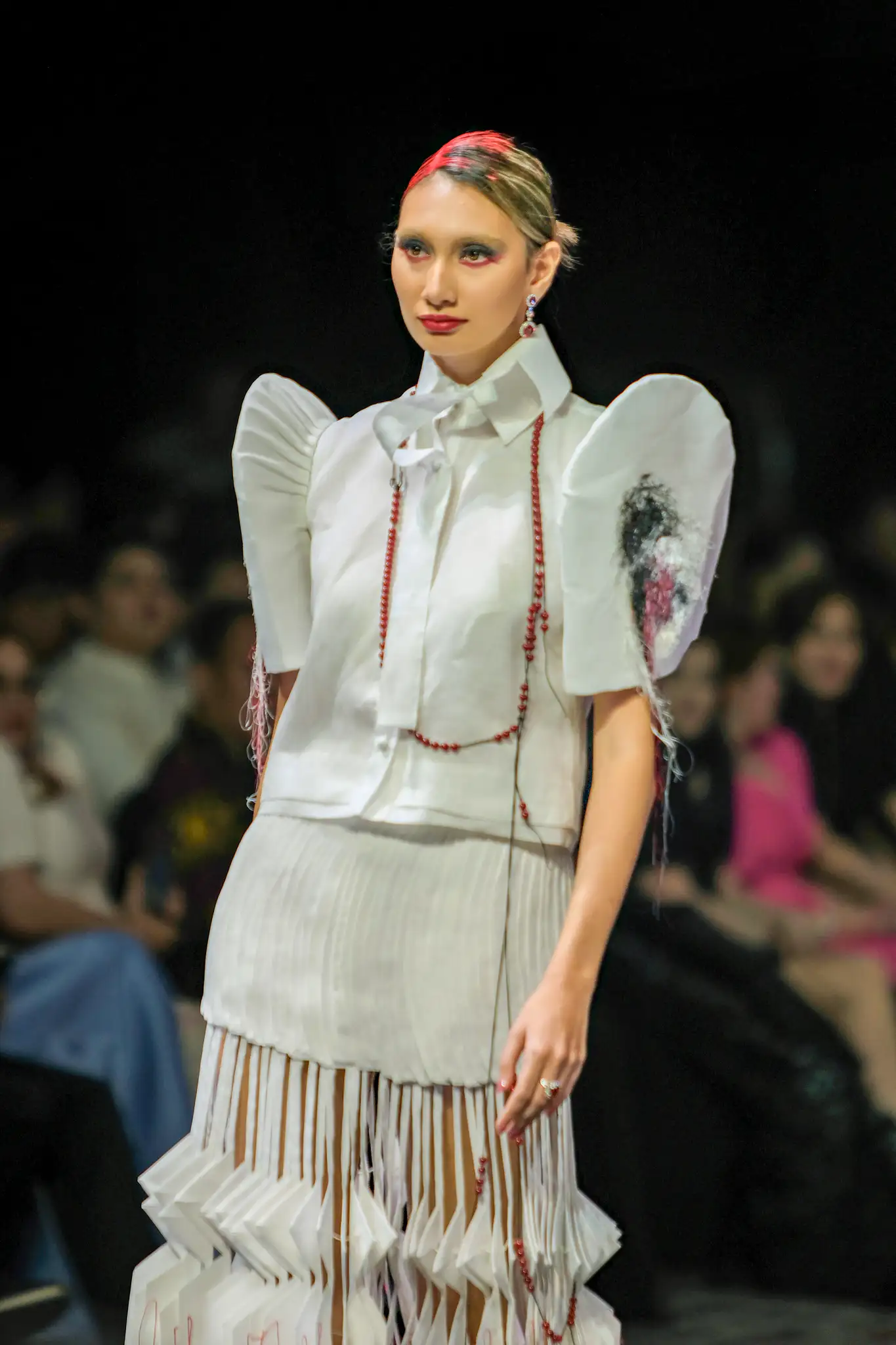
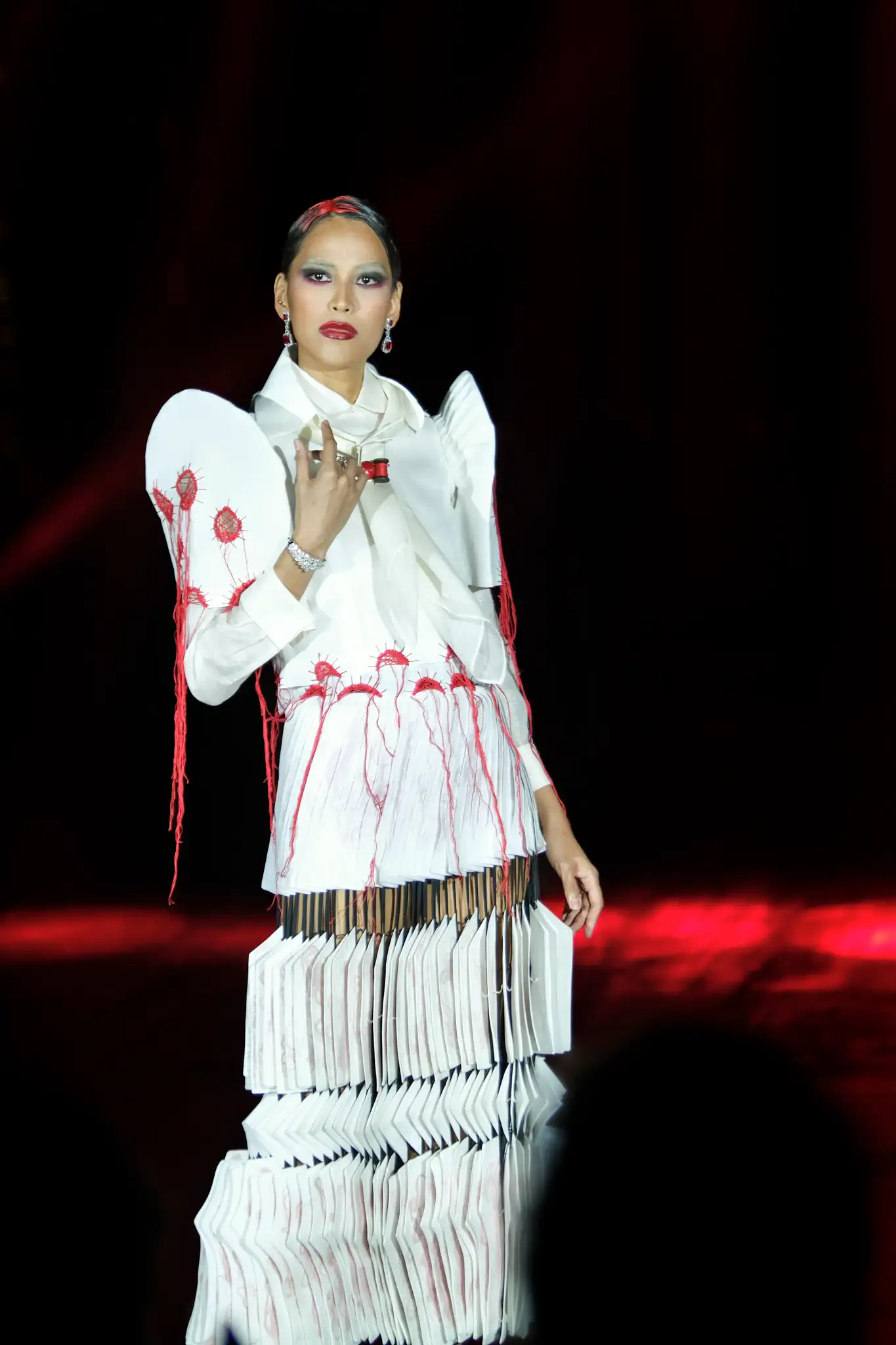
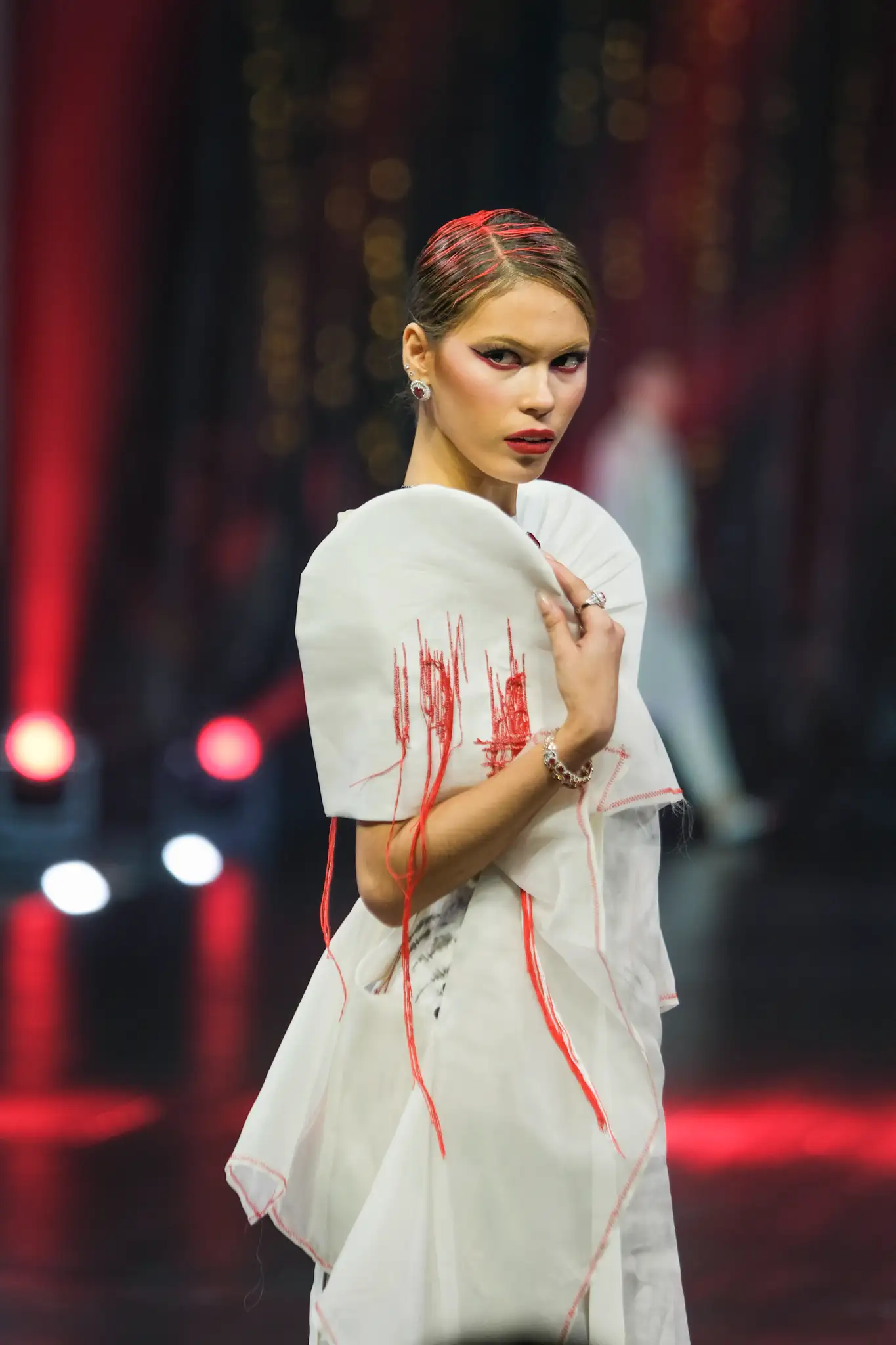
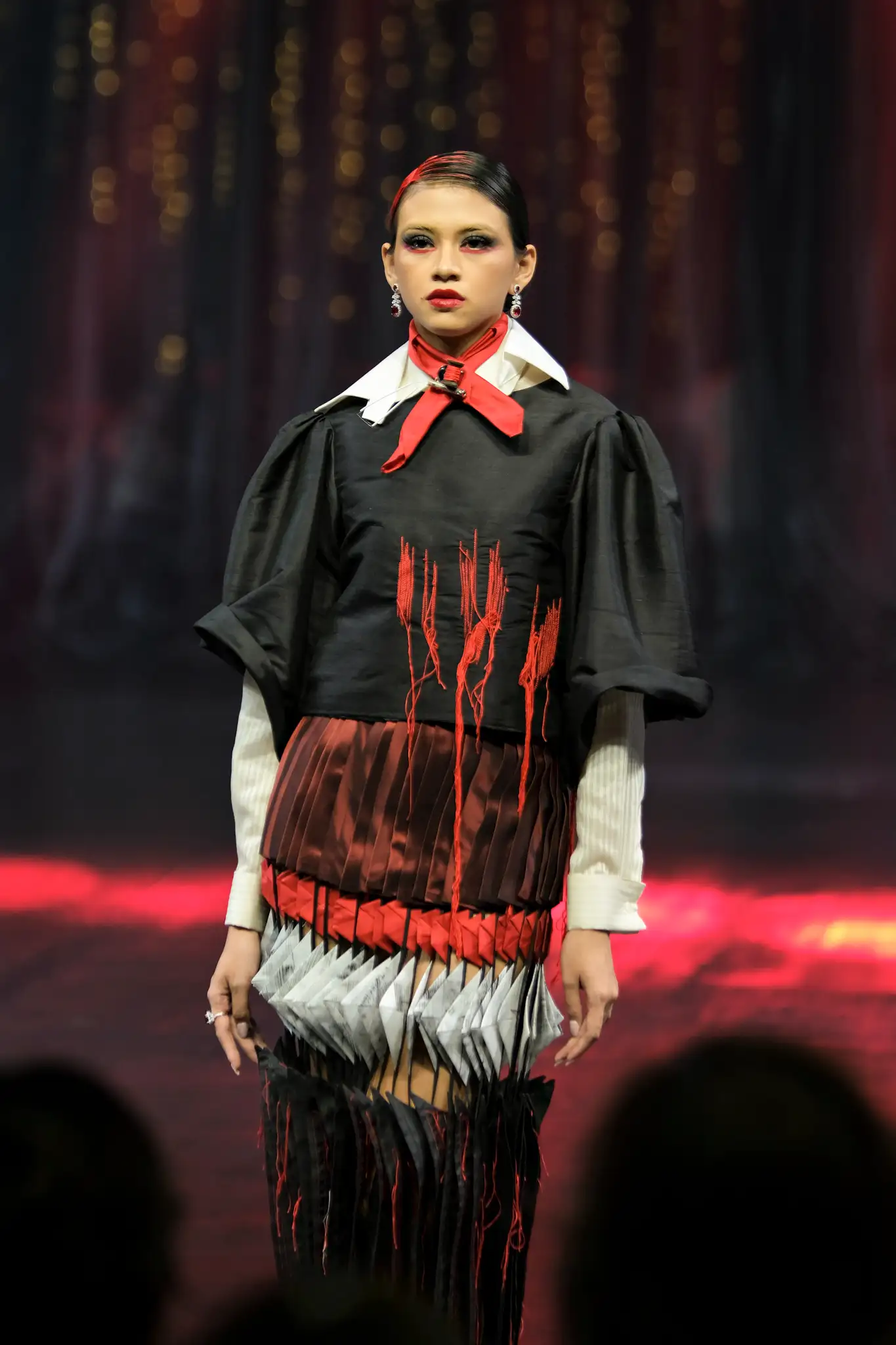
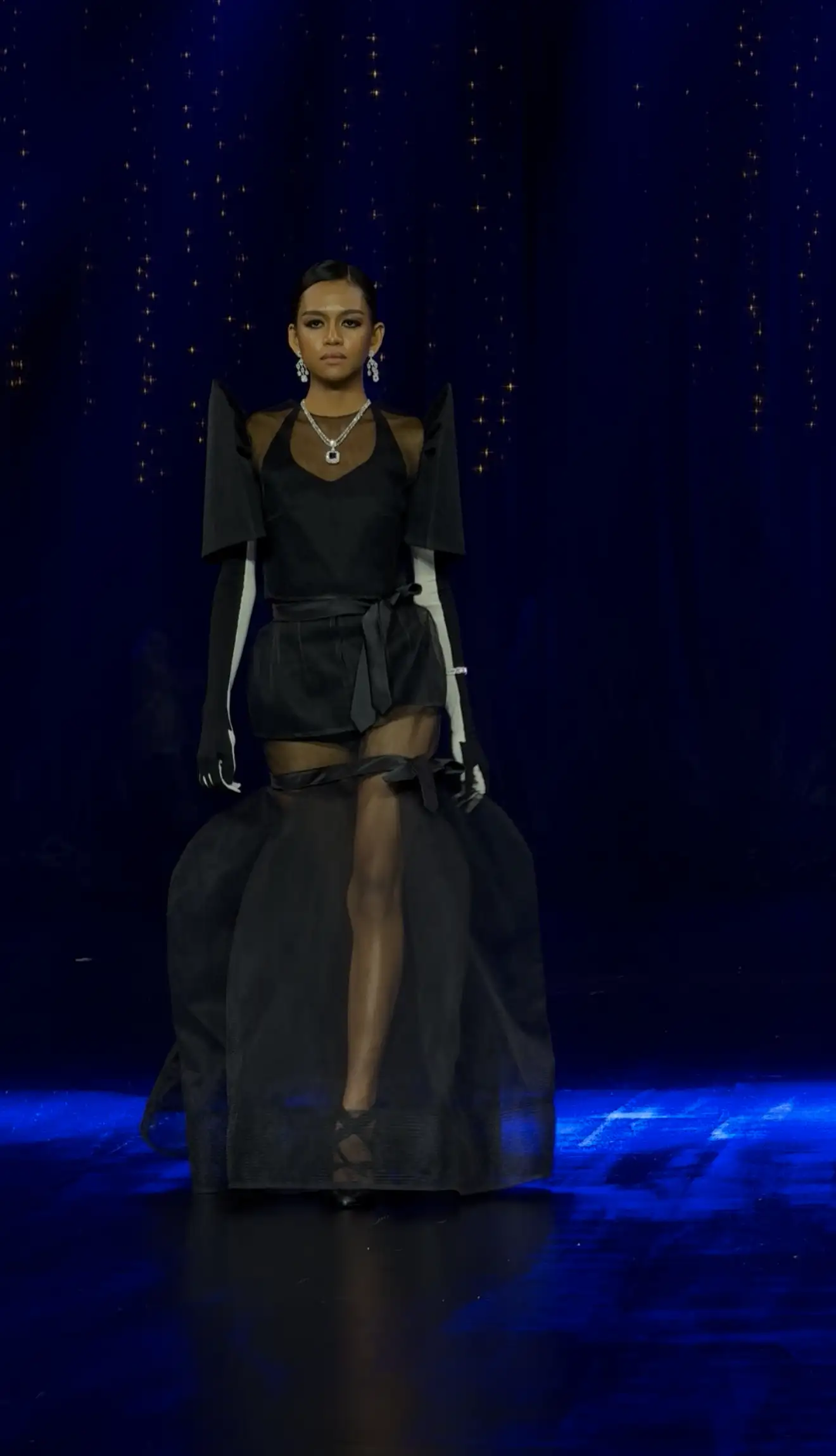
For Cebuano designer Edwin Ao, the Philippine Terno Gala represented a rare experiment with color, specifically the bold introduction of red. His collection showcased dramatic interpretations of the terno: vibrant red pieces and fringe details, while maintaining the garment’s essential silhouette. For this author, there was something deliciously gothic about the aesthetic. These were pieces that Morticia Addams might approve of if she ever decided to embrace Filipino formal wear. The effect was both haunting and elegant, proving that the terno could serve as a vehicle for darker romanticism while still honoring its cultural roots.
Protacio Empaces
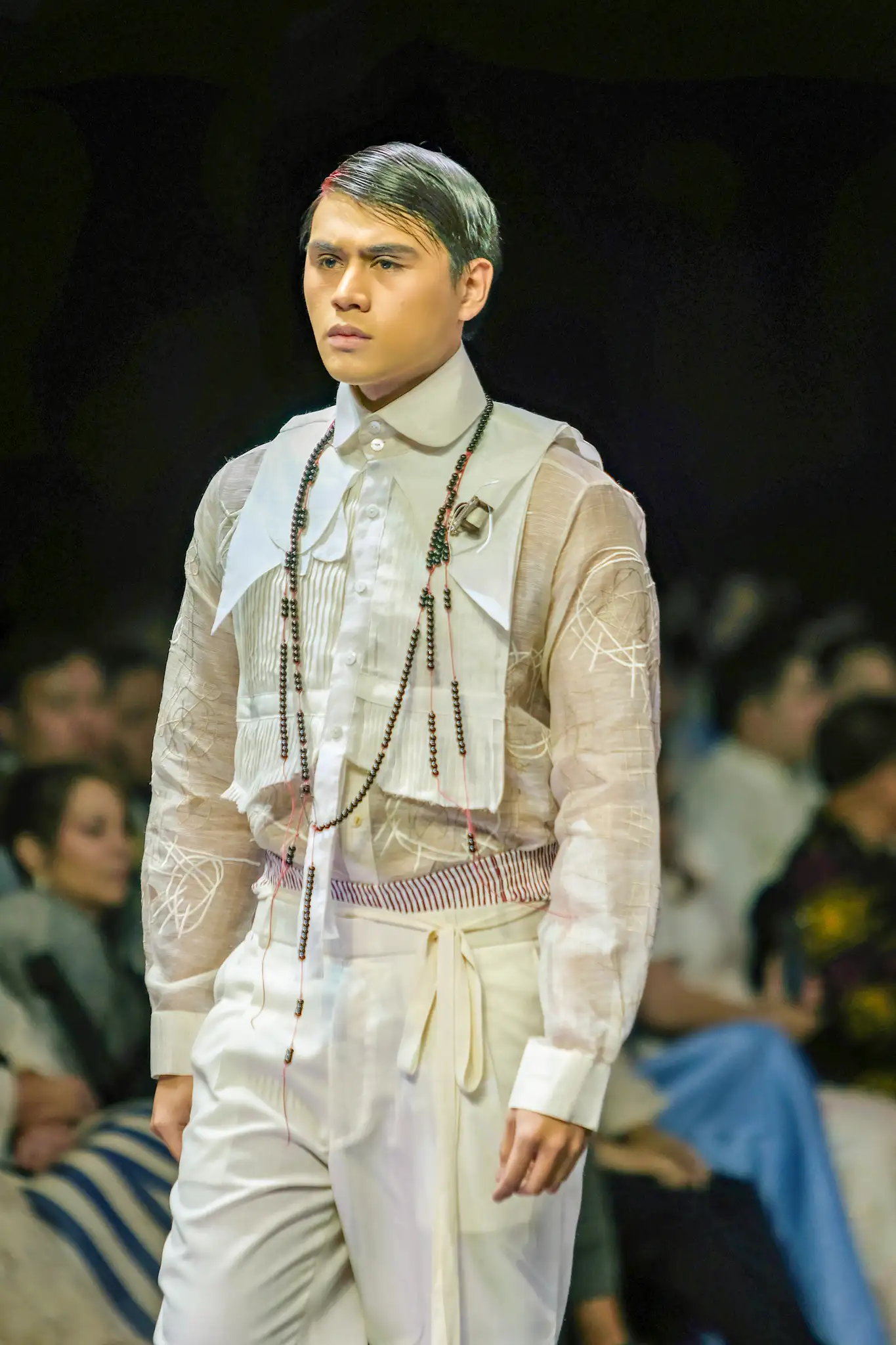
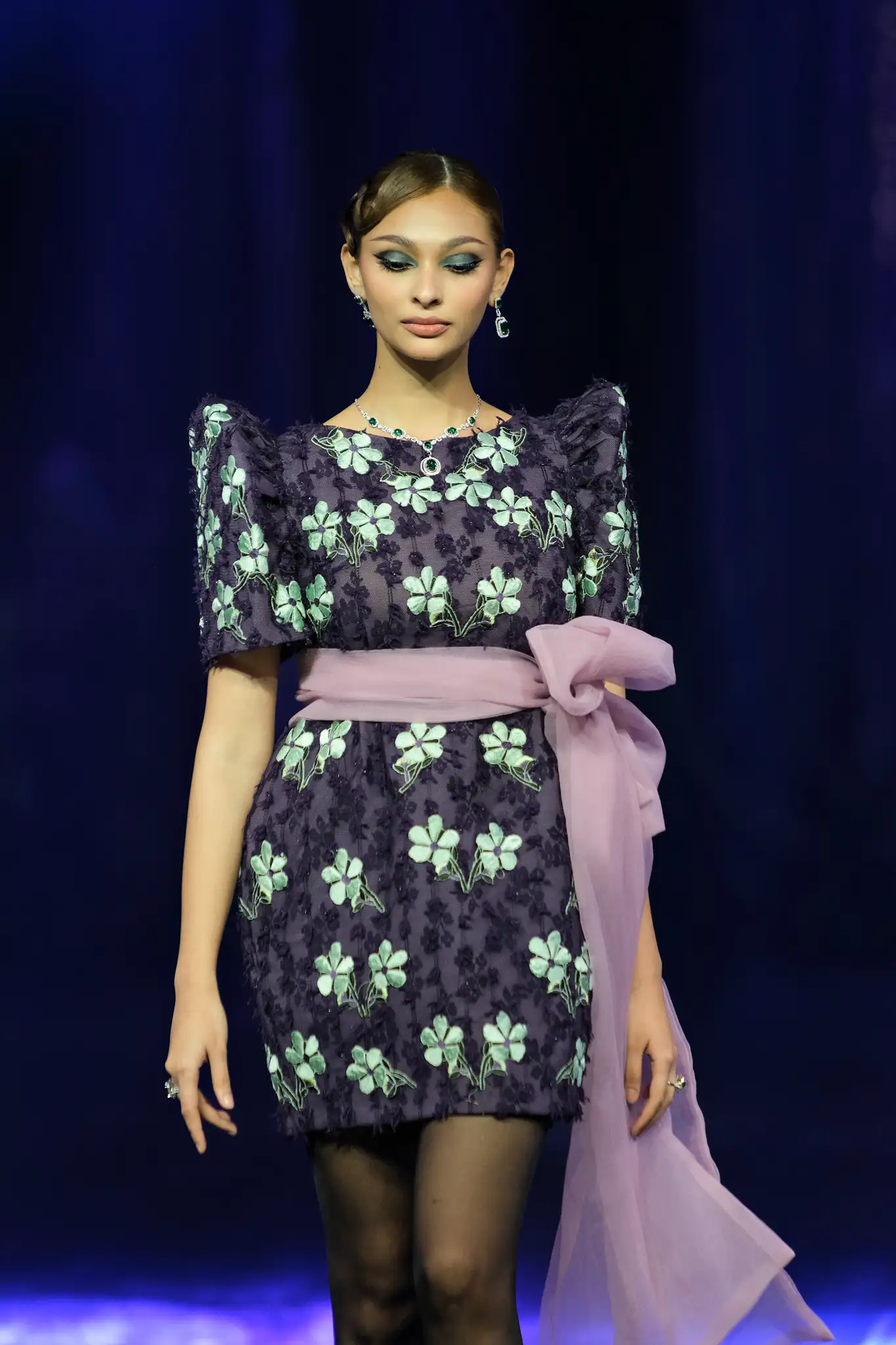
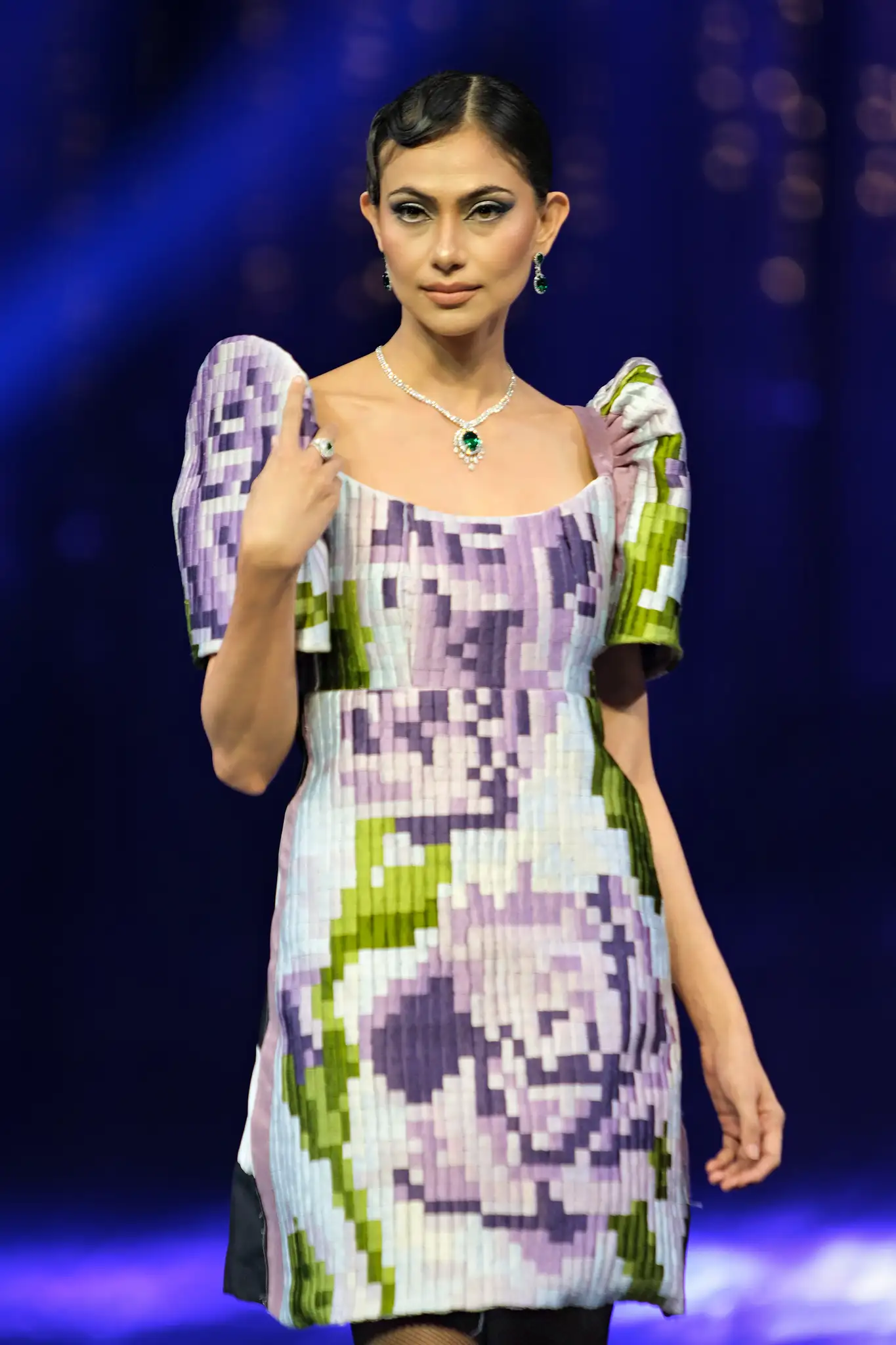
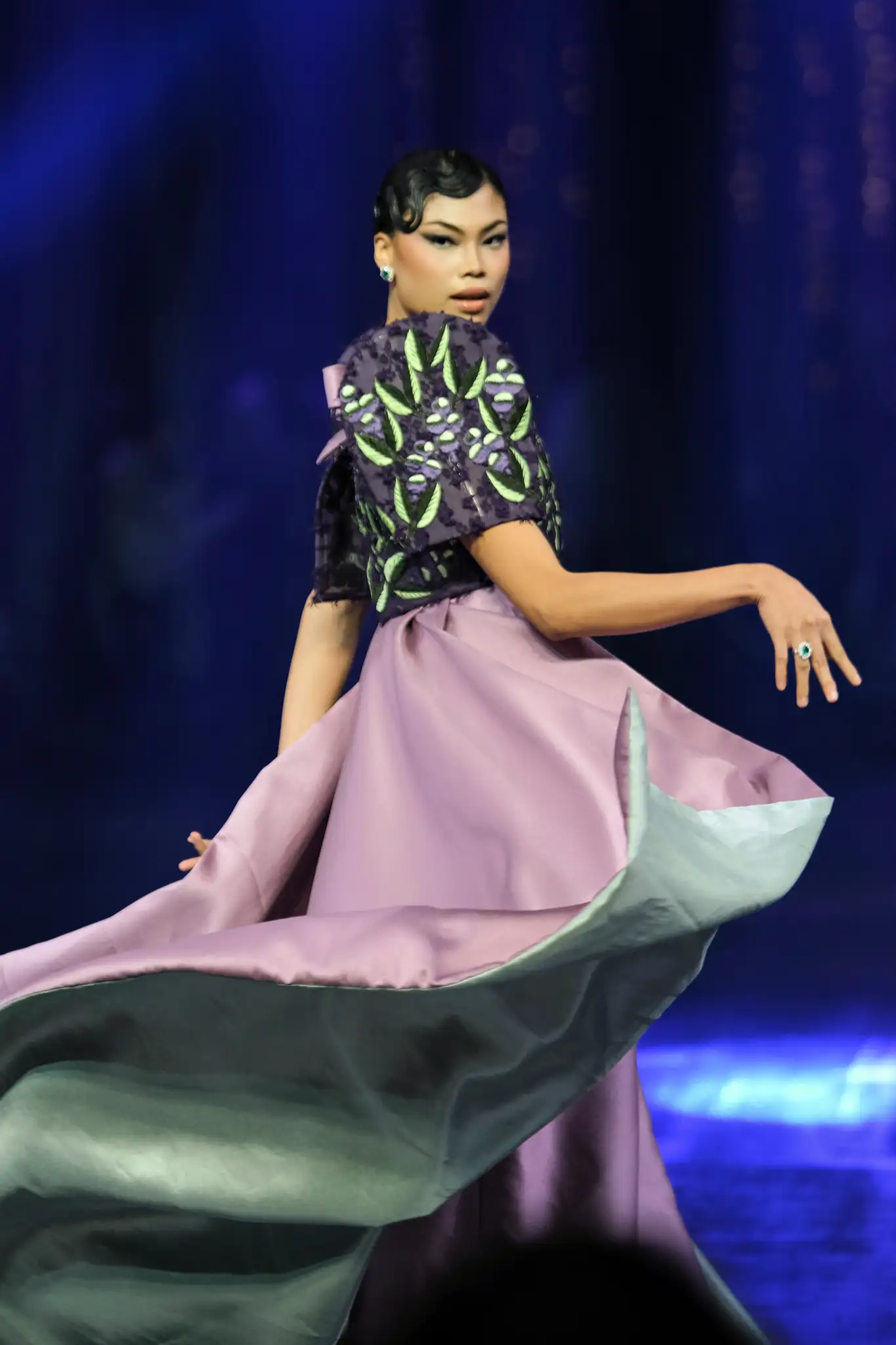
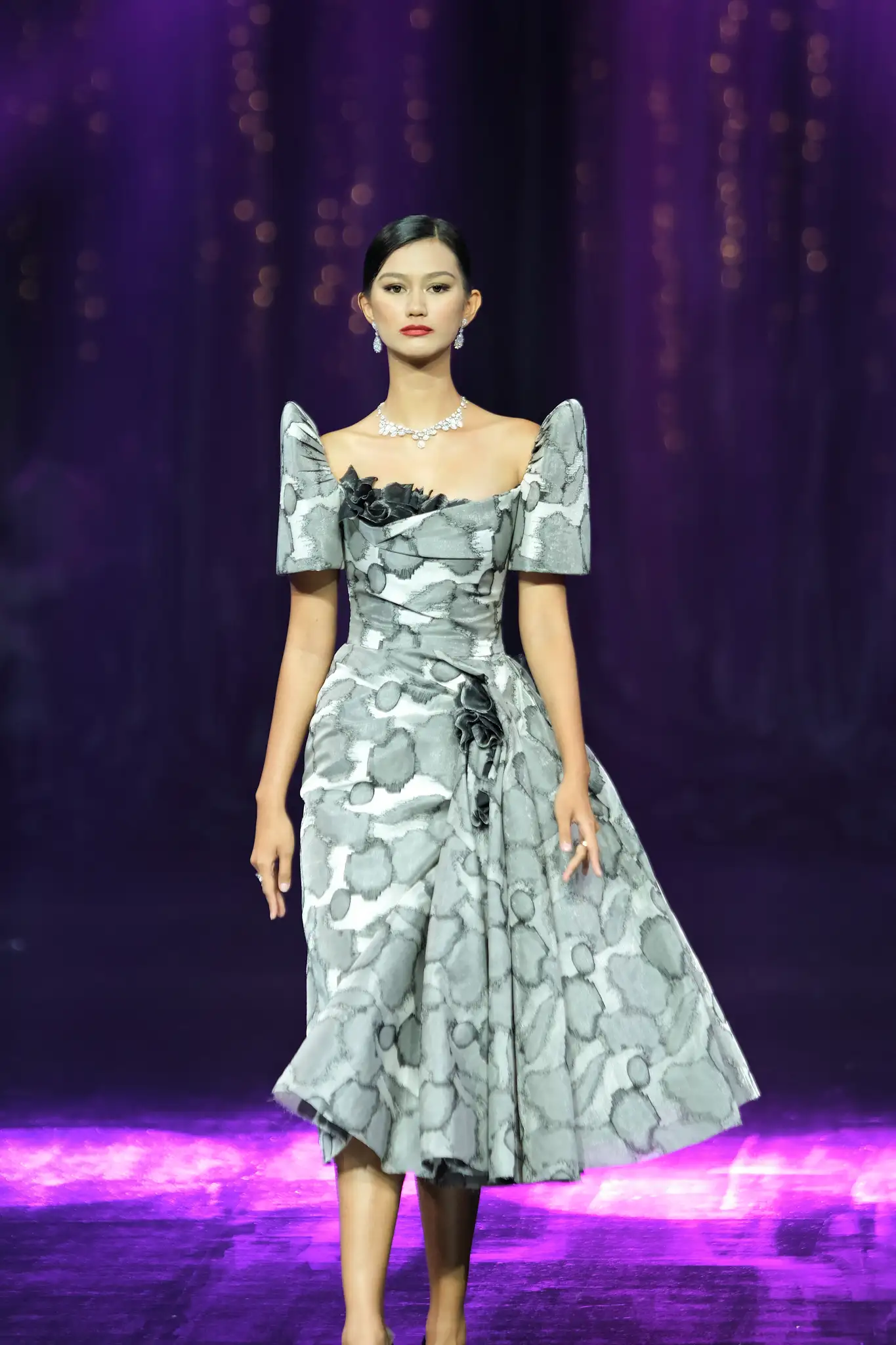
Also from Cebu, designer Protacio Empaces looked to the past to inform the present, drawing inspiration from the era when he believes the terno reached perfection: the mid-20th century designs of Ramon Valera, Salvacion Lim-Higgins, and Joe Salazar. His collection captured that golden age aesthetic with pixelated prints and floral motifs that felt distinctly retro, yet updated with modern functionality.
Jun Escario
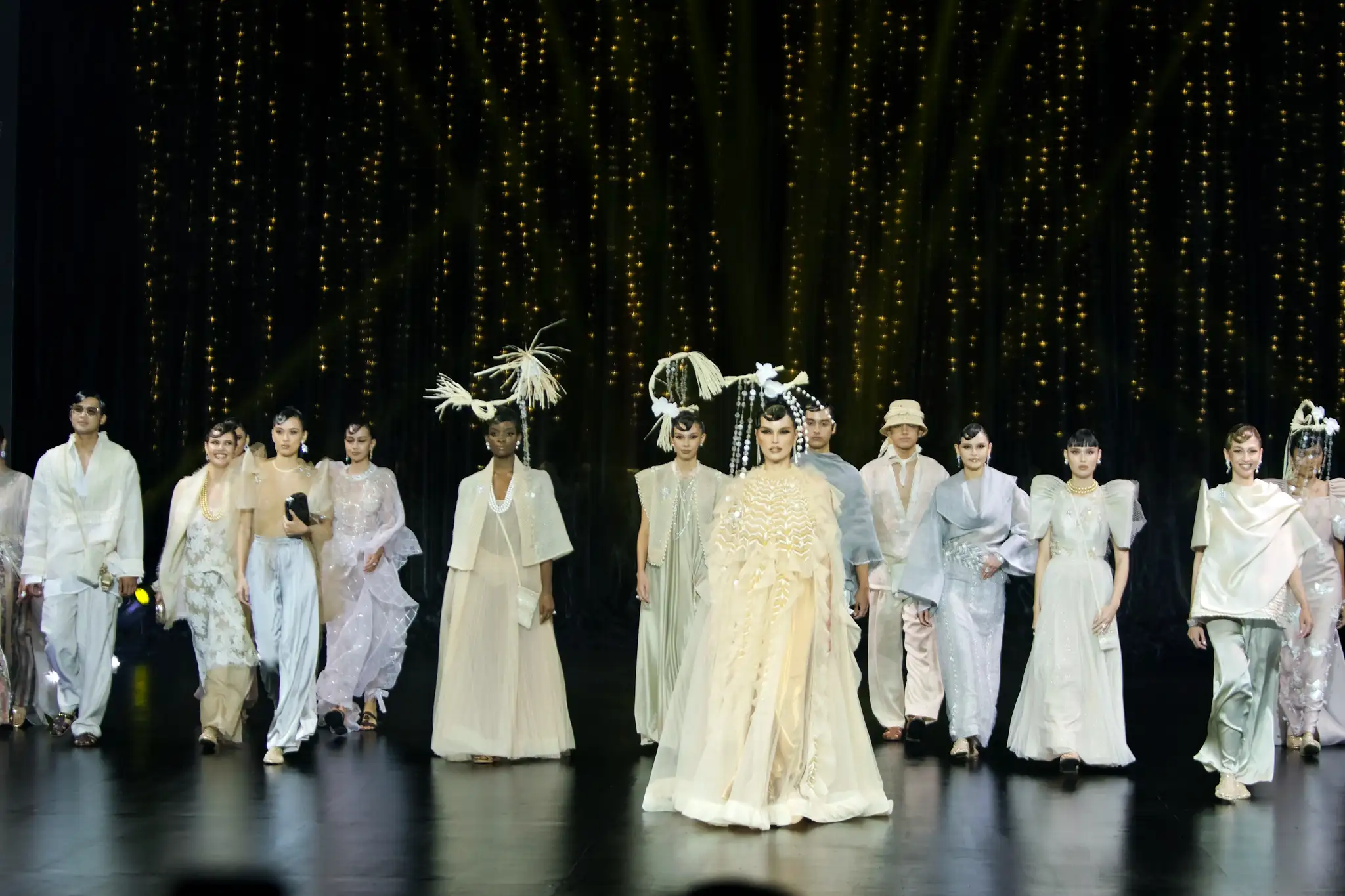
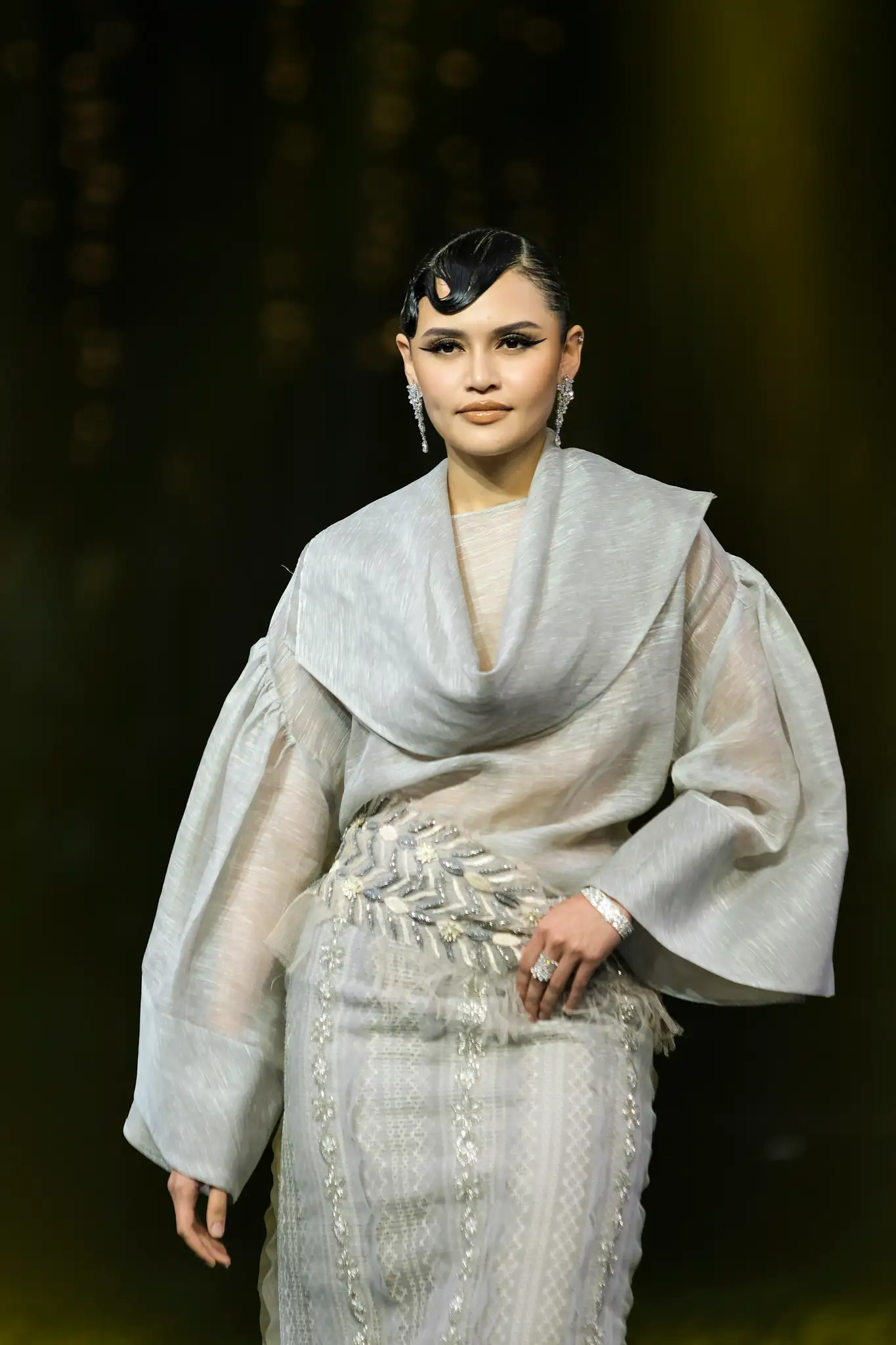
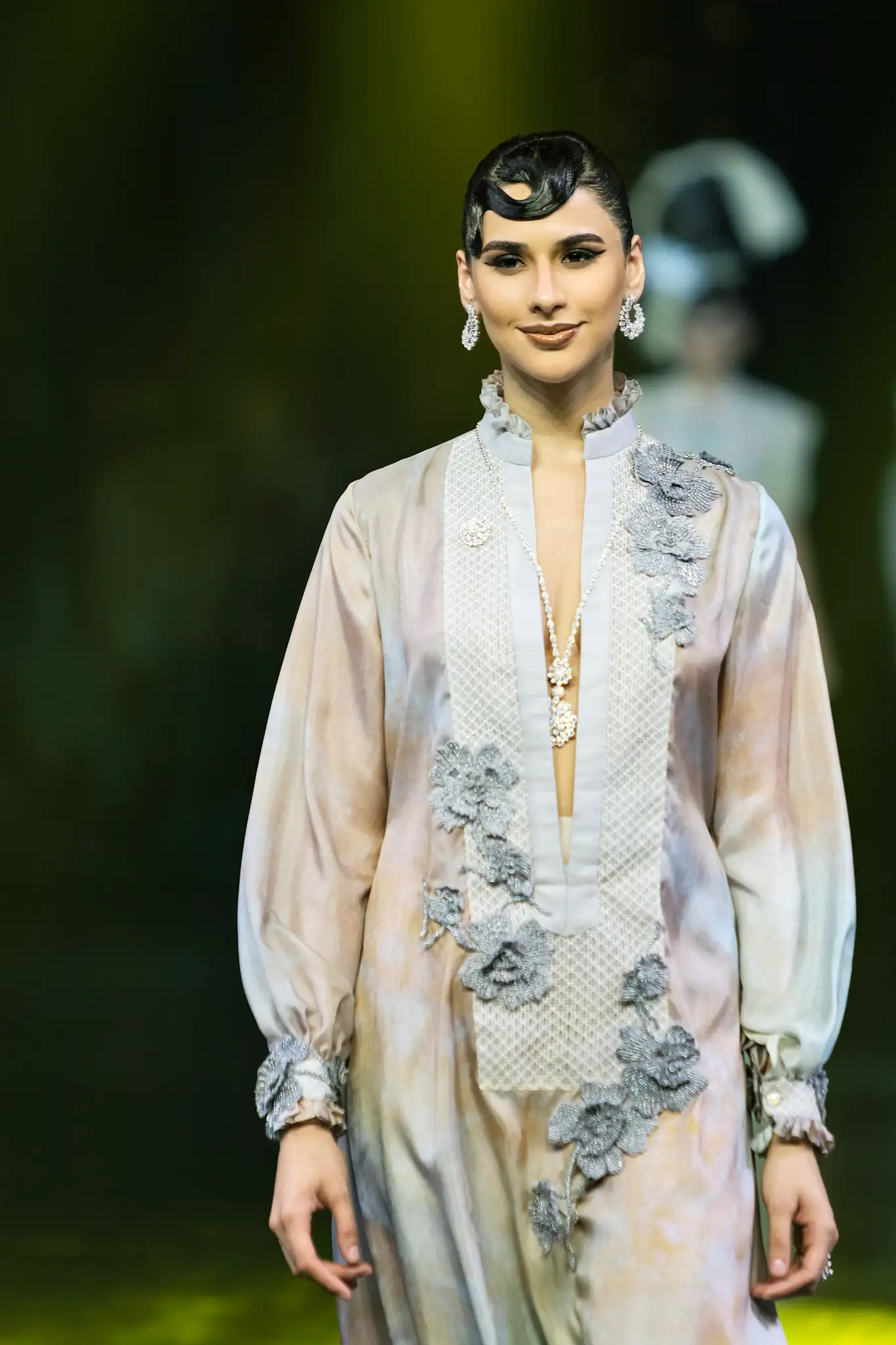
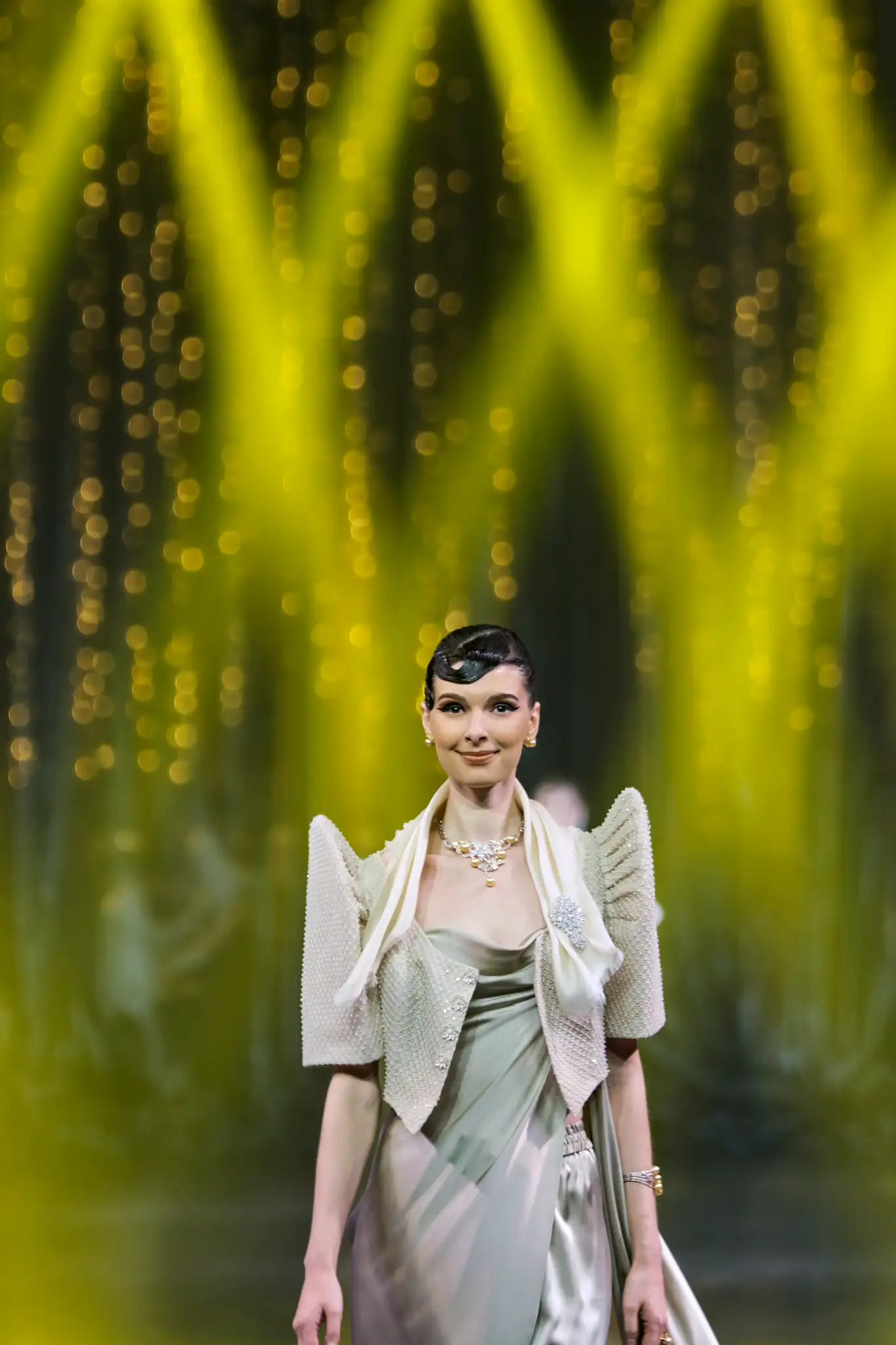
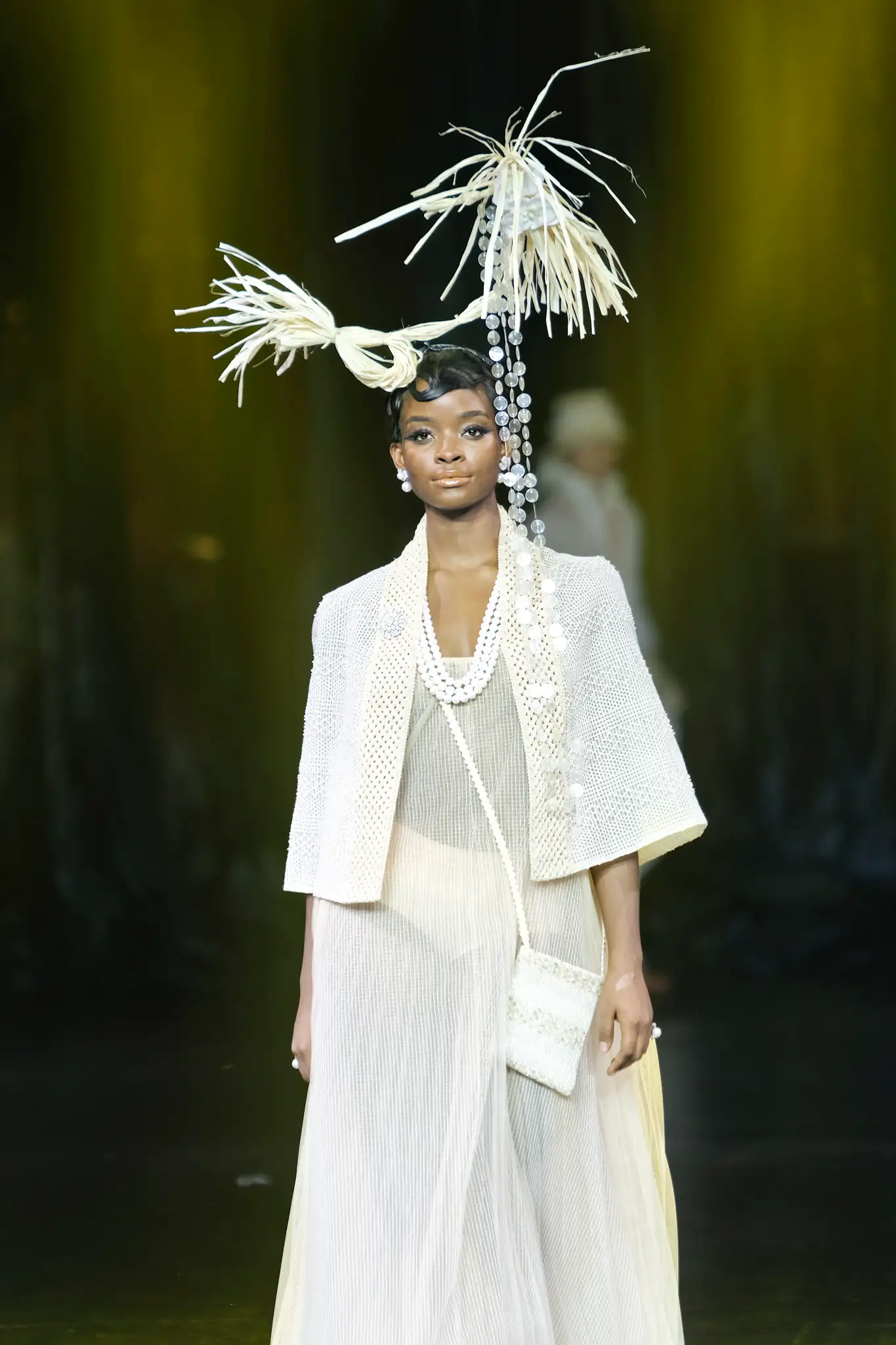
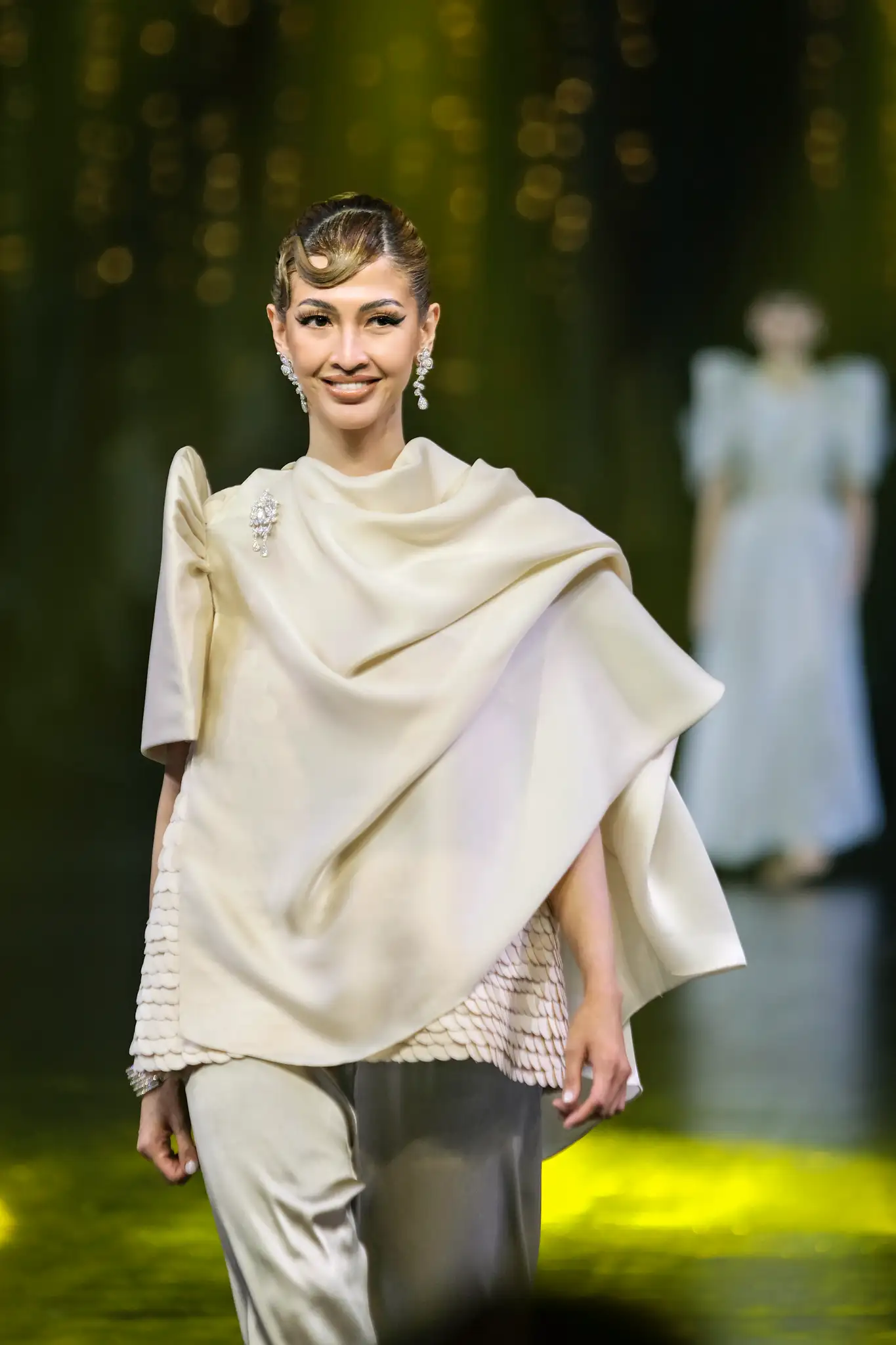
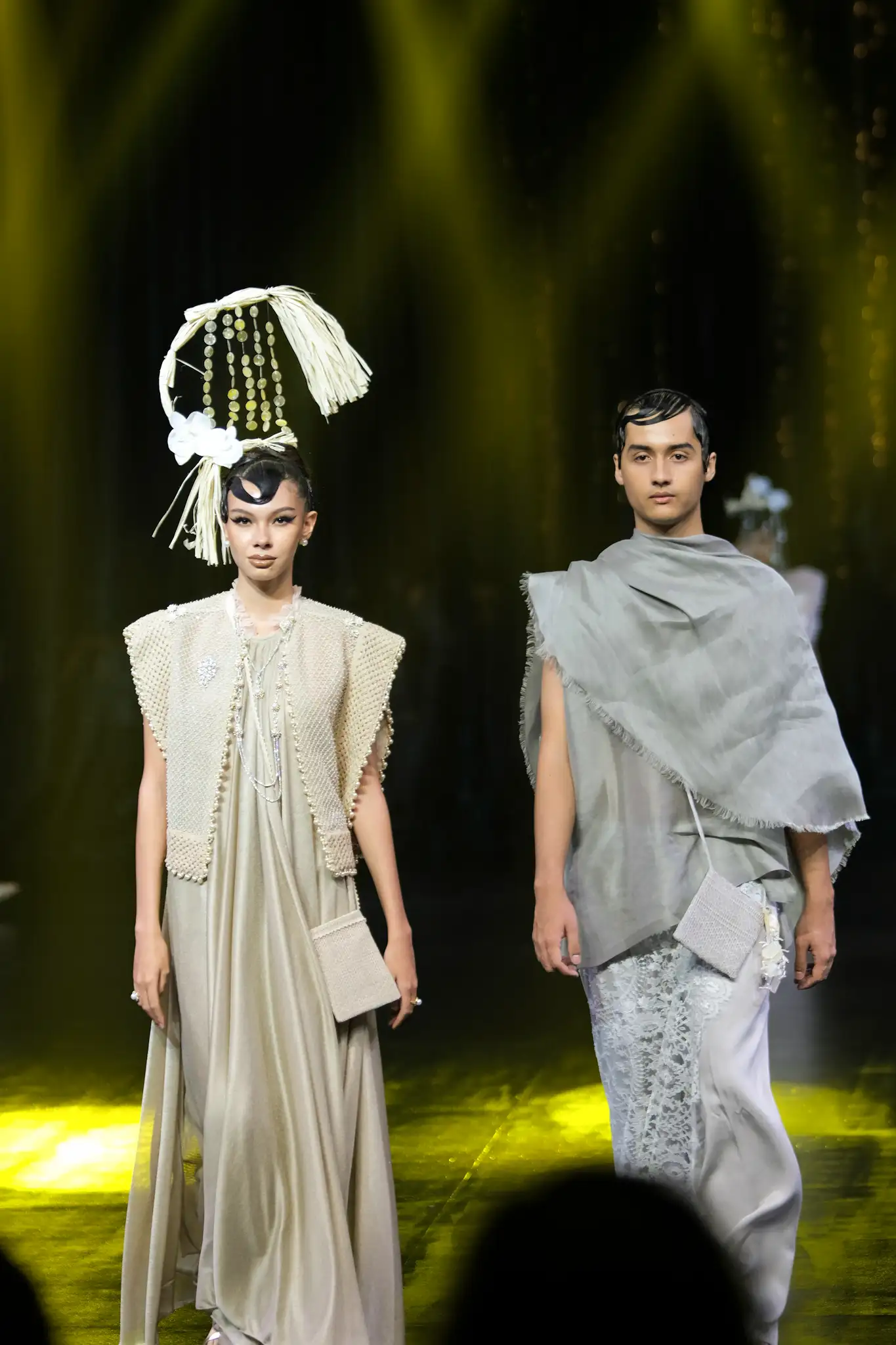
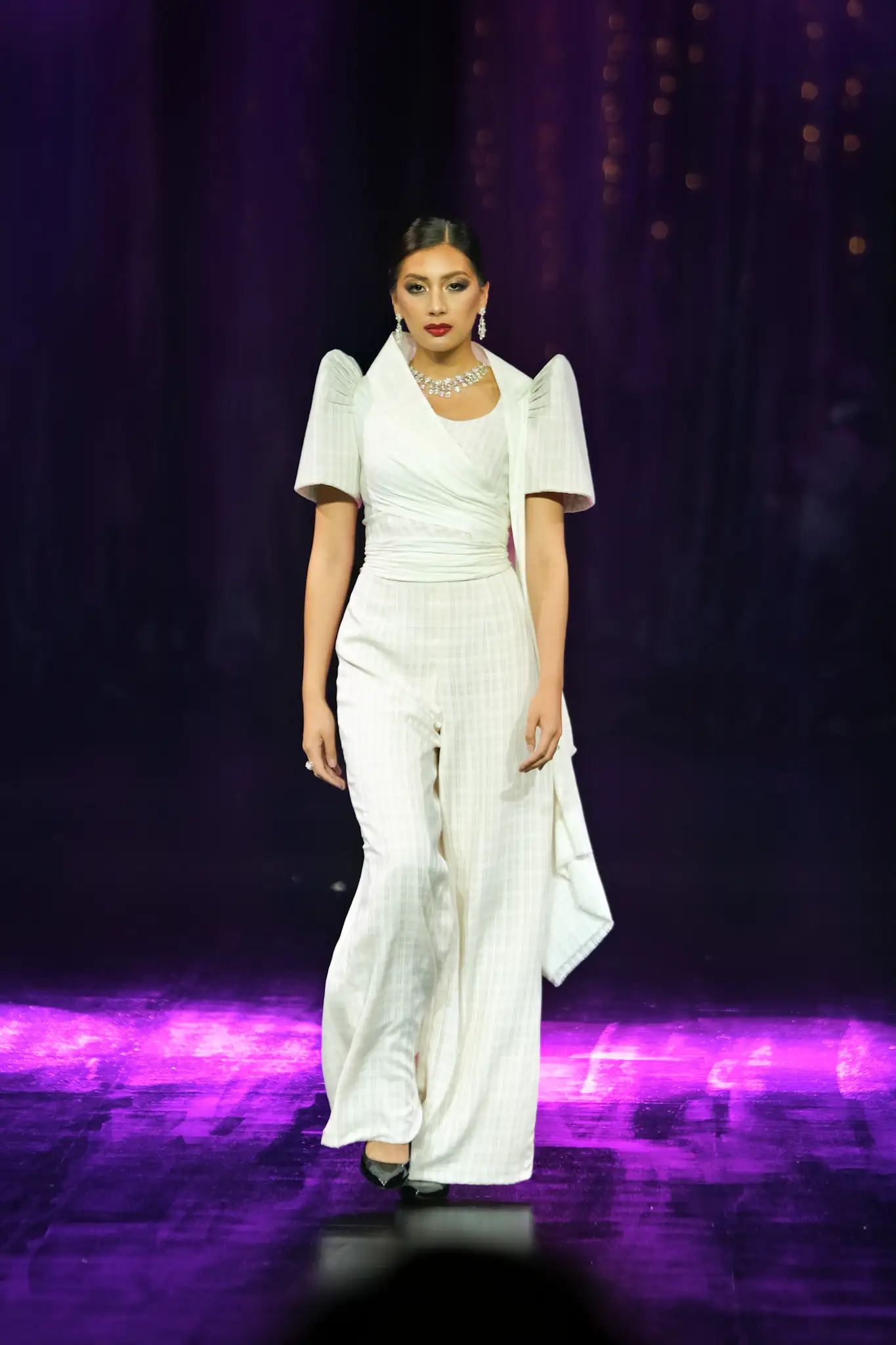
Jun Escario presented a collection that exuded effortless sophistication, treating the terno as the foundation for what felt like a resort collection. His predominantly neutral palette of creams, whites, and soft grays created a cohesive vision of modern Filipiniana that could transition seamlessly from beachside ceremonies to evening soirées. The collection featured flowing fabrics, draped silhouettes, and subtle textural details that caught the light beautifully, while traditional butterfly sleeves were reimagined with contemporary proportions.
Jojie Lloren
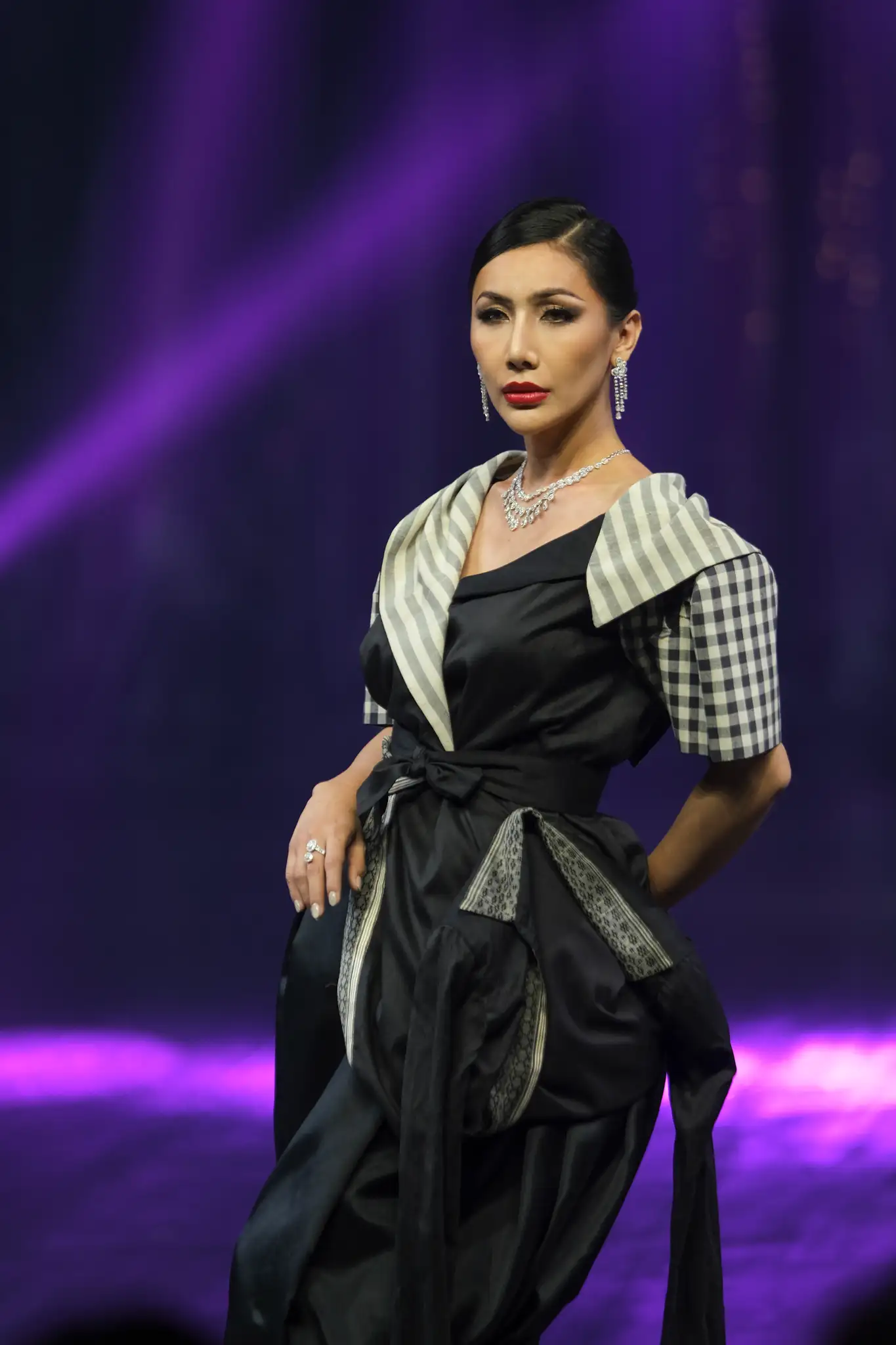
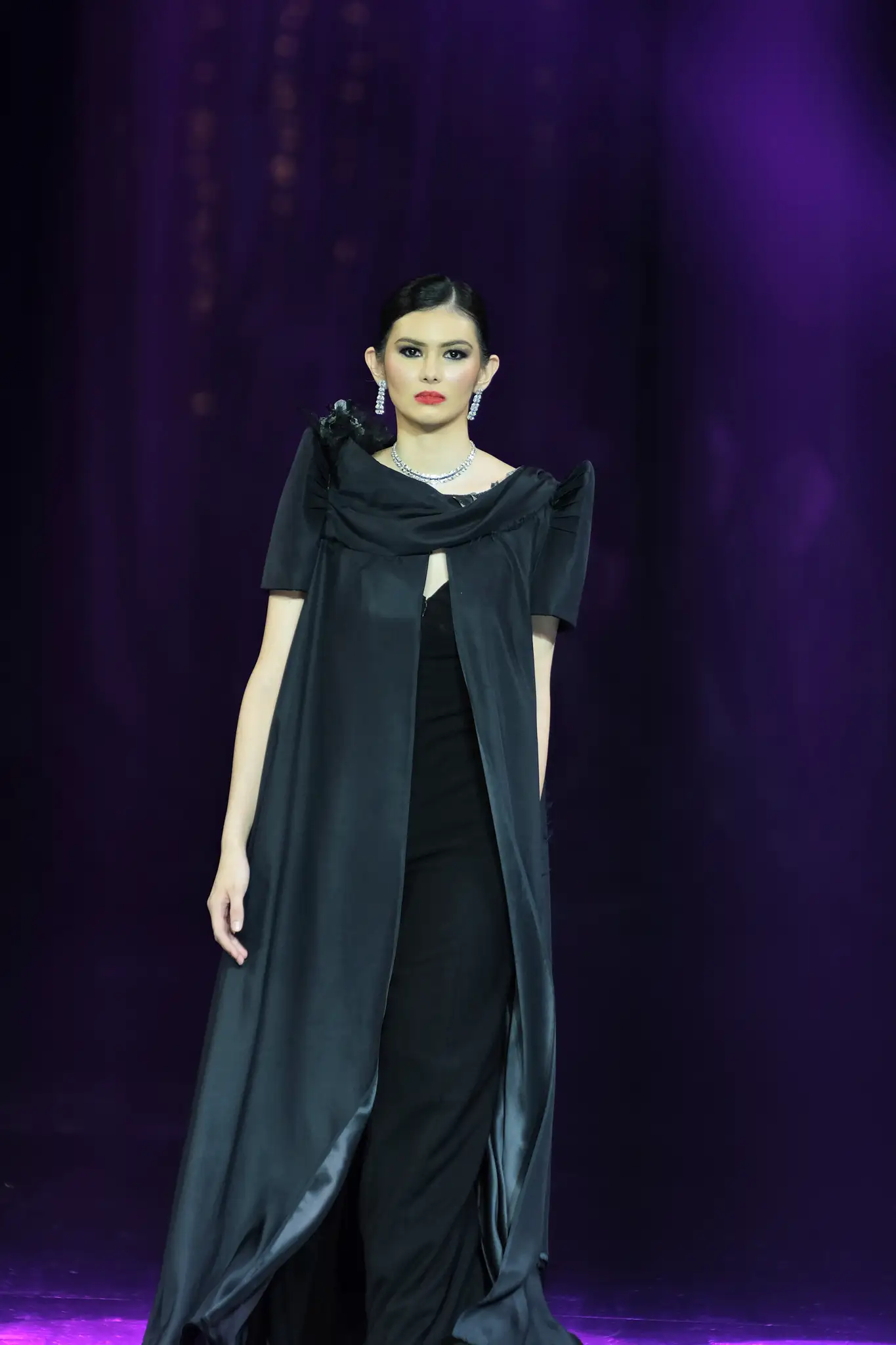
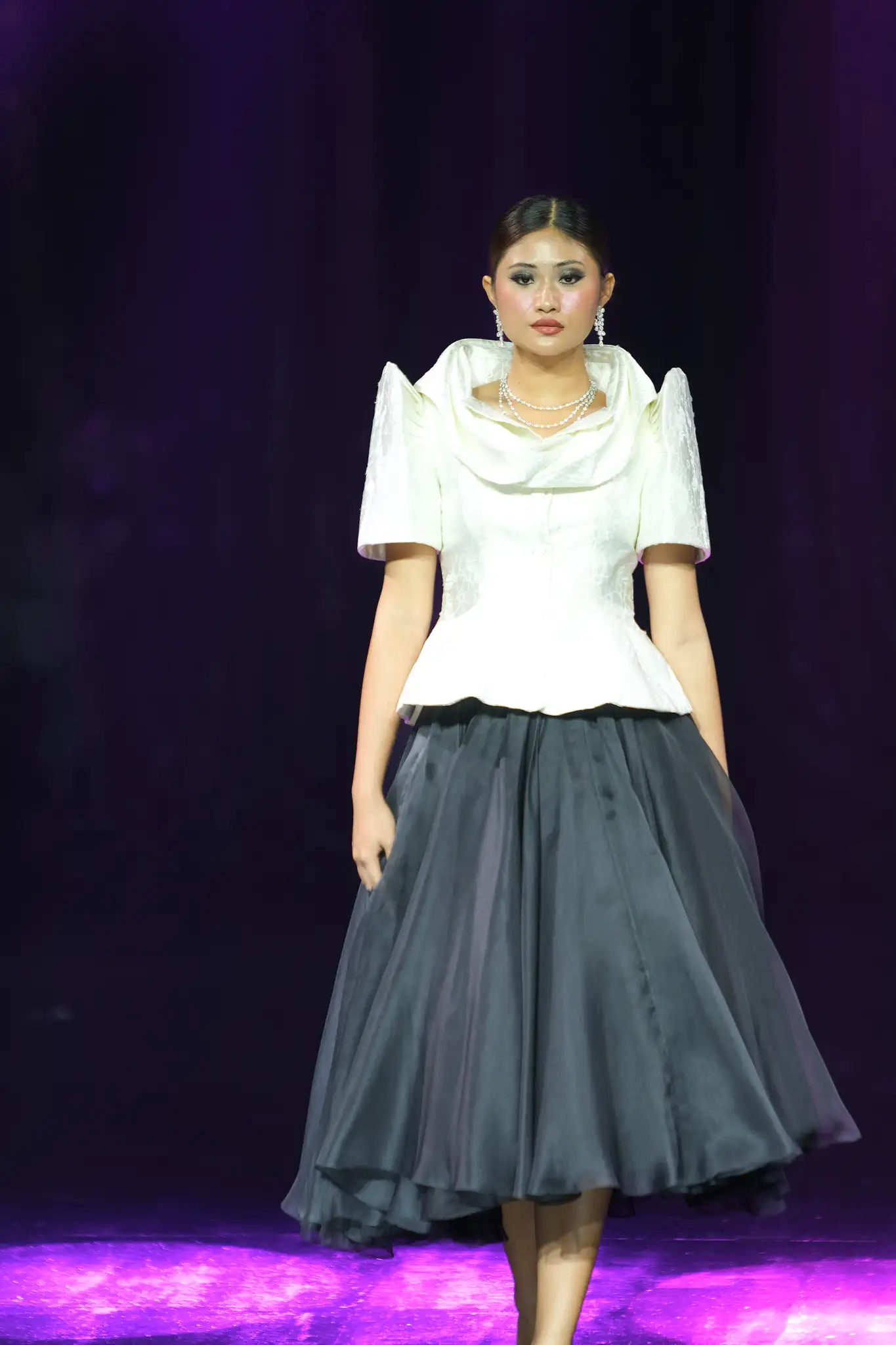
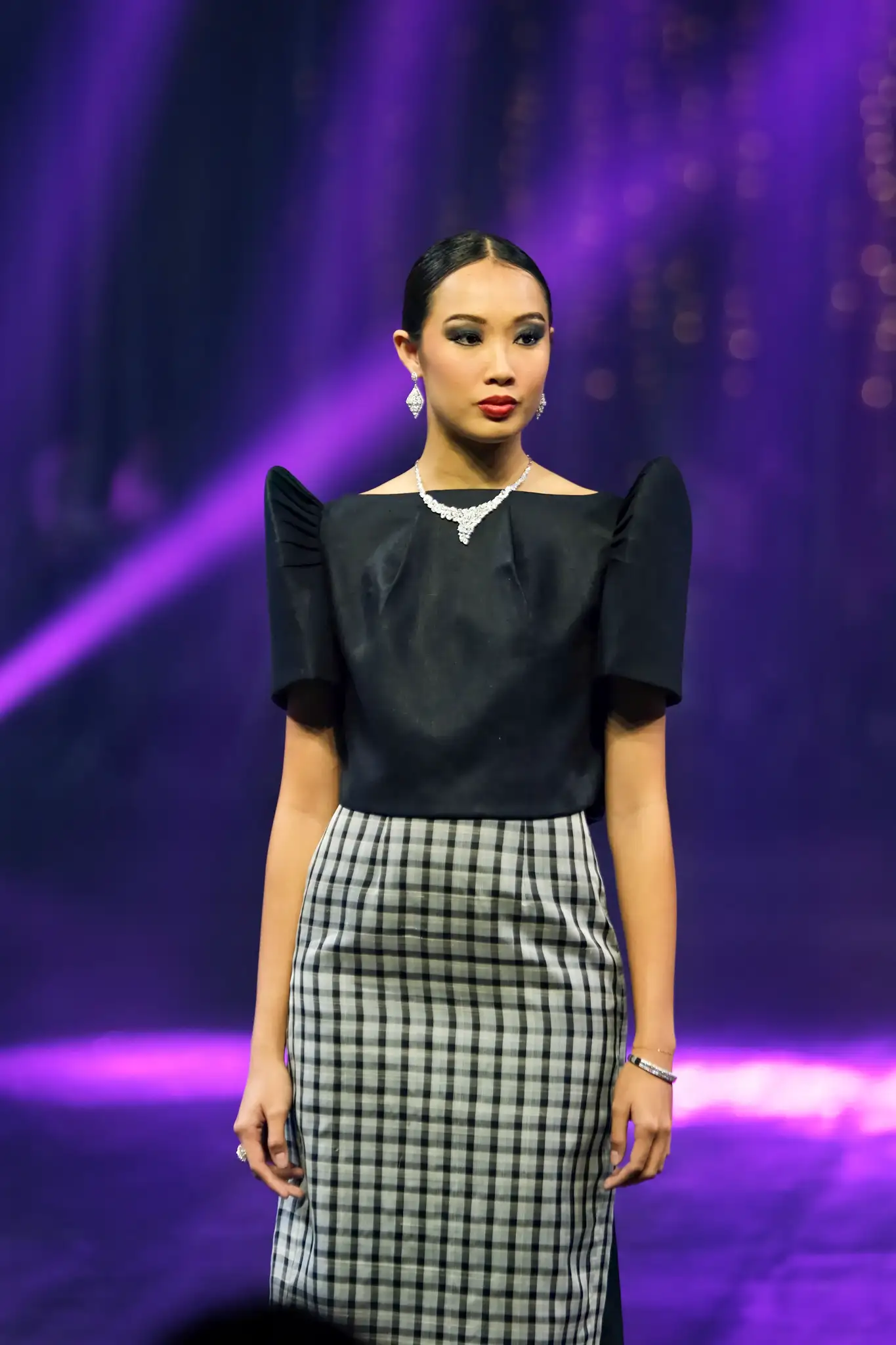
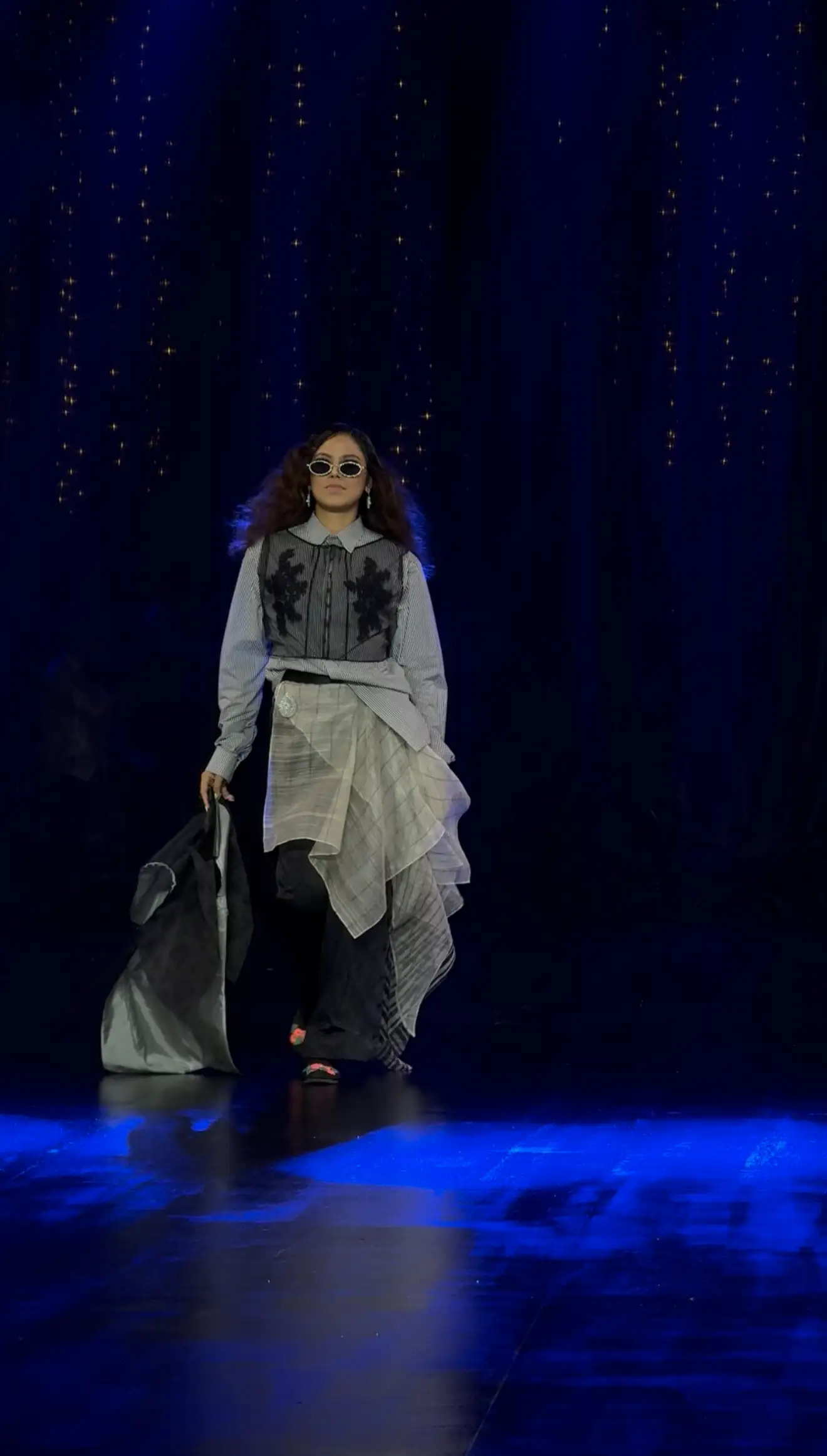
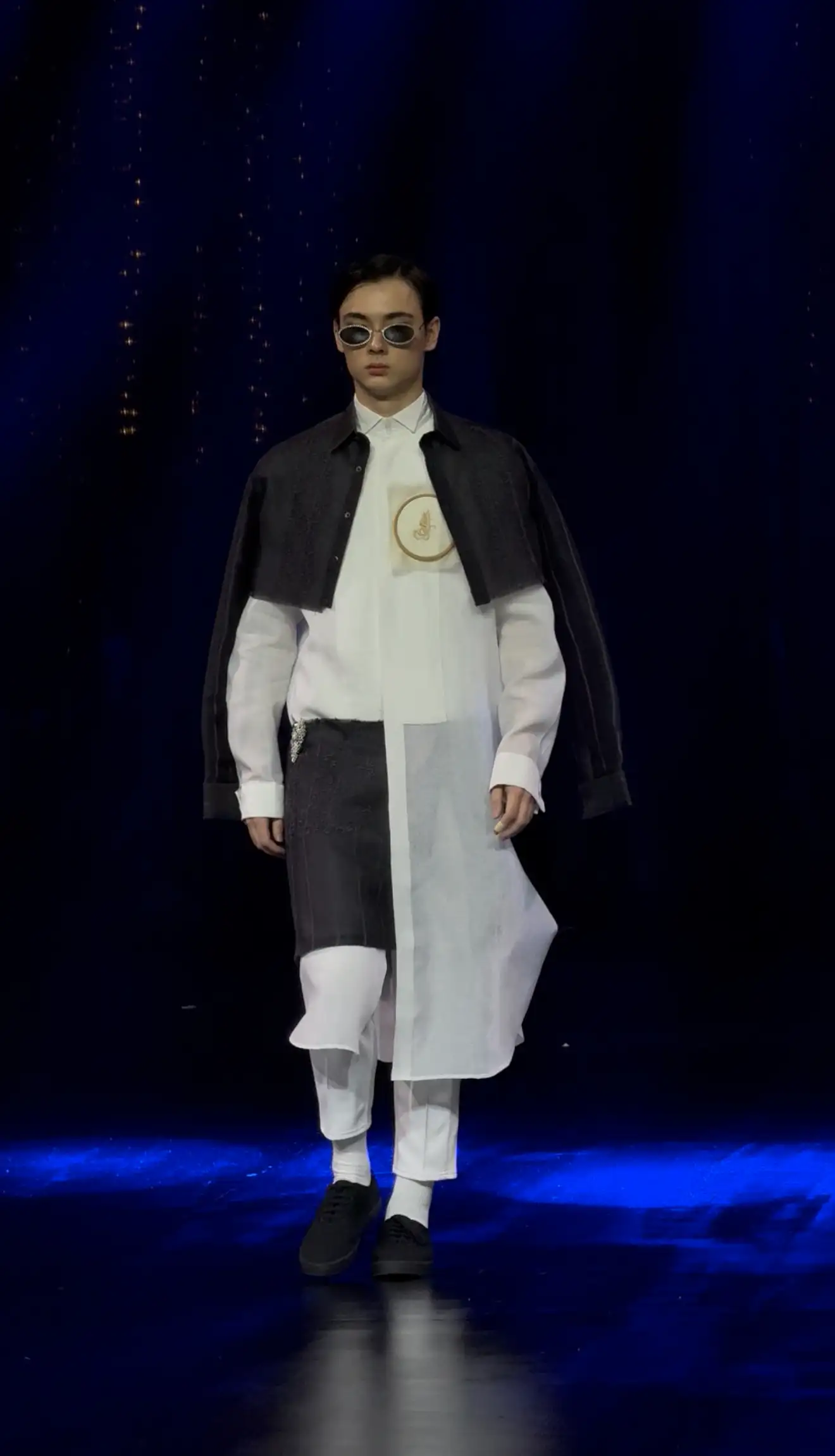
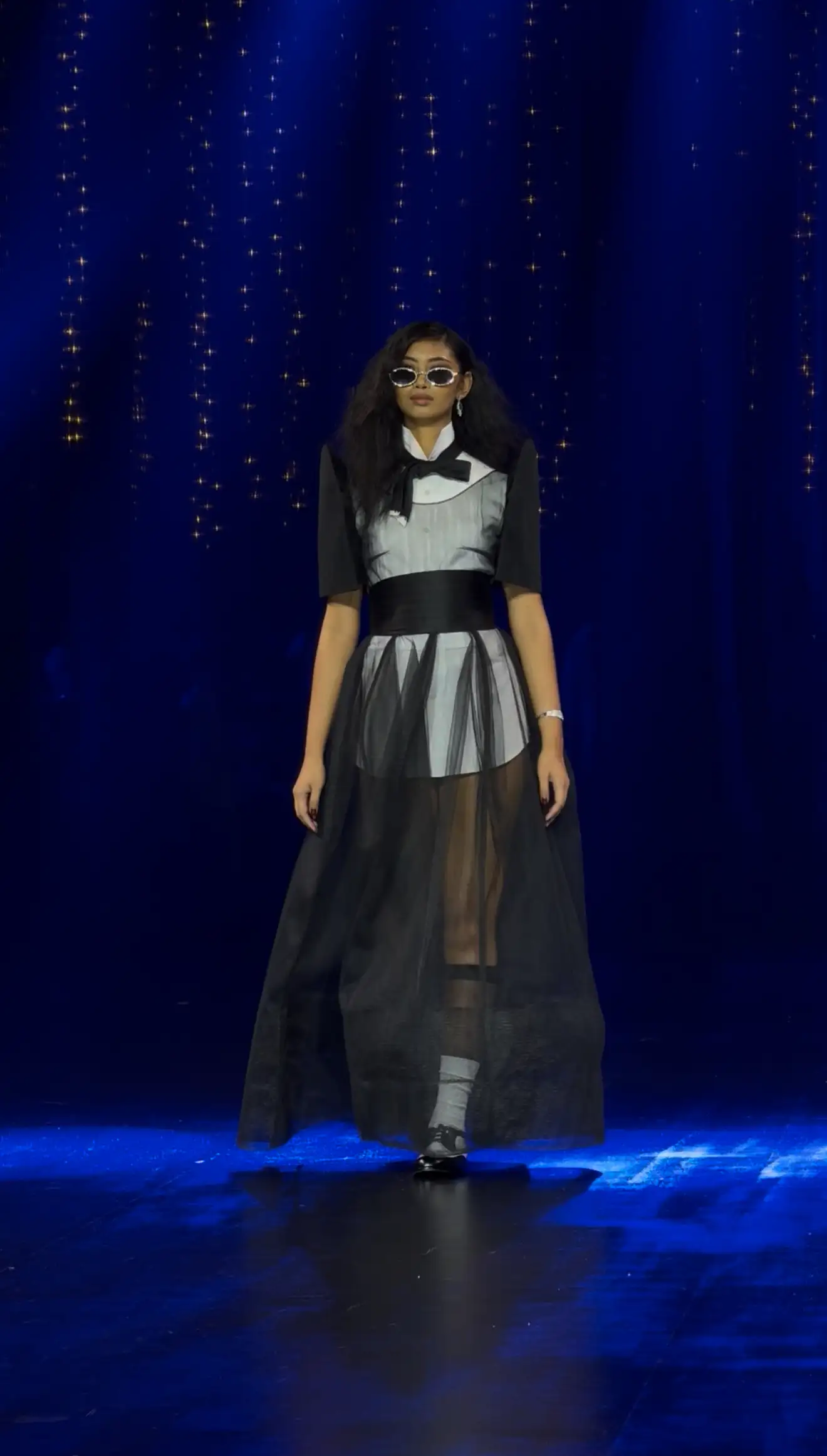
Jojie Lloren approached the terno with a focus on sophisticated separates. The collection broke down the traditional one-piece terno into versatile components: structured tops paired with flowing skirts, crisp white blouses with dramatic sleeves, and sharp blazers that reimagined the butterfly sleeve as an architectural detail. He also incorporated playful patterns that punctuated the monochromatic palette.
Joey Samson
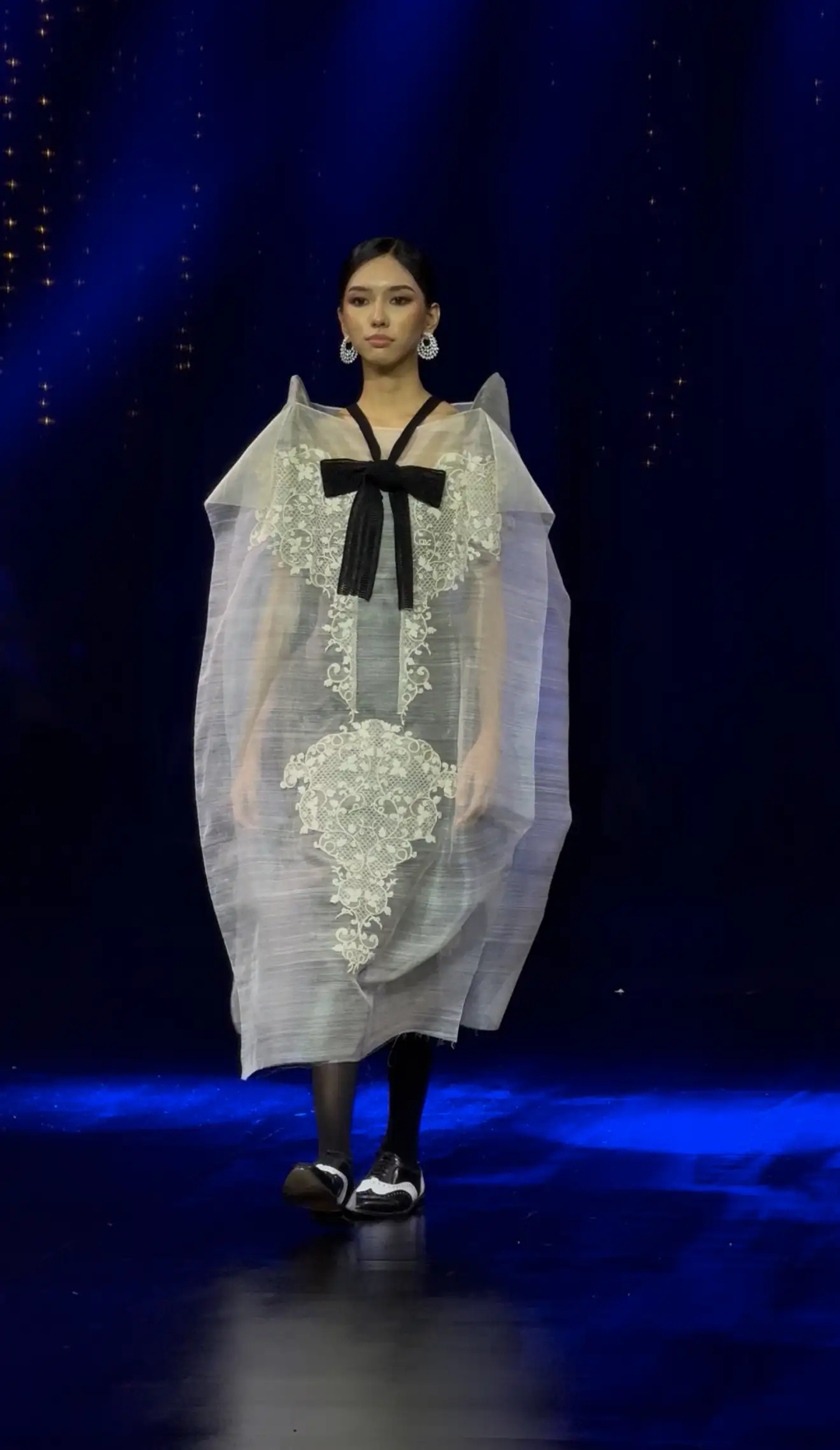
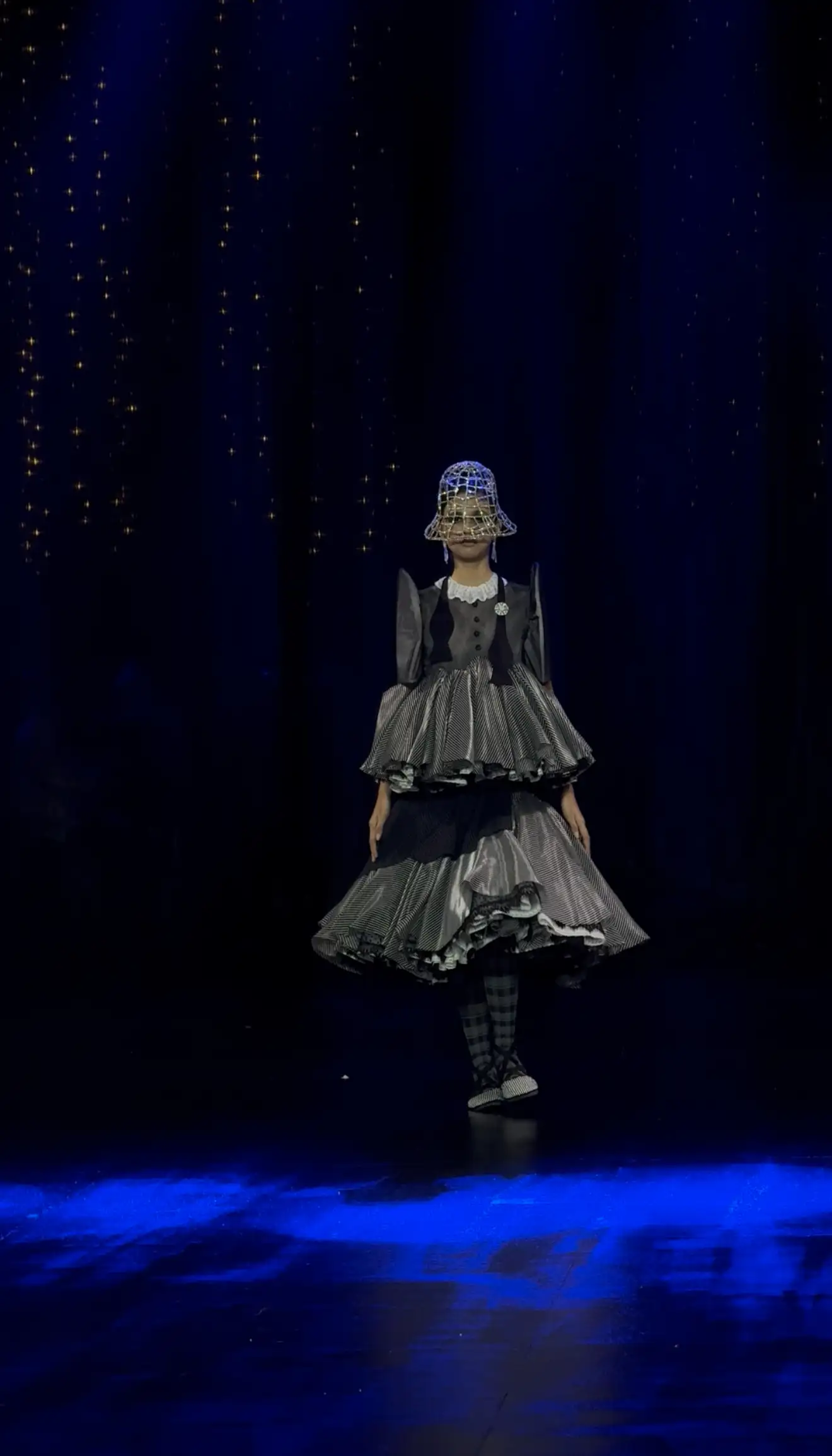
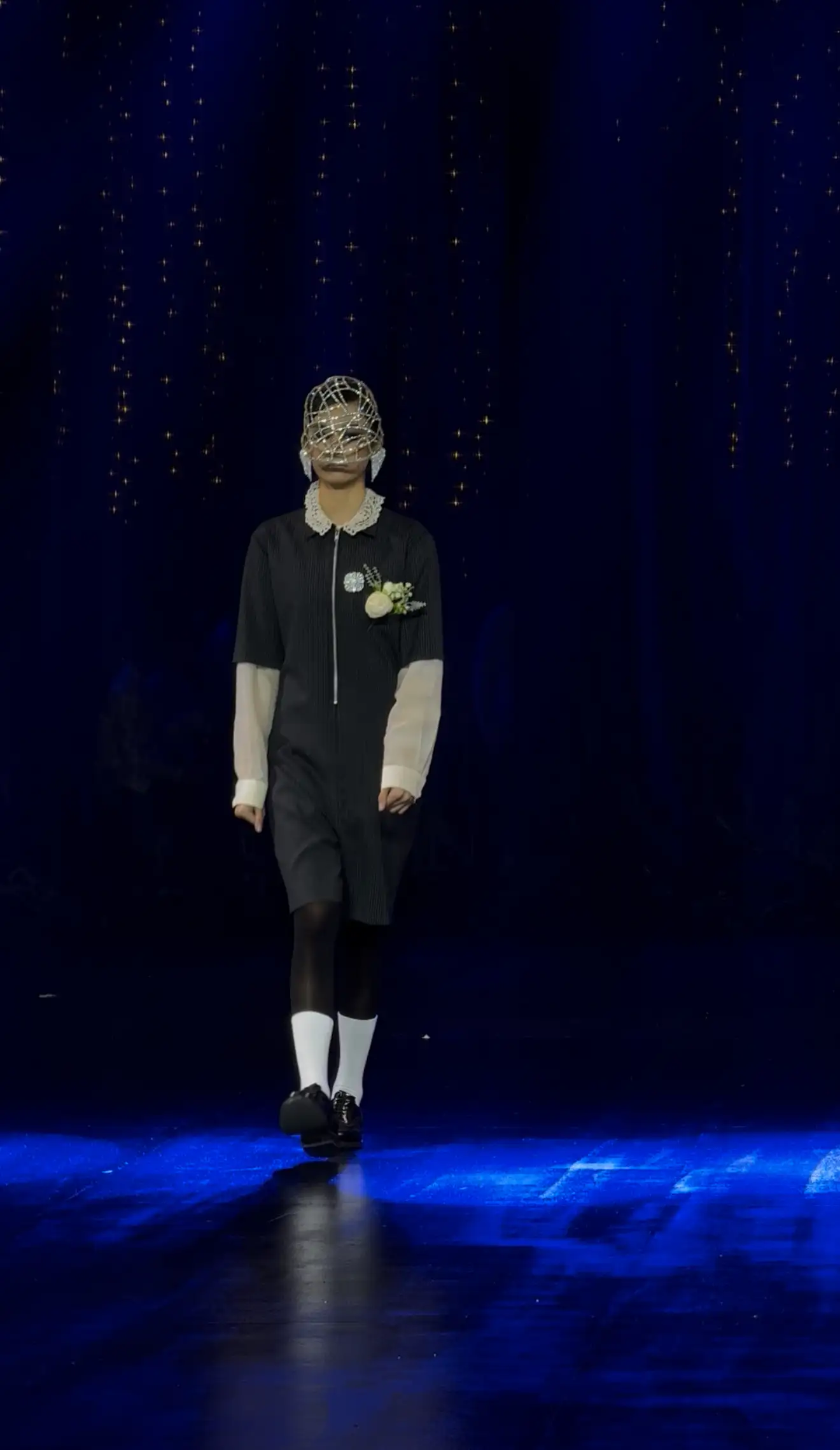
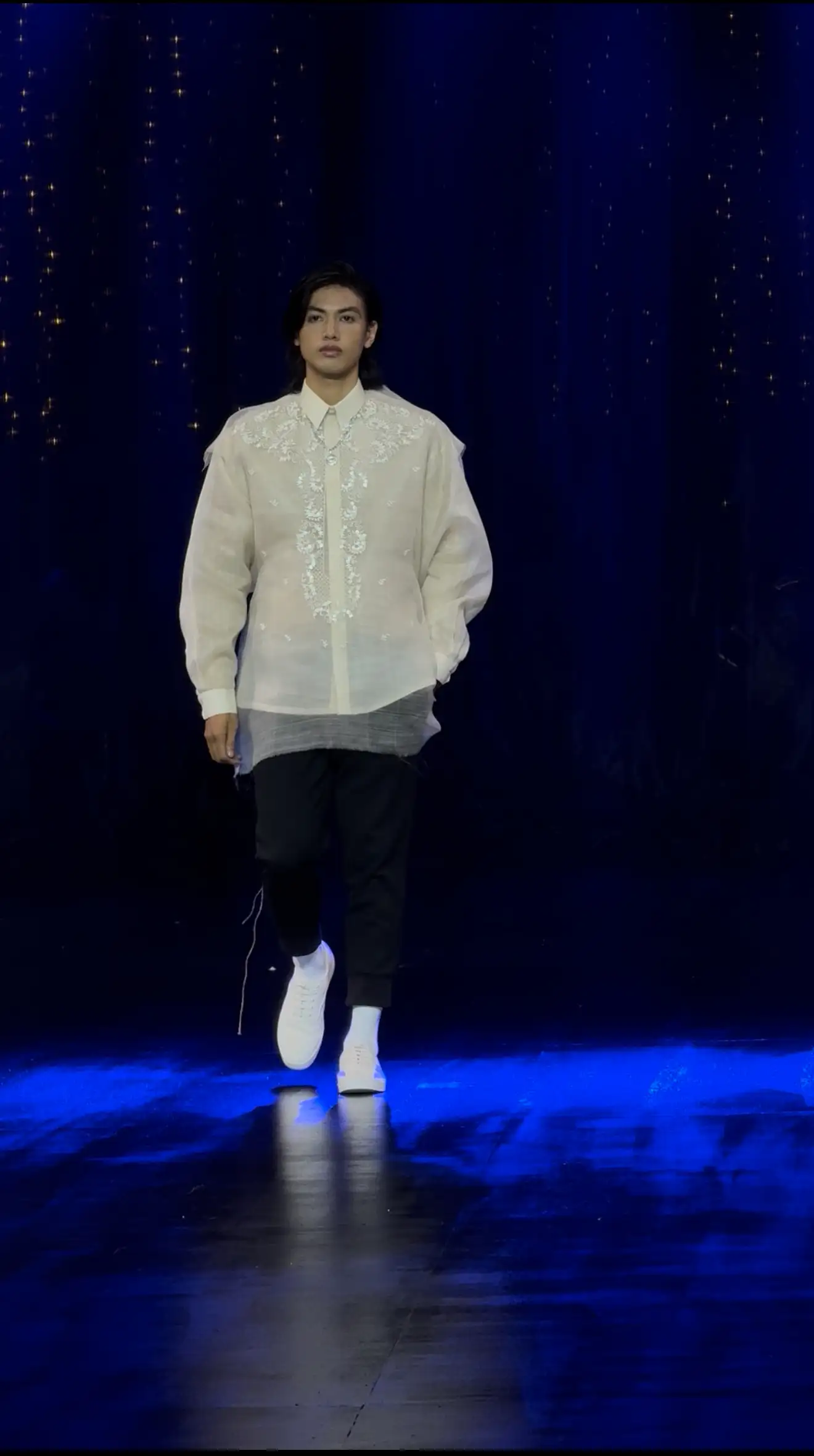
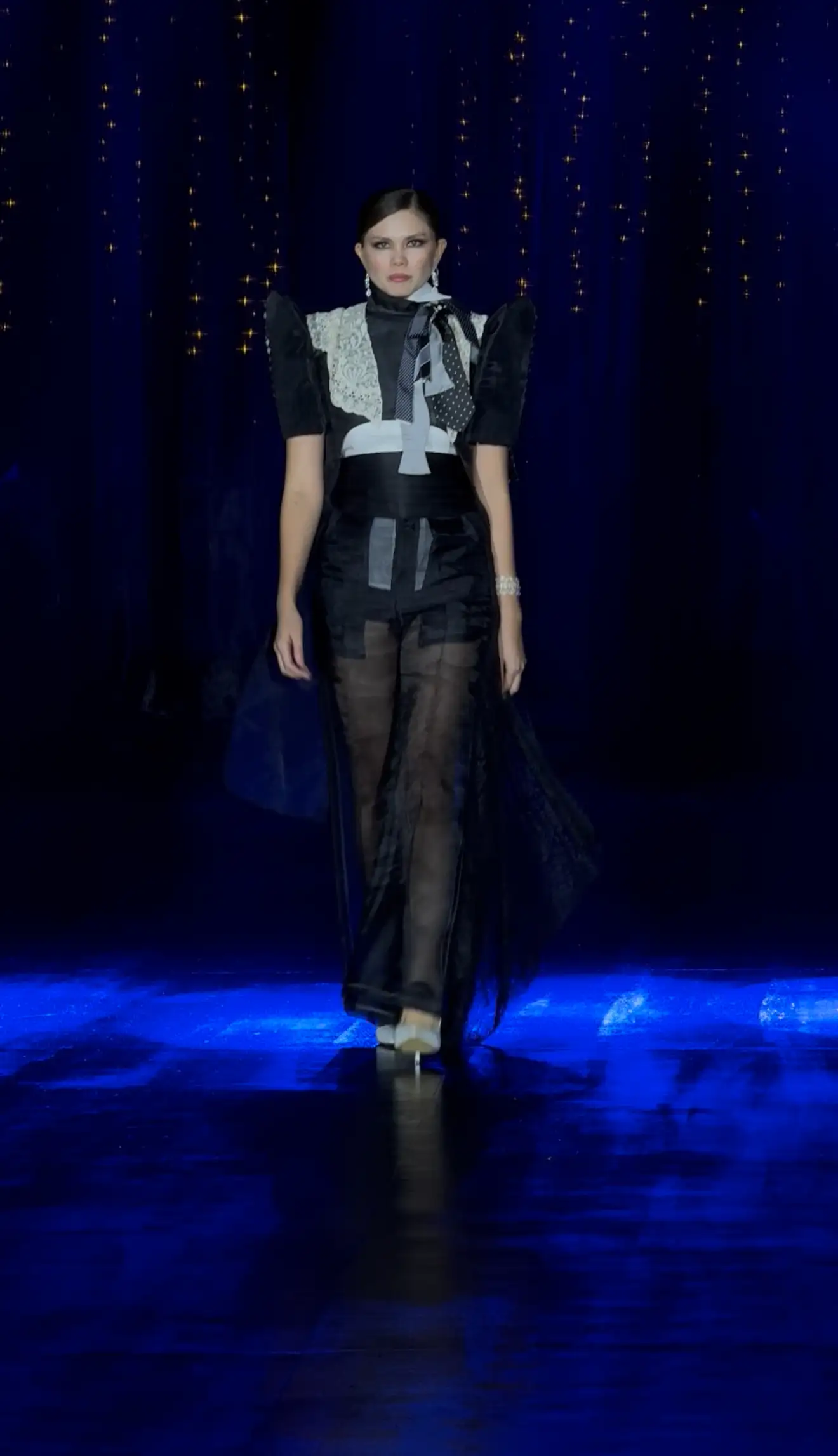
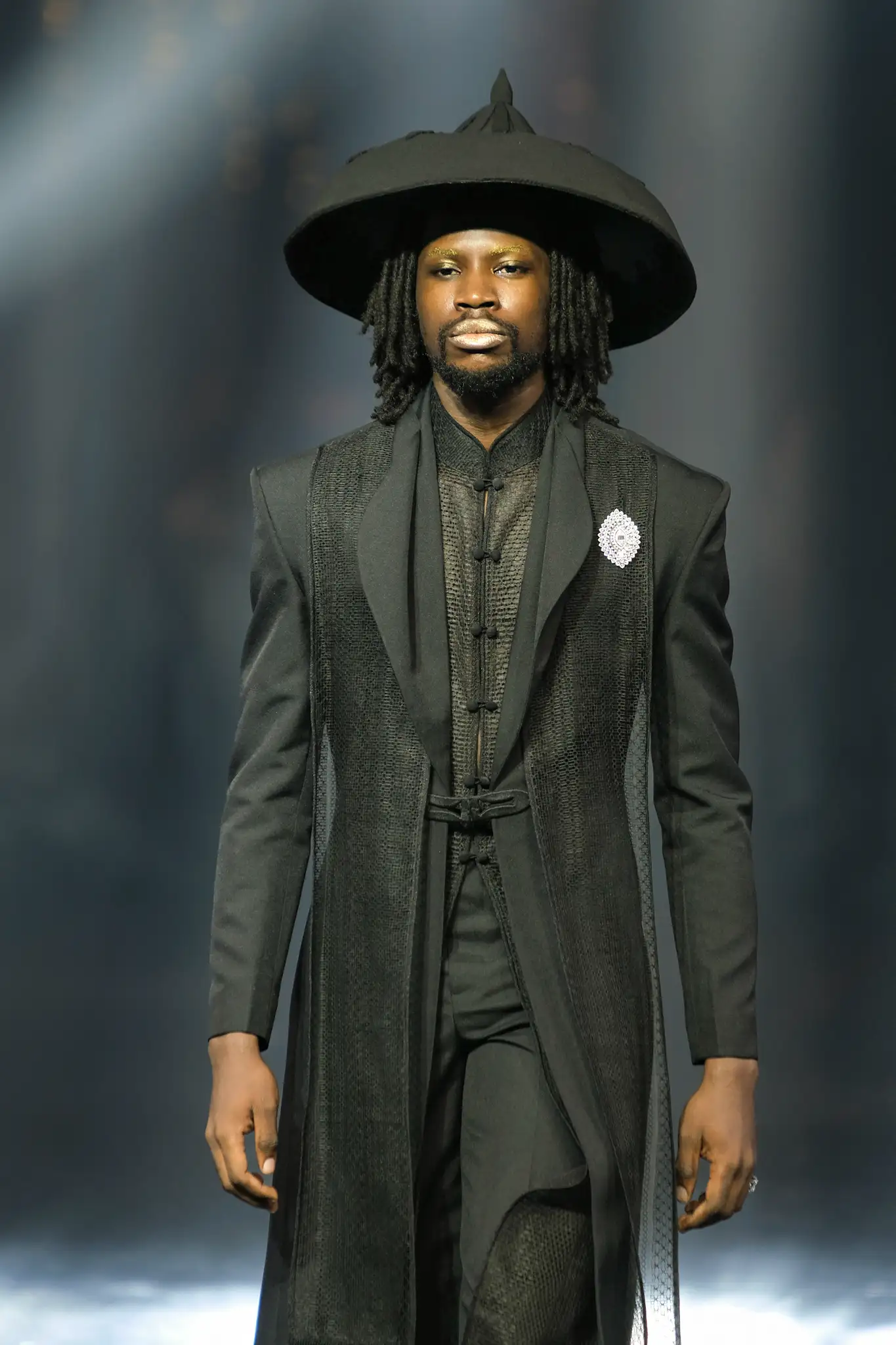
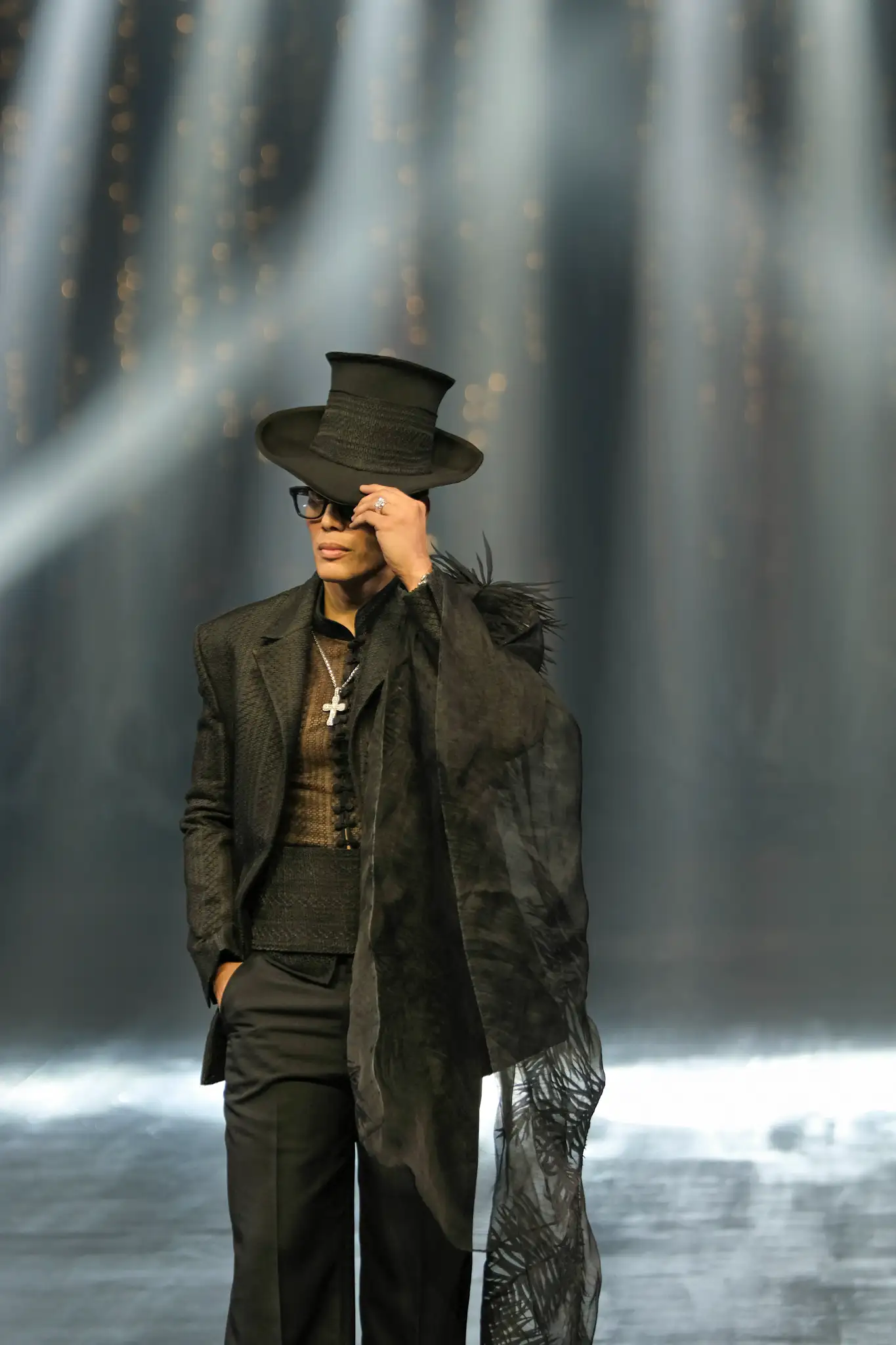
Joey Samson reimagined the terno through the lens of formal menswear, creating a collection that drew its cues from the classic tuxedo. His monochromatic palette of black and white translated traditional Filipino formalwear into something sharply contemporary, with crisp bow ties, structured silhouettes, and an androgynous edge that challenged conventional notions of femininity in Filipiniana.
Cary Santiago
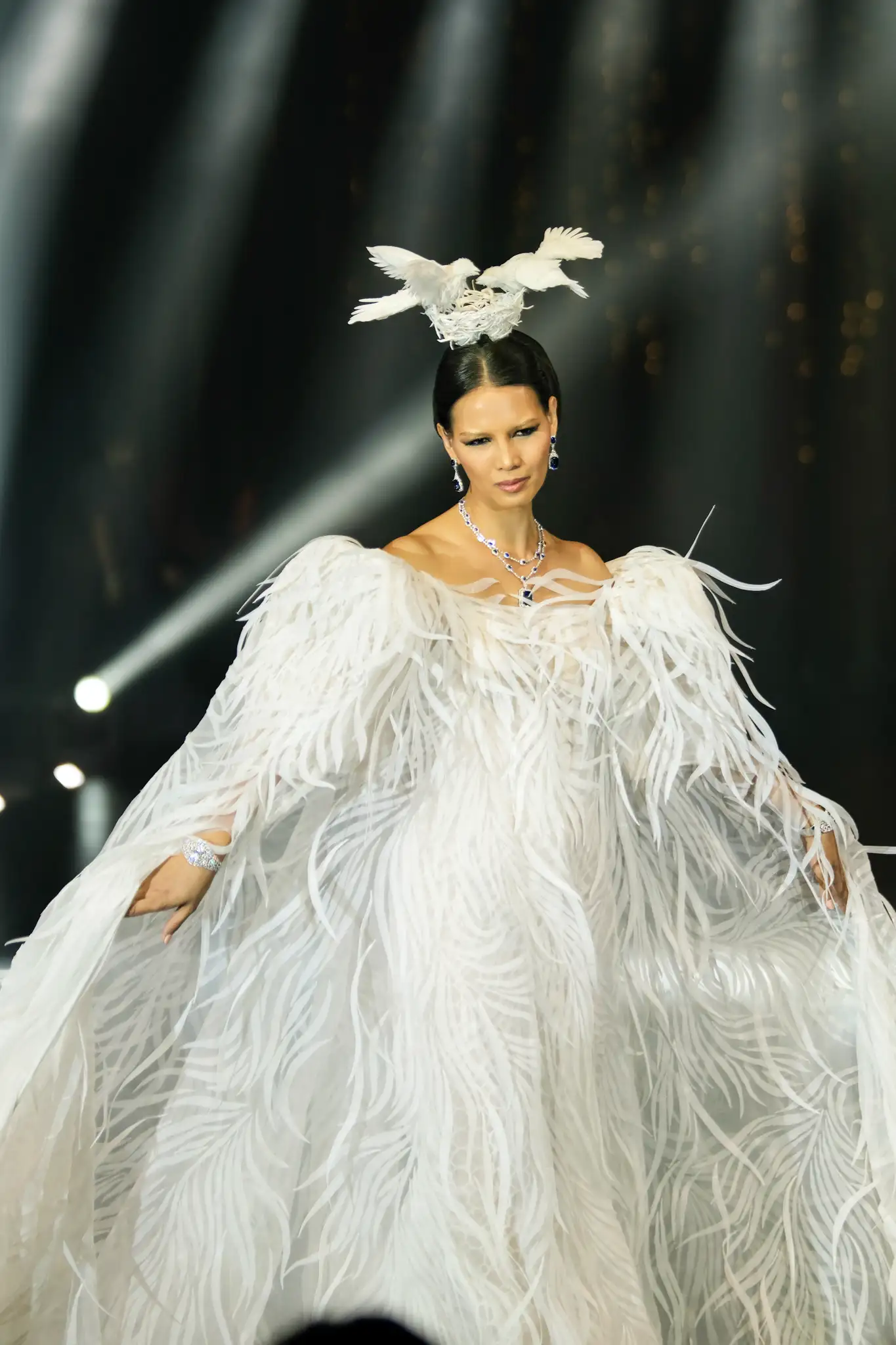
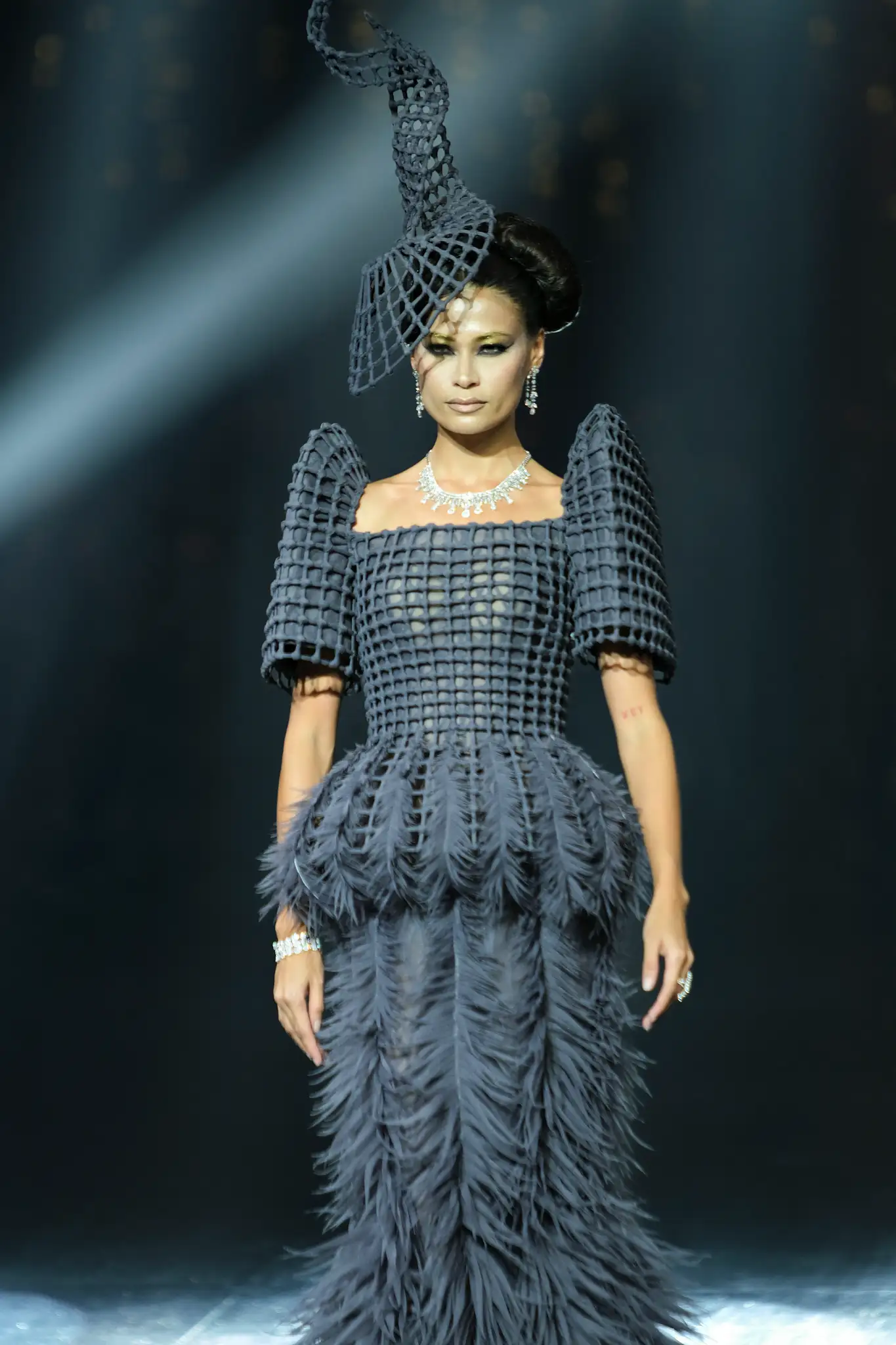
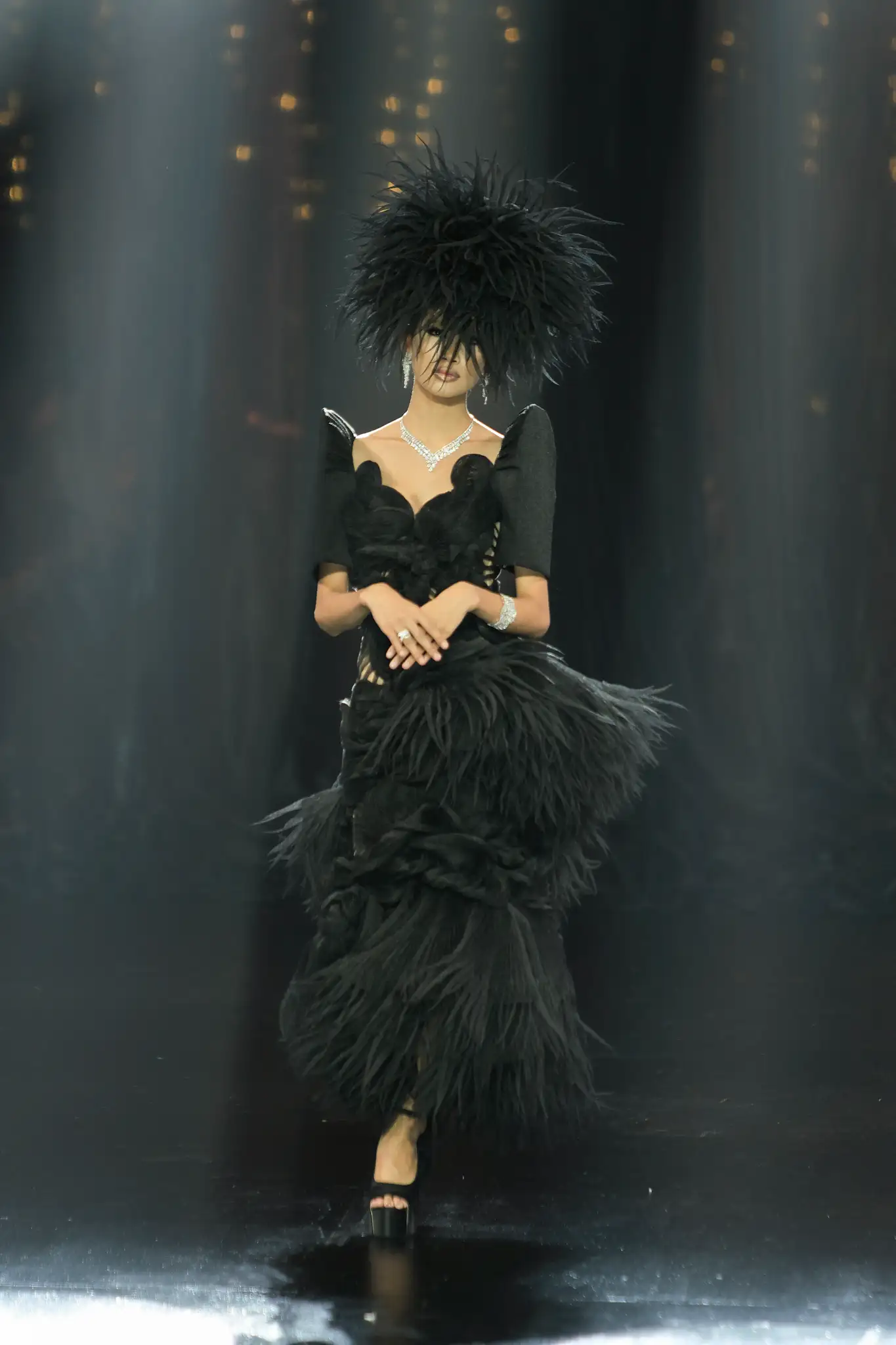
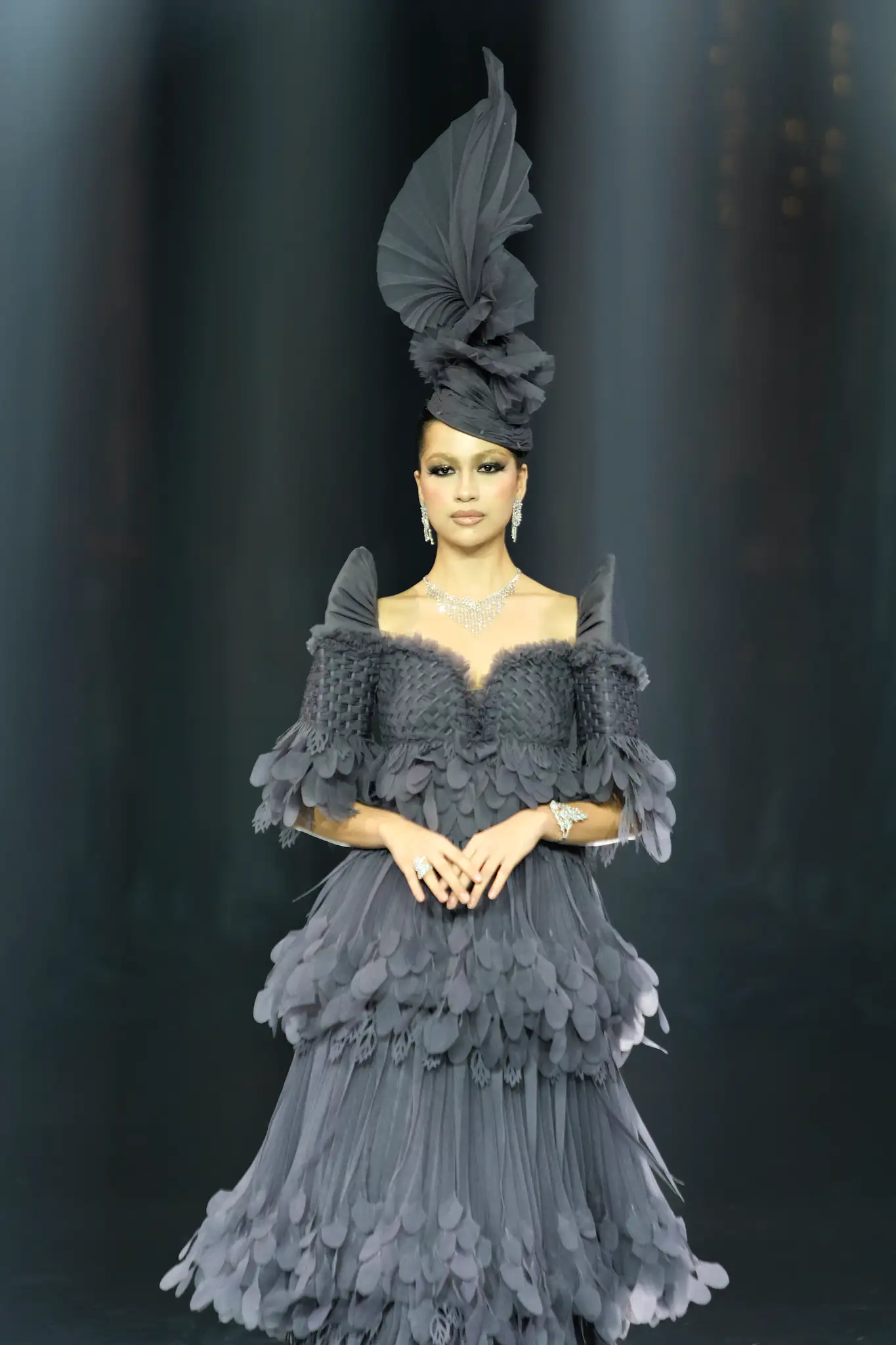
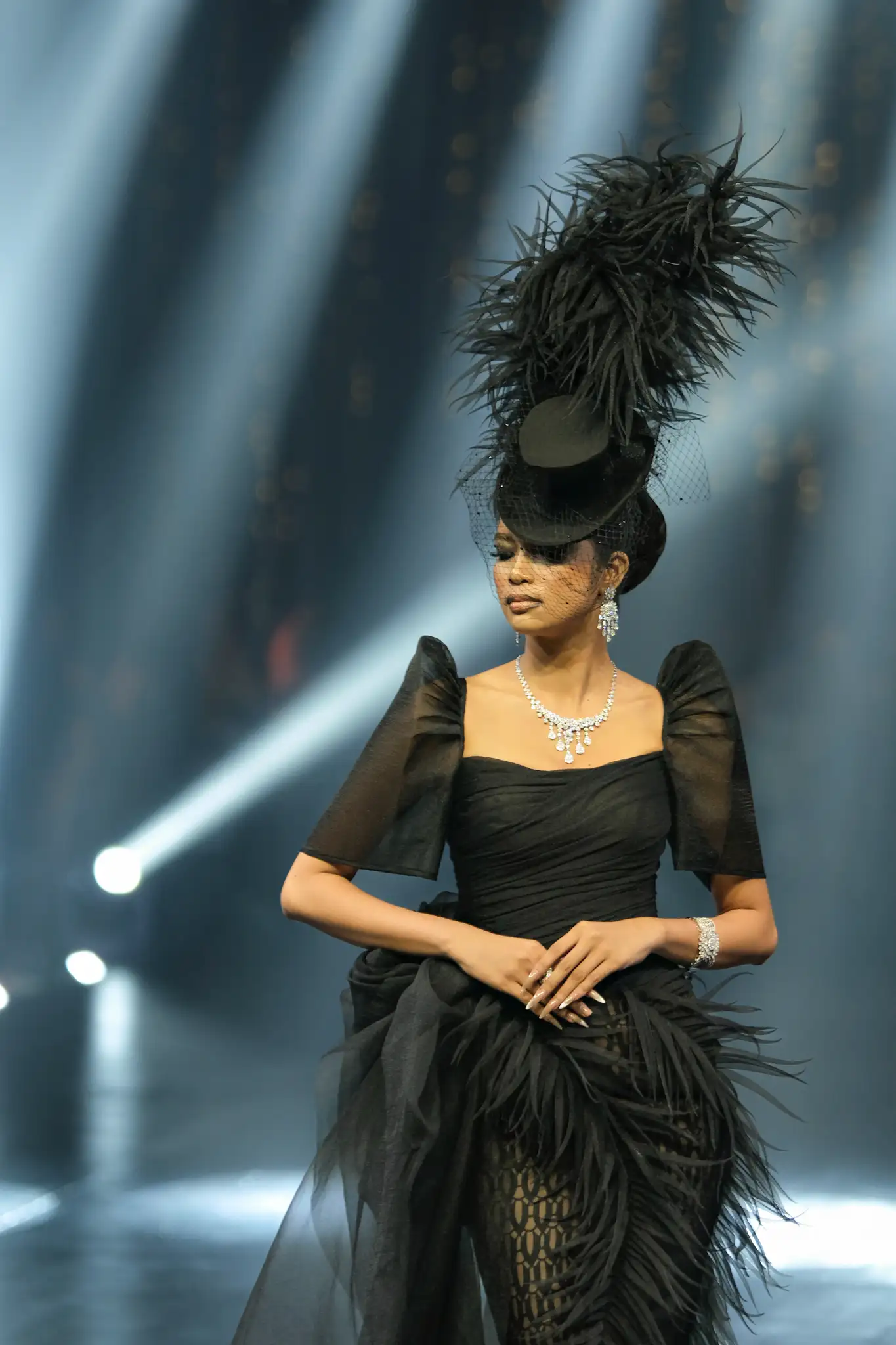
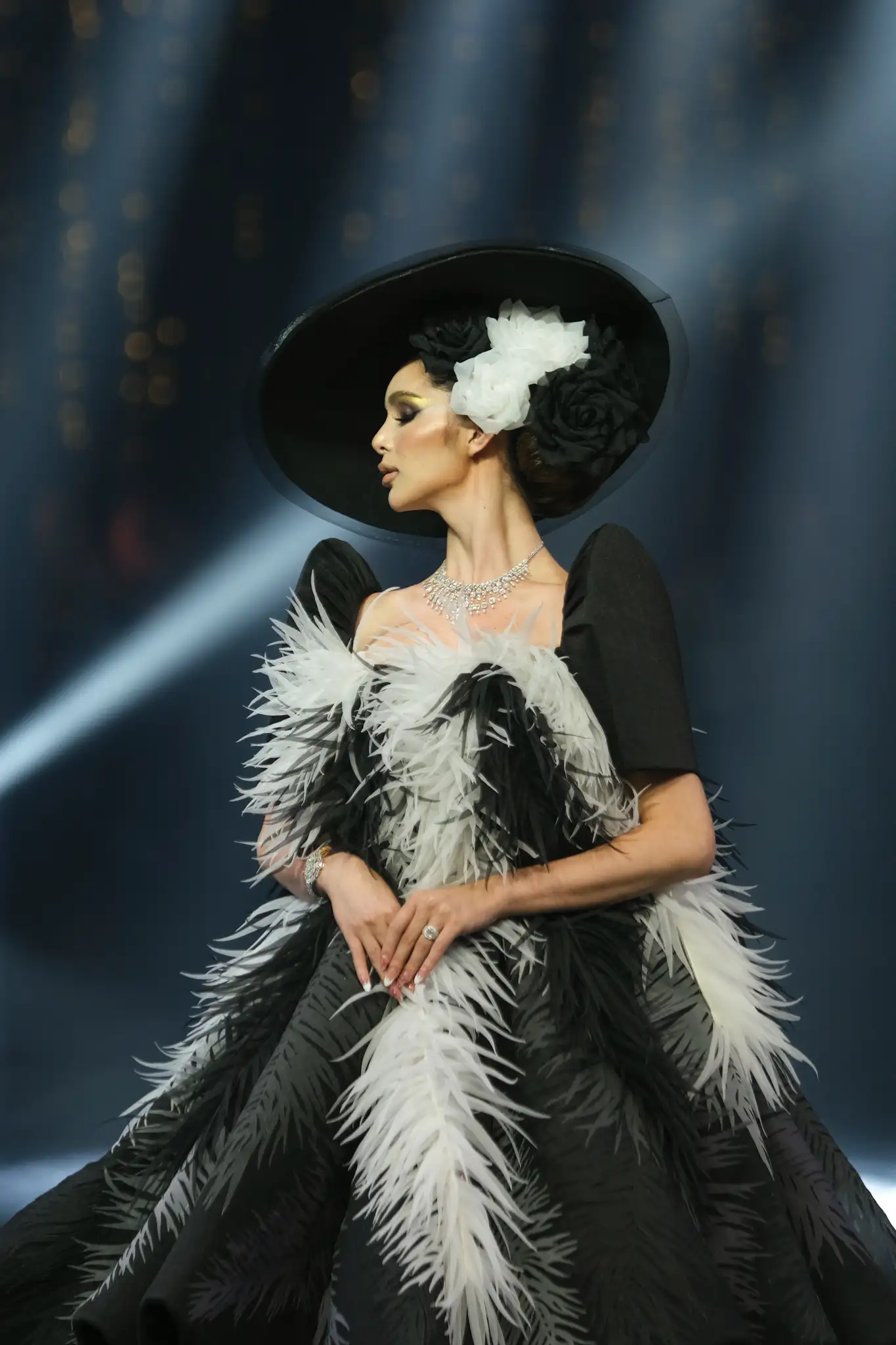
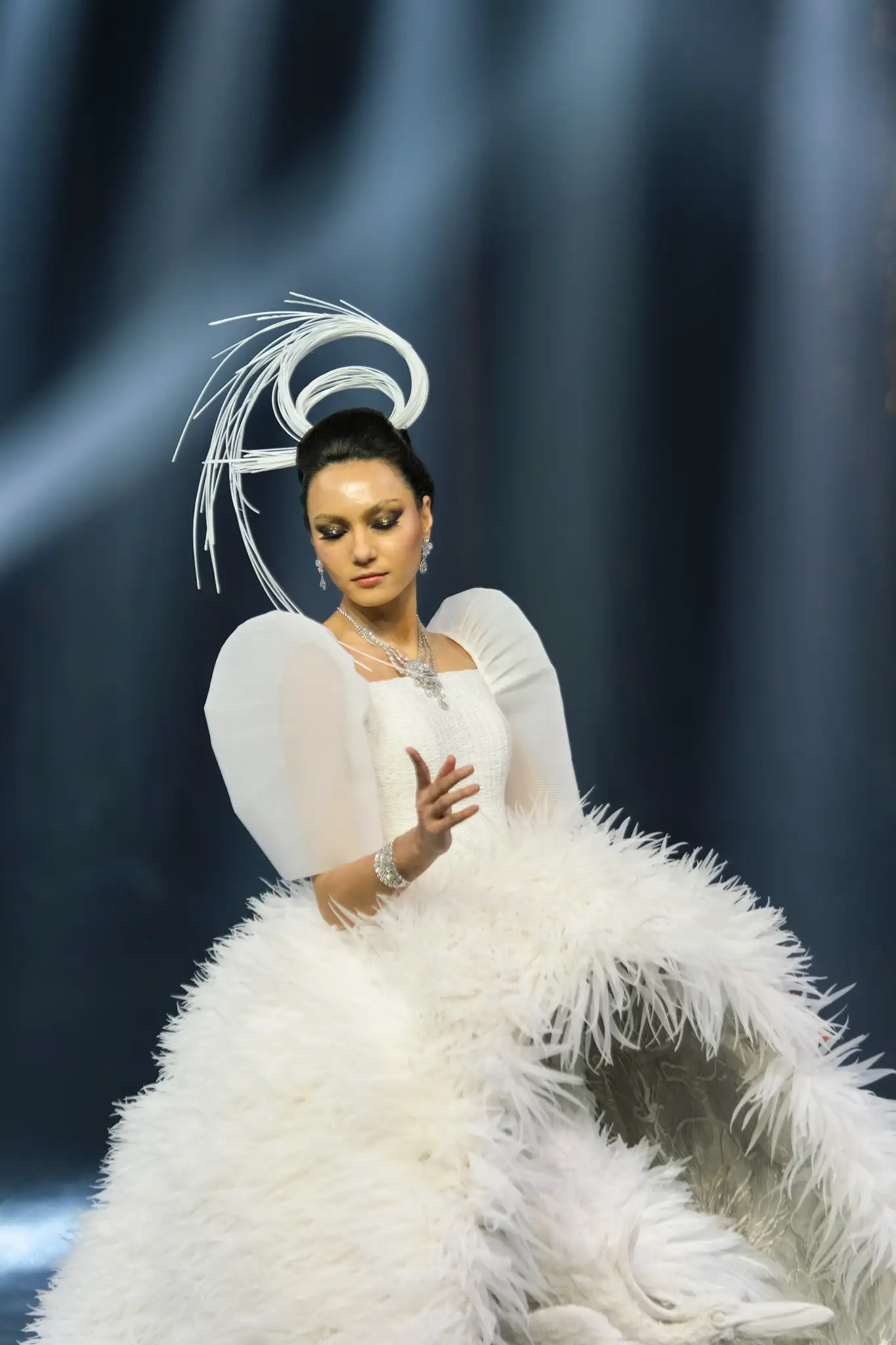
As curatorCuratorA specialist who selects, researches, and interprets works for museums, galleries, and exhibitions, shaping the story that visitors experience. Curators also care for collections, and their vision determines how artGo to Curator Glossary and finale designer, Cary Santiago saved his most theatrical vision for last, presenting a collection that treated the terno as sculptural art. His pieces were flights of fancy in the most literal sense: cascading feathers, dramatic headpieces, and sculptural silhouettes. The collection moved between ethereal white creations and deep black pieces that captured the pure joy of creative freedom. Santiago’s finale proved that sometimes the best design happens when you stop overthinking and just let your imagination soar—a fitting end to an evening that celebrated both tradition and the courage to play with it.
Photos courtesy of The Philippine Terno GalaGalaA formal, festive social event, usually with dinner, entertainment, and dress codes such as black tie, often held to raise funds for a cause or celebrate an occasion. Galas areGo to Gala Glossary (unless specified).