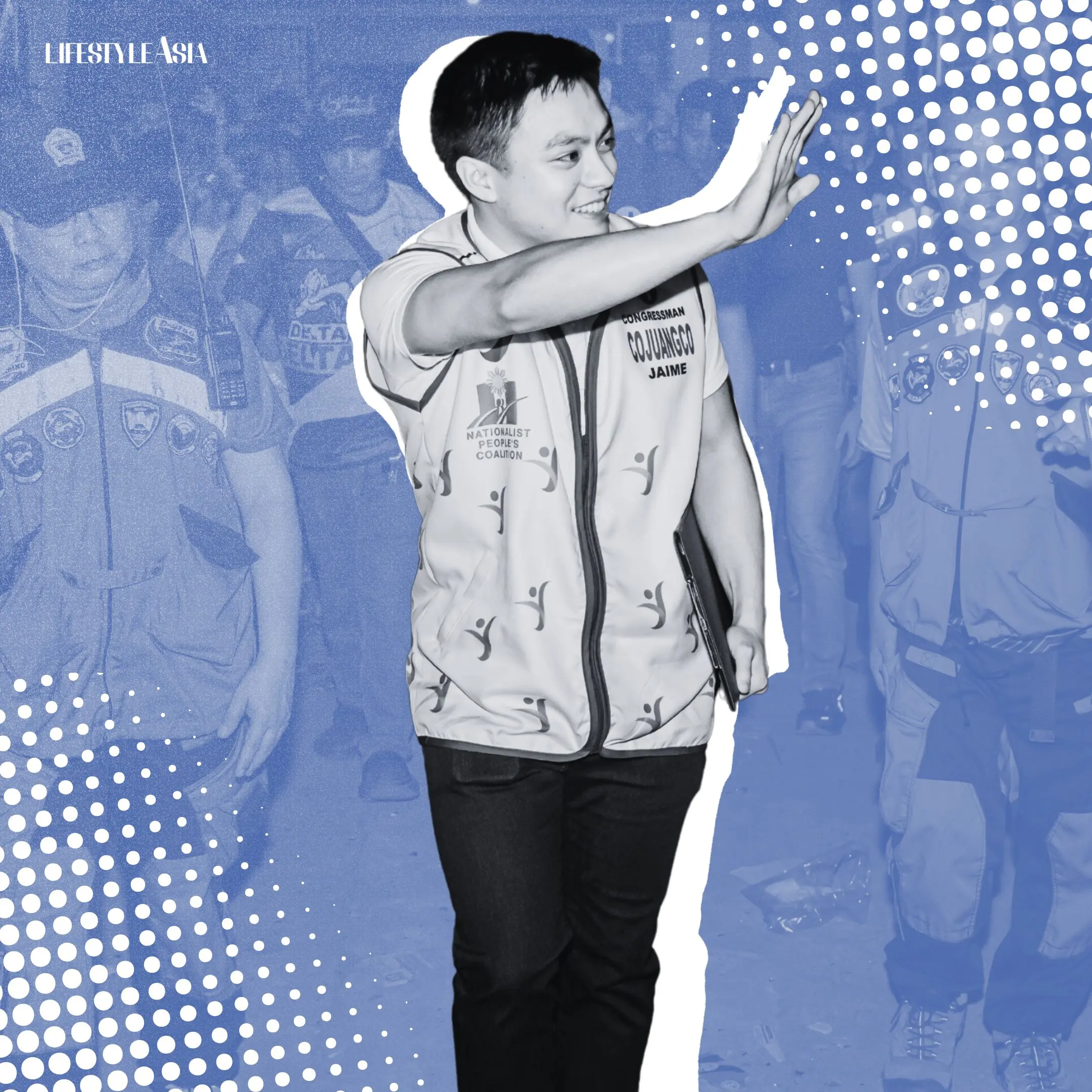
For Jaime Cojuangco, politics wasn’t part of a lifelong plan—it was a responsibility inherited in the wake of loss, and then consciously embraced.
Jaime Cojuanco, the 28-year-old congressman from the First District of Tarlac, may not have set out to enter public service, but after completing his first term and securing a second, his commitment to his constituents is no longer reluctant—it’s resolute. That sense of purpose, however, is rooted in the humility of his upbringing.
Despite being born into the high-profile Cojuangco clan, Jaime’s early years were surprisingly grounded. “Honestly, my childhood felt pretty typical in a lot of ways,” he began. “We didn’t have heavy discussions about politics or anything like that.” Still, there was always a quiet awareness of being watched. “People would often recognize my dad, my Lolo, and our last name. It felt kind of strange. I didn’t fully understand it as a kid. But when I went abroad for boarding school, it was a completely different experience. No one knew who I was, and that was oddly freeing.”
READ ALSO: Staging The Future: In Conversation With Toff De Venecia
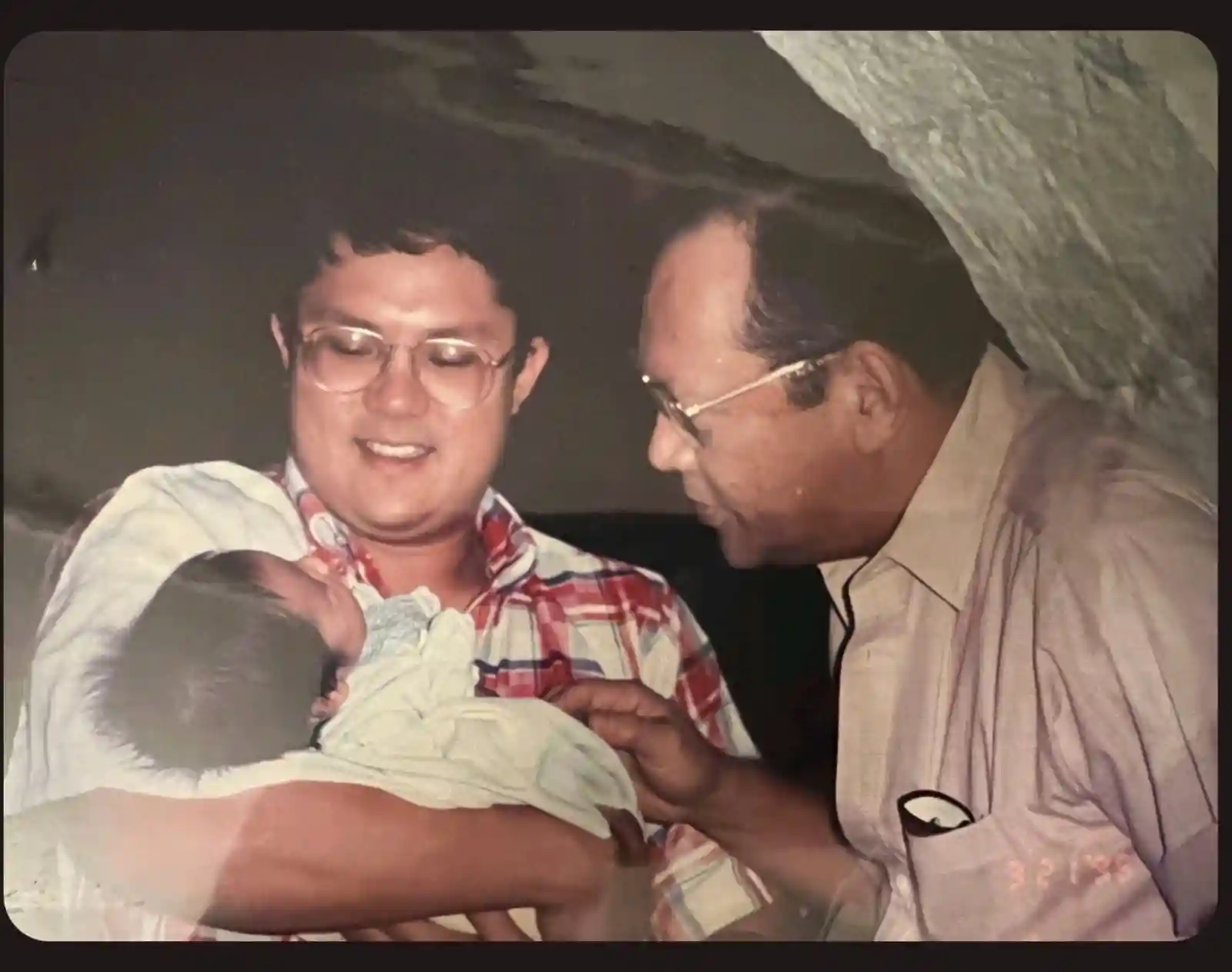
Jaime is the son of the late Congressman Charlie Cojuangco and the grandson of Eduardo “Danding” Cojuangco, the founder of the Nationalist People’s Coalition (NPC) and former chairman and CEO of San Miguel Corporation. When Charlie fell gravely ill in 2022, the Cojuangco children suddenly found themselves not only grappling with personal grief, but also the demands of continuing a political legacy. “It all happened so fast,” Jaime recalls. “My sister and I were faced with making decisions we weren’t prepared for. We had to grow up faster than we ever imagined.”
In that haze of uncertainty, the burden of responsibility came crashing in. “We had to learn new things—managing the family, figuring out how to handle emotions we weren’t equipped to deal with, and stepping into roles that were thrust upon us,” he says. The experience marked a turning point: not just a shift in duty, but the beginning of a completely different life.
“It wasn’t the path I envisioned for myself,” he admits. “I wasn’t a lawyer. Politics felt foreign, even overwhelming.” But his father had a way of planting seeds. “He would always say, ‘Your life is a privileged life. God has given you so many blessings, and it’s your duty to share those with others.’” That sense of responsibility—infused with humility and faith—stuck with him. So when the moment came, Jaime dove in.
The Language Of Leadership
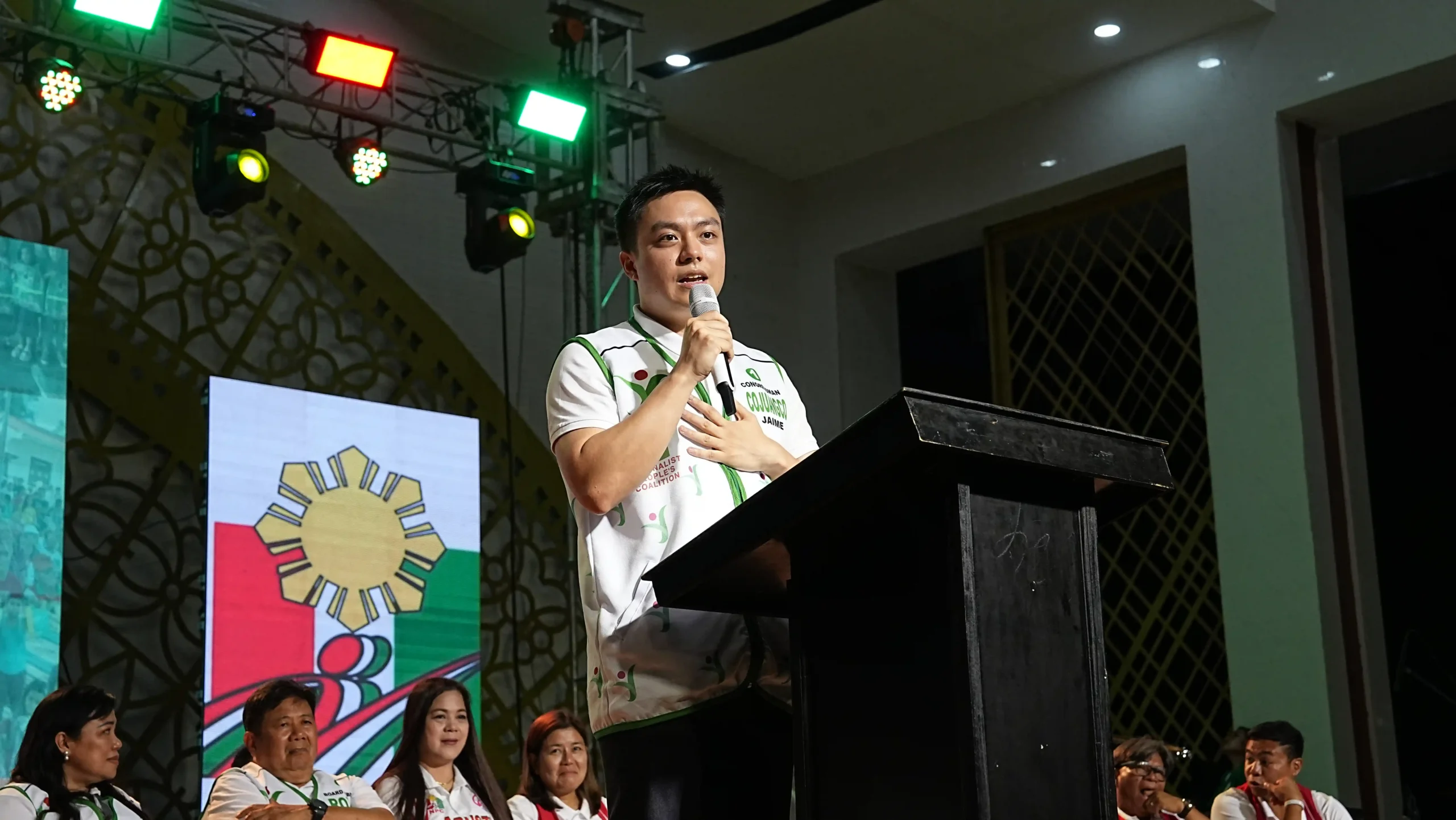
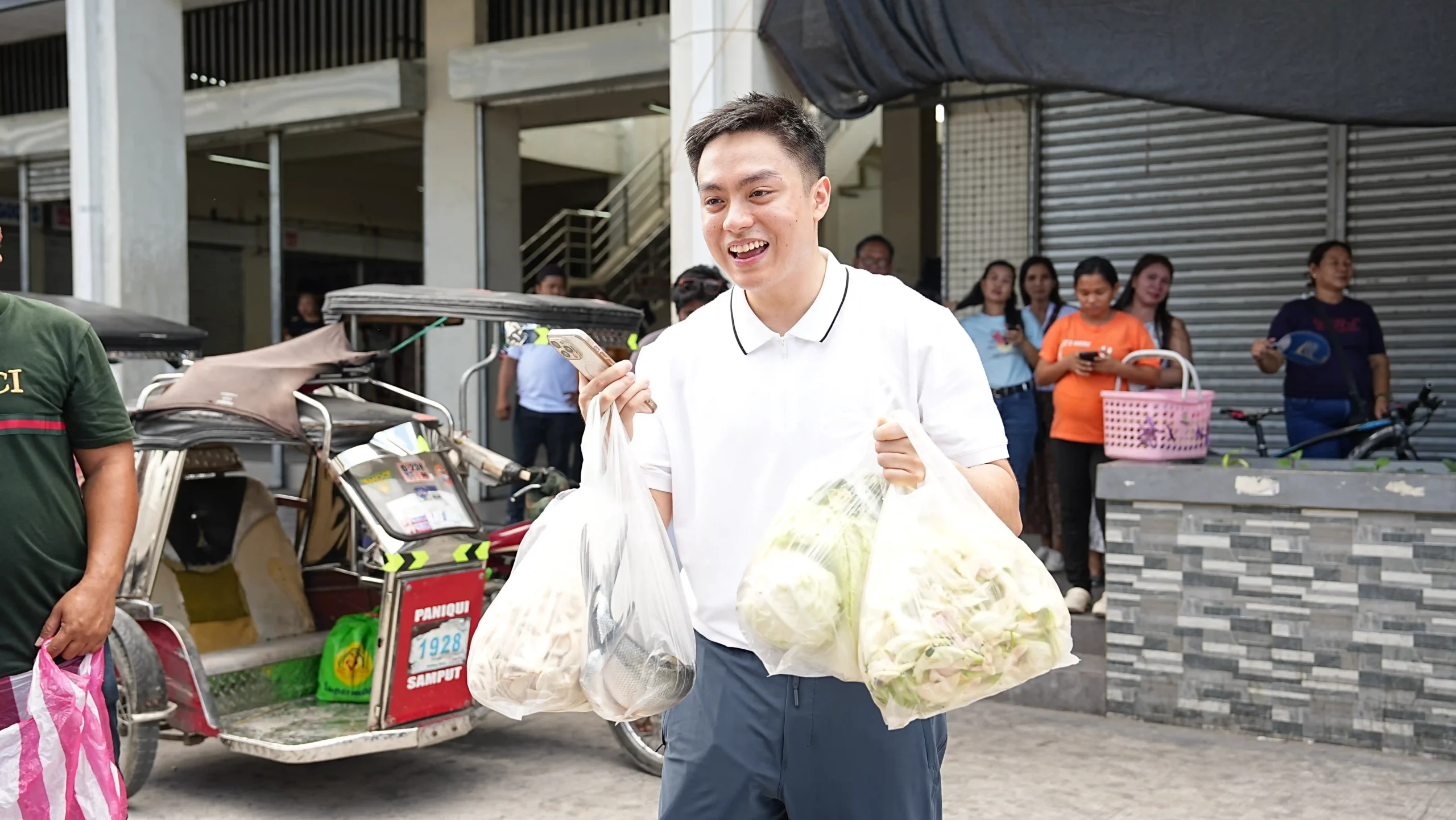
Jaime’s first term as congressman from the First District of Tarlac wasn’t easy. There were the expected policy challenges—and the less expected ones, like language. Raised speaking English and Ilonggo at home, Jaime struggled with Tagalog, especially during emotionally-charged public events. “I remember giving a speech during Buwan ng Wika. I couldn’t pronounce the words properly. I was so embarrassed,” he shares. Thankfully, the crowd was gracious and forgiving. “They made me feel at ease. It reminded me that communication is about sincerity more than anything else.”
Since then, he has started learning Ilocano and Kapampangan to better connect with his constituents. It’s one of the many quiet efforts he’s made to grow into the role—and it’s working. Now in his second term, Cojuangco is clearer about his goals. “Change doesn’t happen overnight,” he says. “But I’m here to lay the groundwork—for health, education, agriculture, and long-term economic opportunity.”
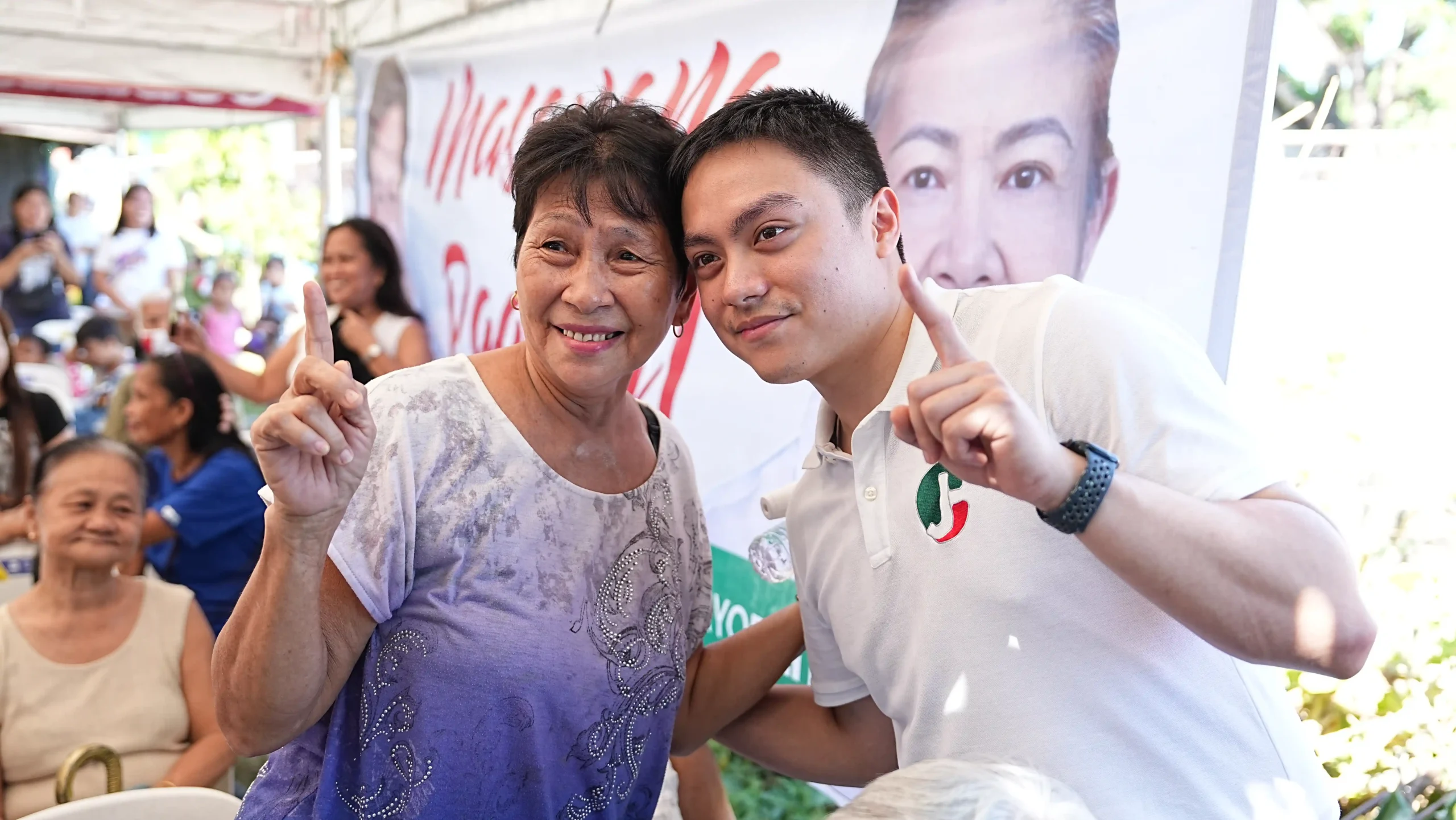
In The Hands Of Jaime Cojuanco
One of Jaime’s key priorities is tackling public health, particularly the rise of lifestyle diseases like diabetes. “We need to shift the mindset from reactive to preventive. That means better nutrition, more exercise, and a stronger emphasis on wellness,” he explains.
Education is another cornerstone of his second-term agenda. In partnership with the Department of Education, Jaime has already helped establish a new national high school in Sta. Ignacia, addressing the long commute many students faced. “It’s about building where it matters,” he says. “Education should be within reach.”
Infrastructure and accessibility remain top of mind too. One of his proposed legacy projects is the creation of a government center in the district, allowing residents to access essential services without having to travel all the way to Tarlac City. For Jaime, it’s about building a self-sufficient, all-encompassing community.
And while agriculture remains the backbone of Tarlac’s identity, Cojuangco sees the province entering a new chapter: what he describes as its “adolescent stage.” With neighboring Clark booming and the industrial economy picking up pace, Tarlac is poised to follow suit. “We’re on the verge of an industrial revolution,” he says. “This shift will not only diversify our economy, but [also] elevate our agricultural sector by integrating it with new industries.”
READ ALSO: Miguel Concepcion’s Strategic Blend Of Legacy And Growth
In The House, On His Own
Jaime’s forebears may have laid the groundwork for Tarlac’s economic rise, but he never had the chance to learn directly from them. Thrust into public office without his father’s or grandfather’s guidance, the young Cojuangco quickly discovered that legacy could open doors; but it couldn’t teach him how to walk through them.
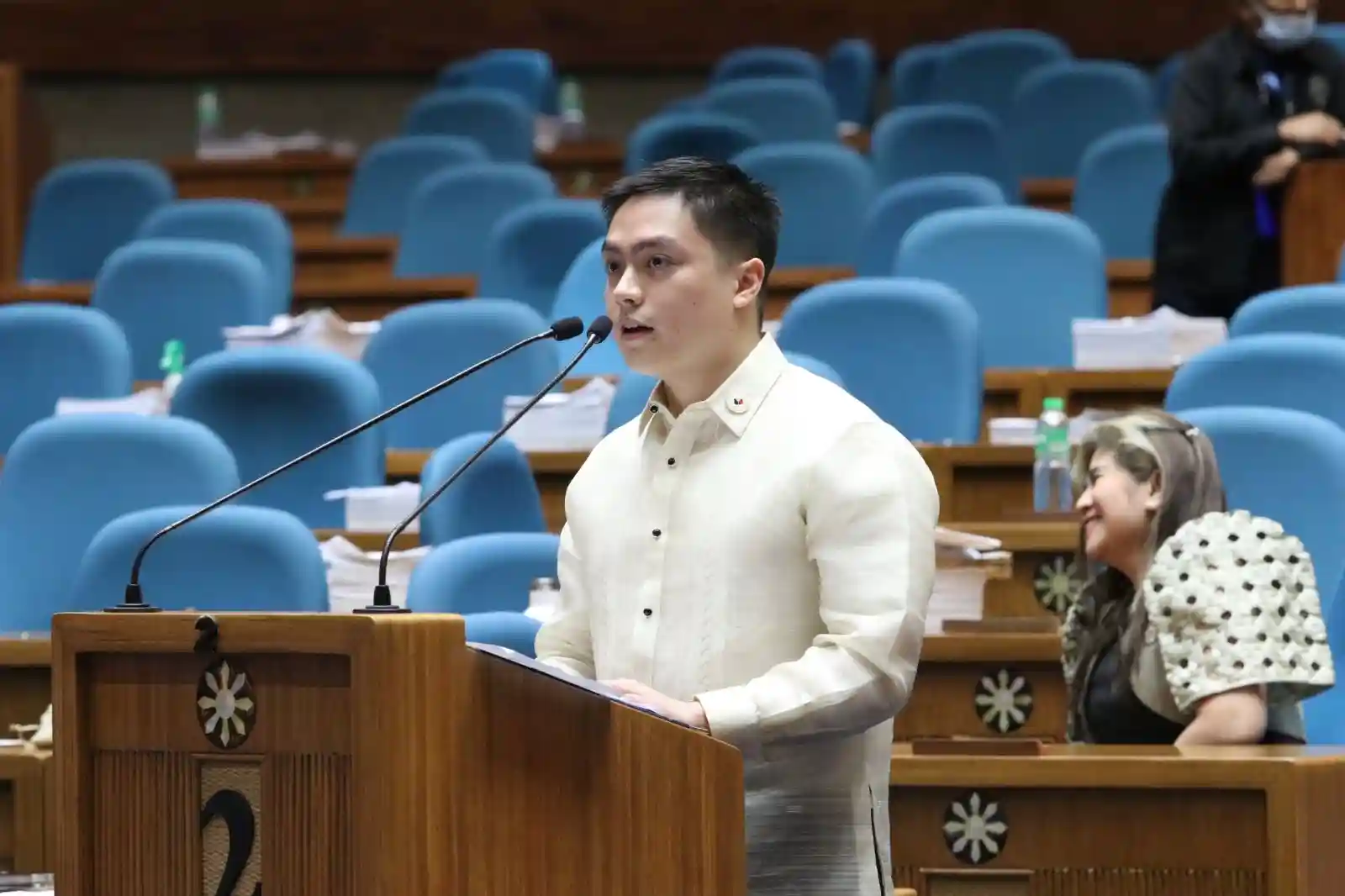
“In Congress, I’ve had to learn everything from scratch—how to present, how to vote, even how to avoid being point of ordered,” he says with a smile. It was a humbling process, but not a solitary one. He credits a handful of generous colleagues—like Representatives Mika Suansing, Munir Arbison Jr., and Victoria Yu—for helping him navigate the complicated maze of parliamentary procedure and political cultureCultureshared traditions, beliefs, values, customs, arts, and social practices that define the identity and way of life of a community, society, or nation.Go to Culture Glossary. “I didn’t grow up with this knowledge,” he says. “But I’ve been lucky to have people guide me.”
As for the future, Jaime remains grounded. He speaks of protecting Tarlac’s natural resources, particularly Mt. Sawtooth, which has suffered from unchecked mining activity. He’s a vocal supporter of sustainable development and energy reform—standing firmly behind his uncle Rep. Mark Cojuangco’s advocacy for nuclear energy as a clean and affordable power source.
“Politics is far from perfect,” Jaime admits. “But it offers a platform to help people, to make a difference—and that’s a responsibility I now embrace fully.”
What began as a reluctant act of duty has evolved into a calling. Jaime may have stumbled into politics, but he’s walking forward with purpose; and that, in the end, is the legacy he’s building on his own terms.