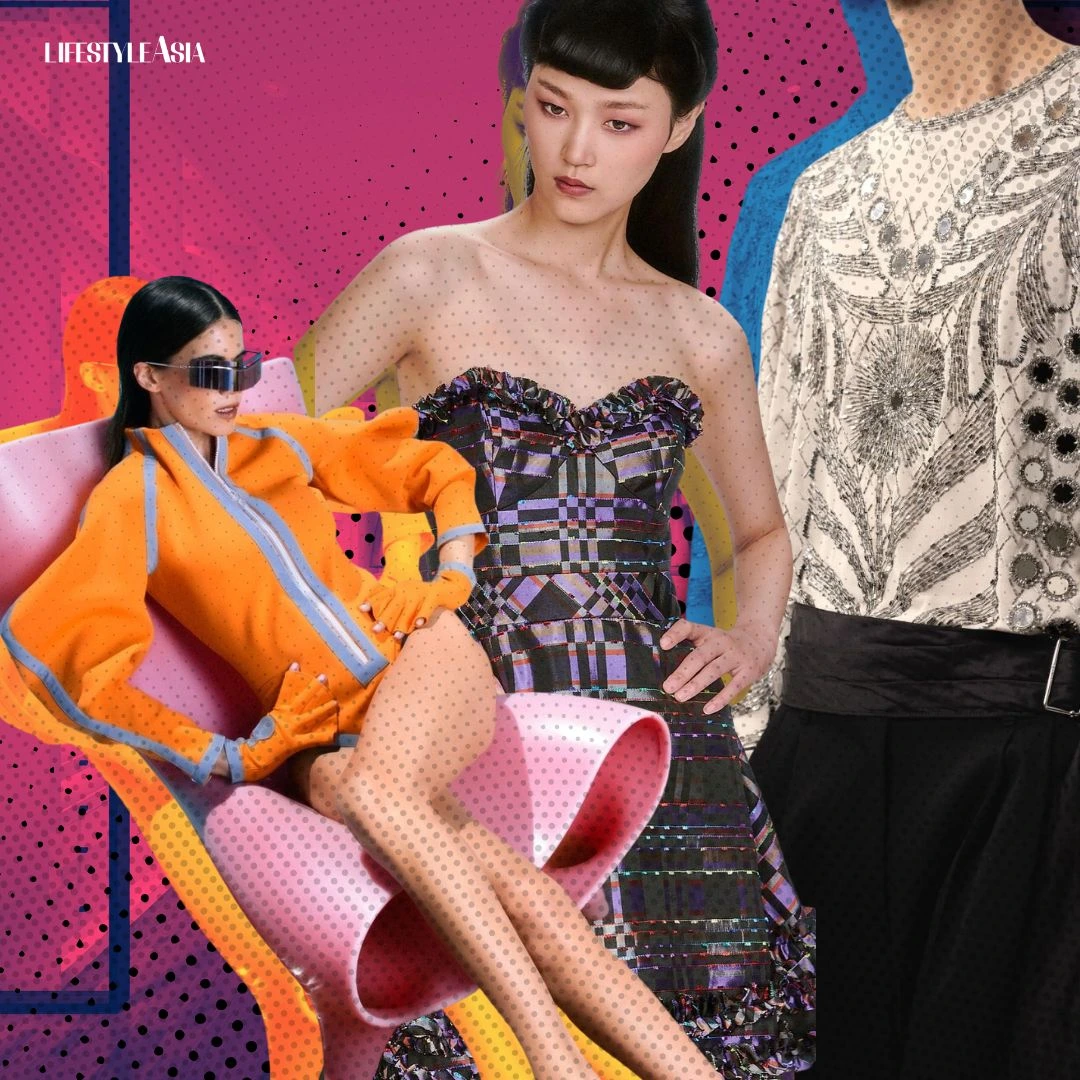
Explore five nostalgic fashion brands—from Anna Sui to Escada—that defined our moms’ style and see how they can reclaim the spotlight in today’s trend-driven market.
For many of us, our moms were our first fashion icons. Our notions of beauty and style came from watching them slip into heels, apply daily makeup, and assemble outfits based on their plans for the day, offering a front-row seat to the fashion show of life. No matter your current style—whether it mirrors your mom’s or looks completely different—she likely laid the foundation for your taste and fashion sense.
At some point, whether we admit it or not, we all wanted to look like them. We secretly tried on their shoes, sprayed their perfume, and most importantly, raided their closets for clothes to try on. In their prime, our moms also loved to shop (probably where we got our spending habits), picking up pieces from brands that defined the era. A quick trip to Rustan’s, a fervent flip through magazine catalogs, a dedicated trip to the mall—our moms would shop until they dropped.
We were often their plus-ones during these shopping trips. We saw them struggle to fit into a pair of Roberto Cavalli jeans or obsess over a particular scent from Lanvin—it was like watching a sitcom scene unfold right before our eyes. What our moms bought during their heyday were pieces that epitomized their era: brands and designers that captured the zeitgeist.
Now that we’ve grown, refined our style, and curated our taste, we can’t help but wonder: what if the labels our moms once loved made a comeback today? With nostalgia and brand revivals trending, isn’t it time to bring back the brands our moms loved most?
We’ve curated five brands that were closet staples for many mothers, and suggested how they can ride the nostalgia wave toward a stylish resurgence.
READ ALSO: The Self Edit: Scents Of A Woman
Roberto Cavalli
Animal prints, bohemian influences, and sexy silhouettes—quintessential Roberto Cavalli. Our moms loved how bold and daring the brand was; it was for those days when they wanted to be seen and noticed. However, the brand fell out of favor when minimalism took over, and those wild animal prints became a memory of the past.
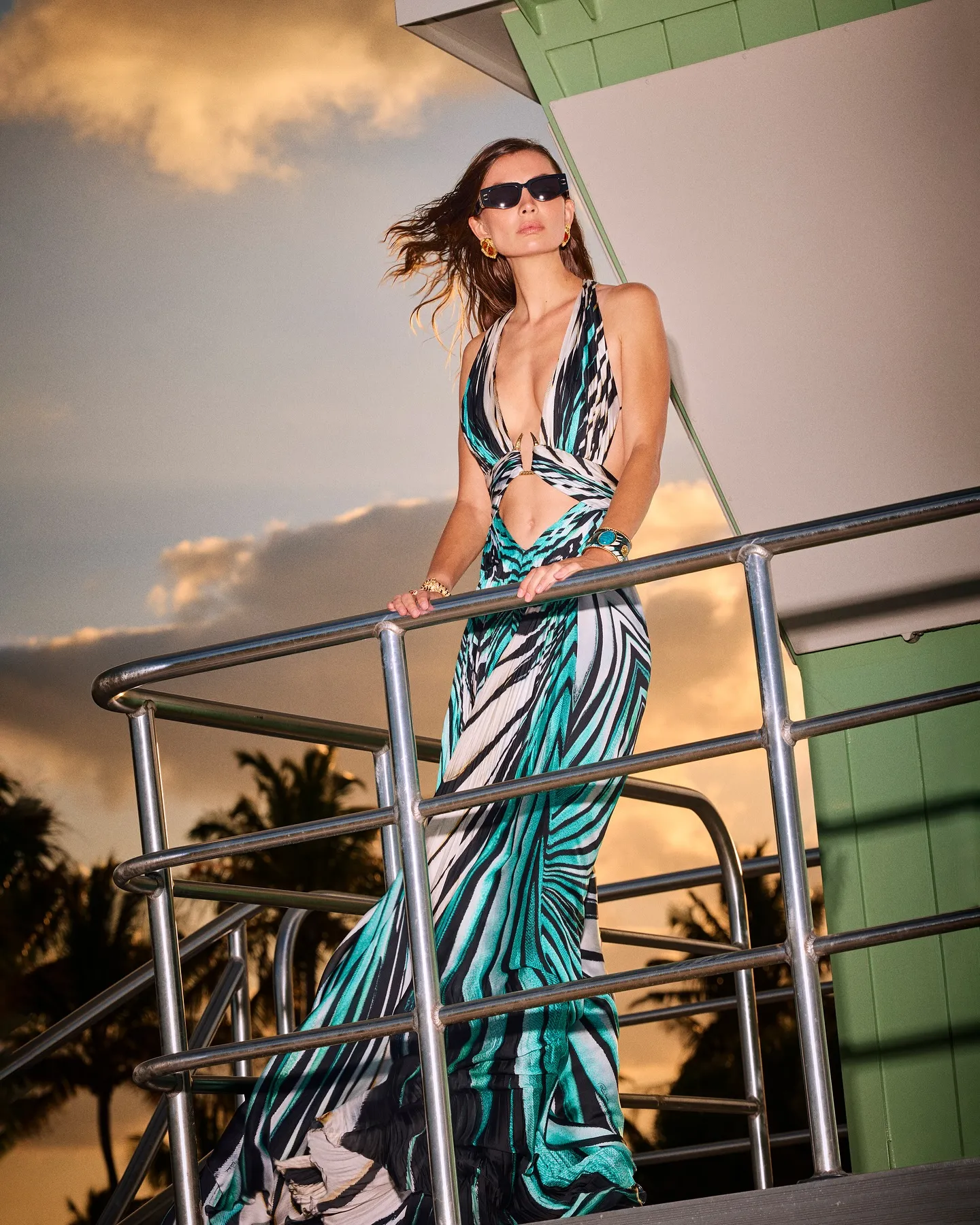
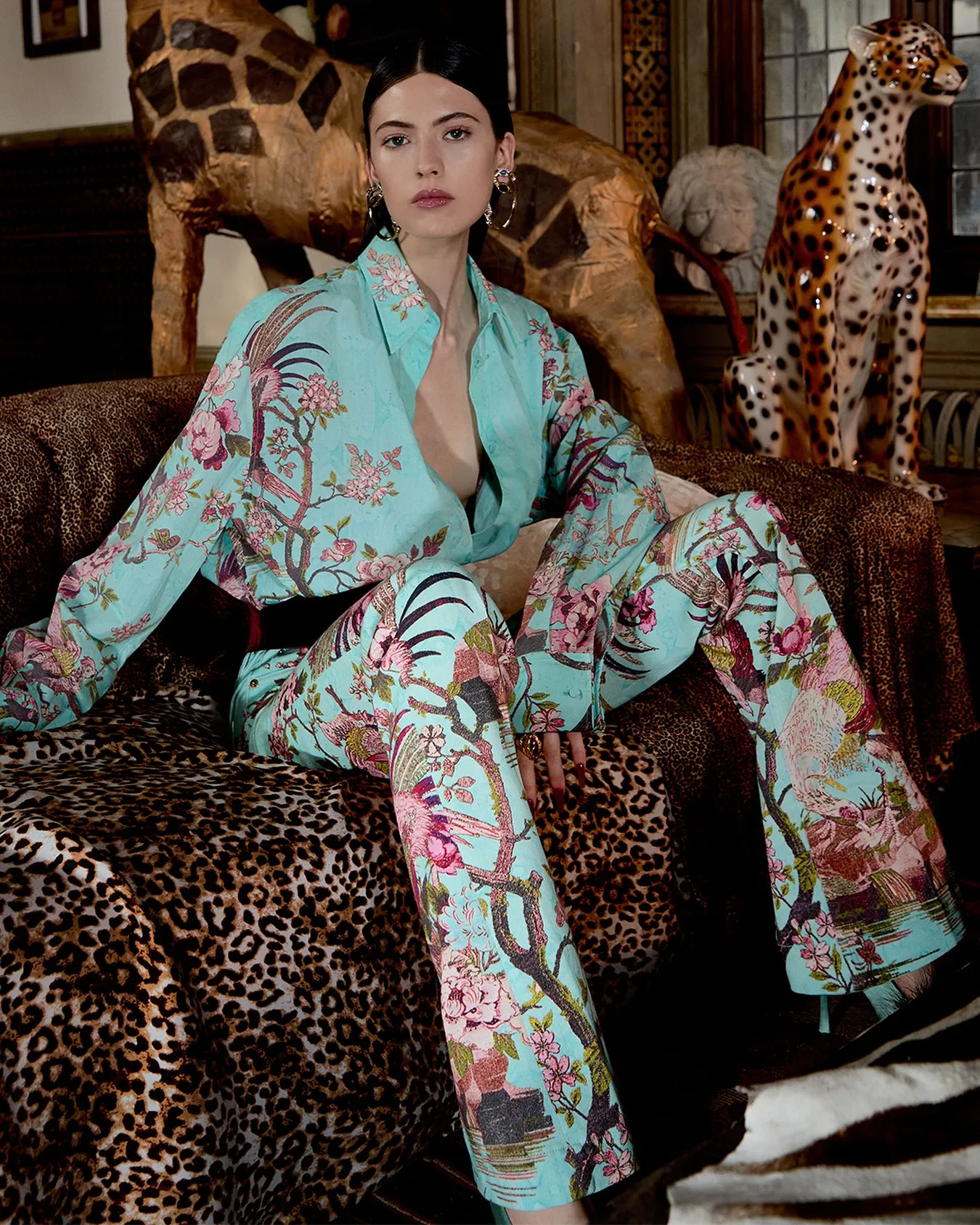
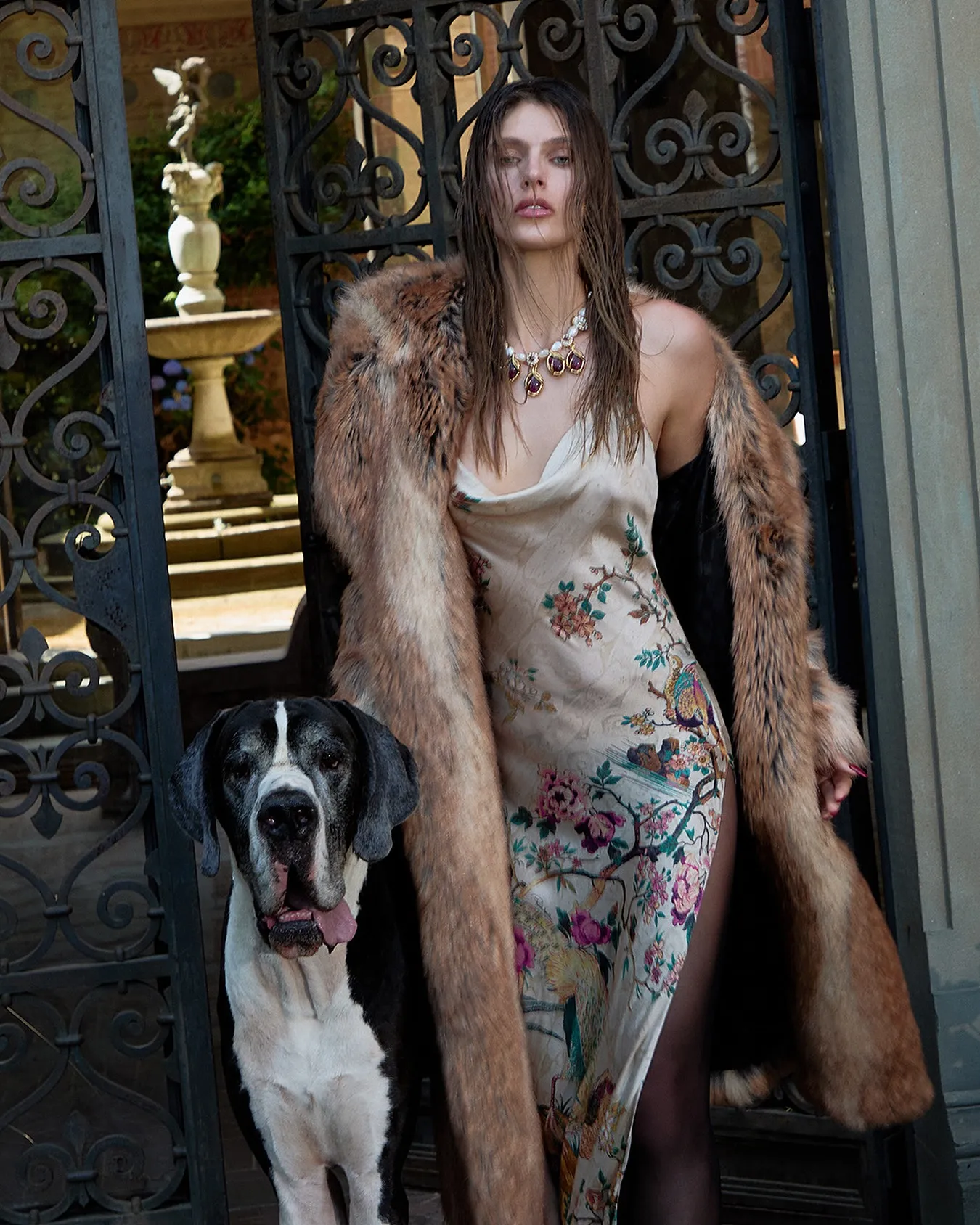
A Roberto Cavalli resurgence could be ensured if the brand leans into its early 2000s identity. Known for its celebrity appeal, collaborating with iconic figures from that era could revive its image. Additionally, embracing the return of maximalism in mainstream fashion would help the brand reclaim its former glory.
Lanvin
Under Alber Elbaz, Lanvin became a powerhouse of Parisian chic dressing. Known for luxurious yet bold silhouettes, the brand became a favorite among mothers who loved to be glamorous. Voluminous shapes, luxe fabrics, and statement pieces defined Lanvin’s design ethos. Sadly, the brand slowly faded into the background with Alber Elbaz’s departure, leaving a void in creative direction. Multiple designer changes led to inconsistency, and Lanvin eventually lost its cultural relevance.
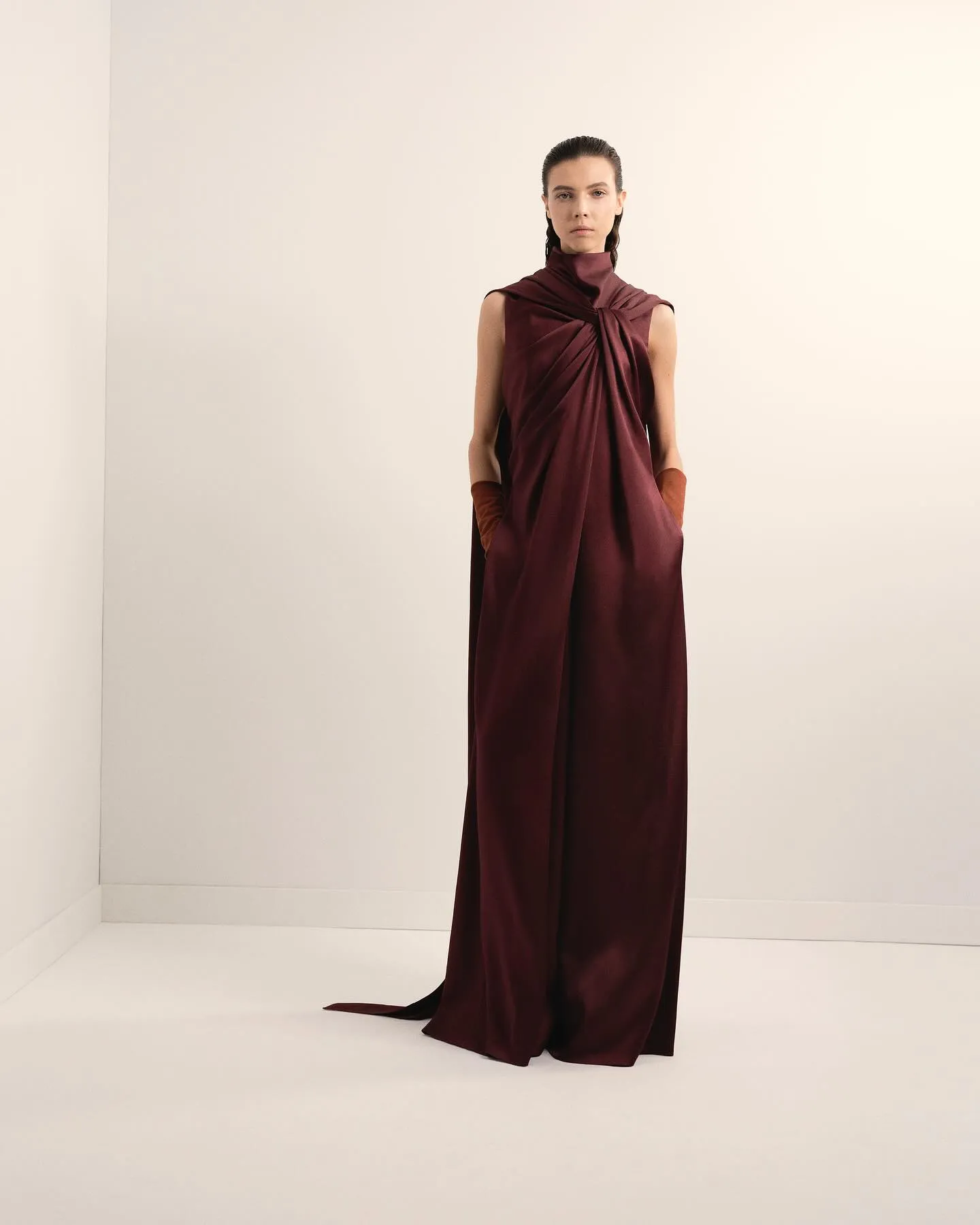
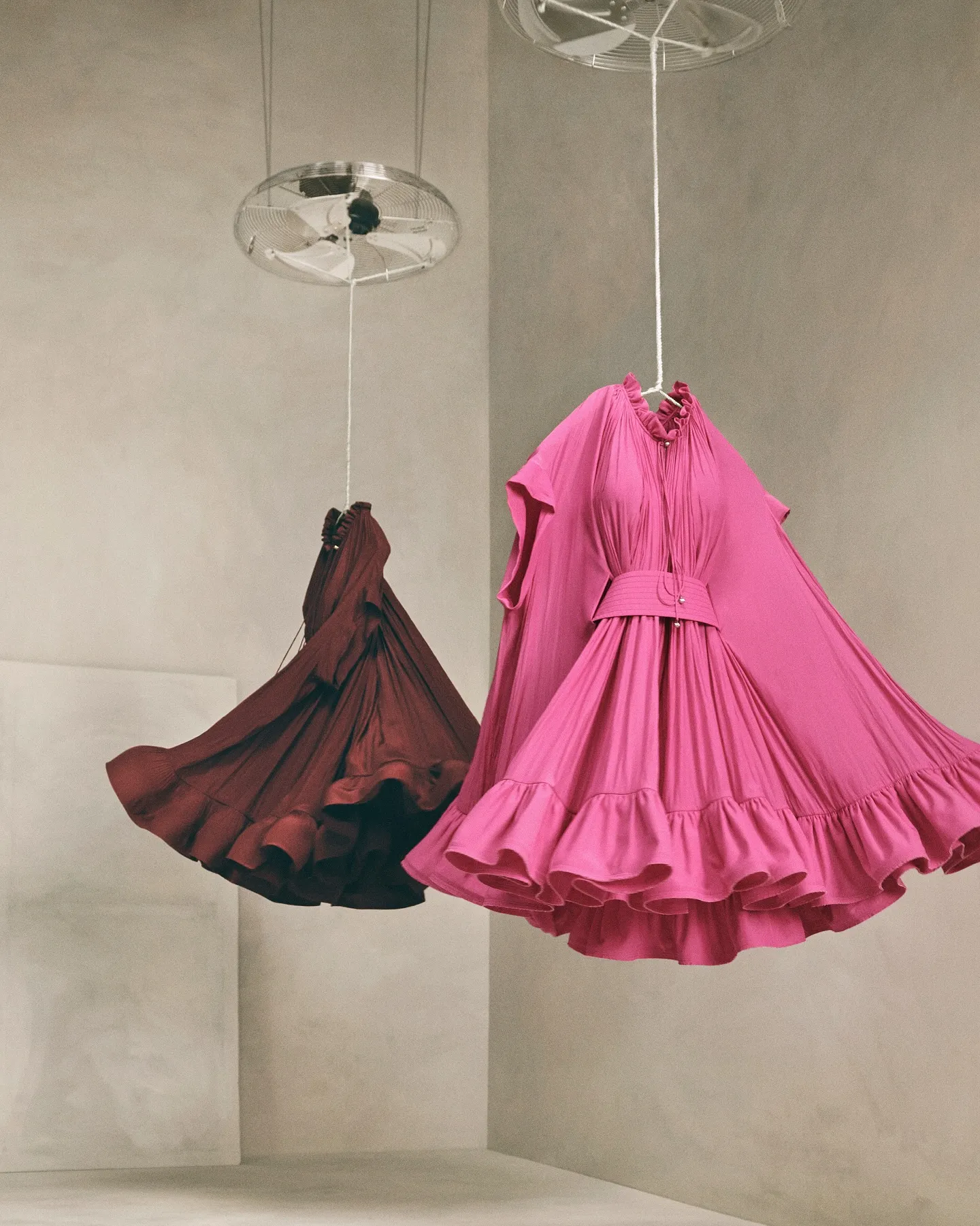
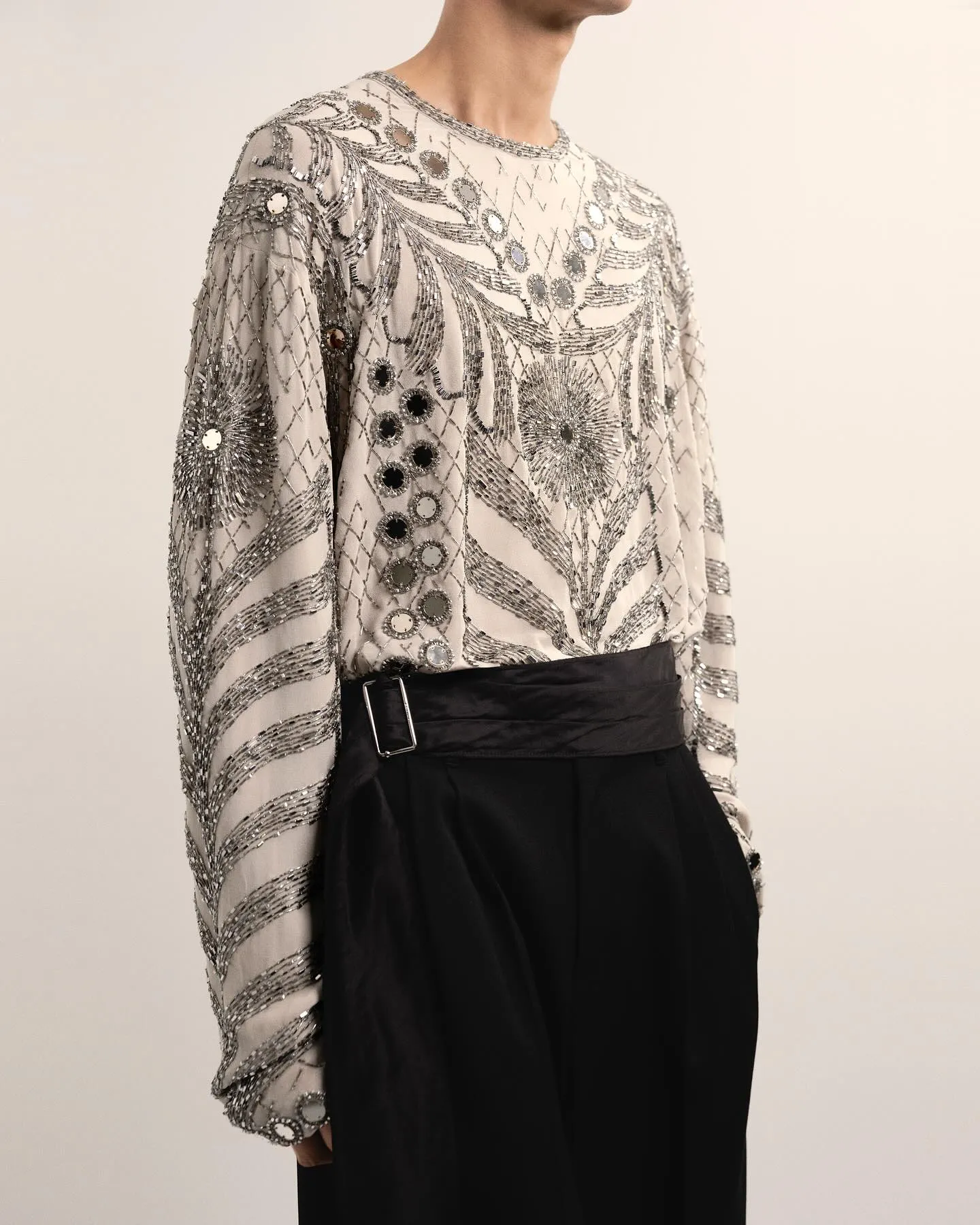
Lanvin can reclaim its place in the industry by returning to what once worked: Alber Elbaz’s design ethos, aligned with today’s quiet luxuryQuiet LuxuryAn understated approach to luxury that values exceptional quality, subtle design, and refined craftsmanship over conspicuous logos or wealth. Quiet luxury shows up in cashmere, tailored neutrals, discreet jewelry, andGo to Quiet Luxury Glossary movement. Additionally, releasing a “hero” item—whether a bag, a pair of shoes, or a standout accessory—could reignite public interest in the brand.
Pierre Cardin
Pierre Cardin was a brand with a very unique design ethos. Imagine wearing an outfit straight out of The Jetsons—futuristic, retro-modern, and space-age silhouettes. The brand had a moment during its prime; however, overlicensing eventually diluted its luxury identity.
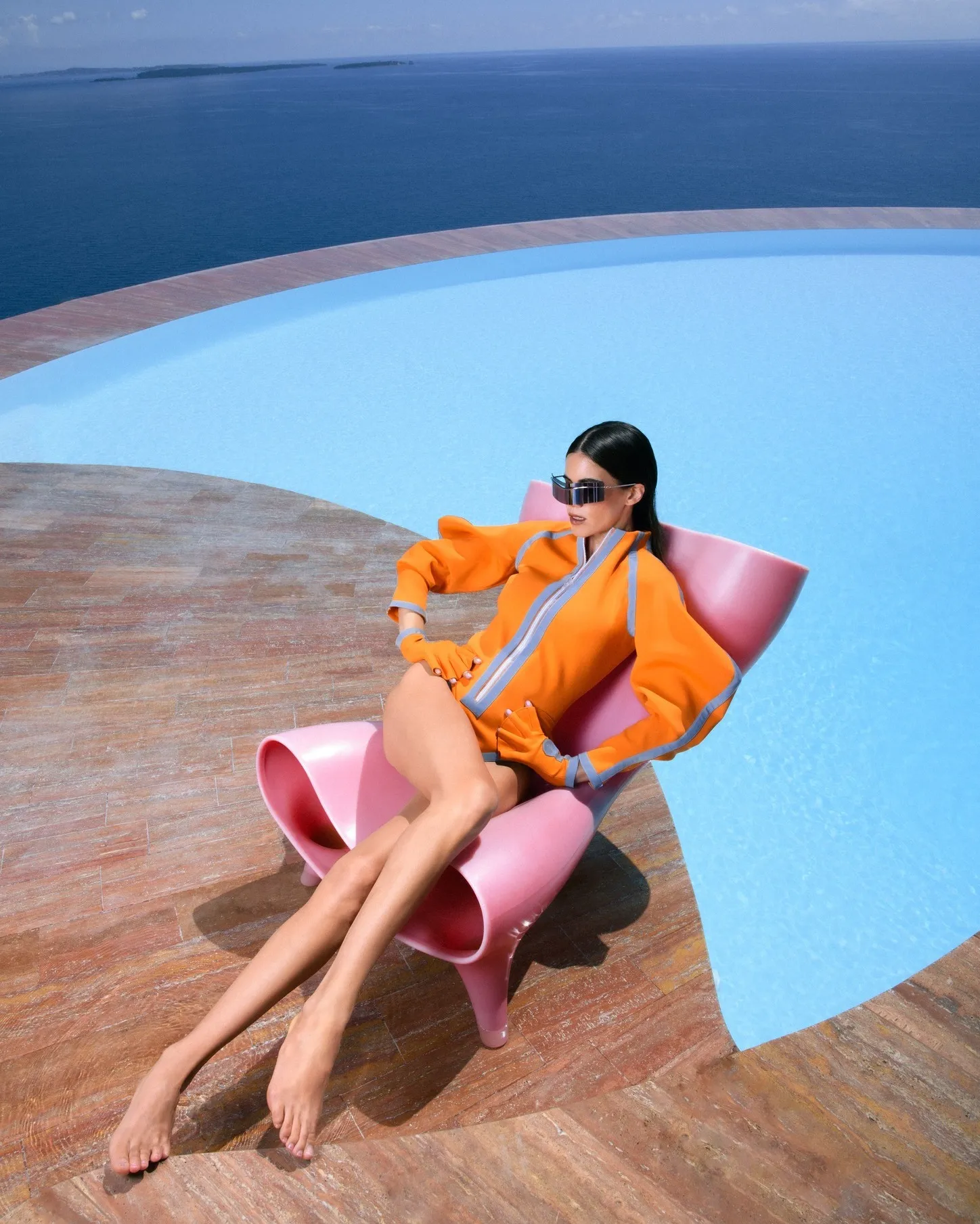
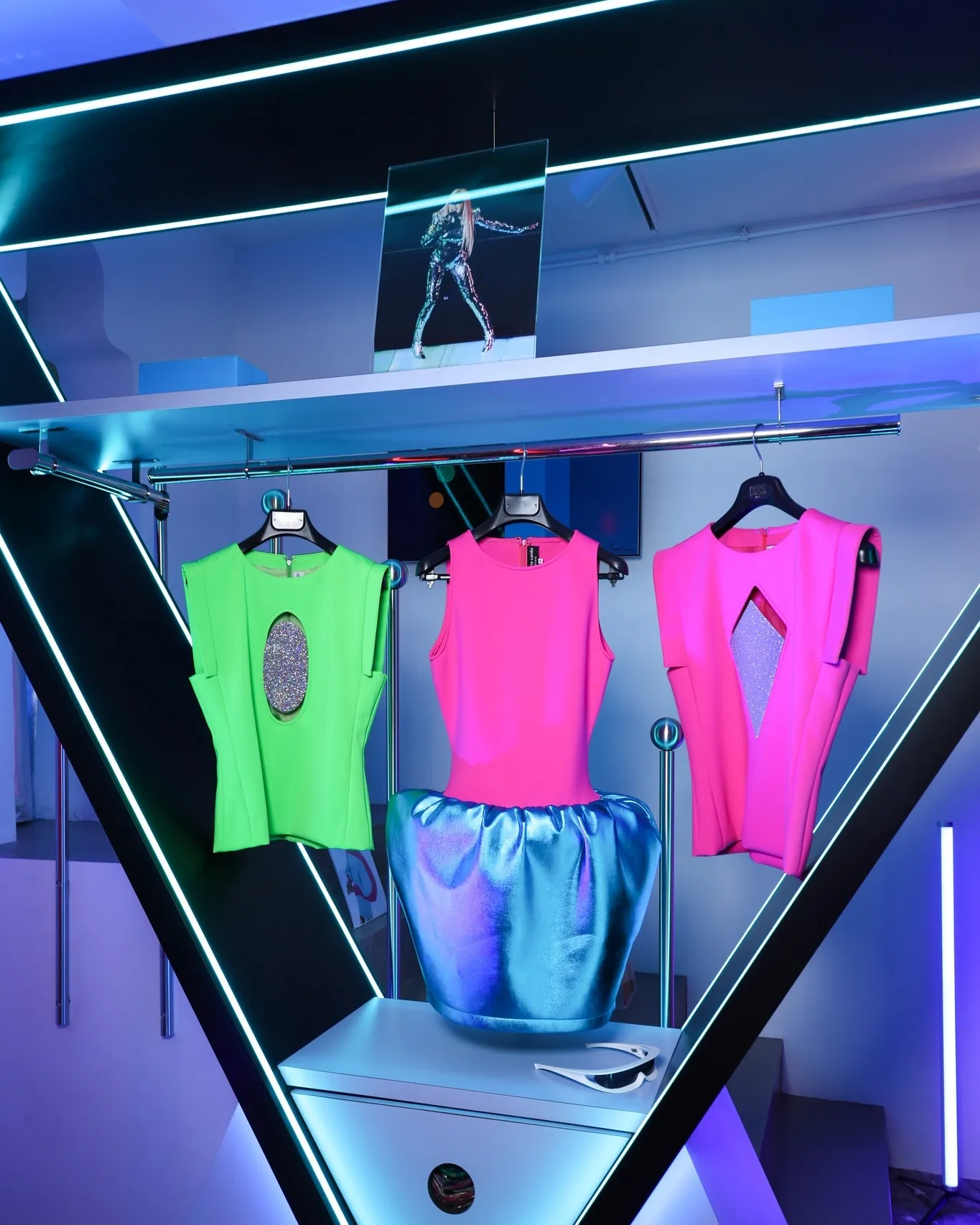
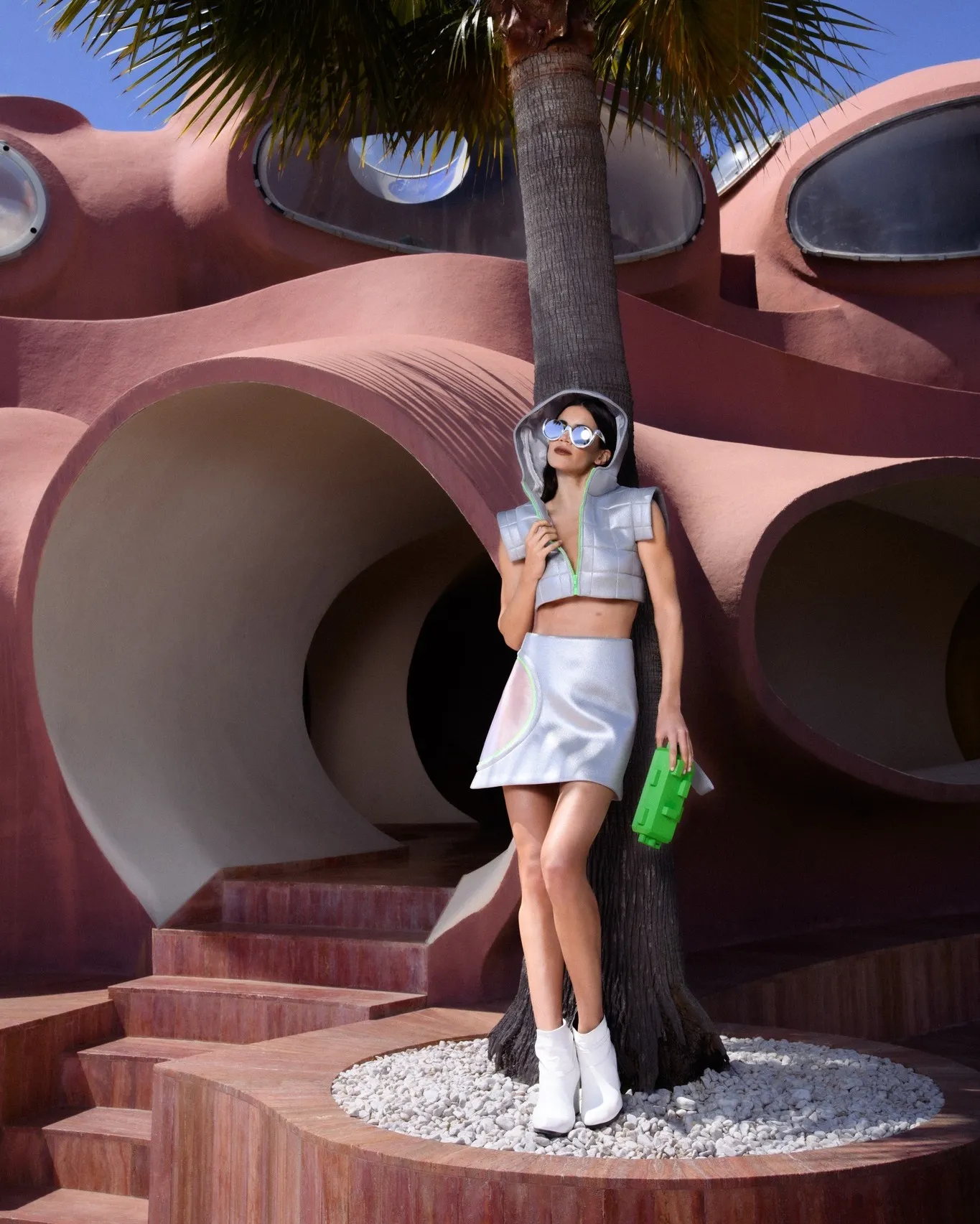
The brand is currently attempting a comeback, having returned to Paris Fashion Week. Its latest collection leaned into its strengths, revisiting its futuristic roots. One move that could help propel the brand back into mainstream relevance is partnering with a younger designer or artist who can inject fresh energy into its identity.
Escada
Power dressing is what Escada does best. Strong-shouldered suits, bold colors, and luxe knitwear defined the brand’s DNA. Sadly, Escada’s glory days waned because power dressing fell out of fashion. Furthermore, the brand struggled to find its footing with a new generation.
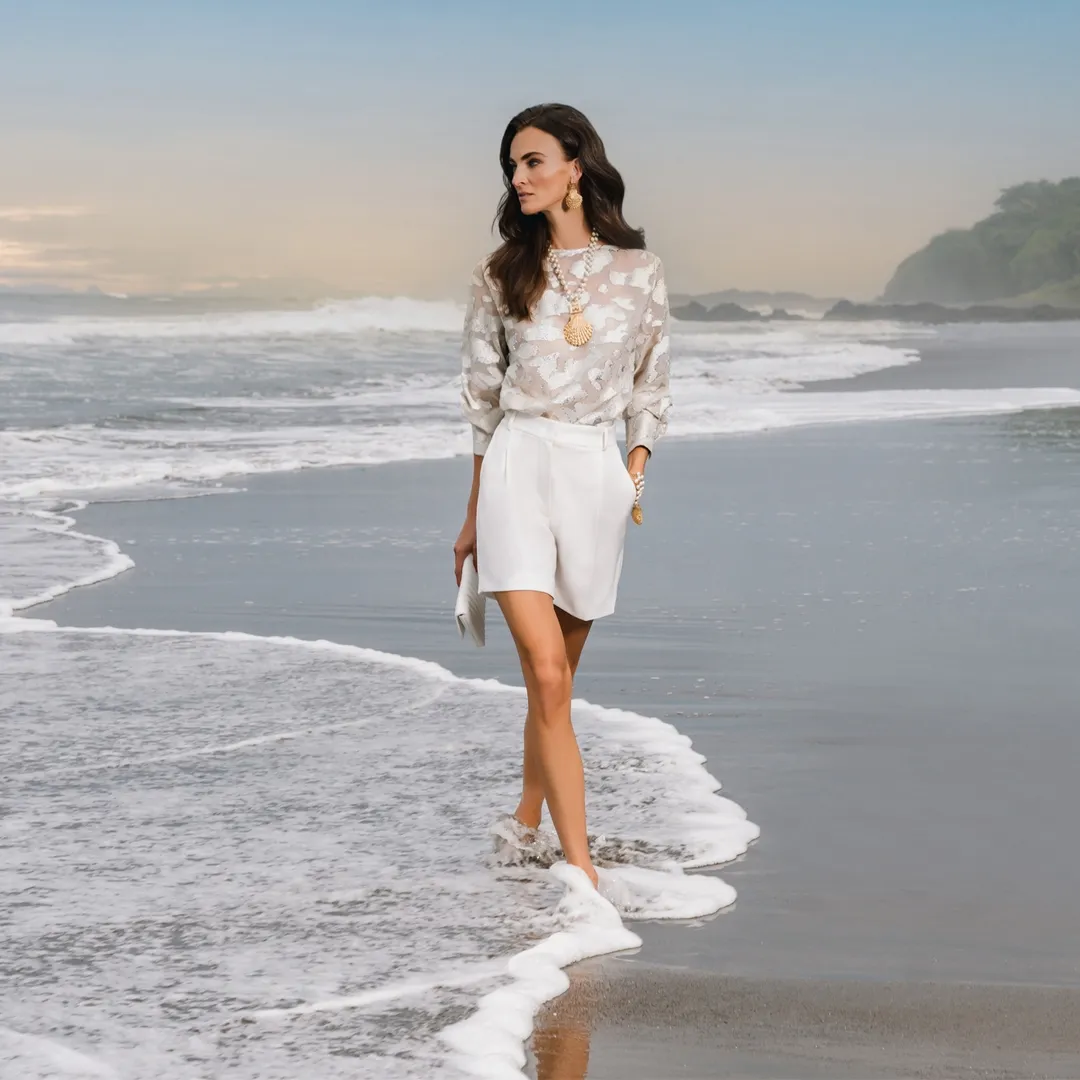
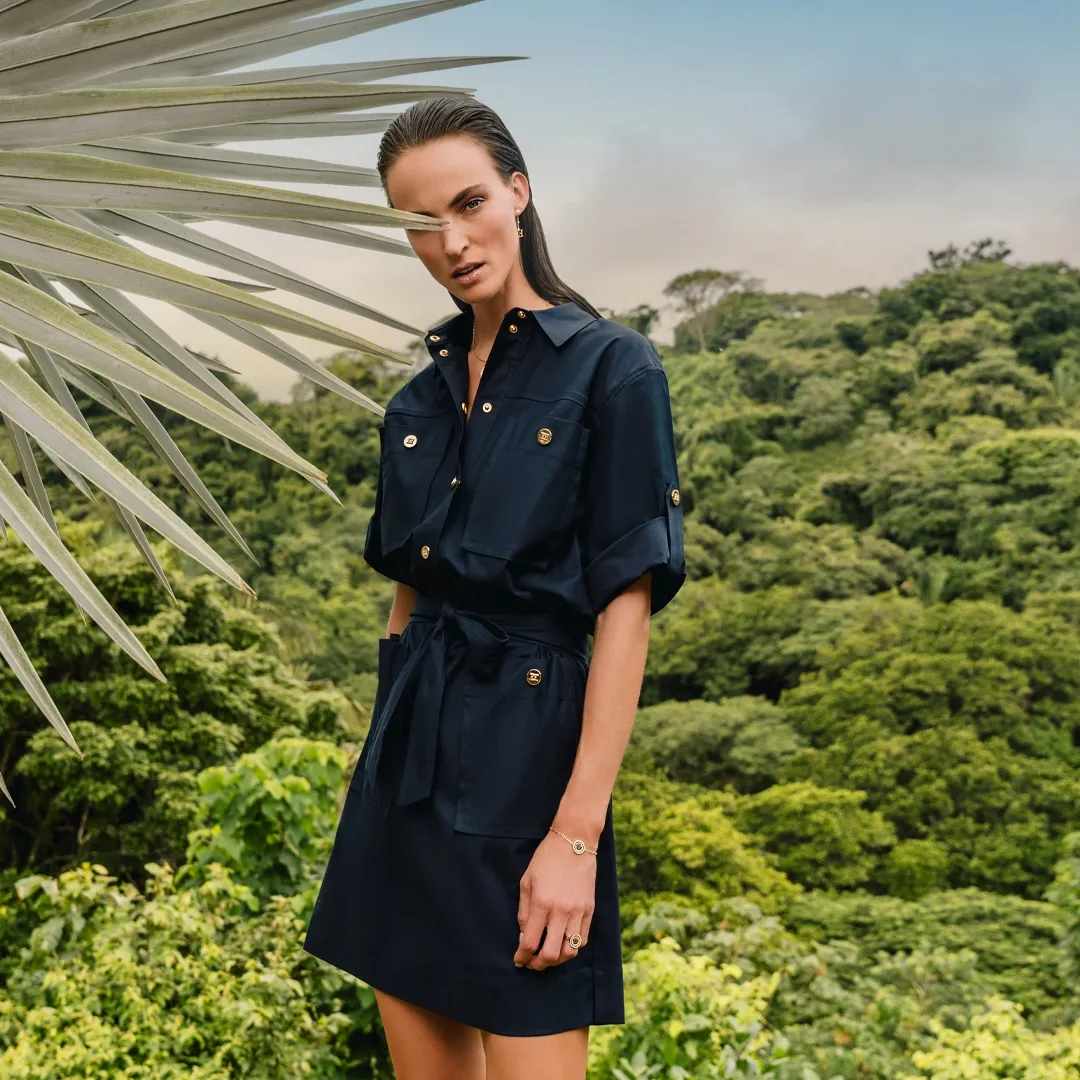
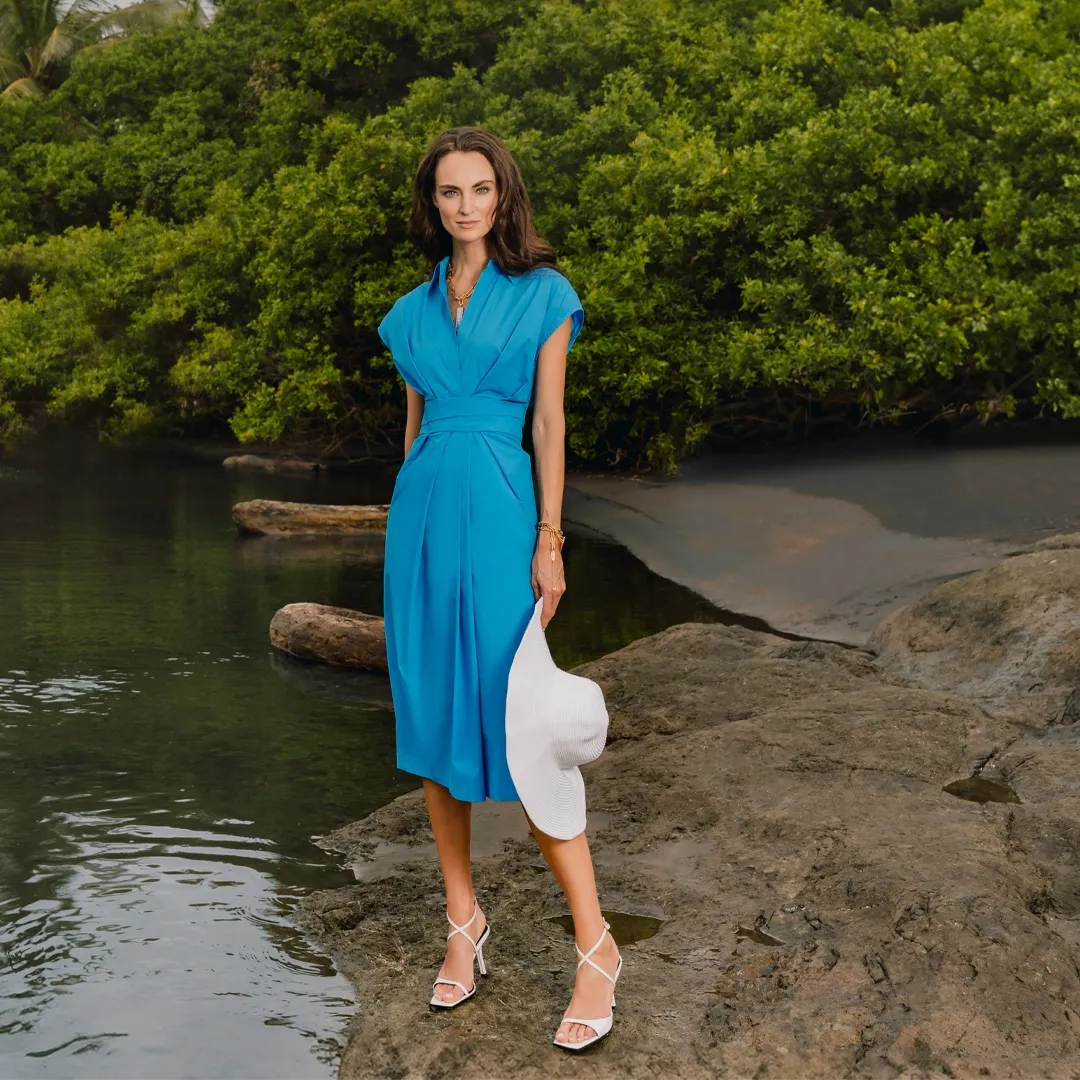
The brand’s revival could be fueled by the public’s renewed appreciation for well-tailored garments. By leaning into its strengths, Escada can relaunch iconic signature pieces with updated designs and more sustainable materials.
Anna Sui
Remember that scene in Clueless where Cher Horowitz’s dad asks her what she’s wearing? She says it’s a dress from Calvin Klein—but it was actually Anna Sui. The niche, artisanalArtisanalMade in small batches by skilled hands using traditional or carefully honed methods, rather than mass production. In luxury, artisanal products, from handwoven textiles to craft chocolate, carry a storyGo to Artisanal Glossary brand was well-loved back in the day; however, it failed to establish footing with the younger generation.
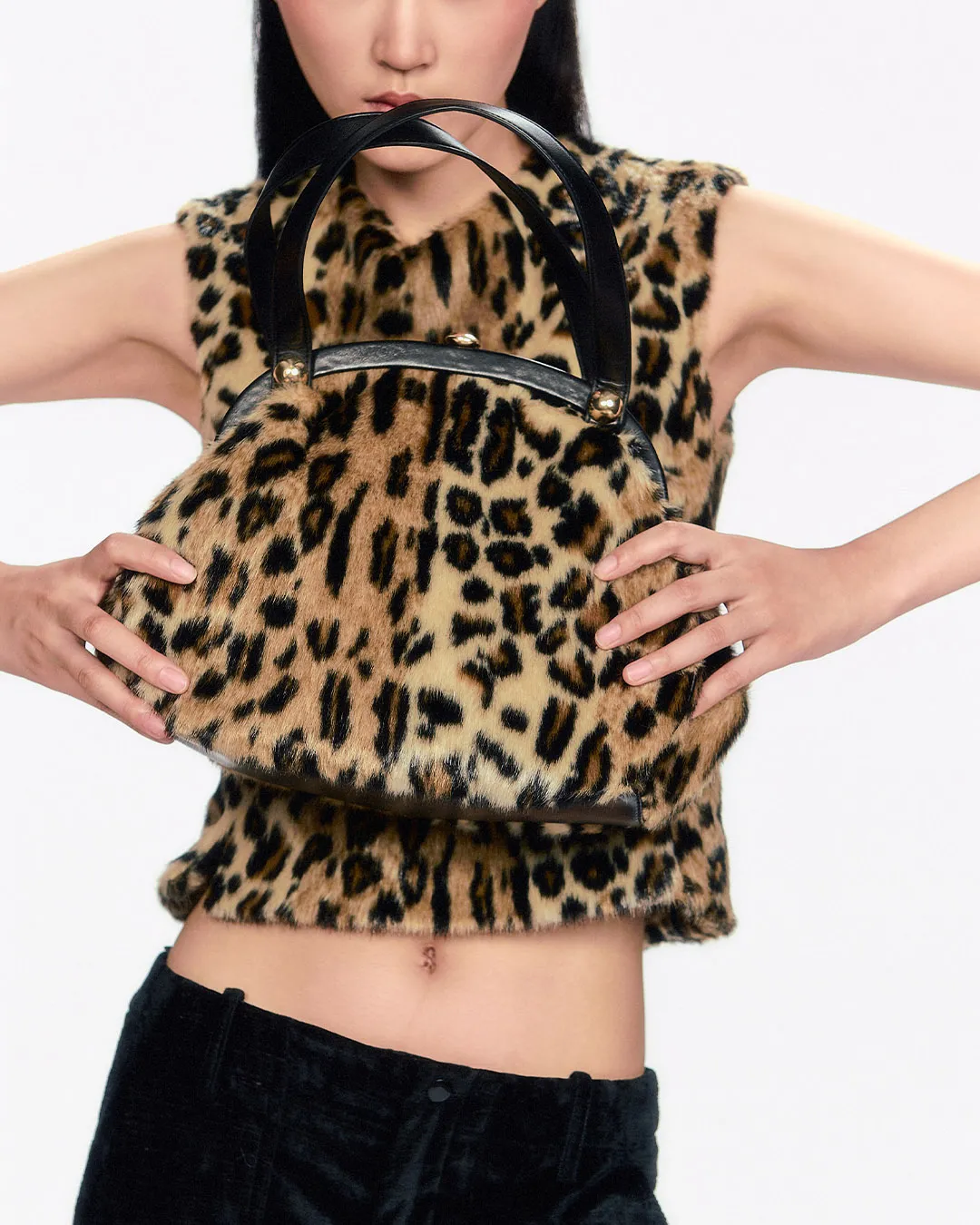
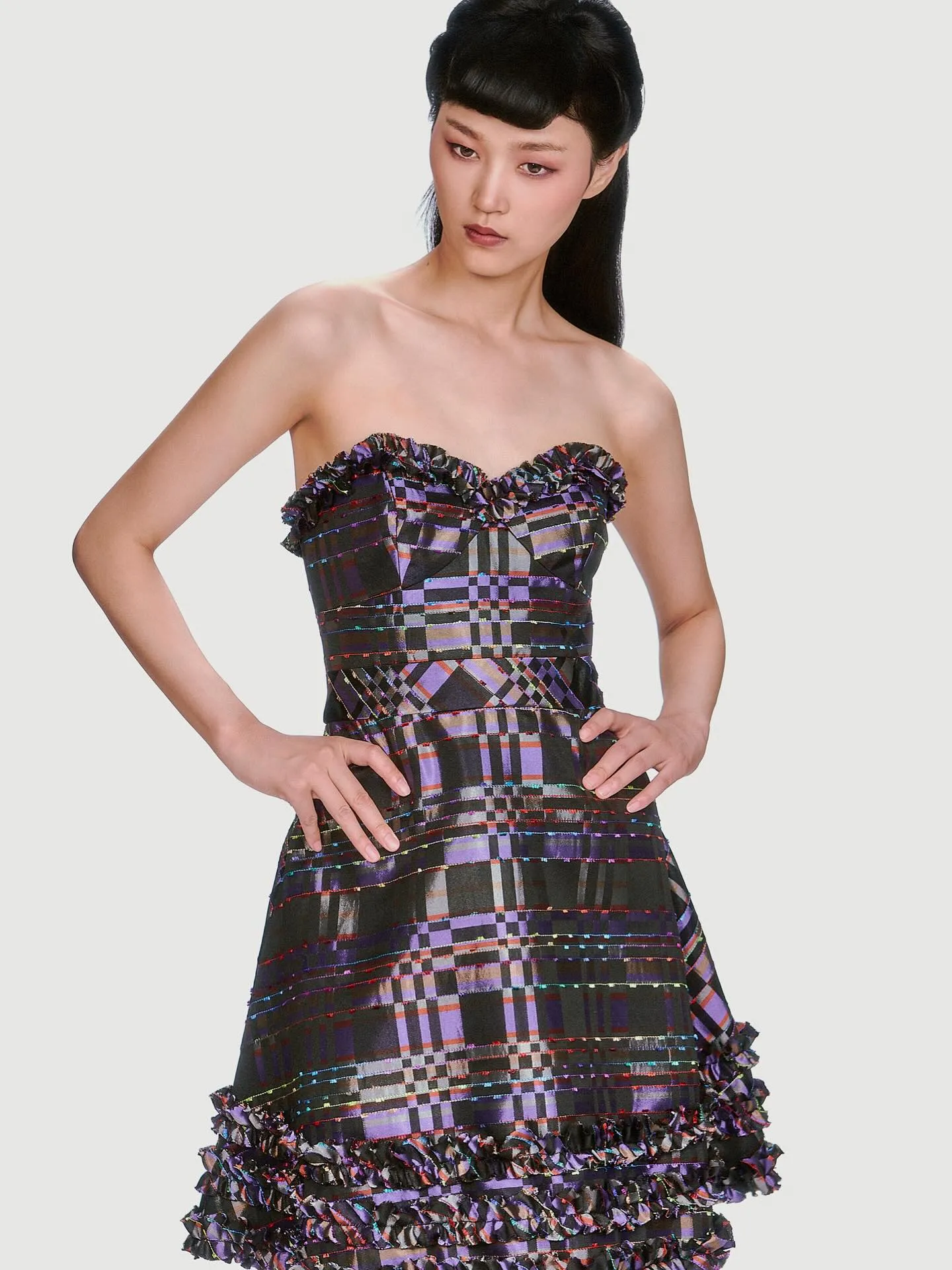
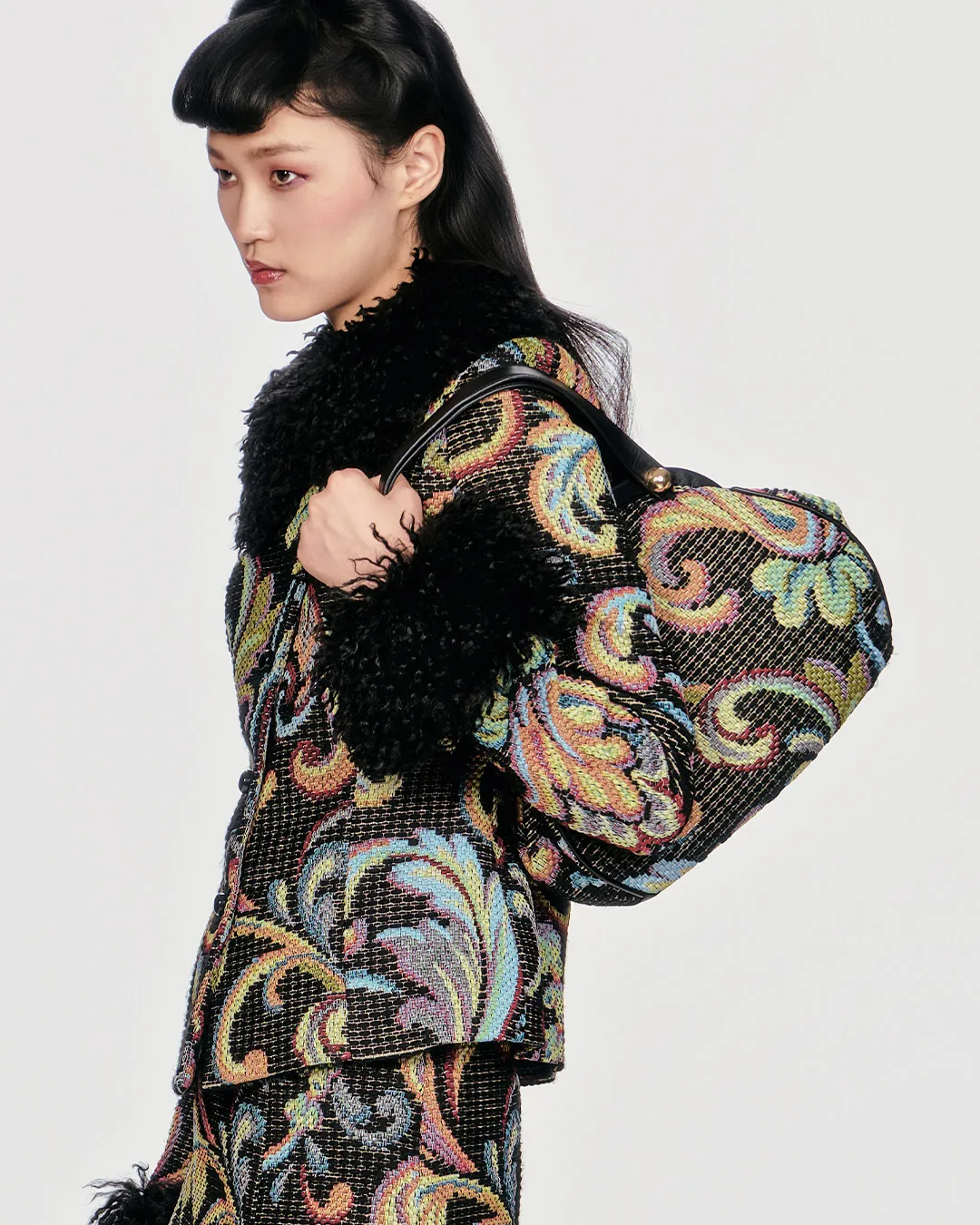
To capitalize on the ongoing ’90s and Y2K revival, the brand should consider reissuing archive pieces. Collaborations with indie or youth-oriented labels can also help reintroduce a specific aesthetic. Strengthening their presence in pop cultureCultureshared traditions, beliefs, values, customs, arts, and social practices that define the identity and way of life of a community, society, or nation.Go to Culture Glossary—particularly through music and festival fashion tie-ins—would further enhance their relevance.