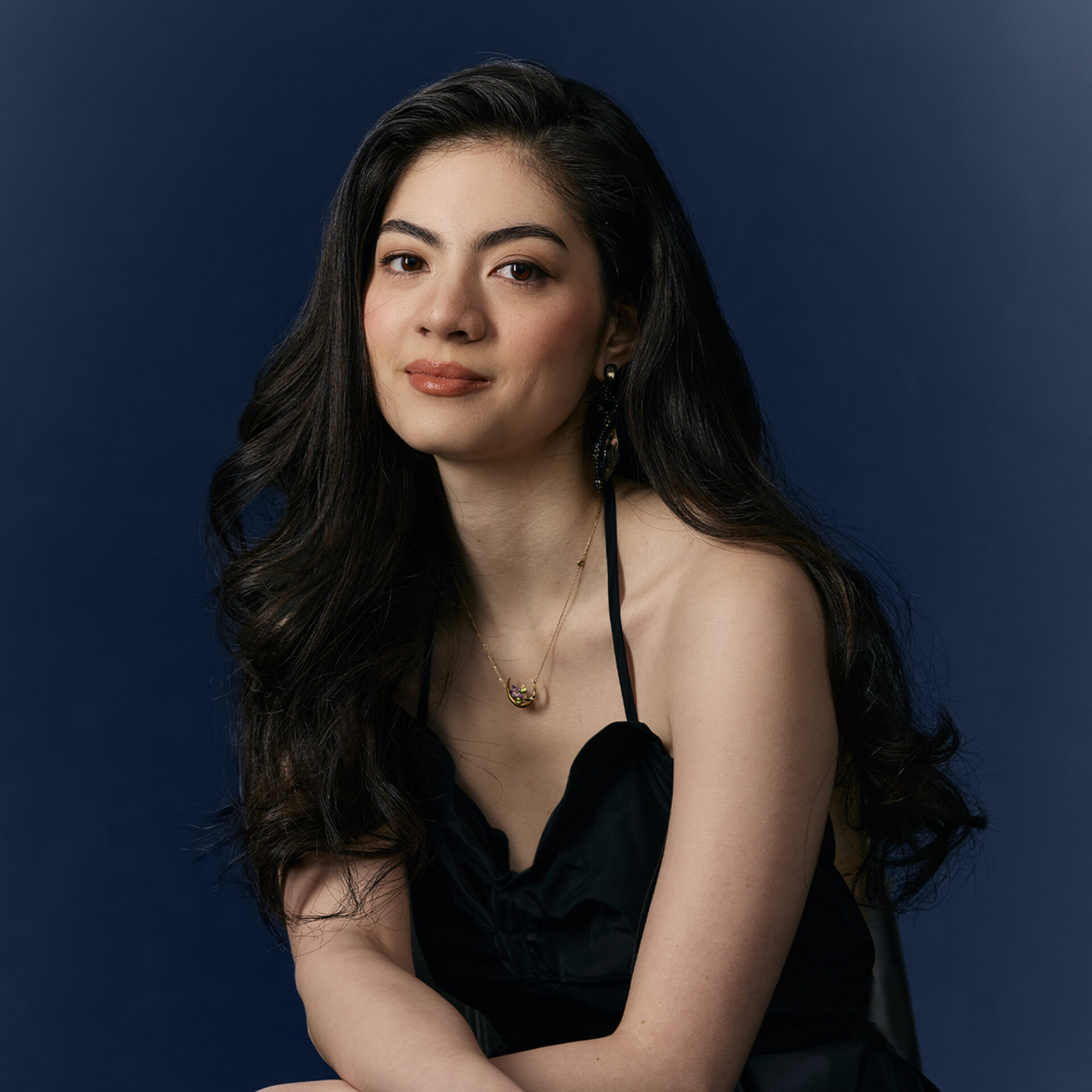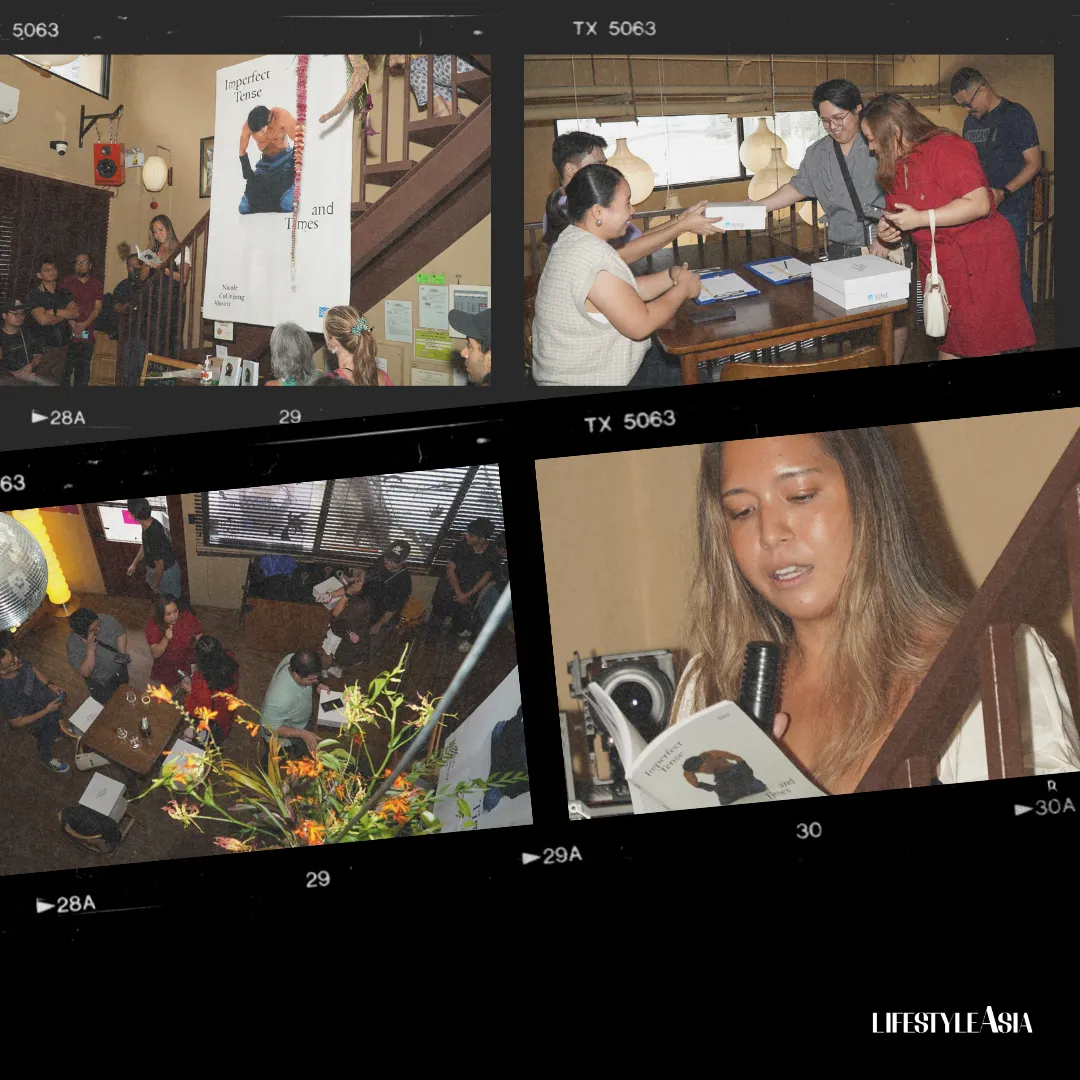
Nicole CuUnjieng Aboitiz’s Imperfect Tense and Times gathers essays originally published as a twenty-something grappling with philosophy, politics, and personal meaning. The collection, launched under the World Nonfictions imprint, preserves a particular moment of youthful intellectual ambition from nearly a decade ago.
“At age 27, adolescence and senescence can seem impossibly, melodramatically, close to one another.” So begins one of the essays in Nicole CuUnjieng Aboitiz’s Imperfect Tense and Times. Right from that beginning sentence, I had to take a pause. First, because I had to look up what “senescence” meant (and for readers in a similar situation: the condition or process of deterioration with age). Second, because there was something both reassuring and unsettling about reading this as someone who is at the age of 27, grappling with the same realization and melodramatic existential weight that comes with wrapping up your 20s.
In that essay, “The Meaning of Life at Age 27,” Nicole tackles the age-old question head-on, drawing on Viktor Frankl’s Man’s Search for Meaning and Albert Camus’ The Myth of Sisyphus. It seems everyone and their mother has their own concept of what the meaning of life should be (as they all should). For Nicole?
“Perhaps the meaning of life,” she writes, “resides in its bottomless, infinite potential. And I will manifest my responsibility to both that meaning and the beauty of mere existence through my acts of creation.”
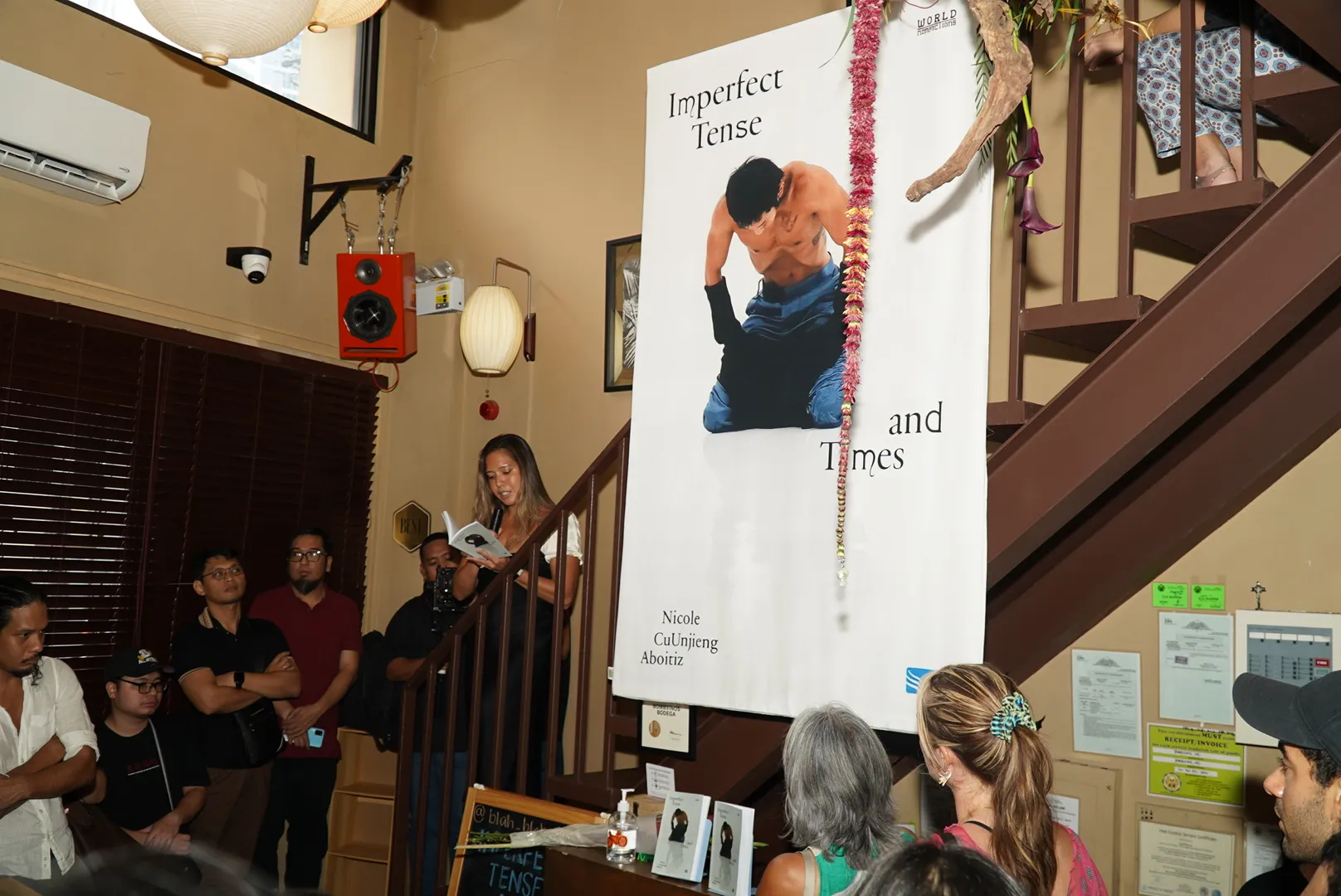
What we have in Imperfect Tense and Times is a collection of those very creations, essays originally published in broadsheet from 2013 to 2016, when Nicole was roughly this side of 30. It is a peculiar time in one’s life: old enough to have formed genuine perspectives about the world, young enough to approach big questions without cynicism. Now, nearly a decade later, we can revisit exactly what that moment contained.
READ ALSO: How Martine Velasco Reimagines Desire In Her Debut Show
What’s In ‘Imperfect Tense And Times’?
Imperfect Tense and Times, launched recently at Bombvinos Bodega in Makati and published under Charlie Samuya Veric’s World Nonfictions imprint, organizes these pieces into three sections: “Personal and Philosophical Commentary,” “Social and Political Critique,” and “Cultural and Historical Thinking.” As Nicole notes in her preface, “My critiques of the elite are issued from self-critique”–a self-awareness that creates the very platform for these reflections, but also grounds them in personal experience.
The collection is a fascinating mix of personal stories about who she was at that time alongside commentaries that remain stubbornly relevant. Her essay “Do Not Say That The Filipino Spirit is Waterproof,” written in the wake of Typhoon Haiyan in 2013, hits differently after we’ve just watched the 2025 typhoon cycle tear through the country. The same stories of resilience arise while the people still have questions about flood control project anomalies.
The historical thinking pieces are particularly compelling, well-researched, and filled with anecdotes and insights. This is unsurprising given Nicole’s academic and professional experience in history: a PhD in Southeast Asian and International History from Yale, a research fellowship at the University of Cambridge, where she also taught World History, among others. While the essays dive into history, from our colonial educational system to our Catholic nature, it is always with an eye toward its relation to the present, or what was then present.
READ ALSO: Laurel Flores Fantauzzo On Revisiting A True Crime Novel
What Would Nicole CuUnjieng Aboitiz Write About Today?
Nicole’s voice throughout the essays is remarkably youthful and optimistic, and part of me wonders what she would write now.
Consider the “Cultural and Historical Thinking” section, which tends to American and Eurocentricism, understandably so given our nation’s intertwined history with the West, which Nicole touches on in the final essay, “Telescoping Empire and Diaspora: Revisiting US-Philippine Dialectics.” That was originally published in 2013. Since then, both countries have cycled through various administrations–Duterte, Trump, Biden, and now back to Trump in the US and the younger Marcos in the Philippines. Throw in the rising power of China, which only overtook the US as the world’s largest economy in 2016, and we can see how dramatically the geopolitical landscape has shifted.
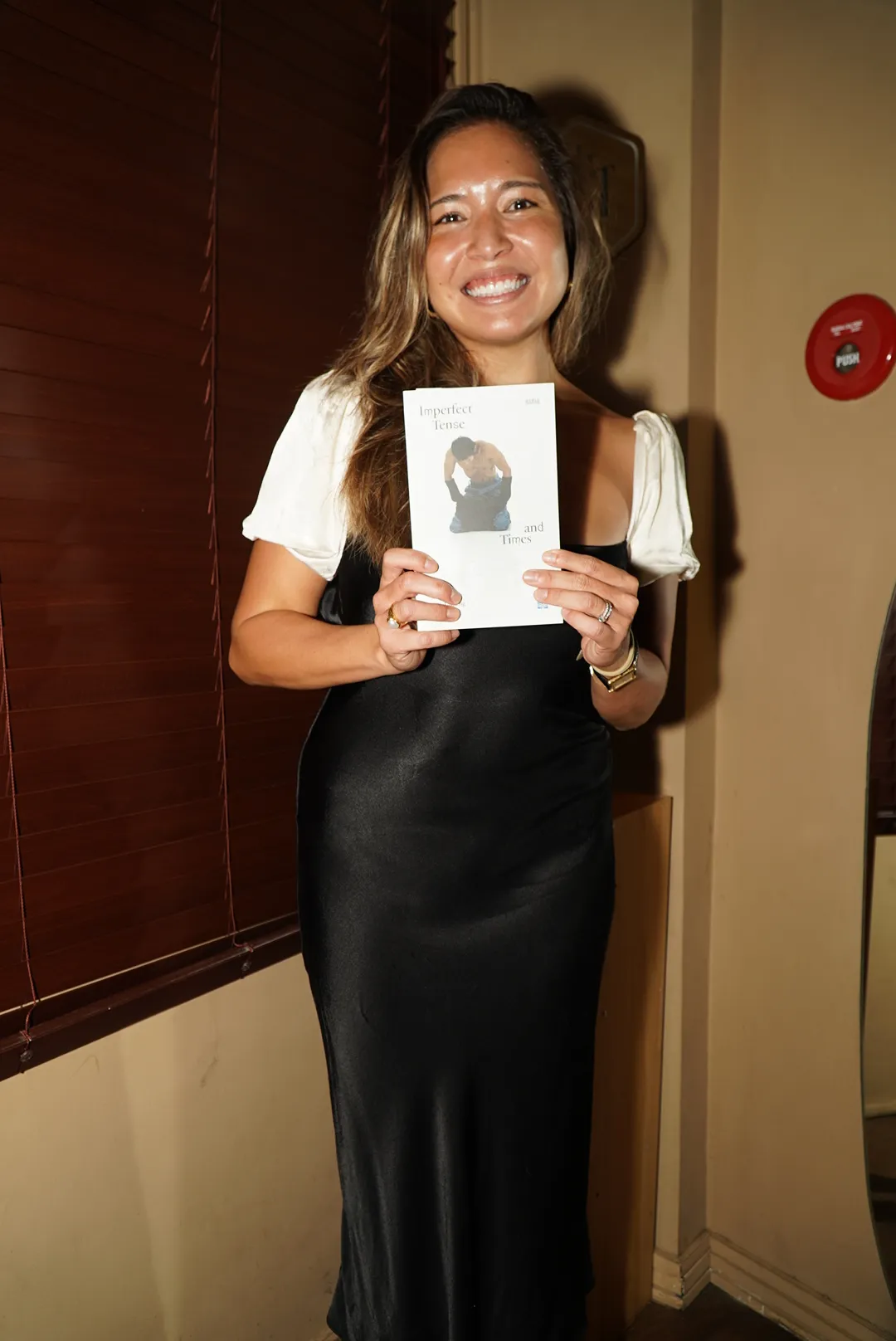
The title Imperfect Tense and Times feels particularly apt. These aren’t completed thoughts but ongoing actions, ideas that were still developing when the world changed around them.
How would the author approach the same questions now? What about the rise of AI or the viral trends of social media that consume the contemporary news cycle?
But perhaps that curiosity misses the point.
In the first essay of the collection, “Undercover Undergrad,” Nicole quotes the poet William Wordsworth: “nothing can bring back the hour / of splendor in the grass, of glory in the flower.” But Wordsworth offers consolation in the lines that follow: “we grieve not, but rather find / strength in what remains behind.”
This collection preserves what she wrote as a young woman wrestling with the world as she found it then. It is a particular kind of intellectual splendor that can’t be replicated or updated. In our age of instant commentary and disappearing thoughts, of 24-hour-long available stories and erasable content, there’s something valuable about encountering someone’s carefully considered reflections preserved like pressed flowers. Not because they’re timeless, but because they capture a specific moment of thinking worth remembering.
“Imperfect Tense and Times” by Nicole CuUnjieng Aboitiz is available at select Fully Booked stores in Metro Manila, as well as online on Lazada, Shopee, and the Vibal Shop.
Photos courtesy of Blah Blah Inc.