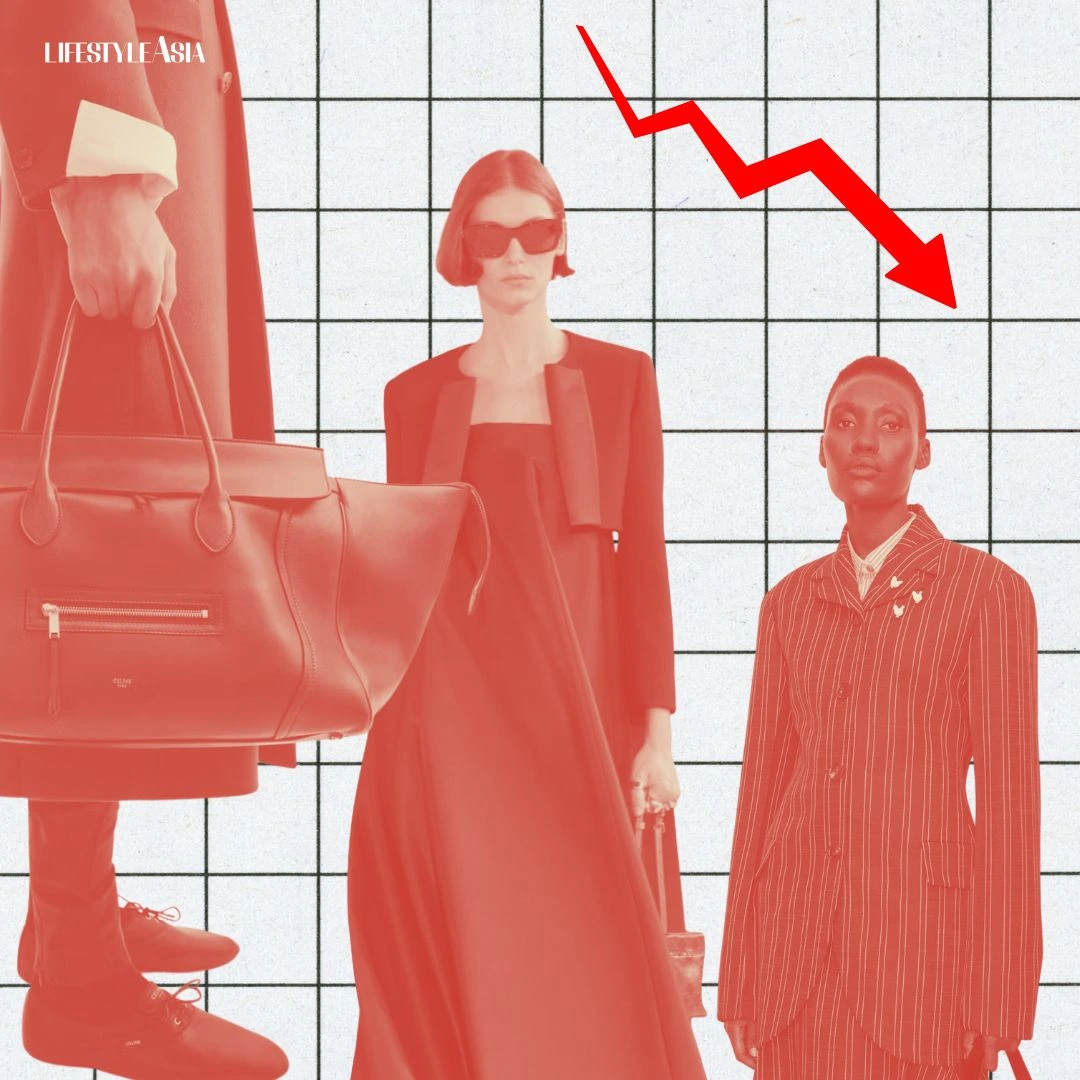
Skirt lengths, corporate-core, and neutral tones—fashion mirrors the economy, revealing how style shifts in times of recession.
Fashion has always mirrored the zeitgeist, evolving as times change. Arguably the most practical form of art, it shifts faster than any other because it reflects people and events shaping their lives. Inspired by this idea (and an Instagram reel from @databutmakeitfashion, discussing recession indicators in recent fashion trends), I decided to take a closer look at the current economic downturns shaping the way we dress.
But before diving in, let’s clarify what a recession is. Admittedly, a fashion nerd like myself barely knows anything about economics, so explaining the concept feels a bit daunting. Still, we can “Rebecca Bloomwood-ify” the topic to make it easier for me—and for regular readers—to understand. A recession is when the economy dips: businesses slow down, people spend less, jobs are cut, and the overall vibe is “tighten your belt.” Think of it as a country’s economy going into financial “power-saving mode.”
That said, recessions don’t just affect wallets; they ripple into lifestyles, including the way we dress. History has shown this time and again: during the 1929 stock market crash in the U.S., women’s skirts grew longer, a shift that inspired the “Hemline Index” theory, which claimed that hemlines rise and fall with economic fortunes. In short, recessions push people toward practicality over extravagance, trading in eclectic, playful pieces for clothing that’s more durable and restrained.
And that’s where things get interesting. Today’s economic mood can be read in the clothes we’re wearing right now—through the rise of corporate-core, the dominance of neutrals, and even the resurgence of oversized bags.
READ ALSO: Flip-Flops, Salcedo Girls, And The Question Of Who Decides What’s Chic
Corporate-Core Is A Recession Indicator
A clear sign of how a recession affects fashion is a steady shift in trends. For instance, where TikTok once thrived on playful “cores” that celebrated bold, expressive styles, the mood has now turned more restrained. Today, the uniform leans corporate-core: blazers, pencil skirts, closed-toe heels, and understated accessories—pieces that feel perfectly at home in the office. This change can be traced back to the rise of the “office siren” aesthetic, but what’s striking is less the trend itself than the reality behind it: people are dressing up for work again, simply because they’re back in the workplace, clocking in and getting on with the business of earning a living.
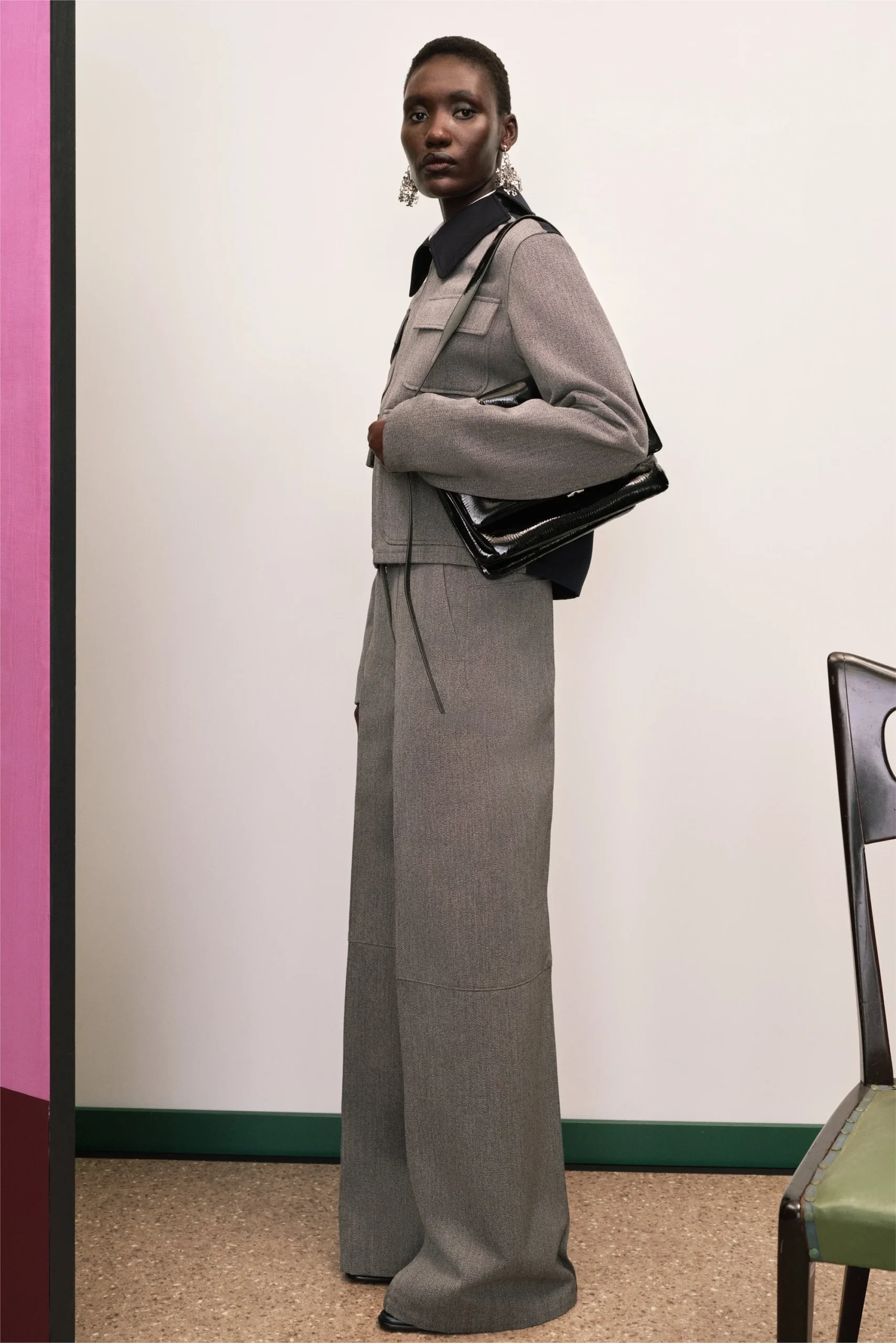
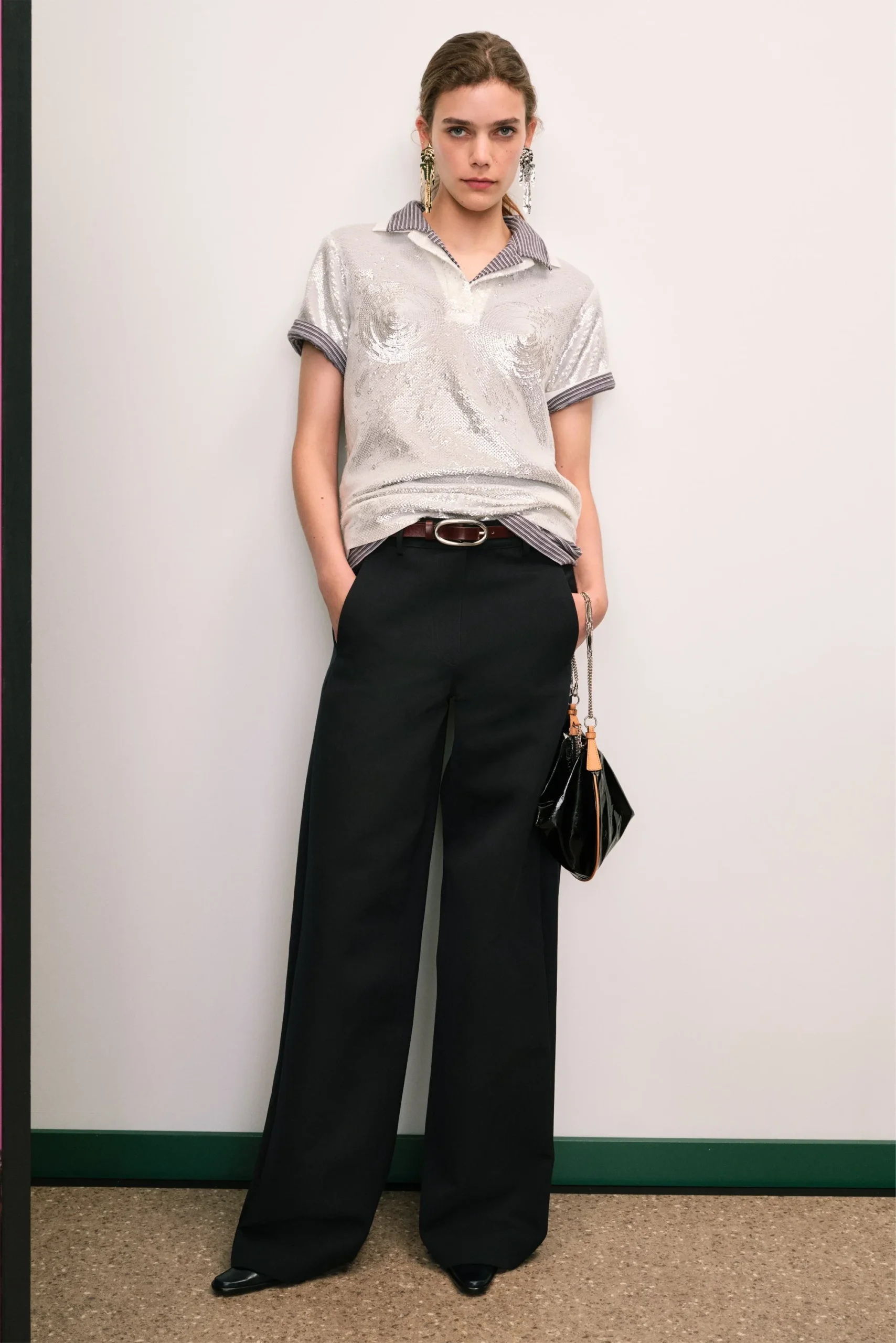
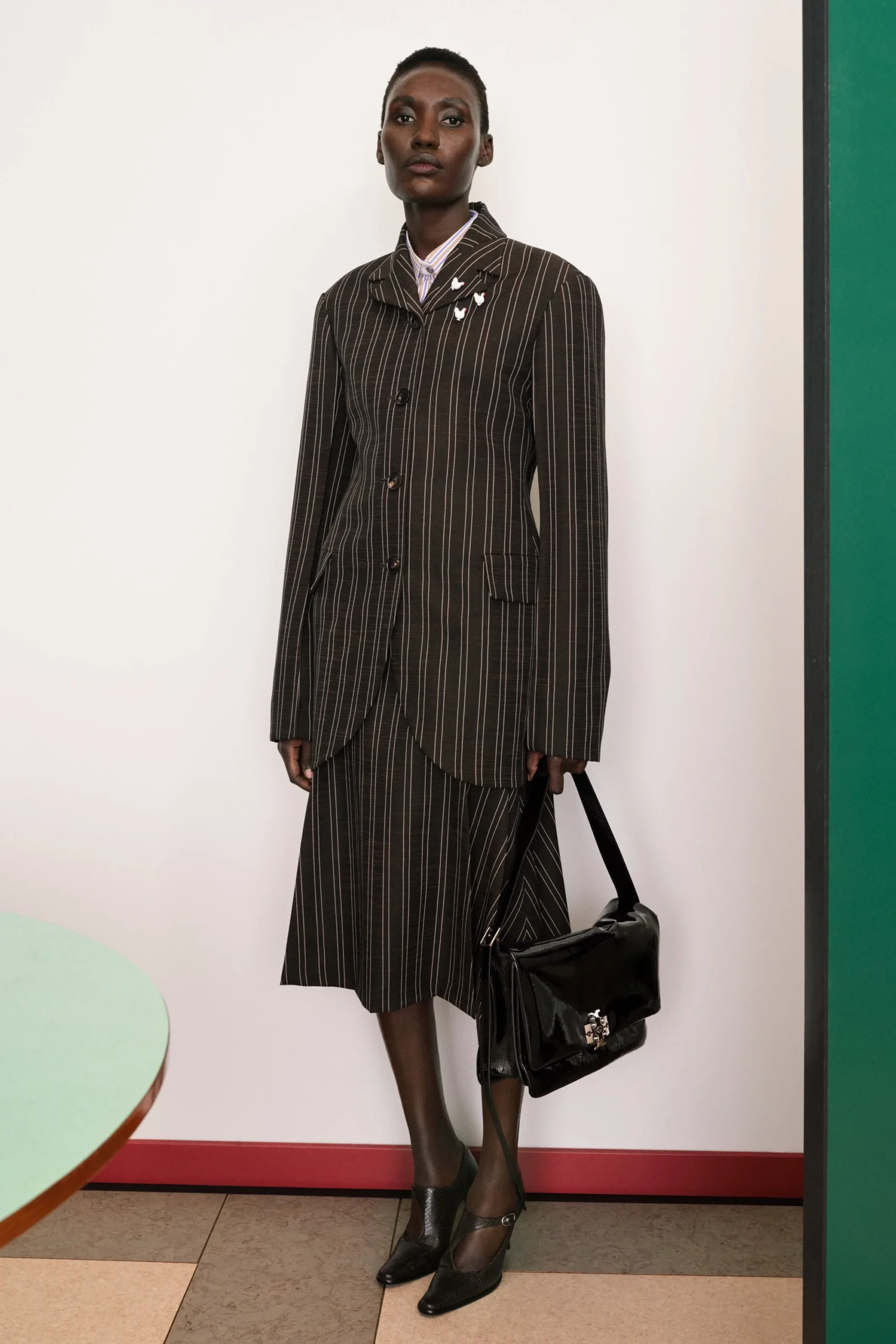
Where’s The Color?
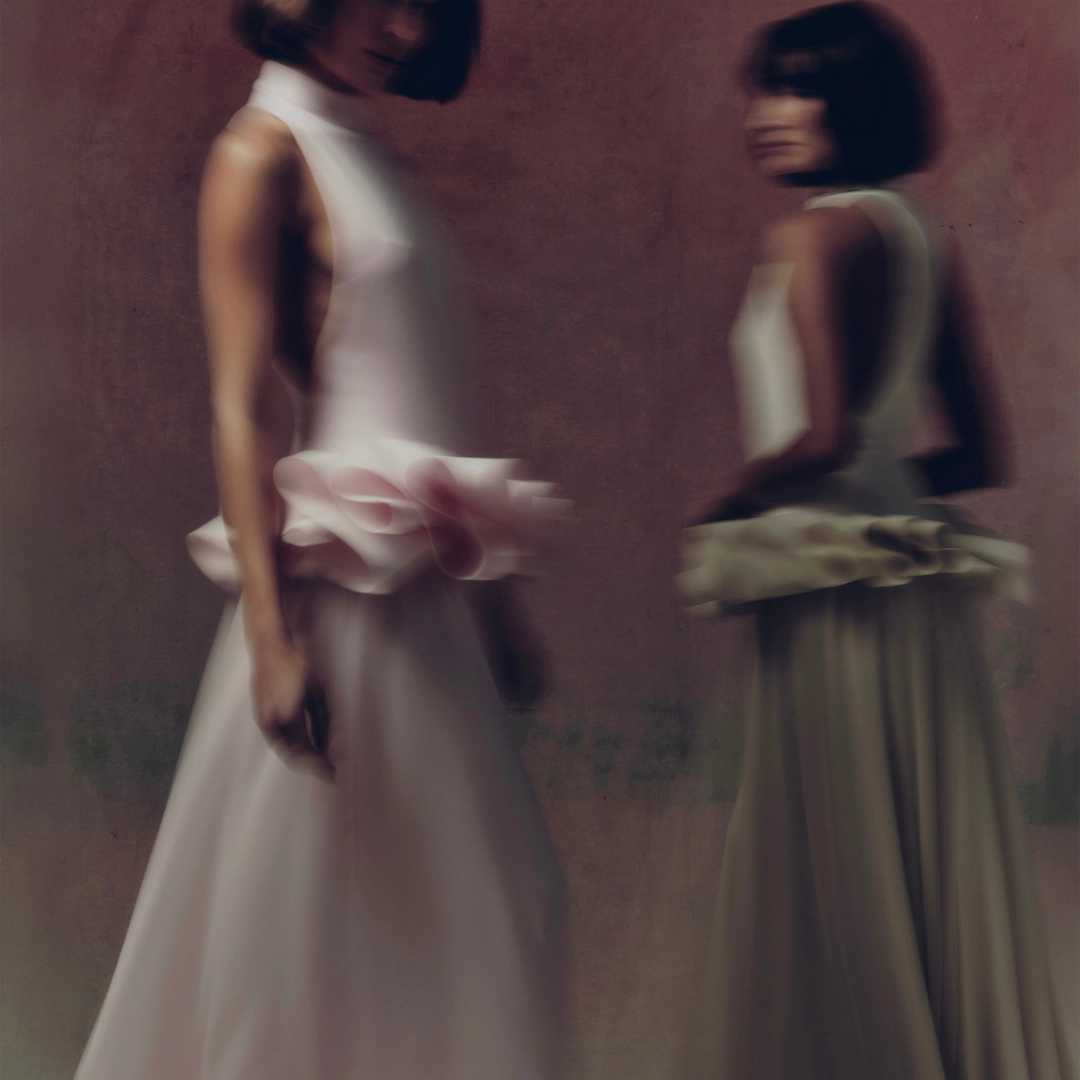
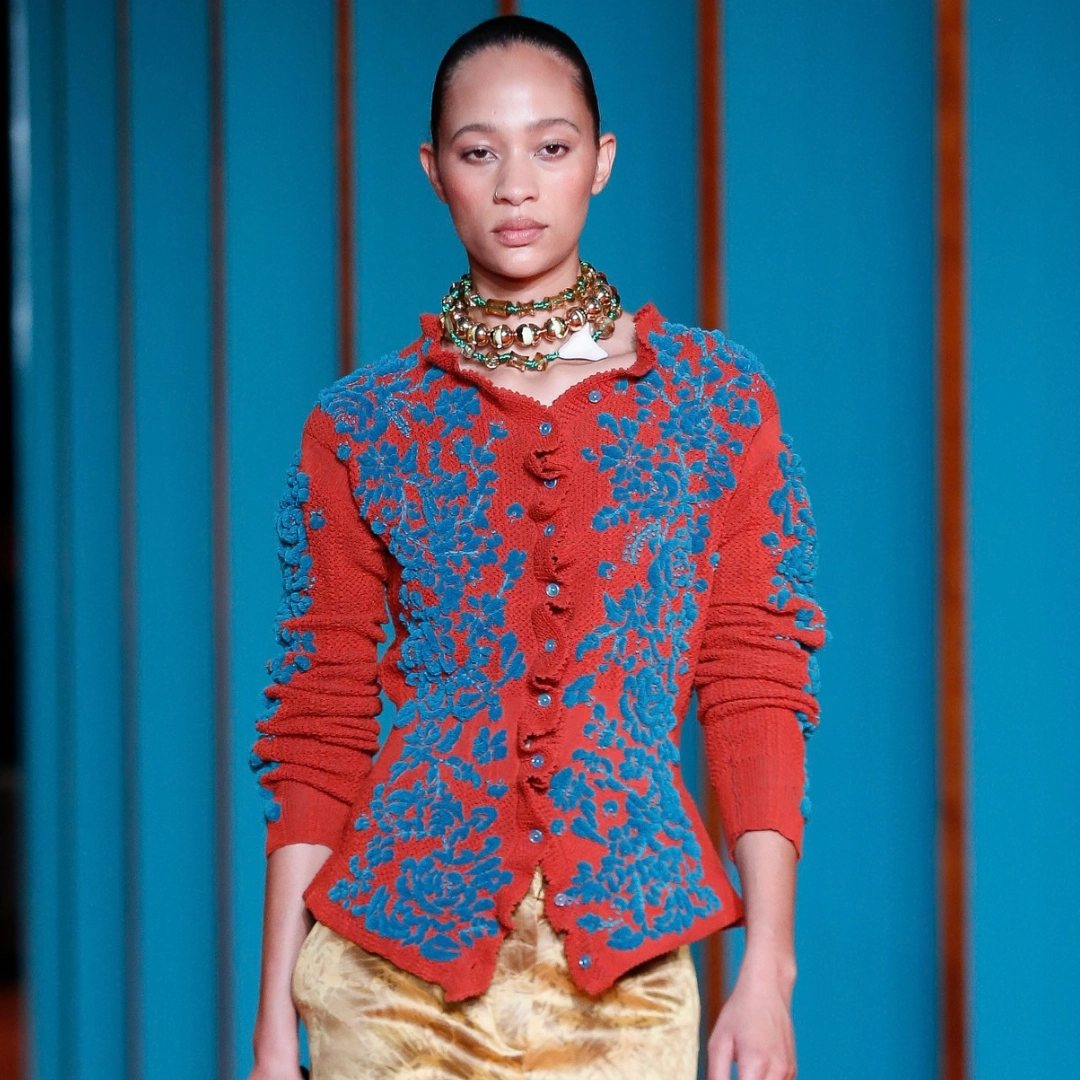
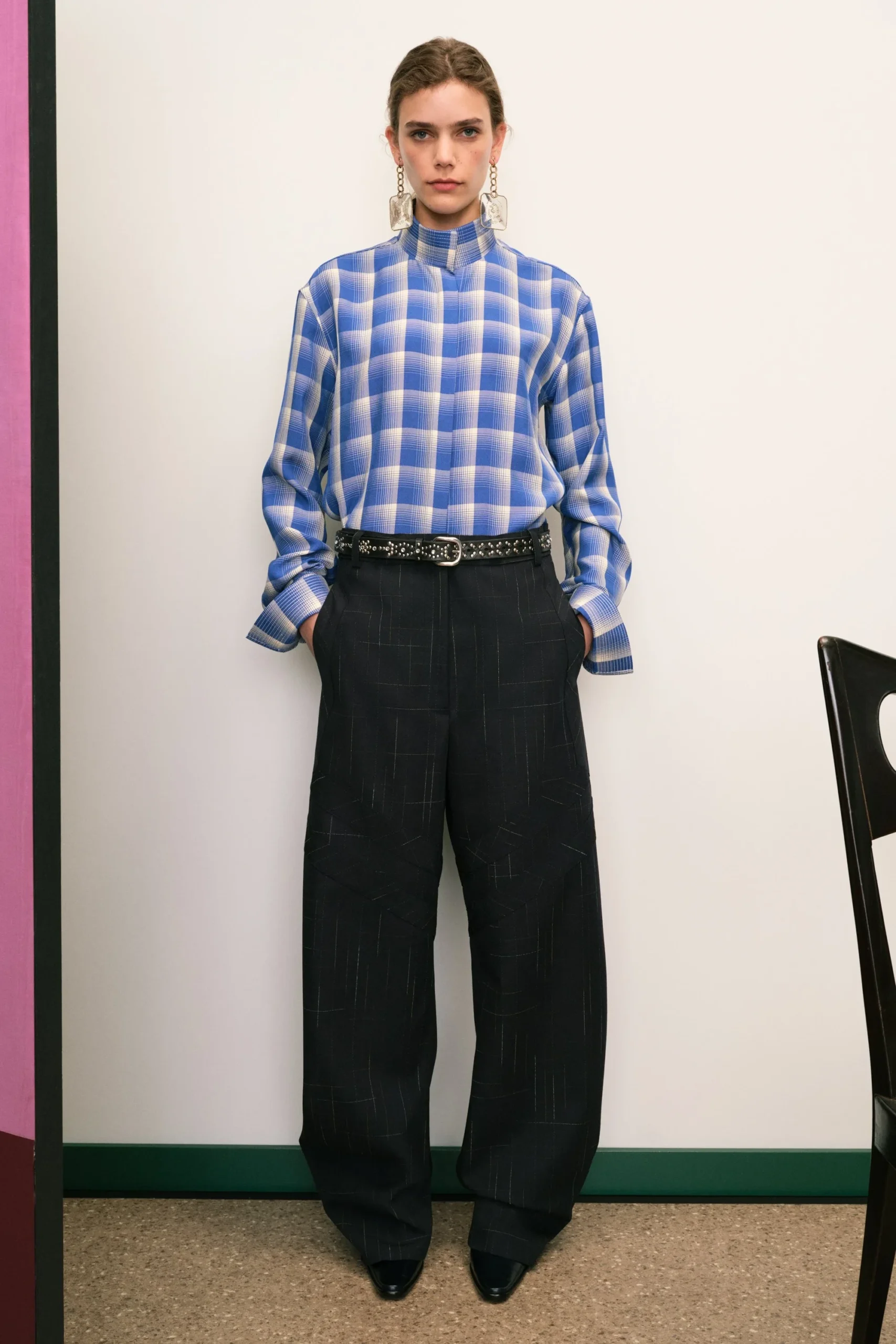
Another sign of economic turmoil is the absence of color in both everyday outfits and runway shows. People are gravitating toward muted tones and plain neutrals, dressing to work and, in many ways, to endure—avoiding the bright shades that draw attention in a crowd focused on survival. This reality inevitably shapes how designers and creative directors chart their collections, reflecting society’s needs with clothing made not for spectacle, but for survival.
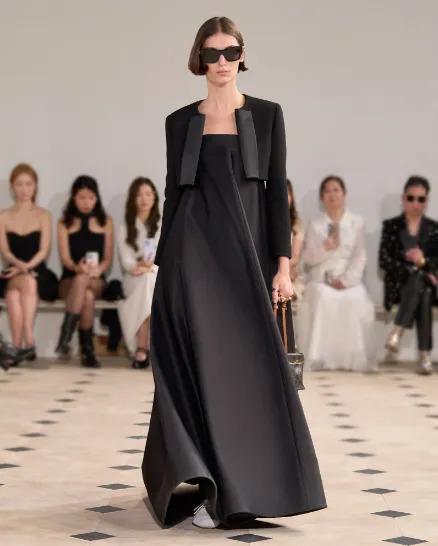
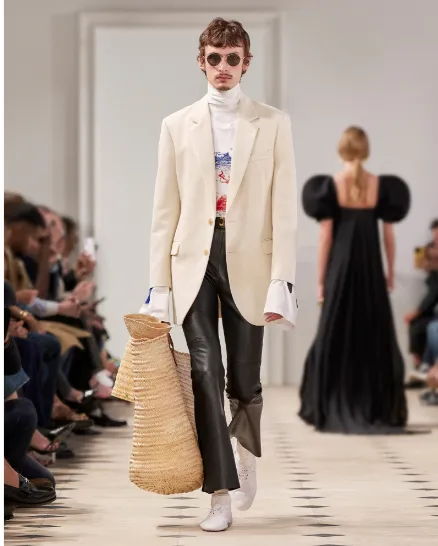
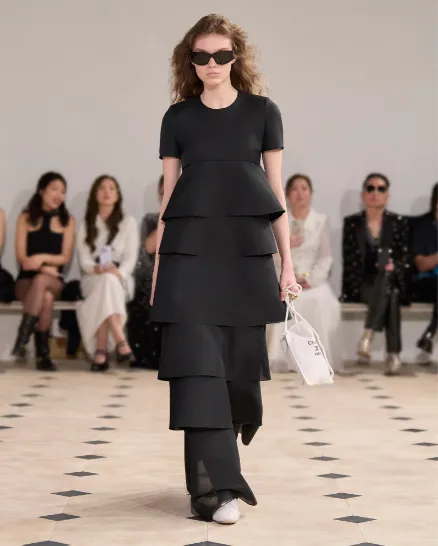
The Bigger The Bag, The Bigger The Responsibilities?
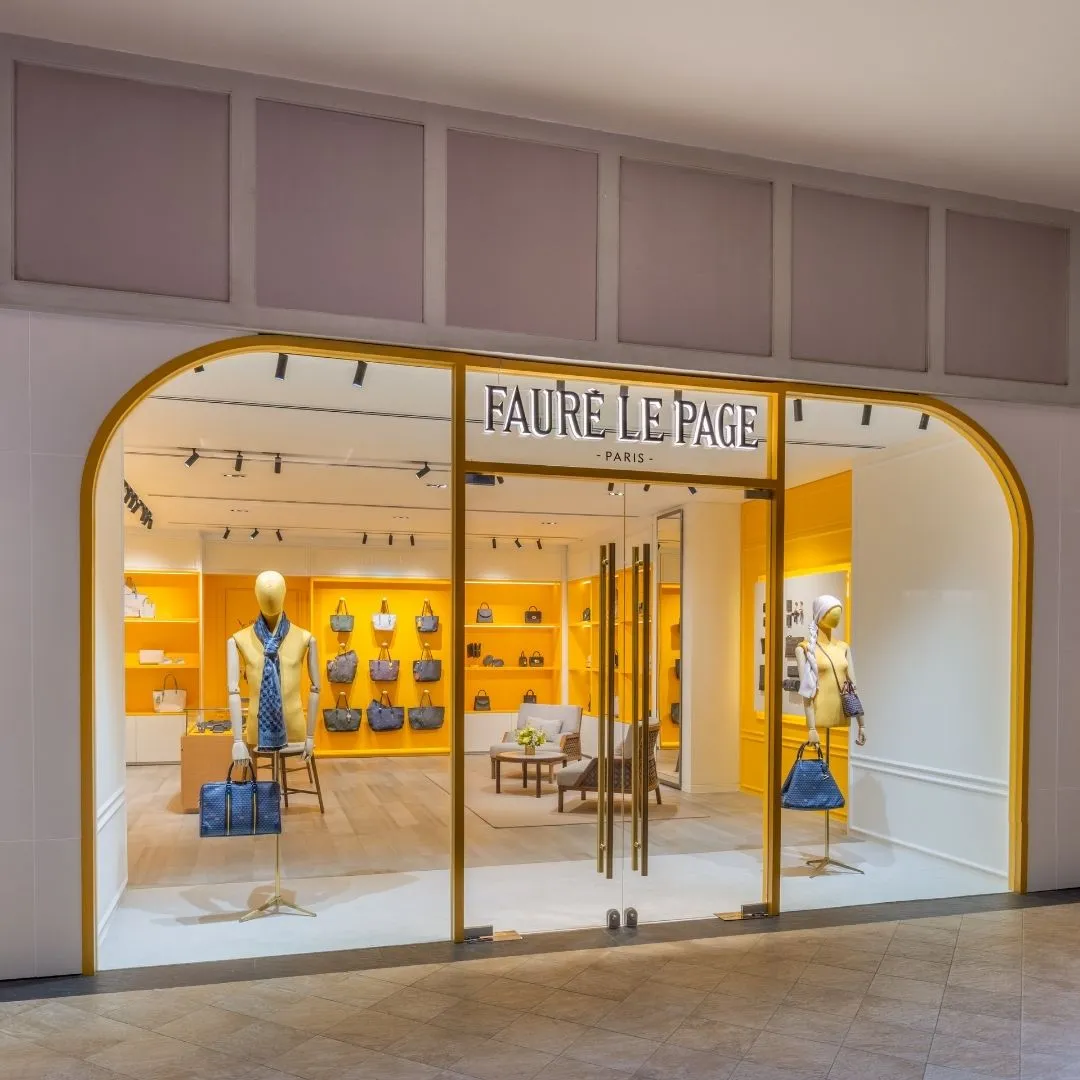
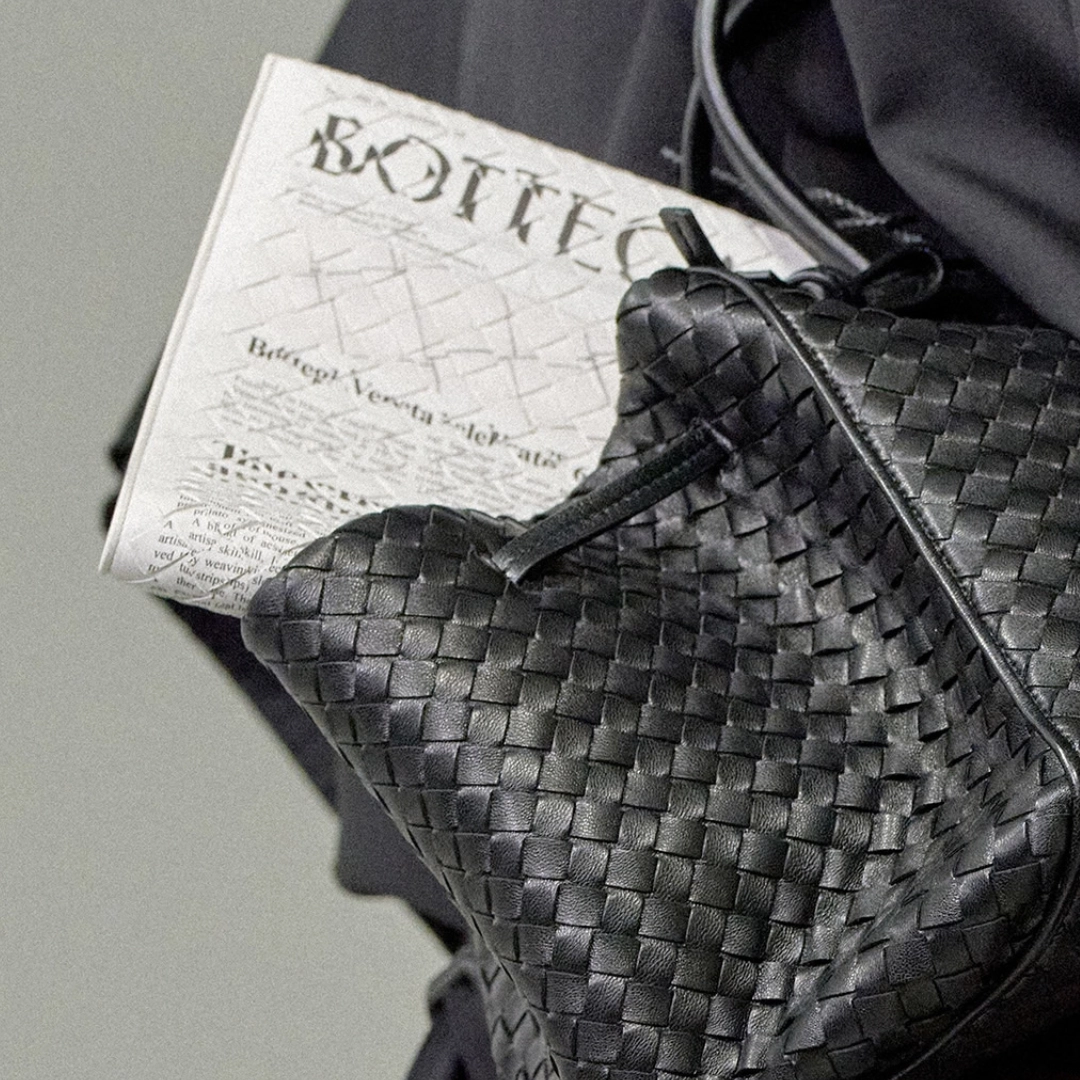
The bigger the bag, the bigger the responsibilities—or at least that’s how it feels in the current climate. Oversized totes and structured carryalls have returned, not as statements of excess but as practical companions for the daily grind. They’re less about indulgence and more about utility, holding laptops, packed lunches, and everything else needed to power through long workdays. Fashion, once obsessed with the tiny impracticality of micro bags, now leans toward pieces that reflect the weight of reality—bags built for survival, not just for show.
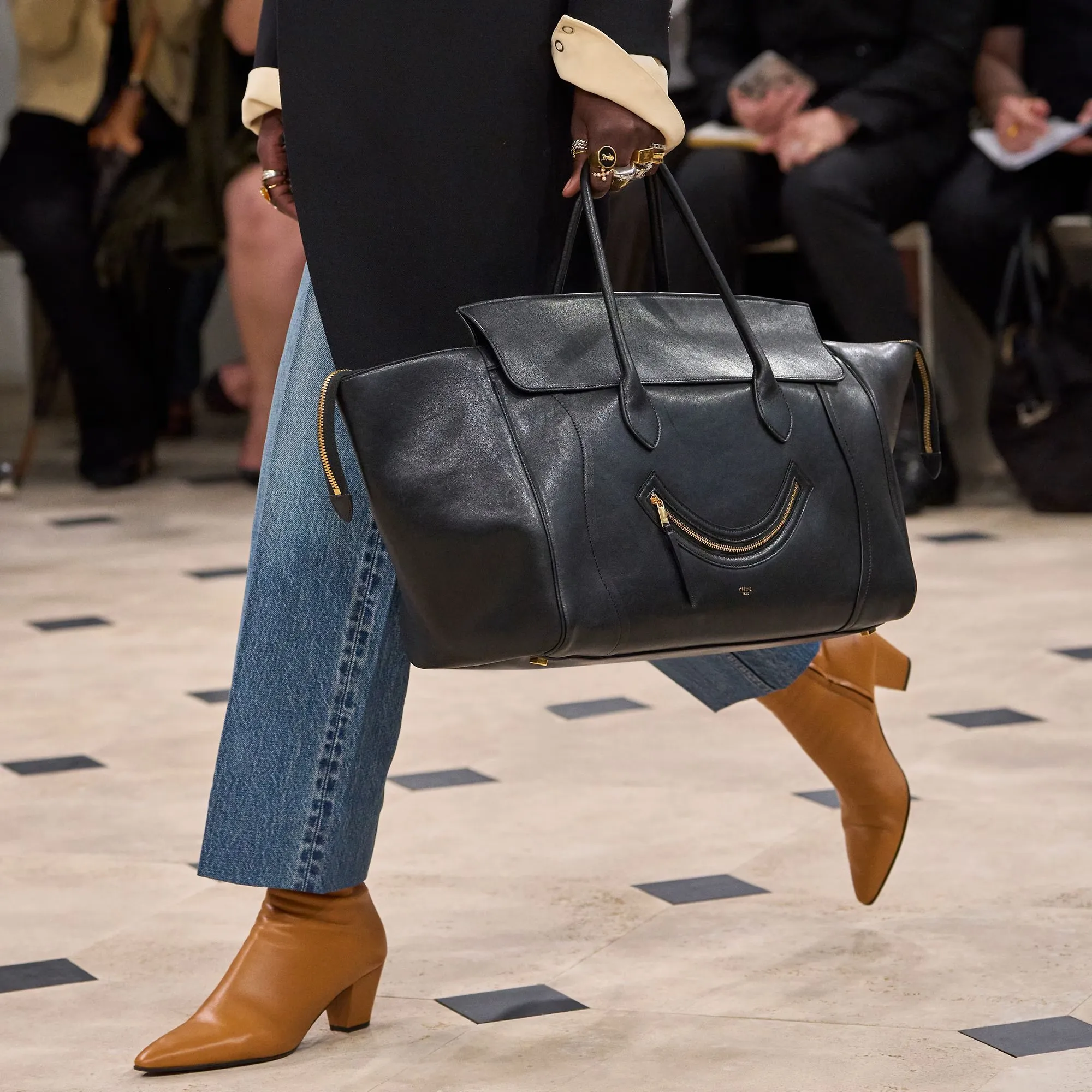
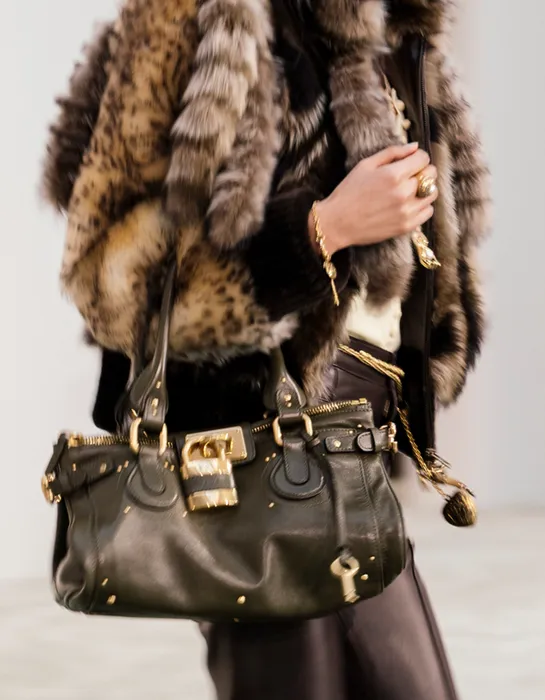
Fashion has always mirrored the times, but in downturns, the mirror is brutally honest. Corporate-core, neutrals, and oversized bags aren’t fads; they’re the wardrobe of resilience. Because when survival is the mood, fashion adapts—and it tells the story for us.