The exhibition, part of the KCC’s 2025 Korean Film Festival, takes audiences behind the scenes of films like Park Chan-wook’s The Handmaiden and Byun Sung-hyun’s Kill Boksoon.
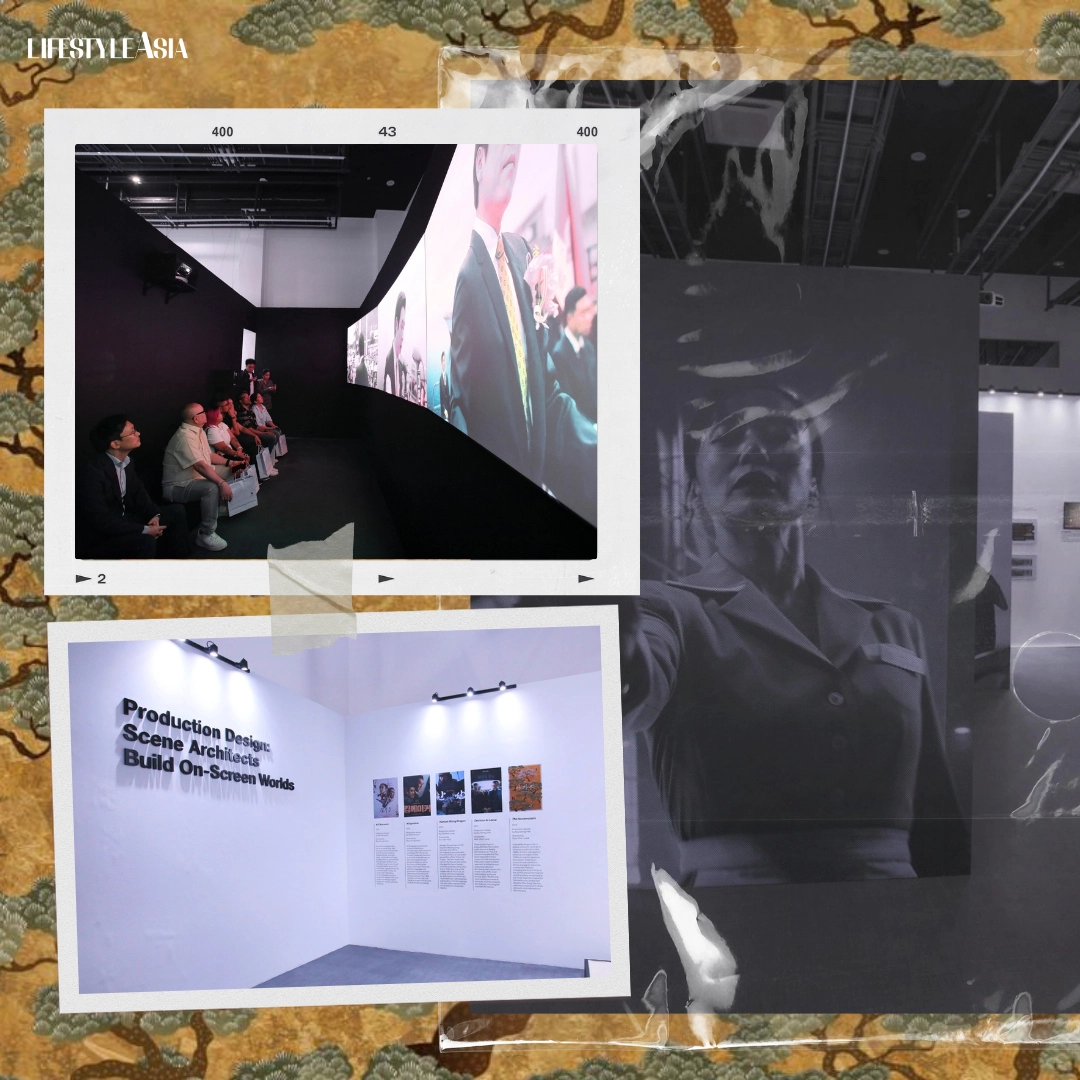
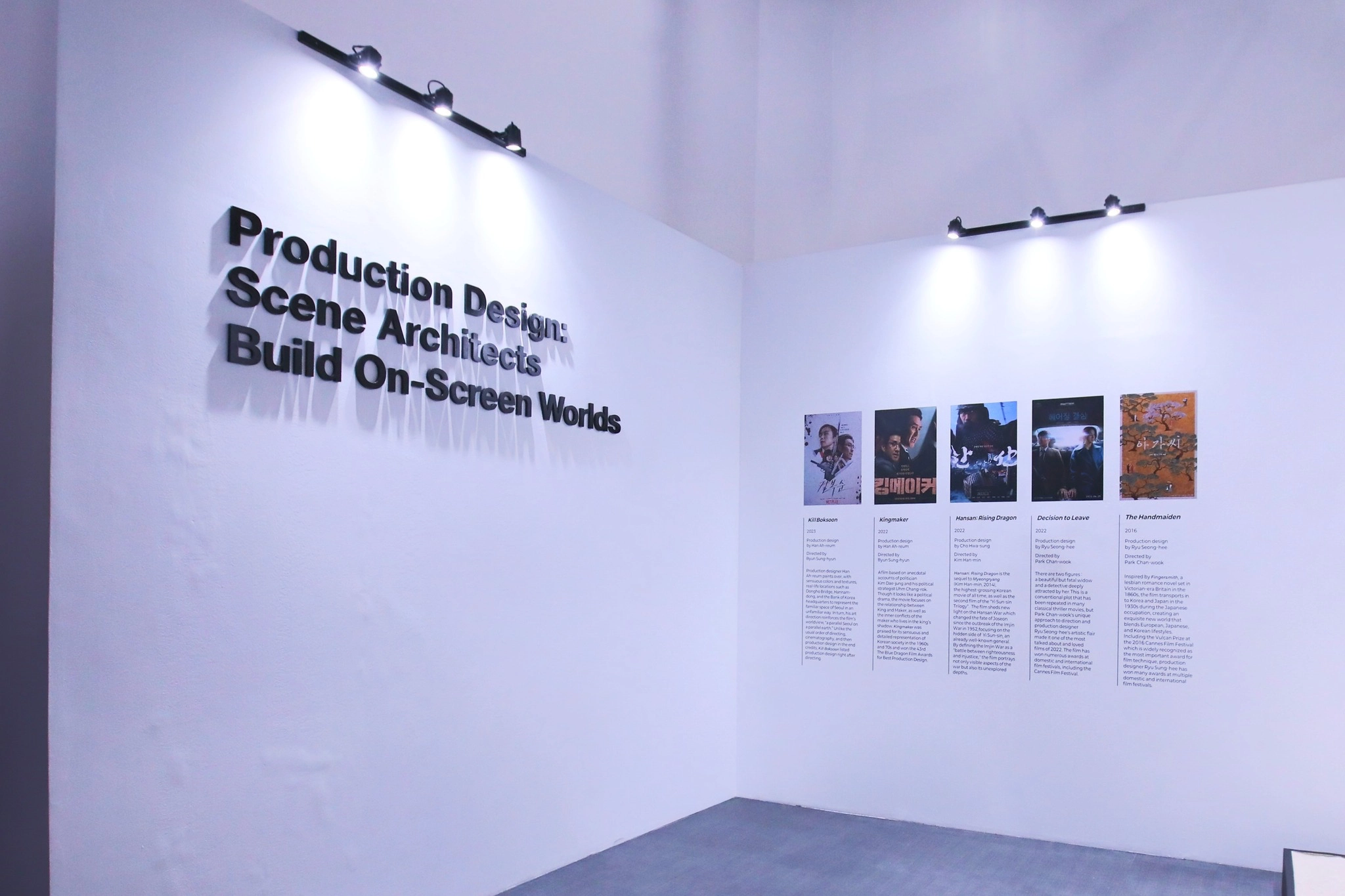
The Korean Cultural Center (KCC) in the Philippines recently launched the 2025 Korean Film Festival with the opening of Production Design: Scene Architects Build On-Screen Worlds, held at the KCC’s headquarters in Taguig.
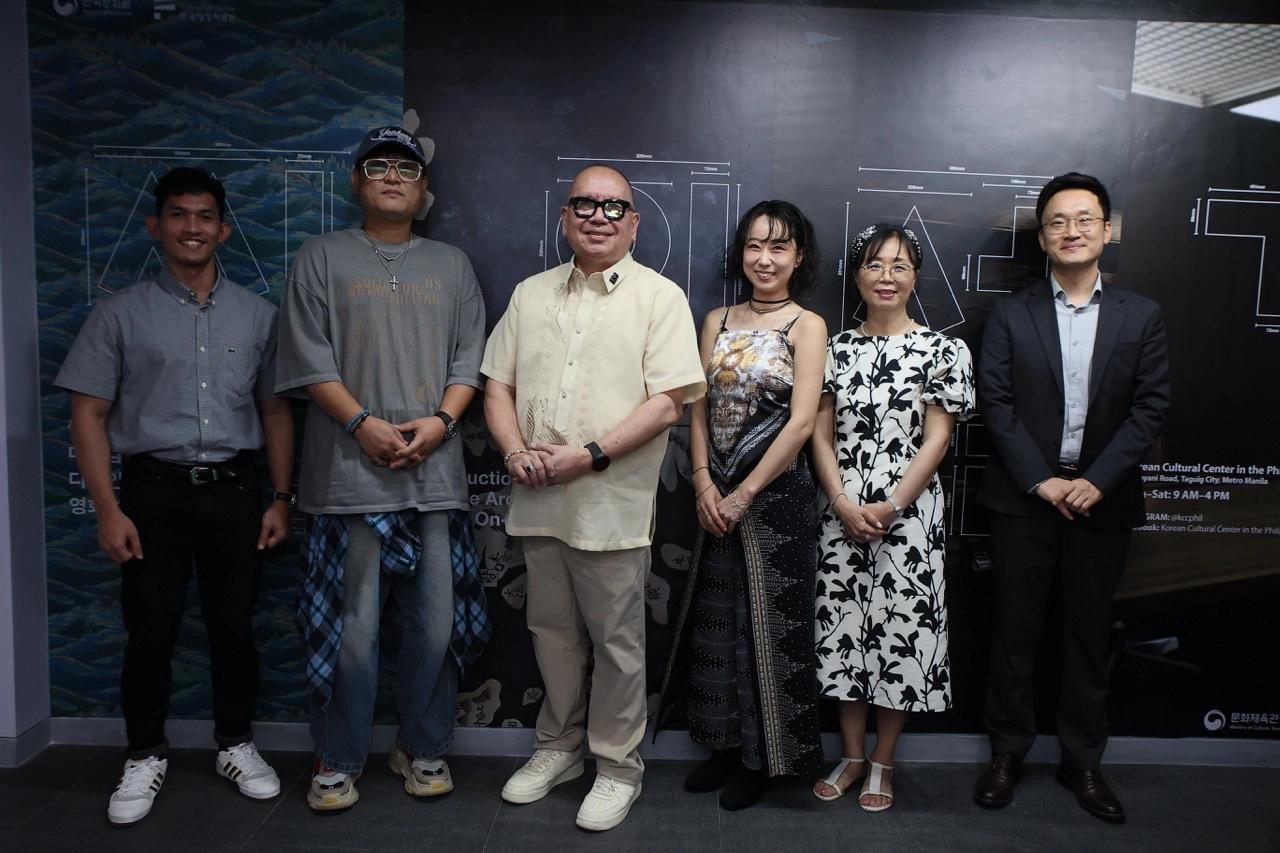
Co-presented by the Korean Federation of Film Archives (KOFA) and supported by the “Touring K-Arts” program of the Korean Foundation for International Cultural Exchange (KOFICE), the exhibition’s opening program welcomed prominent figures from the Philippine film community. Among the attendees were Film Development Council of the Philippines (FDCP) Chair Jose Javier Reyes; Metropolitan Museum of Manila Senior Curator Ian Gines; Korean Film Council (KOFIC) researcher Park Hee Seong; as well as Korean producer RuBi and production designer Han Ah Reum, who both worked on the Netflix action-thriller Kill Boksoon.
READ ALSO: 7 Filipino Films Vie For Oscar Entry In 98th Academy Awards
The Korean Film Boom
The landscape of Korean cinema has grown tremendously over the past few years, due in large part to the collective efforts of the country’s various institutions, which all worked to cultivate the formidable soft power we know today.
As Park Hee Seong explained during a special talk at KCC Philippines, Korean films only began gaining international recognition in the 2000s: an effect of the abolition of film censorship in the late 1990s, which gave filmmakers more creative freedom. Other forms of support like the creation of specific policies for the film industry; the distribution of film investment funds from both private and public sectors; and the establishment of educational institutions like the Korean Academy of Film Arts (KAFA), were influential in this process. The effects are not intangible: all these acts have—in one way or another—helped pave the way for critically-acclaimed works from filmmakers like Bong Joon Ho (a KAFA alumni) and Park Chan-wook.
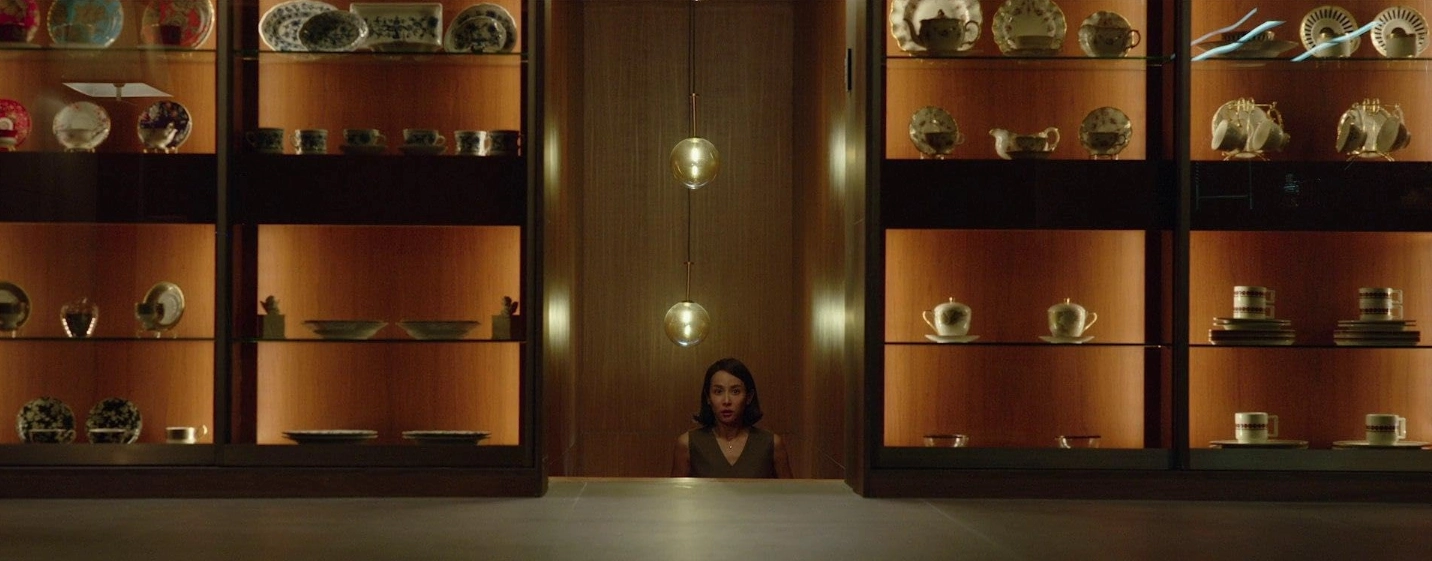
Aside from being the first non-English language film to have won Best Picture at the Academy Awards in 2020, Bong Joon Ho’s Parasite recently placed first in The New York Times’s “100 Best Movies of the 21st Century” list. This position is by no means authoritative or representative of the entire film community, but it’s still a telling indicator of just how much of an impact the movie has beyond the shores of its home country.
Recently, Park Chan-wook’s black comedy thriller No Other Choice also made waves in the Venice Film Festival, garnering high praise from audience members. It was also selected as the country’s official entry in the Best International Feature category for the 98th Academy Awards in March 2026. Marcus Jones of IndieWire states that it may leave the Academy Awards no choice (pun intended) but to finally acknowledge the director—who, despite being highly regarded by the cinephile community for his films Oldboy (2003) and The Handmaiden (2016), has yet to receive an Oscar nomination.
Inside Scene Architects Build On-Screen Worlds
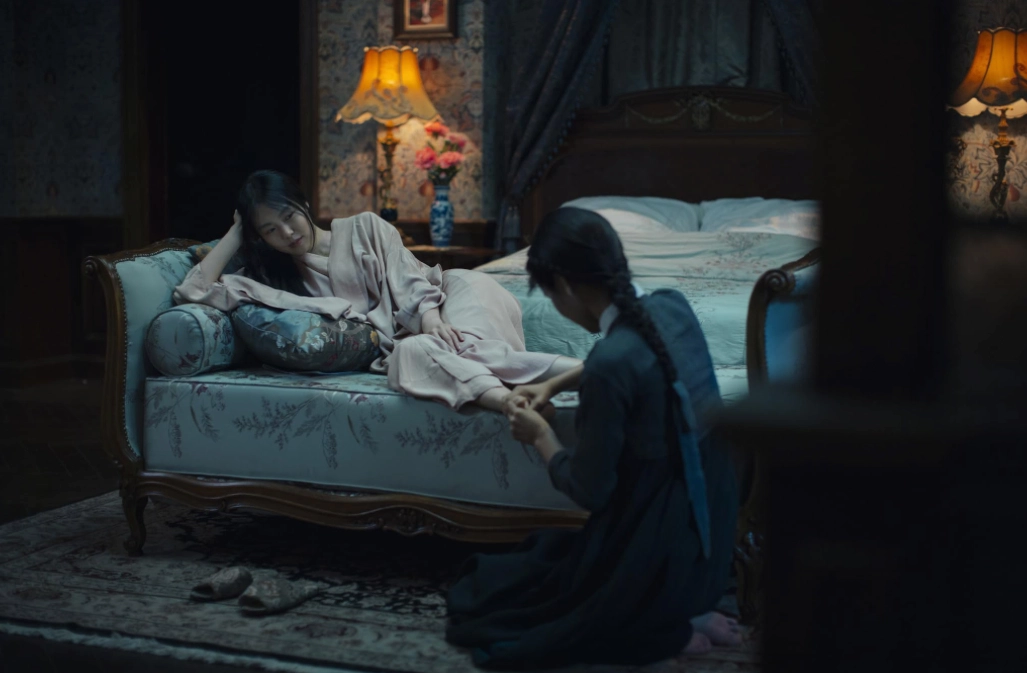
Park Chan-wook’s The Handmaiden is one of the featured films in KCC Philippines’ exhibition Production Design: Scene Architects Build On-Screen Worlds, which spotlights the intricate work behind popular and acclaimed Korean films. Production design, after all, plays a crucial role in building a film’s atmosphere and set-up, ultimately affecting how it immerses viewers and suspends their disbelief.
Running until November 21, the exhibition features the works of renowned Korean designers Ryu Seong Hee (The Handmaiden and 2022’s Decision to Leave), Jo Hwa Seong (2022’s Hansan: Rising Dragon), and Han Ah Reum (2023’s Kill Boksoon and 2022’s Kingmaker).
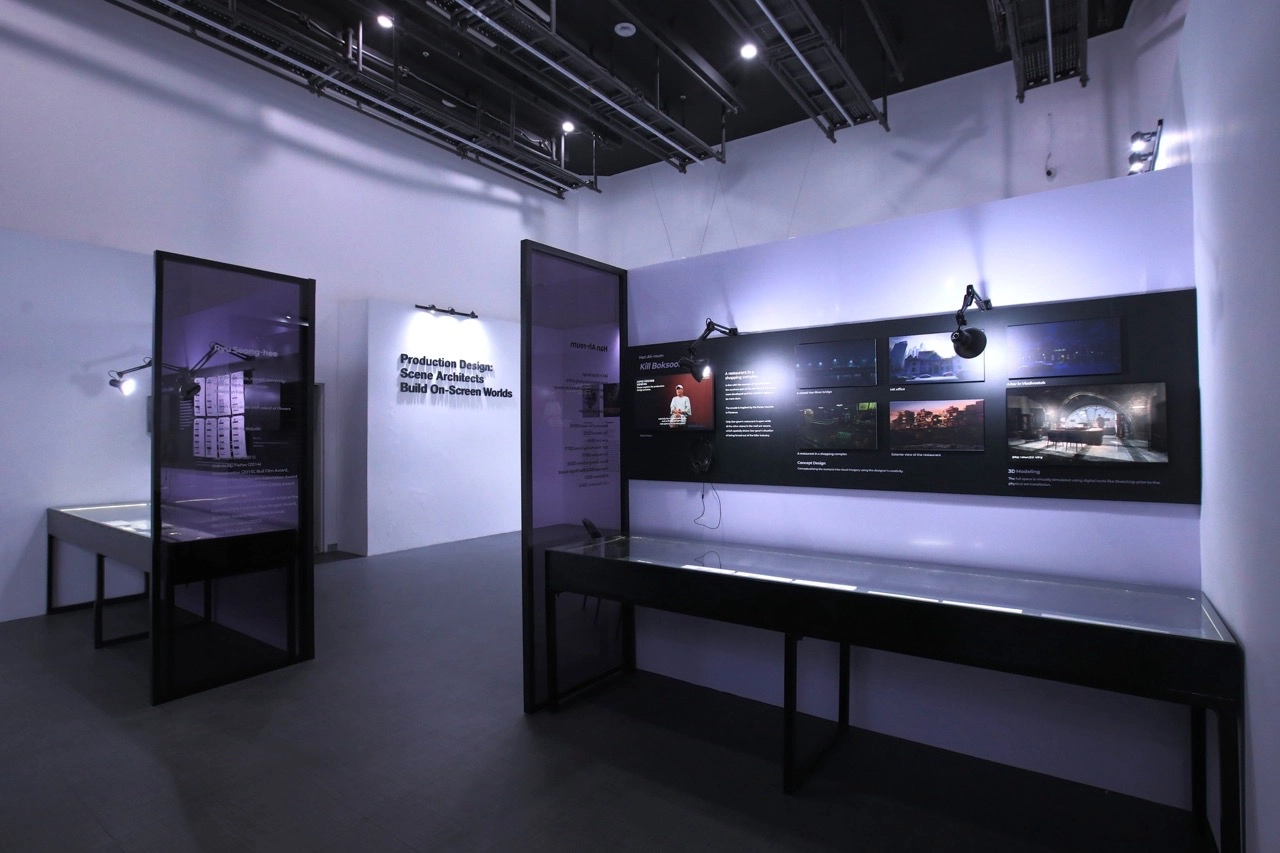
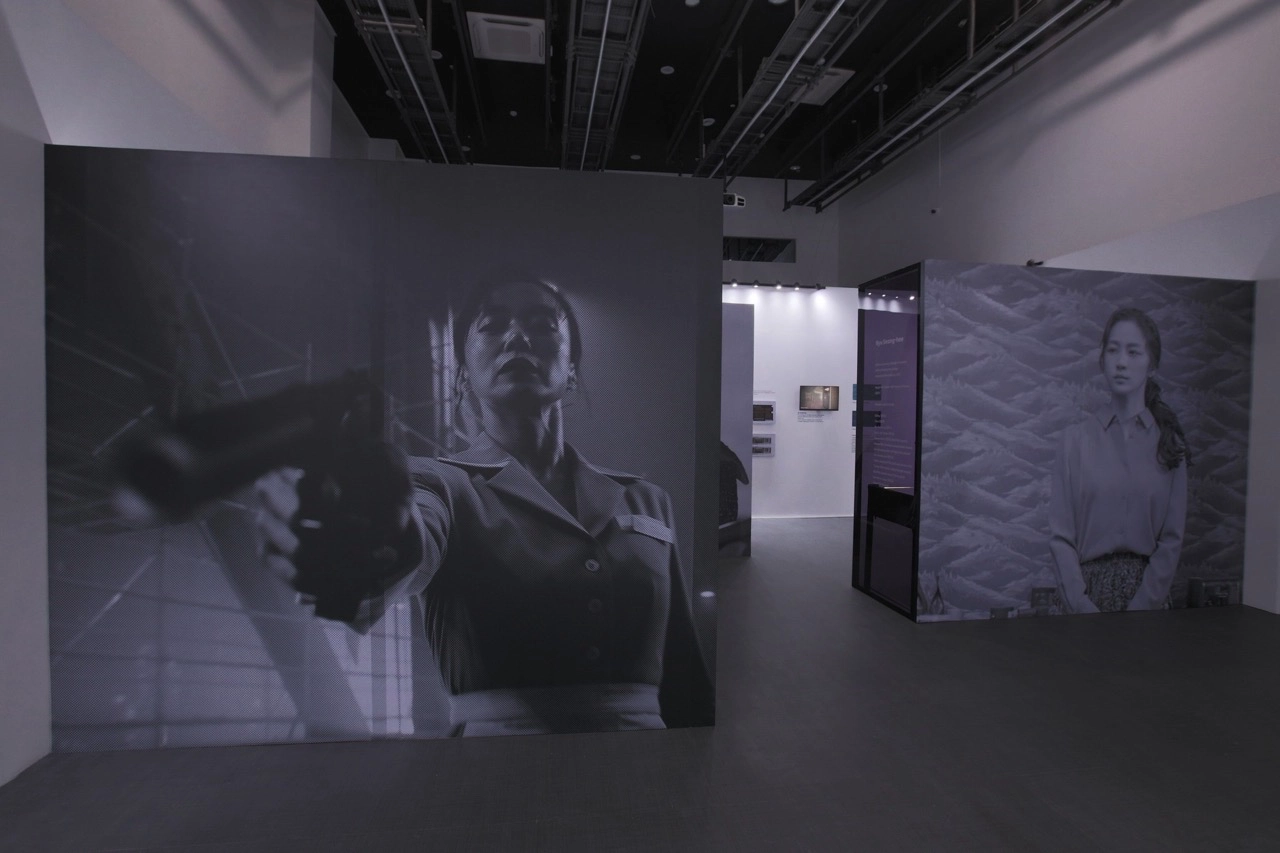
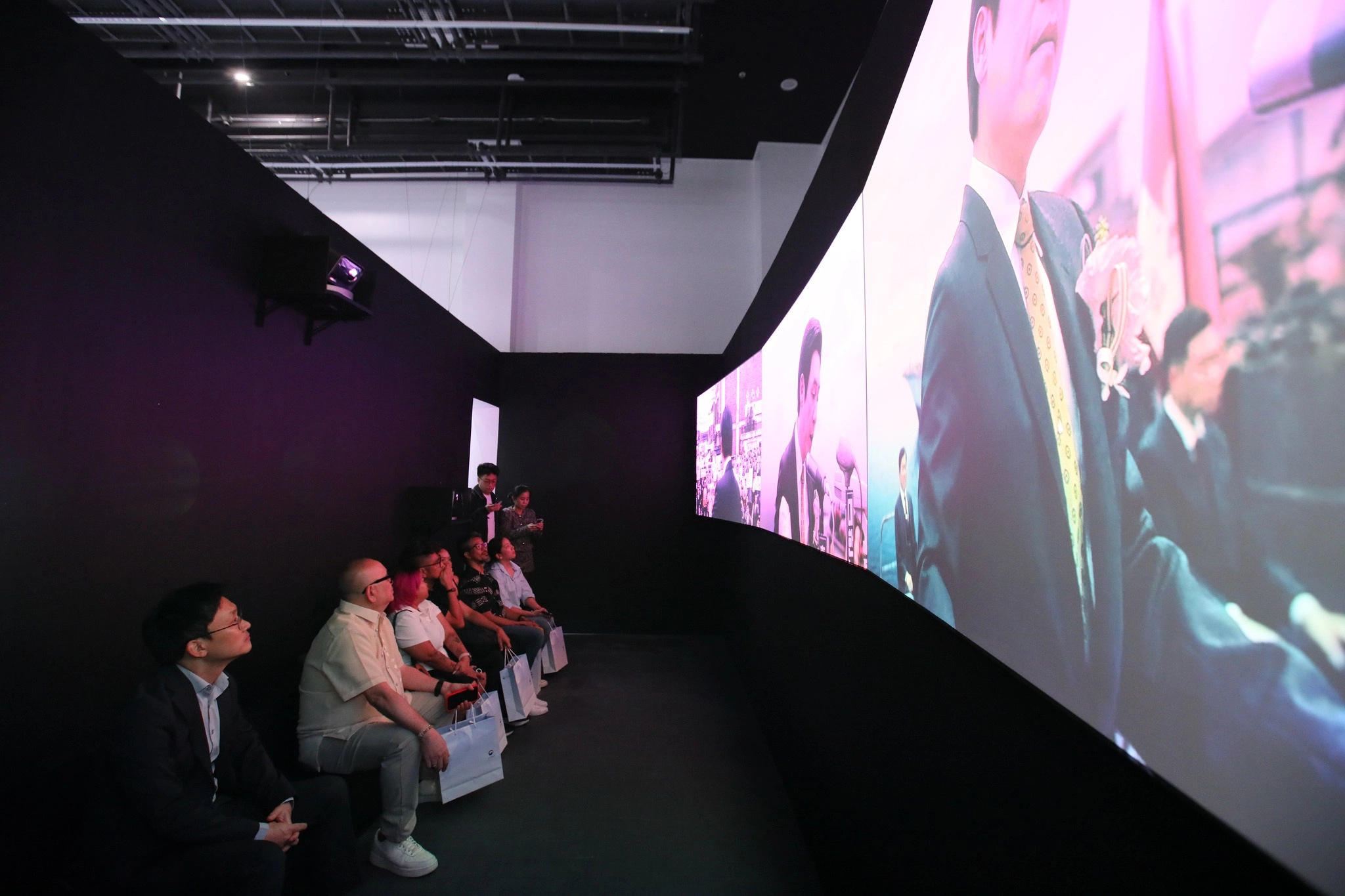
The exhibition recreates the memorable sand pile from the final scene of Decision to Leave as its introductory set piece, and features storyboards, set plans, concept art, and graphic design materials. A three-channel video gallery further immerses audiences in signature scenes from the featured films.
As someone who adored The Handmaiden, its production design being among its strongest triumphs, it was a joy to see Ryu’s designs (including her famous wallpapers) and even a few of the film’s storyboards. Moody, darkly opulent, and intentional in every detail, it’s no wonder her work won her the prestigious Vulcan Award at the 2016 Cannes Film Festival.
FDCP Chair Reyes remarked: “Korean filmmakers do not settle for ‘good enough’—they consistently push boundaries. I am delighted that an exhibition spotlighting Korea’s leading production designers is being held in the Philippines.”
The opening program also included a talk with Production Designer Han Ah Reum and Producer RuBi on the art direction of Kill Boksoon and Kingmaker, with KOFIC Researcher Park Hee Seong sharing her insights on the Korean film industry.
As the first exhibition in the Philippines devoted to Korean production design, Scene Architects Build On-Screen Worlds offers the public a deeper appreciation of the artistic vision behind Korean cinema.
The 2025 Korean Film Festival: Talks, Short Film Awards, Screenings, And More
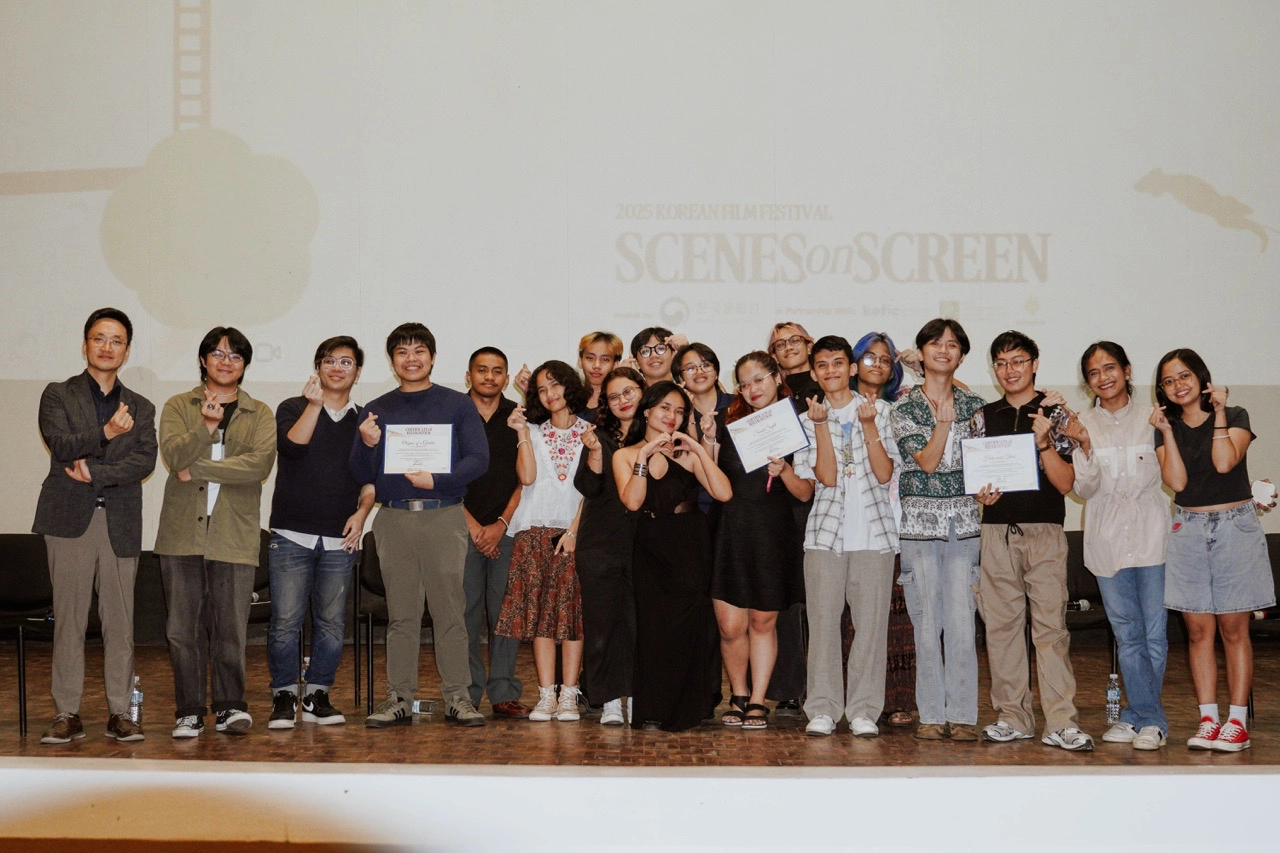
Besides the exhibition, the KCC also held the awarding ceremony of its Student Short Film Competition alongside a Talkback Session with Korean and Filipino film experts at Cine Adarna, University of the Philippines Film Institute (UPFI).
The competition, held from April to June under the theme “Korea in the Philippines,” named a team from Cebu Normal University as winners. The group will fly to Busan for the Busan International Film Festival (BIFF) this September.
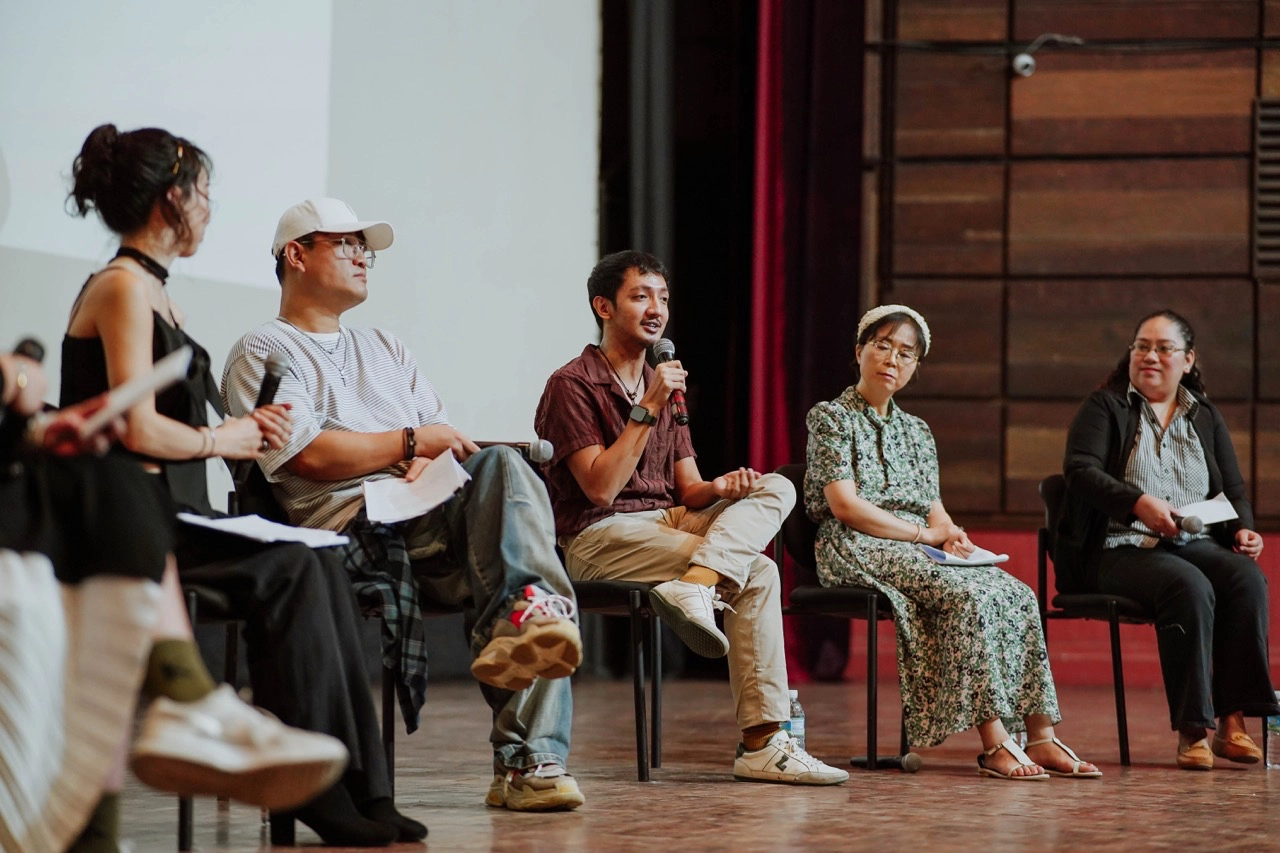
The Talkback Session featured Production Designer Han Ah Reum, Researcher Park Hee Seong, Producer RuBi, Filipino production designer Eero Francisco, and FDCP’s Rachelle Villaluna. Discussions focused on the evolving landscape of Korean and Philippine cinema. Director Han emphasized “the ability to analyze a screenplay” as a core skill, while Francisco encouraged young creatives to “pursue projects that genuinely inspire them.” Both Park and Villaluna underscored the shared priority of nurturing new talent and fostering exchange between the two countries.
In August, the KCC brought Korean cinema even closer to audiences in Metro Manila, Davao, and Iloilo through SM Cinemas. Featured titles included Concrete Utopia; I, the Executioner; and Kingmaker—which are all tied to the works of the exhibition’s featured designers (I, the Executioner and Kingmaker by Han Ah Reum, and Concrete Utopia by Jo Hwa Seong).
“This festival was more than a series of screenings—it was a shared celebration where we watched, talked, and participated,” shares KCC Director Kim Myeongjin. “We will continue to create opportunities for Korea and the Philippines to connect through cultureCultureshared traditions, beliefs, values, customs, arts, and social practices that define the identity and way of life of a community, society, or nation.Go to Culture Glossary and grow together.”
As for the final stop of this year’s 2025 Korean Film Festival, Korea takes the spotlight as guest country and the opening film at the TINGIN: Southeast Asian Film Festival hosted by the National Commission for CultureCultureshared traditions, beliefs, values, customs, arts, and social practices that define the identity and way of life of a community, society, or nation.Go to Culture Glossary and the Arts (NCCA) with the theme, “Women’s Ways of Seeing.”
“Production Design: Scene Architects Build On-Screen Worlds” runs until November 21, 2025 on the 5th floor of KCC from Mondays to Saturdays, 9 AM to 4 PM. The KCC is located at 59 Bayani Road, Fort Bonifacio, Taguig City.
Photos courtesy of the KCC (unless specified).