Unpacking the Longevity Trend, which has shifted from a niche obsession into a mainstream movement.
As recently as a year ago, the idea of longevity was something you’d associate with sci-fi movies or eccentric Silicon Valley figures like Bryan Johnson, who famously spends millions trying to hack his body to live longer and healthier. Longevity trends were niche, experimental, and novel to most people. But today, longevity has entered the zeitgeist. We hear about longevity more than ever before. It’s in podcasts, wellness blogs, social media, and even in casual conversations among friends. The topic has moved from the margins into gyms, clinics, and wellness centers around the world.
The question is, do we really want to live forever?
The Longevity Trend Goes Mainstream
It seems like anything tangential to health, wellness, and fitness has been reoriented toward the longevity trend. Take ice baths, for example. Once a niche practice popularized by viral challenges like the ALS Ice Bucket Challenge, ice baths have become a staple in recovery spaces worldwide. From elite sports facilities to boutique wellness centers, people are embracing cold therapy for its benefits in reducing inflammation and boosting recovery.
In the UK and the US, centers like Rebase and Remedy Place have emerged as hubs for longevity-focused treatments, blending cutting-edge science with spa-like experiences. While these services aren’t cheap, people continue to flock to them, driven by a growing demand for personalized, science-backed wellness.
Remedy Place, for example, raised funding at a $60 million valuation to expand its locations and develop new longevity-focused protocols. Similarly, Rebase has attracted significant investor interest for its innovative approach to recovery and lifespan optimization.
This wave has now reached cities like Manila, where establishments such as Cedo Wellness and Longevity Labs are bringing similar high-end, longevity-focused services to local audiences, signaling that the trend is truly global and growing despite the premium price tags.
“I think now more than ever, people are starting to realize that true wealth is good health and peace of mind,” says Joshua Arellano of the newly opened Cedo Wellness in Salcedo. “Taking care of your body is the most fundamental thing we can do to bring out the best we have to give.”
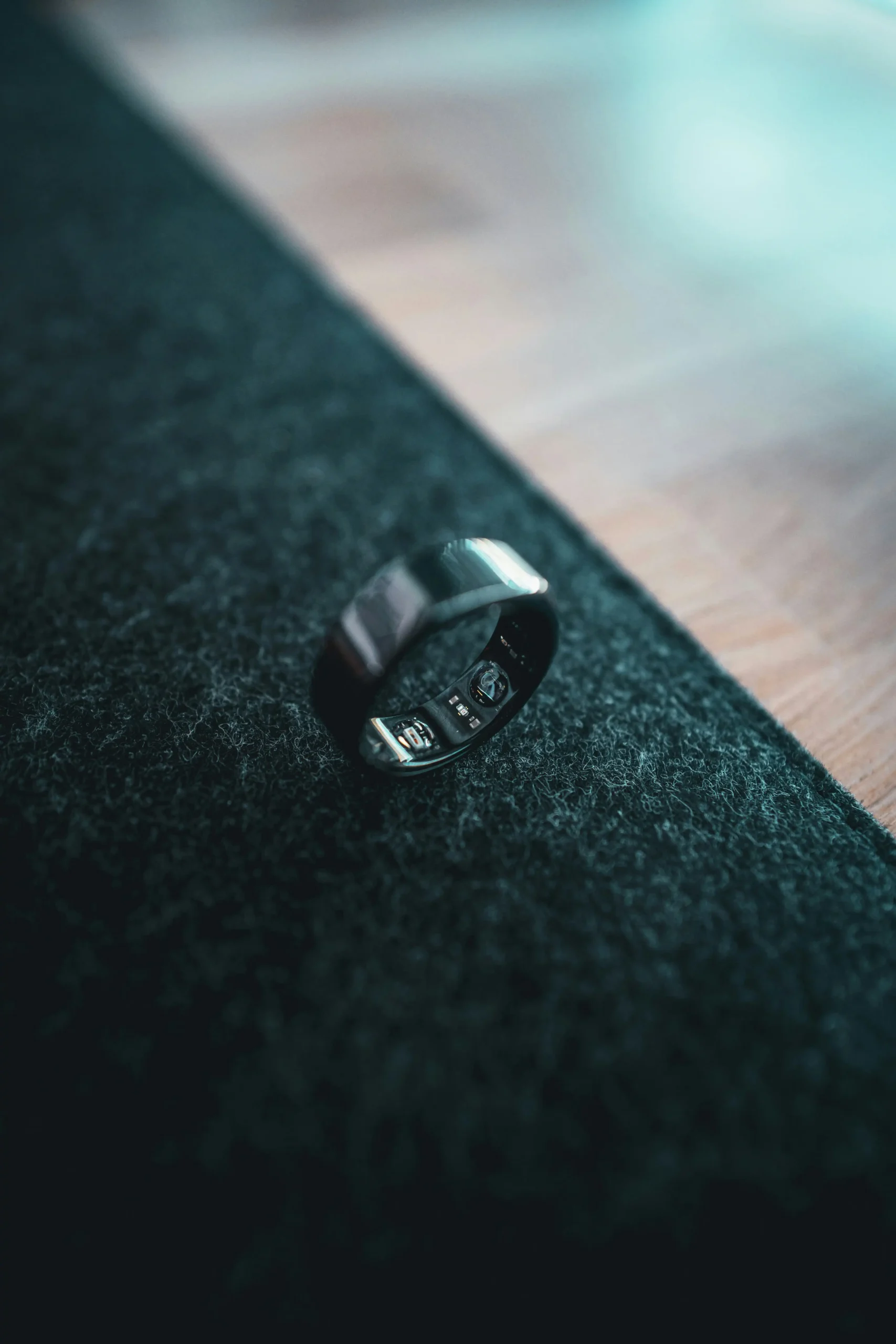
Wearable tech, once a luxury gadget for fitness fanatics, is now ubiquitous. Whether you’re team Oura, Garmin, or Whoop, these devices track everything from sleep and heart rate variability to oxygen saturation and recovery metrics. What sets these devices apart now is their growing focus on longevity, not just performance metrics.
Enzo Santos of Wearables PH notes: “There is a huge shift toward proactive, preventive healthcare rather than reactive care. People are turning to tracking devices like the Ultrahuman Ring to better understand their bodies and adapt to the stresses of everyday life.”
Whoop, for example, recently broadened its mission from “unlocking human performance” for purely athletic optimization to “unlocking human performance and healthspan,” signaling a shift in how wearables are positioned within the longevity space. By monitoring physiological markers of stress and recovery, these devices aim to help users make lifestyle adjustments that not only enhance daily performance but also support long-term health and aging.
“By wearing my smart ring all day, I get real-time insights from heart rate and temperature tracking that help me know when I’m overexerting, need more rest, or may be at risk of getting sick. It’s like having a personal health coach on my finger, guiding me toward better daily choices,” Enzo adds.
Beyond personal use, the data from wearables is also fueling advances in health research, enabling a better understanding of how lifestyle factors influence aging and disease risk. This fusion of technology and longevity science is helping to democratize health insights, making proactive, personalized wellness accessible to a broader audience than ever before.
Supplements have become one of the fastest-growing sectors within the longevity movement. Once dominated by basic vitamins and minerals, the market now features a sophisticated array of products targeting cellular health, mitochondrial function, and metabolic optimization. For one, creatine, traditionally known for its muscle-building benefits, has gained recognition for its neuroprotective and cognitive-enhancing effects, making it popular among those seeking to maintain brain health as they age. In addition, NAD+ precursors have become popular anti-aging supplements that help boost NAD+, a coenzyme vital for energy, DNA repair, and cell health.
Alongside creatine and NAD+ boosters, supplements targeting inflammation, oxidative stress, and cellular repair—like resveratrol and CoQ10—are also on the rise. Today’s consumers want more than just to look good; they want to keep their cells functioning well for longer.
READ ALSO: The Creatine Craze: Why Is Everyone Talking About This Supplement?
Here For A Good Long Time
It seems like we’re not only “here for a good time” anymore, but also “a long time.” People want to have it all, living longer and enjoying a higher quality of life, where they can stay active, healthy, and engaged well into their later years. Advances in modern medicine have already extended lifespans significantly. For instance, global average life expectancy has climbed from about 52 years in 1960 to over 73 years today. Even in the Philippines, life expectancy has increased by roughly 10 years in the past few decades, reflecting improvements in healthcare and living standards.
But living longer is only part of the story. The more pressing question for many is: How do we maximize quality of life during those extra years?
Former Philippine football national team player Aly Borromeo immersed himself in recovery protocols during his playing career.
“As athletes, we know what to do during the two hours we train and play every day, but what really matters is the 22 hours off the pitch,” Aly reflects. “Now that I’m retired, I’m focusing on longevity and anti-inflammation as keys to living a healthy life.
We want to play sports in our 60s and 70s, travel the world, maintain our physical independence, and avoid the chronic diseases and immobility that once defined old age. It’s about more than just surviving; it’s about thriving physically, mentally, and socially.
Many also think about the quality of time spent with their kids and grandkids— being present for important milestones, sharing experiences, and creating memories that last. The goal is to stay active and capable enough to participate in family life for as long as possible, rather than becoming a passive observer. In this sense, longevity isn’t just a personal quest; it’s deeply connected to relationships and legacy.
This shift reflects a growing awareness that lifespan and healthspan—the number of years spent in good health—are not the same. Living to 90 but bedridden and dependent isn’t appealing to most. Instead, the focus is increasingly on extending the period of life lived free from serious illness and disability.
The Economic Driver Behind Longevity
There’s a hard economic reality underpinning this trend. The cost of healthcare, particularly for chronic illnesses prevalent in aging populations, has skyrocketed globally. In the US, healthcare spending reached nearly $4.3 trillion in 2021, accounting for nearly 18% of GDP. In the Philippines, healthcare spending is rising too, with many people facing high out-of-pocket costs due to limited insurance coverage.
Hospitals, medications, surgeries, and long-term care come with large price tags. This significant financial burden has pushed both the healthcare industry and individuals to rethink health strategies. Rather than waiting for illnesses to become severe and require costly interventions, many are shifting toward prevention—investing upfront in longevity habits like regular exercise, better nutrition, quality sleep, stress management, and targeted supplements. These proactive measures aim to keep the body resilient and reduce the risk of chronic diseases, which are expensive to treat long-term.
From a business perspective, the wellness and longevity market is massive and rapidly growing as a multi-billion-dollar market, fueled by rising demand for products and services that promote longer, healthier lives.
Companies across biotech, lifestyle, and digital health are racing to innovate, supported by hundreds of millions in venture capital funding each year. This blend of scientific progress, consumer demand, and investment is transforming longevity from a niche interest into a mainstream industry poised to reshape healthcare and aging.
READ ALSO: Turning Insight Into Action: Five Friends Changing The Way Filipinos Think About Health

The Pandemic Effect And Other Drivers Behind The Longevity Movement
The COVID-19 pandemic has also played a role in accelerating the longevity trend. The global health crisis exposed vulnerabilities in everyone, young and old, healthy and not-so-healthy alike. It underscored how fragile life and health can be.
In the aftermath, there’s been a noticeable drop in social drinking and a surge in activities like running, cycling, and other sports that boost both immunity and mental well-being. Wellness practices such as mindfulness, better sleep hygiene, and improved nutrition have gained momentum as people seek to build resilience against future health threats. This post-pandemic focus is less about simply avoiding illness and more about strengthening the body’s systems to thrive amid uncertainty.
Beyond the pandemic, several other factors are propelling the longevity zeitgeist. Rapid technological advances like AI-driven health diagnostics, gene editing technologies such as CRISPR, and personalized medicine are becoming increasingly accessible, fueling hope that age-related diseases can be delayed or prevented. Simultaneously, cultural shifts are redefining how society views aging, moving away from the outdated belief that growing older means inevitable decline, and instead emphasizing wellness and holistic health at every stage of life.
Information accessibility through the internet and social media has also democratized longevity knowledge, making complex scientific concepts approachable to the average person. Meanwhile, growing environmental awareness is driving people to adopt lifestyles that support not just personal longevity but the health of the planet itself. Together, these intertwined forces are creating a powerful momentum behind the growing desire to live longer, healthier, and more vibrant lives.
We Don’t Want To Live Forever, We Want To Live Better
So, do we really want to live forever? Probably not. The allure of immortality is less appealing when you consider the complexities and potential downsides. Instead, what’s clear is a desire to live better—to enjoy more years of vitality, independence, and joy.
Longevity has shifted from a niche obsession to a mainstream movement because we aren’t just looking to add years to our lives; we want to add life to our years.
In the end, it’s not about escaping death but about embracing life with greater health, purpose, and resilience.
This article was originally published in our September 2025 Issue