
The right running shoes influence your stride, impact absorption, and how efficiently your body generates and releases energy with every step.
The idea for this article came to me during a recent visit to the Nike store in BGC. I was eyeing the new Zoom Fly 6s when I overheard a woman asking a sales assistant what shoes she should buy if she wanted to train for her first 10 km. Without hesitation, the assistant suggested the Vaporfly 3s. I was shocked; no, appalled. Any runner with a bit of experience knows that those carbon-plated shoes are designed for racing, not for someone just starting. But the woman, none the wiser, simply nodded and asked to try a pair her size. That moment made me realize how important it is to educate new runners about shoe types. Because the wrong pair of shoes isn’t just a wasted purchase, it can affect your training, your form, and even lead to injury.
READ ALSO: Why We Run: Inside The Resurgence Of Running
Why Running Shoes Matter
Running is one of the most accessible sports, requiring little more than the right clothing and a good pair of running shoes. As more people take up running and begin training for races and fun runs, it’s important to remember that the right shoe can make or break your running journey. The shoes you wear affect how your foot strikes the ground, how your joints absorb impact, and how efficiently your muscles and tendons store and release energy.
From a physiological perspective, every step while running sends forces of 2-3 times your body weight through your legs. The right shoe helps manage those forces: cushioned midsoles reduce repetitive stress on bones and joints; supportive structures like medial posts or rocker geometry help guide motion; and lightweight foams reduce muscular fatigue over long sessions. Wearing the wrong shoe type can overload tissues not yet adapted to that stress. This can lead to injuries, common ones being shin splints, plantar fasciitis, or even stress fractures.
Choosing the right running shoes isn’t just about comfort or fashion; it’s about biomechanics and injury prevention.
Types Of Running Shoes
Here’s a quick breakdown of the main categories of running shoes by your typical training day, why they matter, and examples across popular brands in the Philippines.
1. Easy Days – Max Cushioning
Easy runs are meant for recovery and aerobic base-building. Max-cushioned shoes help dampen shock, reduce muscle soreness, and protect bones/tendons from overuse. These are your daily trainers; the high cushioning reduces loading on your joints and muscles, making them perfect for recovery runs or base mileage. They allow your body to adapt gradually while protecting tendons and ligaments from excessive stress. Studies show cushioned midsoles lower peak vertical impact and reduce loading rates by ~10–12% compared to firmer shoes. This means less repetitive stress on your joints—especially useful on days when your body is repairing microtears from harder workouts.
For some runners, stability features are just as important as cushioning. If you overpronate (your foot rolls inward excessively) or have a history of shin splints, knee pain, or plantar fasciitis, stability shoes can help. They use design elements like firmer medial posts, wider bases, or rocker geometries to gently guide motion and reduce excess stress without forcing you into an unnatural gait.
Examples: Nike Invincible or Vomeros, Adidas Supernova Rise, On Cloudsurfer, Brooks Glycerin or Ghost, Asics Gel Nimbus or Novablast, Saucony Triumph or Ride
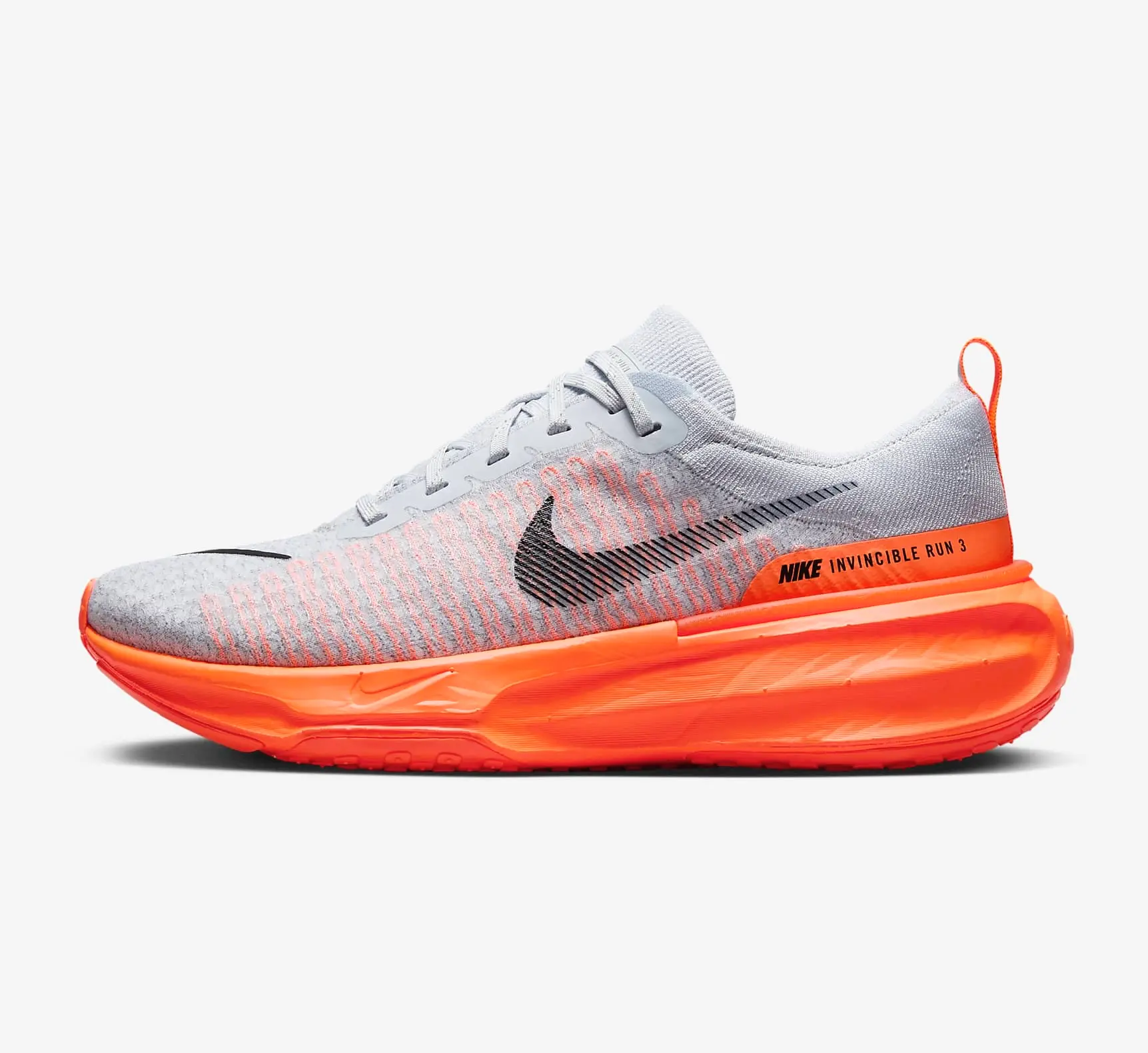
2. Tempo Days – Lightweight, Stable Trainers
Tempo shoes are made for sustained faster running, around marathon pace or threshold runs. They’re lighter and more responsive (think bouncy) than daily trainers but still cushioned enough to handle mileage. By engaging your calves and loading your Achilles, they help train your body to store and release elastic energy efficiently, improving running economy. Shoes that combine moderate cushioning with firmer midsoles promote better energy storage and release in the lower limbs, helping train the body’s stretch-shortening cycle. This improves running economy over time, key for endurance racing.
Examples: Nike Pegasus or Zoom Fly, Adidas Adizero Boston or EvoSL, On Cloudsurfer Next or Monster, Brooks Hyperion Max or GTS, Asics Novablast or GlideRide, Saucony Endorphin Speed
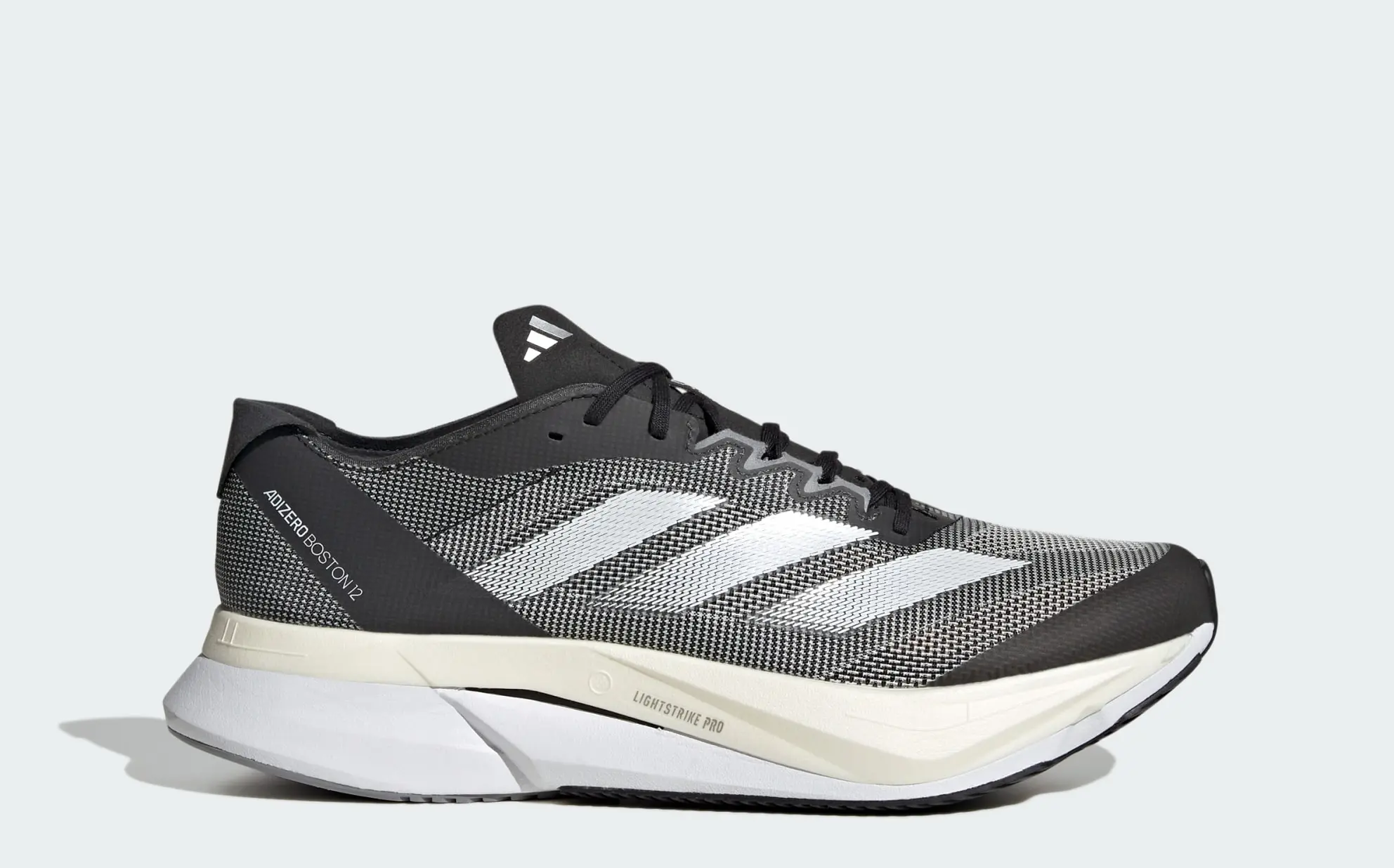
3. Speed & Interval Days – Fast, Responsive Shoes
For track sessions and intervals, you want something light, agile, and propulsive. These shoes often use firmer midsoles or plates* to maximize energy return. The stiffer feel encourages quicker turnover, activating fast-twitch fibers and improving neuromuscular coordination. Because they’re less forgiving, they should be used sparingly to avoid overloading the calves, Achilles, and generally the muscles and bones in the foot.
*Carbon Plates: Carbon-plated shoes are highly efficient, but they’re not always ideal for beginners or slower paces. The stiff rocker geometry is designed to work best at faster paces (around 4:30–5:30 min/km and faster, depending on the shoe). Below that pace, the mechanics don’t “activate” as effectively, and runners may end up overloading their calves and Achilles tendons. Using plated shoes too often, or without gradually adapting, can increase risk of shin splints, calf strains, or plantar issues. They’re best reserved for structured workouts, not everyday running. Always check if the shoe has a carbon plate first.
Examples: Nike Streakfly or Zoomfly, Adidas Adizero Bostons, On Cloudflow, Brooks Hyperion Max, Asics Magic Speed or Hyper Speed, Saucony Kinvara Pro or Endorphin Pro
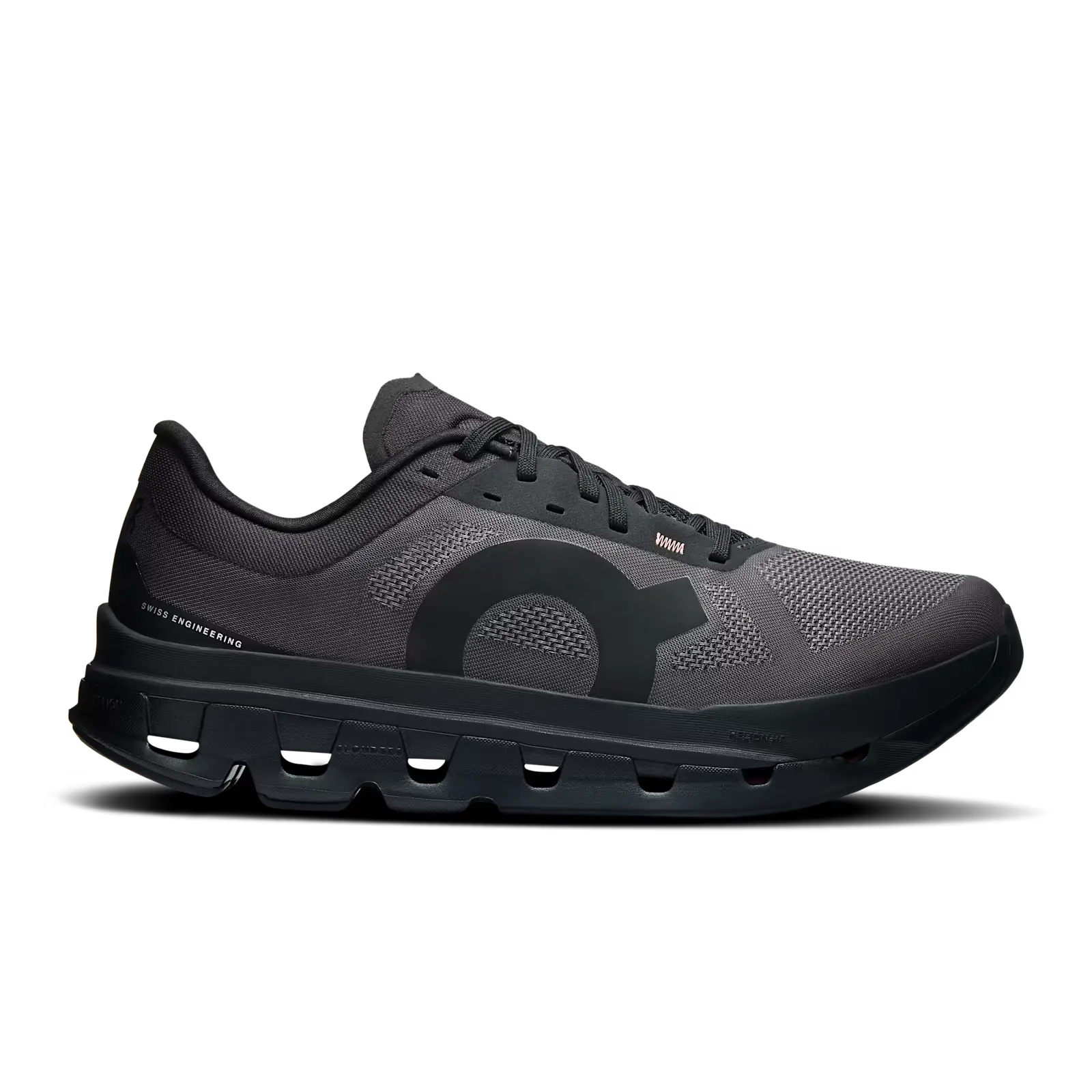
4. Long Runs – Balanced Cushion & Support
Long runs are about endurance and resilience. Therefore, they require shoes that strike a balance: soft enough to protect your legs for hours, but stable and responsive enough to keep form intact as fatigue sets in. As your form breaks down, ground reaction forces may also increase. Shoes with balanced cushioning and stability features help delay fatigue by reducing eccentric muscle damage (especially in quads and calves). The goal is efficiency, preserving glycogen, and reducing muscle damage. A good long-run shoe delays that “heavy legs” feeling late into the run.
Examples: Nike Pegasus or Vomero Plus, Adidas Adistar, On Cloudsurfer Max, Brooks Ghost or Glycerin, Asics Superblast, Saucony Endorphin Speed
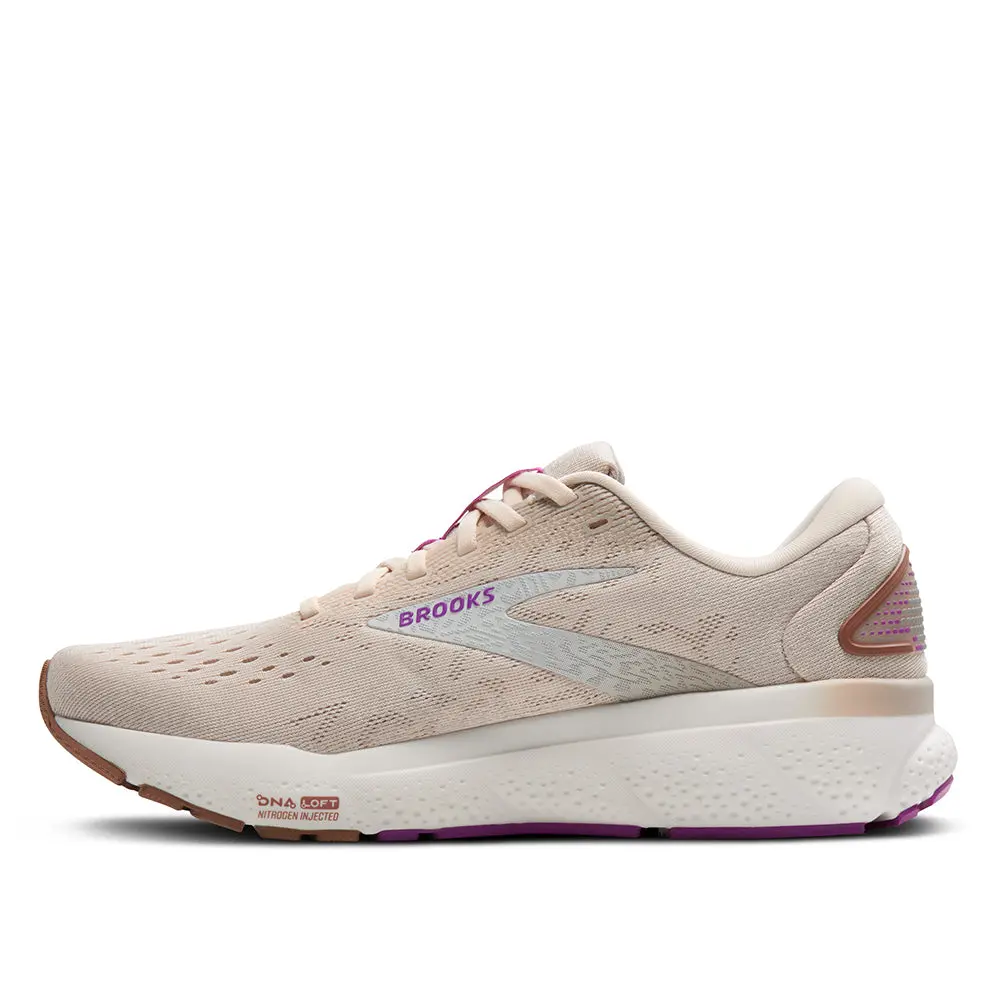
5. Racing – Distance-Specific Super Shoes
Race-day shoes are designed for one thing: maximizing running economy. Think carbon plates, lightweight uppers, and highly responsive foams that maximize efficiency. They work by reducing energy loss at the ankle joint and improving forward propulsion. But they’re not designed for durability or everyday training—the structure is too aggressive for daily use and can overload muscles if used too often (note carbon-plated effects above). Perhaps most importantly, racing shoes are supportive tools, not shortcuts. They can help you shave minutes off a well-executed race, but they won’t replace the benefits of consistent training, smart recovery, and proper progression.
Examples:
Non-Plated (lighter, more traditional racing flats): Nike Streakfly, Adidas Takumi Sen, Brooks Hyperion Tempo, Asics Gel-Hyperspeed, Saucony Ride
Plated “Super Shoes” (max efficiency, carbon plate + superfoam): Nike Vaporfly or Alphafly, Adidas Adios Pro, On Cloudboom Strike, Brooks Hyperion Elite, Asics Metaspeed Sky+ /Edge+, Saucony Endorphin Elite
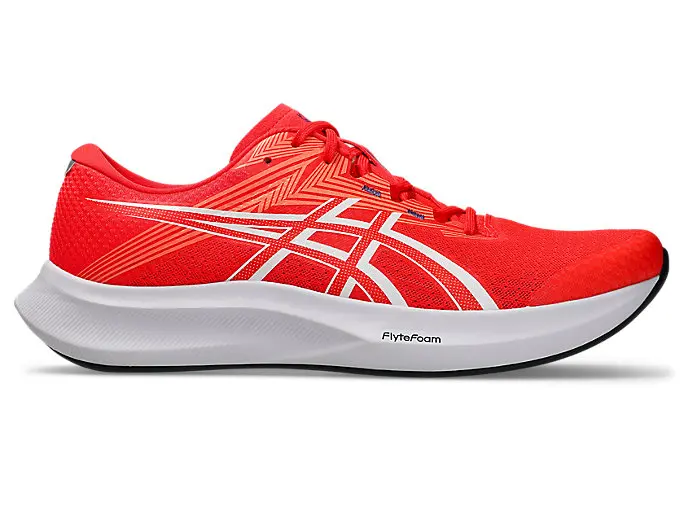
Building A Shoe Rotation
Having more than one pair of running shoes isn’t about collecting; it’s about training smart. Rotating shoes reduces repetitive stress on the same muscles and joints, and studies show it can even lower injury risk. Here’s a simple guide:
- Beginner Runner (training for a 5K or 10K)
- Daily trainer (max cushioning) for all runs, have 2 different pairs
- Optional: 1 racing shoe for race day
- Intermediate Runner (half marathon or marathon training)
- 1 Daily Trainer for easy/recovery runs
- 1 tempo/lightweight trainer for workouts
- 1 racing shoe for race day
- Advanced Runner (serious mileage and structured training)
- 1 Daily Trainer
- 1 tempo trainer
- 1 speed/interval shoe
- 1 long-run shoe (often overlaps with easy-day trainer, or race shoe if long run workouts are incorporated)
- 1 racing shoe
It’s important to note that shoes also have a lifespan. Daily trainers last about 500 km, while carbon-plated “super shoes” wear out closer to 300 km. If you’re not sure about the mileage, notice if there is uneven wear, flattened midsoles, or new aches and pains that weren’t there before. Avoid buying pairs that have been sitting on shelves for more than 1.5–2 years, as materials can degrade.
Running shoes are more than fashion statements or status symbols. They’re performance tools that should match your goals, physiology, and training load. If you’re a new runner, don’t let marketing hype or a single brand dictate your choice. The best step you can take is to visit a specialty running store that offers gait analysis and brand-agnostic fitting. That way, you’ll find shoes that suit your stride, not just the latest “it” model.
After all, the right shoes won’t just help you run faster—they’ll help you run longer, healthier, and happier.