Korean filmmaker Park Chan-wook delivers another cinematic feast of style and substance with No Other Choice, a compelling satirical masterpiece that could easily be the best film of the year.
Warning: This piece is spoiler-free, but discusses key themes of No Other Choice.
For decades, Park Chan-wook has proven himself one of the great modern auteurs, crafting masterpiece after masterpiece. And while I don’t use the word lightly, his latest outing, the satirical dark comedy No Other Choice, may well be his magnum opus of the past decade. It showcases his uncanny ability to comment on contemporary society by exploring moral dilemmas and real-world issues, all while presenting them in a highly stylized, cinematic way that strikes the perfect balance between form and substance.
As a prime example of the auteur at his best, this film could be the one that finally leaves the Academy with no choice (pun intended) but to grant him his first Oscar nomination for Best Director. When the film opens in Philippine cinemas on October 29, 2025 (distributed by CreaZion Studios), we expect it to make waves much like Parasite did in 2019—another dark social satire that went on to become the first non-English-language film to win Best Picture. While the fate of No Other Choice on Oscar night remains uncertain (it’s also South Korea’s official submission for the Best International Film category), we stand by the belief that if it wins or even secures a nomination, it would be among the most deserving recognitions in recent cinematic history.
READ ALSO: Korean Films Take Center Stage In “Scene Architects: Build On-Screen Worlds”
The Cinematic Control Of Park Chan-wook
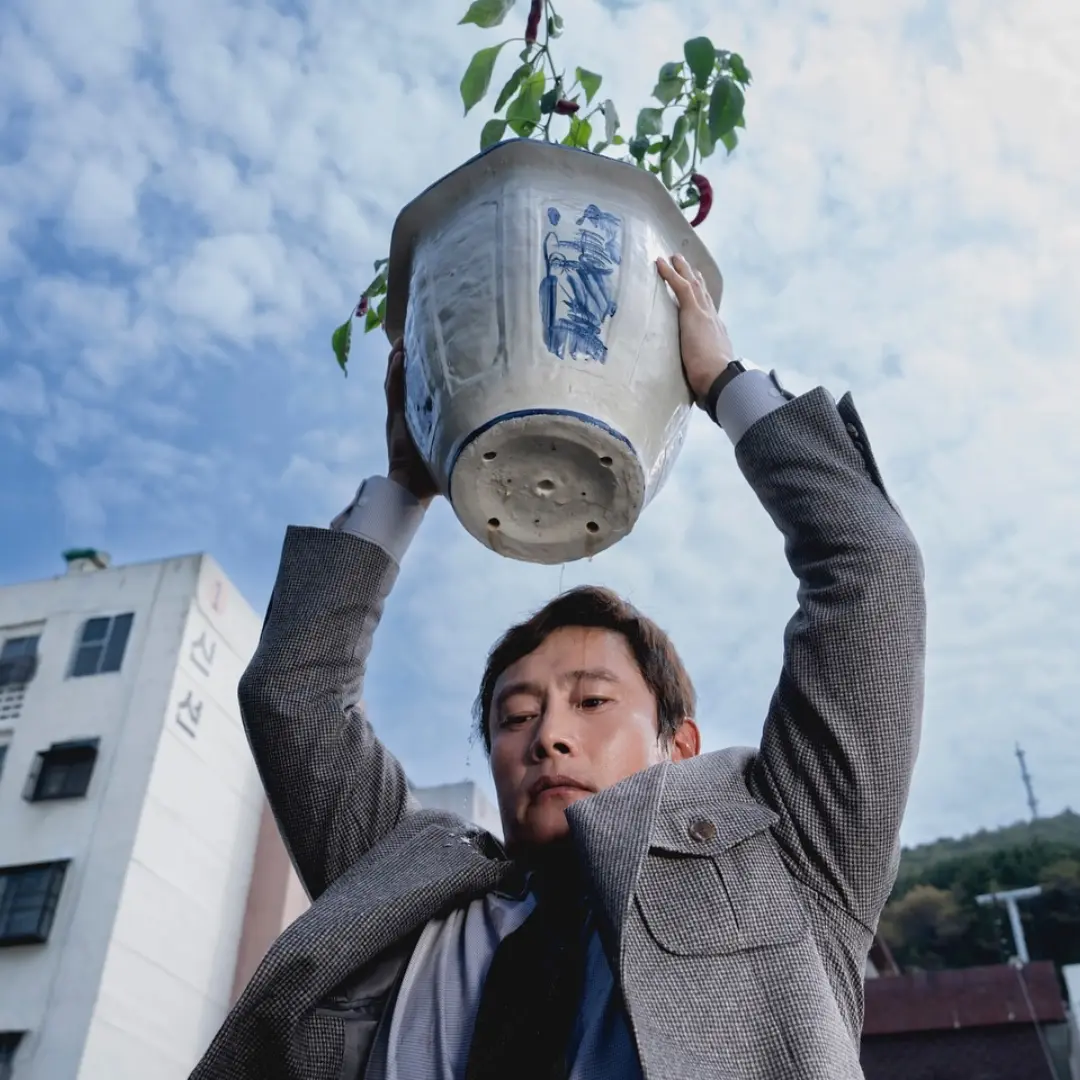
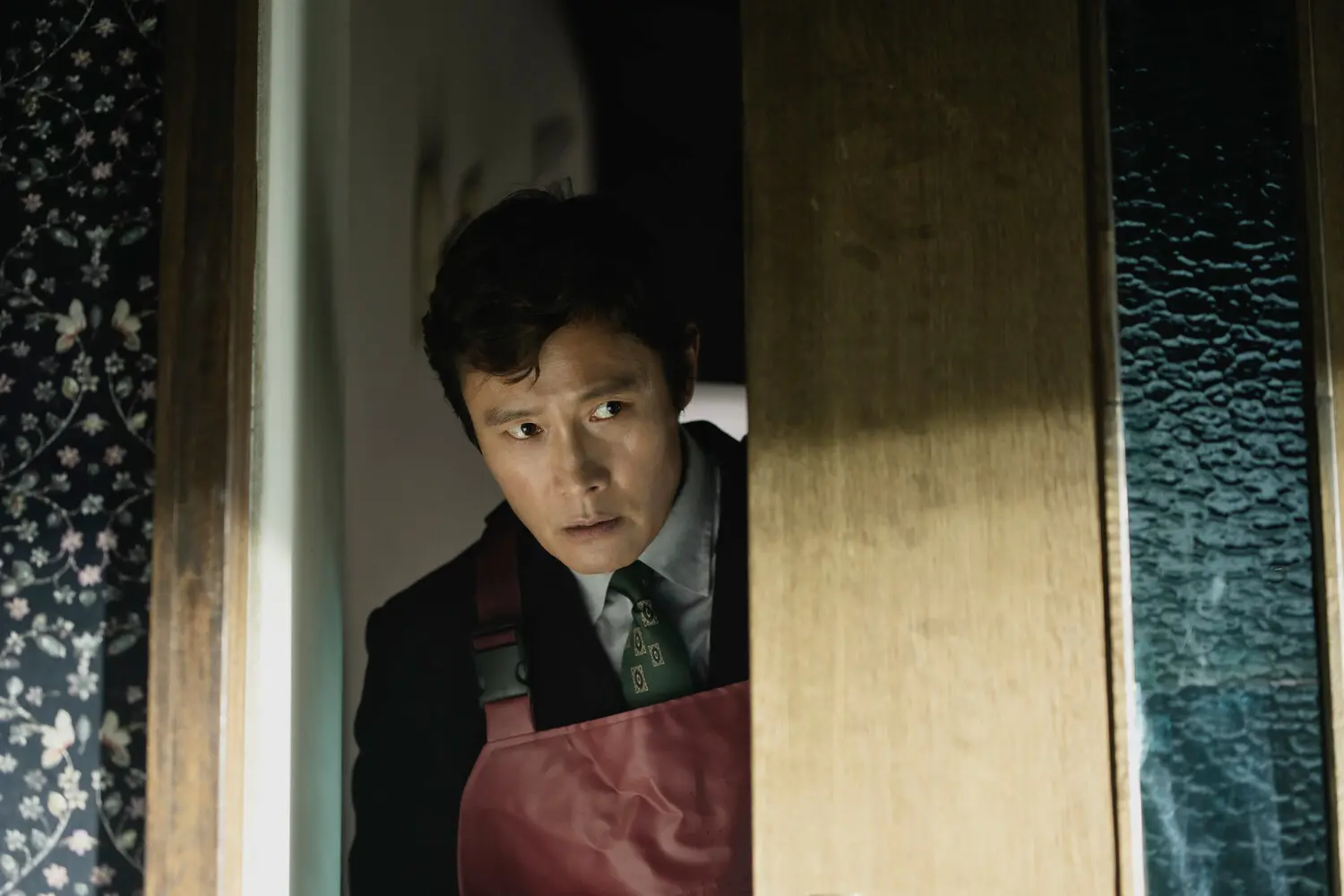
Adapted from Donald E. Westlake’s thriller novel The Ax, the film follows Man-su (Lee Byung-hun), a devoted husband and father laid off from the paper mill he had worked in for decades to make way for AI-powered machines. Unable to get a job and desperate to provide for his family, Man-soo decides he has “no other choice” but to take a few drastic steps. Caught in this whirlwind of events is his loving wife, Mi-ri (Son Ye-jin), who grows increasingly conflicted as she suspects her husband is involved in something far darker than she can imagine.
A passion project two decades in the making, No Other Choice showcases Park Chan-wook’s masterful ability to craft high-quality cinema. While we’ll get to the social commentary later, we first have to gush about the sheer beauty of the craftsmanship and the man at its helm.
Known for his distinct visual style—one marked by precise camera movements, bold colors, interesting textures, and meticulously composed shots—fans of the filmmaker will not be disappointed by the new film’s stunning presentation. Park makes every frame count, heightening Man-su’s zany world into a stylized yet brutal reality that delivers maximum visual impact. My seatmate at the screening couldn’t help but applaud whenever a clever or beautiful shot appeared, and while I’m usually too shy to do that, I have to admit I feel the same way.

While Park’s visuals push the film’s reality to extremes, he maintains complete control of the narrative, guiding his actors to play it straight. This grounds the story in emotional truth and makes its dark comedy utterly believable. The actors never play for laughs; but Park’s deep understanding of the material and his commitment to delivering a serious message about human desperation, disillusionment, today’s dependence on technology, and the darkness we’re willing to embrace for survival, No Other Choice becomes a satire worth investing in. Even when you find yourself occasionally laughing at the absurdity of it all, you never lose sight of the message at its core.
The film’s darkly comic tone walks a fine line between offbeat humor and grim reality, a balancing act that Park executes with the precision of a true cinematic master. Its brisk pacing and inventive editing by Kim Sang-bum (with transition shots that are absolutely insane) keep the audience constantly engaged, making the film both narratively impactful and visually compelling. I was especially impressed with Park’s mastery of tonal shifts: one moment the film is exhilarating, the next it’s laugh-out-loud funny, and at times genuinely terrifying, all without ever feeling disjointed.
Survival And Society In No Other Choice
Without giving too much away, No Other Choice feels timely because of the themes it explores. Human desperation has been a recurring subject in art for centuries, but Man-su’s disillusionment, combined with the film’s subtle focus on artificial intelligence, brings it closer to home for 2025 audiences who are grappling with the reality of AI taking over the world, and perhaps soon, their own jobs. At the very core of the film is the human drive to survive in a modern world, doing whatever it takes to stay relevant despite the frustration that comes with it.
We’ve seen countless films about technology and how humans deal with it, but No Other Choice feels the most relevant and fully realized, perhaps because we’re actually living through it today. The themes of capitalism, status obsession, and masculinity also come through in the character of Man-su, a deeply nuanced character who’s pushed to his breaking point.
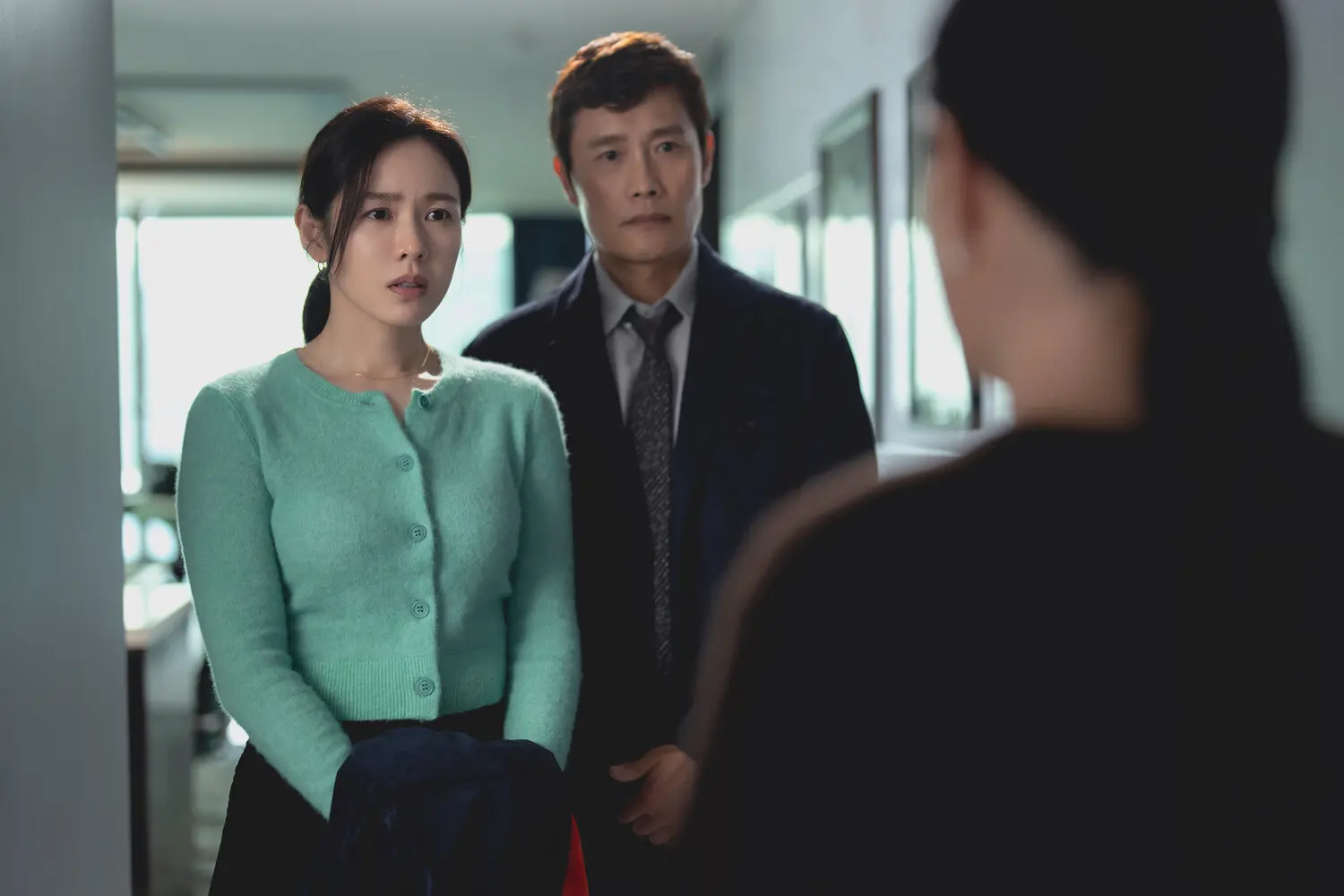
A marvelous performance by Lee Byung-hun brings Man-su’s anxiety and madness to life. He serves as the film’s emotional anchor and contributes immensely to its overall success, both as a likable performer the audience can root for and an actor of immense skill and range, reminding us why he gained international acclaim through the Netflix series Squid Game. Lee deserves an Oscar nomination for Best Actor, standing shoulder to shoulder with, and perhaps even above, many of this year’s most celebrated leading men. He’s a world-class talent who deserves recognition.
Son Ye-jin plays his wife and completely holds her own, thanks to Park Chan-wook’s knack for writing substantial female roles and her own raw skill at conveying complex moral dilemmas and overwhelming fear. While Lee Byung-hun handles the meaty, zanier scenes involving his “no other choice” decision, Son Ye-jin grounds the film with her powerful silence and remarkably expressive face, perfectly captured by the camera.
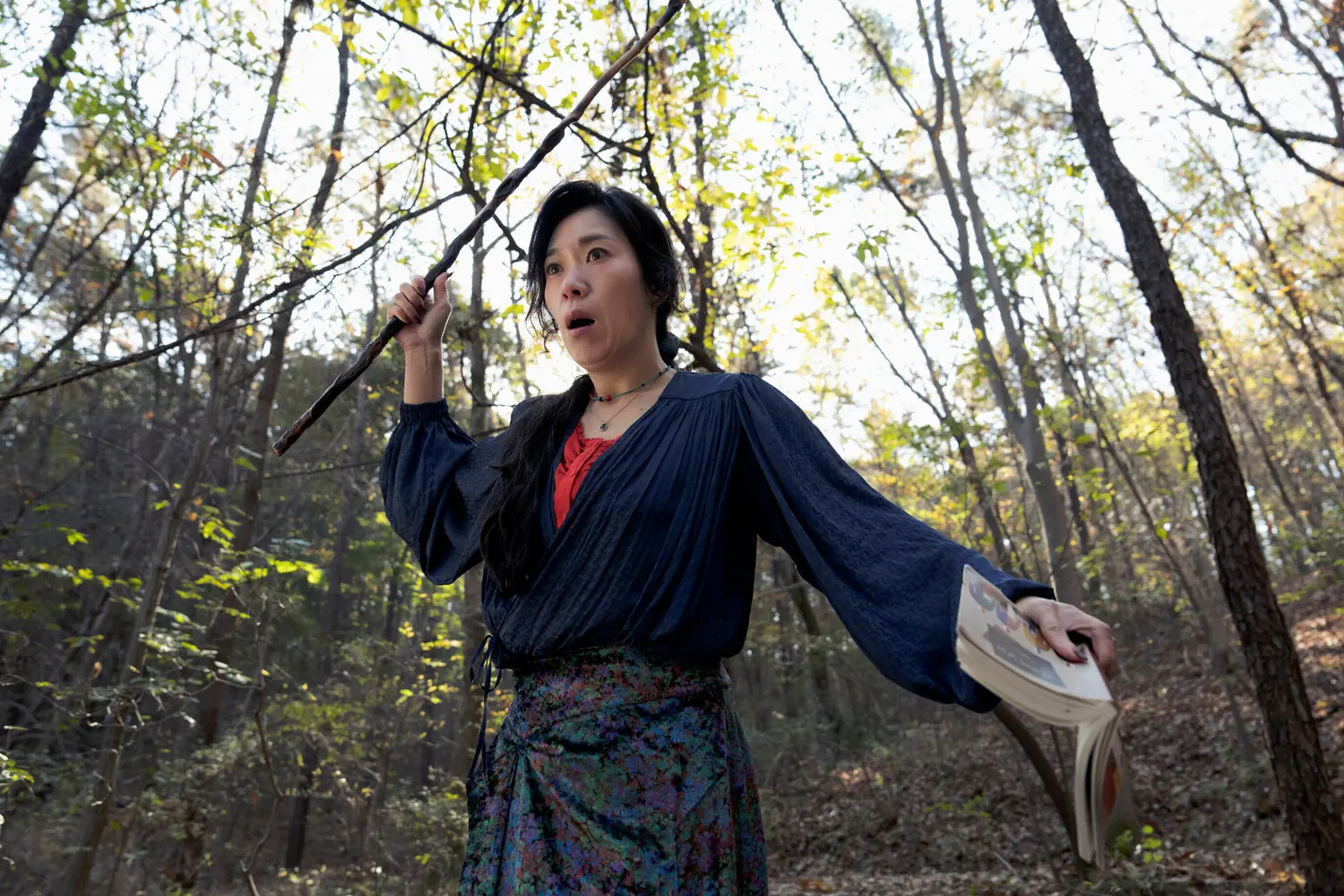
While the husband and wife occupy most of the screen time, the supporting cast proves equally compelling. The standout is Yeom Hye-ran, who, despite appearing only briefly near the beginning and again in the final minutes, delivers such an inspired and unhinged performance that her presence lingers throughout the entire film. We miss her when she’s off-screen. There are also several memorable male characters that Man-su encounters, played by Cha Seung-won, Lee Sung-min, and Park Hee-soon. Together, they form a powerhouse ensemble whose dramatic work drives the film’s message home. You’ll know exactly who they are when you watch it because we’re keeping things spoiler-free, but trust me, this trifecta of performances is pure gold.
READ ALSO: Film Review: “One Battle After Another” Shows Paul Thomas Anderson At His Absurd, Brilliant Best
Cinema For Tomorrow
What left me most in awe of No Other Choice is the film’s ability to show off the art of filmmaking. This isn’t to downplay the performances or the story’s social commentary; but it’s rare these days, in an era dominated by streaming AI schlock and grandiose blockbusters, to sit in a theater and be truly transfixed by cinema as an art form. Sure, the acting, directing, screenplay, and craftsmanship all contribute to the whole, but at the heart of it is the vision of the auteur. Park Chan-wook’s extraordinary control, brilliant mind, and mastery of his craft are what make No Other Choice the masterpiece it is.
To put it in perspective, I recently had the pleasure of watching Jaws and The Sound of Music in theaters: two classics that defined their eras and remain exemplars of brilliant cinema. The Sound of Music captured the extravagance of 1960s movie musicals just before the New Hollywood era reshaped the industry, while Jaws ushered in the modern summer blockbuster and showcased the daring new approaches of that movement. In my opinion, Park Chan-wook’s films, and No Other Choice in particular, may well define our current era: a time that challenges traditional filmmaking with bold, stylized approaches, yet still delivers substantial storytelling, layered generational commentary, and, most importantly, preserves the director’s unmistakable authorial voice.
No Other Choice will be in Philippine cinemas starting October 29, 2025.
Banner photo courtesy of CreaZion Studios