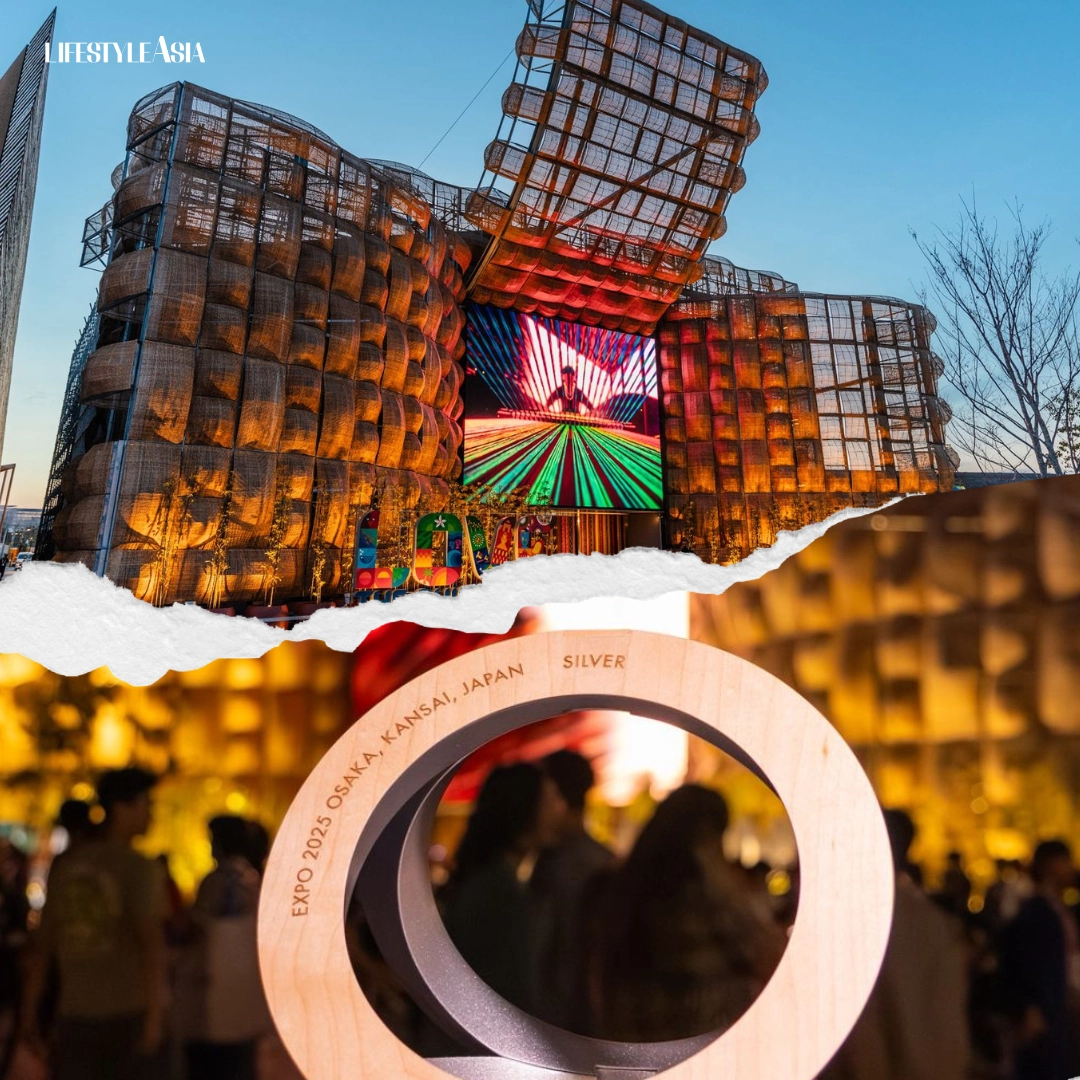
The award highlights small-scale, self-built pavilions that stand out for their innovative design and compelling narrative.
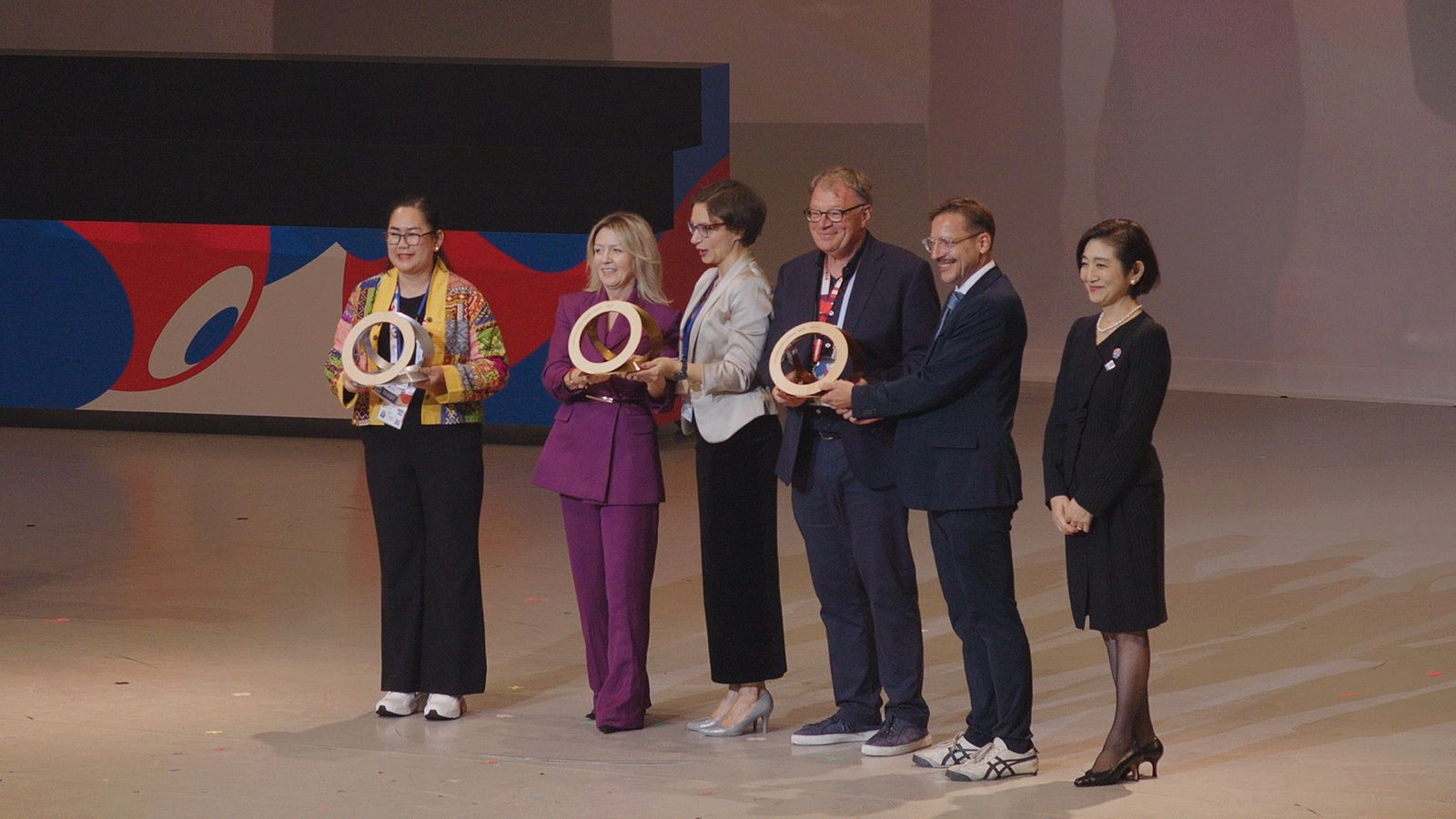
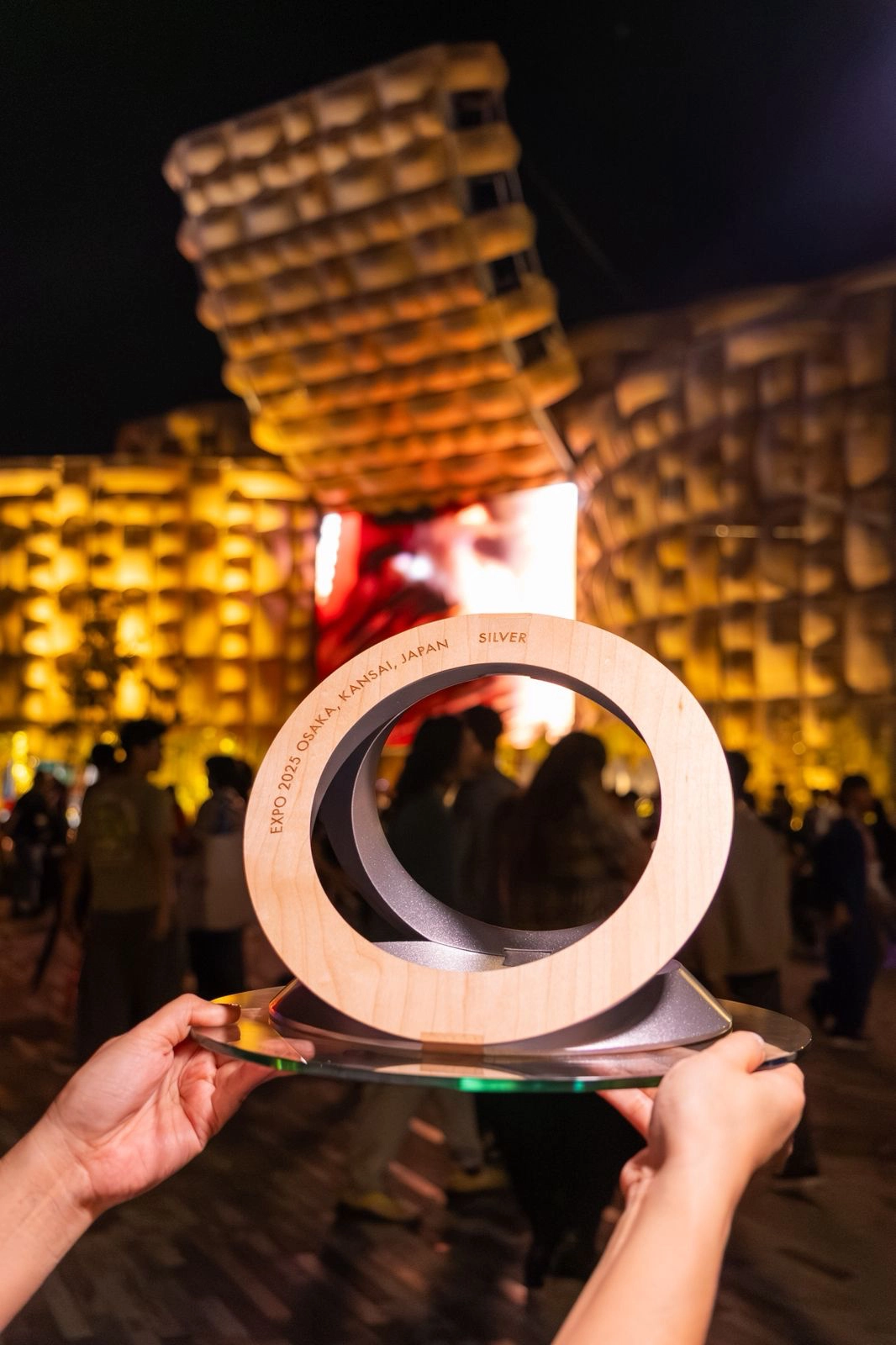
The Philippine Pavilion at Expo 2025 Osaka was recently awarded the Silver Award for Exhibition Design, a recognition of its exceptional creativity, craftsmanship, and immersive visitor experience. Presented by the Bureau International des Expositions (BIE)—the organization that oversees and regulates World Expos—the honor celebrates self-built pavilions under 1,500 square meters that demonstrate outstanding design and storytelling.
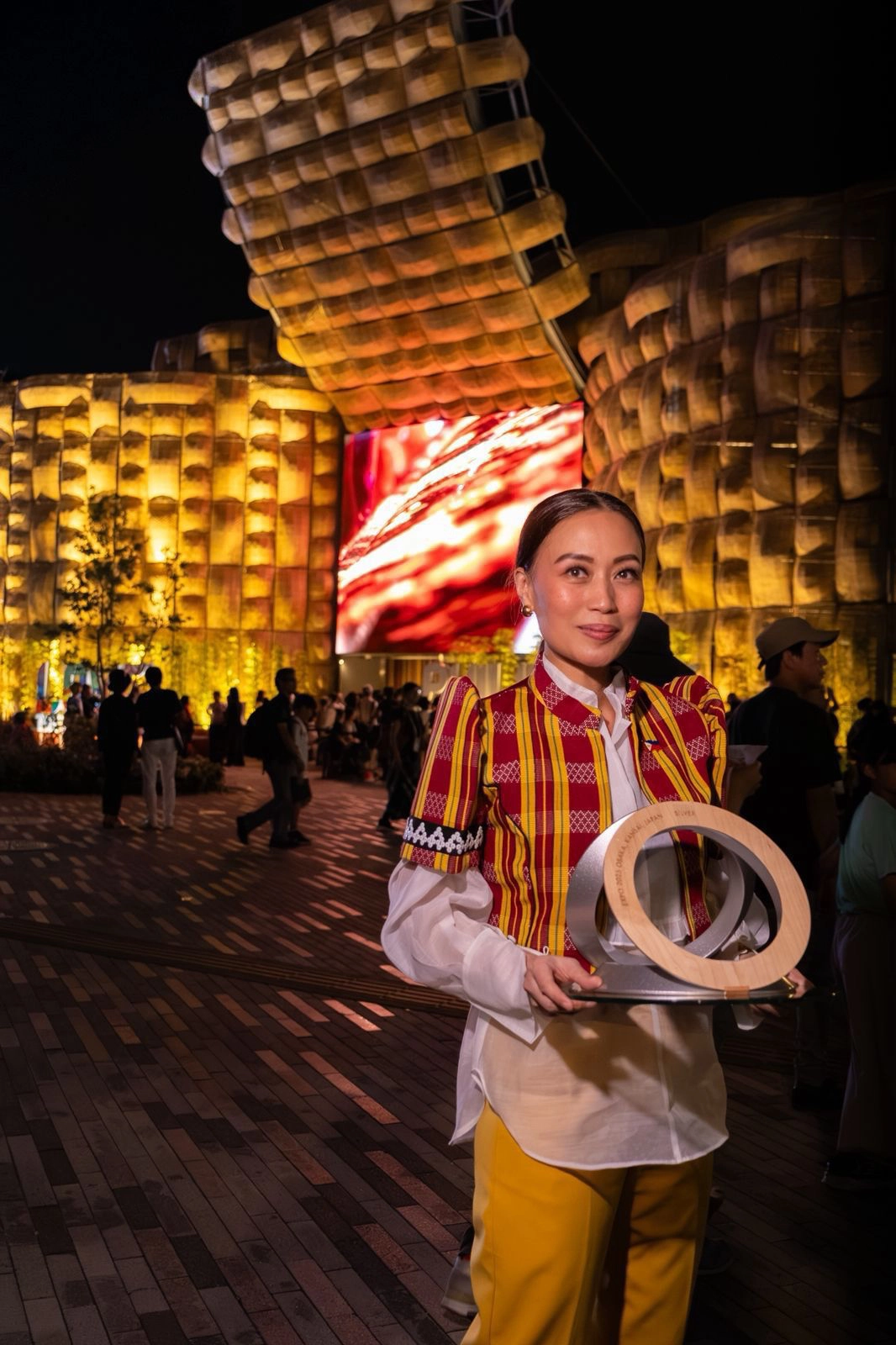
Raquel Tria-Joya, Head of the Pavilion’s Committee for Central Information, accepted the award on behalf of the Philippines, and was joined by representatives from Poland (Gold) and Austria (Bronze) on stage during the official recognition ceremony.
READ ALSO: Osaka Expo 2025: Dancing To The Threads Of Time
Months In The Making
On the same day, the Philippines held its official closing ceremony for the Pavilion, marking the culmination of six months of cultural exchange, collaboration, and innovation.
Held at the heart of the Yumeshima site, the event gathered dignitaries, partners, artists, and visitors in a vibrant celebration filled with messages of gratitude, unity, and hope for the future; it was a fitting conclusion to a pavilion that left a lasting impression on global audiences.
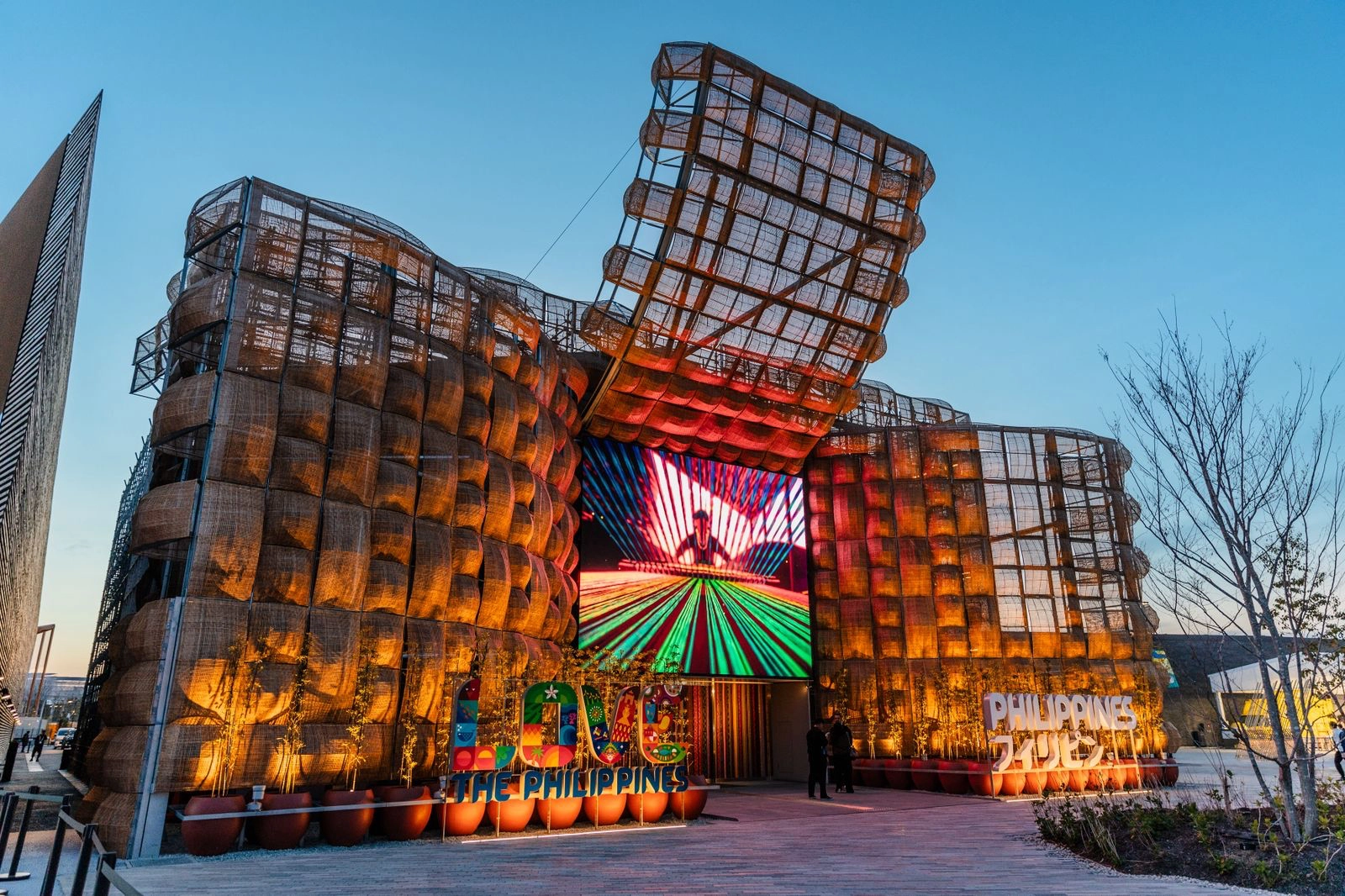
Since opening its doors in April, the Philippine Pavilion has welcomed over 1.1 million visitors, serving as a dynamic platform to showcase the nation’s creativity, craftsmanship, and commitment to sustainability and community.
Under the theme “Nature, CultureCultureshared traditions, beliefs, values, customs, arts, and social practices that define the identity and way of life of a community, society, or nation.Go to Culture Glossary & Community—Woven Together for a Better Future,” the Pavilion offered a multisensory experience that blended traditional artistry with modern innovation. This included AI-powered installations, handwoven art, culinary showcases, and live performances that celebrated Philippine culture, championing its soft power on a global stage.
The closing ceremony was led by Margarita Montemayor Nograles, Tourism Promotions Board (TPB) Philippines Chief Operating Officer and Secretary-General of the Philippine Organizing Committee. She was joined by Ambassador Mylene Garcia-Albano of the Philippine Embassy in Japan.
Tourism Undersecretary Myra Abubakar also went up on stage to deliver a keynote speech on behalf of Tourism Secretary Christina Garcia Frasco.
“From the very beginning, when this was just an idea drawn on paper, we knew that the Philippine Pavilion was going to be more than just a physical structure,” she expressed. “It was going to be our nation’s heartbeat at Expo 2025, a living expression of who we are: strong, creative, and bound by community. And now, as the curtains close, I stand before you knowing, with all certainty, that we did not just build a Pavilion. We built pride. We built hope. We built a home for the Filipino spirit—here in Japan, and in the eyes of the world.”
The Philippine Pavilion: A Work Of Cultural Exchange And Diplomacy
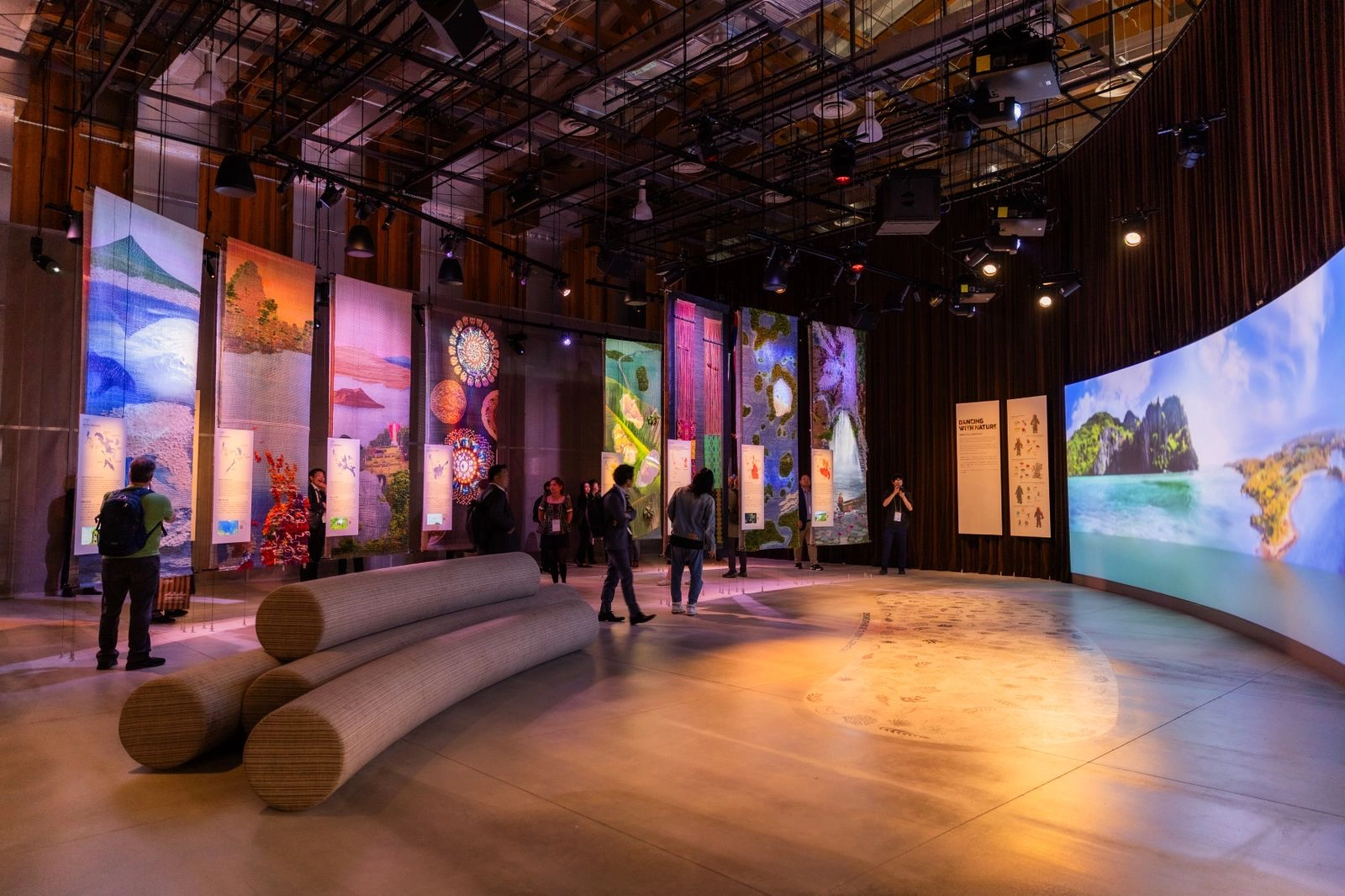
The pavilion is the first-ever live performance façade in the Philippines’ World Expo history, and features over 200 handwoven panels, each crafted by weaving communities across all 18 regions of the country. It’s not only the largest collaboration of its kind, but also a material testament to the sheer richness of a nation’s heritage, one that spans the entire archipelago.
Inside, visitors were treated to 18 large-scale woven artworks, the AI-driven “Dancing with Nature” experience, interactive photo installations, the Habi Shop, and a HilotHilotA traditional Filipino healing art that uses massage, warm oils, herbal compresses, and gentle manipulation to relax the body and promote wellbeing. Practiced for generations, the technique has been embracedGo to Hilot Glossary wellness corner, which all took guests on a journey through Philippine nature, culture, and traditional healing.
Beyond being a showcase of design, the Pavilion became a center for cultural diplomacy, trade, and tourism throughout Expo 2025 Osaka. From the Philippine National Day festivities to business roadshows and investor meetings, it fostered meaningful cross-sector partnerships that will undoubtedly continue to drive collaboration long after the gates of the Expo close.
As one of the Philippines’ top tourism and trade partners, Japan played a vital role in this engagement: its pavilion strengthened bilateral ties and opened new avenues for collaboration with Japanese prefectures, travel agencies, media, and cultural institutions.
The Pavilion’s story doesn’t end in Osaka, though: its key pieces will soon find new homes at the National Museum of the Philippines and in regional cultural hubs, allowing its spirit to live on. Selected elements will also be showcased at the ASEAN Tourism Forum (ATF) and TRAVEX in Cebu in January 2026. As this chapter of cultural exchange draws to a close, the Philippines looks forward with resolve—the work, after all, is never over. Through community, heritage, and collaboration, it remains committed to showing the world a nation rich in heart, history, and hope.
Photos courtesy of The Tourism Promotions Board (TPB) Philippines.