A century since its creation, Art Deco—with its bold geometry, streamlined forms, and lavish sensibilities—continues to influence modern design, a lasting reminder of a post-war era that yearned for progress and beauty.
If you’ve ever consumed anything related to F. Scott Fitzgerald’s The Great Gatsby—more specifically, in visual form like film and paintings—then you’ve likely already encountered the decadent world of Art Deco.
More than just a style, Art Deco is both a movement and an aesthetic sensibility, spanning architecture, interiors, product design, and more. While there’s no single definition that dictates what qualifies as Art Deco, certain visual elements are hallmarks of the era (the 1920s to 1930s), namely bold, streamlined, geometric forms, as well as opulent textures and materials like gold.
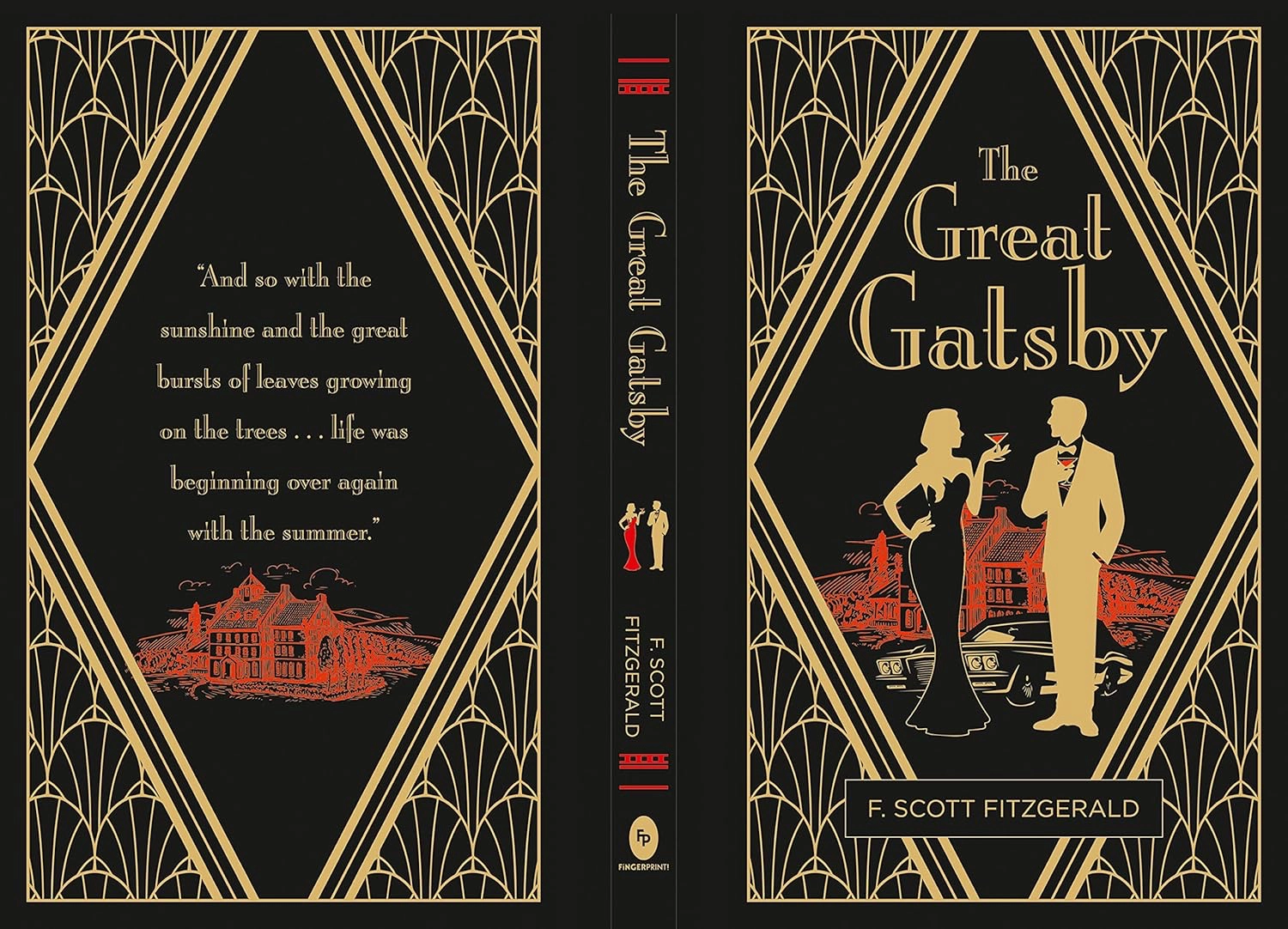
As Art Deco celebrates its 100th anniversary, we pay tribute to its influence on art and design—both globally and here in the Philippines—with a brief guide exploring its history, influences, and significance.
READ ALSO: When Everything Is Short, Does It Still Pay To Linger?
Celebrating A Century Of Progress And Lavishness
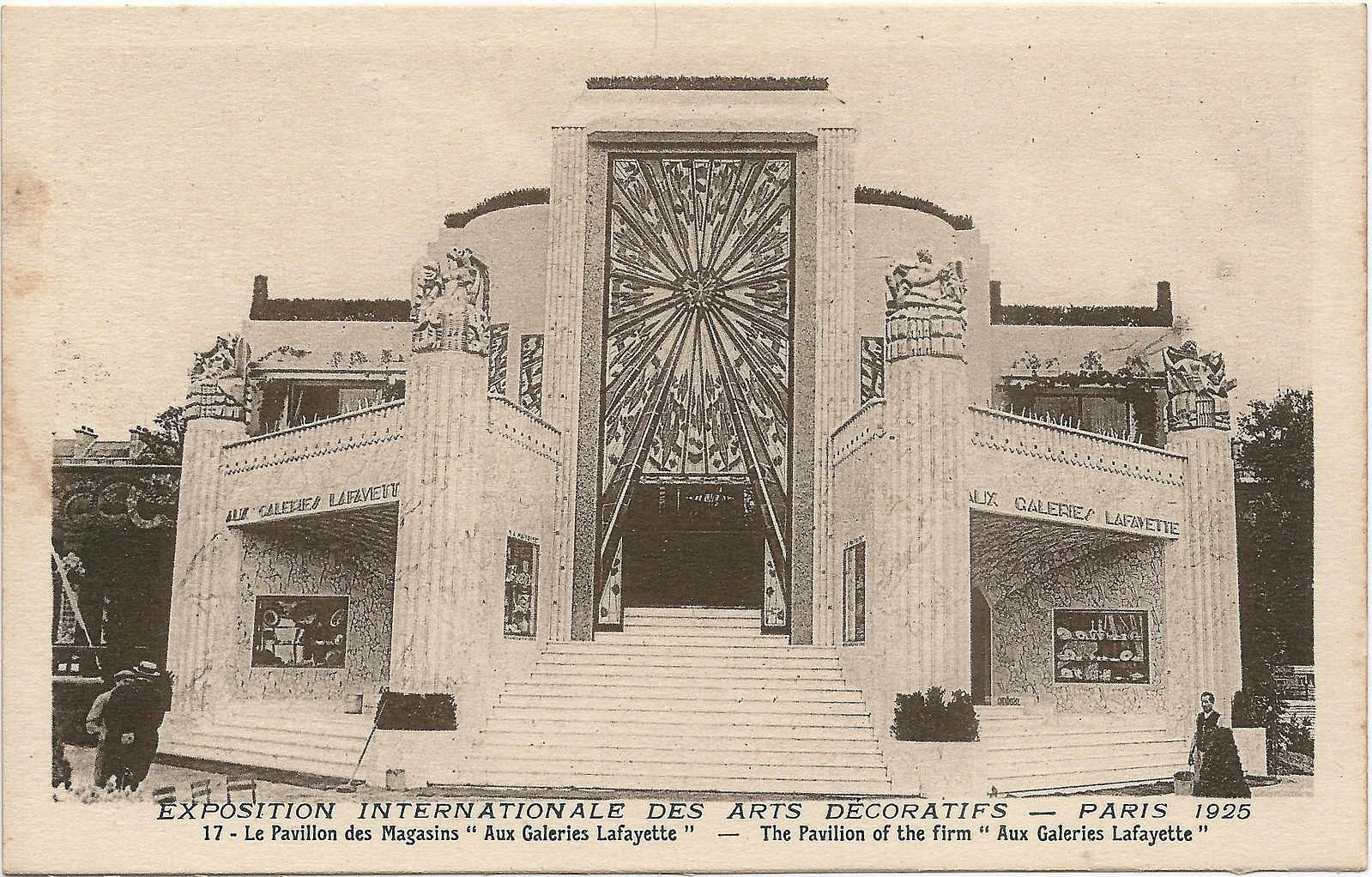
The style we now know as “Art Deco” was originally referred to as “art moderne” before it adopted its current name in the 1960s. The title took inspiration from its birthplace: the Parisian Exposition des Arts Decoratifs et Industriels Modernes (International Exhibition of Modern Decorative and Industrial Arts), which first introduced it to the world in 1925.
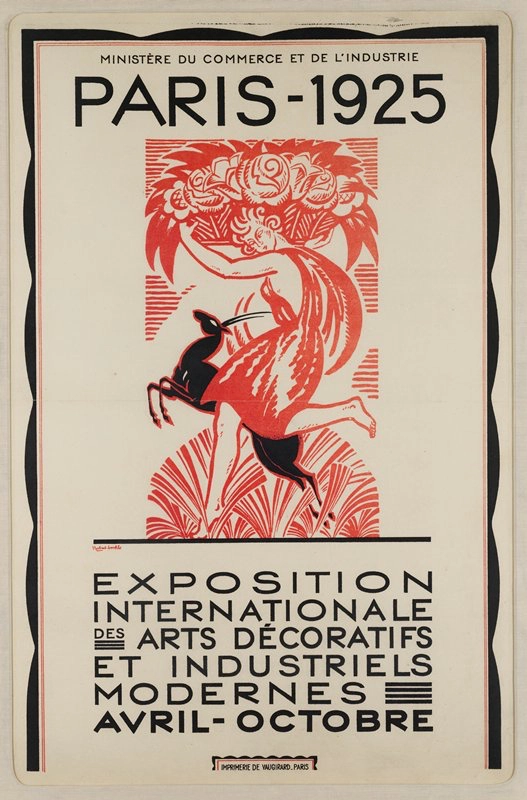
The milieu of the time plays a key role in understanding why Art Deco looks the way it does. At the core of the exhibition was the intention, on the part of France, to move away from the shadows of a grueling World War I, looking instead toward a brighter future. As such, the fair required participants to submit designs that were exclusively modern—and among the roster were design elements that would later come to be known as Art Deco.
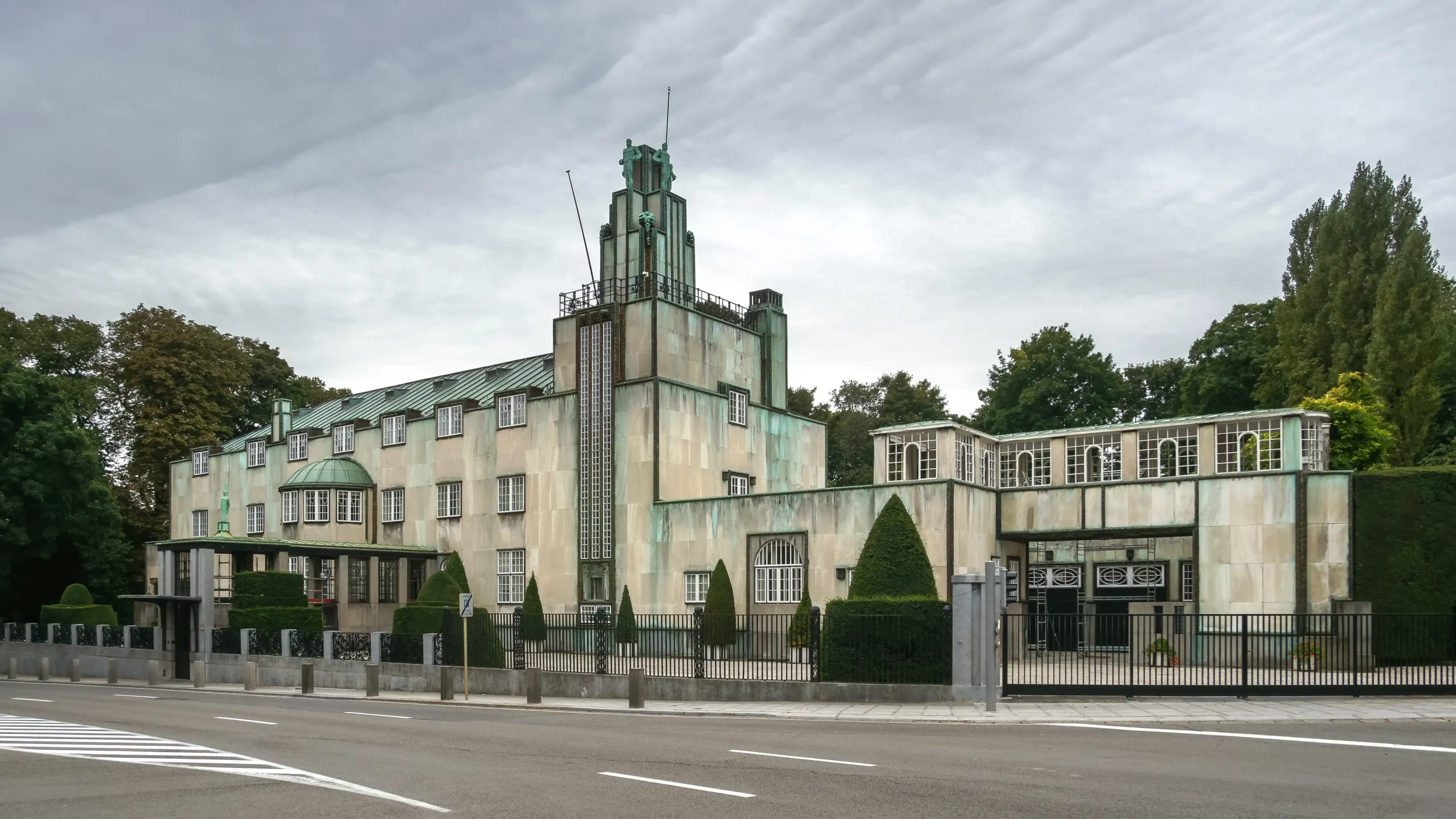
While the exhibition was looking to represent the lifestyles of everyday people, most of the goods and pieces it featured were aimed at the elite. Still, they became aspirational, representing a desire for luxury and beauty during a post-war era.
Art Deco was a hit, to say the least, becoming a prominent fixture in Roaring 20s America (hence its affiliation with The Great Gatsby), and eventually spreading to many countries around the globe, including our own archipelago.
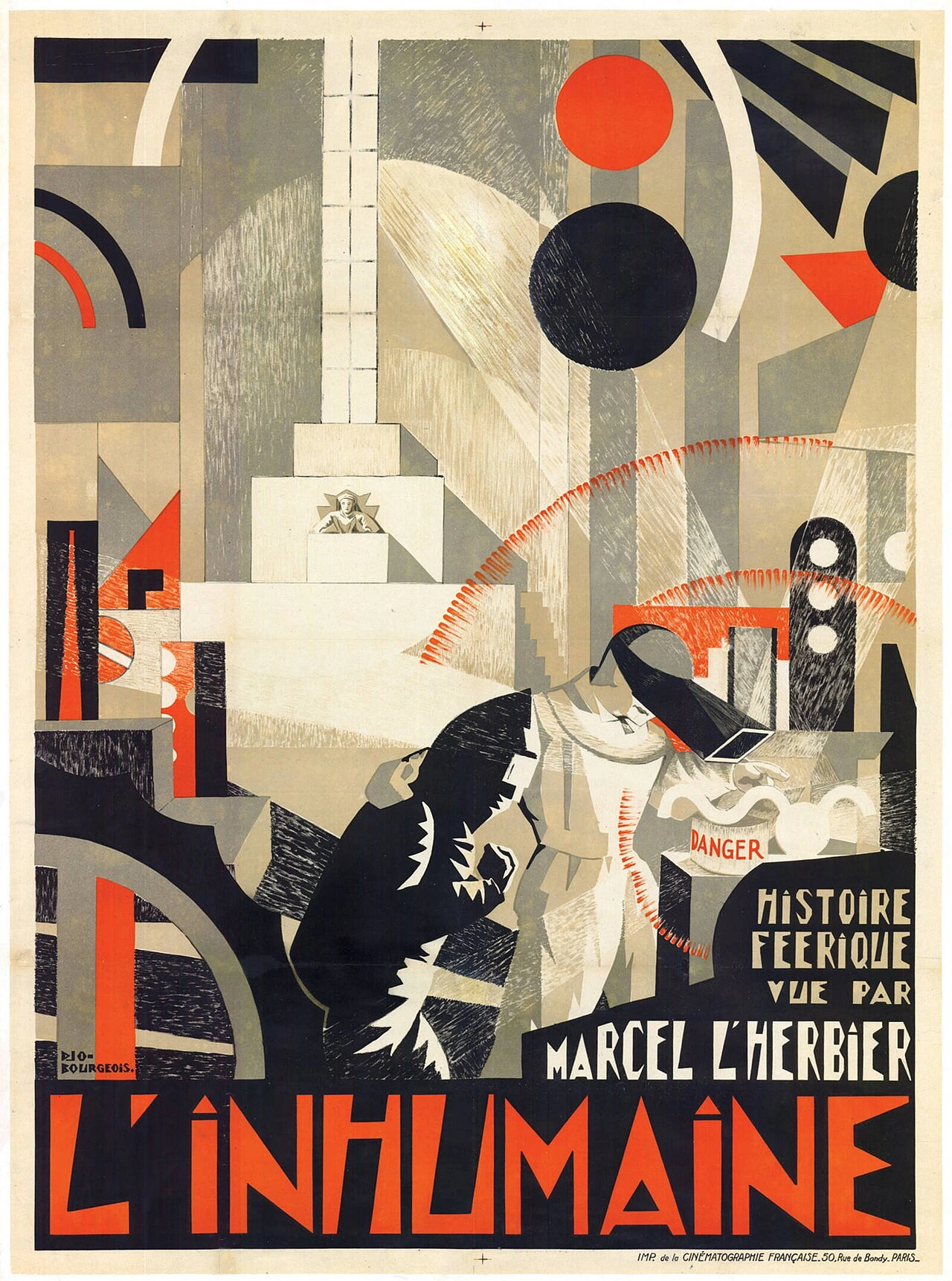
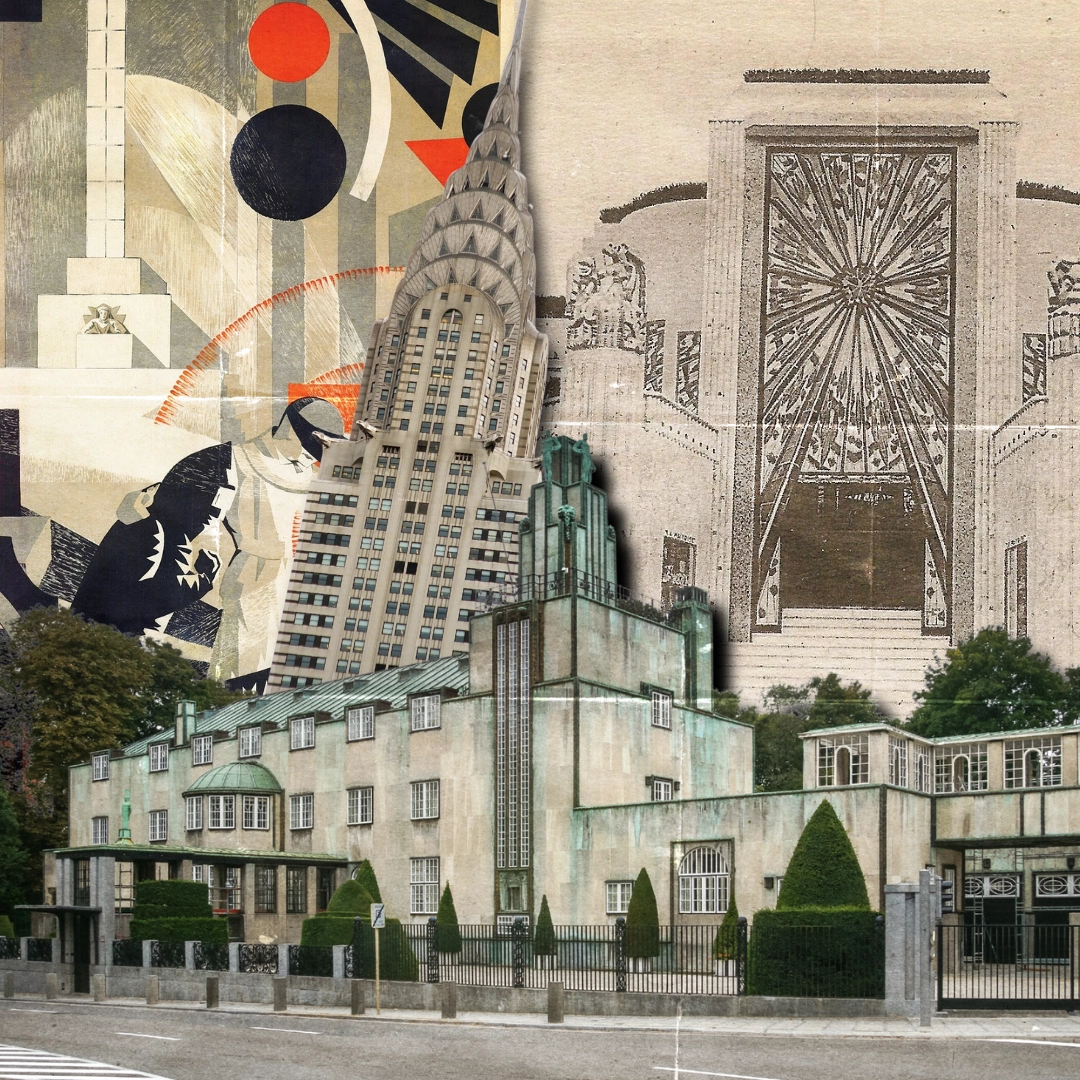
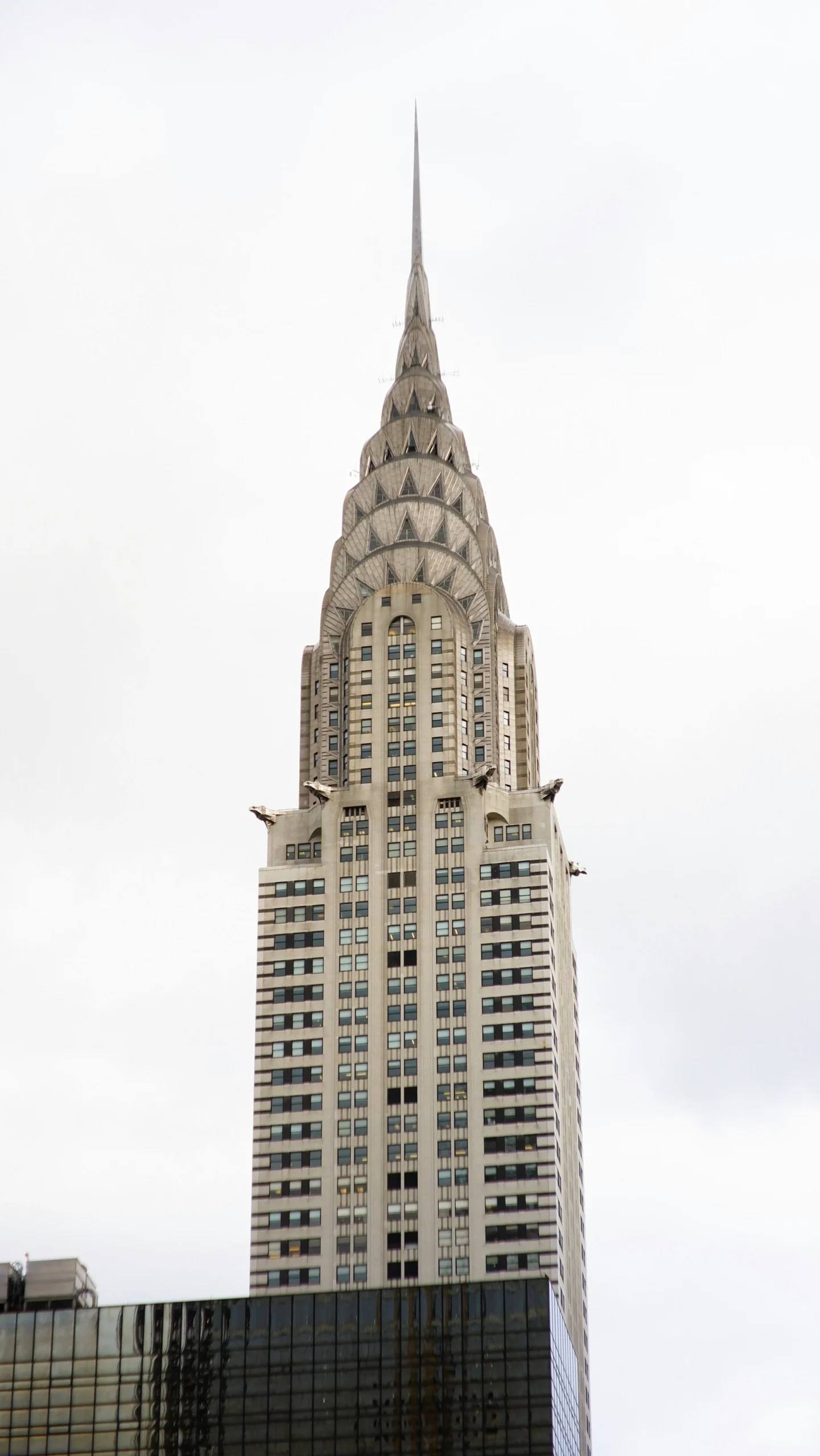
People mainly associate the style with towering architecture like New York’s iconic Chrysler Building (designed by William Van Alen)—it was so closely tied with grand structures like skyscrapers that it even assumed another nickname, “vertical style”. Yet it wasn’t limited to one medium. It transformed the everyday into a distinct, visual lifestyle, encompassing interiors, furniture, fashion, jewelry, art, and even industrial design.
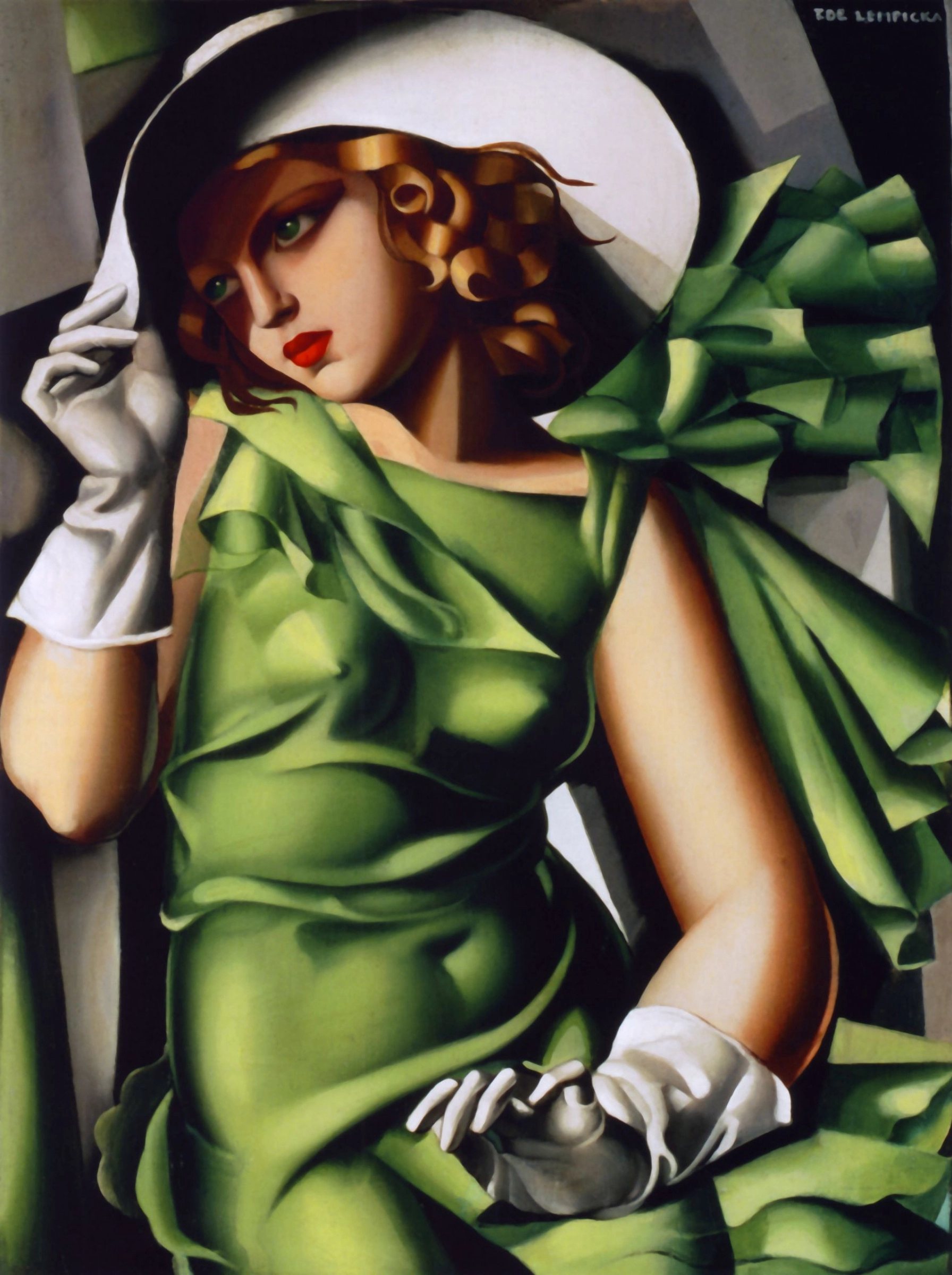
Take the works of artist Tamara de Lempicka, which stand as shining examples of the stylized sophistication of the era. The crisp, bold shapes of her subjects’ silhouettes, many of whom were affluent women who exuded the independent spirit of the time, translate Art Deco to portraiture.
Though Art Deco hails from Europe, its recurring motifs and aesthetics draw inspiration from cultures around the world. Most notably, it borrows the geometric forms of ancient Egyptian art and Greco-Roman architecture. Influences from Mesoamerican design are also evident, as well as those from Asia (such as Japanese woodblock prints).
The style was also born during a period of great progress, which is why it often intersected with emerging technologies of the era. The industrial boom and advances in manufacturing enabled designers to experiment with chrome, steel, Bakelite, and glass. The result was a style that celebrated both craftsmanship and modern innovation, marrying artistry and engineering in a way that felt both forward-looking and undeniably glamorous.
Art Deco In The Philippines
Art Deco had its golden era in our own shores, particularly the cosmopolitan Metro Manila, during the 1920s, and remained fairly prevalent well into the 1950s. This was due in large part to Filipino architects and designers who received their education from Europe and America, then brought what they learned to the country, as Rosa Concepcion Ladrido details in an article for Vera Files.
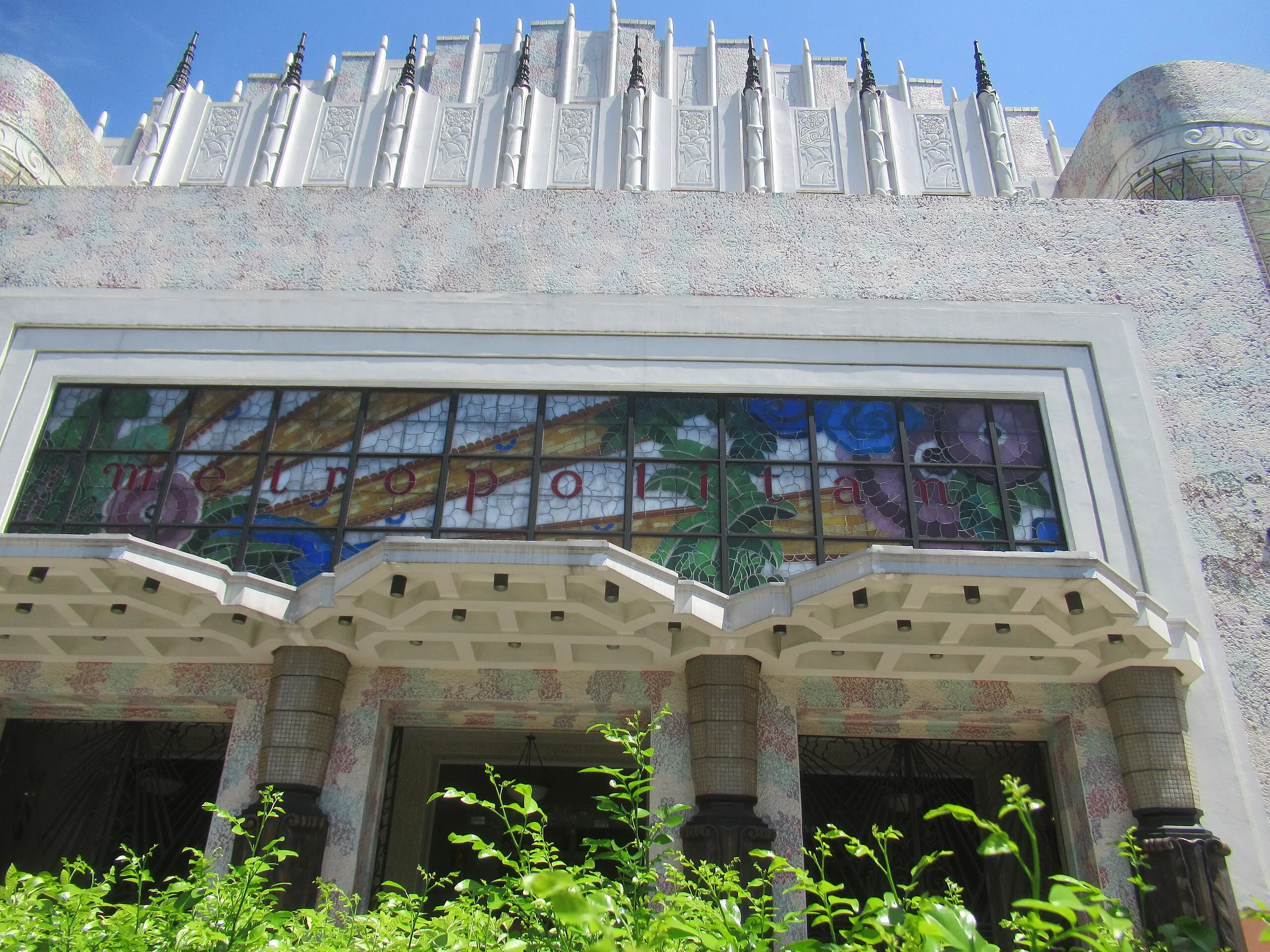
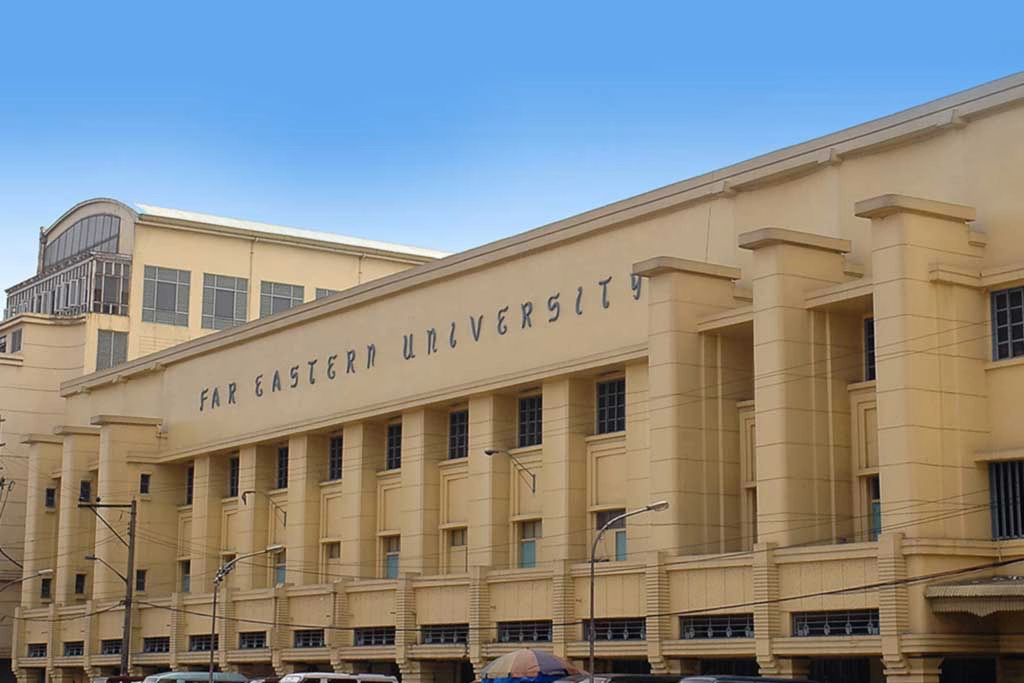
One of the more prominent names is Juan Arellano, who designed The Metropolitan Theater in Manila—undoubtedly one of the Philippines’ most iconic Art Deco structures. Pablo Antonio also imbued the campus buildings of Far Eastern University (FEU) with those recognizably geometric Art Deco sensibilities you can still see today. The Rizal Memorial Sports Complex, also designed by Arellano, not only stands as the oldest of its kind in the country, but also the only one in Southeast Asia rendered in the Art Deco style.
Timeless Design That’s Here To Stay
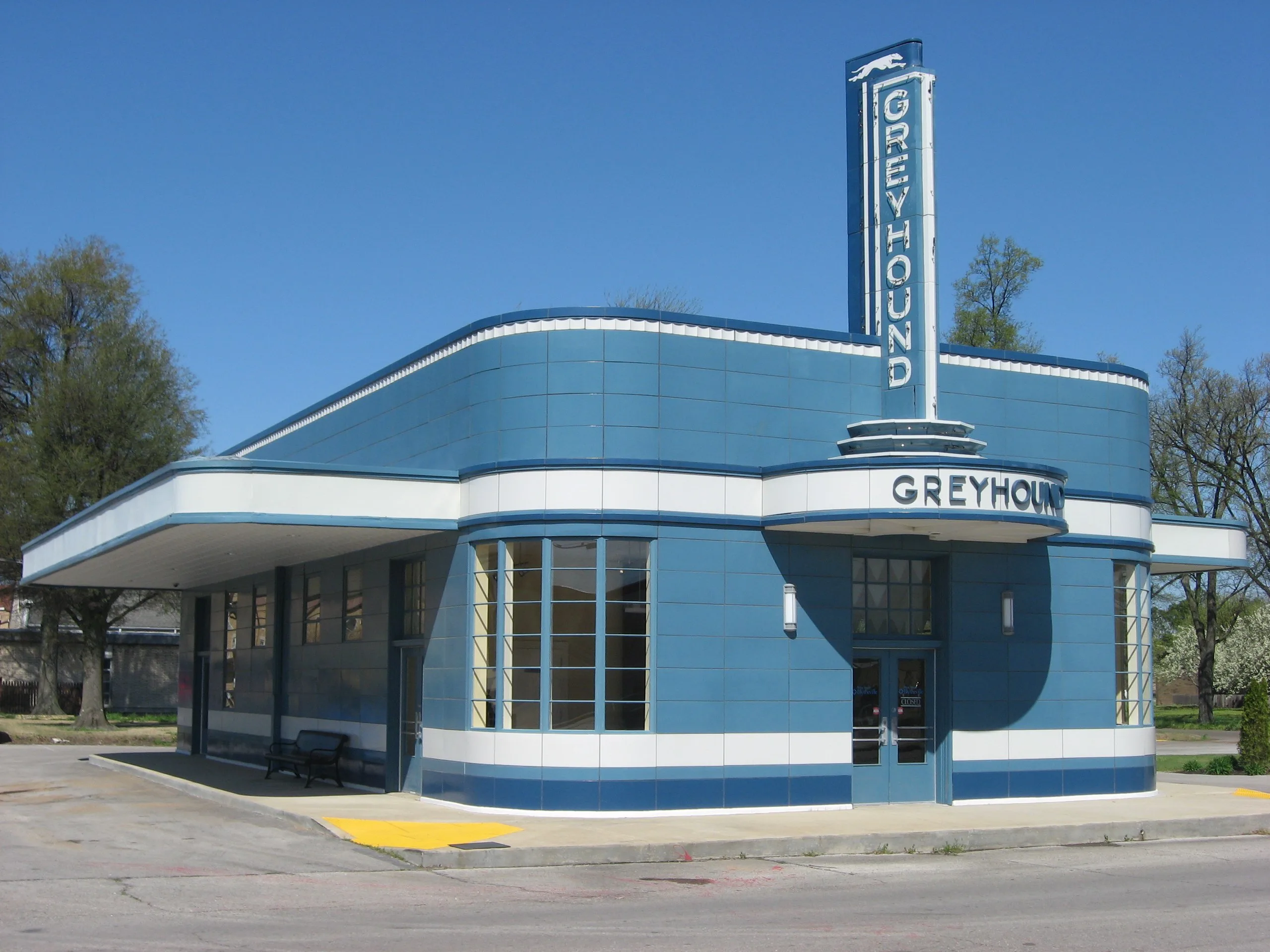
Though the Art Deco boom was highly influential and ubiquitous, it was fairly short-lived, becoming less widespread when World War II came into the picture and forced many to return to more austere, less extravagant lifestyles. This gave way to the Streamline Moderne style, which still owes much of its geometric and (as the name implies) streamlined design language to Art Deco—however, it was considerably less ornate and opulent, prioritizing flatter, horizontal structures with rounded corners and an aerodynamic appearance (not unlike those you see in ocean liners), which were more affordable to construct.
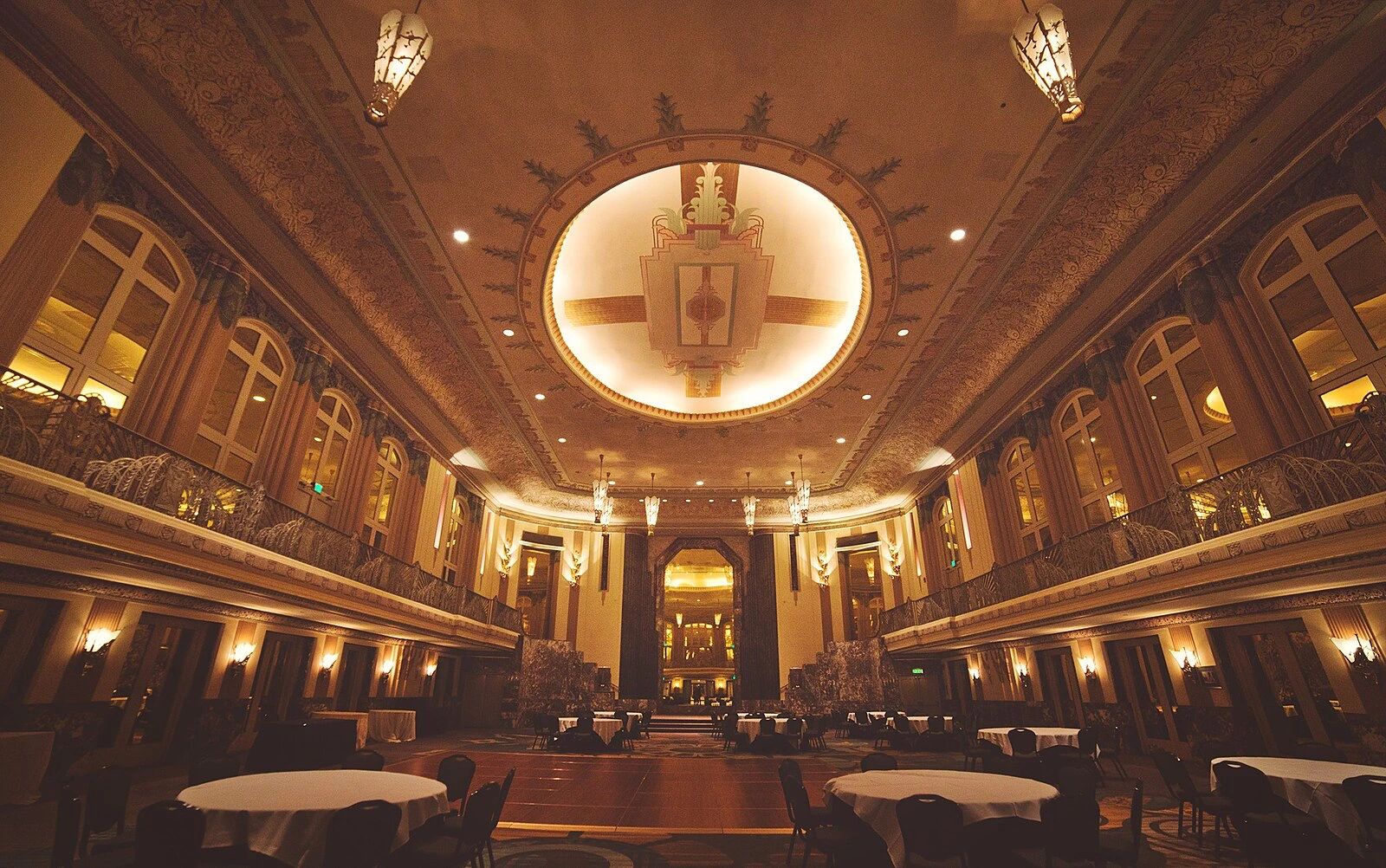
Still, like all great inventions, Art Deco has experienced its fair share of resurgences throughout the decades, and its principles continue to inform contemporary design. Minimalist interiors borrow its clean lines, luxury brands echo its glamour, and architects reinterpret its geometry in modern urban landscapes and structures (just take a look at the interiors of Admiral Hotel Manila – MGallery).
Beyond aesthetics, Art Deco reminds us that design can be aspirational, functional, and beautiful all at once: a philosophy that resonates as strongly today as it did in the Roaring 20s. Whether in high fashion, home interiors, or city skylines, the legacy of the style endures as we continue to seek inspiration from the past.
FREQUENTLY ASKED QUESTIONS
Art Deco is both a movement and an aesthetic sensibility that emerged in the early 20th century. It spans architecture, interiors, fashion, product design, and more. The style is characterized by bold geometric forms, streamlined symmetry, and luxurious materials such as gold, ebony, chrome, and glass.
Art Deco’s roots lie in Europe, particularly France. The movement was first introduced to the world at the 1925 Paris Exposition des Arts Décoratifs et Industriels Modernes (International Exhibition of Modern Decorative and Industrial Arts). Though initially known as art moderne, it adopted the name “Art Deco” in the 1960s, derived from this landmark event.
The aftermath of World War I left much of Europe searching for renewal. The 1925 exposition symbolized optimism and progress—France’s attempt to move beyond the devastation of war. Designers were encouraged to submit works that embodied modernity, luxury, and a forward-looking spirit. The resulting style reflected a world eager to rebuild with beauty and elegance.
Art Deco is recognizable for its bold geometry, streamlined symmetry, luxurious materials, and stylized motifs.
Geometric motifs from ancient Egyptian art; symmetry and columns from Greco-Roman architecture; ornamental flourishes from Mesoamerican design; minimalist precision from Asian art like Japanese woodblock prints. This global influence gave Art Deco its eclectic, yet cohesive, visual identity.
Art Deco reached the Philippines during the 1920s and thrived through the 1950s, particularly in Metro Manila’s cosmopolitan circles. Filipino architects educated in Europe and America—such as Juan Arellan and Pablo Antonio—brought the style home. The Metropolitan Theater, designed by Arellano, remains one of the most iconic examples. Far Eastern University’s campus buildings and the Rizal Memorial Sports Complex also reflect Art Deco’s geometric symmetry and modern elegance.
Following World War II, Art Deco gave way to Streamline Moderne, a pared-down evolution of the style. While retaining Deco’s clean lines and geometry, Streamline Moderne favored horizontal forms, rounded corners, and a more aerodynamic aesthetic—less ornate, more practical, and suited to the austerity of wartime economies.
Beyond aesthetics, Art Deco embodies a belief that design can be aspirational, functional, and beautiful: a philosophy that remains as powerful today as it was in the Roaring Twenties. From haute couture to high-rises, its legacy continues to inspire innovation, luxury, and timeless style.