“Word of the Year” choices from various dictionaries included the likes of “rage bait,” “parasocial,” and “slop,” all manage to sum up a terminally online, increasingly AI-saturated zeitgeist.
Language is an ever-evolving force within society, and one of the core pillars of human connection and life itself. And while English represents only one small part of the vast linguistic landscape, it’s spoken by more than 1.53 billion people either natively or as a second language—there’s no denying that its vocabulary both shapes and is shaped by our current milieu. The words we choose, create, and share are among the most revealing reflections of our collective priorities and needs as a species. So when English dictionaries select their “Word of the Year,” gimmicky and fun as the practice may seem, these choices often reveal far more about who we are and the year we’ve lived through than we might expect. What, exactly, do the chosen words of 2025 say about our current state of affairs? Let’s dive in.
READ ALSO: Where Are All These Gen-Z Dating Terms Coming From?!?
Rage Bait
Oxford English Dictionary Word of the Year
Used as a noun, the Oxford English Dictionary chose the word “rage bait” to represent 2025, defining it as “online content deliberately designed to elicit anger or outrage by being frustrating, provocative, or offensive, typically posted in order to increase traffic to or engagement with a particular web page or social media content.”
The decision was cast after shortlisting it with two other neologisms, “aura farming” and “biohack,” a pool of 30,000 voters and experts ultimately deciding that “rage bait” was the most fitting choice. And honestly, why wouldn’t it be? Some of us grow tired of hearing the common refrain of “social media feed is loud; everyone is trying to catch your attention; it’s all about the clout,” but these cliches remain repetitive for a reason. For as long as engagement somehow equates to social and monetary returns in our digital landscape, people will continue finding new ways to “raise the bar,” so to speak (though what that bar actually represents is another question entirely).
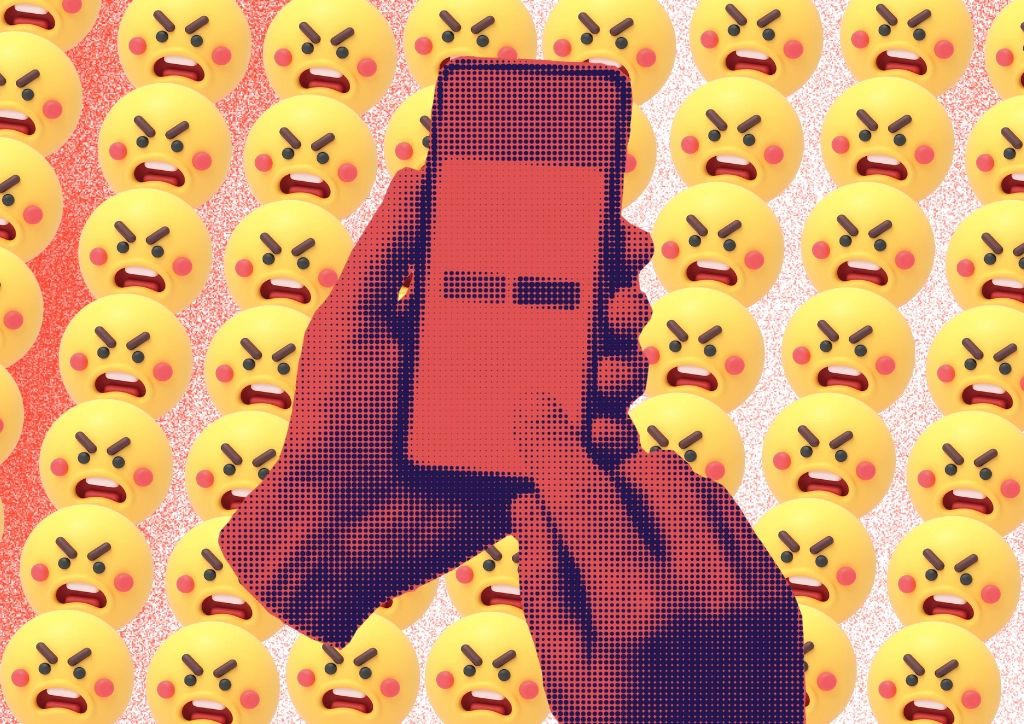
You’ve seen it everywhere, in different forms. That person posting what you deem to be the stupidest take of all time, so much so that it almost makes you…angry. There we have it. The thing is, the line between “this is a silly thing to say and best reserved as an ‘inside thought’” and “okay, this is so absurd, this person is definitely doing it on purpose” has practically faded.
President of Oxford Languages Casper Grathwohl says it best: “Before, the internet was focused on grabbing our attention by sparking curiosity in exchange for clicks, but now we’ve seen a dramatic shift to it hijacking and influencing our emotions, and how we respond. It feels like the natural progression in an ongoing conversation about what it means to be human in a tech-driven world—and the extremes of online cultureCultureshared traditions, beliefs, values, customs, arts, and social practices that define the identity and way of life of a community, society, or nation.Go to Culture Glossary.”
Parasocial
Cambridge Dictionary Word of the Year
Parasocial: the grief you feel when your favorite celebrity couple breaks up; the strange, spouse-like attachment you have with a pop-star crush; or the near-godlike regard you might bestow on a celebrated creative genius, making their fall from grace or shocking exposé feel deeply personal.
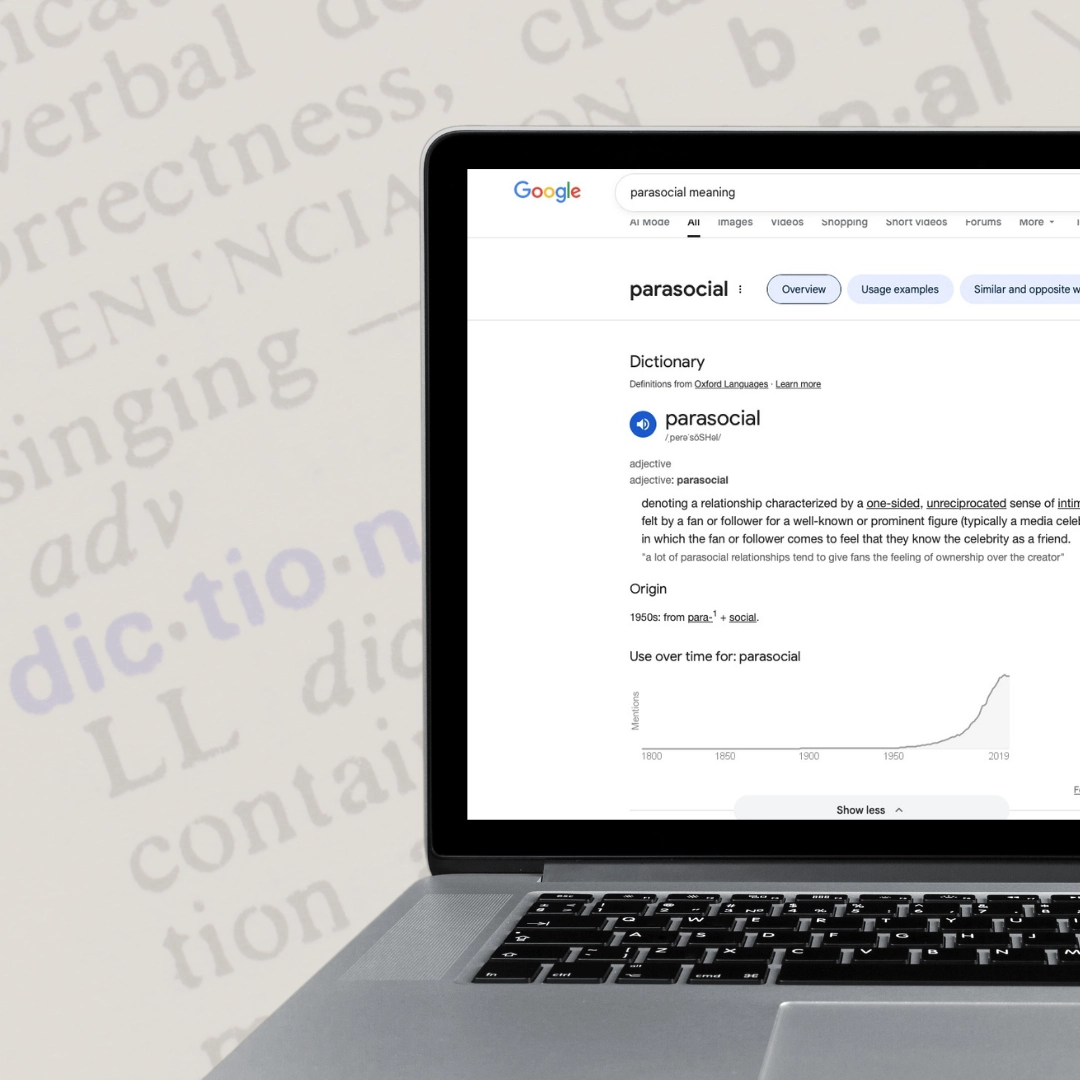
The Cambridge Dictionary Word of the Year for 2025, “parasocial” is an adjective (first coined in 1956 by University of Chicago sociologists Donald Horton and Richard Wohl) describing “a connection that someone feels between themselves and a famous person they do not know, a character in a book, film, TV series, etc., or an artificial intelligence.”
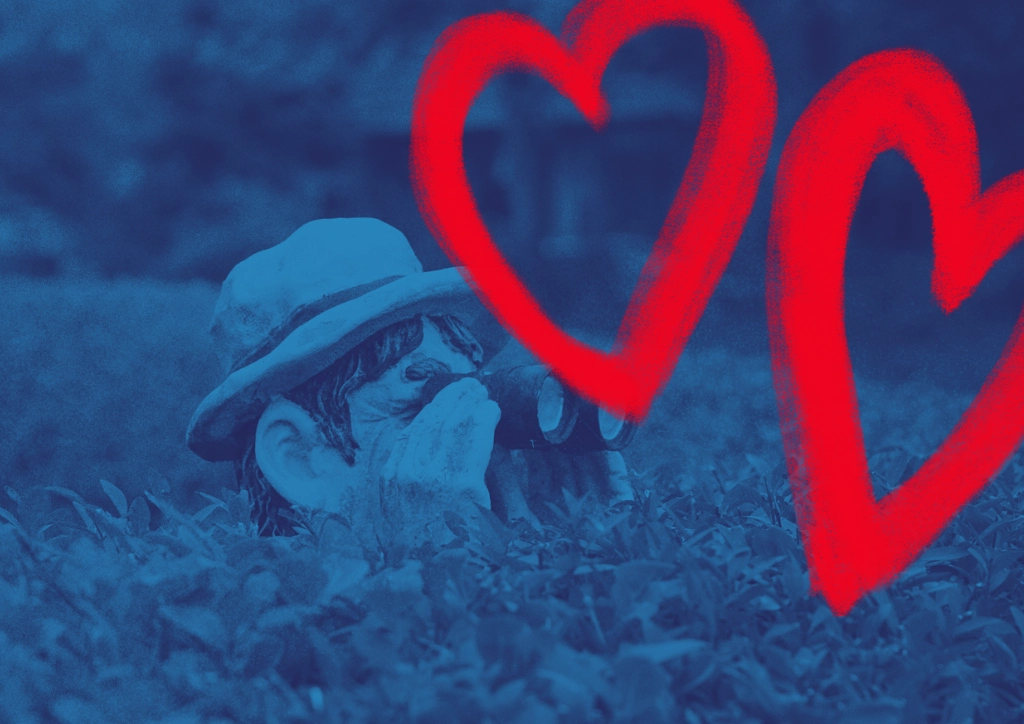
This, of course, implies a one-sidedness to the dynamic, these oftentimes strong feelings unbeknownst (or even irrelevant) to the other party. To be “parasocial” is to claim a sense of knowing that borders on delusion, where anything that fractures the carefully constructed image in one’s mind becomes a jarring rupture, capable of provoking disappointment, defensiveness, or outrage.
“Parasocial captures the 2025 zeitgeist. It’s a great example of how language changes. What was once a specialist academic term has become mainstream,” explains Colin McIntosh of the Cambridge Dictionary. “Millions of people are engaged in parasocial relationships; many more are simply intrigued by their rise. The data reflects that, with the Cambridge Dictionary website seeing spikes in lookups for ‘parasocial.'”
Out of all the words on this list, this one feels the most relevant to me—if only because it so neatly explains the attitudes and behaviors that fuel fan culture and, on a broader (and more disconcerting) scale, modern human interaction itself. The digital landscape has already collapsed distance, making information so accessible that it can feel as though you were childhood friends with a celebrity you’ve only spent hours reading about on Wikipedia or tracking on social media. That kind of pseudo-intimacy fundamentally reshapes how we perceive the world around us.
Slop
Merriam-Webster Word of the Year
Not “slop” in the tangible, traditional sense—like sloppy joes or the residue left in your sink after doing the dishes; Merriam-Webster’s Word of the Year takes on a whole new meaning, applying it instead to the more intangible, yet equally unsightly byproducts of our AI-saturated platforms. Within this context, Merriam-Webster defines the word as “digital content of low quality that is produced usually in quantity by means of artificial intelligence.”
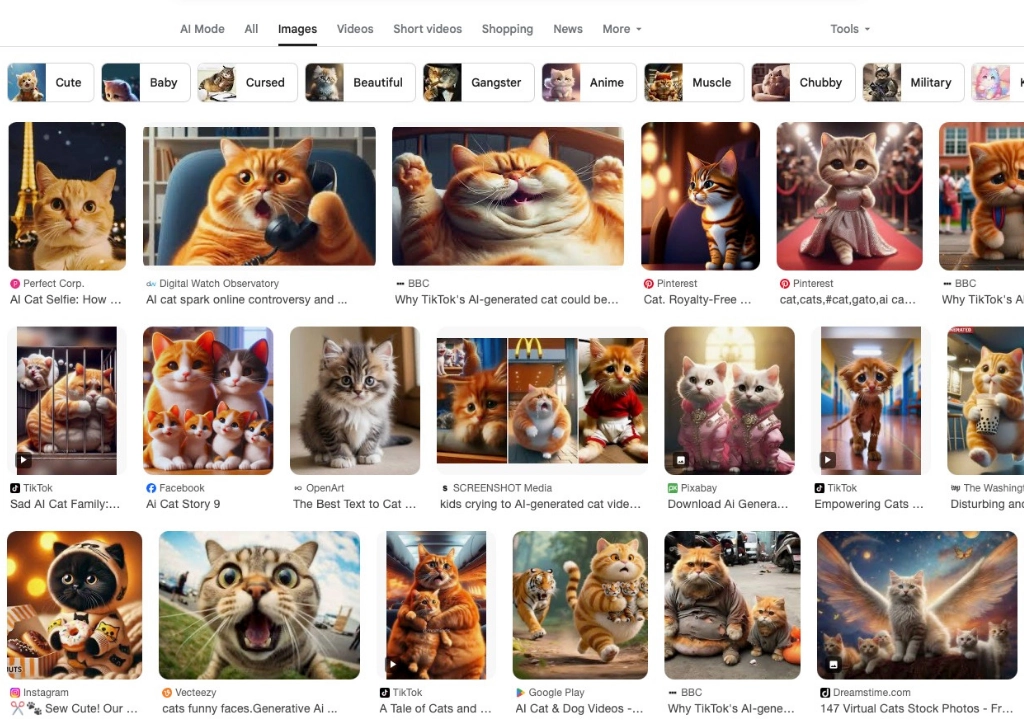
Some people specify by saying “AI slop,” but I suppose slop is slop, whatever form it may take. No elaborate explanation required. Just scroll through the dozens of creepy, bug-eyed humans and animals in awkward poses, set against eye-sore backdrops, and you’ll immediately understand why a term like this was necessary.
Merriam-Webster has a pretty cheeky, funny way of summing up the situation: “In 2025, amid all the talk about AI threats, slop set a tone that’s less fearful, more mocking. The word sends a little message to AI: when it comes to replacing human creativity, sometimes you don’t seem too superintelligent.”
So What Does It All Mean?
As President of Oxford Languages Casper Grathwohl adds in his official statement: “…there’s no denying that 2025 has been a year defined by questions around who we truly are; both online and offline.” The thread connecting these choices lies at the rich intersection of the English language and universal internet language. Yes, these words are representative of 2025, but really, they extend backwards and forwards, encompassing an entire digital age.
Words and phrases like “brainrot,” “touch grass,” and “performative” have seeped into our everyday lexicon, serving as reminders of just how entrenched we are in the online sphere; we can no longer fully separate ourselves from the world we created, one we abhor and feel perilously dependent on. No doubt we’ll continue finding new ways to name, re-name, and grapple with a milieu that’s fascinating, thought-provoking, a little funny (maybe a lot, depending on who you ask), and frightening in equal measure.
Frequently Asked Questions
The Oxford English Dictionary selected “rage bait” as its 2025 Word of the Year. The term describes online content intentionally designed to provoke outrage to increase web traffic, reflecting how algorithmic platforms manipulate human emotion to drive commercial and social engagement.
The Cambridge Dictionary defines “parasocial” as a one-sided connection an individual feels toward a celebrity, fictional character, or artificial intelligence entity. The term surged in mainstream usage as digital platforms collapsed the social distance between the public and high-profile figures.
In cultural criticism, “slop” or “AI slop” refers to low-quality digital content generated in mass quantities by artificial intelligence. The term is widely used to critique the proliferation of automated media that fails to replicate human creativity and artistic depth.
Linguistic institutions analyze global lookup data and cultural shifts to select a word that encapsulates the annual zeitgeist. These choices provide an enduring record of societal priorities, technological developments, and psychological states influencing human connection and language evolution.
Artificial intelligence influences language by introducing technical neologisms into mainstream society and changing how media is produced. As automated platforms generate high volumes of content, society creates new vocabulary to distinguish human artistry from algorithmic output.