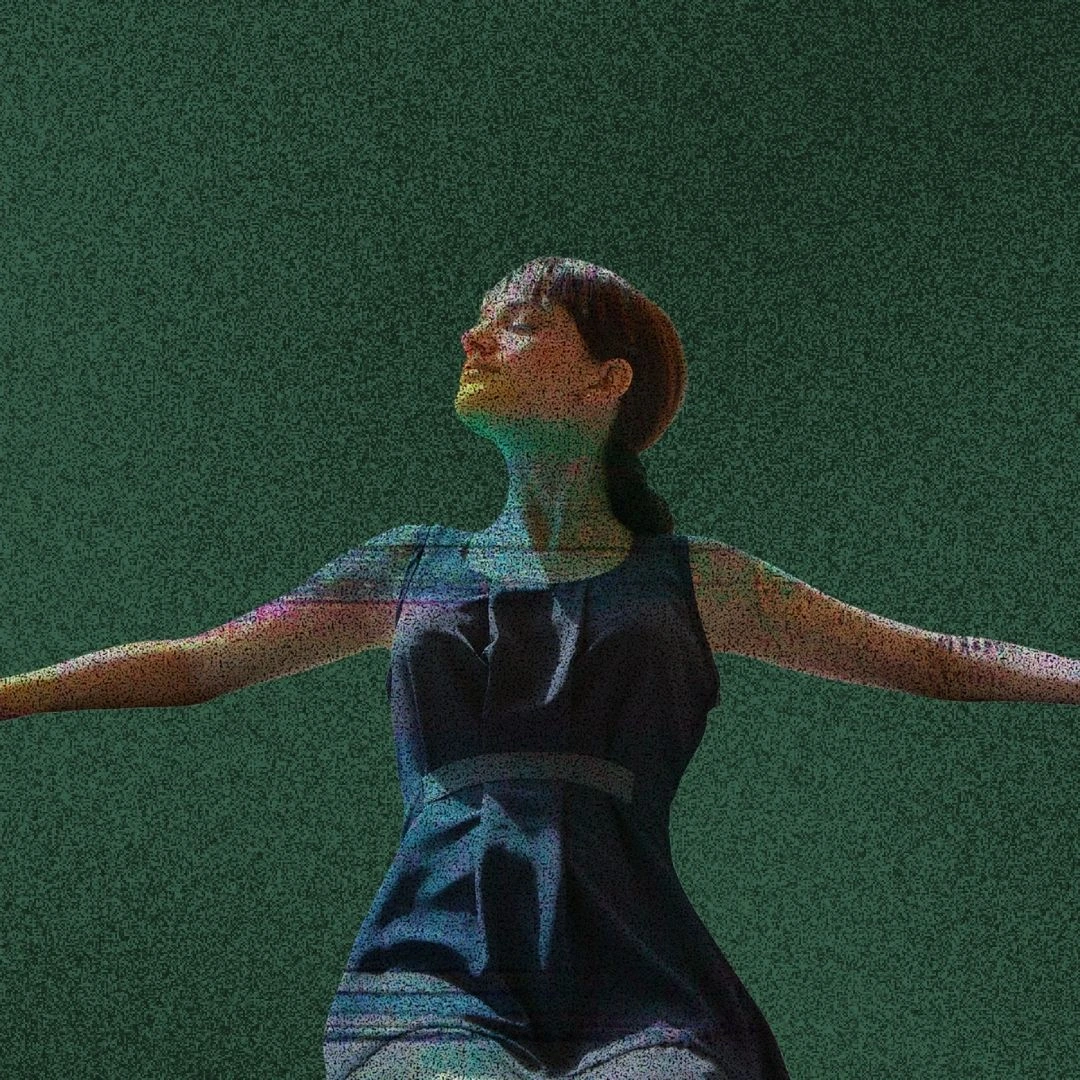
In active stillness, we slow down without screens or agendas, creating space for focus, creativity, and joy to return.
For the longest time, we were taught that hobbies are mere “side quests” and “doing nothing” is the worst thing you can do in a society that expects a direct Return on Investment in every aspect of life. In fact, most things seem to be measured by metrics nowadays: you’re physically active if you hit your daily step count, productive if you meet a quota. The effectiveness of something or someone is reduced to constant movement that always seeks a tangible output, the kind of work-rinse-and-repeat pattern that drains the joy out of life. In that context, practicing what many are calling “active stillness” becomes, almost literally, a welcome pause.
Active stillness is the idea of doing nothing and everything at once by permitting yourself to simply exist without tying your worth to a specific output.
READ ALSO: The LED Mask Question: Buy It Or Skip It?
Defining Active Stillness
Active stillness is not scrolling endlessly on your phone, sleeping off responsibilities, or “bed rotting.” What distinguishes intentional stillness is awareness without agenda, rather than distraction, escape, or automation. This aligns with cultural concepts like niksen, the Dutch practice of deliberately doing nothing without purpose, which is gaining attention precisely because it counters burnout cultureCultureshared traditions, beliefs, values, customs, arts, and social practices that define the identity and way of life of a community, society, or nation.Go to Culture Glossary.
It’s a kind of open-ended presence, a flow without a finish line. Neuroscience shows that when we step away from goal-directed tasks, the brain activates the default mode network (DMN), a state linked to creativity, self-reflection, and emotional processing.

These moments of active stillness show up in the everyday things we often overlook. Sitting on a park bench and watching the world go by without your phone. Brewing coffee manually, noticing the smell, sound, and warmth without rushing. Sketching something sloppy on a scrap of paper, caring more about the process than the result (maybe there’s no vision at all, and you’re just focusing on the soothing rhythm of it). Or taking a walk with no step goals or fitness tracker, just the aim of feeling your body move and your breath settle. These simple, unmeasured acts are about being instead of doing, giving yourself permission to exist without a target or finish line.
Why Doing “Nothing” Isn’t Nothing
The paradox of active stillness? Doing “nothing” is actually doing something powerful for your mind. It gives your brain a chance to reset, restore focus, and prevent burnout. It’s in those quiet, unhurried moments—when you’re not chasing a task—where creativity sparks, and ideas quietly take shape.
Active stillness also calms your nervous system, lowering stress and helping you feel emotionally balanced. It changes how you experience time, making moments feel longer, richer, and a little less rushed. And the best part? You practice mindfulness without trying, noticing the world and yourself without judgment.
In a cultureCultureshared traditions, beliefs, values, customs, arts, and social practices that define the identity and way of life of a community, society, or nation.Go to Culture Glossary obsessed with constant motion, active stillness is a potent form of self-care, revealing what becomes possible when we stop, look around, and ask nothing of the moment, allowing its fullness to meet us where we are.
FREQUENTLY ASKED QUESTIONS
Active stillness is the intentional practice of slowing down without screens, goals, or expectations. It’s about allowing yourself to simply exist—doing nothing and everything at once without tying your worth to productivity or output.
Unlike scrolling, sleeping through responsibilities, or zoning out, active stillness involves awareness without an agenda. It’s not about escape or distraction, but open-ended presence and being fully engaged in the moment without trying to achieve anything.
Active stillness can be as simple as sitting on a park bench without your phone, brewing coffee slowly and mindfully, sketching without a goal, knitting without a deadline, or walking without tracking steps. These unmeasured moments prioritize being over doing.
Active stillness gives the mind space to reset, restore focus, and spark creativity. It helps calm the nervous system, reduces stress, and allows ideas and emotions to surface naturally, making it a potent form of self-care in a culture obsessed with constant motion.
Simple practices include sitting quietly without digital distractions, engaging in deep breathing exercises, or taking a short, mindful walk during regular work breaks.