We often want our drinks prepared quickly and ready to go, but the slow bar is reminding us that savoring a beverage is a process that begins long before the first sip.
A common scenario: it’s a weekday, a school day, some bustling day in a café or beverage establishment, and like clockwork, we wait in line, state our orders, and listen for our names to be called, our drinks ready in a matter of three to five minutes. Occasionally, we might take in the scent of beans roasting or tea being steeped, or notice the whooshing of a steam wand operated by the nimble hands of a barista, though that’s only if we have the patience or time. With the exception of busy days, when long queues force us to contend with longer wait times, this scenario demonstrates everything we’ve come to expect: speed and convenience. Beverages prepared quickly enough to never intrude on our schedules, especially when we’re in a rush. Don’t get me wrong, it’s a necessity; this way of life has its uses, yet it’s also given rise to a movement that, refreshingly, swings in the opposite direction. Enter the slow bar concept.
READ ALSO: Where Did All The Champagne Flutes Go?
What’s A Slow Bar?
“Slow bar” is one of those labels people started using–both as a term and a descriptor—that just stuck, though there’s really no official definition. The best way I can describe it: any establishment, or area within an establishment, that serves drinks prepared through slower, meticulous, detail-oriented processes, usually emphasizing manual methods of preparation, as well as the interactions between barista, customer, and beverage.
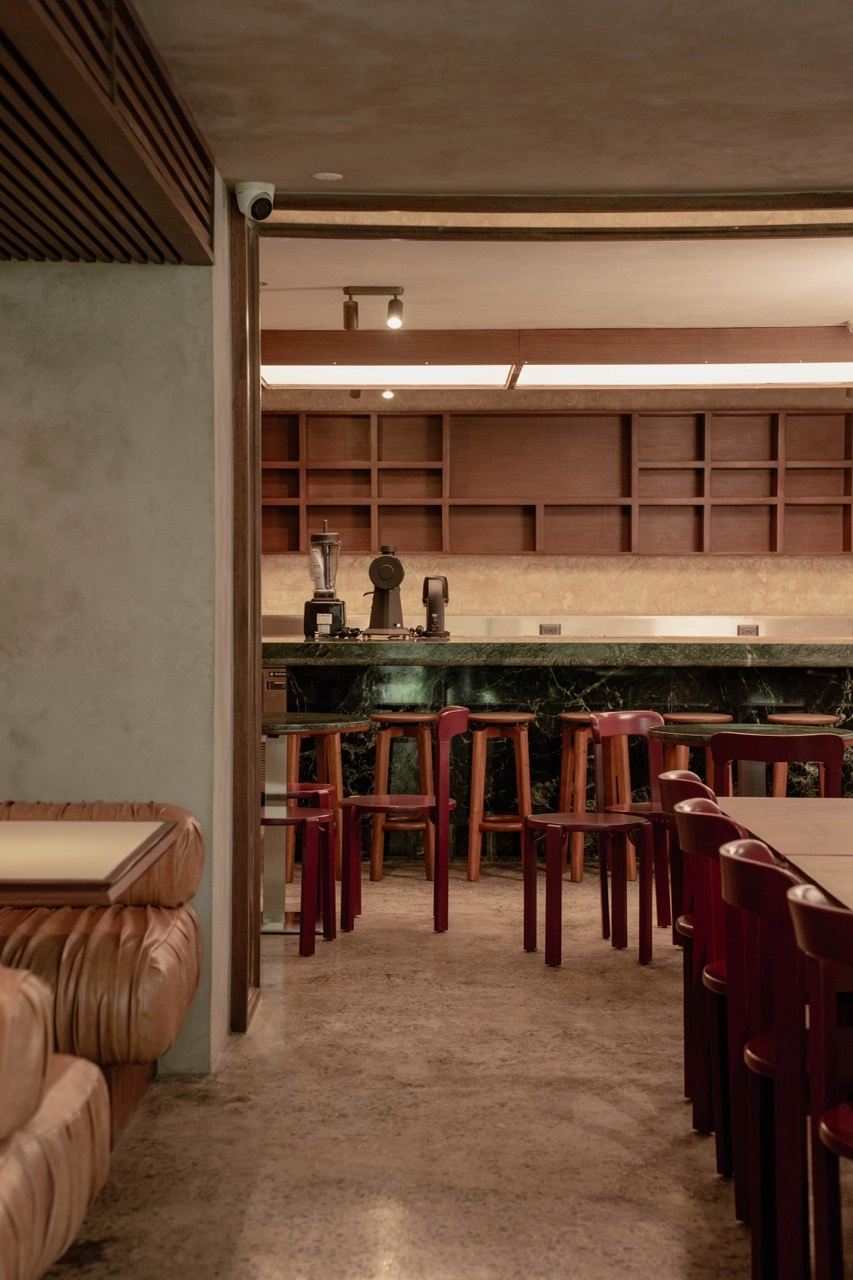
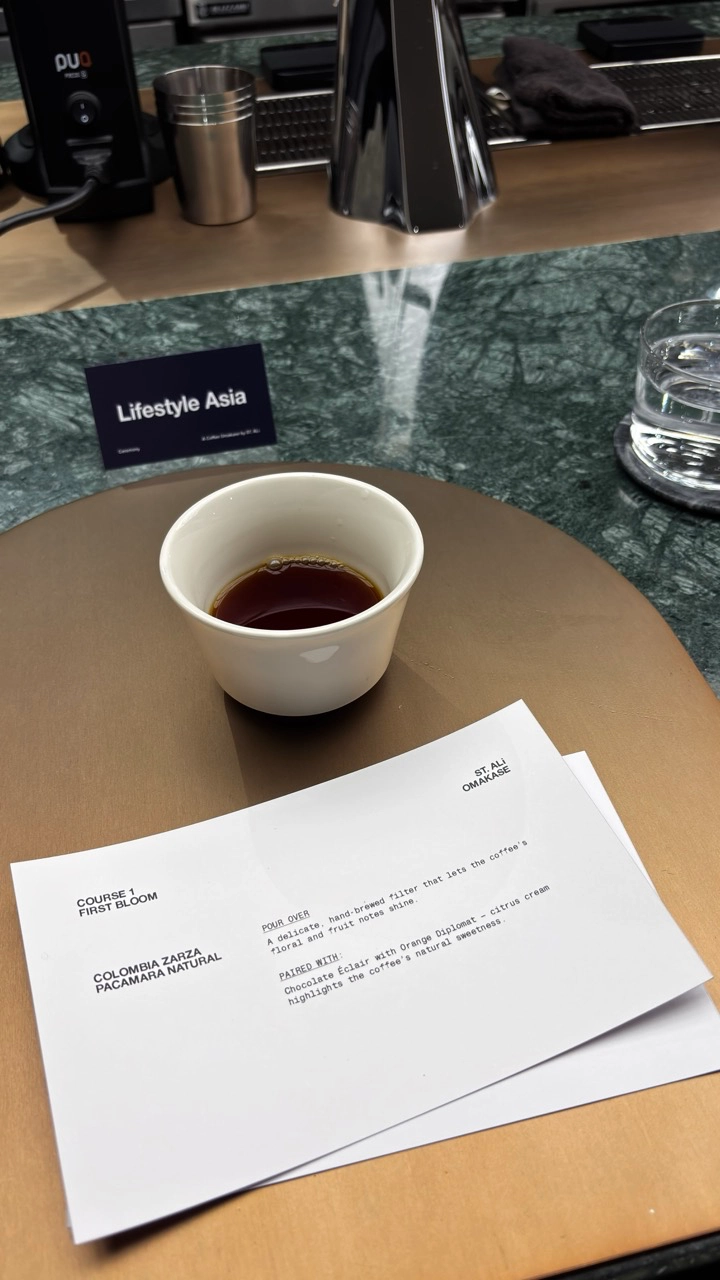
It shares a similar DNA with the chef’s table and an omakase. In fact, ST. ALi’s “coffee omakase” experience in its BGC branch is, while not explicitly labeled as such, a form of “slow bar” in the ways baristas curate, discuss, and brew its changing selection of drinks for customers to enjoy in different ways. Other coffee shops in Manila that have fully embraced the concept include Nogi Slow Bar Kofi and Halcyon Slow Bar.
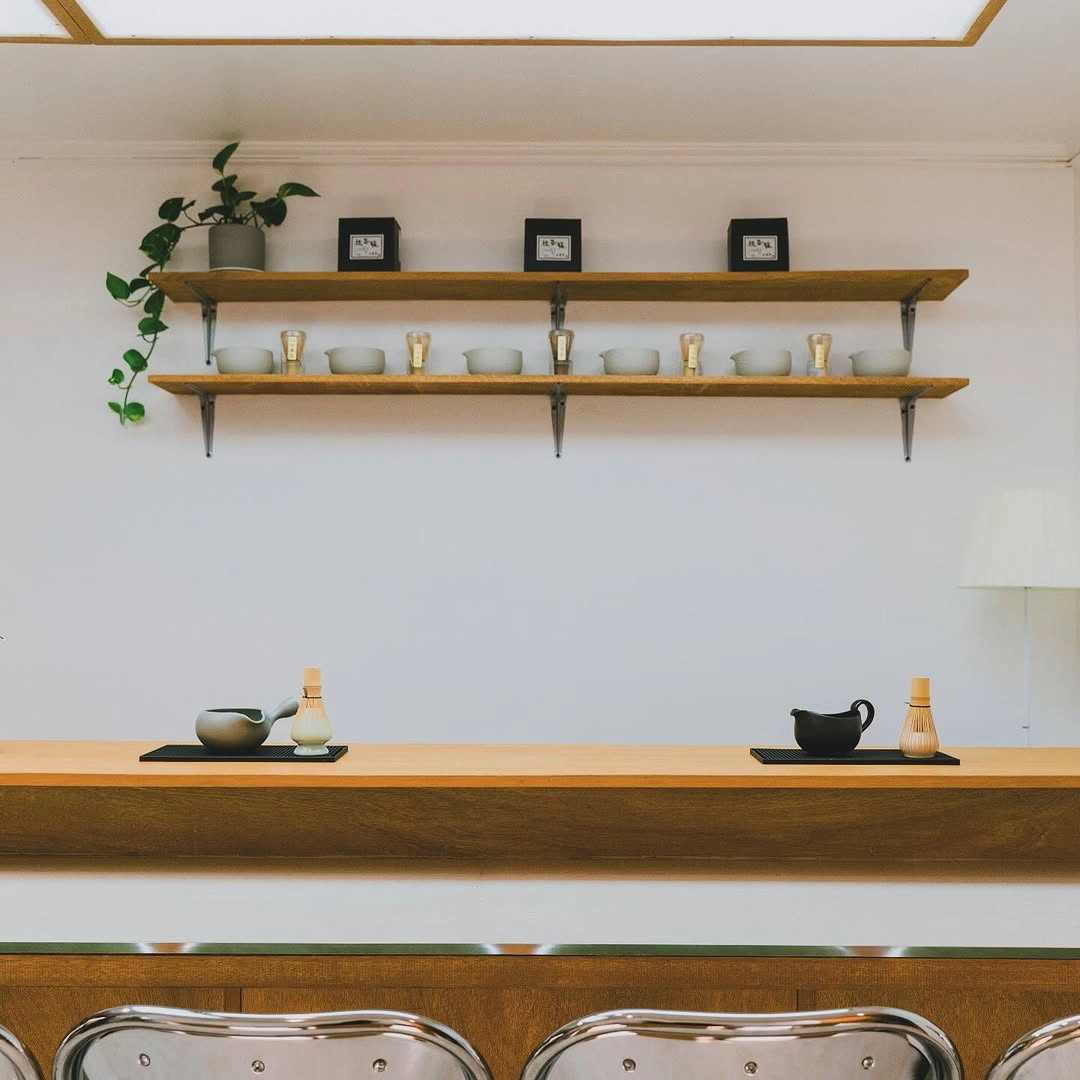
While the “slow bar” is often associated with coffee shops, the concept also applies to tea shops or other beverage establishments that prioritize the ritual of preparation. Think of the pace and precision of a traditional tea ceremony; this mindfulness is inherent in the art of tea making, even the process of brewing the modern matcha latte. The famously cozy Matcha Later in Poblacion lives by this ethos, a small but passionate team carefully creating drinks right in front of each customer.
In the context of coffee, baristas typically favor pour-over or siphon (vacuum pot) methods, which create an almost meditative spectacle, from grinding the beans to pouring hot water. That said, even more automated methods like using an espresso machine can still be part of the slow bar experience, distinguished by the deliberate, thoughtful ways one approaches them.
In a slow bar, baristas might have customers smell beans or tea leaves, discuss their origins and characteristics, and invite questions as they move about. It’s a space where both brewer and drinker participate in the act of savoring: sitting a little longer than we’re accustomed to on an average day, watching someone craft a drink without rushing, skipping steps, or cutting corners.
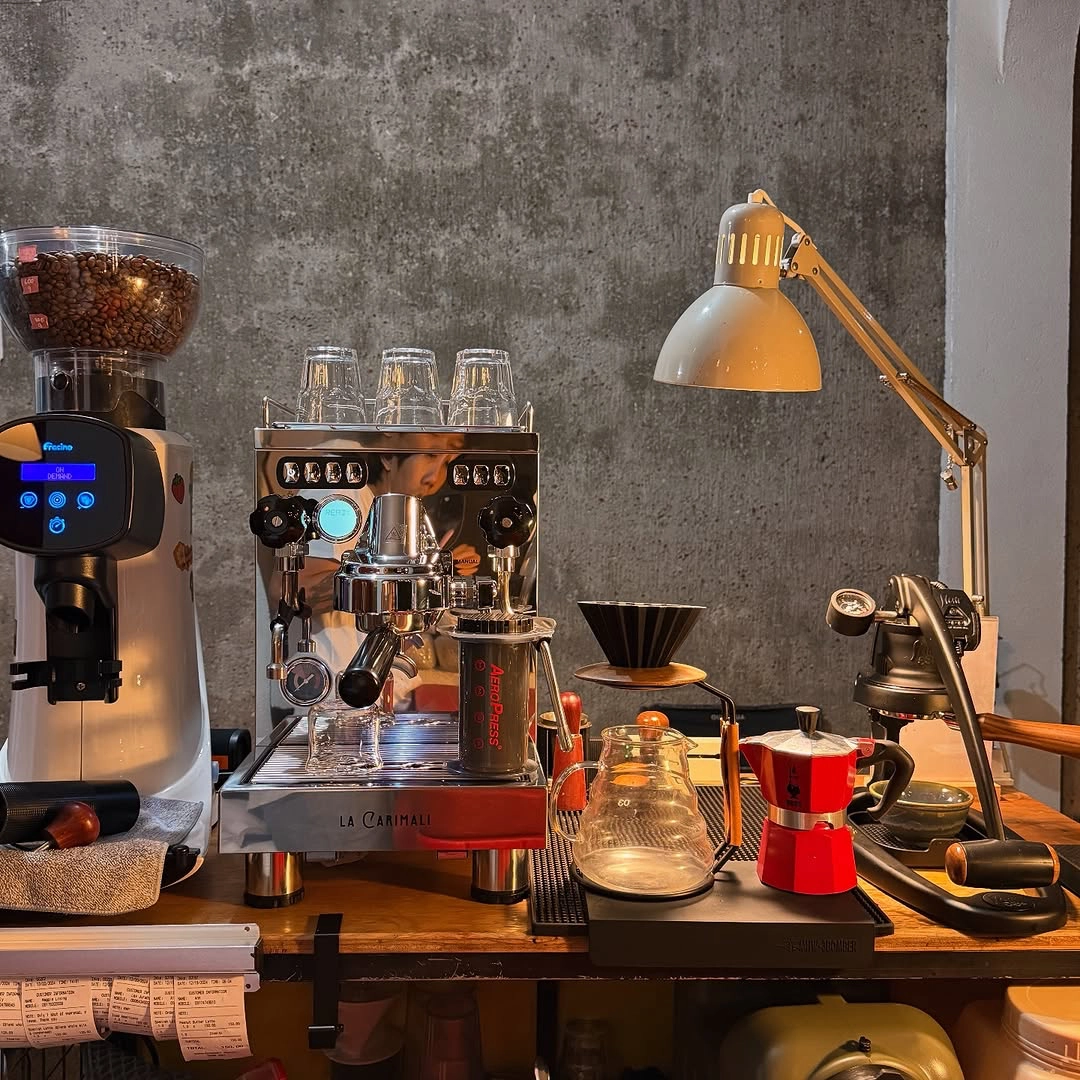
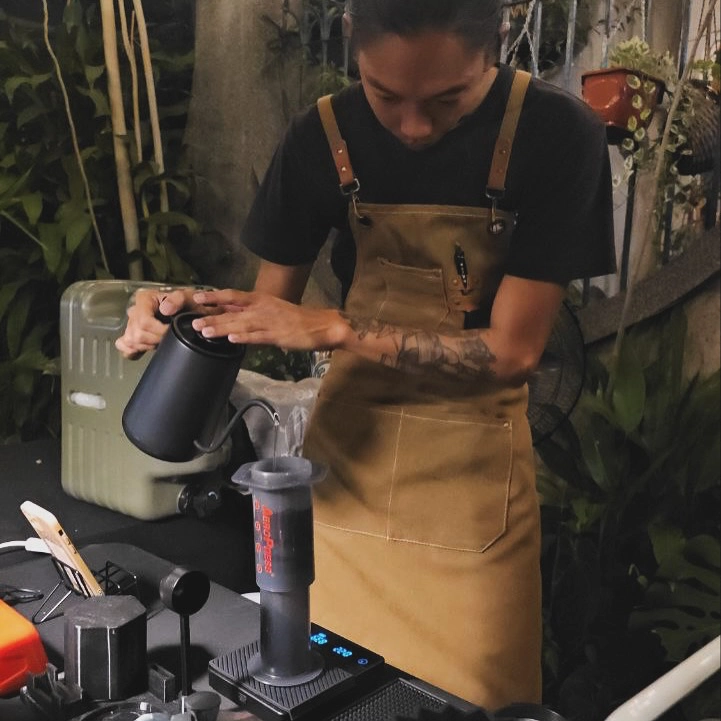
It’s not about how quickly you can get caffeine into your system, but rather, the flavor notes you notice, how temperature and brewing method influence a drink’s profile, and why certain tools are used. In essence, it’s the little things we might take for granted or never really think about when we get our average cup of joe or tea, that actually make a difference.
Returning To Life Before The Fast Food-ification Of Everything
As mentioned, slow bars can use the espresso machine with preparation that applies a whole new level of care and intentionality. Yet it’s worth noting that the humble, beautiful espresso was one of the early catalysts of the “fast” coffee—and by extension, beverage—movement. It’s all in the name: to not only extract, but also get an “express” ticket to caffeine-ville (the Italian word for express trains being “treno espresso”). The Italians then brought this marvelously efficient invention to America, the birthplace of Starbucks, and the rest is history.
This isn’t to say that espresso from Starbucks isn’t as good as a pour-over someone spent extra time making or talking about. On some days, “straight to the point” is exactly what we need. But on other days, there’s a craving for connection, the kind of warmth and calming comfort you feel seeing someone take extra time brewing your drink, because they don’t want it done as soon as possible, they want it done the best and fullest it can be. They want to show you something more, layers that transform the ordinary into something personal, like mom or grandma slicing fruit into symmetrical pieces, trimming the edges off your toast, or making soup broth from scratch, and you’re watching all the while, transfixed and touched in equal measure. Not necessarily convenient or swift, but the acts speak for themselves. It’s life before the fast-food-ification of everything.
Simply put, the slow bar is a space that echoes a familiar yet steadfast truth: good things take time, and the way they enter our lives matters just as much as the things themselves.
FREQUENTLY ASKED QUESTIONS
A slow bar is a café or beverage space that prioritizes deliberate, meticulous drink preparation. It emphasizes manual brewing methods, mindful interactions between barista and customer, and the experience of savoring a drink rather than rushing to consume it.
Unlike fast-service cafés, slow bars focus on the ritual and process of preparation. Baristas may grind beans, use pour-over or siphon methods, and guide customers through the origins and flavors of their drinks. It’s less about speed and more about intentionality, flavor, and connection.
Yes. Even espresso machines can be part of the slow bar experience when used thoughtfully, with care, attention to detail, and an emphasis on preparing and savoring the drink rather than simply delivering caffeine quickly.
Manila has embraced the slow bar concept in coffee and tea shops such as ST. ALi’s coffee omakase in BGC, Nogi Slow Bar Kofi, Halcyon Slow Bar, and Matcha Later in Poblacion, where baristas craft drinks slowly while engaging customers in the process.
The movement expands as consumers seek authentic sensory connections over fast-food convenience. It allows individuals to slow down, explore flavor nuances, and value traditional culinary craftsmanship over automation.