Loved Netflix’s People We Meet on Vacation? With more Emily Henry adaptations on the way, now’s the perfect time to dive into the writer’s lineup of feel-good romances.
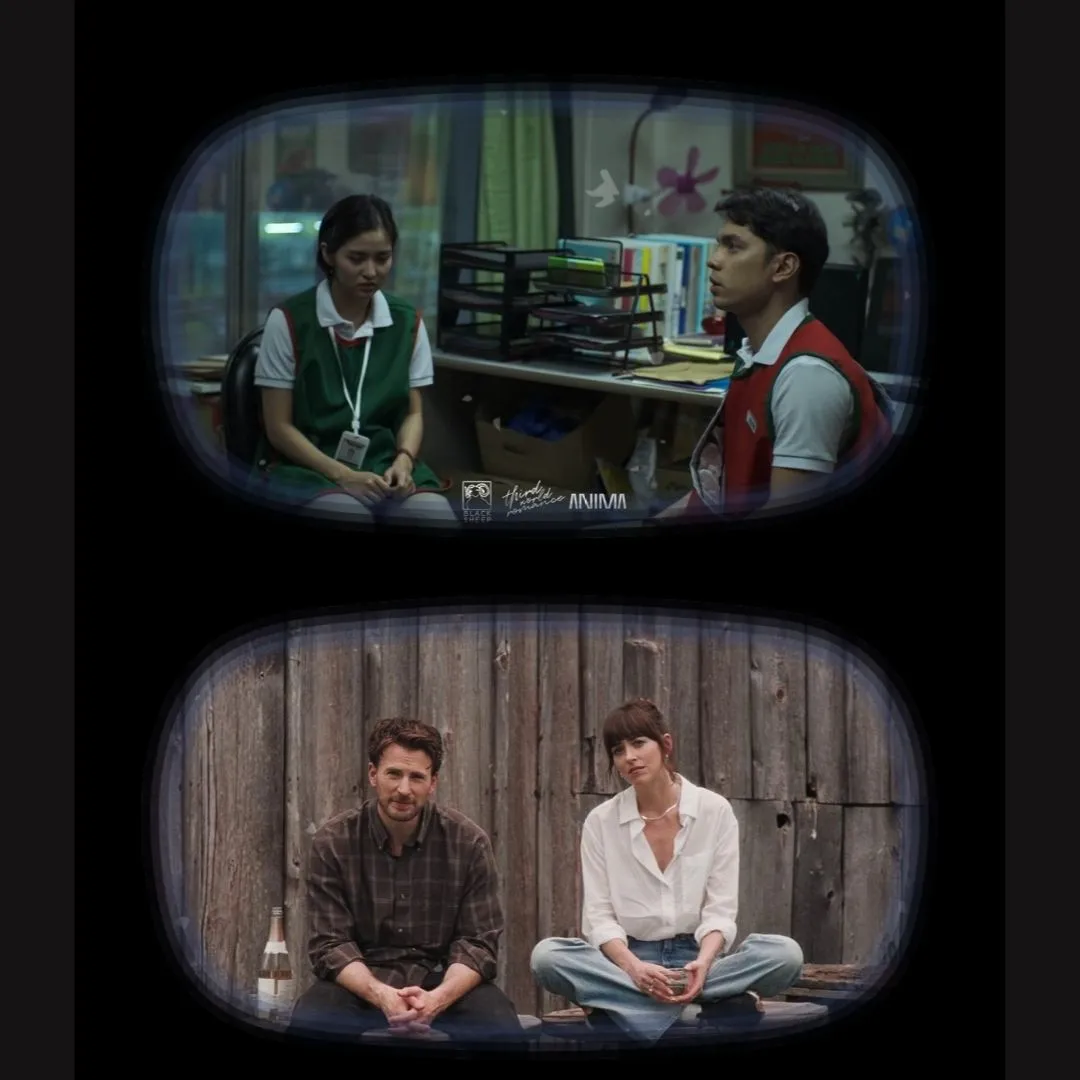
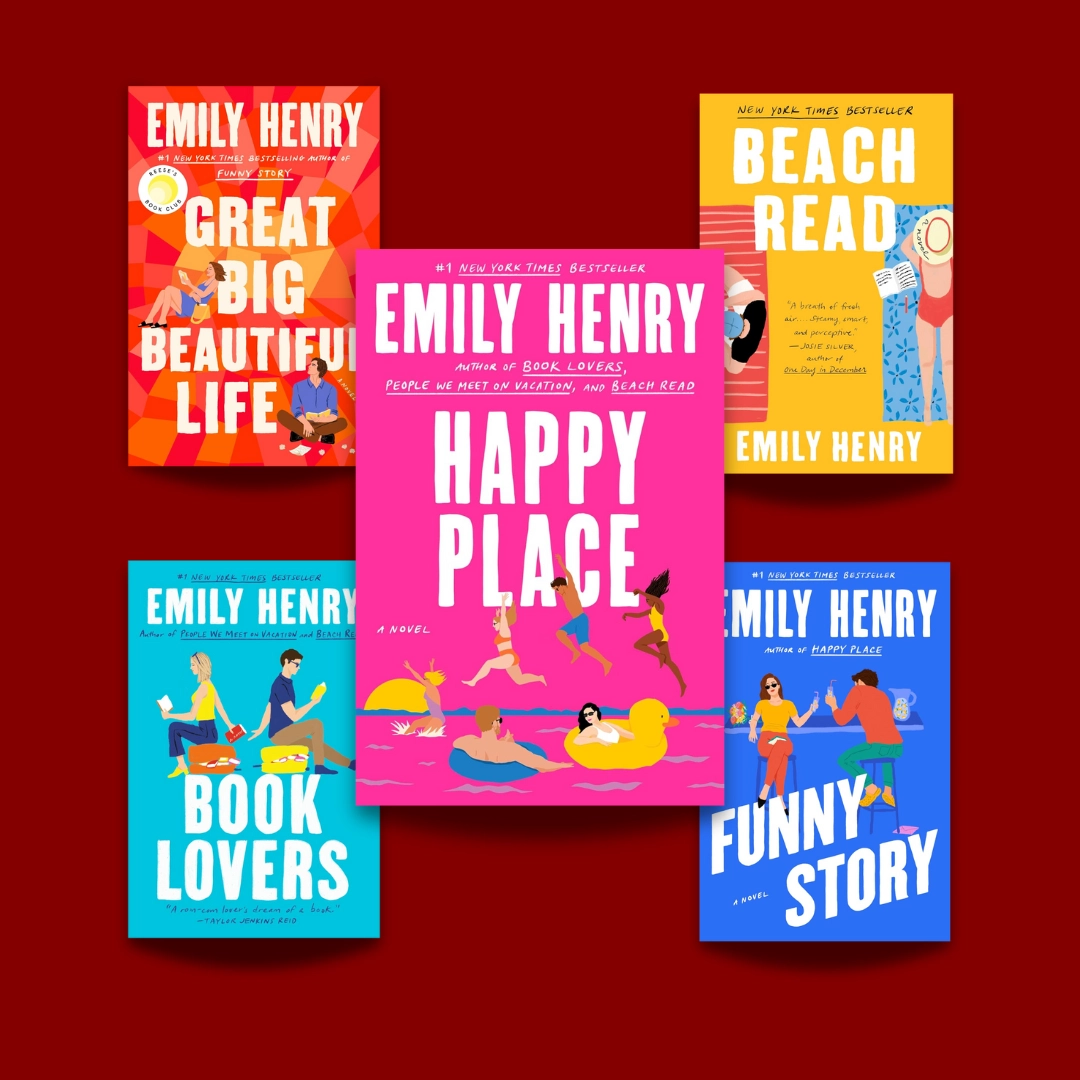
Valentine’s Day is just around the corner, and, oh so fittingly, Netflix recently released its much-anticipated adaptation of People We Meet on Vacation—one of the many best-selling hits by writer (and queen of modern romance) Emily Henry. Safe to say, the film is a hit in the Philippines, having remained in the streaming platform’s “Top Movies” since its release, and sparking online conversations about the long-awaited return of happy, sappy romcoms with substance, reminiscent of the golden days of Nora Ephron (though it wouldn’t be fair to compare the two). There’s more to come, too, with Happy Place, Beach Read, Book Lovers, and Funny Story all slated to receive their own adaptations.
And yes, dear reader, I have indeed devoured a good number of Henry’s books and would confidently call myself quite the fan, so you know what’s coming: a personal list of the author’s must-reads for anyone looking to dive deeper into her delightful oeuvre.
READ ALSO: What Watching Every Steven Spielberg Film Taught Me About Life
But First, Why Read Emily Henry?
To discuss the brilliance of Henry would require an entirely separate feature. The romance genre itself is so often dismissed or ridiculed for not being “serious” literature—a notion rooted in misogyny, with the umbrella term “chick lit” standing as proof (again, a discussion for another day).
As with any popular romance writer, opinions on her can be divisive; that’s fair enough, we’re all entitled to our opinions, and even devoted readers have their gripes. But what I can say, as someone firmly in the latter camp, is that Henry simply knows how to write about love. She captures it in all its messy, complicated glory: the unbridled joy and delightfully cliché yet timeless tropes, the ridiculous coincidences and scenarios, the sexy moments and awkward missteps, and everything in between.
Her characters aren’t perfect, but for the most part (I’m glossing over specific flaws in certain books), they feel real. Their problems aren’t secondary to their relationships, and even the characters that verge on stereotypically quirky are genuinely endearing. What really draws me in is her deep understanding of human connection. How real chemistry only happens between distinct individuals with their own dreams, fears, baggage, worldviews, and desires, all of which clash and coalesce into the symphony that is the beautiful honor and adventure of being part of someone’s life. The cherry on top, often overlooked yet essential in an era dominated by tragedies and dramas, is the happy ending: earned, unabashedly comforting, and utterly satisfying.
Where To Start
I won’t be ranking the novels, since what makes a good romance is entirely subjective. I will, however, recommend them in a way that highlights their specific tropes and vibes, so you can pick them up depending on exactly what you’re craving. I’ve also divided them into two categories, because Henry seems to be particularly fond of two things: the world of publishing and pretending-we’re-together-and-whoops-we-caught-feelings scenarios. Totally not complaining, though.
For The 2000s “Publishing Era” Rom-Com Lovers
The title alone says it all, these are for the readers who’ve watched films like How to Lose A Guy in 10 Days, Bridget Jones’ Diary, 13 Going on 30, Confessions of a Shopaholic, and You’ve Got Mail a sickening amount of times.
Book Lovers
It has the most Hallmark-movie setup of all of Henry’s books, but it’s the cheesy, slice-of-life kind of sweet you might need on a day when you don’t want to think too hard about complex scenarios.
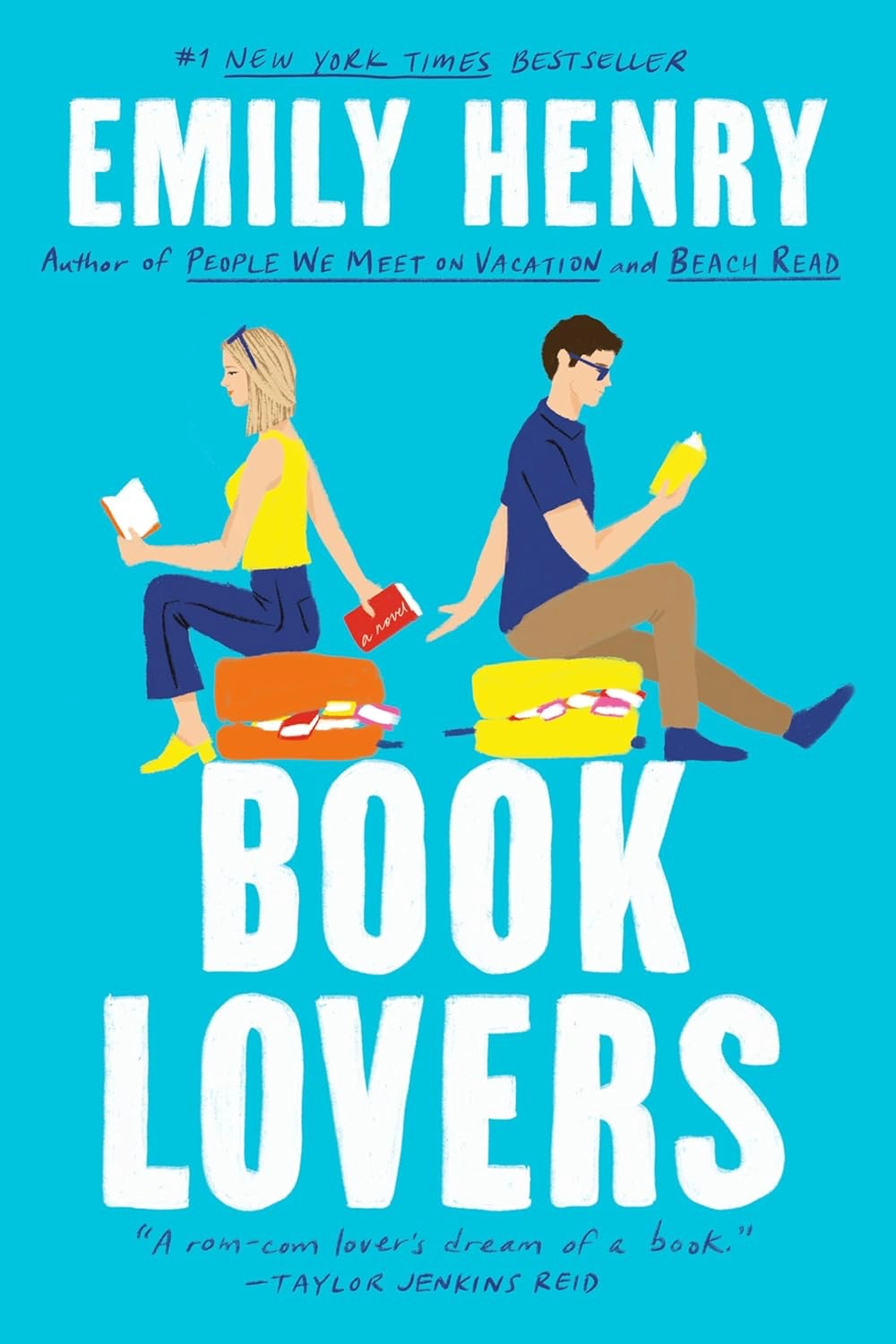
A workaholic, cutthroat New York literary agent named Nora (named after the great Ephron) visits her sister in a small North Carolina town, reluctantly forced to take a “vacation.” The worst part? She soon discovers that her professional rival, book editor Charlie Lastra, also happens to be staying in the area for his own reason. Will they drive each other crazy and out of town, or will the extended time they have together actually get them to learn more about each other and fall in love in the process?
Read if you like these tropes: workplace rivals-to-lovers, small-town romance, charged chemistry
Beach Read
This is the book that shot Henry to fame on Booktok and the bestsellers list, a showcase of the undeniably human pull of her storytelling. On the surface, it’s a sunny, seaside romance—but beneath that breezy setup is one of the writer’s most emotionally layered stories, perfect for readers who like their romcoms with a side of introspection. It’s funny, tender, and devastating in places without ever losing its warmth.
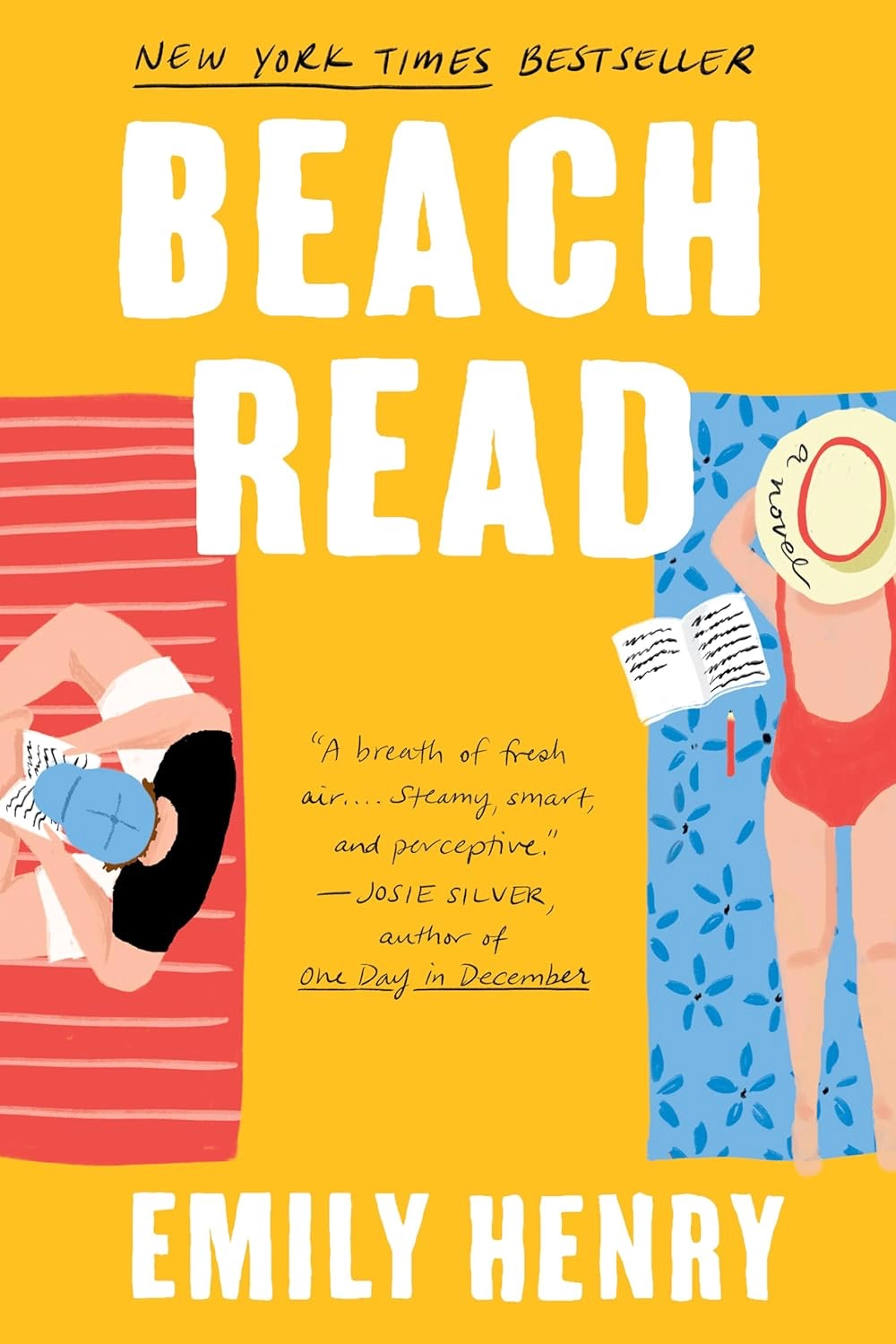
January Andrews is a romance novelist grappling with writer’s block and grief, spending the summer in a Michigan beach town she never planned to return to. Enter Augustus Everett: her college rival, literary darling, and inconveniently handsome next-door neighbor who writes brooding, “serious” fiction. When the two agree to swap genres for the summer, what begins as a professional challenge soon turns into something far more personal.
Read if you like these tropes: enemies-to-lovers, forced collaboration, grumpy/sunshine dynamics
Great Big Beautiful Life
This one leans into both romance and storytelling intrigue, balancing its love story with narratives on family and legacy to create a work that feels more subdued than some of Henry’s other pieces, but nevertheless moving. Those who enjoyed the structure and premise of Taylor Jenkins Reid’s The Seven Husbands of Evelyn Hugo will find that this book possesses a similar spirit.
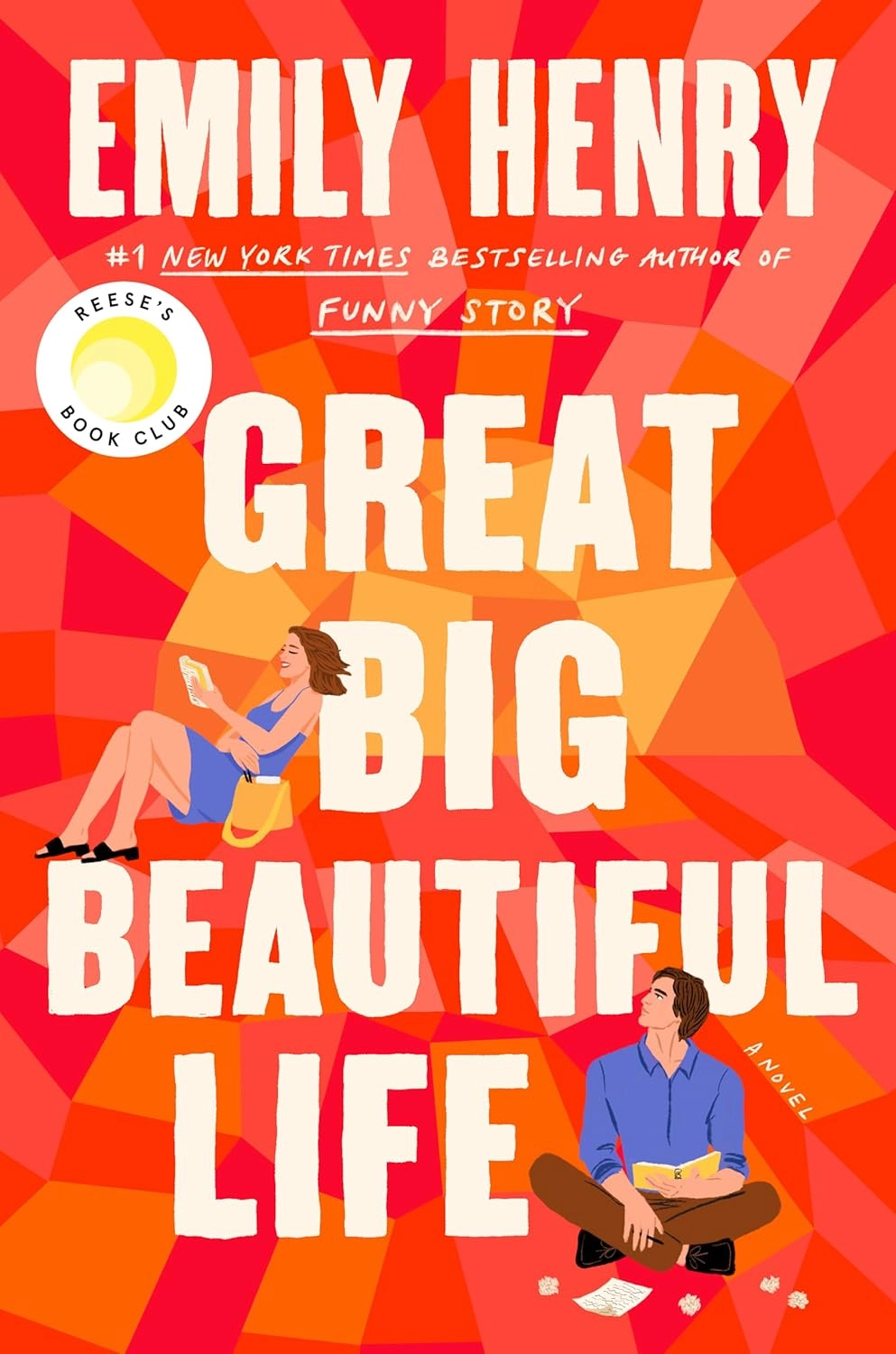
Alice Scott, a bright and earnest journalist, heads to the seaside town of Little Crescent, Georgia for a shot at writing the biography of the famous, reclusive heiress Margaret Ives. But she’s not the only one in the running: Pulitzer Prize–winning biographer Hayden Anderson is too. The heiress decides to set-up a competition where best pitch wins, heating up a rivalry as both writers dig into Margaret’s past. But of course, all throughout this process, Alice and Hayden find themselves falling for each other in the middle of uncovering a life far more complicated and beautiful than they ever expected.
Read if you like these tropes: rivals‑to‑lovers, slowburn romance, dual timelines/mystery elements
For The “Fake Dating” Fans
What if we pretended to like each other until we’re no longer pretending?
Funny Story
There’s nothing worse than being cheated on, but here’s a funny story (pun intended): a librarian named Daphne ends up moving in with Ben, the partner of the woman her ex left her for. What starts as awkward cohabitation and fake dating quickly turns into something more, which makes complete sense. Who else could truly understand your pain other than fellow collateral damage?
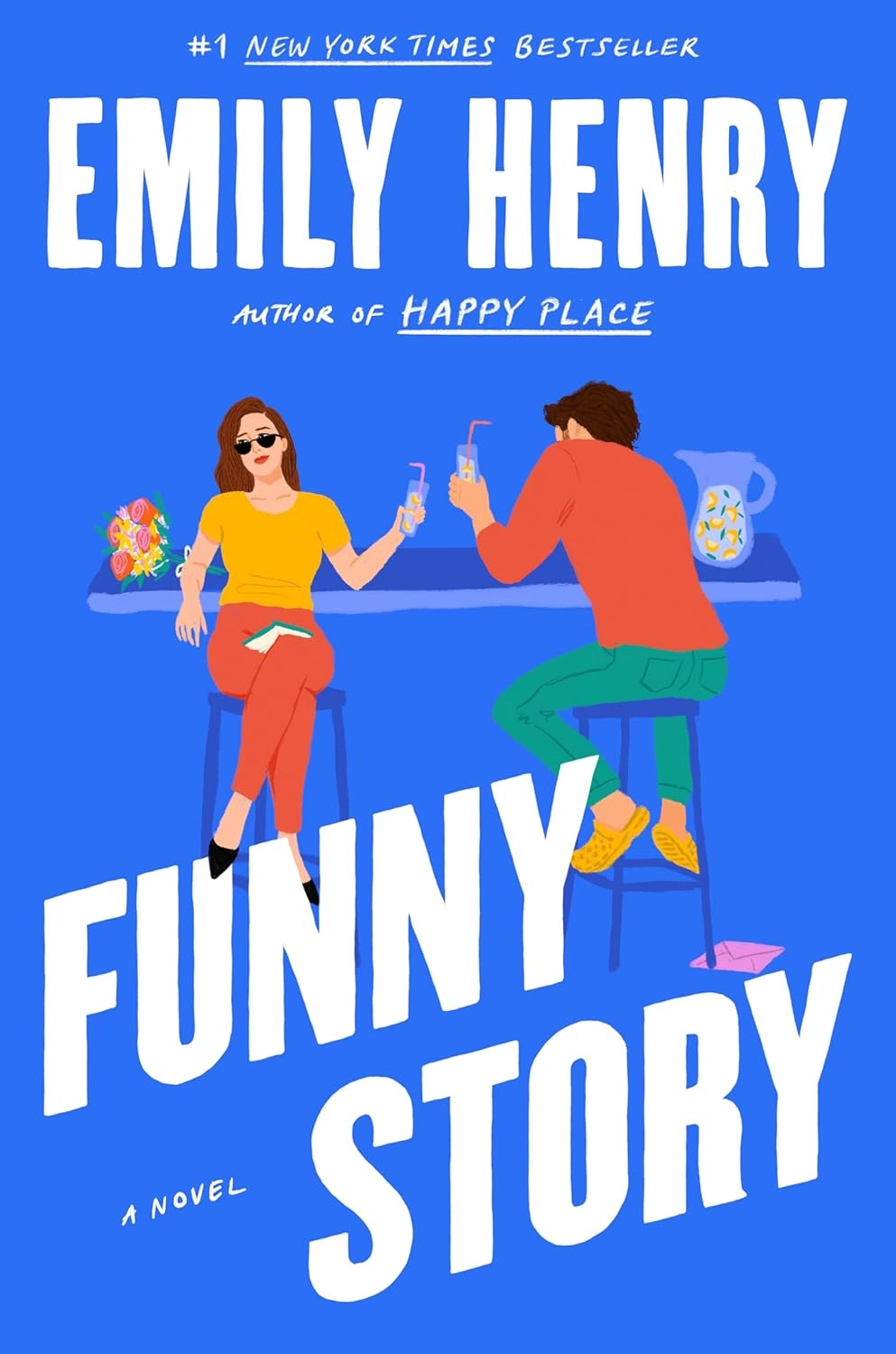
For readers who want a romance that’s equal parts snarky, irreverent, and sweet, but still carries Henry’s emotional depth (out of all the books, I think this one really captures the idea of choosing to love someone in all their imperfect glory beautifully), Funny Story is a must-read.
Read if you like these tropes: reluctant roommates to friends to lovers, polar opposites attract, awkward (oftentimes hilarious) cohabitation scenarios, fake dating, witty banter
Happy Place
There’s something incredibly poignant about love that wasn’t quite ready to end, and Happy Place takes the time to explore that compelling premise: two people who already experienced their happily ever after, lost it, and now find themselves having to relive it.
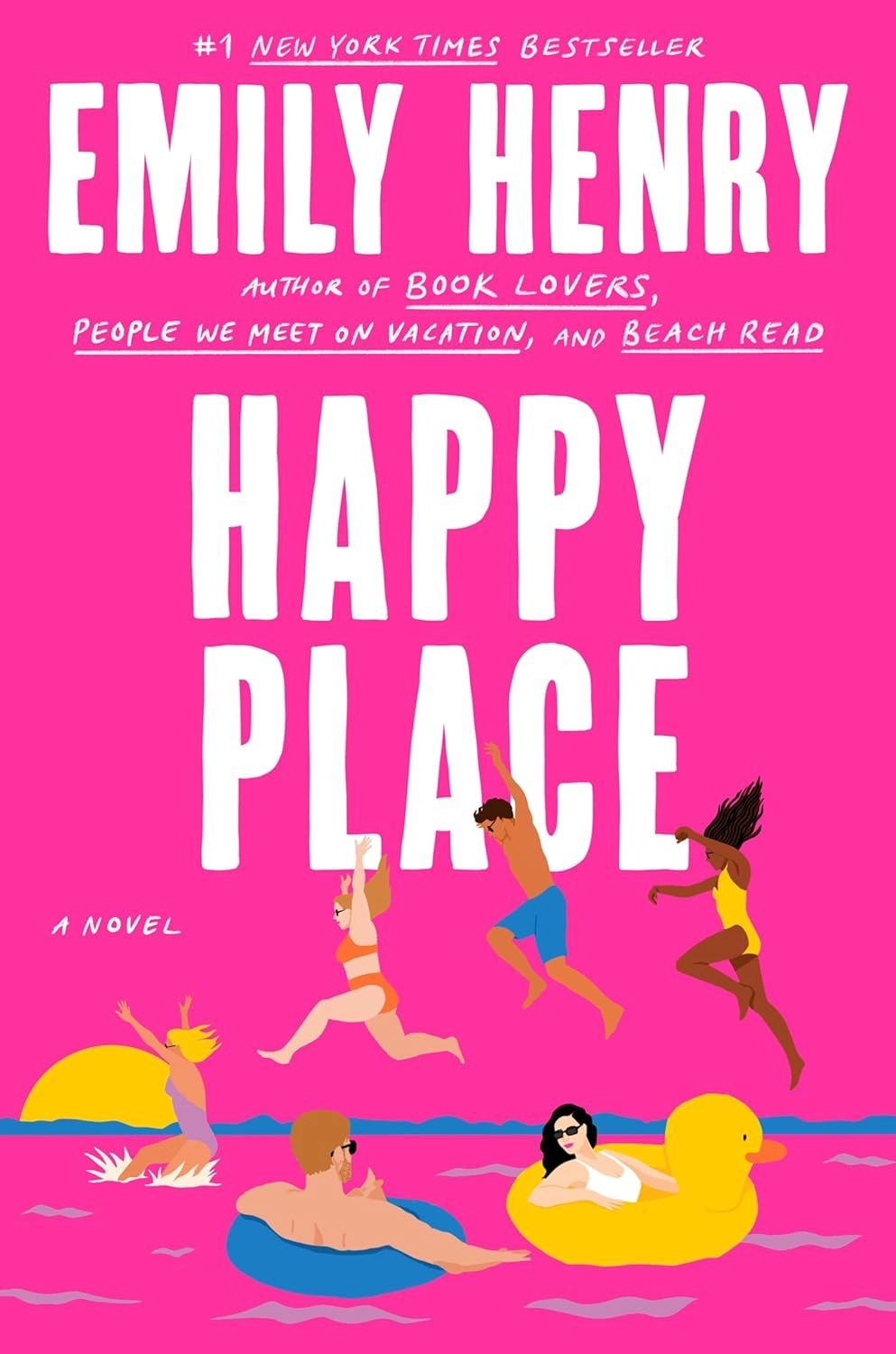
Harriet Kilpatrick and her ex‑fiancé Wyn Connor have broken up, but their friends don’t know that. When their annual weeklong getaway to the Maine cottage they all call their “happy place” rolls around (and the house is up for sale), they decide to pretend they’re still together for the sake of their tight‑knit friend group. Sharing a bedroom and plenty of history, the façade quickly becomes an emotional reckoning as old feelings resurface and both protagonists must decide what happiness really means.
Read if you like these tropes: second‑chance romance, domesticity via forced proximity, fake dating (exes pretending to be a couple)
Book covers country of Penguin Random House
Frequently Asked Questions
For readers new to Emily Henry, Beach Read is widely considered the entry point — it is the book that established her on bestseller lists and BookTok, combining an enemies-to-lovers setup with emotional depth and humor. Book Lovers offers a lighter, more straightforwardly fun alternative for those who prefer a Hallmark-adjacent premise before moving to Henry’s more layered work.
Netflix has released an adaptation of People We Meet on Vacation, which has remained in the platform’s Top Movies since release. Additional adaptations in development include Happy Place, Beach Read, Book Lovers, and Funny Story — all based on Emily Henry’s bestselling romance novels.
Emily Henry’s novels frequently explore rivals-to-lovers and enemies-to-lovers dynamics, fake dating, forced proximity, second-chance romance, and slow-burn tension. She also returns repeatedly to the world of publishing — several of her protagonists are writers, editors, or literary agents — and to situations where pretending to be a couple leads to genuine feelings.
Beach Read pairs a romance novelist and a literary fiction writer in an enemies-to-lovers setup with emotional weight around grief and creative identity. Book Lovers is lighter in tone, following a New York literary agent and a book editor who keep crossing paths in a small North Carolina town — closer to a classic romcom setup with less emotional heaviness than Beach Read.
Great Big Beautiful Life shares structural and thematic similarities with Taylor Jenkins Reid’s The Seven Husbands of Evelyn Hugo — both center on a journalist or writer uncovering the story of a reclusive, storied woman, with dual timelines and a layered family legacy forming the backdrop for the central romance. Henry’s novel adds a rivals-to-lovers dynamic between the two writers competing for the biography commission.