Tarot cards have long been wrapped in mystery; are they tools of prophecy or something far more grounded?
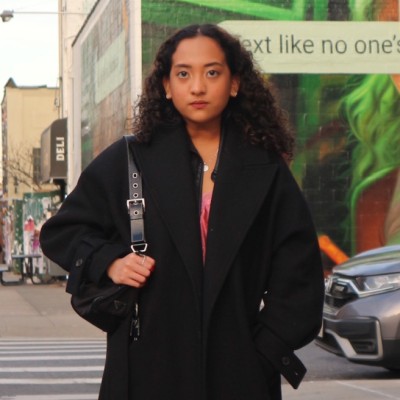
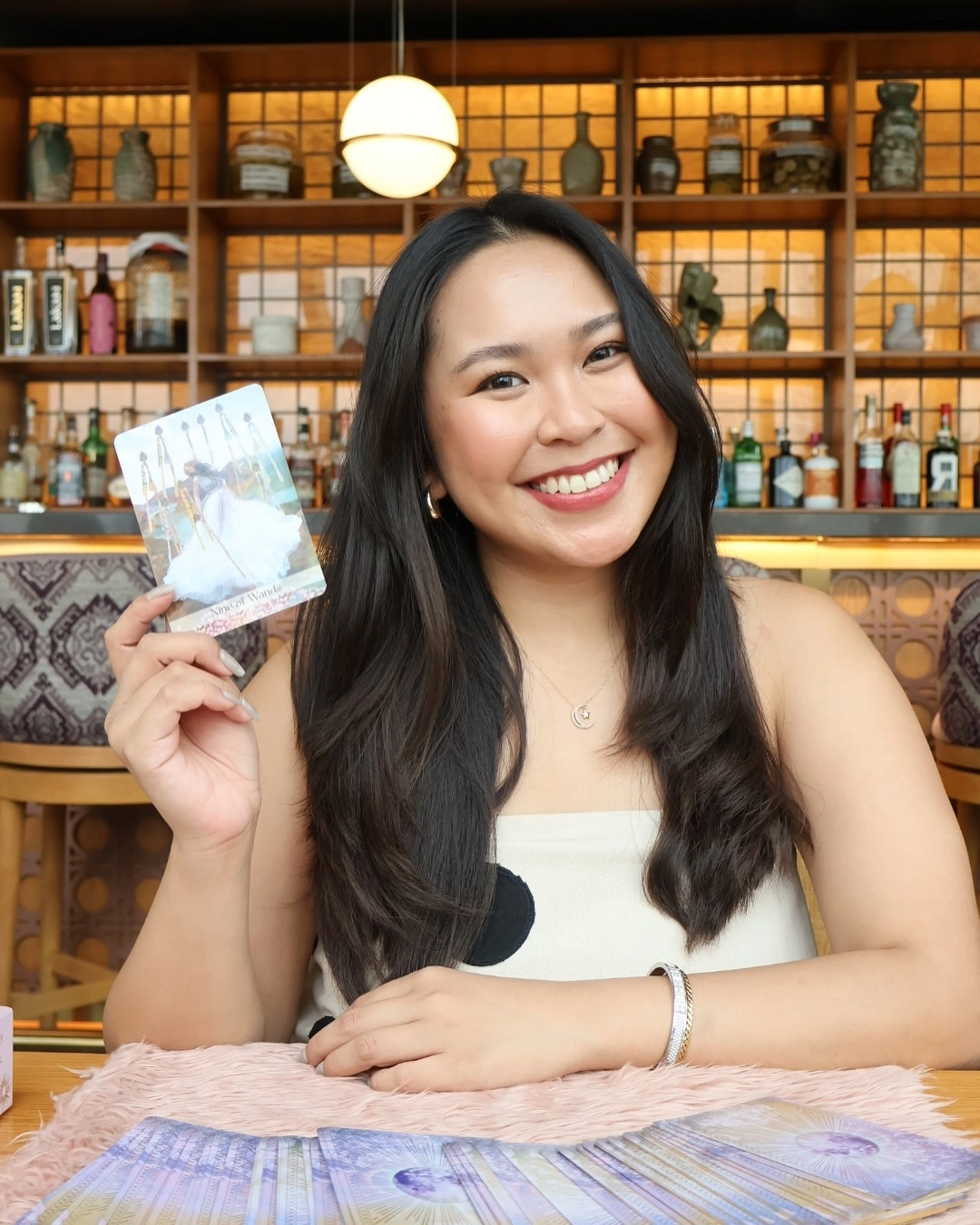
To unpack what tarot actually is (and isn’t), Lifestyle Asia speaks with Yvonne Ricaro, a lawyer by profession and a tarot reader by practice. Since the pandemic, she has been reading tarot cards for clients across the Philippines and around the world. Using her experience as a guide, we explore tarot’s role as a reflective tool and its growing relevance in contemporary life.
READ MORE: The Hidden Forces Keeping You Stuck: The Mind-Body Connection
What Is Tarot, Really?
At its core, tarot is not about fortune-telling, at least not in the way pop cultureCultureshared traditions, beliefs, values, customs, arts, and social practices that define the identity and way of life of a community, society, or nation.Go to Culture Glossary often portrays it.
According to Ricaro, tarot is best understood as a tool for guidance and reflection. Rather than predicting fixed outcomes, it reflects a person’s current, past, and possible future energies. Tarot acts like “a mirror to the soul,” helping people see and articulate insights they already carry within themselves.
Importantly, tarot readings are open-ended. They do not remove free will or decision-making from the querent (the person receiving the reading). Instead of asking when something will happen, tarot explores the what, how, and why.
The Structure Of A Tarot Deck: Major And Minor Arcana
A traditional tarot deck is made up of 78 cards, divided into two main parts: the Major Arcana and the Minor Arcana. Together, they form a symbolic system used for reflection rather than fixed prediction.
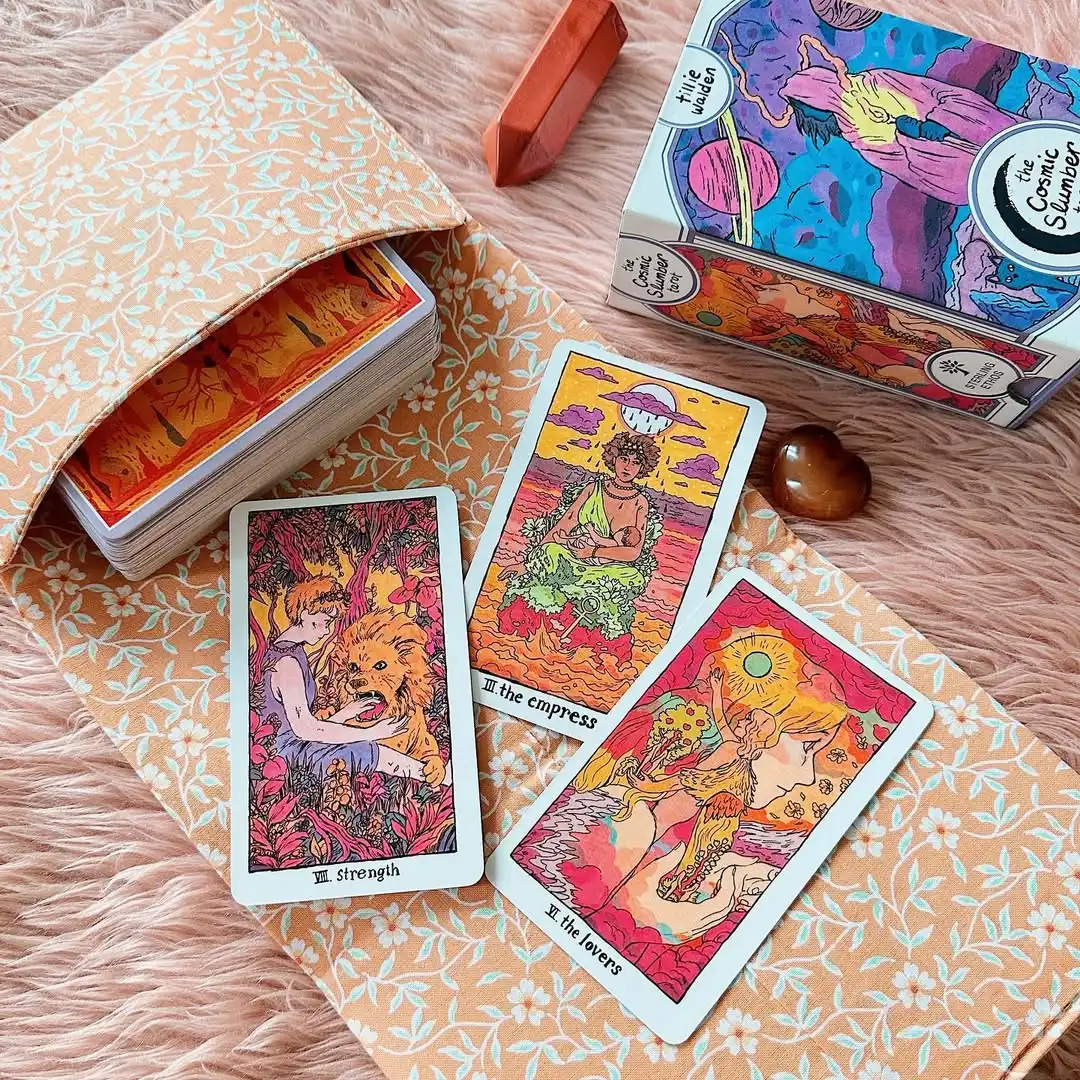
The 22 cards of the Major Arcana represent major life lessons, transitions, and archetypal experiences. Cards like The Fool, The Lovers, Death, and The Sun point to larger emotional or spiritual shifts—beginnings, choices, endings, or moments of clarity—often signaling situations with long-term significance.
The remaining 56 cards make up the Minor Arcana, which focuses on day-to-day experiences and practical concerns. Divided into four suits-Cups, Wands, Swords, and Pentacles-these cards reflect emotions, actions, thoughts, and material matters.
Are Tarot Cards Evil Or Dangerous?
One of the most persistent misconceptions surrounding tarot (especially in conservative or religious communities) is that it’s inherently evil or associated with dark forces.
However, tarot can be reframed as a neutral tool. Like any tool, its impact depends on how it’s used. When practiced with the intention of self-reflection, empowerment, and healing, tarot becomes a supportive practice rather than something harmful.
Does Tarot Conflict With Religion?
Despite being a practicing Catholic, Ricaro does not see tarot as contradictory to her faith. For her, tarot is a form of introspection, similar to journaling, meditation, or prayer.
While she acknowledges that others may interpret religious teachings differently, she emphasizes that tarot, as she practices it, does not claim divine authority or override spiritual beliefs. More than anything, she views it as self-care. “You purify your own energy, you reflect on your shadow work, you reflect on your own mistakes, and you even reflect on your own dreams,” she resonates.
Why Tarot Appeals To Younger Generations
Tarot’s popularity has surged among millennials and Gen Z, particularly during times of uncertainty like the COVID-19 pandemic. This rise reflects a deeper collective search for meaning, hope, and self-understanding. The cards meet this need by encouraging introspection and emotional honesty.
“When you seek for tarot, you seek to understand yourself. And I think this growing movement is so beautiful, because it means collectively, we all want to be better people,” Ricaro comments.
Do You Have To Be “Intuitive” Or Possess Some “Magical Ability” To Read Tarot Cards?
While some people seem naturally intuitive, Ricaro believes intuition is a muscle anyone can develop.
Intuition starts with small, everyday choices like what to wear or which option feels right, and strengthens with practice. Over time, trusting these instincts becomes easier and more natural.
Interestingly, the most important skill for tarot reading isn’t intuition alone, but openness. Readers must be willing to receive meanings that challenge expectations and reconcile traditional interpretations with personal insight.
Tarot is not about surrendering your future to fate, but learning how to own your inner voice. Its appeal lies in its ability to help people understand themselves a little better and move forward with intention.
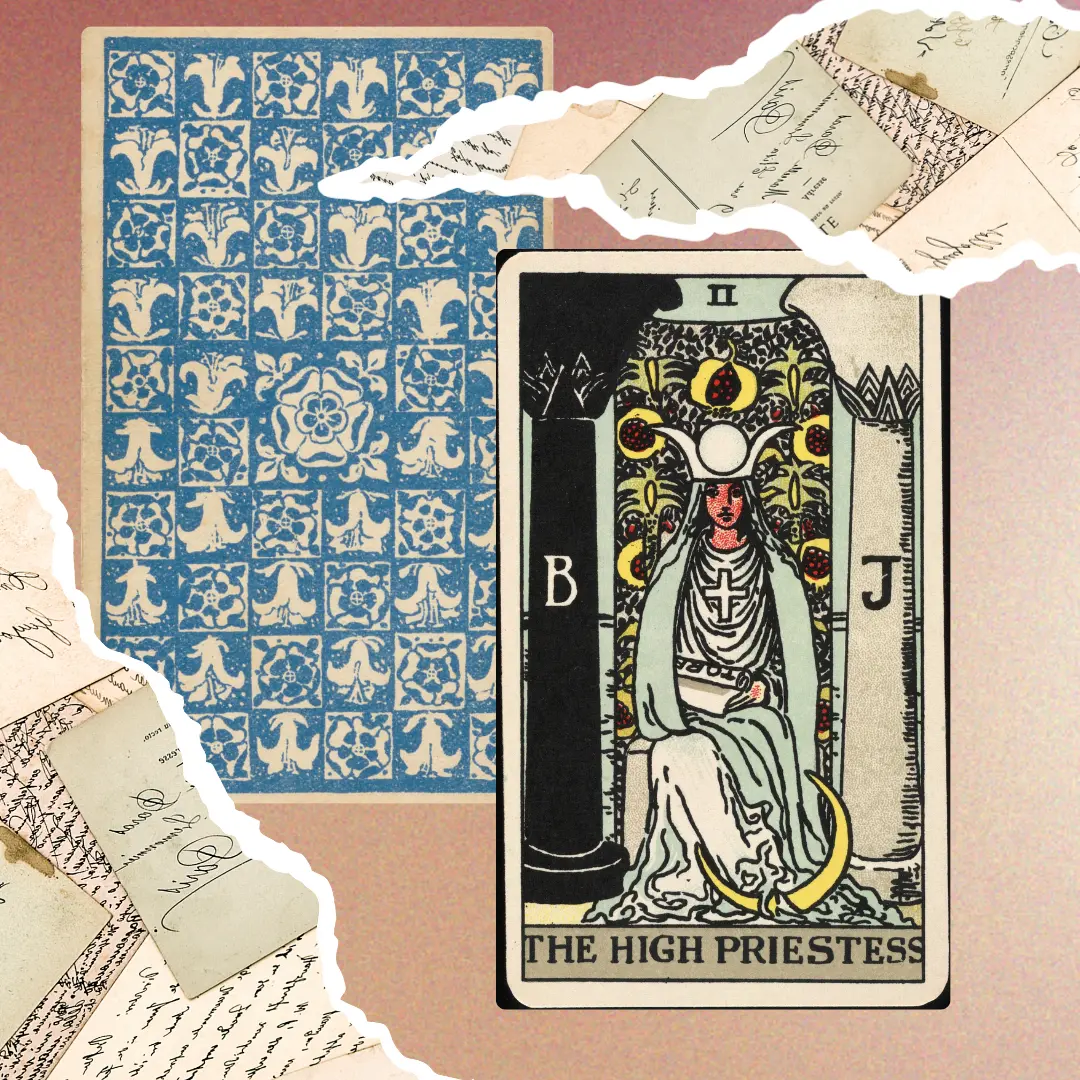
Banner image features the original back design and the High Priestess card from the Waite-Smith tarot deck, created by A.E. Waite and illustrated by Pamela Colman Smith, first published in 1909, courtesy of Wikimedia Commons
Frequently Asked Questions
Tarot is a 78-card symbolic system used as a tool for guidance and reflection rather than fixed prediction. According to tarot reader Yvonne Ricaro, the cards function as a mirror — reflecting a person’s current, past, and possible future energies to help surface insights they already carry. Readings are open-ended and do not remove the querent’s free will or decision-making.
A traditional tarot deck is divided into the Major Arcana (22 cards) and the Minor Arcana (56 cards). The Major Arcana represents significant life lessons, transitions, and archetypal experiences — including cards like The Fool, The Lovers, and Death. The Minor Arcana is divided into four suits — Cups, Wands, Swords, and Pentacles — and addresses everyday emotions, actions, thoughts, and material concerns.
Tarot reader Yvonne Ricaro frames tarot as a neutral tool whose impact depends entirely on how it is used. When practiced with the intention of self-reflection, empowerment, and healing, it functions as a supportive practice. The association with dark forces, she notes, is a persistent misconception — particularly in conservative or religious communities — rather than an inherent quality of the cards.
Yvonne Ricaro, a practicing Catholic, does not find tarot contradictory to her faith. She approaches it as a form of introspection comparable to journaling, meditation, or prayer, and does not use it to claim divine authority or override spiritual beliefs. She acknowledges that others may interpret religious teachings differently, and frames her practice primarily as a form of self-care and shadow work.
Ricaro believes intuition is a skill anyone can develop rather than an innate gift. She identifies openness — the willingness to receive meanings that challenge expectations and reconcile traditional card interpretations with personal insight — as more essential to tarot reading than natural intuitive ability. Intuition, she argues, strengthens through small daily choices and consistent practice over time.