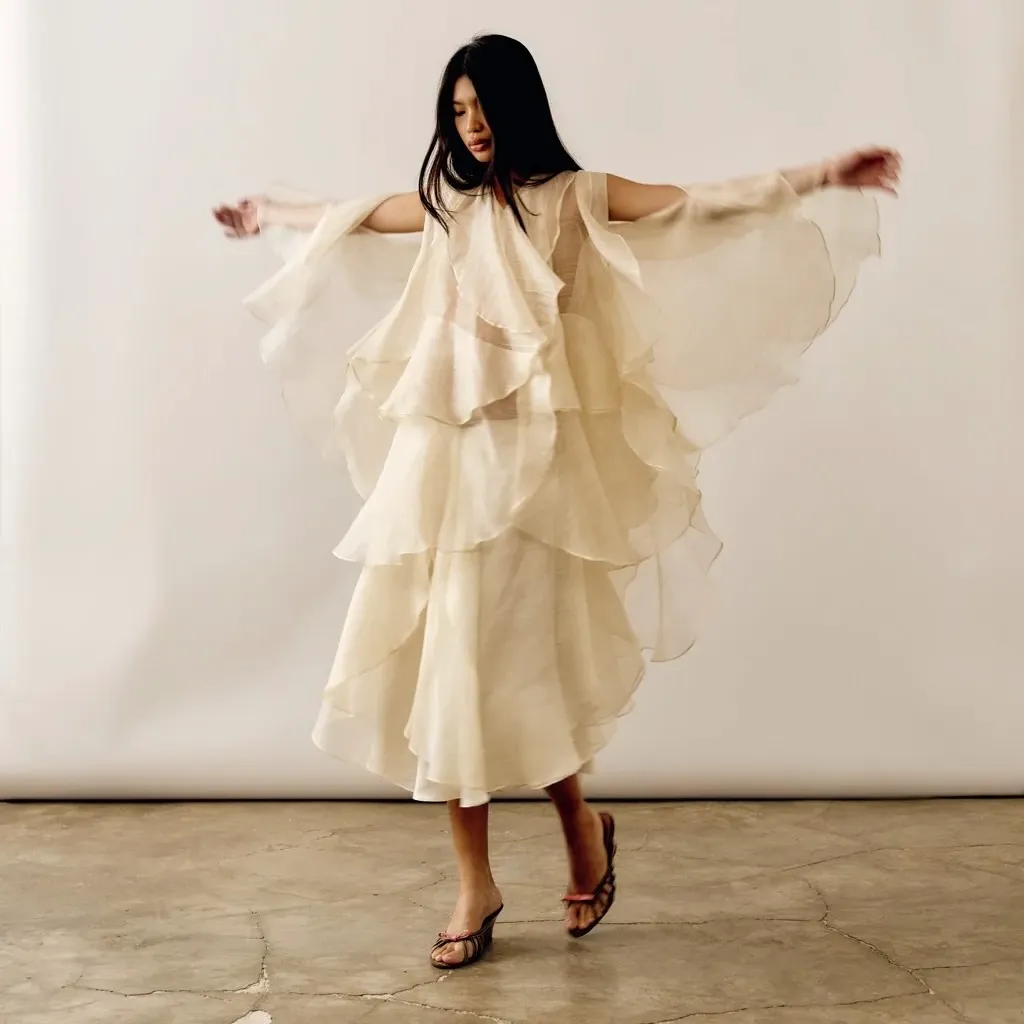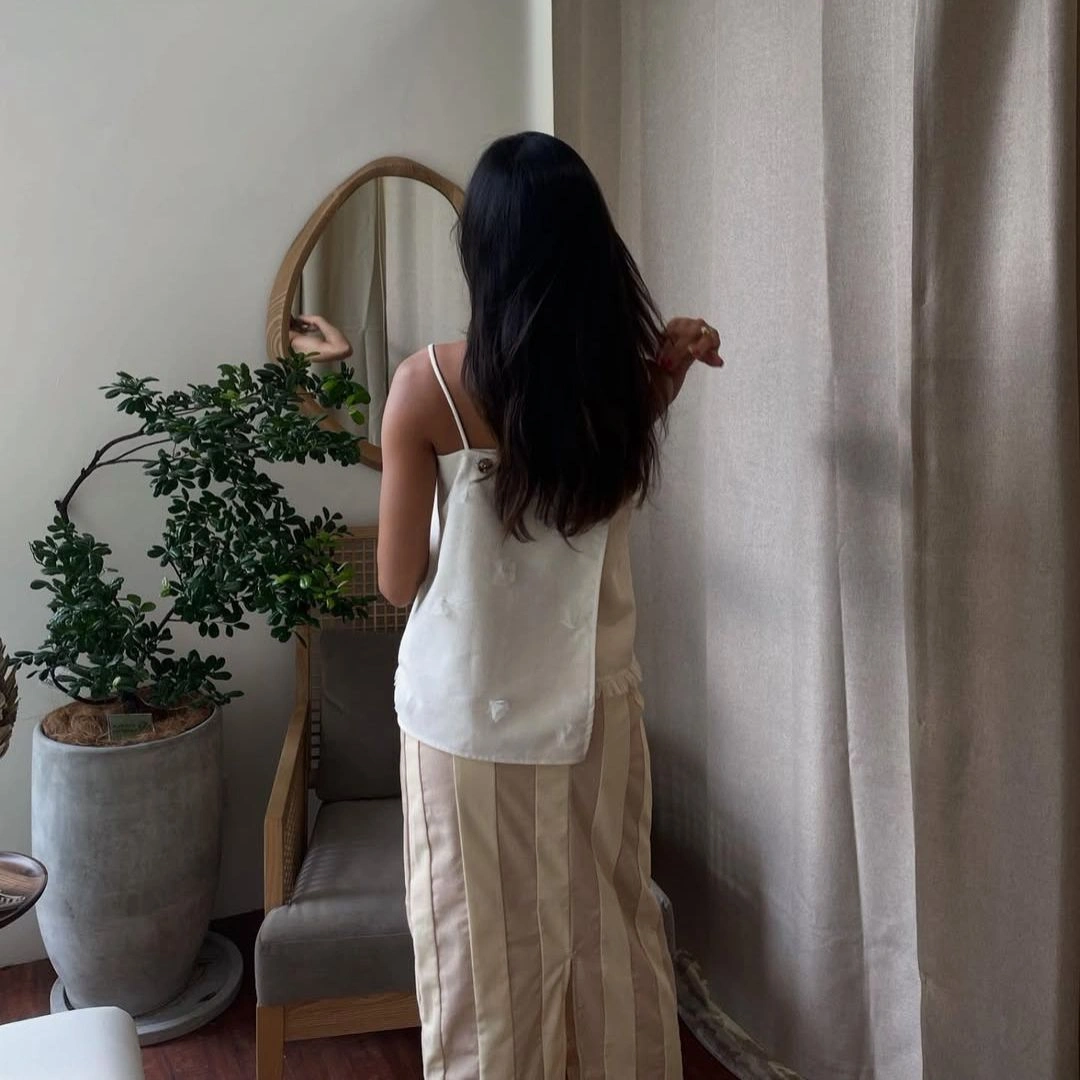
Discover the history and craftsmanship behind Filipino brands known for creating light, breathable linen pieces, all thoughtfully made for tropical living.
It’s no secret that the Philippines experiences some of the hottest summers and maintains a warm, humid climate for most of the year. With temperatures that rarely let up, getting dressed can feel like a challenge. Yet the key to staying fashionable without sacrificing comfort lies in choosing light, breathable fabrics—and linen is the ultimate warm-weather staple. But before we get into our local brand recommendations, let’s take a deeper dive into the world of Filipino linen. Consider this your crash course: historical facts you can casually drop while talking to your fashion friends, whether to impress, spark conversation, or even inspire your own linen-clothing journey.
READ ALSO: Sleepwear Is The New Athleisure In 2026
Linen In The Pearl Of The Orient Seas
In the Philippines, “linen” isn’t about botanical accuracy. While true European linen comes from the flax plant Linum usitatissimum—a crop unsuited to the archipelago’s tropical climate—the local understanding of linen has long been shaped by something else entirely. What we have instead is a centuries-old tradition of “tropical linens”: fabrics woven from indigenous leaf and bast fibers that mirror European linen’s lightness, breathability, and crisp hand feel.
Long before colonial influence, Filipinos were already skilled textile makers. Abacá and cotton were staples for everyday dress, while early trade with China introduced silk and heavier cottons, expanding both technique and taste. When the Spanish arrived in the 1500s, the introduction of the pineapple plant gave rise to what would become the Golden Age of piña. By the 18th and 19th centuries, these gossamer-fine textiles were being exported to Europe, worn by royalty, and marketed as exotic “linen,” a testament to both their craftsmanship and desirability.
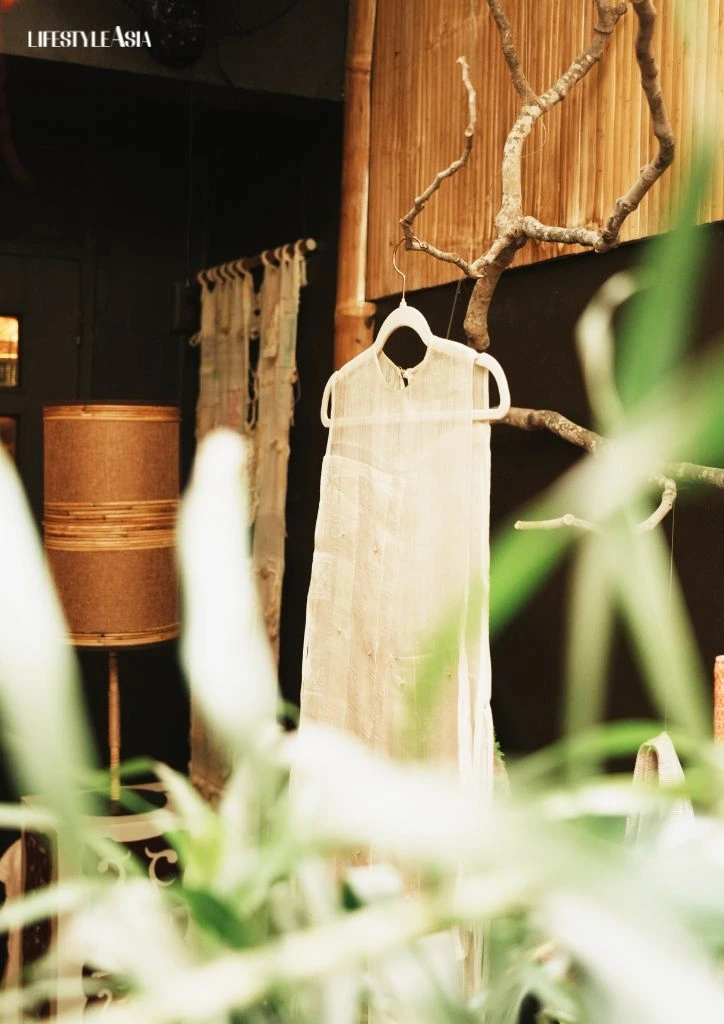
The early 1900s brought another shift. Under American rule, “ramie” emerged as an industrial fiber, with large plantations established in Mindanao to rival European linen production. Though less romantic than piña, ramie reinforced the Philippines’ position as a serious textile producer rooted in warm-climate practicality.
Today, that legacy endures. In 2023, Aklan piña hand-weaving was inscribed on UNESCO’s Intangible Cultural Heritage list, formally recognizing what artisans have always known: that the Philippines produces some of the world’s most refined natural “linen,” not in spite of the tropics, but because of them.
Your Guide To Local Linen
If you’re looking for linen pieces to add to your outfit rotation, here are a few local brands that can effortlessly elevate your wardrobe, whether it’s breezy workwear, weekend staples, or pieces that make a statement without overheating.
Cariño
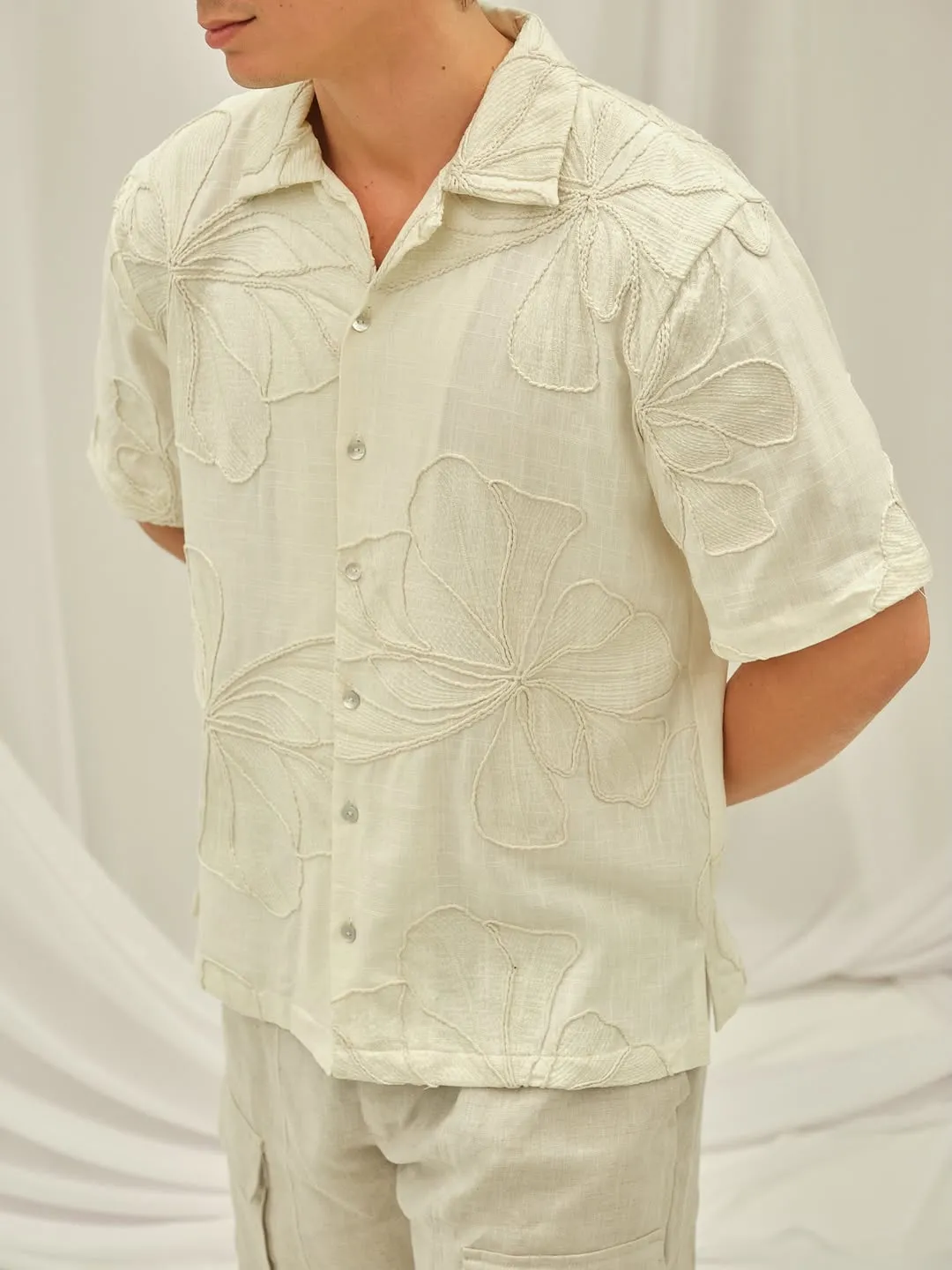
Timeless linen pieces that feel effortlessly chic, Cariño’s upcycled fabrics bring sustainability and cool edge to every look. Their collection even includes pieces for men, giving off that relaxed, boyfriend-coded vibe that’s polished without trying too hard.

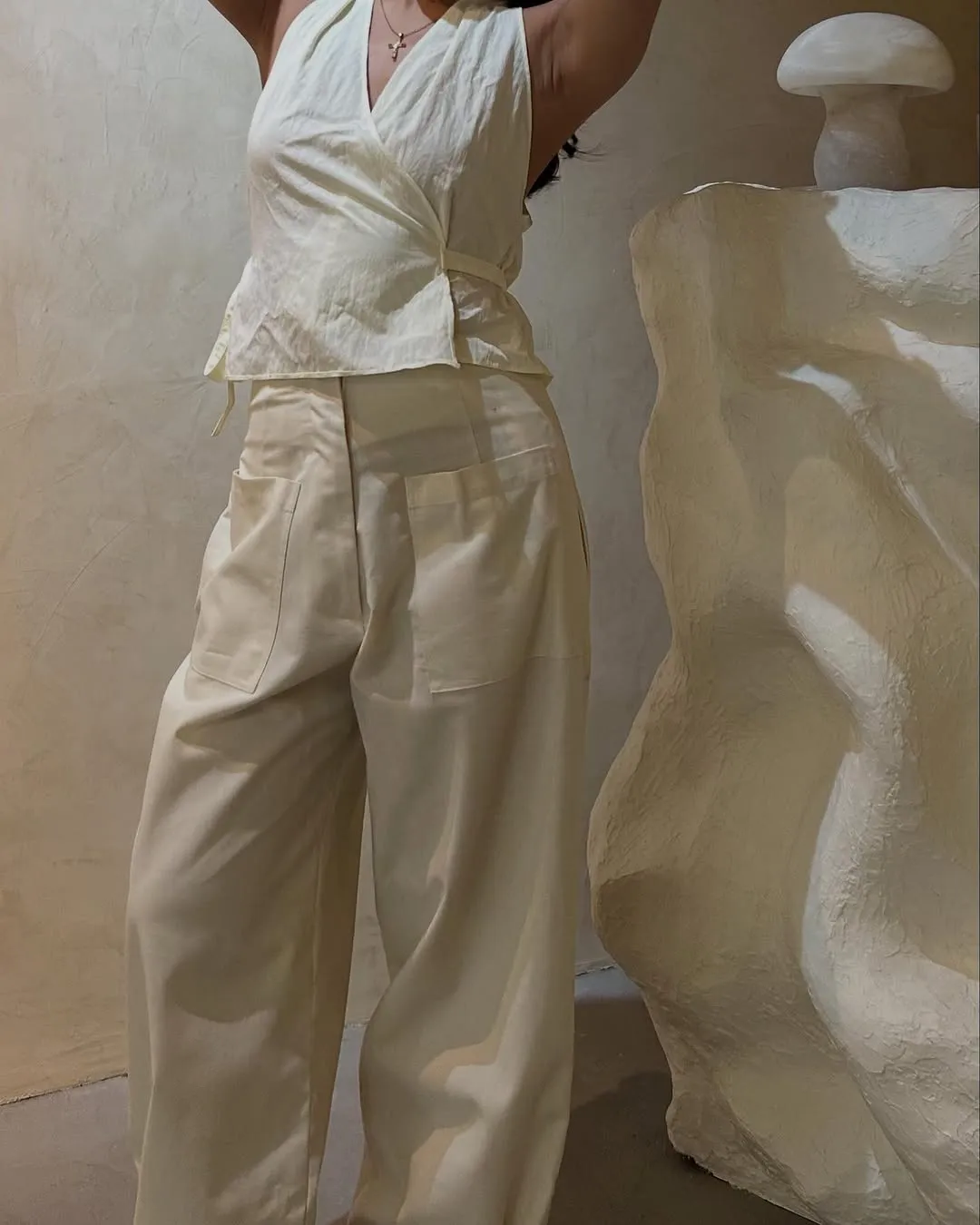
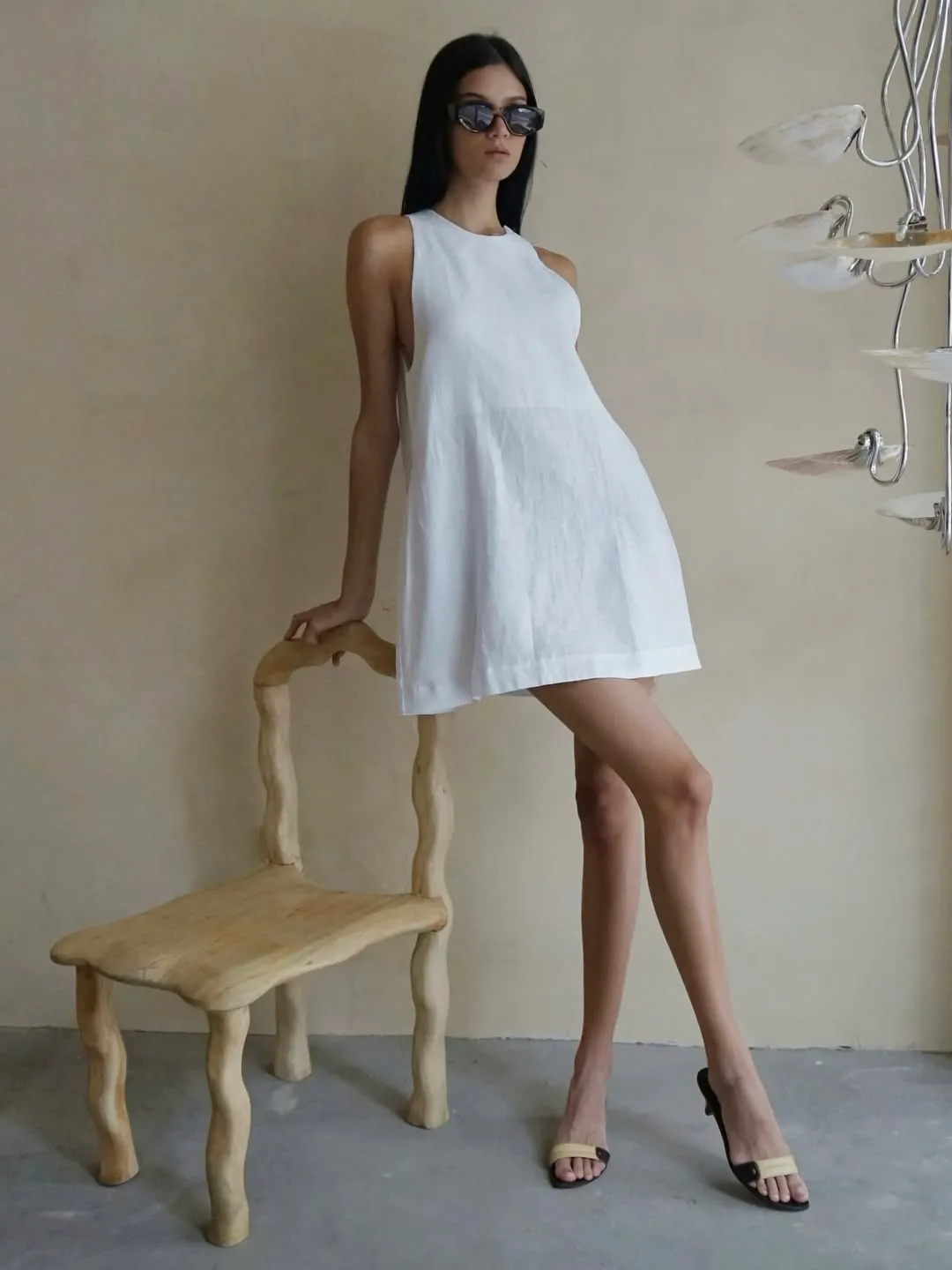
Araw
Araw creates tropical staples that feel like a gentle Philippine breeze. Their elevated basics move seamlessly from day to night, making them perfect for everything from morning errands to sunset walks or casual nights out.
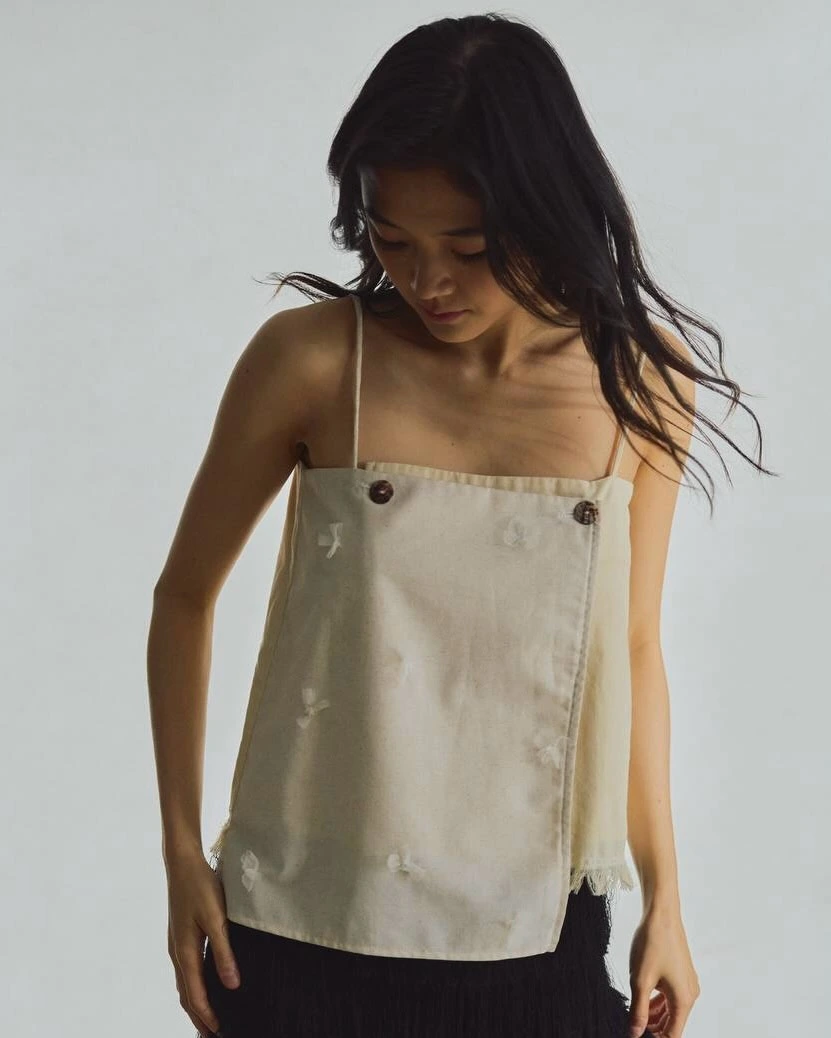
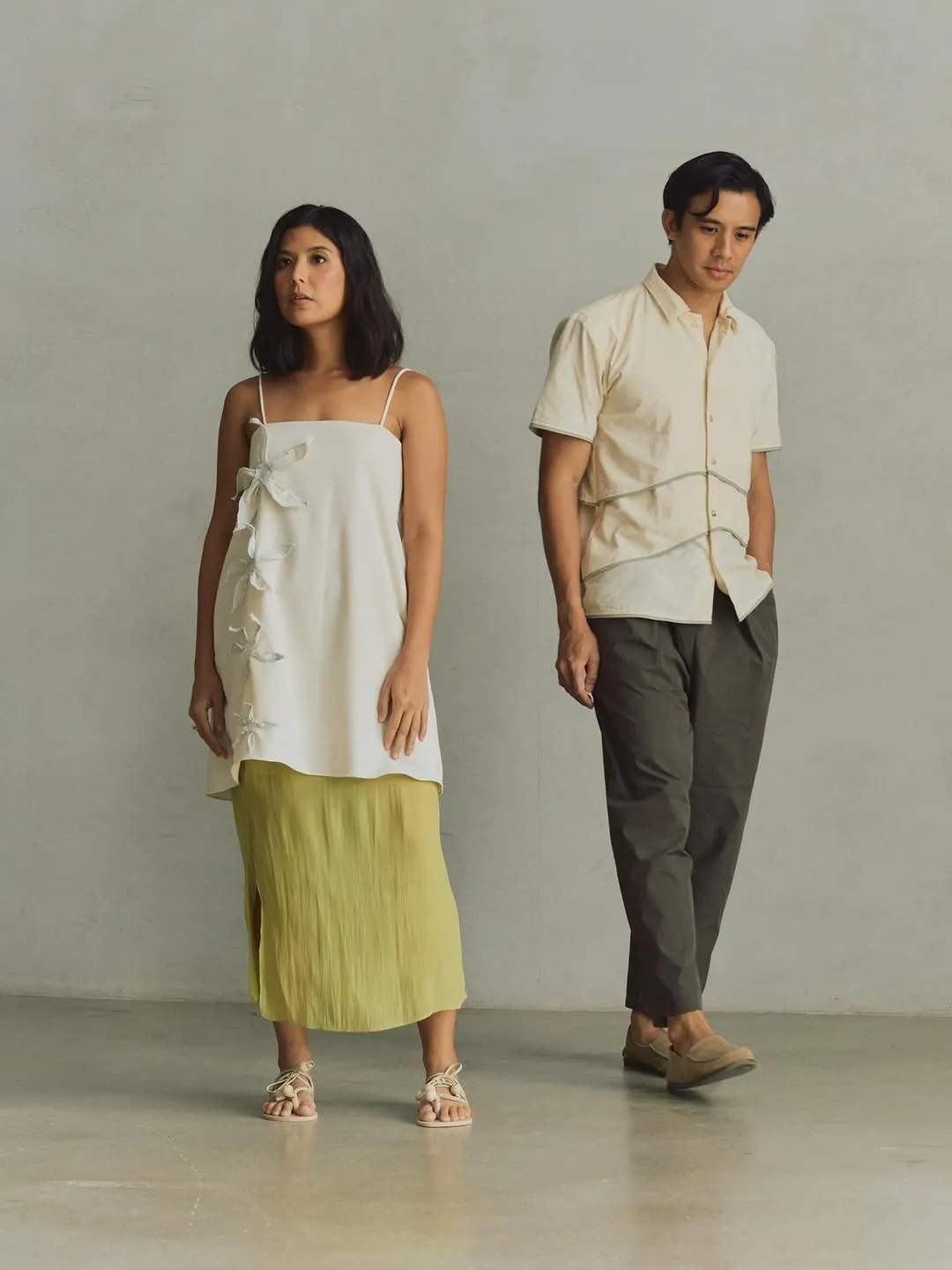
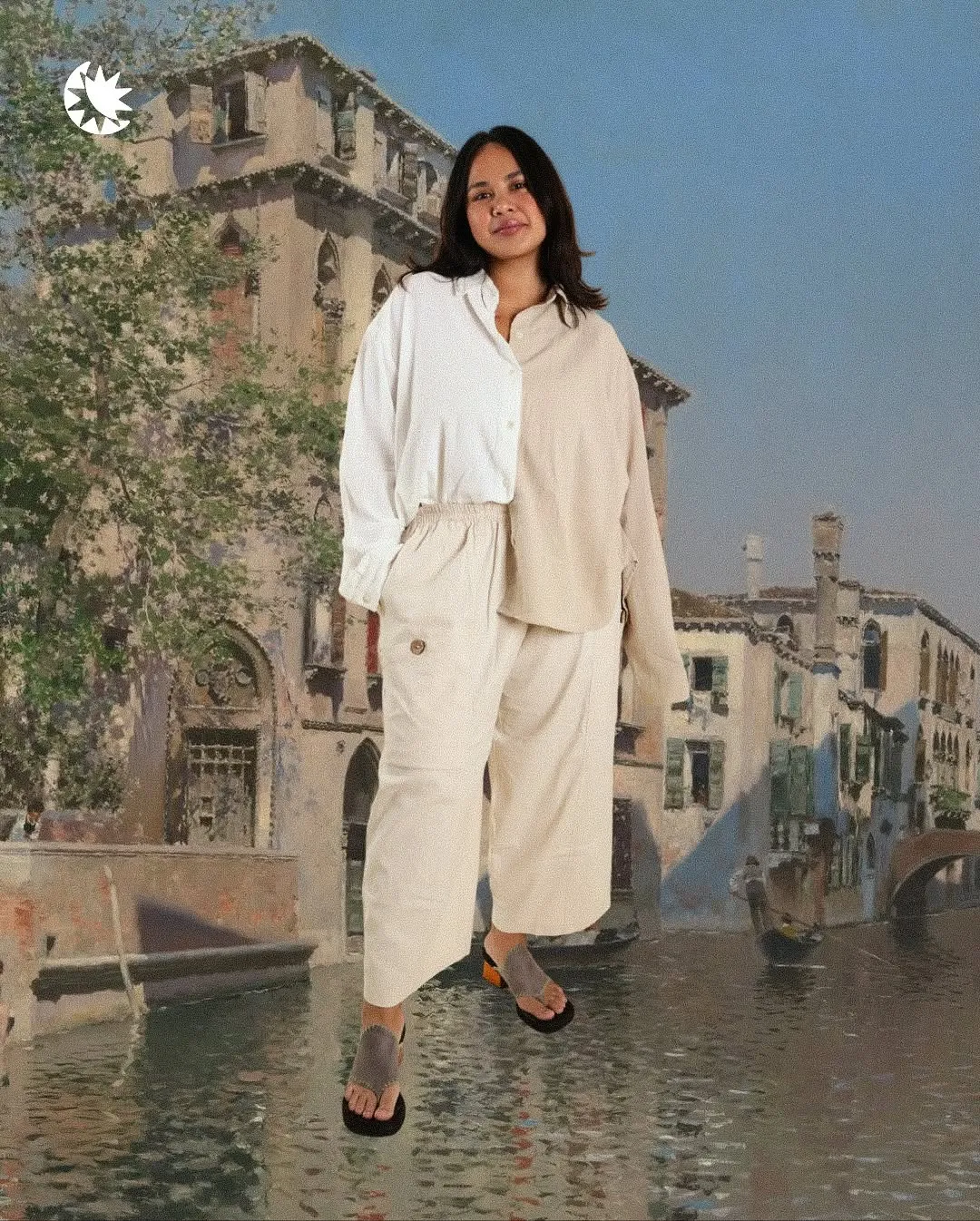
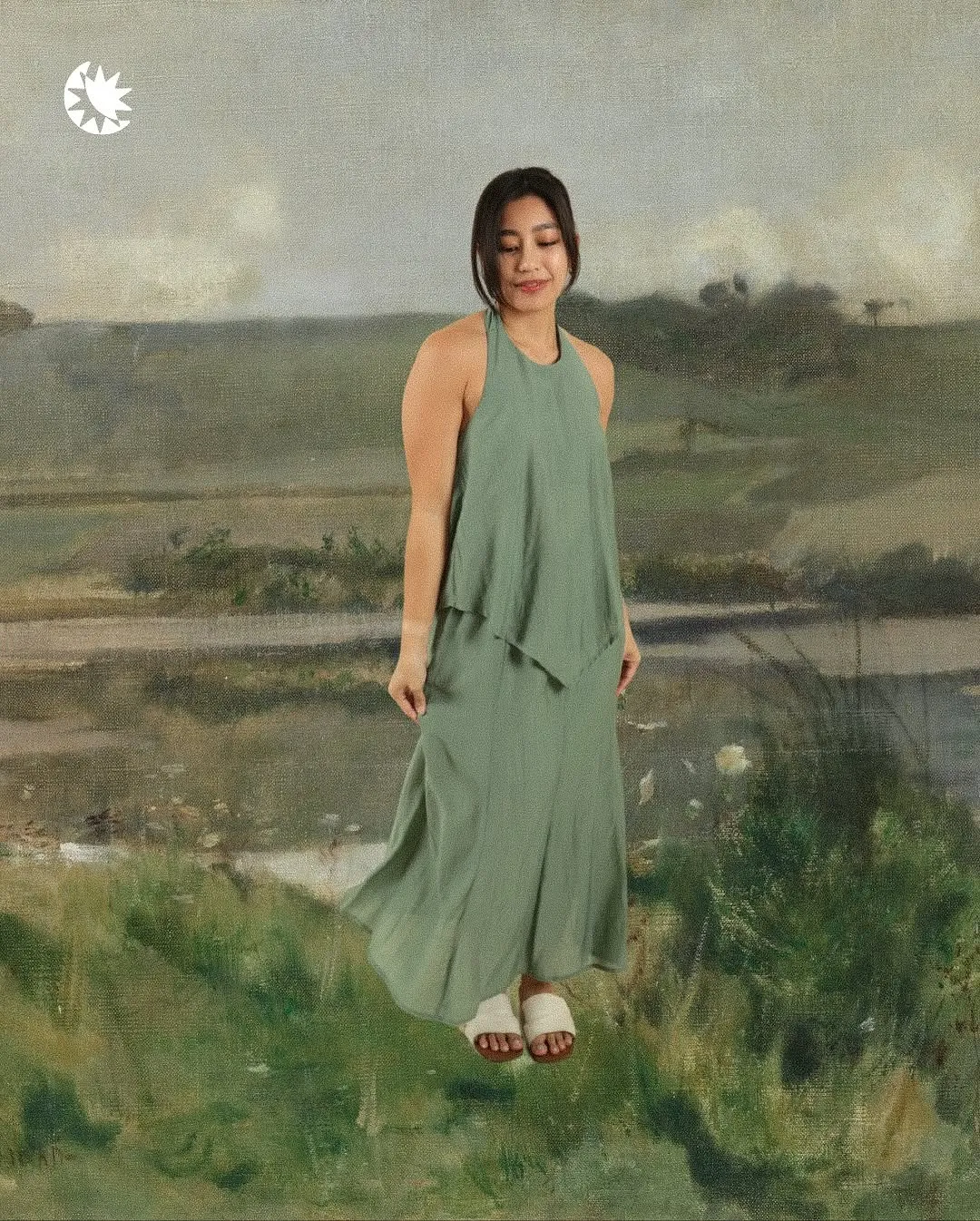
Anika
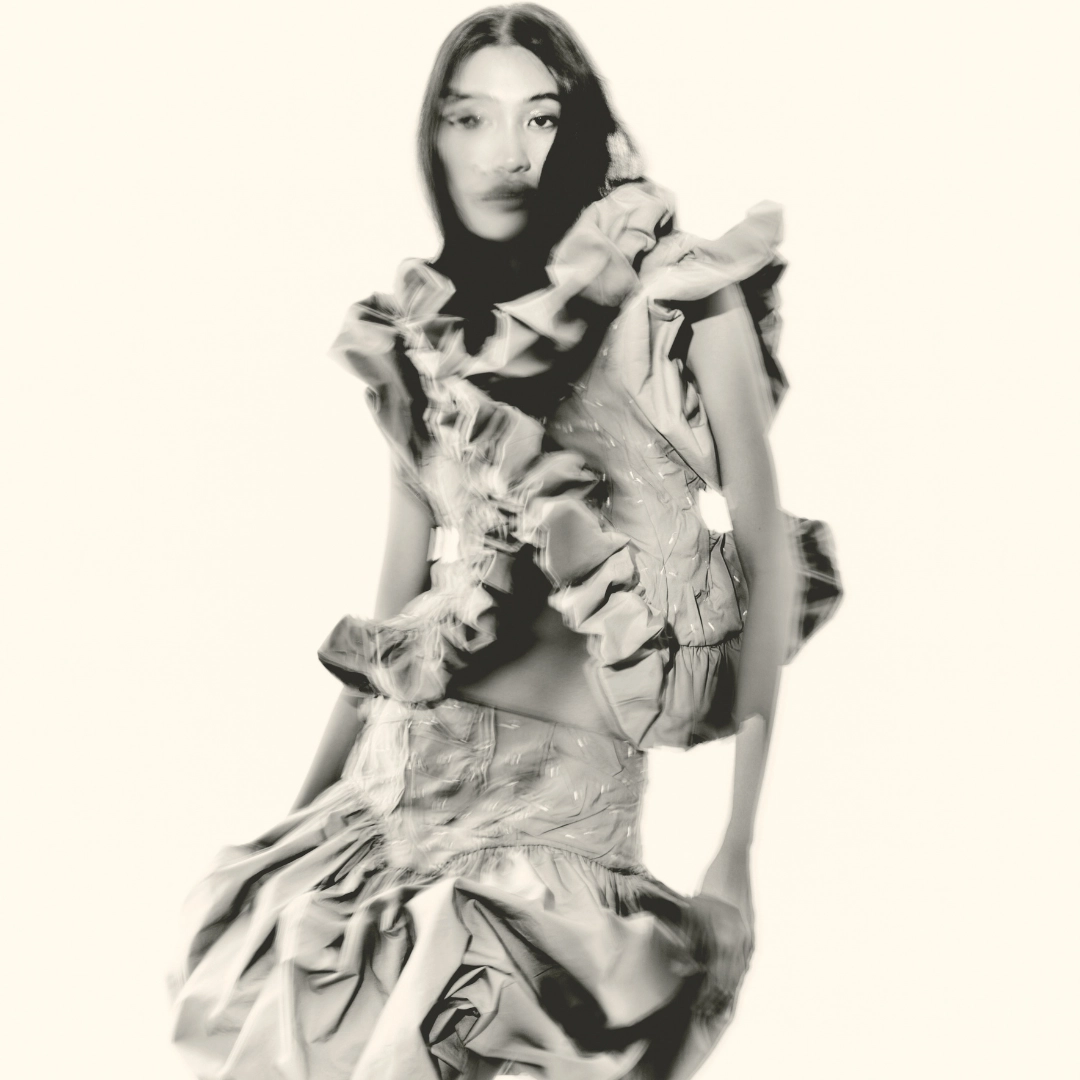
Since 2016, Anika has been crafting feminine, island-girl pieces that feel light, easy, and timeless. With Anika, it’s all about casually striking style: pieces you can throw on that’ll instantly have you feeling put together.
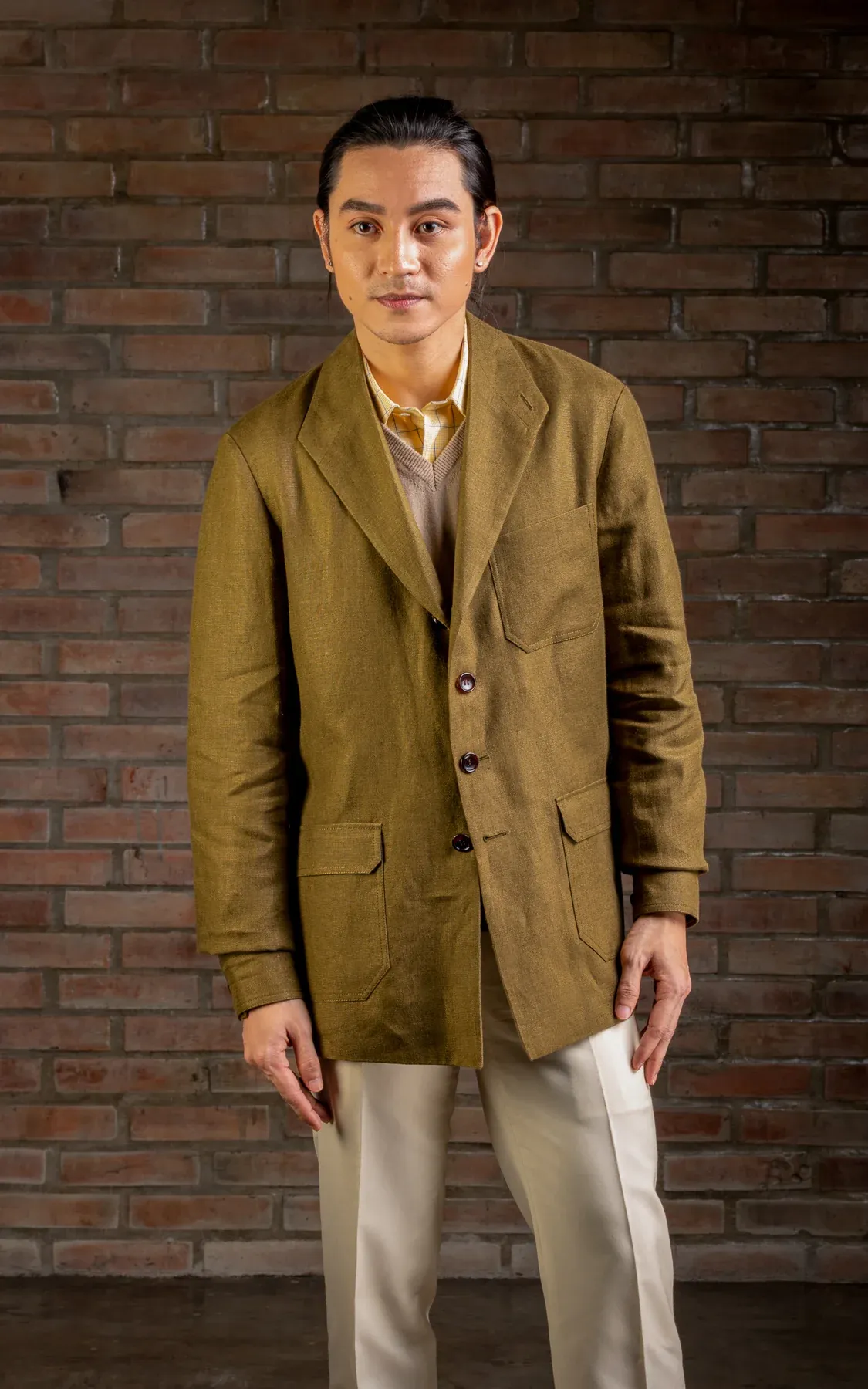
Tiño Suits
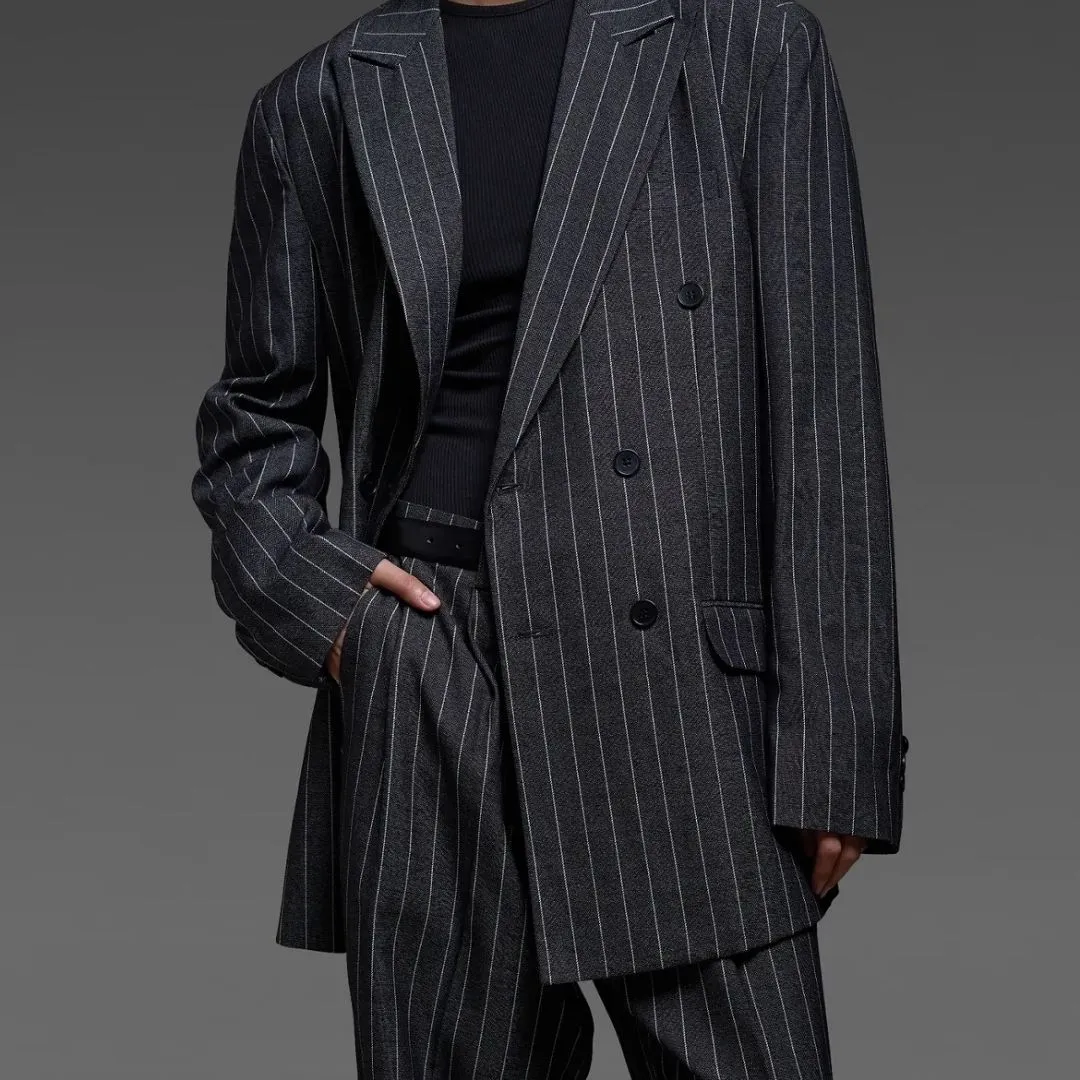
Tiño Suits brings bespoke tailoring to Manila for the modern gentleman. With Tiño, you get sharp, dapper looks that are comfortable enough to wear all day; finally, suits that don’t make you suffer.

Kaddadia
Clothes designed to move with you, Kaddadia’s relaxed, easygoing pieces adapt to your naturally changing body. They’re the perfect ensembles for transitioning from slow mornings at home to spontaneous moments out.
Banner photo from Instagram @wear.anika
Frequently Asked Questions
The Philippines has a centuries-old tradition of tropical linen-making using indigenous leaf and bast fibers — including abacá and piña — that predate Spanish colonization. By the 18th and 19th centuries, piña textiles were being exported to Europe and worn by royalty. In 2023, Aklan piña hand-weaving was inscribed on UNESCO’s Intangible Cultural Heritage list, formally recognizing the country’s standing as a producer of refined natural textiles suited to warm climates.
Notable Filipino brands producing linen and breathable tropical pieces include Cariño, known for upcycled fabrics with a sustainable edge; Araw, for elevated tropical basics; Anika, for feminine island-inspired pieces since 2016; Tiño Suits, for bespoke tailored menswear; and Kaddadia, for relaxed, body-adaptive everyday wear. All five are designed with the Philippines’ warm, humid climate in mind.
Piña is a gossamer-fine textile woven from pineapple leaf fibers, introduced to Philippine textile tradition after the Spanish brought the pineapple plant in the 1500s. By the 18th and 19th centuries it was being exported to Europe and marketed as luxury “linen.” Its hand-weaving tradition in Aklan was inscribed on UNESCO’s Intangible Cultural Heritage list in 2023, affirming its cultural and craft significance.
No. True European linen comes from the flax plant Linum usitatissimum, which is unsuited to the Philippines’ tropical climate. In local usage, “linen” refers more broadly to light, breathable fabrics woven from indigenous fibers such as abacá, piña, and ramie — all of which replicate the hand feel and breathability of European linen while being native to or well-suited for tropical conditions.
Ramie is a bast fiber introduced as an industrial crop in the Philippines during the early American colonial period, with plantations established in Mindanao to rival European linen production. Though less culturally storied than piña, ramie reinforced the Philippines’ position as a serious warm-climate textile producer and remains part of the country’s broader tradition of breathable natural fabric-making.