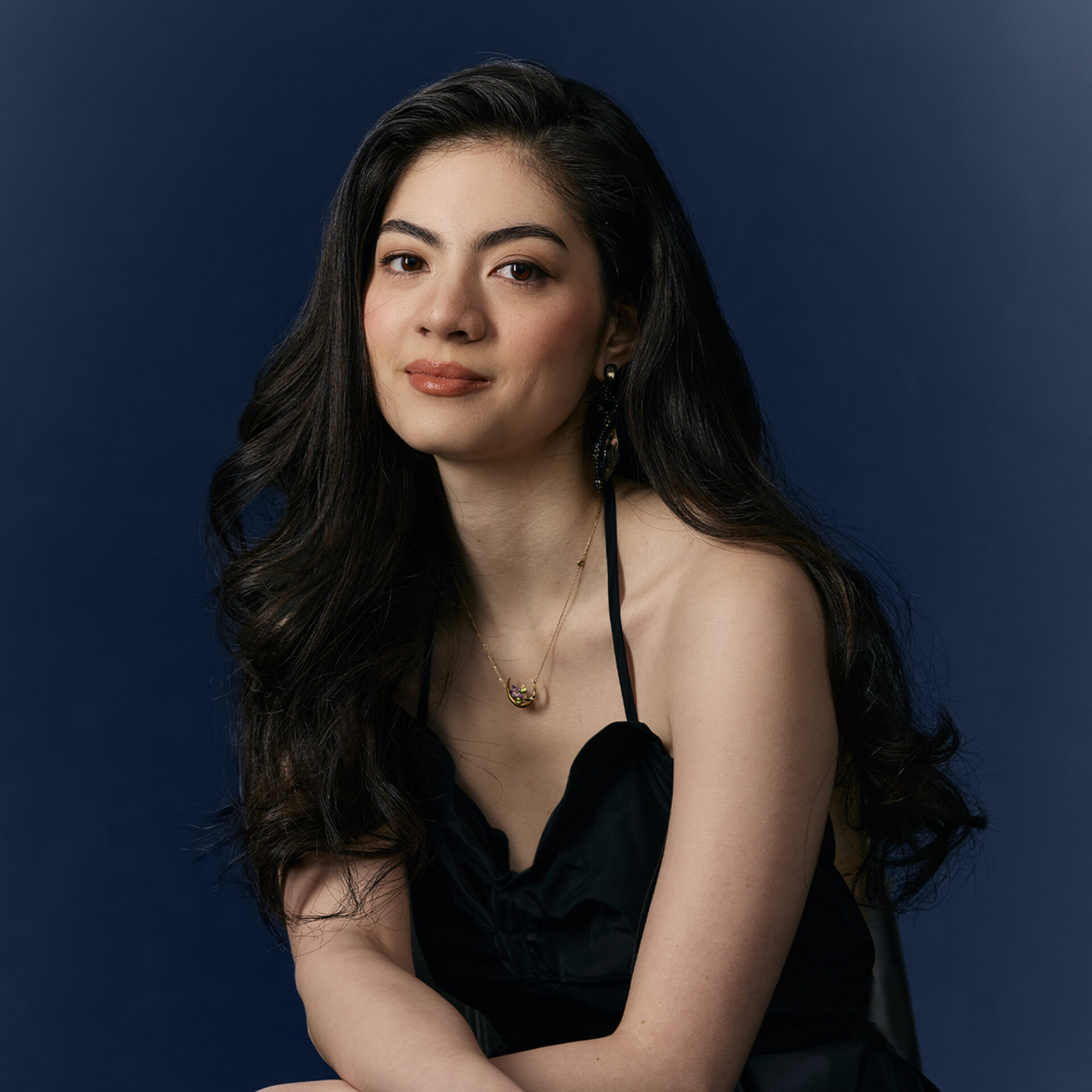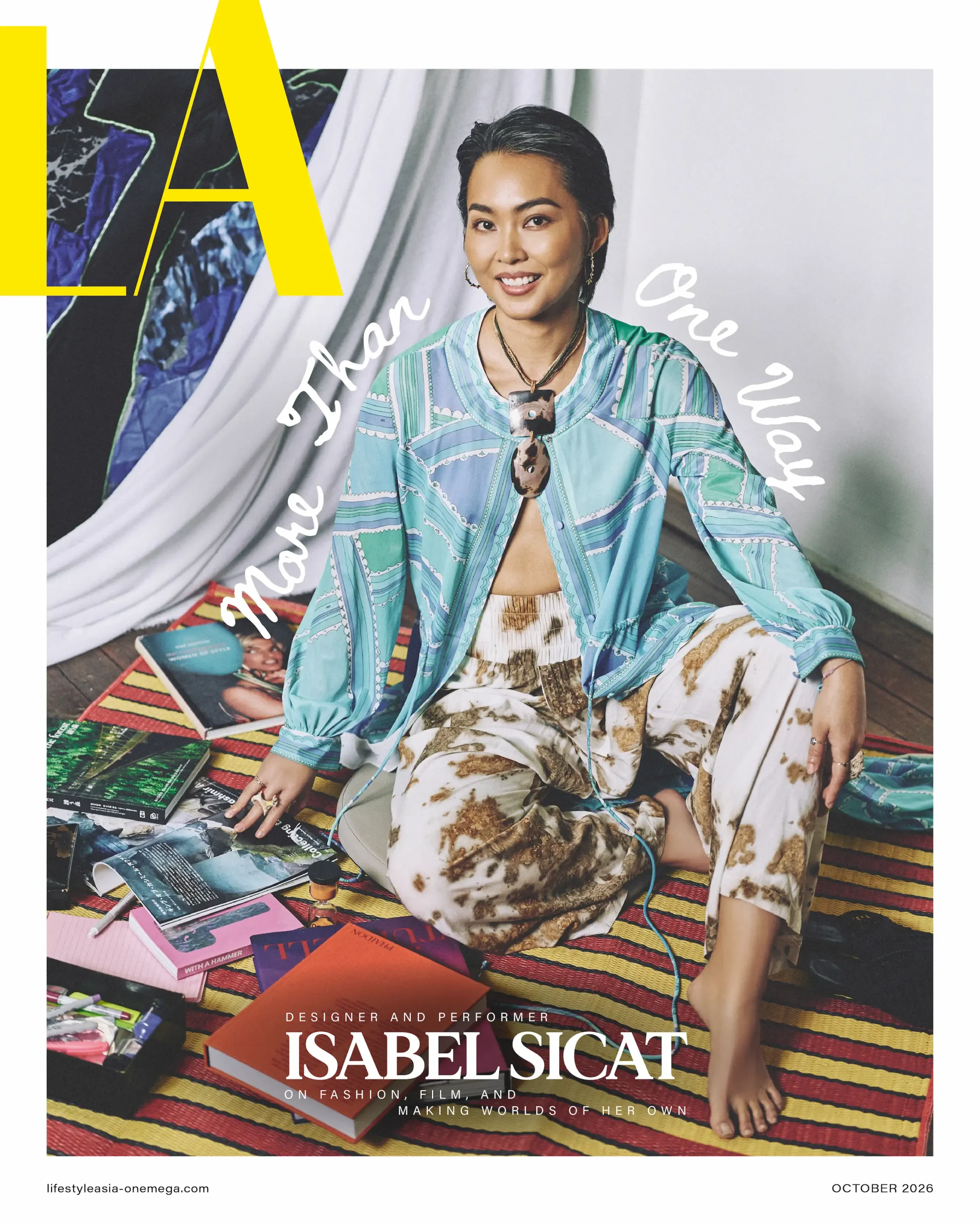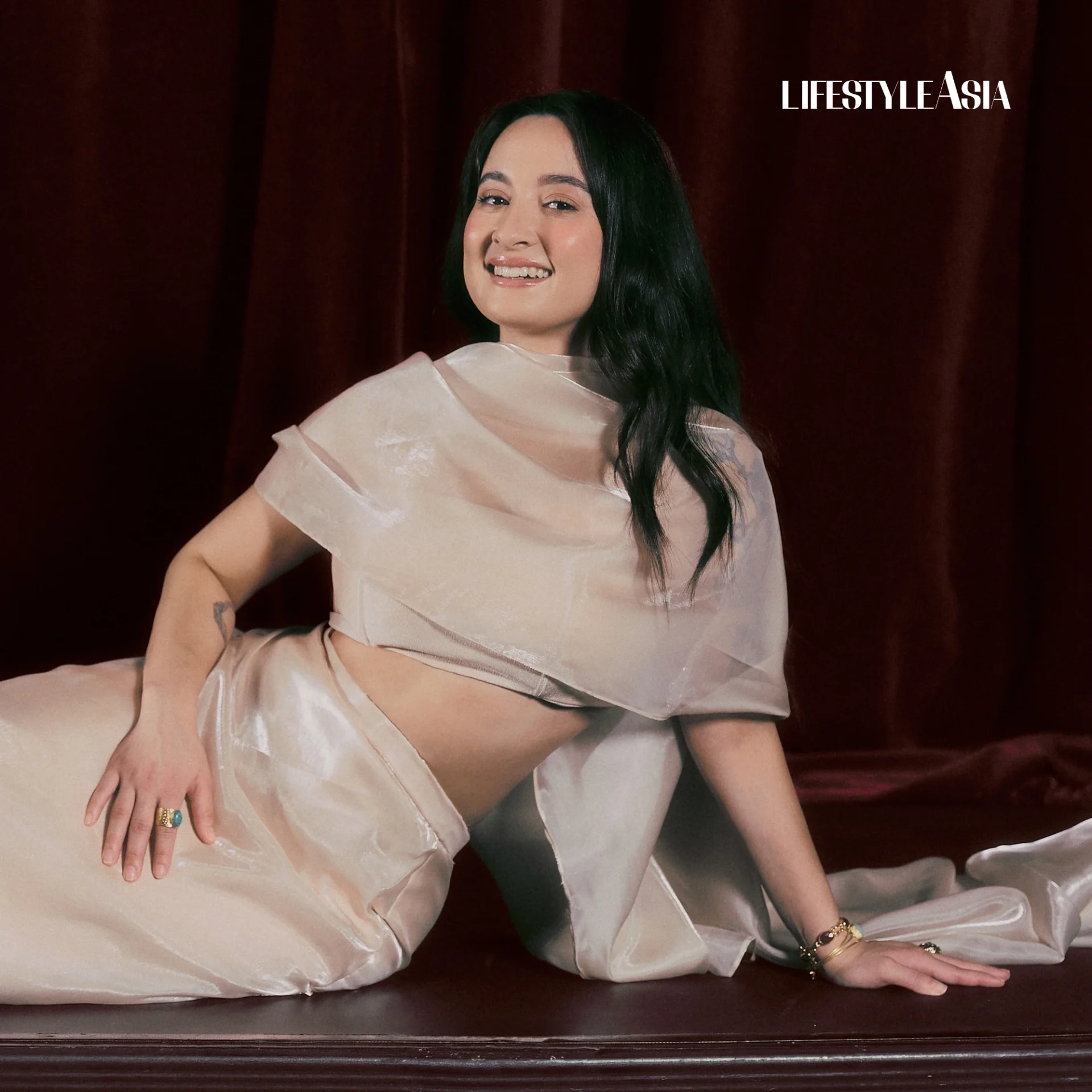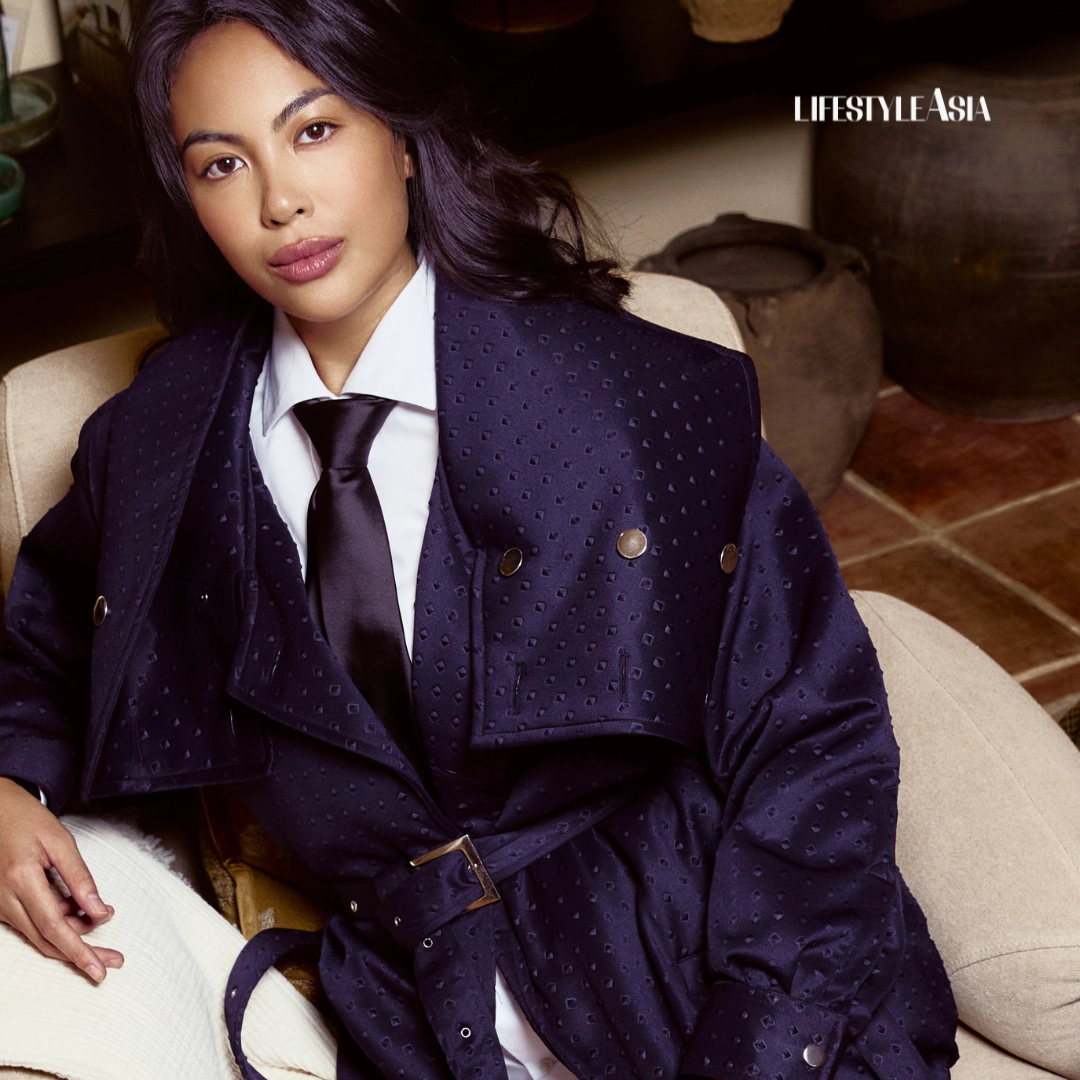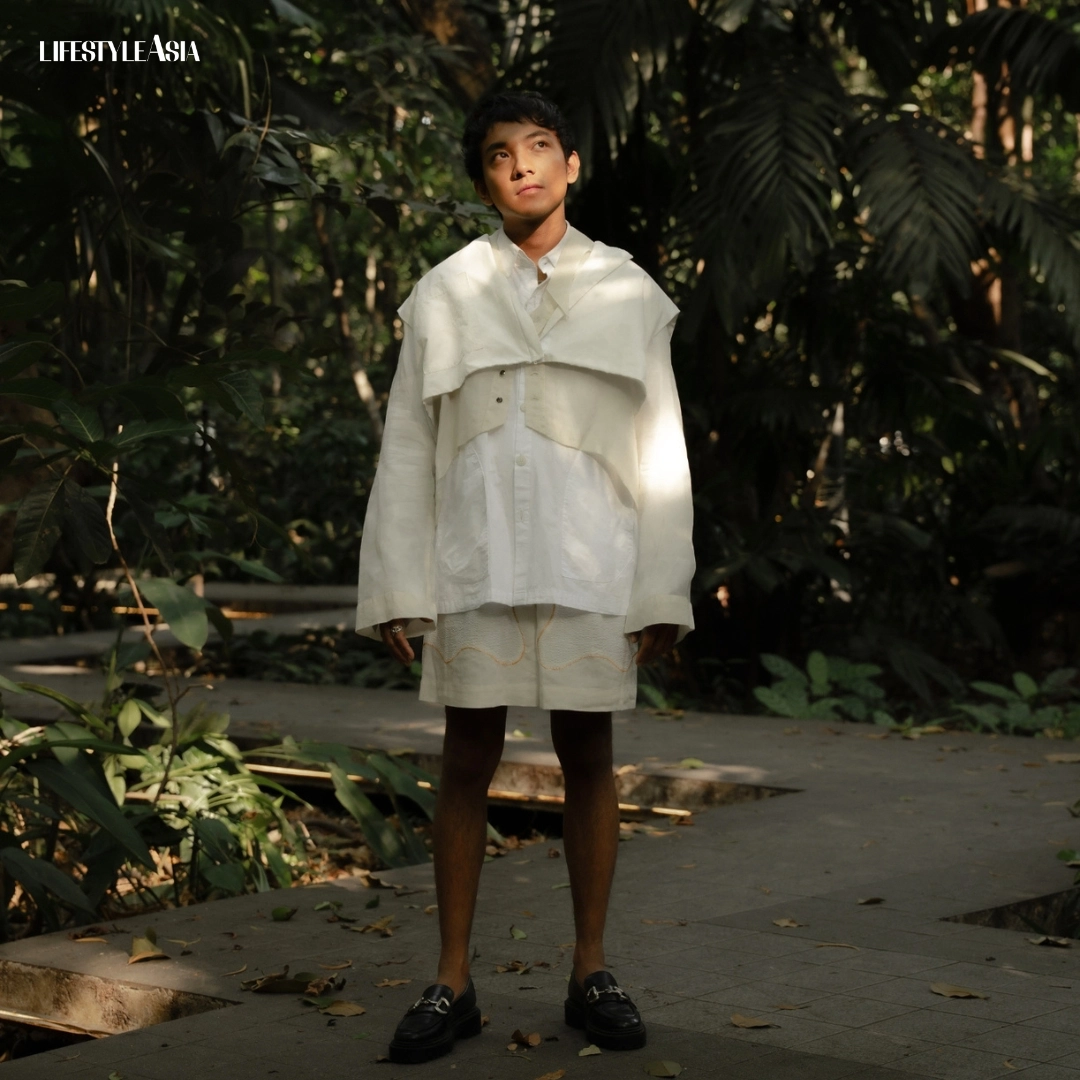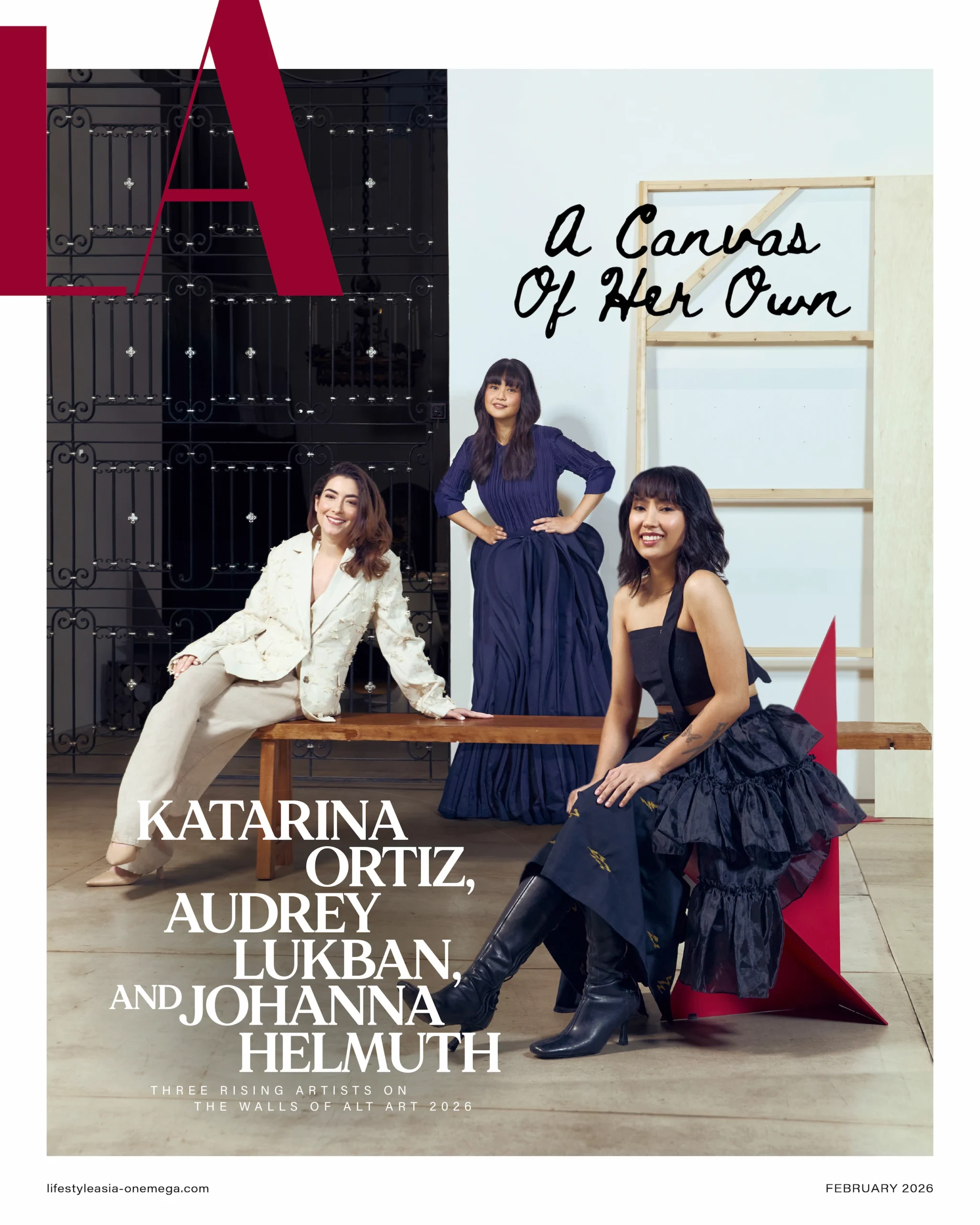
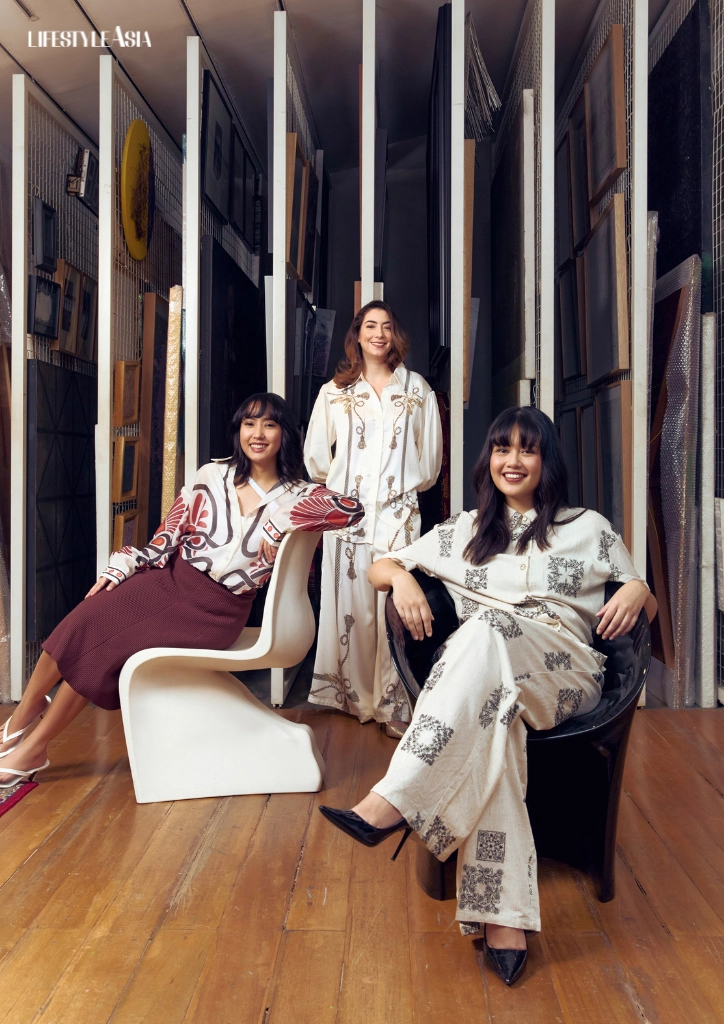
Johanna Helmuth, Audrey Lukban, and Katarina Ortiz are rising voices in Philippine contemporary art, each shaping a distinct visual language. For National Arts Month, we spotlight their evolving practices as they prepare to present at ALT ART 2026.
When many of us first learn art history, we’re taught to make sense of creativity by sorting it into eras. These movements feel neat in retrospect, defined by shared styles, shared philosophies, and shared ways of seeing the world. Over time, representation shifts: the pictorial becomes psychological, conceptual, and more responsive to a changing world.
Art has never been strictly linear in its progression. It is shaped by the requirements of a moment, and the solutions artists find in response. In that sense, art has always been representational. Not only through bodies and landscapes, but through the way it reflects how people move through the world: how identity is formed, how tension accumulates, how meaning is made. What history eventually frames as a “movement” was, in real time, simply individuals responding to the world as they knew it. In contemporary art, we see that electricity up close: distinct voices, moving in parallel.
For Lifestyle Asia’s National Arts Month cover story, we capture a small but telling slice of the present through three rising artists: Johanna Helmuth, Audrey Lukban, and Katarina Ortiz. None of them come from a family of artists.
Still, art found them—and in their work, the texture of contemporary life begins to surface.
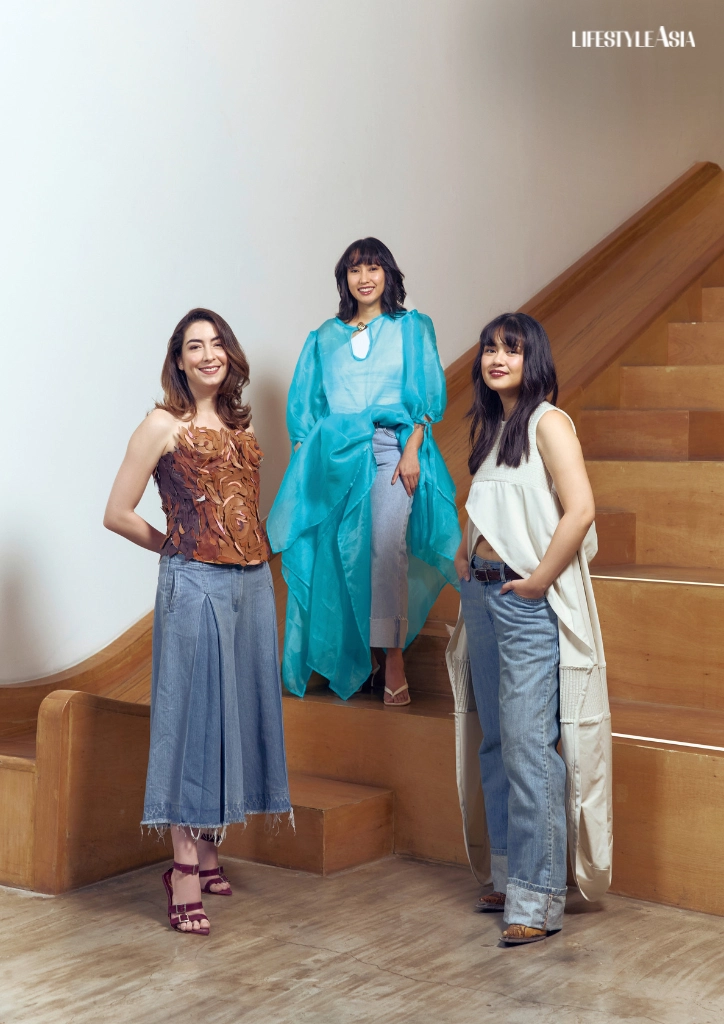
Each approaches the studio differently: through texture and figuration, through the uncanny domestic, and through layered symbolism. Yet all begin the same way: with attention, a question, something that lingers. Johanna keeps stacks of black notebooks where she logs every thought (“panget o magandang [ugly or beautiful] ideas,” she says), as if proof that inspiration is less a spark than a habit of paying attention. Audrey approaches her practice like “an investigation,” drawn to experiences that refuse to dissolve into the background. And for Katarina, the work begins as “a question or a feeling,” something unresolved that can only be understood through process, layering, and time.
All three are set to present at ALT ART 2026, the latest and largest edition to date. Organized by the ALT Collective, composed of nine of the country’s leading contemporary galleries, the fair is set to “present the collective and individual stories of our time through art,” recognizing its power to “move, astonish, connect, challenge, enlighten, and promote dialogue.”
READ ALSO: Nic Chien: A Portrait Of The Actor As A Young Man
Johanna Helmuth: Where Texture Holds Truth
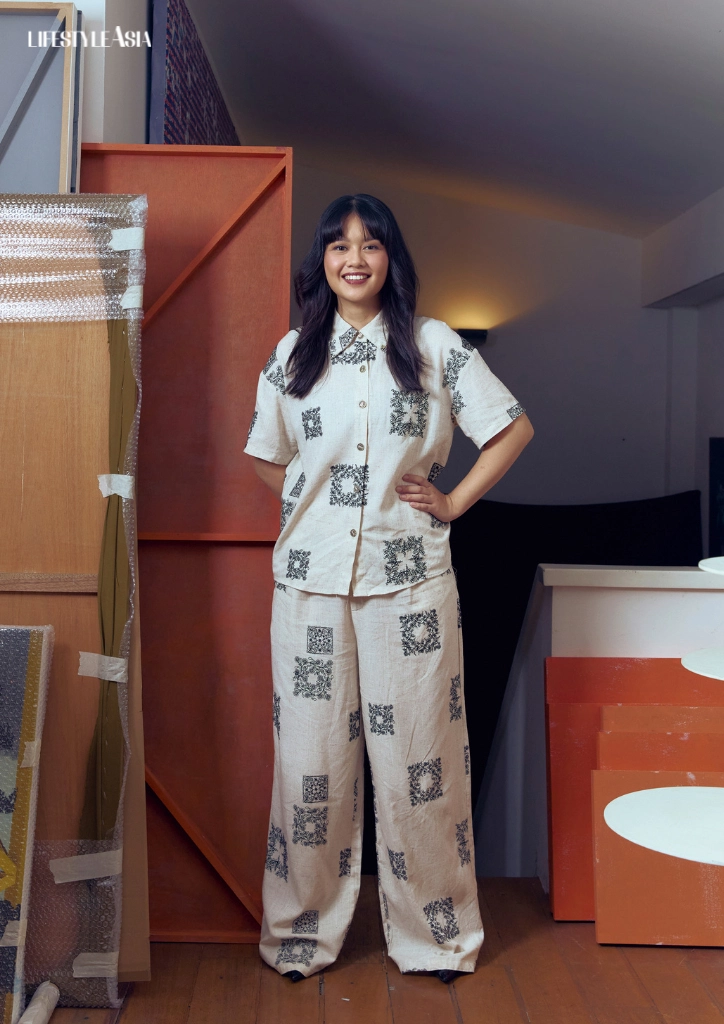
Johanna Helmuth, 33, is known for her highly textured figurative paintings, which explore human relationships and societal pressures through scenes that feel intimate, uneasy, and emotionally charged. Working with oil paint and palette knives, she builds surfaces thick with impasto, carrying a distinctive texture that feels both tactile and emotional, as if memory has been pressed into the surface.
“Impasto na figurative na imperfect,” she says of her practice, a phrase that captures both method and philosophy. People, after all, resist easy understanding. “Laging nagbabago. May kanya-kanyang path [They’re always changing. Each with their own path],” she adds. And in that instability, she finds something true: “There is an imperfect beauty about people.”
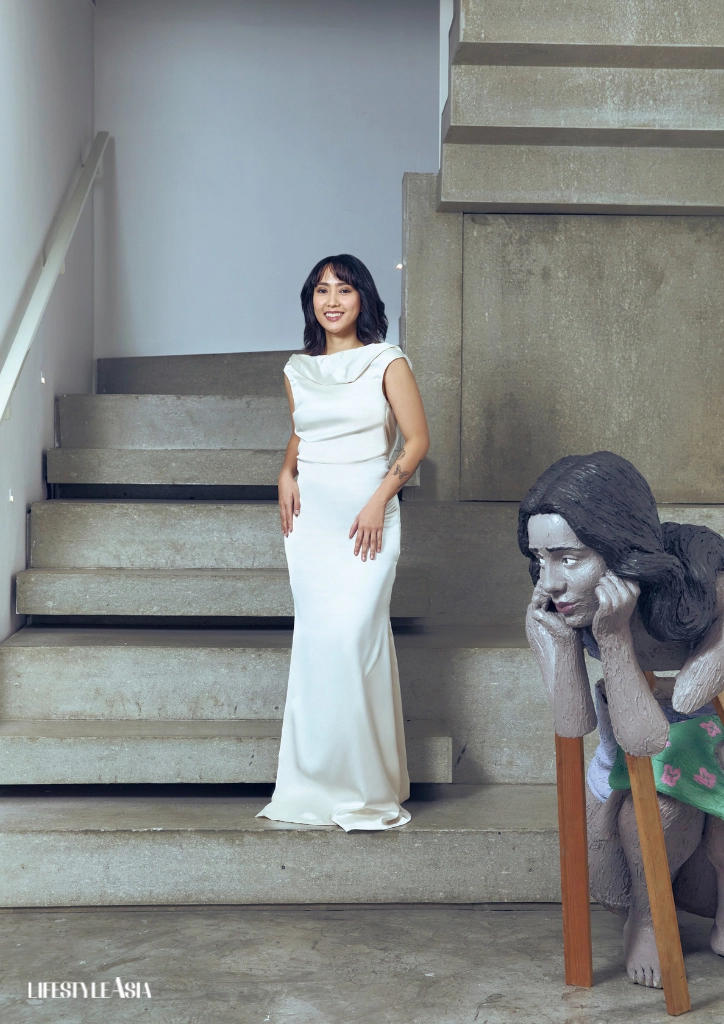
At the Technological University of the Philippines (TUP), she was surrounded by artists and absorbed the practice through her peers and mentors, crediting the environment for sharpening her instincts early on. It was in a Materials and Techniques class under Eugene Jarque that painting first became personal. “Sinubukan ko, nagpinta ako, and na-enjoy ko yung process [I tried, I painted, and I enjoyed the process],” she recalls. From there, her education became self-driven: attending exhibitions after school, buying secondhand books from Book Sale to study more about art, and spending nights painting in shared spaces, like that provided by alumni Lynyrd Paras. “Walang formal training… mag babarkada lang kami na gusto mag pinta at binigyan ng chance [We had no formal training… we were just a group of friends who wanted to paint and were given a chance],” she adds.
In 2016, Johanna held her first solo exhibition, Disfigure, at the Ayala Museum’s ArtistSpace. The collection featured a body of work that carried the terrain she continues to explore: figurative scenes rendered with a sense of physical unease. Two years later, her work reached wider public recognition. In 2018, Johanna received the Fernando Zobel Prize for Visual Arts at the Ateneo Art Awards for her solo exhibition Makeshift at Blanc Gallery. She has also been a three-time semifinalist of the Metrobank Art and Design Excellence Award, further cementing her place among the most closely watched artists of her generation.
Audrey Lukban: Living Inside The Frame
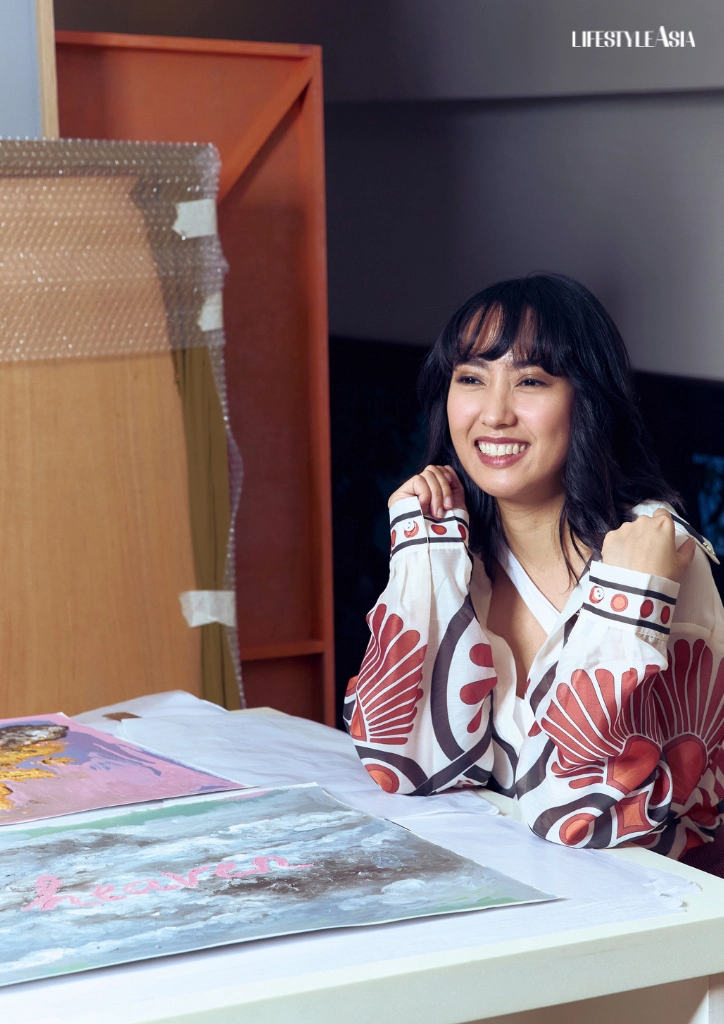
Audrey Lukban, 28, has long been preoccupied with the pressure of living inside a frame: what it means to be seen, to perform, and to exist under a gaze. Over the years, the question has shifted form: from self-portraits that felt like stills from a horror film, to domestic objects turned theatrical and strange, to recent works that widen into postcolonial identity and the systems that shape representation. The language evolves, but the tension of surveillance and the fragile construction of self remains.
“There are no artists in my family,” she shares, explaining that she was raised instead by two doctors. Art, nevertheless, was made accessible early. When her family lived in Houston, Texas, for her father’s training, her childhood was filled with museums, libraries, and the theater. She continued to paint after returning to Manila, but it was during her undergraduate years that she committed herself to art as a career.
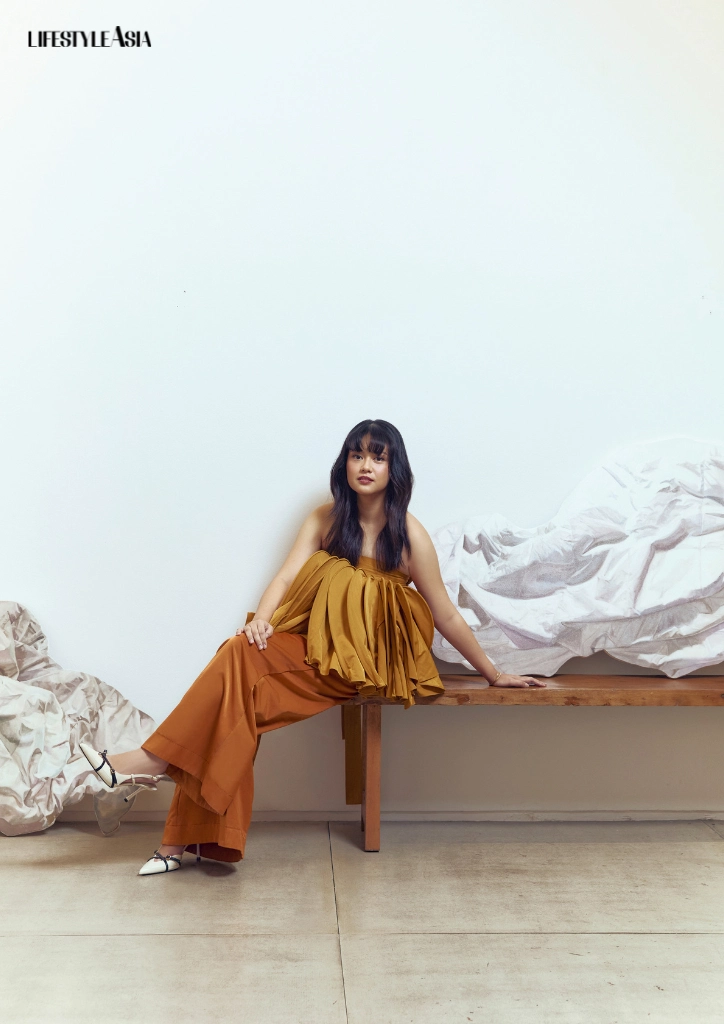
At the Winchester School of Art, University of Southampton, her tutor would reiterate: “You are an artist with a practice.” Despite her initial hesitancy, she admits she began to devote herself fully to that practice, later receiving early recognition as a semi-finalist for the Metrobank Art and Design Excellence Awards in 2021.
In 2022, her first solo exhibition, A Docile Body at MO_Space, introduced a body of work anchored in self-portraiture, featuring doppelgangers, alongside scenes of forests and interiors that carried a quiet dread. She drew on Michel Foucault’s concept of “docile bodies,” exploring the modern condition of being watched, intensified by the pressure of online visibility. The body appears caught in an uneasy dynamic between watcher and watched, predator and prey.
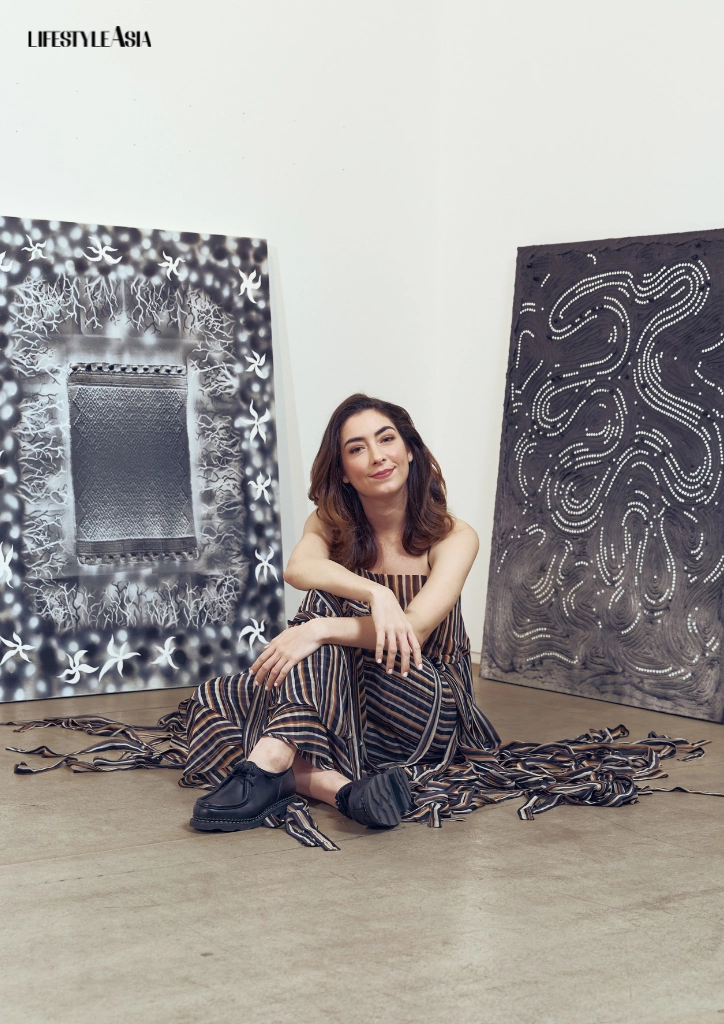
As her practice developed, Audrey began shifting her attention outward, from the body itself to the spaces that contain it. A major thread in her work is her relationship to home, shaped by moving between houses when she was younger. “Home became less about the physical space and more about the objects within it,” she says. “Because of that, I started painting personal artifacts, often treating them like props within a set.”
This year, Audrey also has a forthcoming duo exhibition with multidisciplinary Thai artist Sirawit Chatu at Norito Gallery, and plans to return to London to continue her research on archives and postcolonial narratives.
Katarina Ortiz: The Power Of Contradiction
For Katarina Ortiz, 32, art began before she had the language to call it a practice. “My engagement with art began intuitively in my youth, without a formal understanding of artistic practice,” she reflects. During periods of self-questioning, drawing and image-making became a way to process what words could not hold. “It functioned less as a skill and more as a private language,” she says, “that allowed me to process internal states before I could articulate otherwise.”
That instinct was later formalized through her Fine Art studies at Central Saint Martins in London. There she encountered conceptual frameworks that asked her to examine not only how work is made, but why. The environment sharpened her thinking around authorship, symbolism, and context, questions that continue to shape the way she builds meaning inside the image. There was no inherited trajectory into the art world, she notes. “What I had instead was curiosity… and a capacity for deep emotional experience.”
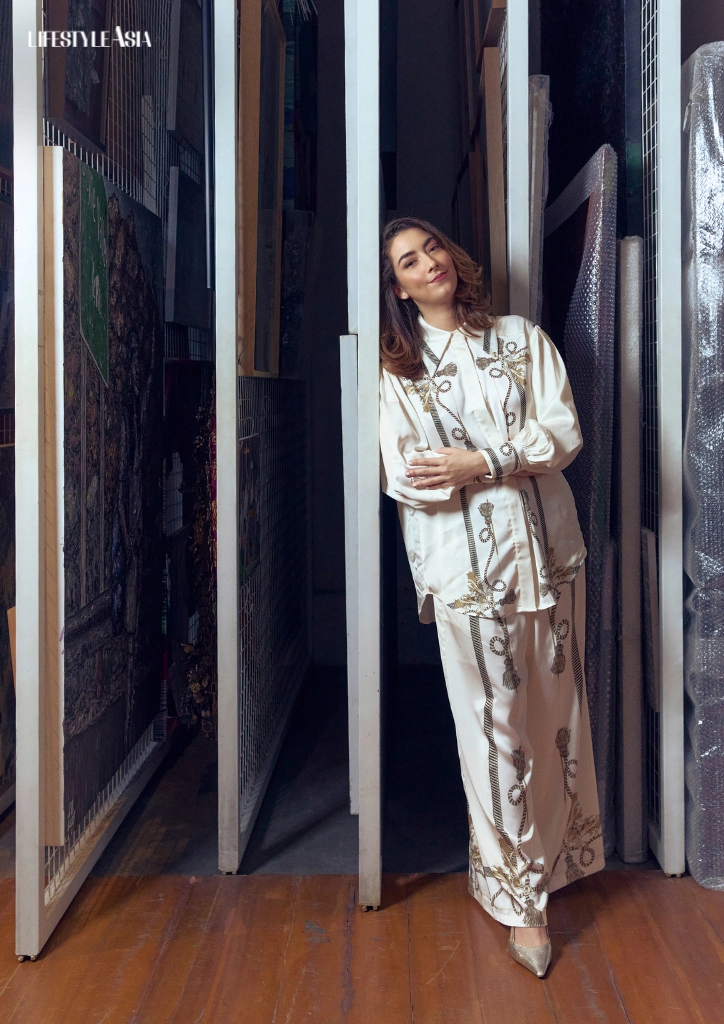
In 2017, after completing her studies, Katarina returned to Manila and presented her first solo exhibition, Compositions, at The Drawing Room. Even at this early stage, her work carried a defining impulse: juxtaposition as method, and recontextualization as a way of creating newness without severing origin.
Across the years and a series of subsequent solo and group exhibitions, certain themes have remained central to her practice: identity and origin, as well as the way personal and cultural narratives are constructed through symbols. Increasingly, Katarina has embraced ambiguity. “I have grown more comfortable with ambiguity, allowing contradictions to exist without forcing coherence too early,” she says.
That embrace of contradiction finds its most expansive form in her recent solo exhibition, Divine Dichotomy, also at The Drawing Room. It is an in-depth visual and philosophical inquiry into the tensions that arise from opposing forces: light and shadow, freedom and constraint, nature and nurture, abstraction and symbolism, self and context. Rather than treating these contrasts as binary conflict, Katarina positions them as interdependent, suggesting a deeper understanding comes from holding both sides at once, allowing the work to exist in the fertile space between certainty and possibility.
Read the full story in our February 2026 e-magazine by subscribing to Lifestyle Asia’s digital access or purchasing your copy at Readly.
Photography by Belg Belgica, assisted by Jom Ablay; creative direction by Paolo Torio; styling by Gee Jocson, assisted by Carlito Baldemoro and Teru Dequito; makeup by Cats del Rosario; hair by Marj Cabarrios; associate producer Mae Talaid; shot on location at Artinformal, Aphro, and the Drawing Room in Karrivin Plaza; special thanks to ALT ART, Artinformal, Aphro, The Drawing Room, and MO_SPACE
Cover features “The Red Chair” (2018) by Kiko Escora, courtesy of the Drawing Room
Frequently Asked Questions
ALT ART 2026 is a premier Philippine contemporary art fair organized by the ALT Collective, a group featuring nine of the country’s leading contemporary art galleries.
The February 2026 cover story spotlights Johanna Helmuth, Audrey Lukban, and Katarina Ortiz, three rising, non-generationally inherited voices shaping the modern landscape of Philippine contemporary art.
Johanna Helmuth specializes in highly textured figurative oil paintings. She utilizes palette knives to create thick impasto surfaces that explore imperfect human relationships and societal themes.
Audrey Lukban investigates themes of surveillance, online visibility, postcolonial identity, and domestic spaces, frequently using personal artifacts as symbolic props within her theatrical and surreal compositions.
Katarina Ortiz utilizes conceptual frameworks, visual juxtaposition, and recontextualization to explore cultural identity, intentionally embracing thematic ambiguity and holding opposing forces in balanced, interdependent dialogue.