Once known and enjoyed mainly by Filipinos, the sweet, earthy, and versatile ube has crossed borders and become a global phenomenon.
Ube. The word “iconic” may be overused, but let’s indulge it this time around when referring to the much loved purple yam of the Philippines. It’s a staple most Filipinos grew up with, regardless of whether they stayed in the homeland or moved elsewhere (carrying their love for it with them). Now, the delightful treat has found its way into the plates of a global food scene, no longer relegated to our cozy halo-halo spots, bakeries, sweet stores, and coffee shops.
Due to multiple factors, and for many years, the Philippines was something of an underdog when it came to sharing its cuisine with the world and integrating it into the global food mainstream. That story looks very different today. As the food and beverage industry continues to evolve both within and beyond the country, it’s now ready to embrace and celebrate what was once considered unfamiliar.
The modern diner has become not only more discerning, but also more curious, eager for inventive interpretations of other cultures and increasingly willing to expand their palate. Ube is just one of many rising food trends to emerge from this boom, a development that carries both promise and caution.
READ ALSO: What’s A Slow Bar? The Antithesis Of Fast Beverage Culture
Our Own Purple Yam
Known scientifically as Dioscorea alata, ube is found across Southeast Asia, though it’s predominantly used in Filipino cuisine. While it might appear similar to other sweet, purple tubers, its flavor profile is singular, with nutty, slightly vanilla notes. They grow with greyish brown skins, and when cut, present a vibrant purple flesh.
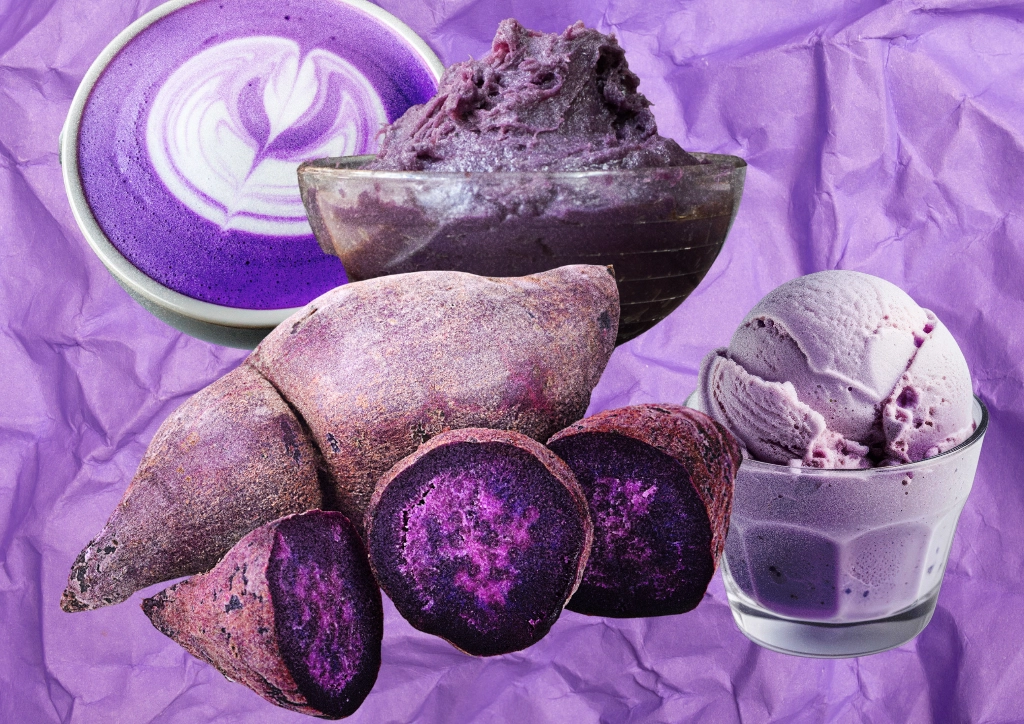
And while nutritional value isn’t usually top of mind when we’re sinking our teeth into ube treats, it does come with a number of health benefits, according to research. It’s a good source of carbohydrates, vitamin C, and potassium, and contains antioxidants and compounds that have been linked to reduced blood pressure, lower inflammation, and potential protective effects against conditions such as cancer and diabetes.
Ube Here And Ube There
Beyond its adaptable, sweet-earthy flavor, ube’s distinctly purple color is what makes it such a compelling ingredient for many. Eye-catching and unmistakable, it appears in countless forms across TikTok and Instagram, with videos amassing hundreds of thousands to millions of views around the world. Who wouldn’t be at least a little tickled with curiosity, or find their mouth watering at the sight? The average foreign viewer might not even find themselves surprised by the shocking shade at all, given how similarly-hued ingredients like purple sweet potato and taro have already become quite popular.
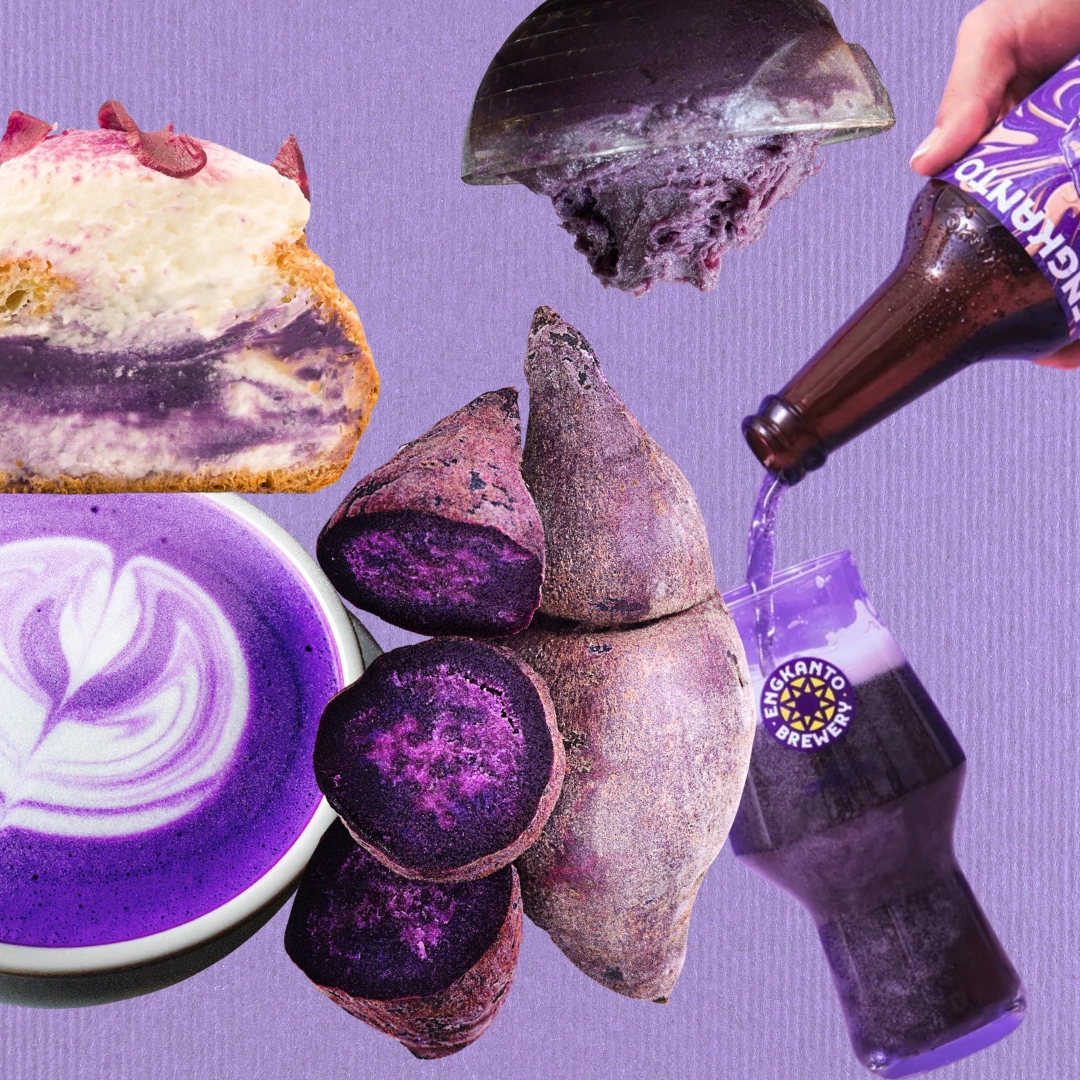
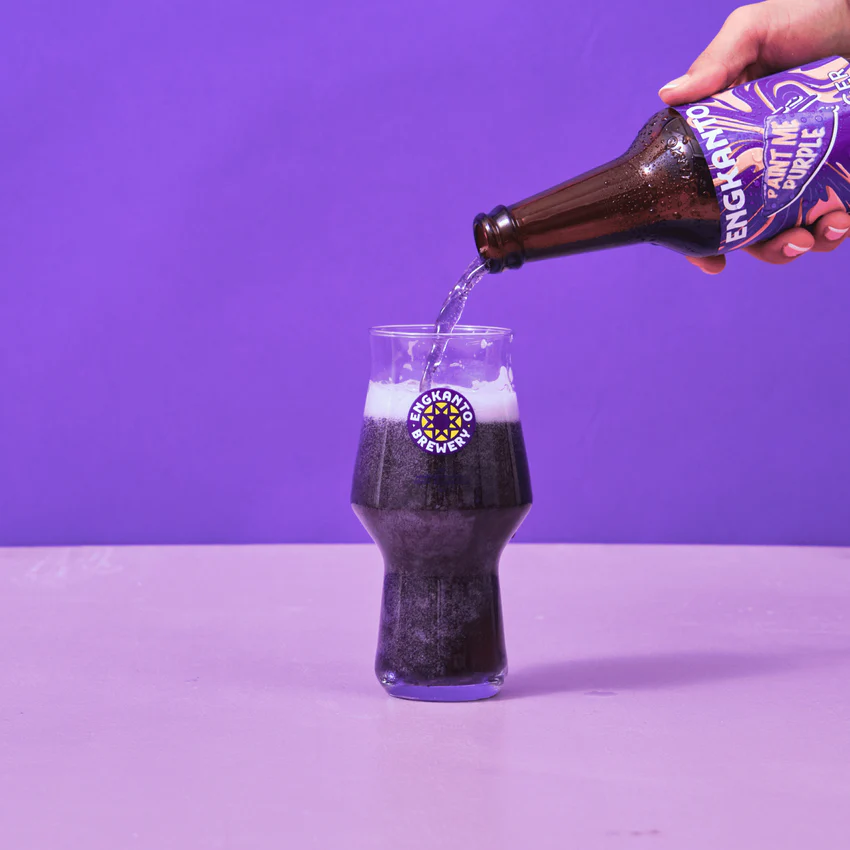
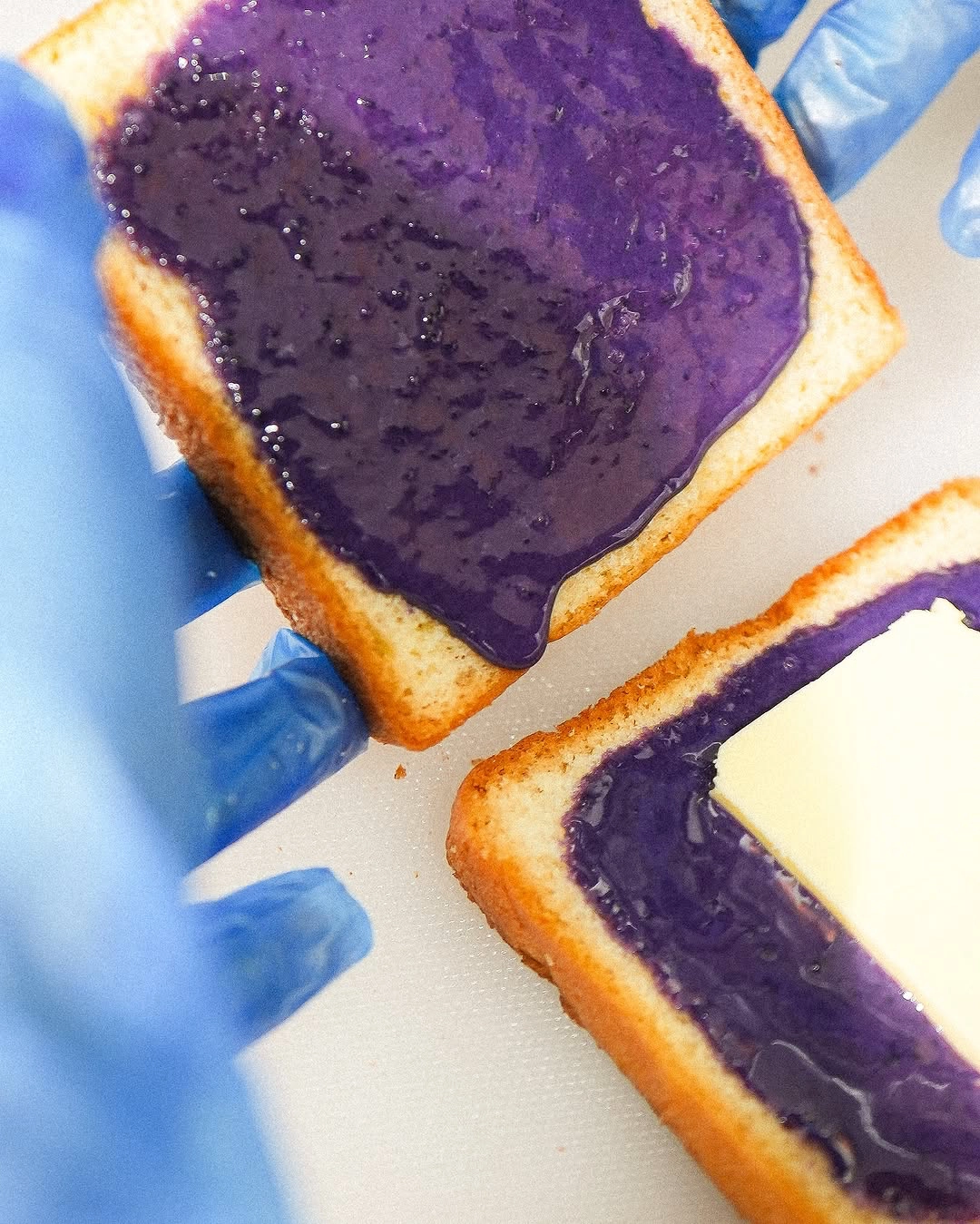
In the Philippines, ube has been a fixture in homes and food establishments for decades. Mixed into both savory dishes and desserts, it’s the backbone of many beloved comfort staples. Most commonly, it’s enjoyed as ube halaya, a jam-like mixture of boiled and mashed ube, milk, butter, and sugar, prized for its thick, creamy texture. It’s spread on bread; folded into pastry batters; used in various glutinous rice cakes; added to drinks such as coffee, tea, and even cocktails and beer; mixed into halo-halo; or, for the truly indulgent, enjoyed on its own.
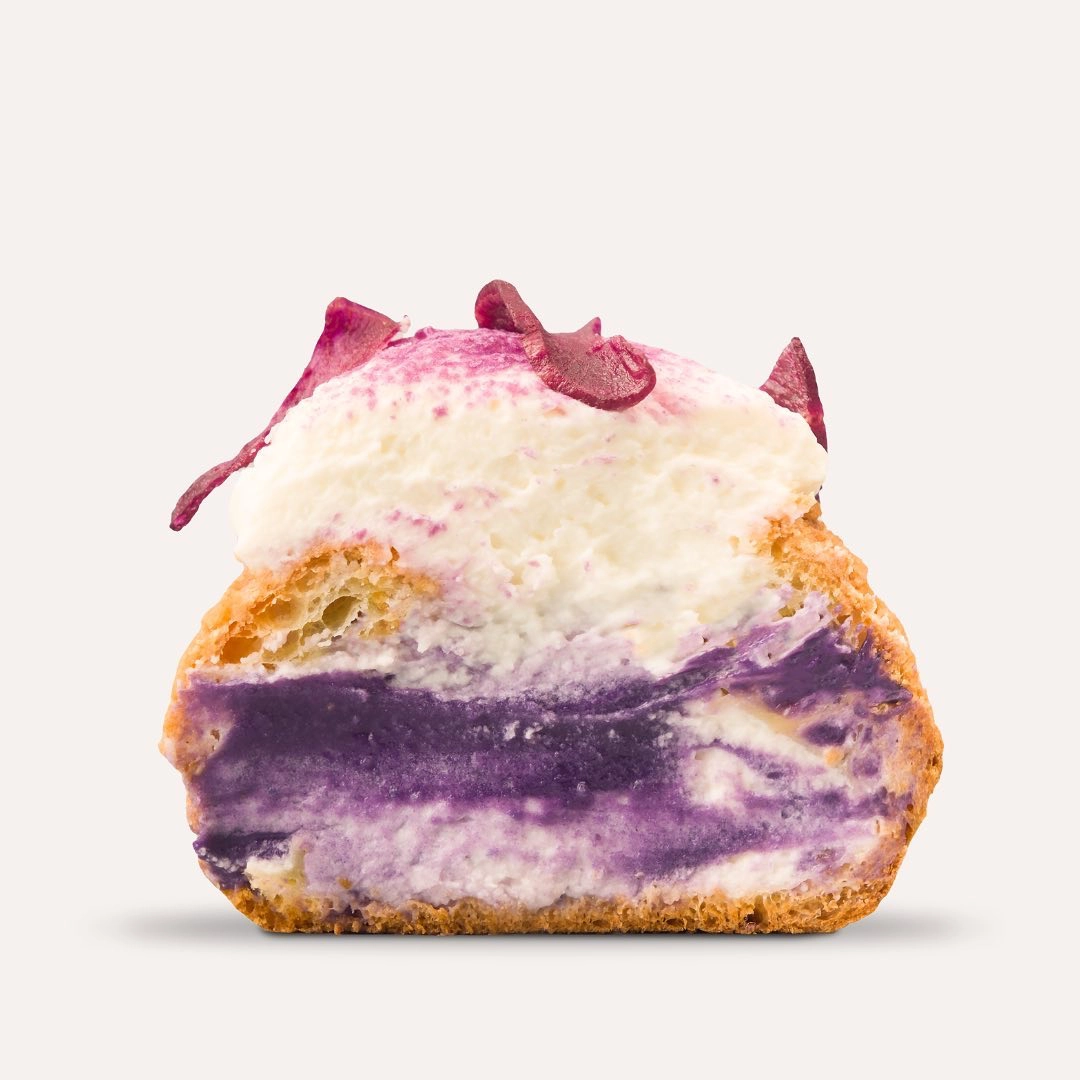
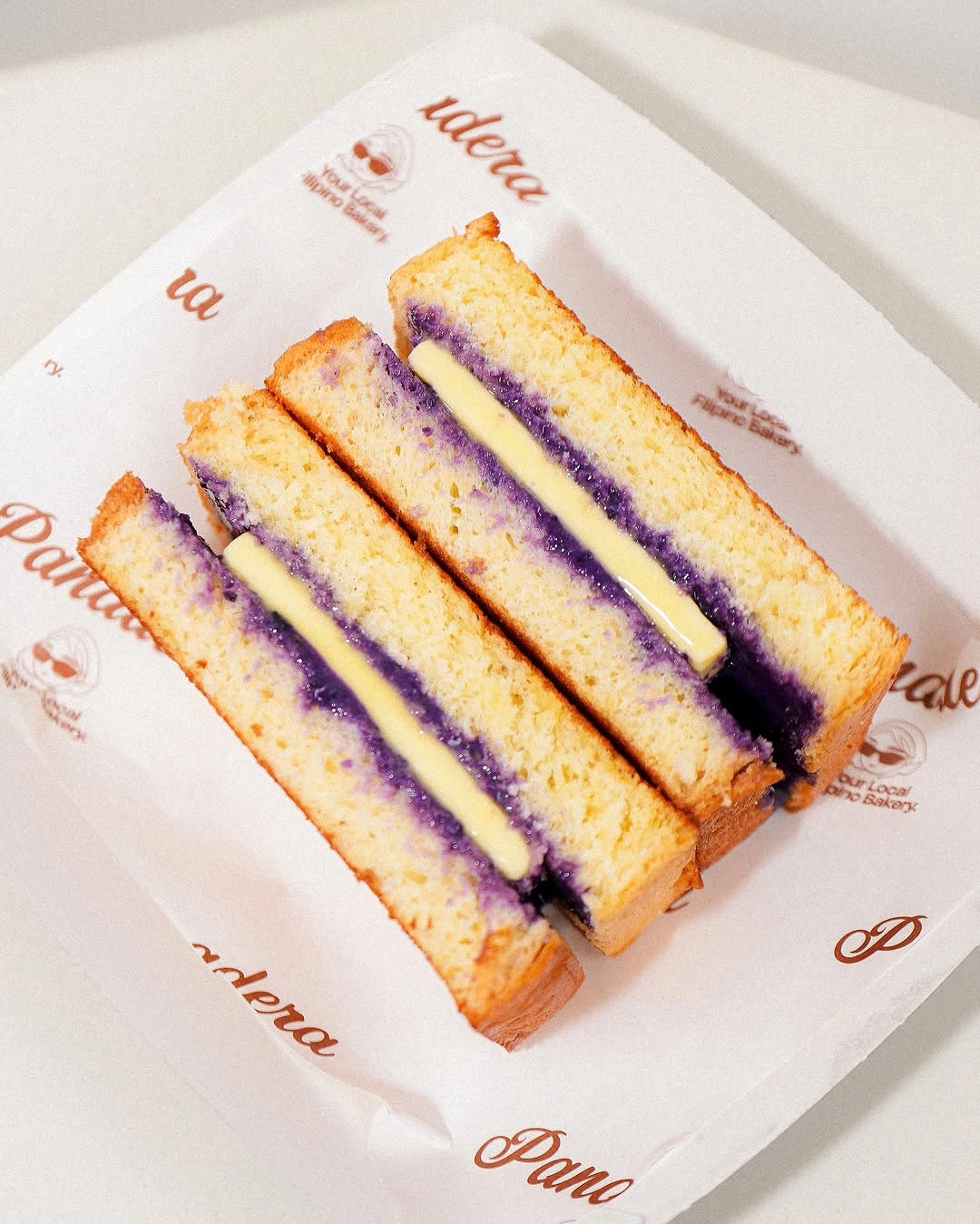
Abroad, Filipino-owned businesses have begun integrating the yam into their menus, experimenting with its properties to create treats that feel familiar yet fresh. New York–based bakery Kora, for example, gained a devoted following on the East Coast for its ube pastries, including fried brioche donuts and cookies. Panadera bakery is London’s equivalent to this, a gateway to ube delights that have Filipinos and foreigners alike coming back for more.
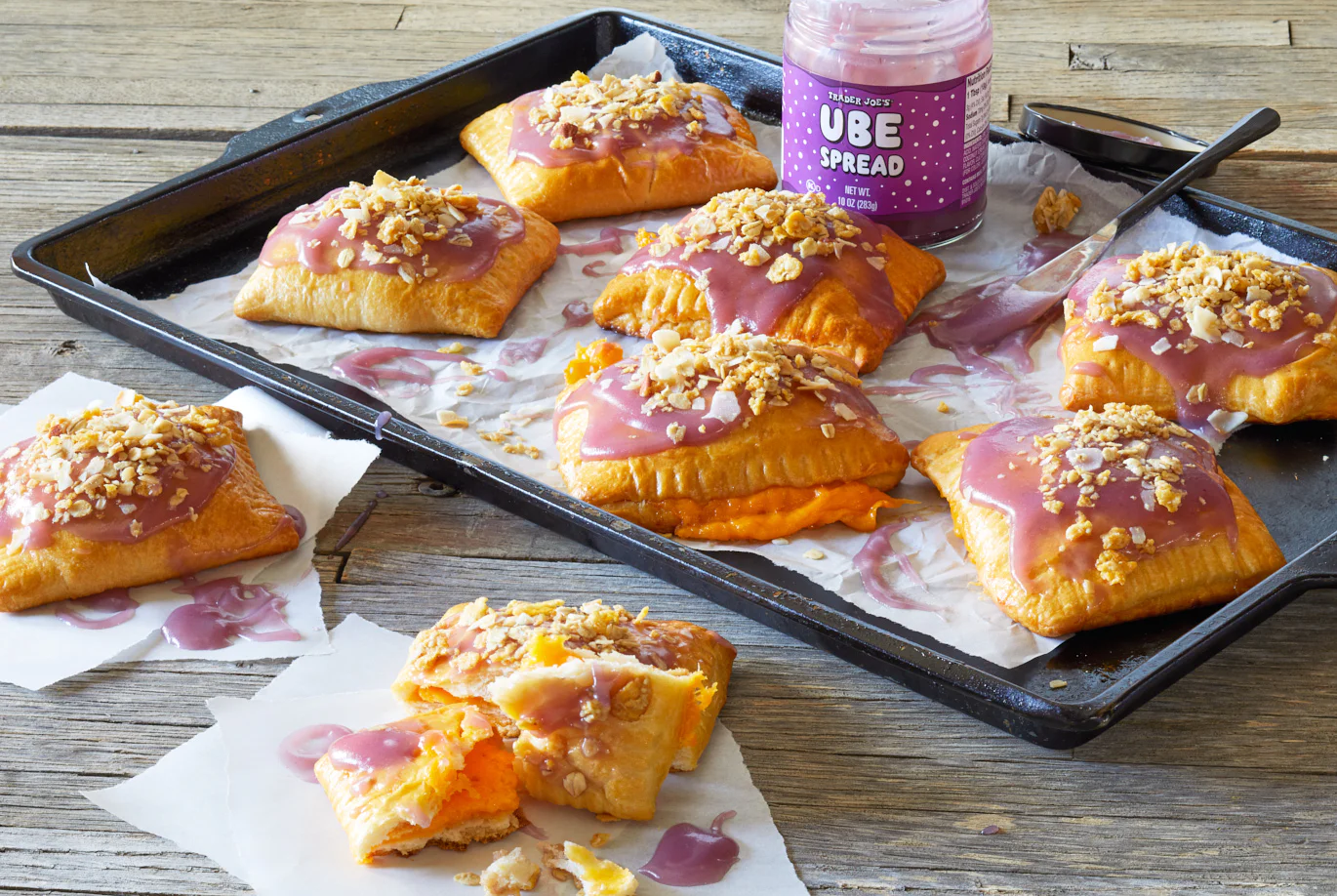
Then there’s the now-infamous Trader Joe’s ube product line, which has gained immense popularity over the years, largely among non-Filipino consumers. Many Filipinos who are familiar with the taste of real ube have criticized the products, saying they bear little resemblance to the yam itself and amount to, at best, a vague approximation. Others have expressed disappointment over the brand’s decision to remove any acknowledgement of ube’s Philippine origins, a detail that was once explicitly stated. This in itself opens up an entire topic on the pitfalls of a globalized cuisine, and the “whitewashing” of a cultureCultureshared traditions, beliefs, values, customs, arts, and social practices that define the identity and way of life of a community, society, or nation.Go to Culture Glossary’s gastronomy (which deserves a larger, separate feature).
For the most part, it’s safe to say that ube has finally been getting the attention it deserves. It’s hard to pinpoint exactly when its virality began, with articles already noting its rise to prominence as early as 2021 and 2022, though the TikTok boom likely played a major role in sustaining that momentum in more recent years.
Keeping Up With The Craze
There’s a flipside to fame in the food world, as we’ve seen with matcha and even coffee. The biggest issue farmers face now is keeping up with a high global demand for ube. While the Philippines still remains a leading producer of the yam, challenges persist as factors like climate change, lack of government support, and supply shortages affect yields.
There was a time when the agricultural sector faced overproduction, with hundreds of ube left unsold. Now, with its newfound popularity, rising demand has made it difficult for growers to retain cuttings, or “planting material,” needed to cultivate new batches, as Rambo Talabong notes in a December 2025 feature for The New York Times. The same article reveals that yearly ube production dropped from 15,000 tons in 2021 to 14,000 tons in the past two years, according to government data.
There are plans to allocate funds toward producing more tissue culture yam plantlets to help farmers keep pace, led by the Philippine Department of Agriculture (DA), in partnership with the University of the Philippines Los Baños, and the different DA regional fields. Though whether that will be enough to meet rising demand remains to be seen. The country has even begun importing ube from other Southeast Asian neighbors, including Vietnam.
Ube’s global rise is, in many ways, a long-overdue recognition of a flavor Filipinos have cherished for generations. But as it continues to travel further from home, its success also raises questions about ownership, sustainability, and who benefits from its popularity. The challenge moving forward isn’t simply to keep up with demand, but to ensure that ube’s future remains rooted in the communities that cultivate it.
Frequently Asked Questions
Ube, known scientifically as Dioscorea alata, is a purple yam native to Southeast Asia and central to Filipino cuisine. Distinguished by its grey-brown skin, vibrant purple flesh, and nutty, slightly vanilla flavor, it has been a fixture in Philippine homes and food establishments for decades, appearing in desserts, drinks, and savory dishes.
Ube’s global rise is attributed to the visual appeal of its vivid purple color, its versatility as an ingredient, and the reach of platforms like TikTok and Instagram, where ube content has accumulated millions of views. Filipino-owned businesses abroad, including Kora in New York and Panadera in London, have also introduced ube to international audiences through pastries and baked goods.
While ube, taro, and purple sweet potato share a similar color profile, their flavor and culinary applications differ significantly. Ube has a distinctly nutty, vanilla-adjacent flavor and a vibrant purple flesh, whereas taro is starchier and more neutral, and purple sweet potato is sweeter and less aromatic. Ube is also specifically tied to Filipino culinary tradition in a way the others are not.
Yes. According to a December 2025 New York Times feature, Philippine ube production dropped from 15,000 tons in 2021 to 14,000 tons in recent years, as rising global demand has made it difficult for farmers to retain the cuttings needed to cultivate new batches. The Philippines has begun importing ube from Vietnam, and the Department of Agriculture is working with UP Los Baños to scale tissue culture production.
Ube’s global rise has prompted criticism around cultural ownership and the erasure of its Philippine origins. Trader Joe’s ube product line, popular among non-Filipino consumers, has drawn criticism from Filipinos who say the products bear little resemblance to authentic ube and that the brand has removed acknowledgment of the ingredient’s Philippine heritage — raising broader questions about who benefits when a culture’s food goes global.