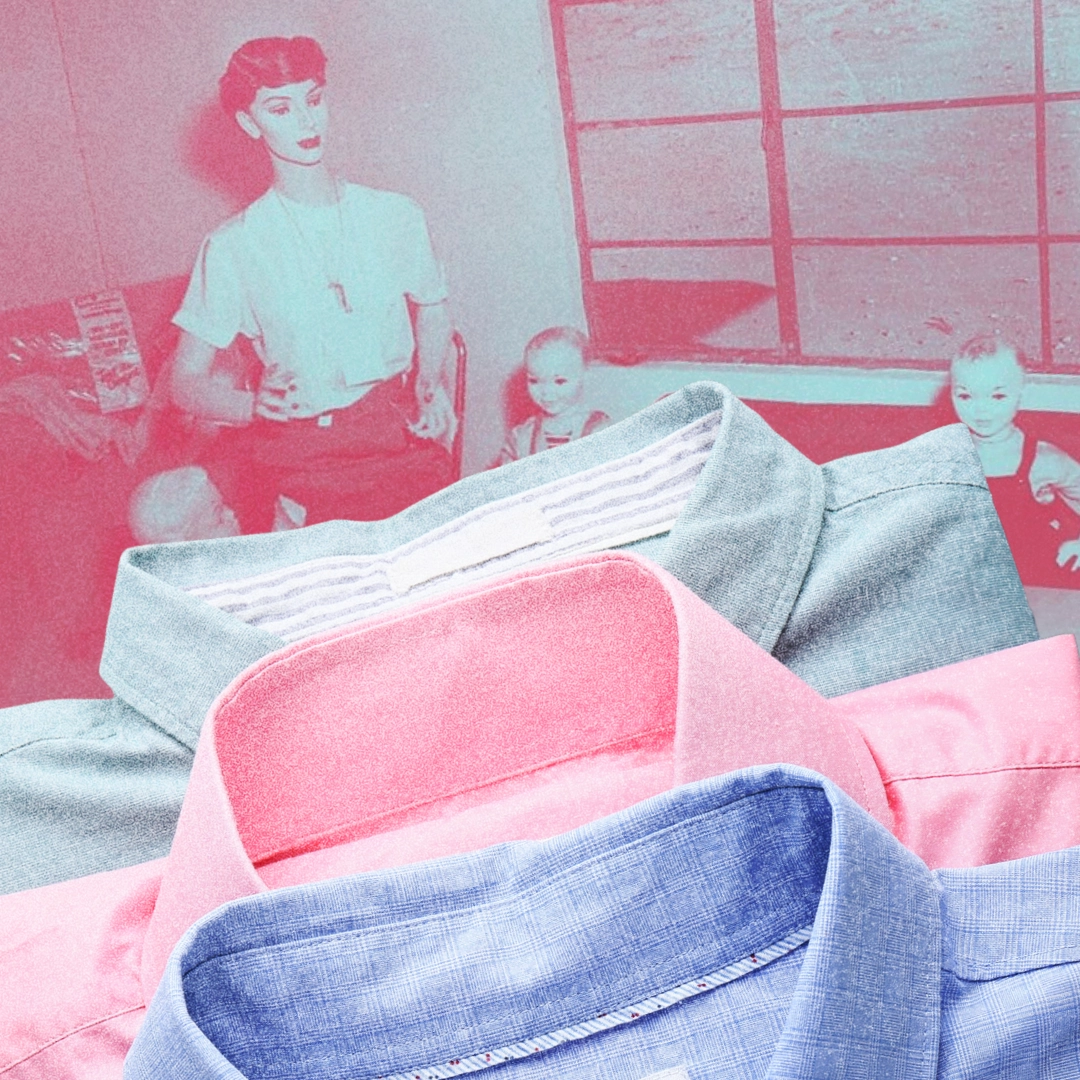
You might’ve seen the term “pink-collar jobs” tossed around online; we take a look at the history of these people-focused roles, and why they deserve far more applause than they’re given.
Recently, I came across a popular video on TikTok (as it so often goes) that casually mentioned the term, with the creator wishing she had a “pink-collar job” among other personal and career goals. Many in the comments echoed the same sentiment, even romanticizing the idea of it. Yet for all their importance to society, pink-collar jobs have long been overlooked, misunderstood, and devalued—an issue inseparable from their close association with women. That disconnect is what pushed me to take a deeper dive and clarify what these jobs actually are, and why they matter far more than a brief social media mention.
READ ALSO: LA Phones A Friend: How Do I Go About Car Modifications?
What Are Pink-Collar Jobs?
Have you ever wondered why the color of collars categorizes jobs? You’ve likely heard the terms “blue collar” and “white collar,” phrases so common they often go unquestioned. These “collar color” distinctions date back to the early 20th century, originally used to differentiate types of work visually. For the longest time, these two categories dominated the conversation. However, as society evolved and roles became more specialized, new classifications emerged, and among them is the “pink-collar” job.
So what exactly are pink-collar jobs? Think of them as the “care-centric” cousins of blue-collar and white-collar work: roles that have historically been dominated by women and involve people (not machines or spreadsheets) at the center of everything. These are occupations where nurturing, listening, helping, and organizing aren’t just nice-to-haves, they’re the whole point. These include careers like nursing, teaching, secretarial work, childcare, and social services. These jobs have traditionally been seen as extensions of the domestic work women did for centuries, but now they’re actual paid employment.
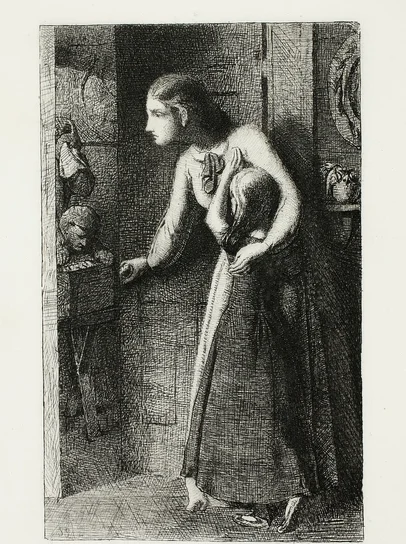
The term itself didn’t pop out of thin air. It was coined in academic circles in the 1960s by economist William J. Baumol, before later being popularized by writer and social critic Louise Kapp Howe in the 1970s to describe the types of roles many women were entering at the time. Even before the phrase existed, the seeds were already planted. Between 1940 and 1945—especially during World War II—vast numbers of women entered the workforce, taking on roles as telephone operators, secretaries, and office workers while men were off at war. That influx of women who took on these roles is part of why the idea of “pink-collar work” emerged later.
Here’s the kicker: while more men have trickled into these fields over the decades, and the strict gender lines have blurred somewhat, the stereotype persists, as data from Pew Research and the Center for American Progress (CAP) has shown, detailed in a report by Suzanne LaPierre for trade organization Digital Content Next. Pink-collar jobs tend to pay less and offer fewer chances to climb the ladder compared to other collar types, reflecting longstanding ideas about “women’s work” that’ve been slow to shake off. The result is a cyclical kind of entrapment: women gravitate toward service-oriented fields that are chronically undervalued yet oversaturated, and the pattern repeats itself.
Giving Them The Flowers They Deserve
These days, pink‑collar jobs have evolved far beyond secretarial work, as well as traditional classroom and hospital settings. They can be anything from administrative assistants and social workers to customer service reps, estheticians, and yes, even Pilates instructors guiding you through your downward dog while making sure you don’t topple over.
The common requirements of their roles, no matter the industry, are people skills, empathy, and care, the so-called “soft skills” that are anything but “soft.” In fact, they often demand immense emotional labor, layered on top of the technical and quantifiable qualifications these workers apply day in and day out. So it’s high time we gave pink‑collar jobs their flowers; the next time you roll out your yoga mat or talk to your grandparents’ caretakers, remember that behind the calm voice and steady hands is a person who helps keep society running, even without the applause.
Frequently Asked Questions
Pink-collar jobs are people-centered occupations historically dominated by women, including nursing, teaching, childcare, social work, and secretarial roles. The term was coined by economist William J. Baumol in the 1960s and later popularized by writer Louise Kapp Howe in the 1970s to describe the kinds of roles many women were entering at the time.
The term follows the tradition of color-coded collar classifications — blue-collar for manual labor, white-collar for office and professional work — with pink used to reflect the historically female-dominated nature of care and service roles. It emerged as a category distinct from the original two, recognizing the growing segment of women in people-focused employment.
While gender lines in these fields have blurred over the decades, data from Pew Research and the Center for American Progress shows that pink-collar occupations remain disproportionately female and continue to face lower wages and limited advancement opportunities compared to blue- and white-collar fields — a pattern linked to longstanding assumptions about the value of care work.
Pink-collar roles require strong interpersonal skills, empathy, and the capacity for sustained emotional labor — alongside technical qualifications specific to each field. These so-called “soft skills” are often underestimated, yet they are central to the functioning of healthcare, education, social services, and community-facing industries.
The undervaluation of pink-collar work is closely tied to its historical association with domestic labor performed by women without compensation. As these roles transitioned into paid employment, the assumption that care and service work is less skilled — or naturally feminine — kept wages low and career advancement limited, a cycle that data from labor research organizations continues to document.