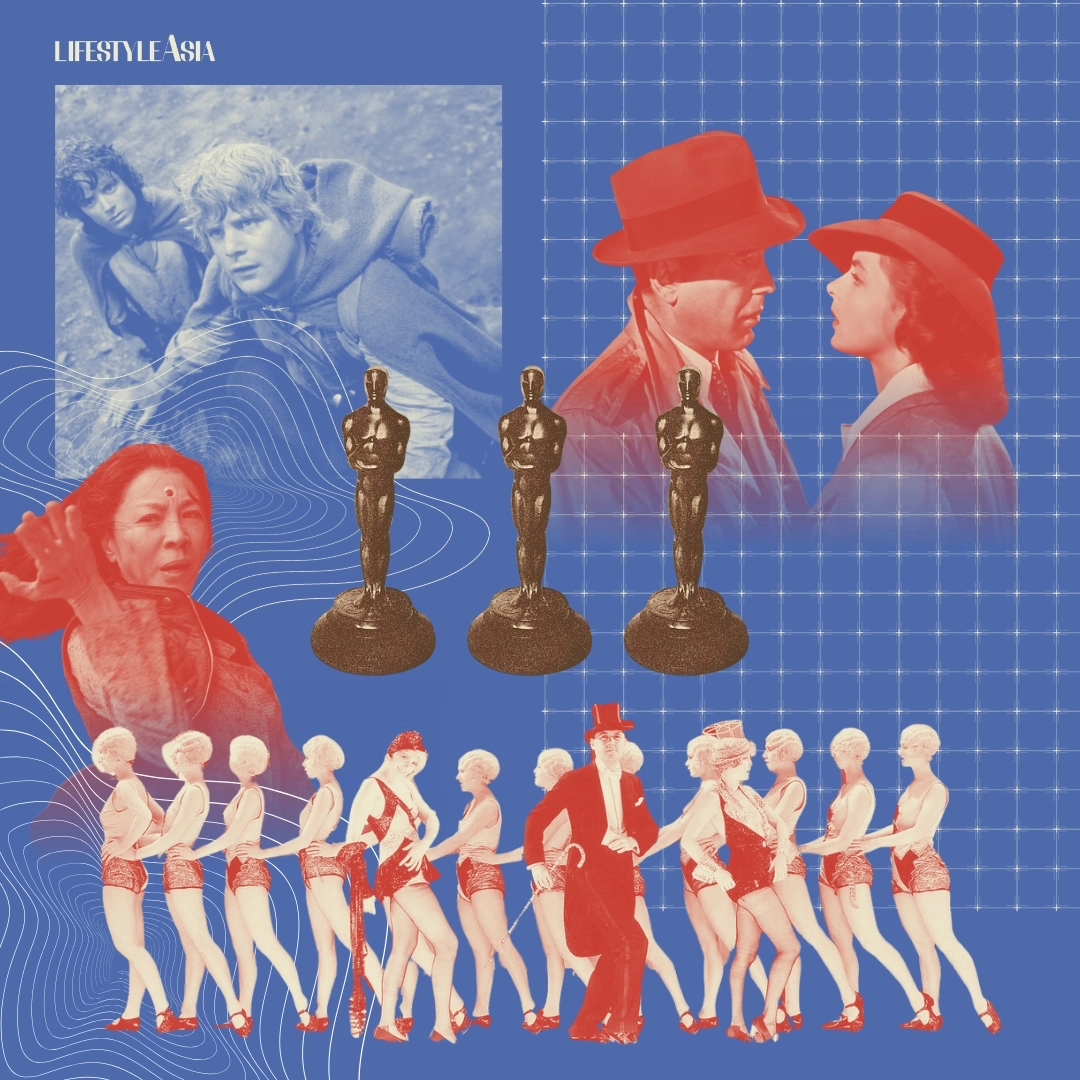
From Wings to Anora, each winner reveals something about cultural identity, history, and what people valued at a particular moment in time.
There are two kinds of film fans: those who care about the Oscars with near-religious fervor, and those who absolutely don’t. The latter, more often than not, dismiss the Hollywood institution as irrelevant in the 2020s: out of touch with what’s current, allergic to popular taste, and intent on crowning “prestige” awards bait that supposedly no one watches.
But what if that isn’t entirely the Oscars’ fault? Sure, some of the criticism is totally valid. They don’t always choose the best films of the year (many genuine classics have gone unrewarded), but in many ways, the Academy’s picks are less about isolated taste and more about cultural temperature. The Oscars don’t exist in a vacuum; they mirror the anxieties, values, and aspirations of the moment. They absorb the preoccupations and milieus that people wrestle with at a particular time: cultural reckonings, advancements in technology, political unrest, wars, and other periods of global tumult. To my mind, nothing captures a zeitgeist more clearly than the annual Best Picture winner: the film declared the best of the best, and awarded the Academy’s highest honor.
So, let’s go through them. Let’s look at what the Best Picture winners have to say about history and cultureCultureshared traditions, beliefs, values, customs, arts, and social practices that define the identity and way of life of a community, society, or nation.Go to Culture Glossary, decade by decade. Viewed this way, they become something like time capsules, shaped by the headlines of their era. Look past the facade of glittering industry statements, and you’ll find markers of what we once valued, ingrained in the stories that resonated, the ones we needed to see on screen because we yearned to better understand and reaffirm what we were experiencing.
At The Begining, There Was Oscar…
Known formally as the Academy of Motion Picture Arts & Sciences, the Oscars were founded in 1927 by 36 film executives, headed by MGM bigwig Louis B. Mayer. The awards were created as a way to inspire industry colleagues to work harder, and more implicitly, to discourage unions. The first ceremony passed largely without fanfare, lasting only about fifteen minutes, followed by a banquet dinner.
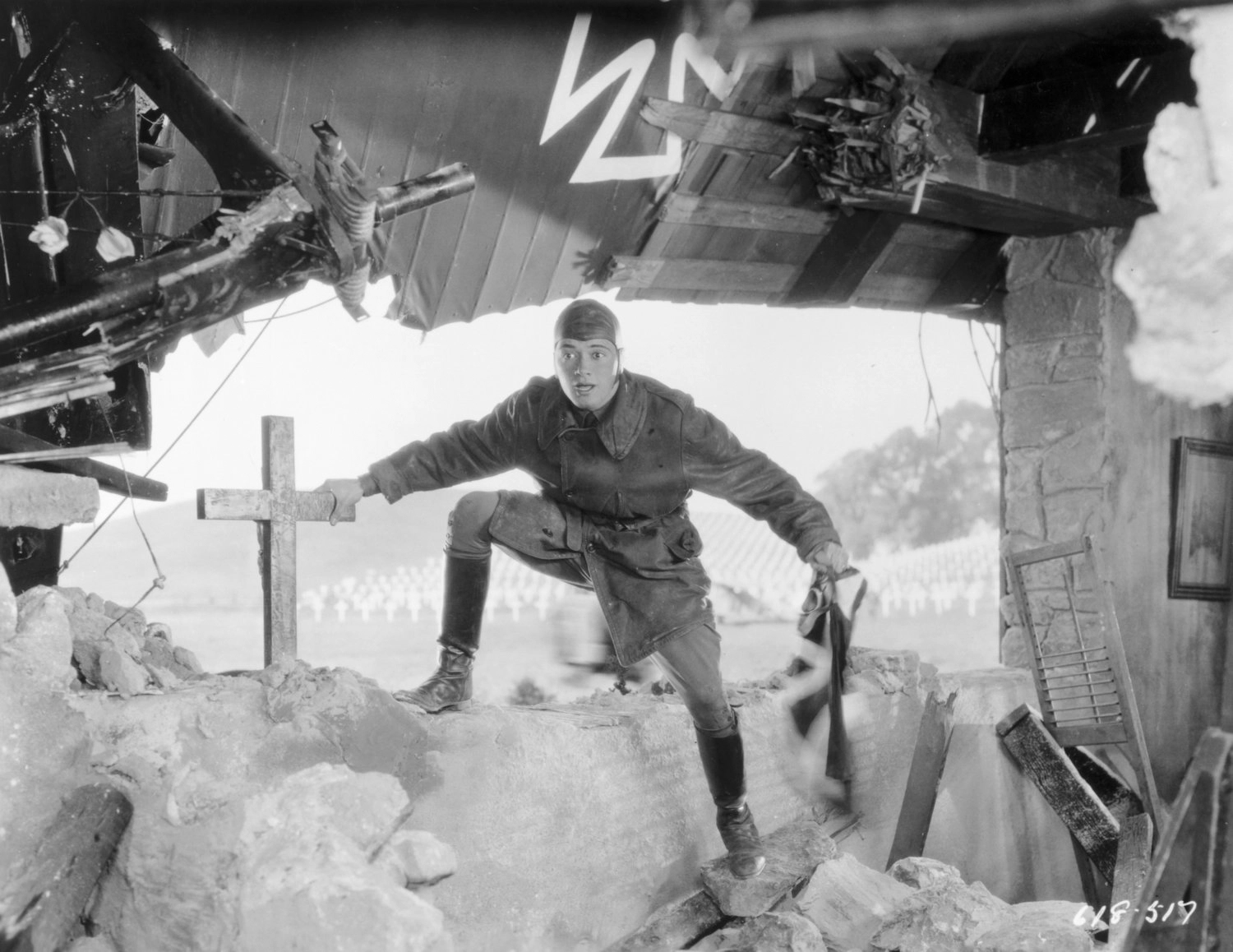
The first Best Picture Oscar went to Wings (1927), a stunning silent film about World War I featuring technical feats (such as aerial shots and battle sequences) that still impress today. It remains the only fully silent film to win Best Picture, unless you count The Artist in 2011, which features dialogue in the very last scene.
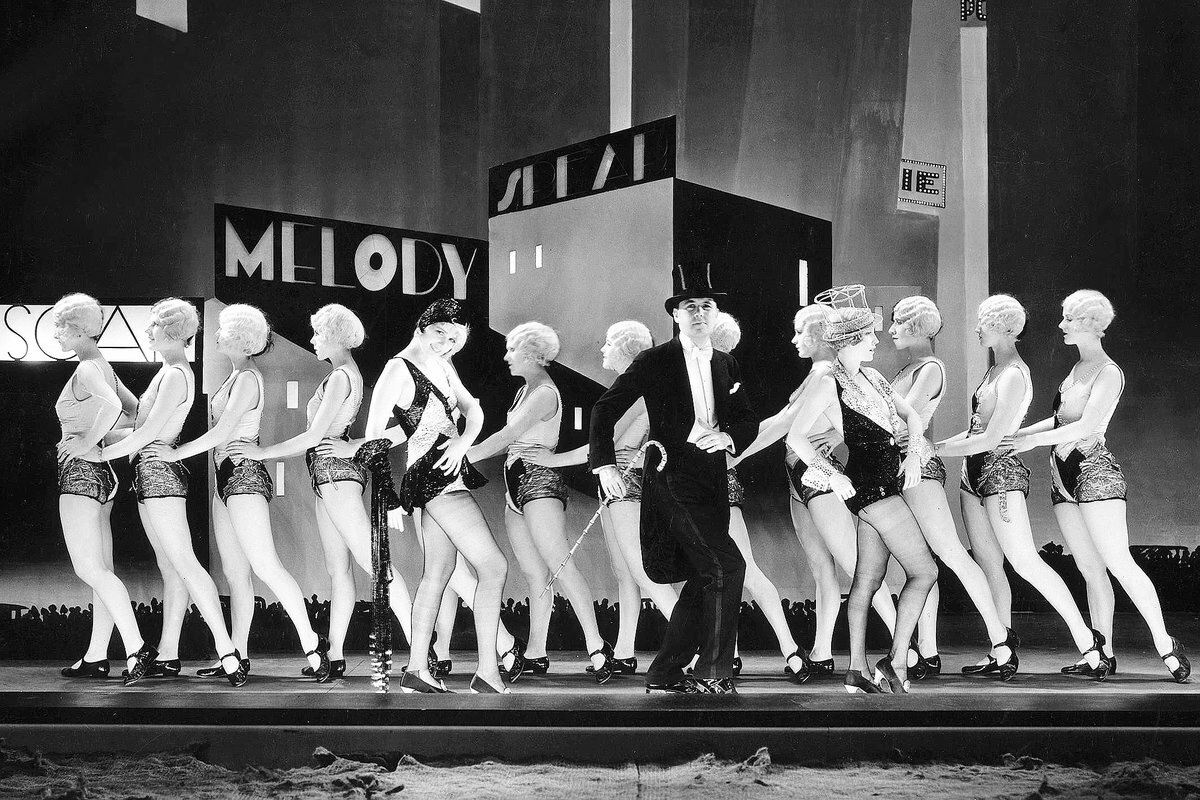
Wings set the template for what most Best Picture winners would be in the 1920s and 1930s: financially successful, showcasing some kind of cinematic innovation, and representing the industry at its best. The following year, The Broadway Melody, a tepid musical about two showgirl sisters trying to make it big on the Great White Way, won the award. The film itself isn’t very good, but having been marketed as Hollywood’s “first all-talking, all-singing, all-dancing musical,” it earned the Academy’s embrace for its technical achievement.
For the rest of the decade, and well into the 1930s, the Oscars largely celebrated the extravagant productions that the studios did best. There was All Quiet on the Western Front (1930), a poignant anti-war story with huge technical prowess; Cimarron (1931), depicting the American West with sprawling sets and massive casts; Grand Hotel (1932), boasting the most movie stars in a single film up to that point; Cavalcade (1933), a decades-long drama about a British family experiencing different historical events in the turn of the century; The Great Ziegfeld (1936), a three-hour-long biopic about theater impresario Florenz Ziegfeld (complete with eye-popping musical numbers); Mutiny on the Bounty (1935), a Hollywood-ified version of the historic British mutiny; and The Life of Emile Zola (1937), a historically inaccurate account of the Dreyfus Affair. All of them reflected the Academy’s early fixation with spectacle and technical innovation; in other words, it was very much an industry award during this period.
Yet beyond these grand productions were two unassuming, intimate films by Frank Capra. These wereIt Happened One Night (1934), the romantic comedy about an heiress secretly traveling by night bus with the help of a down-on-his-luck reporter; and You Can’t Take It With You (1938), a film that follows an eccentric middle-class family whose daughter is marrying into a snobbish, wealthy household. Both captured the spirit and attitudes of the Great Depression, portraying the simple lives of everyday people. They were a far cry from Hollywood glamour, despite starring major film icons, yet they resonated with audiences by telling relatable, down-to-earth stories that lifted spirits during the era.
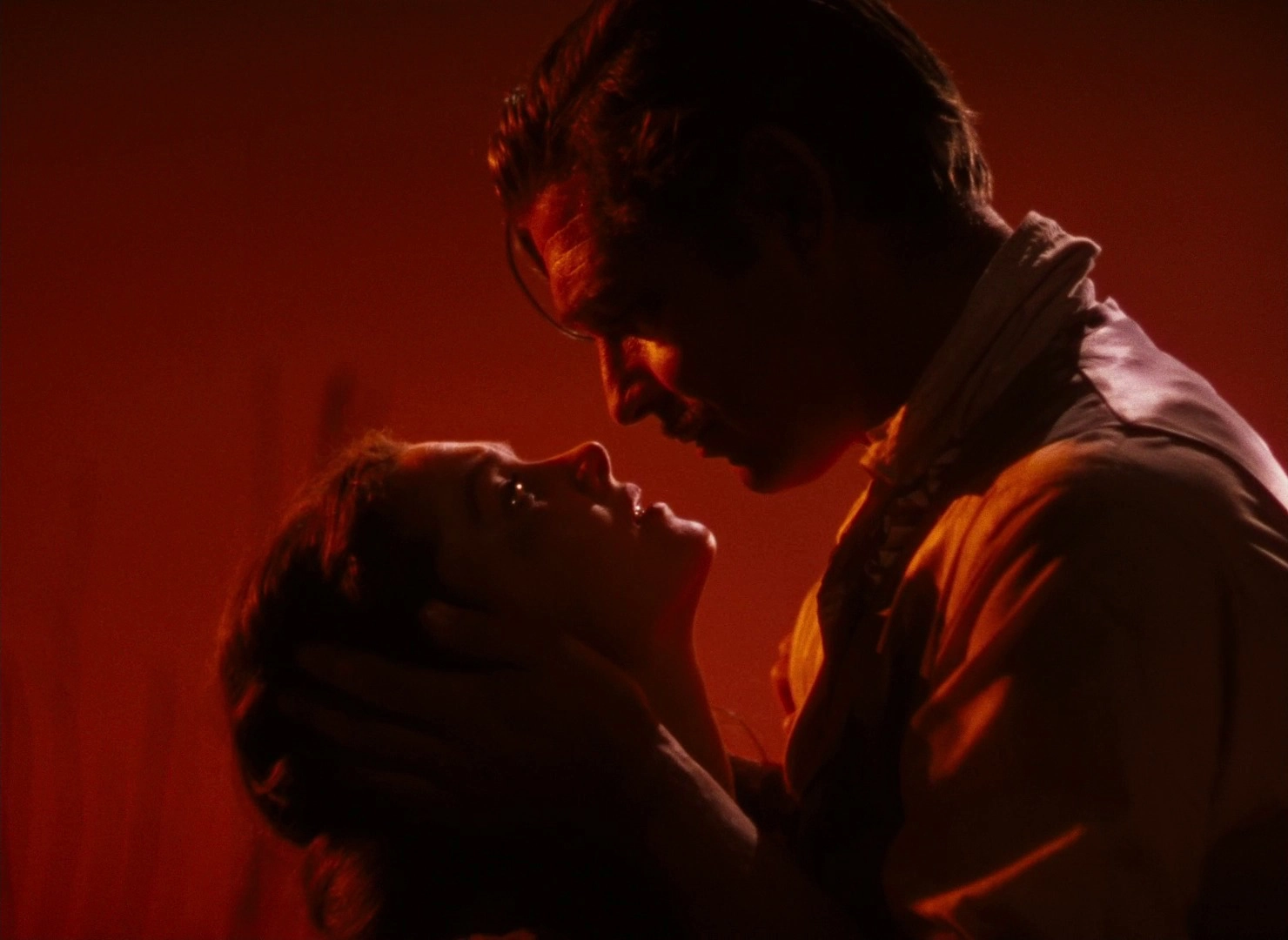
The decade culminated with the victory of Gone with the Wind (1939), the most successful film of all time by this point. Years in the making, the production famously held one of the most exhaustive casting searches ever for the role of Scarlett O’Hara, the complex anti-heroine of this romanticized Civil War epic. The role launched British actress Vivien Leigh into superstardom, and the film stands as the pinnacle of classic Hollywood craftsmanship. Gone with the Wind serves as a defining representation of the early Academy, with its emphasis on scale, star power, and technical ambition. In the decades following its premiere, this approach would begin to shift as more pressing social issues entered the cinematic spotlight.
Hollywood At War
With the threat of World War II looming across the globe during the 1940s, audience tastes began to shift. Two types of films dominated the era: big, splashy musicals and more serious social-issue films. The former—especially works from MGM, which perfected the genre through its celebrated Freed Unit—offered audiences a joyful escape from the horrors of war. The latter, meanwhile, sought to validate people’s lived experiences, reflecting the anxieties the war had brought; it also happened to be the category that often garnered the most Oscar recognition, particularly in the Best Picture race.
Films that exemplify this trend include Alfred Hitchcock’s paranoid gothic drama Rebecca (1940); How Green Was My Valley (1941), which depicts the harshness of life in a South Wales mining town; Going My Way (1944), a sentimental story of two priests fostering community; The Lost Weekend (1945), a landmark exploration of alcoholism; Gentleman’s Agreement (1947), about a reporter posing as Jewish to investigate anti-Semitism; and All the King’s Men (1949), the tale of a highly corrupt yet charismatic politician.
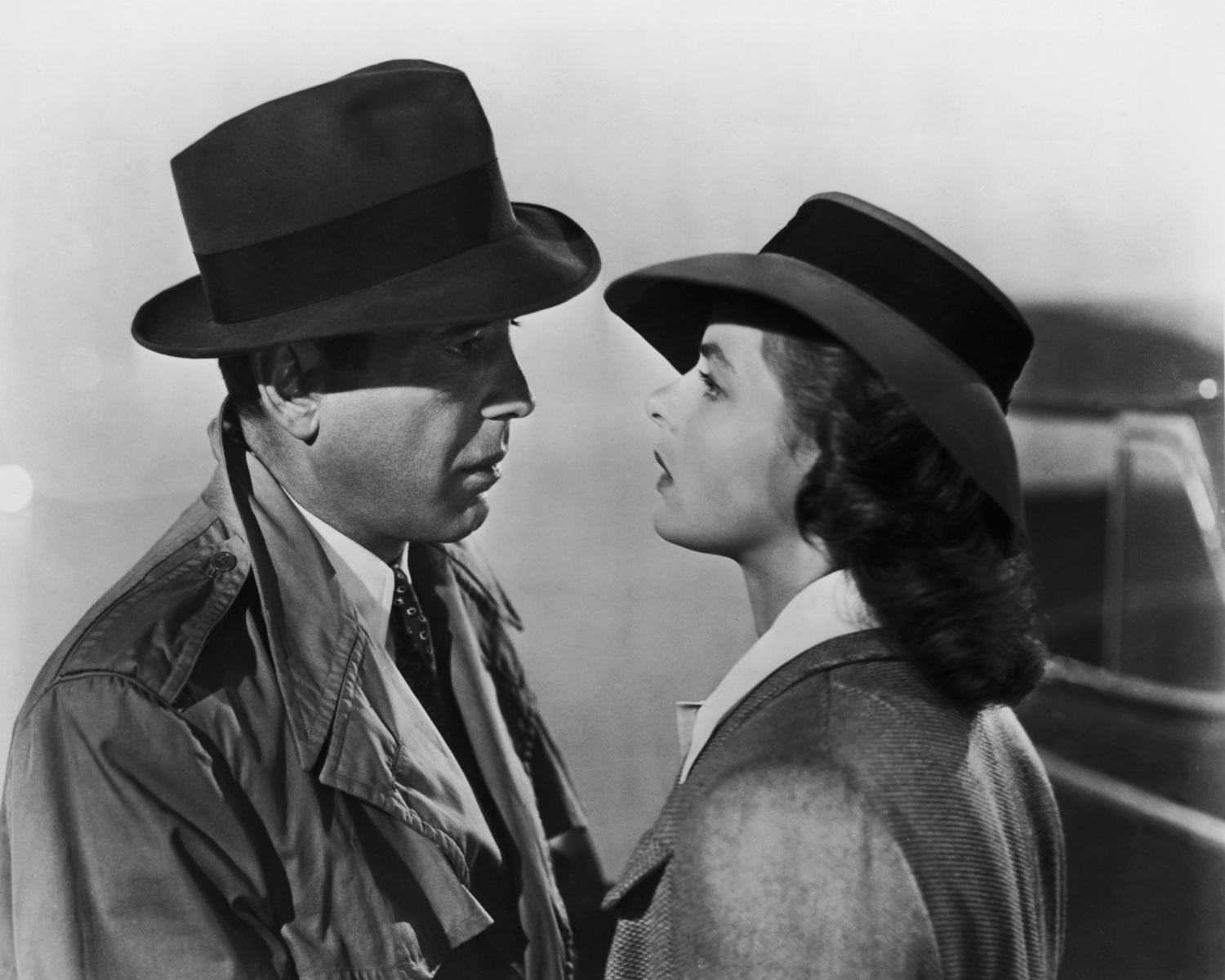
The real-time concerns of World War II played pivotal roles in several Best Picture winners, beginning in 1942 with Mrs. Miniver: a film about a middle-class British family coping with the ongoing war, which Winston Churchill loved and praised for helping secure American support for the Allies. It was followed a year later by Casablanca (1943), often regarded as one of the greatest films ever made. While the story famously centers on the love affair between a jaded American bar owner, Rick (Humphrey Bogart), and his former flame, Elsa (Ingrid Bergman), who are trapped in transit in Nazi-occupied Casablanca, at its core, the film is a war story about courage, moral choices, and nationalism.
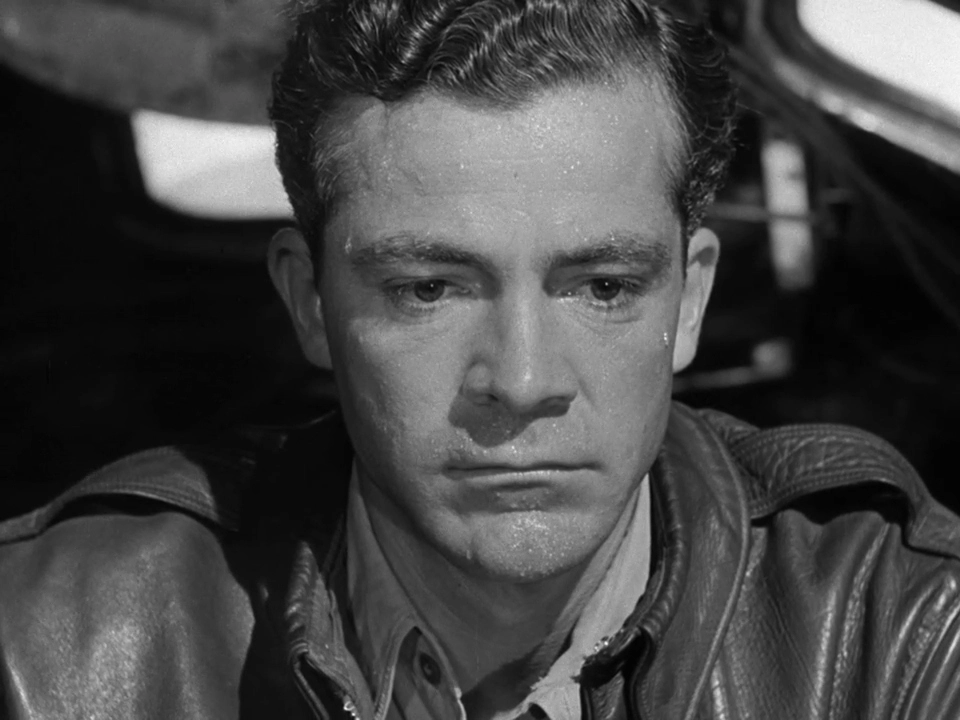
The biggest hit of them all was William Wyler’s The Best Years of Our Lives, which won Best Picture in 1946. Striking a profound cultural chord, particularly with American audiences, the film was released one year after the war’s end and told the story of three soldiers returning to small-town life yet struggling to reintegrate into civilian society. The movie featured Harold Russell, a real World War II veteran and amputee, who won the Oscar for Best Supporting Actor. The Best Years of Our Lives is often considered one of the most important films about World War II, despite not being set on the battlefield. It spoke to the issues many families were grappling with at the time, serving as a looking glass for feelings veterans were experiencing but not yet able to articulate or openly discuss. Thankfully, cinema was there to begin the conversation.
The only notable outlier from the decade’s socially-relevant, war-focused films was Laurence Olivier’s adaptation of Hamlet in 1948, which stood apart as a purely artistic triumph rather than a reflection of contemporary issues.
TV vs. The Studio Epic
The 1950s Best Picture winners opened with the star power of Bette Davis in All About Eve (1950). The backstage drama about the theater world hearkened back to earlier Hollywood traditions, drawing more from the sensibilities of the 1940s rather than signaling the decade to come.
Behind the scenes, the industry was already facing a new challenge: the rise of television. As more families bought TVs for their homes, they began enjoying entertainment in comfort, reducing the need to spend money on cinema tickets. Hollywood responded by getting creative, investing heavily in new technologies like 3D and developing formats such as CinemaScope and Vistavision, offering audiences experiences they simply couldn’t get from a small screen.
With this shift, movies of the 1950s had to be bigger than ever: true extravaganzas featuring distant lands and otherworldly realities designed to blow people’s minds. Big-budget productions dominated the Best Picture category during this era. There was An American in Paris (1951), an MGM musical starring Gene Kelly that famously concludes with a 17-minute ballet; The Greatest Show on Earth (1952), a bloated two-and-a-half-hour Cecil B. DeMille drama about the lives of a traveling circus troupe; and Around the World in 80 Days (1956), a massive financial hit that plays more like a glorified travelogue than an adaption of Jules Vernes’ famous story.
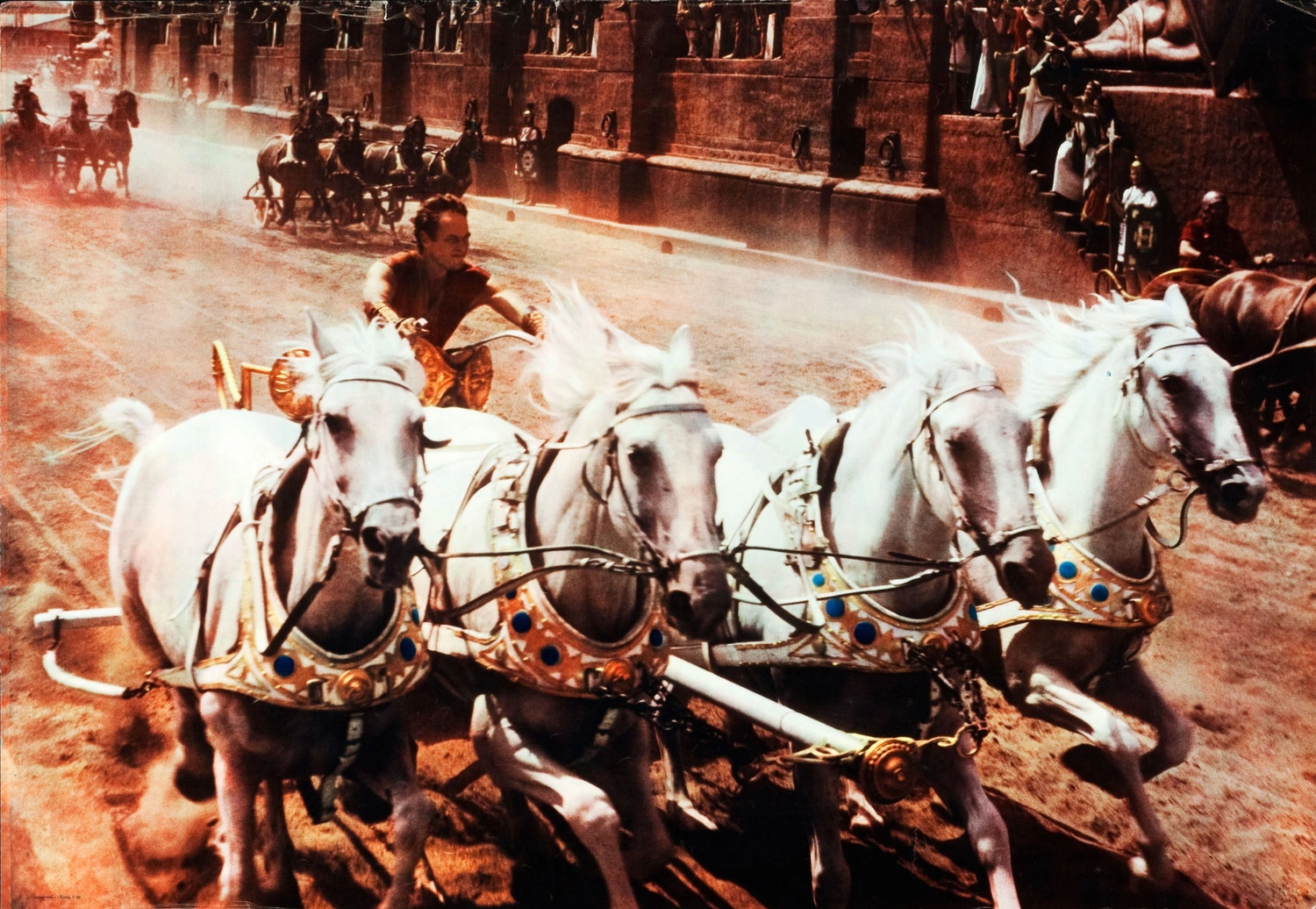
Then there was the brilliant The Bridge on the River Kwai (1957), about British prisoners-of-war forced to build a bridge for the Japanese during World War II. Next is Gigi (1958), another elaborate MGM musical that was considered the crowning jewel of the Freed Unit, which is set in turn-of-the-century Paris and follows a young girl coming of age. And of course, Ben-Hur (1959), the most epic of film epics, which tells the story of Judah Ben-Hur, who vows vengeance after being enslaved by the Romans. It features an astonishing nine-minute chariot race sequence involving thousands of extras and action that’s still considered a monumental feat of filmmaking today.
Many of these grand spectacles from the 1950s (we’re looking at you, The Greatest Show on Earth and Around the World in 80 Days ) are not remembered particularly well by film lovers. They’re often criticized as style over substance and frequently appear on “worst Best Picture winners” lists.
On the other side of things, the art of acting was undergoing its own revolution. With the influence of the Actors Studio and the rise of Method acting, particularly through the arrival of Marlon Brando and Montgomery Clift in Hollywood, performance styles began to shift dramatically. Acting became more internal, more psychological, more raw. Alongside the epics were the occasional, smaller-scale films that embraced this realism, emerging as powerful character studies and sharp social commentaries.
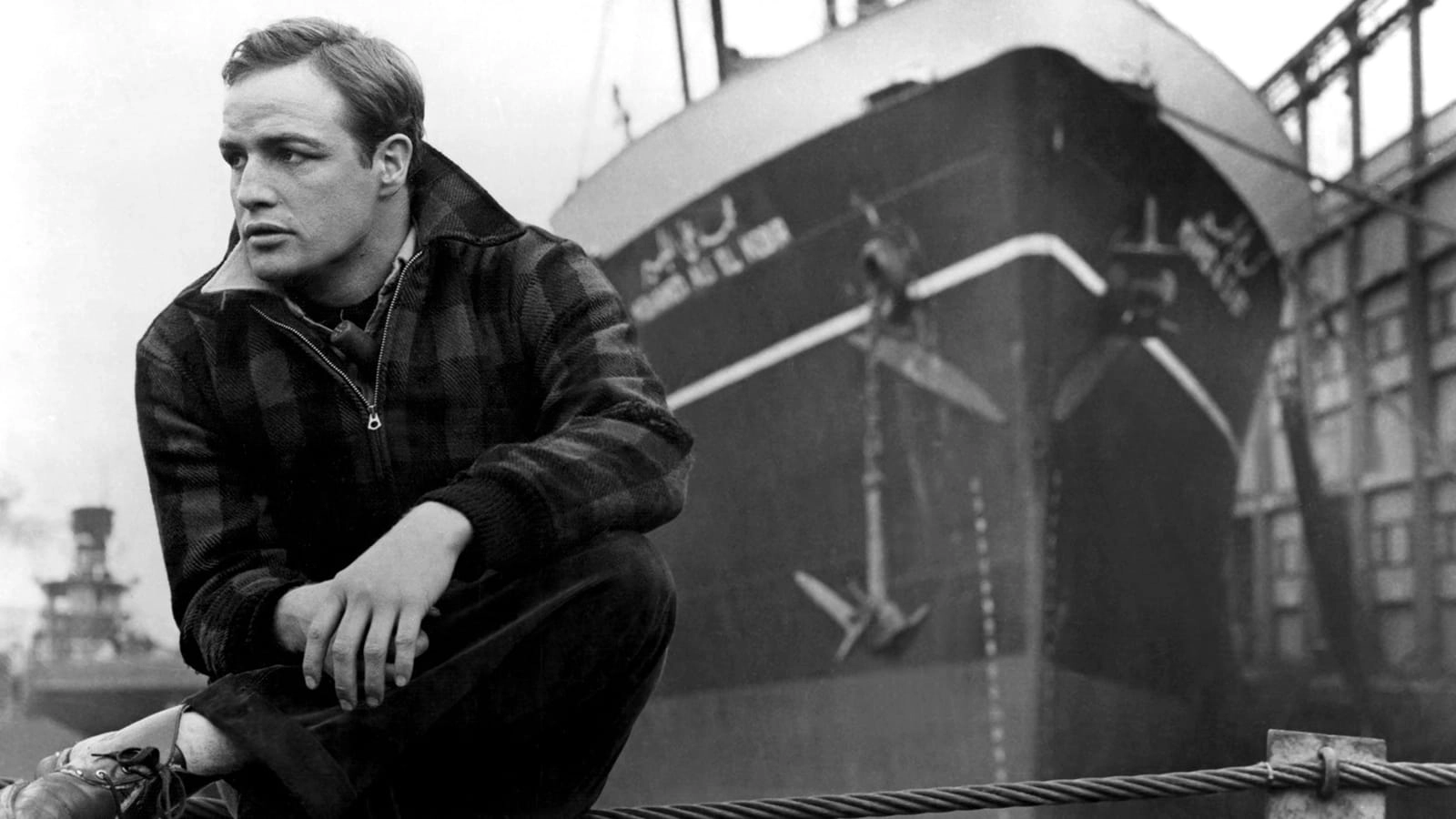
Films like From Here to Eternity (1953), a dramatic tale about a group of interconnected people in Hawaii during World War II; On the Waterfront (1954), starring Brando as a longshoreman grappling with a heavy moral crisis; and Marty (1955), the story of an endearing everyman who finds love, showcased the leading figures of this new artistic movement that would come to dominate cinema by the 1960s. Ushering in the new decade was Billy Wilder’s gorgeous The Apartment (1960), which feels spiritually aligned with these works. Beneath its polished romantic-comedy surface, the film confronts issues such as sexism, workplace politics, and suicide—darker themes that would come to define much of the decade that followed.
The Rise Of The New Hollywood Movement
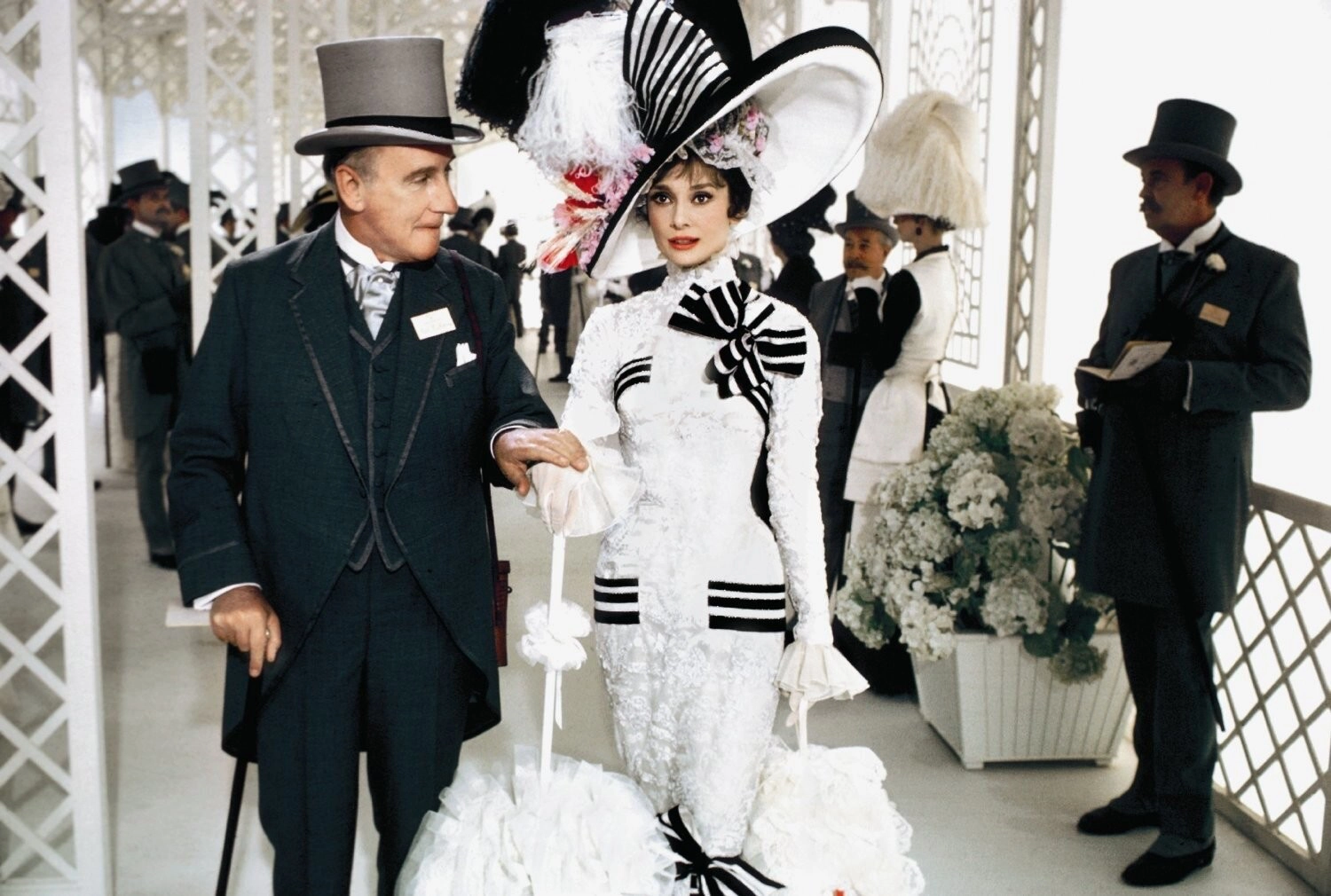
After the roaring success of West Side Story—a musical version of Romeo and Juliet set in New York City—which swept the Oscars in 1961, studios greenlit a wave of Broadway-to-film adaptations, resulting in massive financial hits and igniting an industry-wide obsession with movie musicals. Other musical adaptations that dominated the Oscars in this era include My Fair Lady (1964), about a Cockney flower girl transformed into a lady; The Sound of Music (1965), the story of a nun-turned-governess to seven children in pre-Nazi Austria; and finally, Oliver! (1968), a musical adaptation of Charles Dickens’ Oliver Twist.
Oliver! would be the last musical to win Best Picture until Chicago in 2002, which begs the question: why did musicals fade from Oscar glory after that? Behind the glittering scenery and beautiful musical scores lay great social unrest. The Civil Rights Movement and Women’s Liberation were demanding equality for all, and the Vietnam War was affecting the global mood, especially among youth who were restless, angry, and influenced by counterculture. By the late 1960s, audiences no longer wanted the showy musicals and colorful epics of major studios. What they longed for were stories that spoke to the tragic realities they were living through, and in doing so, validated them.
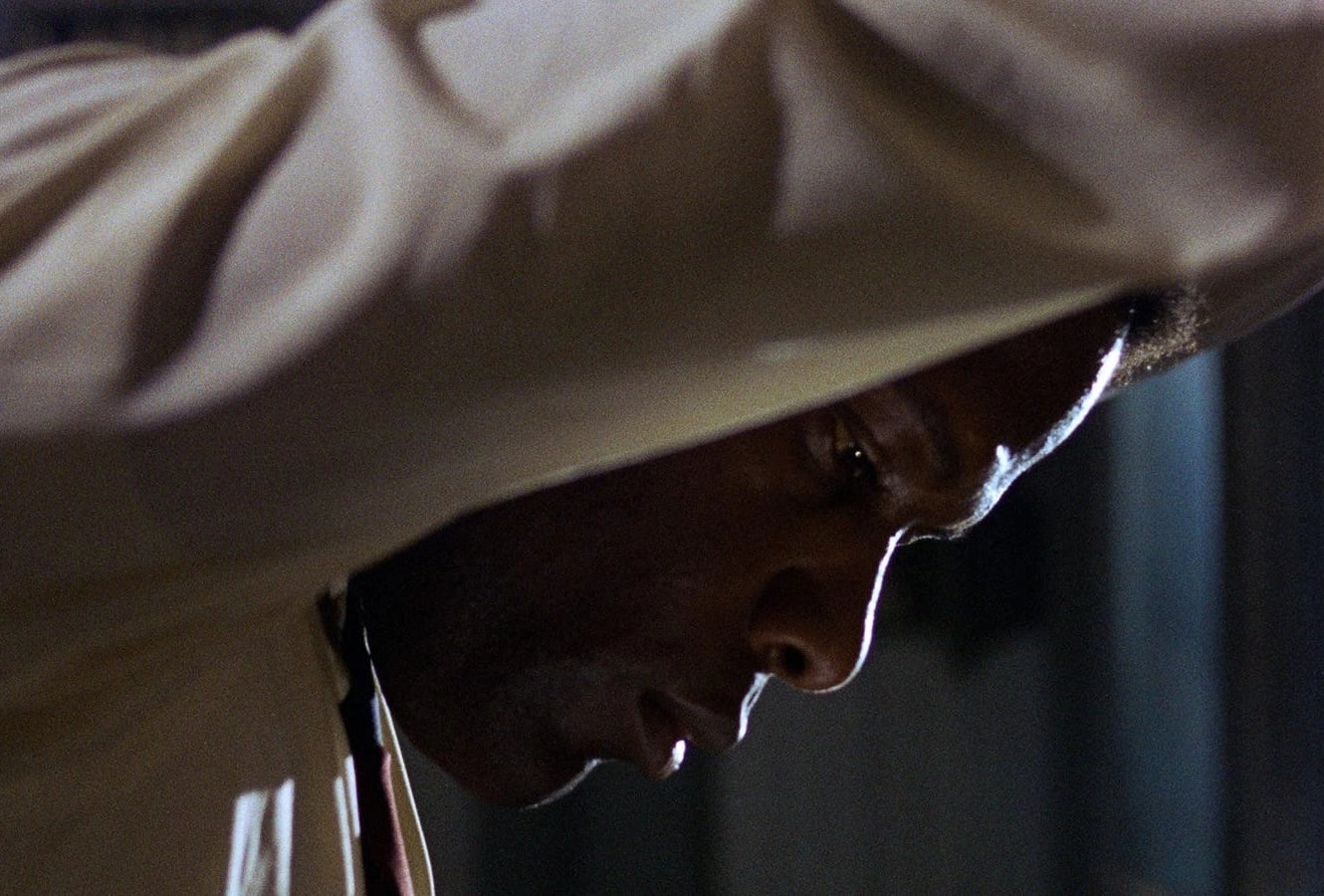
This shift was evident in the Best Picture victory of In the Heat of the Night in 1967, about a Black cop named Virgil Tibbs (played by Sidney Poitier) who investigates a murder in the Deep South. The film is a masterpiece as a whole, but it’s often remembered for its defiant moments, especially the now-famous scene in which Virgil slaps a racist white man. The following year, the Hays Code—a censorship system created in the early 1930s that prohibited portrayals of sex, violence, and immoral behavior on screen—was finally lifted. Artists were now free to make the films they truly wanted, unburdened by rigid limitations.
In 1969, the first and only X-rated film to win Best Picture, Midnight Cowboy, took the prize. The film follows a wide-eyed Texan, Joe Buck (Jon Voight), who moves to New York City to become a hustler, only to confront the city’s darker underbelly with his sickly companion and unofficial pimp, Ratso Rizzo (Dustin Hoffman), at his side. While it might not seem so shocking today, Midnight Cowboy was boundary-pushing in 1969, openly confronting homosexuality, sexual exploitation, drugs, and extreme poverty.
The years 1967 to 1969 are now considered major turning points in film history, not just because they reflected the societal upheavals of the time, but also because they marked an artistic transformation that would forever change the industry and the people who love movies. This era came to be known as the New Hollywood Movement, which fully blossomed in the early 1970s. For further reading, author Peter Biskind chronicles this period in his seminal book Easy Riders, Raging Bulls: How the Sex-Drugs-and-Rock ‘n’ Roll Generation Saved Hollywood.
Besides the big-budget musicals and the rise of New Hollywood, the 1960s were also the decade of the British Invasion. Exports like The Beatles, Julie Christie, James Bond, and Mod cultureCultureshared traditions, beliefs, values, customs, arts, and social practices that define the identity and way of life of a community, society, or nation.Go to Culture Glossary were making waves around the world. The Oscars followed suit, awarding Best Picture to several films steeped in British identity: Lawrence of Arabia, about unconventional wartime rebel T. E. Lawrence; the bawdy period comedy Tom Jones; My Fair Lady; the Tudor political drama A Man for All Seasons; and Oliver! Heck, in some way, even Midnight Cowboy has British ties: though set in the underbelly of New York City, it was directed by John Schlesinger, often seen as one of the defining figures of the British New Wave.
READ ALSO: The Challengers Effect: How One Sexy Tennis Movie Became A Cultural Obsession
Auteur Realism, Front And Center
With the Hays Code finally gone, the New Hollywood auteurs who defined the era were free to stretch their wings. A group known as the Movie Brats prevailed, including now-famous directors such as Francis Ford Coppola, Martin Scorsese, Steven Spielberg, and Brian De Palma, among others. Each had been educated in film schools and openly acknowledged their love of classic Hollywood, having grown up in the 1950s and 1960s—yet they were eager to create films that spoke to their generation. The result: an indelible mark on 1970s cinema, with films that no longer felt confined to studio walls, instead capturing the unforgiving streets and raw realism of a decade they knew firsthand, while echoing the influence of Hollywood’s classic filmmakers.
Musicals and big-budget epics are often blamed for the decline of the studio system and the rise of New Hollywood. Studios like MGM, which churned out musicals for decades, were sold off and repurposed, while many struggled to stay afloat. To survive, other studios went all in on this new generation of filmmakers, giving them unprecedented artistic freedom. The outcome was one of the most interesting and artistically uninhibited periods in cinema history, reflected in the Best Picture winners of the era.
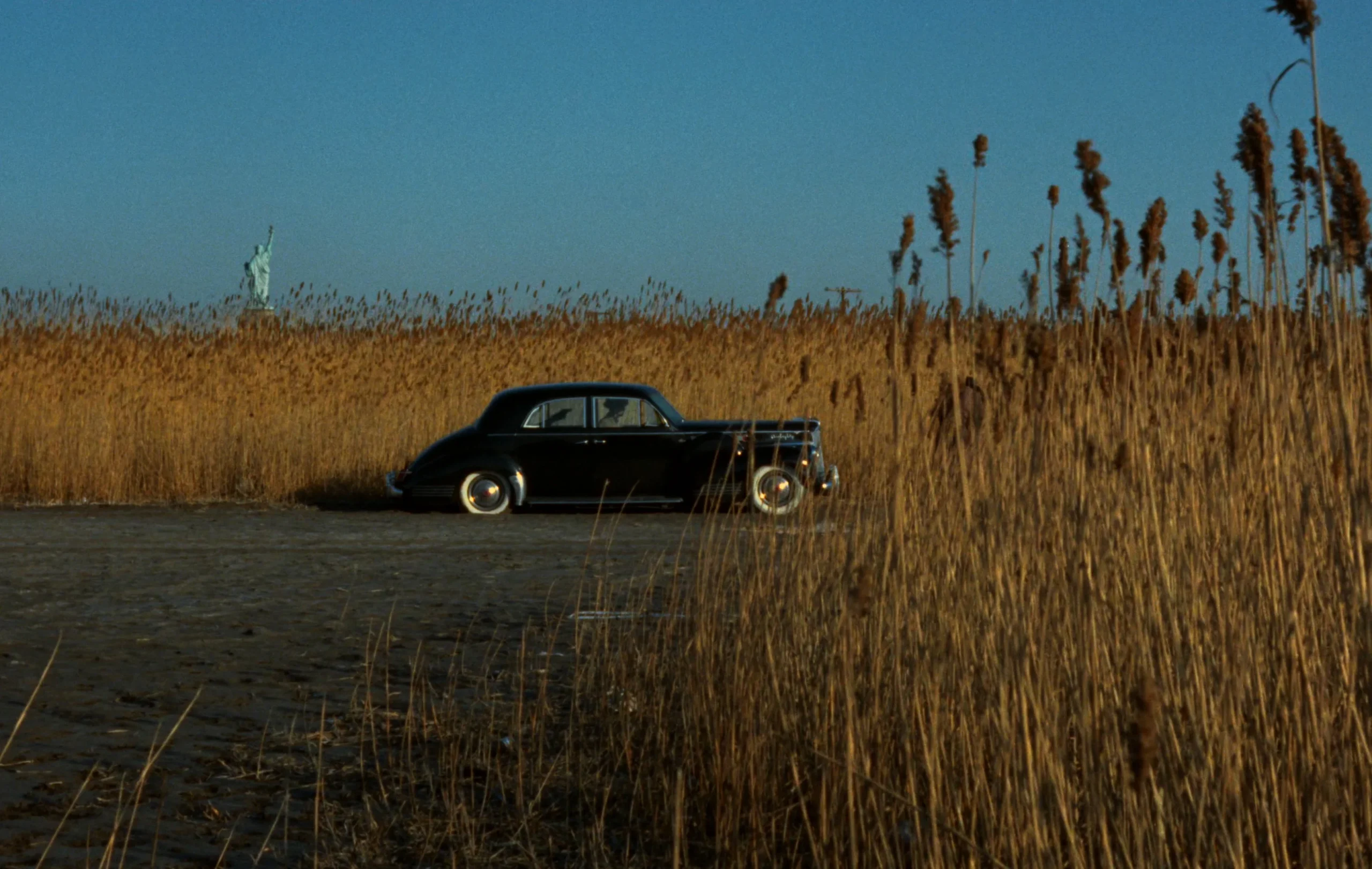
It kicked off with Patton (1970), a biopic of the controversial General George S. Patton. While grittier than most 1960s Best Picture winners, it feels like a relic of the past: the final death rattle of the massive productions that once dominated the Oscars. What followed was a string of remarkable films that reflected the grim realities of the world, shaped by the ongoing Vietnam War, the Watergate scandal, the rise in crime, and the cynicism and disillusionment of the younger generation to which the New Hollywood auteurs belonged.
Director William Friedkin, then in his early 30s, took home Best Picture with his hard-edged New York crime drama The French Connection (1971), whose unflinching depiction of drugs and crime was unprecedented on screen at the time. He was followed by Francis Ford Coppola, the first of the Movie Brats to win Best Picture, with bothThe Godfather (1972) and The Godfather: Part II (1974) reigning supreme. These mafia family sagas are considered two of the greatest films ever made, taking the gangster genre out of pulp and melodrama and into a grounded, serious form of cinema.
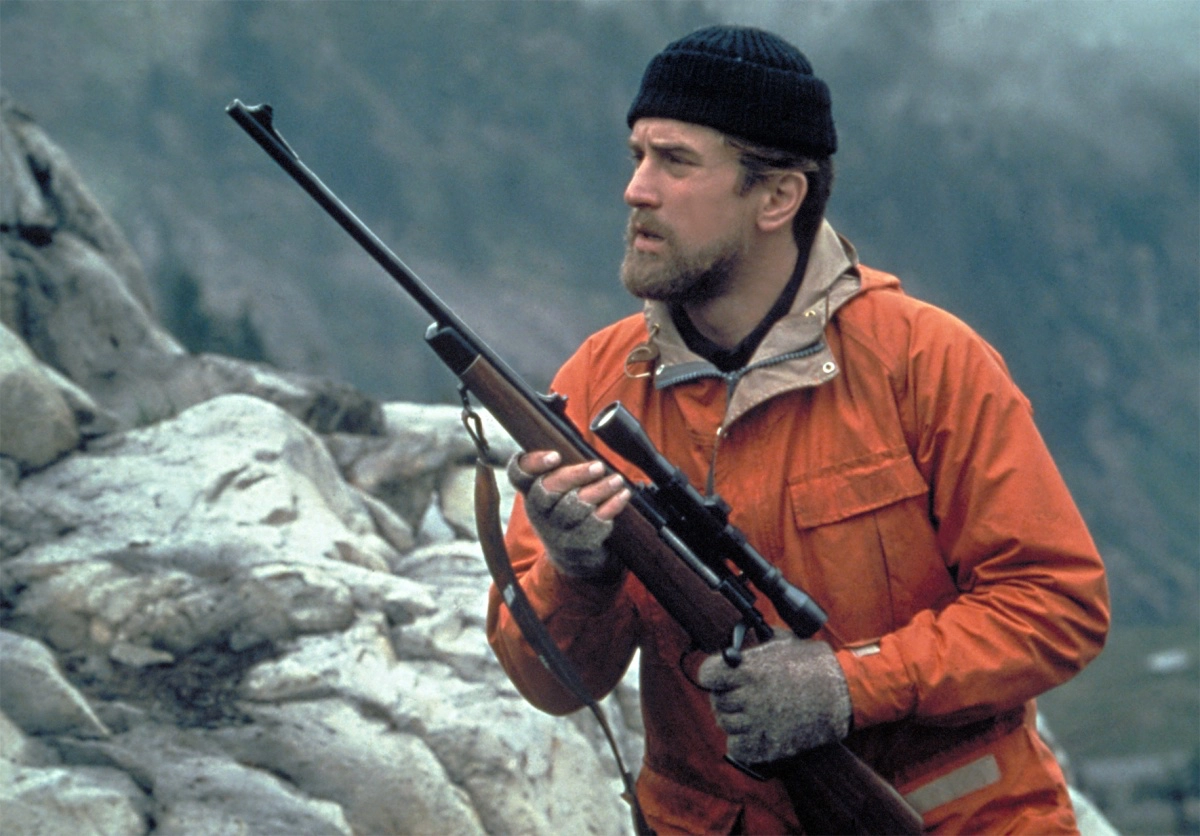
Other Best Pictures of the era include: The Sting (1973), a fun flight of fantasy that reimagined the caper genre through a New Hollywood lens; One Flew Over the Cuckoo’s Nest (1975), about life inside a mental institution; Rocky (1976), the inspiring story of a working-class boxer in Philadelphia; Annie Hall (1977), Woody Allen’s offbeat love story that offered a modern take on gender and sexual politics in New York; The Deer Hunter (1978), Michael Cimino’s unsparing, incredibly violent look at the Vietnam War; and finally, Kramer vs. Kramer (1979), a family drama about divorce that struck a chord with contemporary audiences. By depicting a single father raising his son after the mother walked out, it sparked widespread debate about gender roles and contemporary family dynamics.
READ ALSO: What Watching Every Steven Spielberg Film Taught Me About Life
The Studios Regain Power
Even at the height of the New Hollywood Movement, its demise was already looming, largely because of one of its own: wunderkind Steven Spielberg. After the massive success of Jaws in 1975 (which I chronicled in depth on its 50th anniversary), and the birth of the modern blockbuster, studios began reassessing the value of investing heavily in spectacles to draw audiences back into theaters. When Star Wars exploded onto screens in 1977, followed by the colossal flop of Michael Cimino’s disastrous Heaven’s Gate in 1980, it became clear that the studios were ready to regain control.
Then came what felt like a symbolic conclusion to the New Hollywood era: Ordinary People (1980), a sensitive, moving family drama exploring depression and mental health, which won Best Picture at the start of the decade and was fittingly directed by New Hollywood icon Robert Redford.
For the next 10 years, and well into the late 1990s, Best Picture winners increasingly reflected the studio’s return to power, reminiscent of the lavish productions of the 1950s. Studios poured money into gargantuan presentations once more, bolstered by big movie stars, while the architects of New Hollywood—Spielberg, Lucas, and their contemporaries—also shifted toward commercial filmmaking that fit this new trend. The era of gritty, auteur-driven cinema gave way to lofty, box-office-driven productions, marking a clear transition in Hollywood’s priorities.
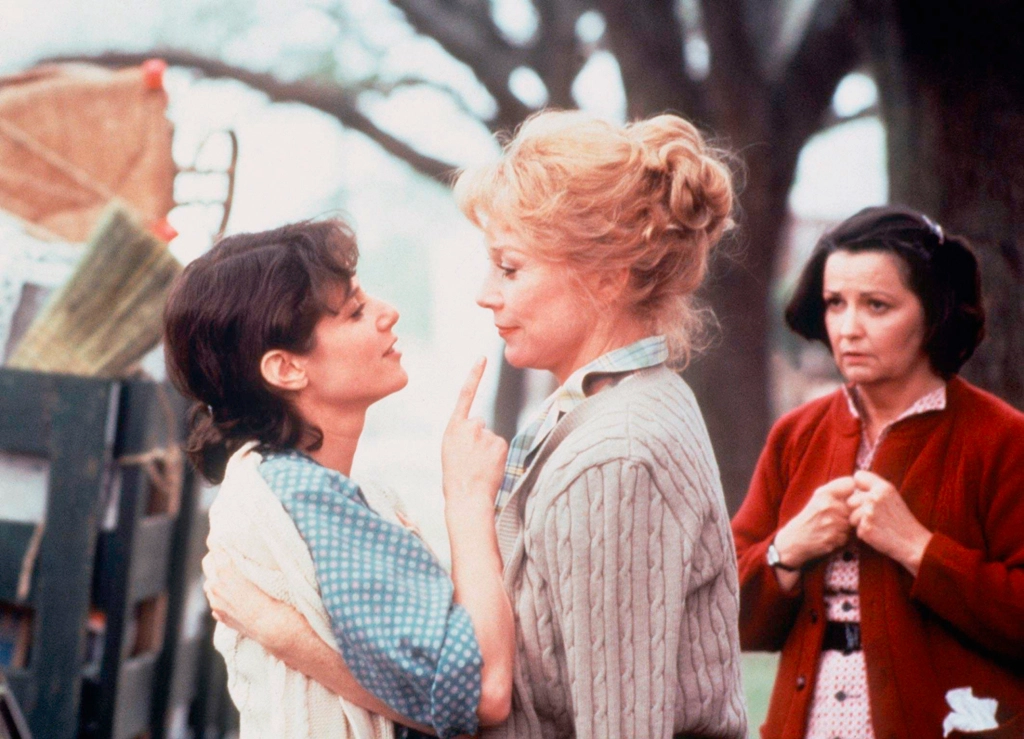
Chariots of Fire (1981), a decadent sports drama about two British athletes competing in the 1924 Olympics, was a box office hit and won Best Picture, even if it isn’t widely remembered today. It was followed by Gandhi (1982), another sprawling period piece chronicling the life of its titular Indian leader, which became an even bigger hit. Terms of Endearment (1983), a smaller James L. Brooks drama about the relationship between a mother and daughter over the years, proved that more personal stories could also thrive as long as they had the star power of someone like Shirley MacLaine. To put it into perspective, it earned $127 million on a $22 million budget. Extensive epics continued to dominate, including the exhaustingly long Karen Blixen biopic Out of Africa (1985); Oliver Stone’s jarring Vietnam War drama Platoon (1986); and the imperial saga The Last Emperor (1987), which chronicles the life of China’s final emperor, Puyi.
The decade also introduced 1980s superstar Tom Cruise, who starred alongside Dustin Hoffman in Rain Man (1988), a film that achieved both box-office success and Best Picture gold. The 1980s closed with Driving Miss Daisy (1989), a story about the unlikely friendship between a White woman and her Black driver in the mid-20th century, which was widely criticized at the time (and still is) for oversimplifying racial relations. What unites these films? They made money, boosted studio power, and represented an evident shift toward commercial, crowd-pleasing cinema.
It’s crucial to note that after the turbulent 1970s, the Academy wasn’t particularly in the mood to be political. They overlooked many pressing issues of the time, most notably the AIDS epidemic, which is striking, considering they had previously engaged with equally weighty subjects like war, race, and feminism. But this was, after all, Ronald Reagan’s America, where the ideal of the perfect American life—clean, commercial, conservative, and orderly—was lauded and encouraged. This trend would continue well into the 1990s, with blockbuster Best Picture winners that were brilliant in their own right, but felt more like celebrations of Hollywood grandeur and success rather than reflections on contemporary social issues. Should we consider it “looking the other way”? Perhaps. Yet we can glean as much from what the Oscars chose to honor as from what they opted to ignore.
Kevin Costner’s Dances with Wolves (1990) kicked off the decade with another epic frontier story centered on a “white savior” protagonist living among Native Americans. The Silence of the Lambs (1991) became a surprise Oscar champion, the first horror movie to sweep the “Big Five” Oscars: Picture, Director, Actor, Actress, and Screenplay. Unforgiven (1992) redefined the Western the way The Godfather changed the face of gangster films. Schindler’s List (1993) finally awarded commercial powerhouse Steven Spielberg his elusive Oscar, after diving deeply into the Holocaust.
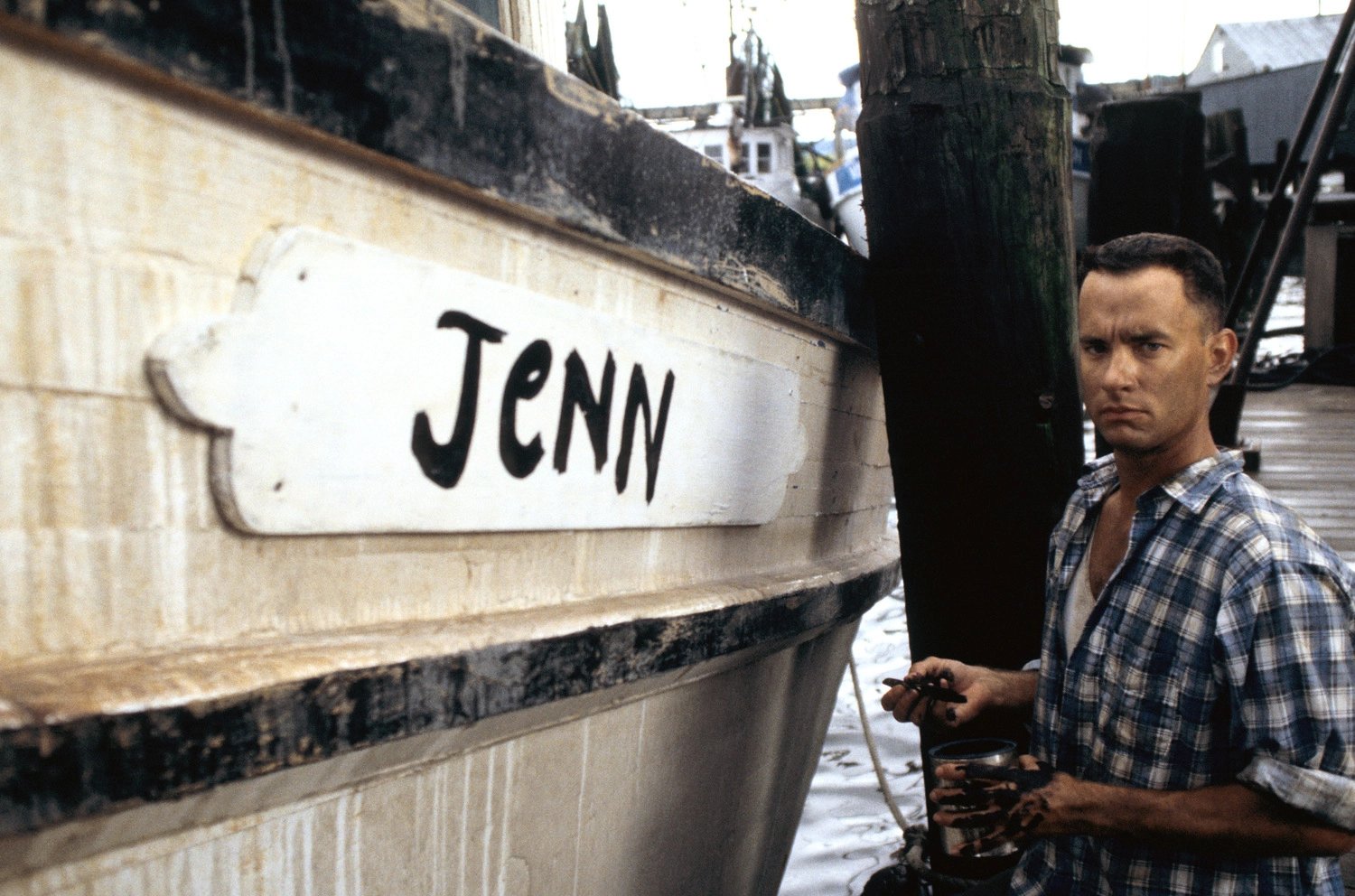
Tom Hanks and Robert Zemeckis took a bold artistic risk with Forrest Gump (1994), following an intellectually disabled man through key historical events—and it paid off spectacularly. Mel Gibson led and directed the Scottish epic Braveheart (1995), another vast period drama. The English Patient (1996) became a cultural phenomenon (thanks in part to its lampooning on Seinfeld), fitting perfectly into the era’s trend of handsome, prestige-driven period pieces. Finally, the decade was capped off by James Cameron’s Titanic (1997), a record-breaking display that reaffirmed the renewed power of studios.
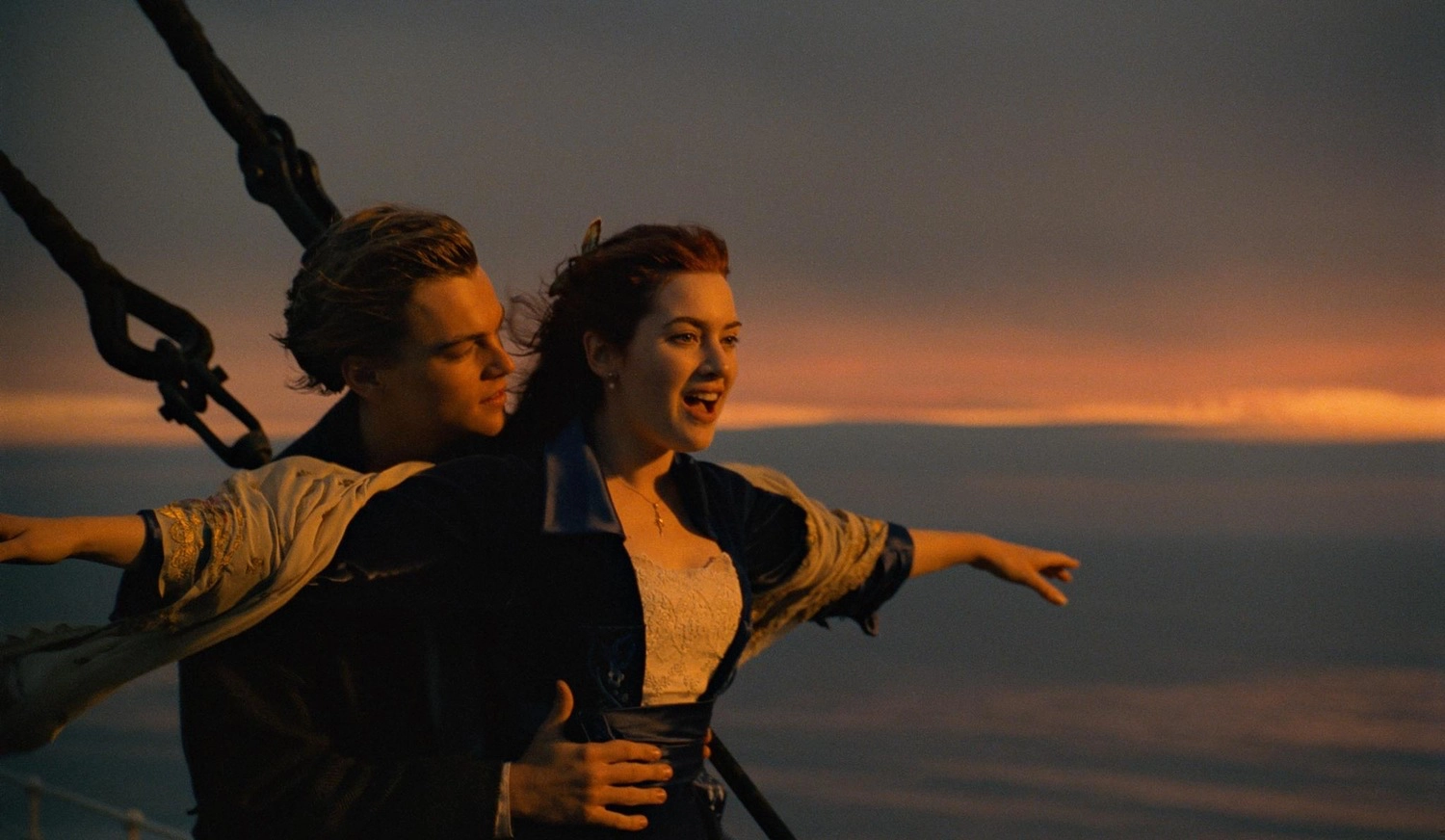
READ ALSO: Jaws At 50: The Story Behind Steven Spielberg’s Landmark Masterpiece
The Harvey Weinstein Era
Once upon a time, an ambitious producer and his company, Miramax, took charge of the US distribution and awards campaign for a film called The English Patient (1996). Before Harvey Weinstein’s splashy arrival, Oscar campaigning was generally muted: small-print ads, casual conversations among industry friends, and PR articles or promotional materials. That was basically it. However, Weinstein turned winning an Academy Award into a game. He hosted lavish parties, created buzz and narratives around his stars, lobbied voters directly, and ran frequent “For Your Consideration” ads in trade publications. His efforts resulted in a landslide victory for The English Patient, which won nine Oscars, including Best Picture.
The producer was just getting started. Weinstein’s hunger for success would define the next decade of Oscars and transform awards season into the intensely commercial, competitive game it is today. His influence was solidified when Shakespeare in Love, another one of his projects—which tells the fictional love story between William Shakespeare and his muse Viola—swept the Oscars over the presumed frontrunner Saving Private Ryan in 1998, stunning audiences in the process. It was a controversial win, but over the years, Weinstein became even more notorious.
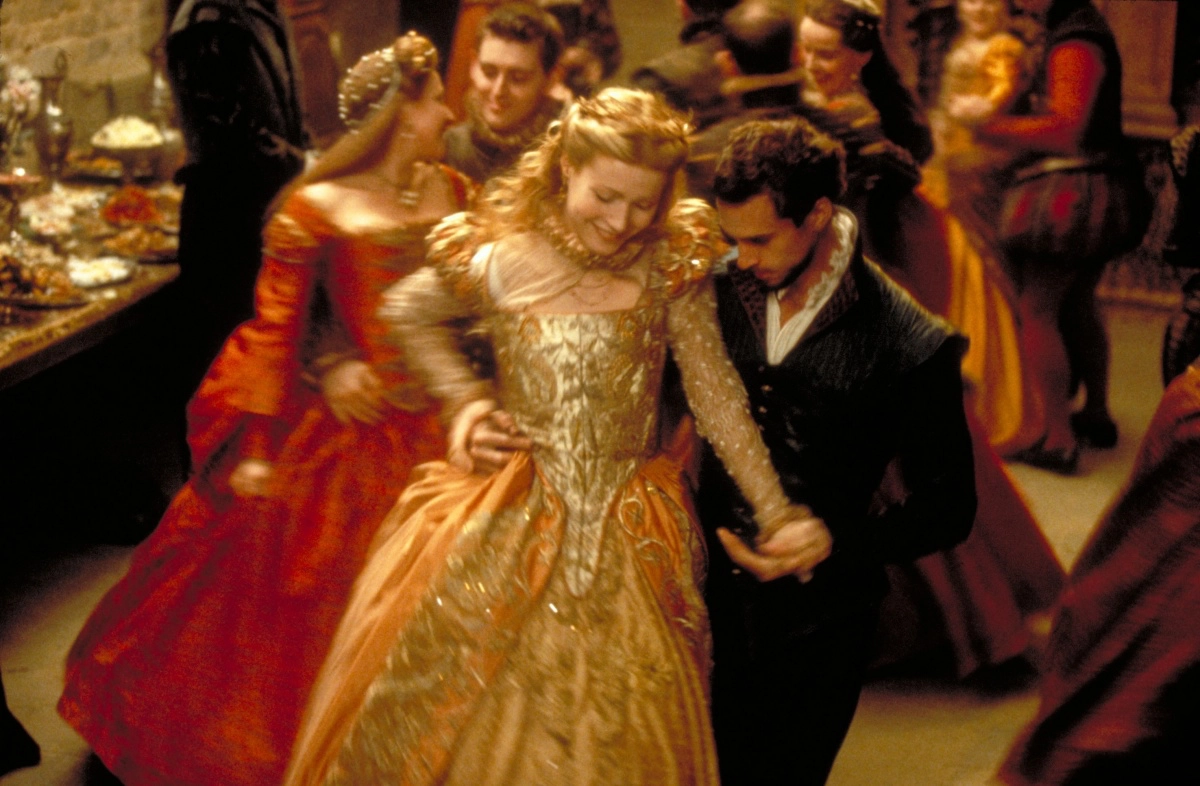
The film executive remains a major dark spot in the awards’ history, garnering wins for beloved artists while mired in scandal for his tyrannical behavior and, most horrifically, his numerous sexual abuse cases, which would later catalyze the #MeToo movement. That’s another story for a different article, but we need to gaze at Weinstein’s transgressions in order to acknowledge the complicity of Hollywood, which valued him all for the sake of Oscar gold.
Movies that won Best Picture under his guidance include Chicago (2002), an adaptation of the hit Bob Fosse Broadway show about two murderesses on death row scheming to escape with the help of a slick, slimy lawyer. That year was particularly interesting: four out of the five Best Picture nominees were Weinstein projects. He was essentially campaigning against himself. There was also The King’s Speech (2010), about King George VI overcoming his stutter to inspire a nation at war. Again, thanks to Weinstein’s campaigning power, the film won over David Fincher’s more celebratedThe Social Network. Finally, The Artist (2011), filmed as a silent movie about a 1920s movie star transitioning into the talkies, took home Best Picture.

Between Weinstein’s wins, a mix of nominees reflected the 1990s trend of box-office hits made by studios: American Beauty (1999), which explores suburban dysfunction; Gladiator (2000), Ridley Scott’s sword-and-sandal picture about a gladiator seeking revenge against a tyrannical Roman emperor; A Beautiful Mind (2001), which deals with the schizophrenia of mathematician John Nash; The Lord of the Rings: The Return of the King (2003), the conclusion to Peter Jackson’s memorable J.R.R. Tolkien trilogy that won all 11 of its nominations; and Million Dollar Baby (2004), Clint Eastwood’s boxing drama about a passionate female fighter touched by unfortunate circumstances.
All were excellent films, but they were subjected to aggressive campaigning that helped make the Oscars the publicity-driven pageant it is today. A prime example is Crash (2005), which, while not a Weinstein project, employed the same strategic tactics—namely sending mass DVD screeners to industry members—to secure an upset Best Picture win over the far more critically adored frontrunner Brokeback Mountain.
Finally, while I fully stand by the brilliance and deservedness of The Departed (2006) and No Country for Old Men (2007), their Oscar campaigns were very much shaped by the Weinstein-era model. Both emphasized the overdue recognition of their filmmakers—Scorsese for The Departed, and the Coen brothers for No Country for Old Men—as a strategy to secure victory. In many ways, this period marks the moment when the Academy Awards began to stray from a celebration of cinema’s achievements, instead becoming a publicity machine that often awarded films for campaign power rather than for social or artistic relevance. And that, ultimately, is part and parcel of Weinstein’s lasting harm.
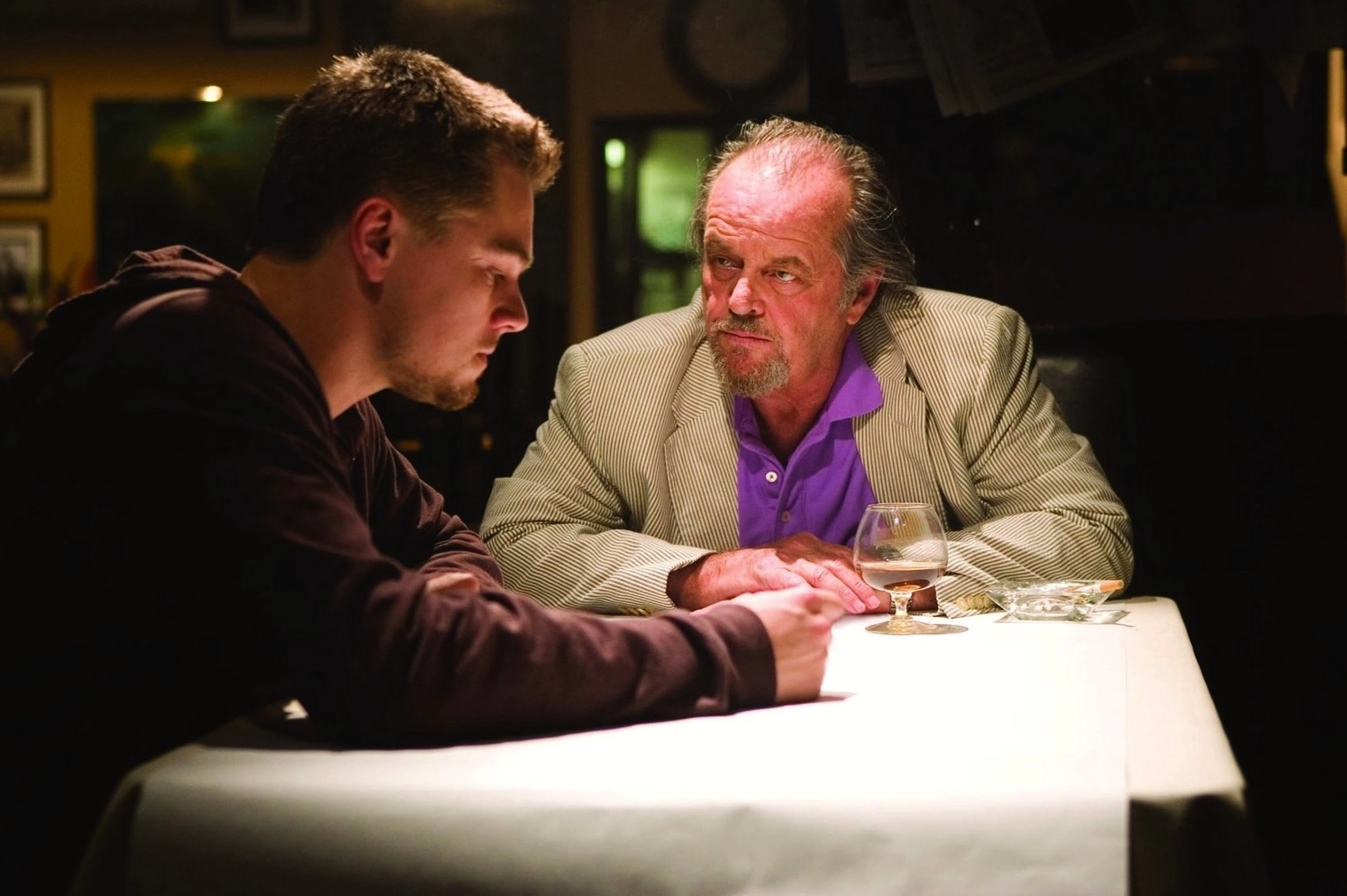
Oscar Goes Indie
While the bulk of Weinstein’s influence is (and deservedly so) viewed in a negative light, it did have a small positive impact on the Academy, particularly in its recognition of indie films. Miramax functioned more as a distributor than a studio, finding hidden gems at festivals like Sundance, Telluride, and Toronto, and promoting them on a global stage. This approach inspired many smaller studios and distributors to follow suit, building buzz for their films at the festival circuit and strategically guiding them toward Oscar contention.
The timing of this shift was significant. In the wake of the 9/11 attacks and the ongoing war in Iraq, moviegoers once again sought grittier tales reminiscent of the films made during the socio-political discontent of the 1970s. Indie films offered exactly that: stories with gravity, substance, and resonance. These were films that refused to be frivolous, tackling pressing subjects and the human experience in ways that big studio works often couldn’t. The Oscars were ready to go indie.

Slumdog Millionaire (2008), a low-budget film about a young man navigating extreme poverty in India, was originally intended for direct-to-video release; yet, championed by its distributor and released theatrically, it ended up winning Best Picture. The Hurt Locker (2009) delved into the Iraq War, following American soldiers tasked with disarming bombs. It remains historic as the lowest-grossing Best Picture winner at the time, and the first directed by a woman, Kathryn Bigelow, who also took home Best Director.
Other indie Best Picture winners of this era include 12 Years a Slave (2013), a harrowing drama in the years leading up to the American Civil War; Birdman: or (The Unexpected Virtue of Ignorance) (2014), an inventive ensemble chamber piece about a washed up superhero actor; and Guillermo del Toro’s dark fairy tale The Shape of Water (2017)—all produced or distributed by Fox Searchlight, Disney’s indie arm. Meanwhile, films like Argo (2012), a studio-backed 1970s-set thriller made in an indie style and helmed by Ben Affleck; Spotlight (2015), an investigation into the Boston Globe’s true reporting of the Church’s sexual abuse scandals; and Green Book (2018), a controversial, Driving Miss Daisy-esque story about race relations that won over Alfonso Cuarón’s Netflix-backed Roma, further demonstrating the era’s indie influence.
Yet the ultimate symbol of this shift came with Moonlight (2016), an under-the-radar film by director Barry Jenkins. Its victory was famously tainted by the live Oscar mishap in which presenters Warren Beatty and Faye Dunaway mistakenly announced La La Land as Best Picture. The moment, quickly corrected, was jaw-dropping television—but it also highlighted a broader cultural shift in the Academy, which had begun embracing smaller artistic films. Studios like A24 (which was also the force behind Moonlight) have since amplified this movement, giving independent filmmakers a renewed voice and reaffirming the Academy’s willingness to reward daring, thoughtful cinema.

Streaming, COVID, and A24
2015 saw a range of films with predominantly Black casts hit the silver screen, including Straight Outta Compton and Creed. When those films, which were both critical and commercial successes, failed to make any major impact at the Academy Awards, there was widespread outrage. This backlash sparked the viral hashtag campaign #OscarsSoWhite, which called out the Academy for its lack of diversity in nominations.
In response, the organization launched a membership diversification initiative, inviting more people of color, women, and younger members to join its ranks. The first few years didn’t immediately reflect this change, but by the time Moonlight emerged victorious, it was a little more tangible. The film follows a young, Black gay man navigating a difficult life in Miami, its Best Picture win a testament to its artistic brilliance, and a triumph for representation. It was the kind of story that likely wouldn’t have been recognized by the predominantly White, older Academy of decades past.

While diversity within the Academy remains an ongoing conversation, there have been notable milestones. The awarding of Bong Joon Ho’s Parasite in 2019 marked the first time a non–English-language film won Best Picture, a moment that was definitely one for the books. Though the film’s omission from the acting categories sparked debate, it set off a much-needed domino effect: international films have since become a stronger presence in the Best Picture lineup, with at least one major global contender each year.
Shortly after Parasite’s victory, the COVID-19 pandemic shut down theaters and halted major studio productions, dramatically altering viewing habits and audience tastes. With people confined to their homes, streaming services like Netflix and Apple TV+ became dominant forces in film consumption—and, naturally, major Oscar players. Nomadland (2020), directed by Chloé Zhao, became the first Best Picture winner of the pandemic era. Its quiet meditation on American nomads and open landscapes resonated deeply with audiences experiencing isolation.
The following year saw a high-profile battle between Netflix’s The Power of the Dog and Apple TV+’s CODA. The latter, a heartfelt story about the child of deaf parents, prevailed, making history as the first film from a streaming service to win Best Picture. It remains notable as a winner without a major traditional theatrical footprint or physical media release.
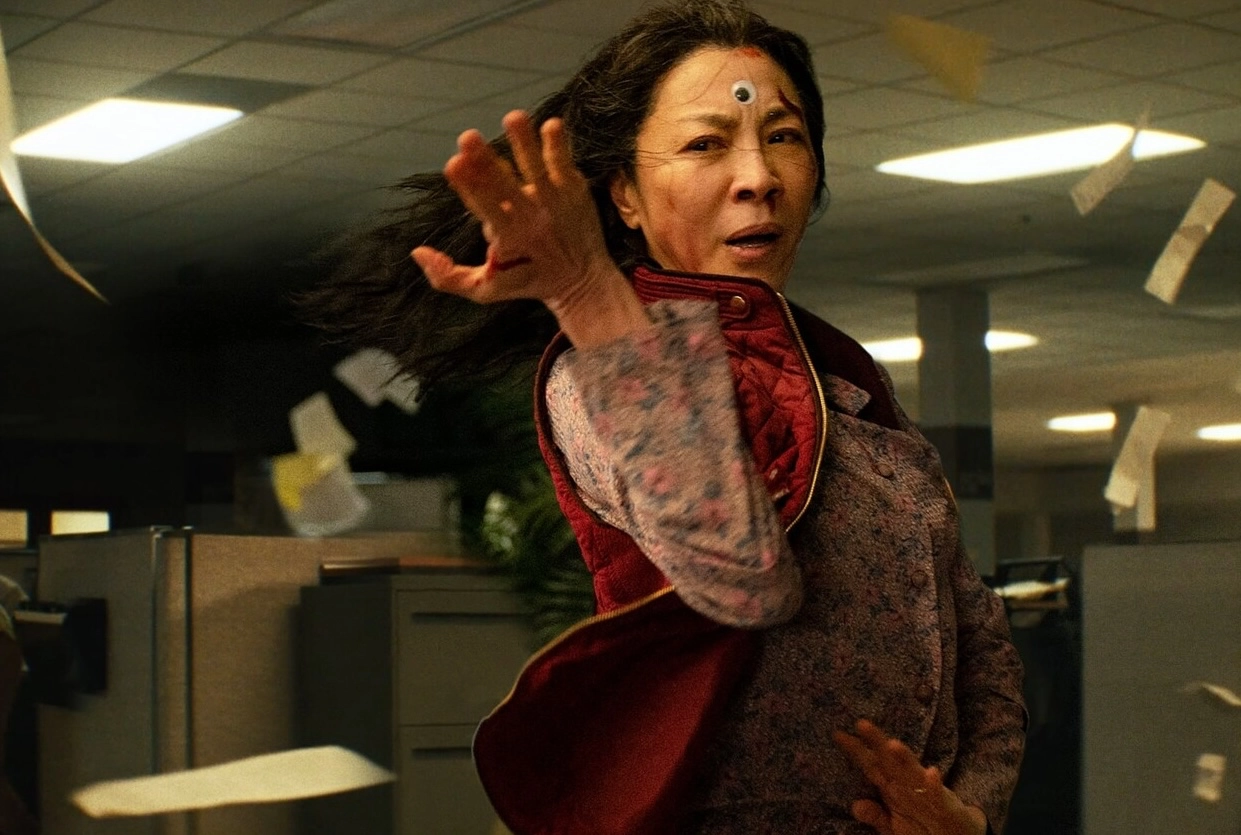
Behind the scenes, A24 continued to champion bold, unconventional filmmaking, prioritizing arthouse, horror, and offbeat indie projects. Their crowning achievement came in 2022 with Everything Everywhere All at Once, an eccentric, genre-bending, multiversal family drama that captured the cultural moment and swept the Oscars. Its victory signaled that originality and emotional sincerity could triumph in an era often dominated by superhero films, reboots, and franchises.
As the world reopened, 2023 was hailed by many as the year of cinema’s return, encapsulated by the phrase “the movies are back” and inaugurated by the same-day cultural phenomenon of Barbie and Oppenheimer—referred to simply as “Barbenheimer.” Christopher Nolan’s sweeping Oppenheimer, a biopic about its eponymous J. Robert Oppenheimer and his role in developing the atomic bomb, quickly became the frontrunner and ultimately secured Best Picture. It demonstrated that large-scale, auteur-driven studio filmmaking could still dominate both the box office and awards season.
Most recently, Anora, Sean Baker’s Palme d’Or–winning drama about a young sex worker who marries the son of a Russian oligarch, took home Best Picture. Its win reignited conversations about the Academy favoring less commercially dominant films, a pointed irony given that Oppenheimer had earned almost billion dollars worldwide just a year earlier.
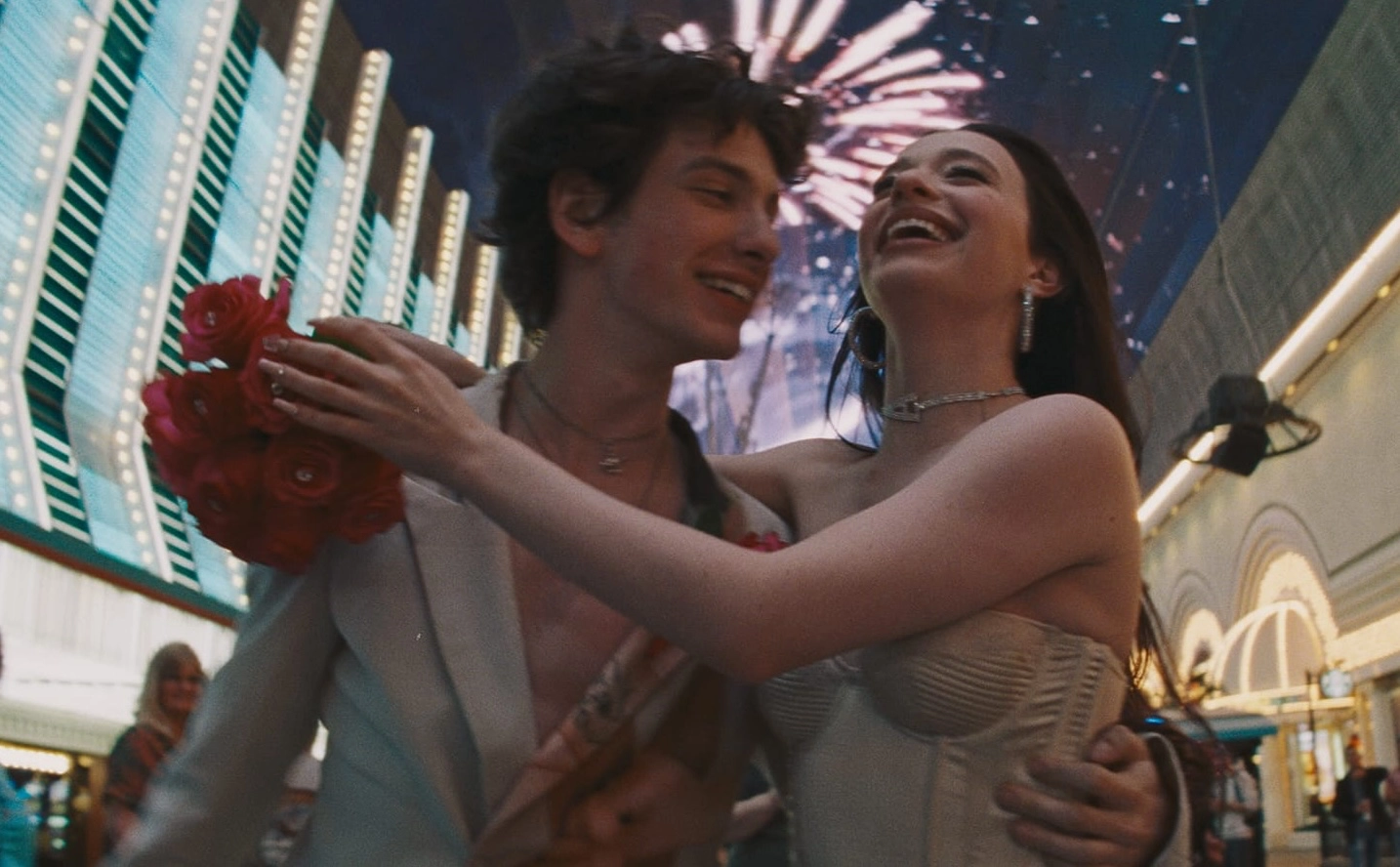
So what do the post–Everything Everywhere All at Once winners reveal about cultural trends and history? Honestly, it may be too soon to say. Understanding the Oscars requires distance; only with time can we trace the patterns clearly. Right now, Paul Thomas Anderson’s One Battle After Another is poised to win Best Picture as the current frontrunner of the season. The film itself has much to say about today’s socio-political climate, engaging with themes such as racism, white supremacy, and immigration. Yet, when viewed through the lens of an audience member, it feels disconnected from Anora and Oppenheimer, suggesting that the new, overarching Oscars narrative has yet to reveal itself.
Still, it’s fascinating to see it play out, because the Oscars, for all their flaws and controversies, offer a compelling study of our behavior and mindsets—as filmgoing audiences, yes, but as people too. The Academy is not the be-all and end-all of cinema, but itis a cultural mirror that tells us who we are and what the world was like at a particular moment. And, just as I am each year, I’m genuinely excited to see what the future holds, one Best Picture at a time.
Frequently Asked Questions
Best Picture winners function as cultural time capsules by capturing the specific anxieties, political climates, and societal values of their respective eras. From wartime dramas validating lived experiences to gritty realism addressing economic disillusionment, these films consistently mirror the shifting global zeitgeist on screen.
The New Hollywood Movement emerged due to widespread social unrest, counterculture shifts, and the dissolution of the restrictive Hays Code in the late 1960s. Audiences rejected extravagant studio musicals in favor of raw, auteur-driven narratives that confronted structural societal realities and psychological depth.
Television’s domestic rise forced Hollywood to invest heavily in cinematic innovations like widescreen formats, 3D technology, and high-budget historical epics. To combat shrinking theater attendance, studios produced visually overwhelming spectacles designed to offer sensory experiences unavailable on small household screens.
Academy Award campaigning transformed into an aggressive, highly commercial publicity apparatus under the influence of producer Harvey Weinstein. This shift replaced traditional, understated trade promotion with lavish industry parties, aggressive voter lobbying, and strategic narratives designed to secure victories through political leverage.
Independent films gained prominent Oscar recognition as global socio-political shifts prompted audiences to seek substantial, grounded human narratives over formulaic blockbusters. Distributed via festival circuits, these indie productions successfully captured the gravity, nuance, and structural realism desired by contemporary viewers.