The Sorto app turns your closet into structured data, showing what you own, what you wear, and how to shop smarter with AI-powered insights.
If you grew up in the 90s—or you’re simply a die-hard romantic comedy fan—you’ve probably seen Clueless, the beloved teen classic that follows Cher, a rich, stylish, and blissfully carefree high schooler who delights in meddling with other people’s affairs. During the film’s opening scene, her now-iconic computerized closet catalogs her clothes and helps her mix and match outfits at the click of a button. For every fashion girl watching the movie way back when, a digital wardrobe that does the styling for you was the ultimate dream—one that Sorto is finally turning into reality.
Founded by Dominique Cojuangco-Hearn and Winnie Wong, Sorto is a digital solution to our ever-growing closet dilemmas, bridging what Dominique describes as “the gap between consumption and awareness.” In an exclusive interview with Lifestyle Asia, the founders open up about how the app’s idea came to life, the problems it aims to solve, and how they envision it transforming the ways users engage with their wardrobes.

READ ALSO: Swipe For Happiness? The Real Deal On Retail Therapy
The Beginnings Of Sorto
When asked how the app started, Dominique and Winnie each give two distinct answers. “Sorto started with a clear observation: people spend a lot on their wardrobes, yet have very little visibility over what they actually own,” Dominique says. Between her and Winnie, she’s the more sentimental one, attaching memory to clothes.
Winnie, on the other hand, is the systematic organizer in this power team. “She [Winnie] had her wardrobe archived on Pinterest long before that was a ‘thing,’” Dominique adds, describing her business partner.
“I had been cataloguing my wardrobe publicly for years, building a live inventory where people could see what I owned, how much it cost, and when I bought it,” Winnie explains, detailing her personal, meticulous method. “It started as a way to understand my own patterns and hold myself accountable.”
Winnie shares that she was surprised to find her system had touched people when they learned of it. “Some felt inspired. Others felt confronted. That reaction made me realize that ownership carries identity. What we buy reflects who we believe we are, who we were, and sometimes who we hope to become.”
Balancing sentimentality with structure, the founders identified a clear gap in existing closet organization apps. “Most platforms focus on styling. No one was analyzing patterns at scale to help provide people with a solution,” Dominique expounds. In a sea of outfit generators and aesthetic grids, there was a blind spot—one that Sorto set out to uncover and redefine.
The Closet Gap It Bridges
Dominique says the main problems Sorto solves are a lack of visibility and inefficiency. “Research shows that most people wear only about 20% of their wardrobe regularly, meaning roughly 80% of their clothes sit unused,” Dominique says. Sorto turns your closet into structured data, showing what you own, what you actually wear, and the patterns behind your habits. That way, you shop smarter, spot repetition, and know exactly where your money goes. Plus, when your wardrobe is measurable, your choices naturally become more strategic.
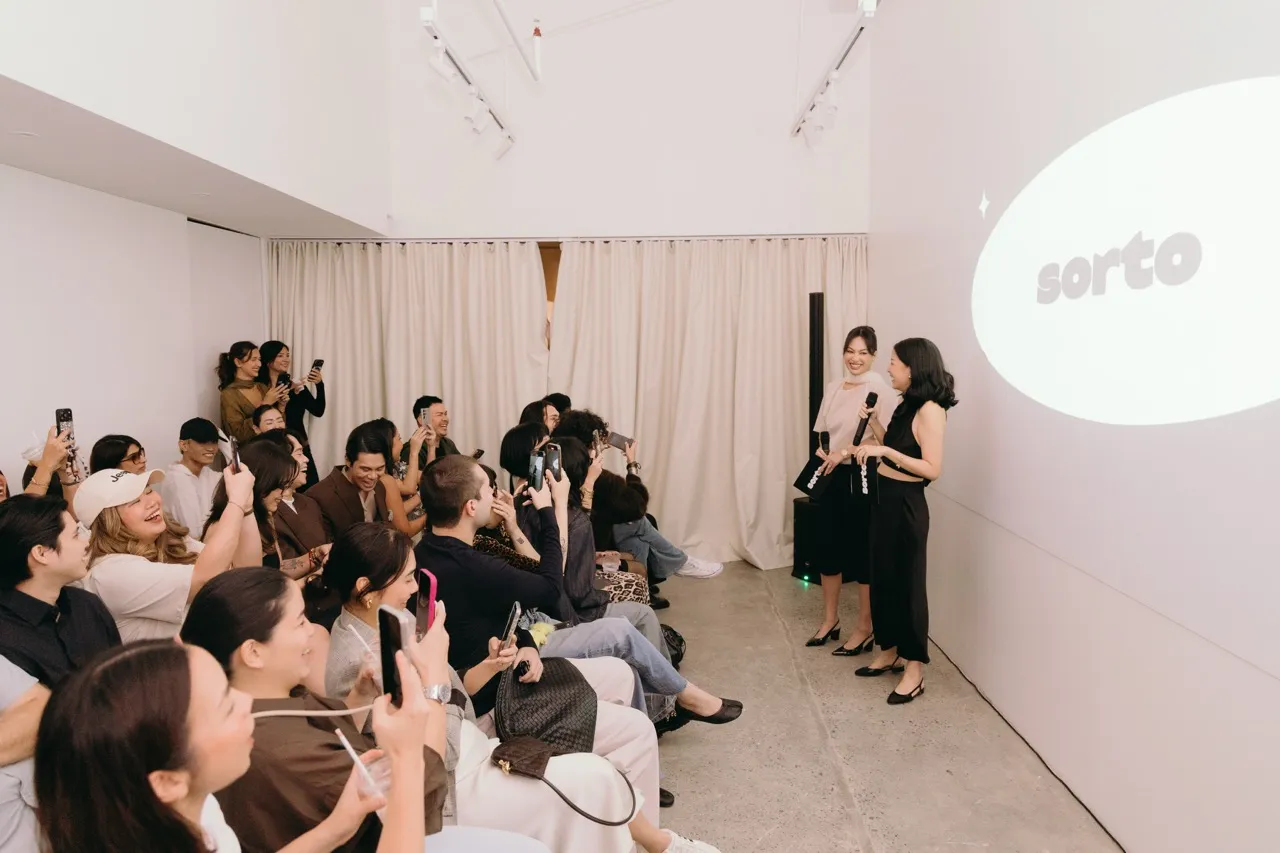
Winnie adds that awareness is everything. Most of us shop on instinct, mood, or aspiration, which creates blind spots and redundancies. What Sorto does is bridge the gap between what you intend to do and what you actually do. “When you see your wardrobe laid out objectively, your choices become more conscious,” Winnie elaborates.
Building The System
Like all startups, not everything is smooth sailing. Dominique and Winnie had to navigate the issue of accessibility. “Organization comes very naturally to Winnie. She built a system that works because that’s how her brain operates (which I find incredibly cool!). She represents the everyday user to make sure the app is easy to start and sustainable to maintain,” Dominique shares.

Sorto’s AI-powered system lets you begin with just one item, or five, and builds your wardrobe as you go. “You also don’t have to stage your wardrobe or make your photos look editorial. The tech reads color, silhouette, and category from simple images. It works in the background.”
For Winnie, the challenge was “translating instinct into structure.” As a naturally visual thinker, she had to turn her intuitive sense of categorization into quantifiable data for a tech platform. “Every ‘vibe’ had to become measurable,” she says, a process that pushed her to formalize instincts she always sensed but never defined. Together, they designed Sorto so that starting feels light and maintaining it feels automatic.
“We prioritized insight over complexity. At launch, the core had to answer three questions: What do I own? What do I actually wear? What patterns define me? That led to wardrobe upload, categorization, and behavioral analysis becoming the foundation,” Dominique explains.
“We focused on clarity,” Winnie adds. She states that the system they built reveals information gradually, so discovery feels meaningful and digestible. “That discipline shaped what made it into version one.”
Making Closet Organization Fun Again
The Sorto app experience, as Dominique and Winnie describe it, is fun, personal, and disciplined. When you sign up, you start with a short quiz about your shopping habits and attitude toward clothes, the result revealing your unique “Aura,” which gives you some playful insights into how you shop and choose your pieces.
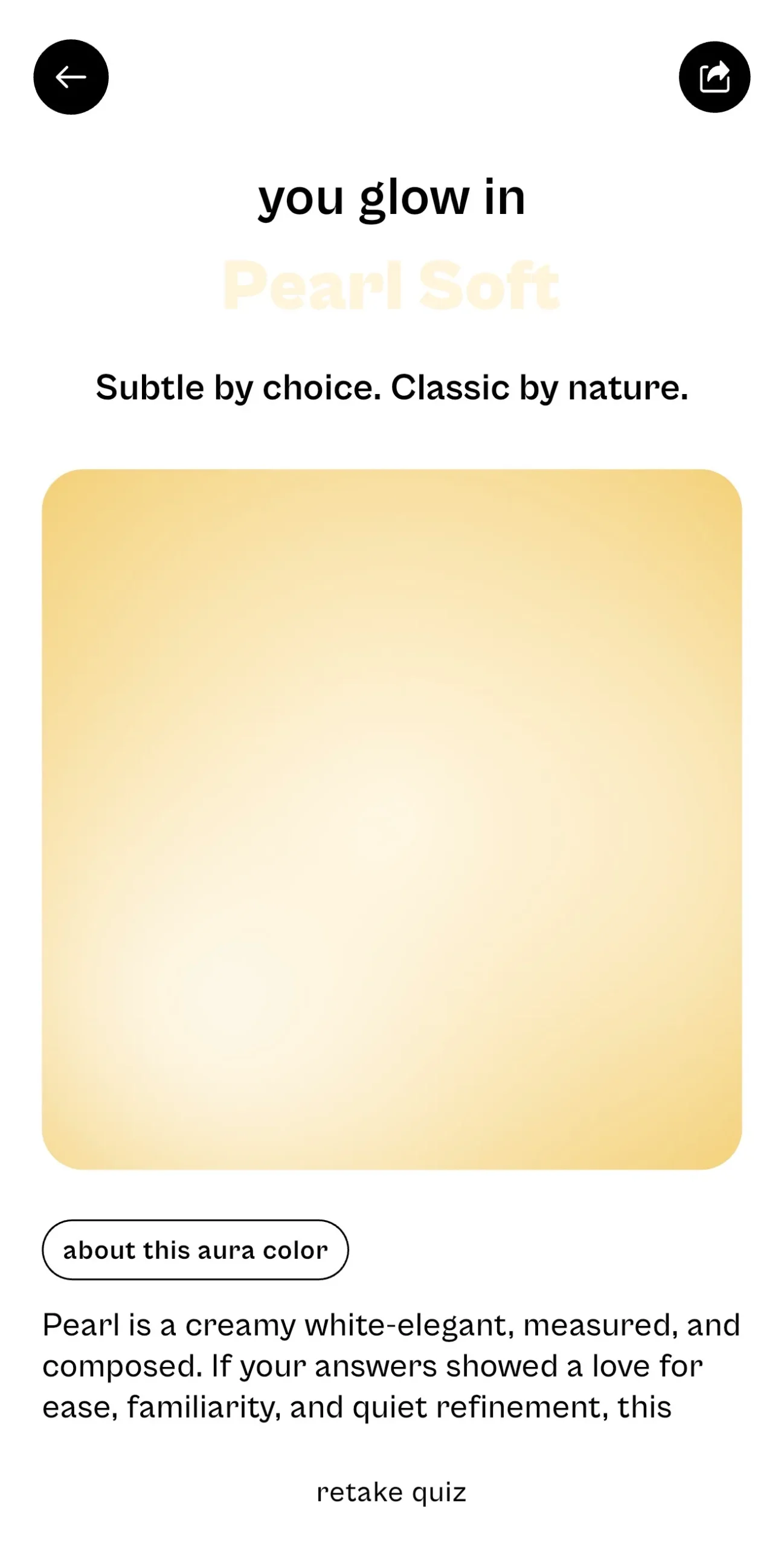
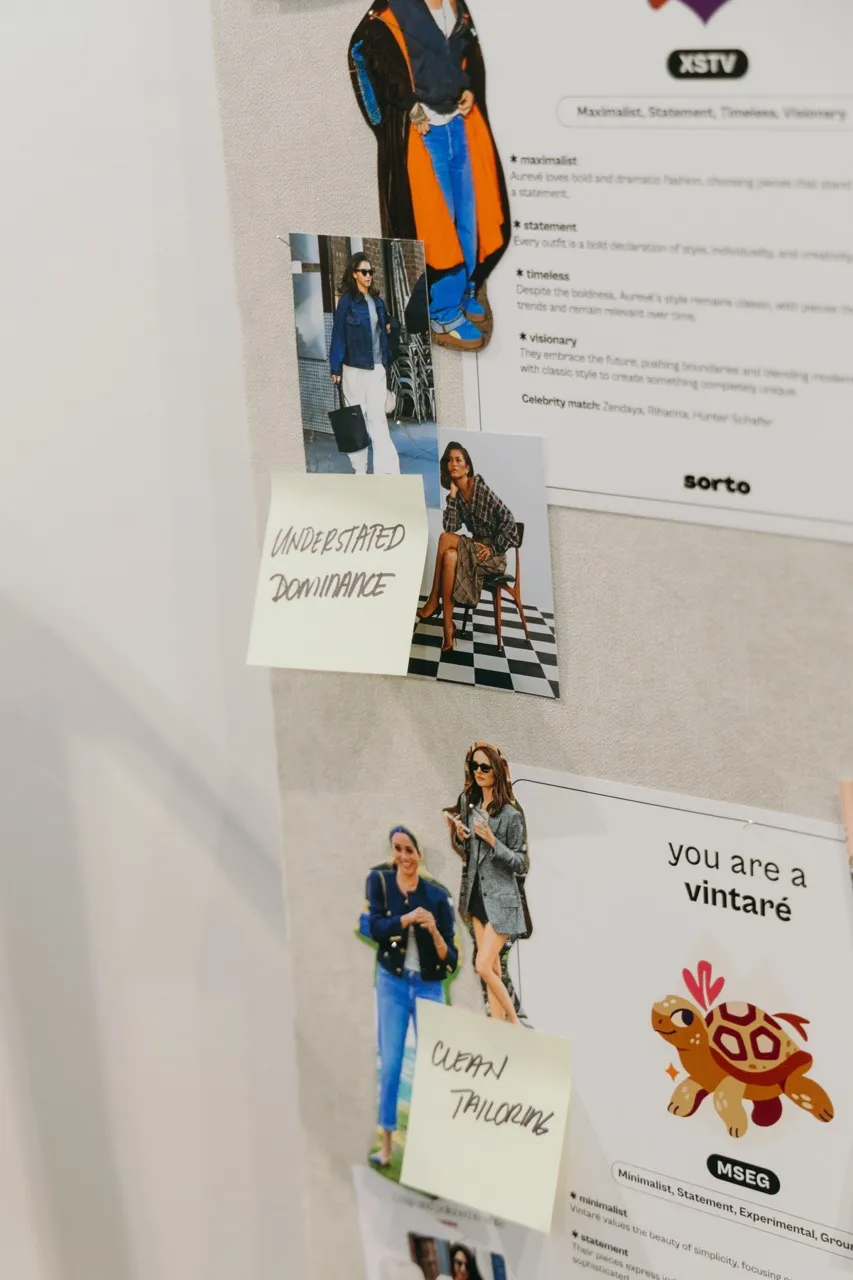
Being an AI-powered app, people might think it’s your run-of-the-mill generative AI software. However, the founders made sure that the Sorto experience wouldn’t be complicated for its users. “Raw data can feel clinical and overwhelming, so we built Houses and Archetypes to humanize it,” Dominique expounds. “They carry a sense of nostalgia and familiarity that softens the intelligence behind the system. Instead of staring at charts, users see patterns expressed as identity. Their behavior becomes something recognizable and relatable.”
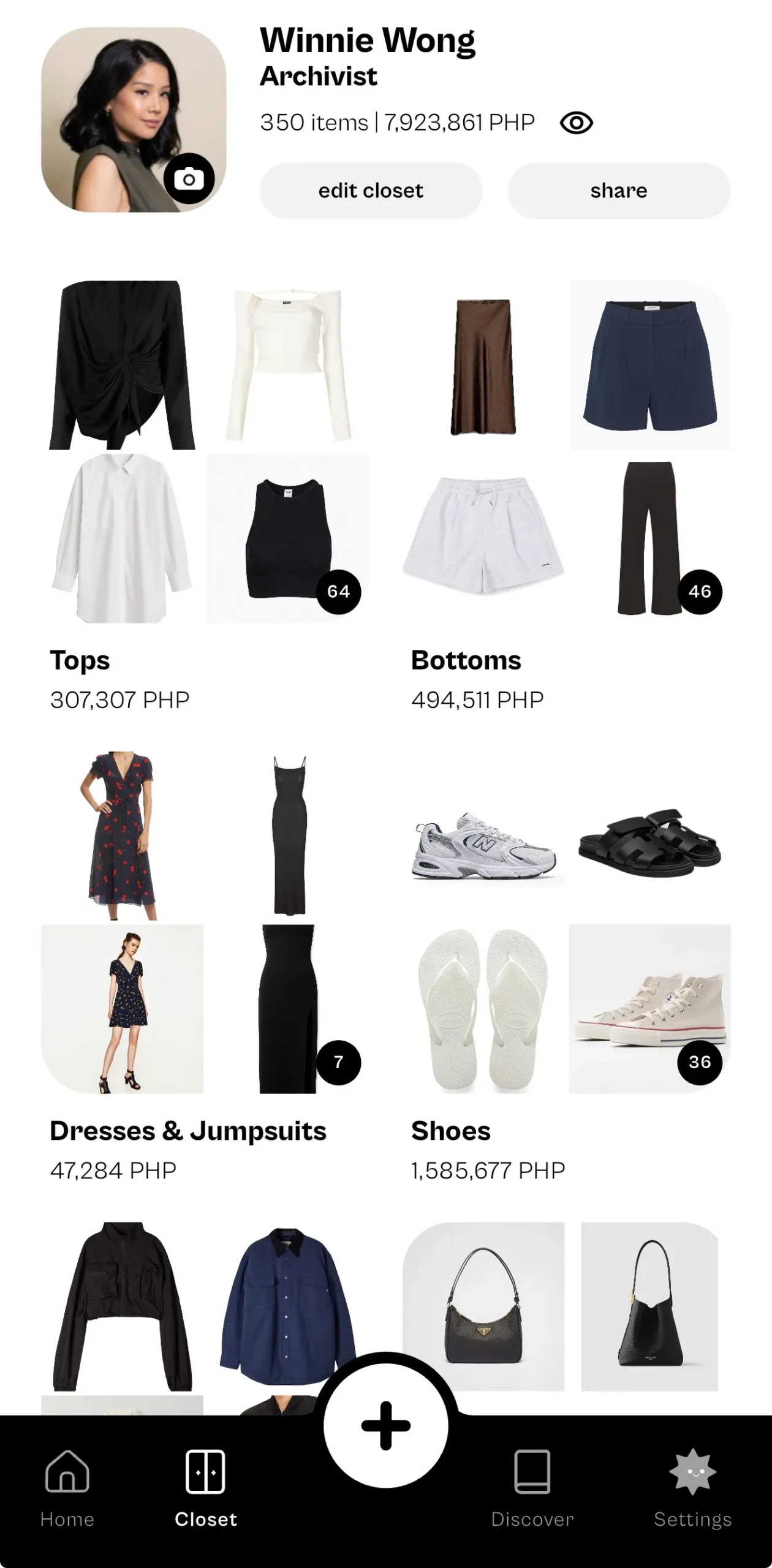
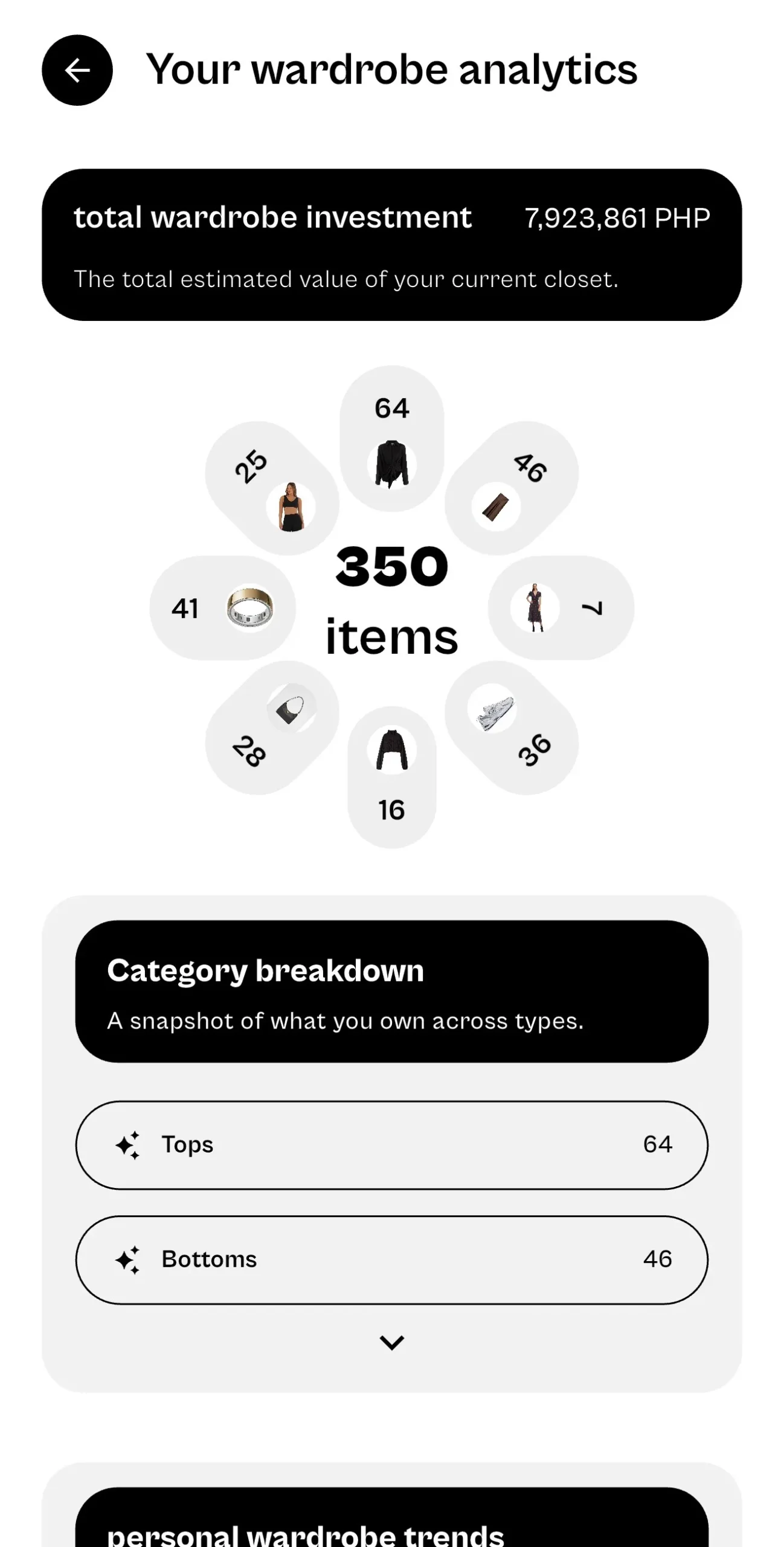
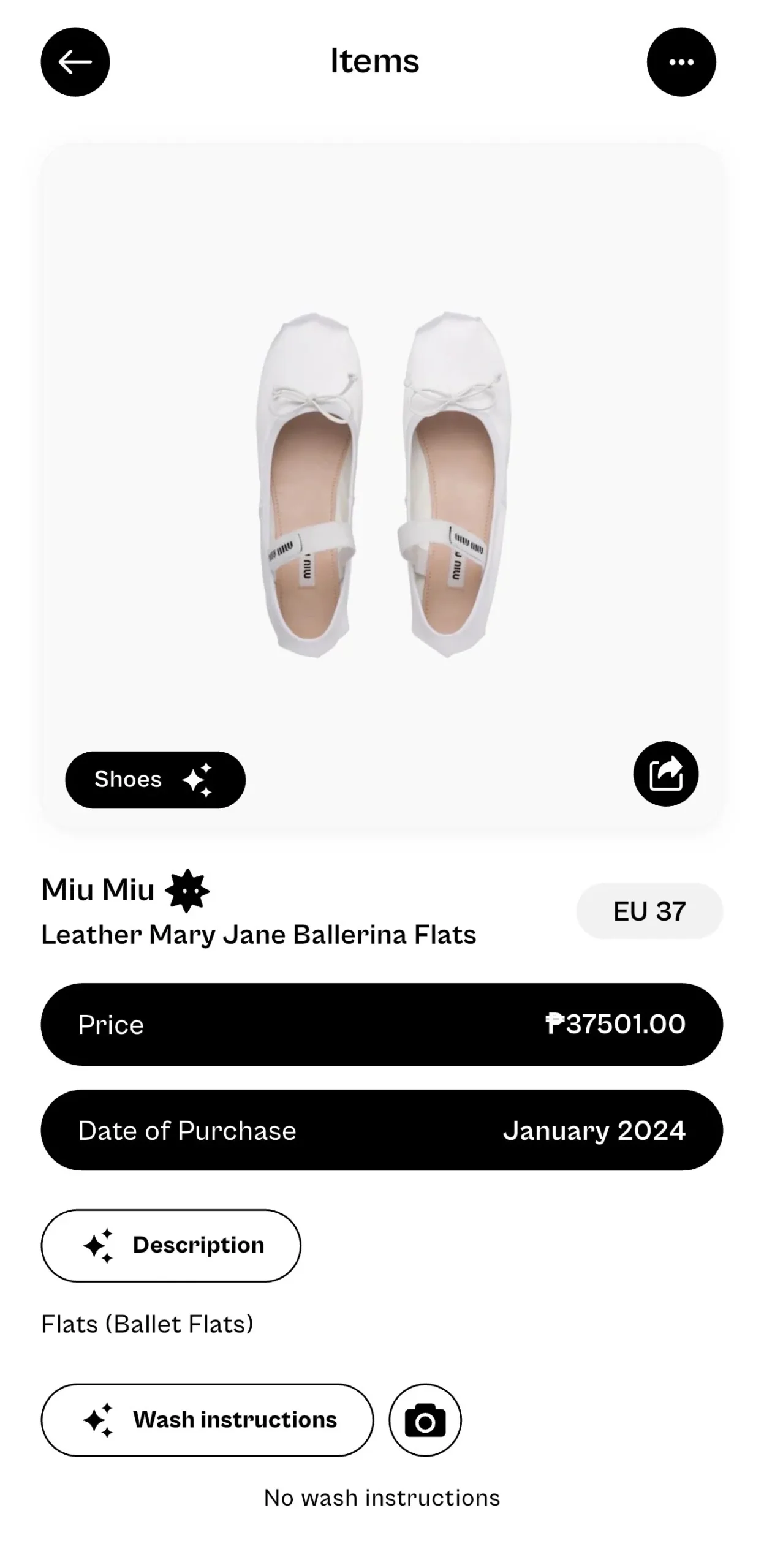
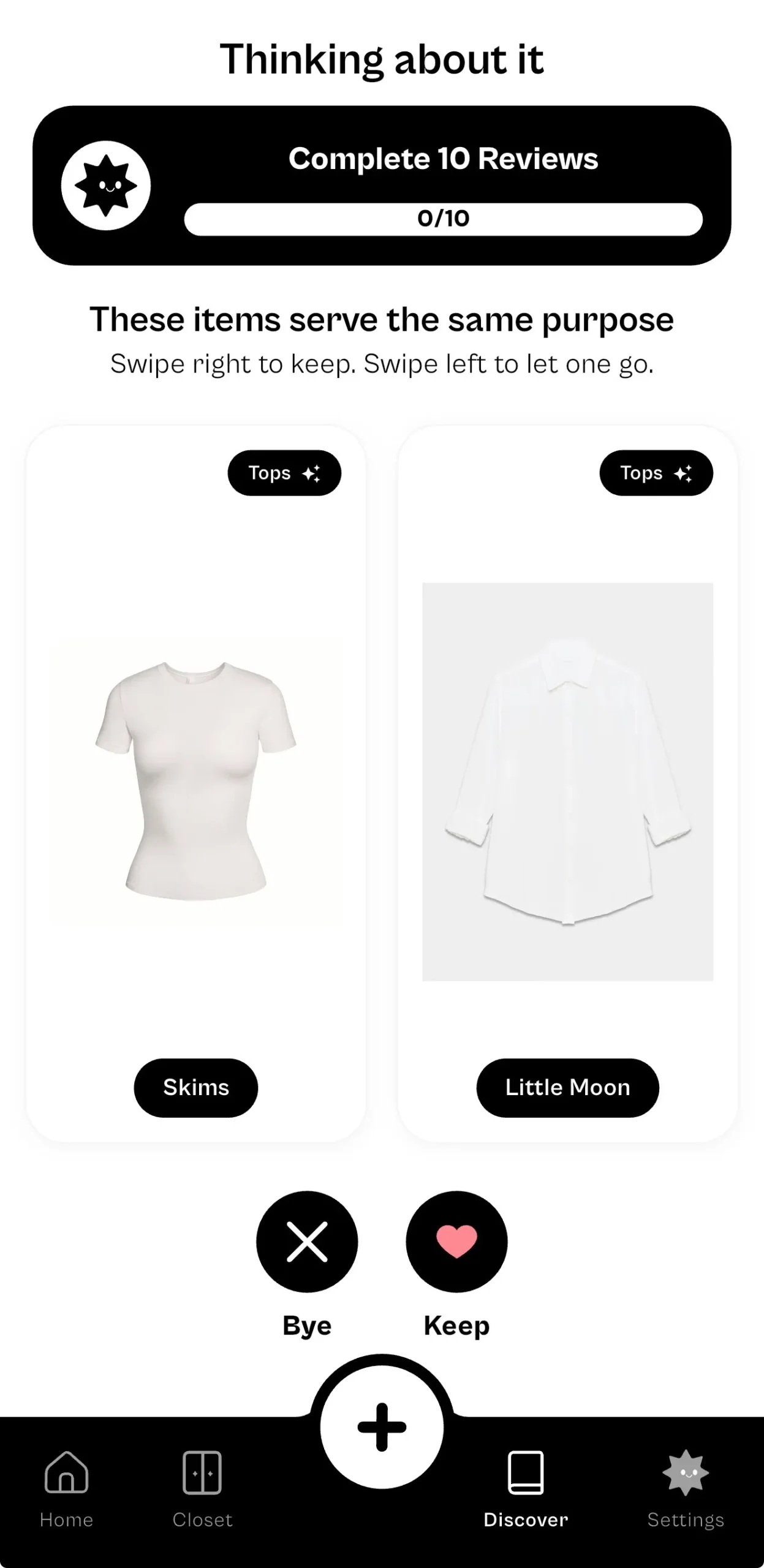
According to the founders, the app is meant to be a closet companion that grows with you, learning more with every upload you make. “You can begin with one item. You can upload casually,” Winnie says.
“There are so many ways you can upload: from mirror selfies, flat lays, brand websites, or even your receipts,” Dominique adds.
The Future With Sorto
Sorto isn’t aiming to be “just an app.” It seeks to become a personal lens for users to understand themselves through their wardrobes. Dominique shares how users have reacted in ways she didn’t expect: “How emotional it feels for people. We expected feedback about functionality. Instead, users say things like, ‘I didn’t realize how much blue I own,’ or ‘I keep buying for a fantasy future version of myself.’ There’s something confronting about seeing your wardrobe laid out objectively. It holds up a mirror.”
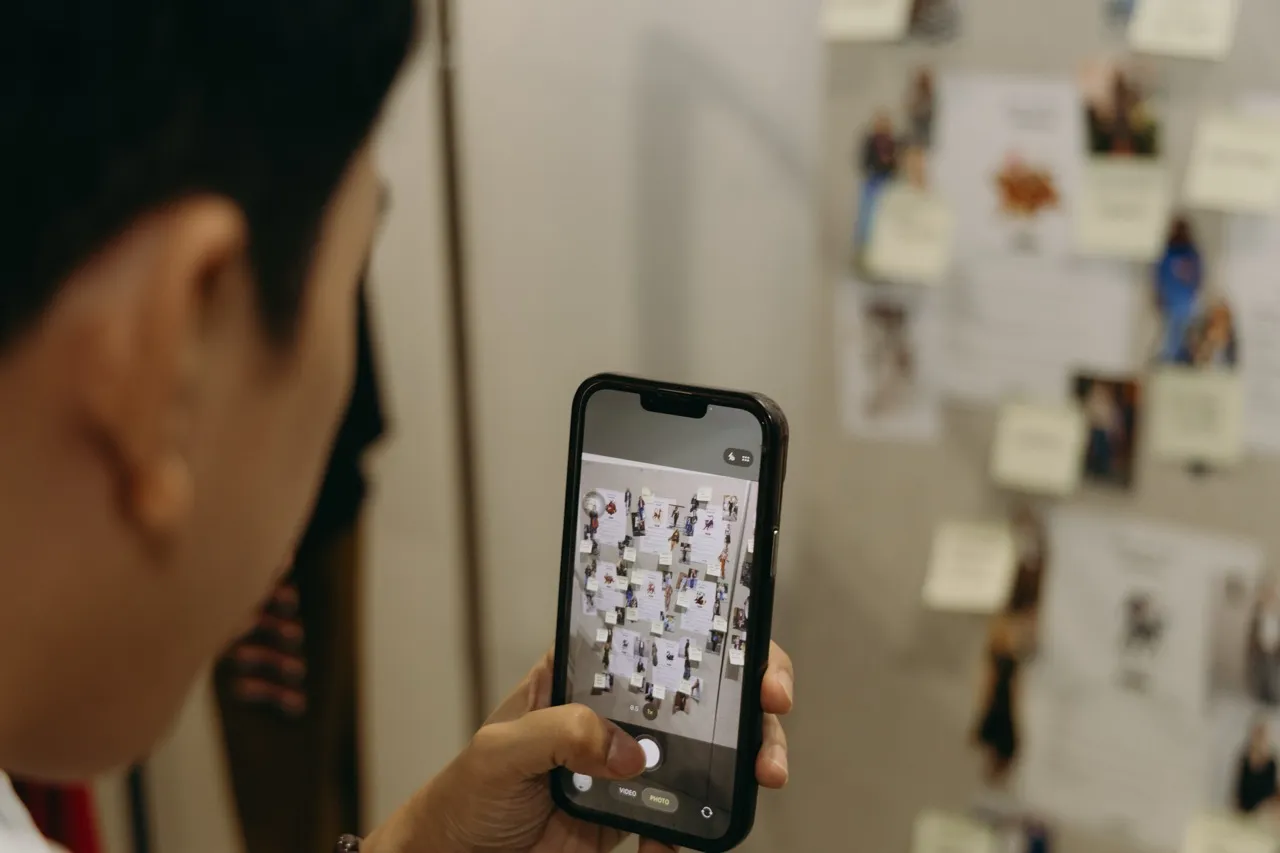
Winnie adds that these insights show just how much our clothing reflects aspirations or past versions of ourselves. “Seeing those patterns in data form can feel revealing,” she reflects. “Clothing carries memory and intention. When it becomes measurable, it surfaces insight that people didn’t expect.” That awareness is exactly what makes Sorto a tool for mindful consumption.
Dominique explains: “We are not telling people to buy less. We are giving them the information to make more intentional decisions. When ownership becomes visible, accountability follows naturally.”
“Visibility naturally encourages intention,” Winnie chimes, echoing the sentiment. “When you see how many similar items you already own, you pause. When you understand your purchasing patterns, you make more considered decisions.”

Looking ahead, Dominique envisions Sorto as “something people check before they shop” and a “second brain” for one’s wardrobe. She imagines the concept expanding beyond clothing, applying the idea of self-awareness through ownership to other areas of life. For both founders, building Sorto has been transformative.
The most rewarding moments, they agree, come when users have those little “aha” experience. “That shift from unconscious habit to awareness is powerful,” Winnie says. After all, the best kinds of change—whether inside a wardrobe or within yourself—happen when you actually know where to start.
All photos courtesy of Sorto.
Frequently Asked Questions
Sorto is a mobile digital wardrobe solution that converts a physical clothing collection into structured data. The tech platform was co-founded by creative entrepreneurs Dominique Cojuangco-Hearn and Winnie Wong to bridge gaps between unconsidered consumption and conscious ownership through real-time inventory tracking.
Sorto features an adaptive AI-powered machine vision engine that extracts color palettes, garment silhouettes, and textile categories from everyday smartphone imagery. Users can compile their database via mirror selfies, flat-lay photos, brand website assets, or retail receipts without requiring professional staging.
The platform tracks utilization statistics to confront the industry metric that individuals regularly wear only about 20% of their wardrobe. By mapping uploaded items against user history, Sorto highlights repeating purchase redundancies, calculates cost-per-wear metrics, and generates behavioral analytics profiles expressed as visual “Houses” and “Aura Archetypes.”
By acting as an objective digital mirror, Sorto externalizes user data to curb impulse buying driven by emotional states or fantasy projections. Having an accurate, visible layout of preexisting assets forces a cognitive pause prior to retail acquisition, fostering long-term mindful consumer habits.
The founders envision Sorto functioning as an advanced “second brain” for personal styling and shopping logic. Future iterations aim to scale the core philosophy of self-awareness through organized asset ownership beyond apparel, applying the platform’s analytical tracking frameworks to other branches of lifestyle and consumer assets.