Some movies simply have the right ingredients: camp, glamour, quotable lines, and unforgettable divas. Here are eight films that became beloved LGBTQ+ favorites despite not being centered on queer storylines.
There are films aren’t explicitly about queerness, yet somehow, they become beloved staples within LGBTQ+ cultureCultureshared traditions, beliefs, values, customs, arts, and social practices that define the identity and way of life of a community, society, or nation.Go to Culture Glossary. Whether it’s because of their over-the-top camp, larger-than-life characters, melodramatic storylines, or unapologetically theatrical energy, these movies have found a devoted queer audience that continues to celebrate them decades after their release.
The beauty of cult classics is that they often take on a life of their own beyond what their creators originally intended. A movie doesn’t need an openly queer storyline to be embraced by the community. Certain things just resonate deeply with queer viewers: sometimes it’s a diva at the center of the story; other times, it’s the film’s flair for drama, fashion, excess, or resilience. In many cases, queer audiences see reflections of themselves in themes of transformation, chosen family, outsiderhood, and self-expression. Add a memorable one-liner, an iconic performance, or a healthy dose of camp, and you have the perfect recipe for a queer cult favorite.
Here are eight films that built a devoted gay cult following, all of which continue to be celebrated for their camp, charisma, and memorable characters
READ ALSO: 10 Filipino Queer Films That Will Break And Heal Your Heart This Pride Month 2026
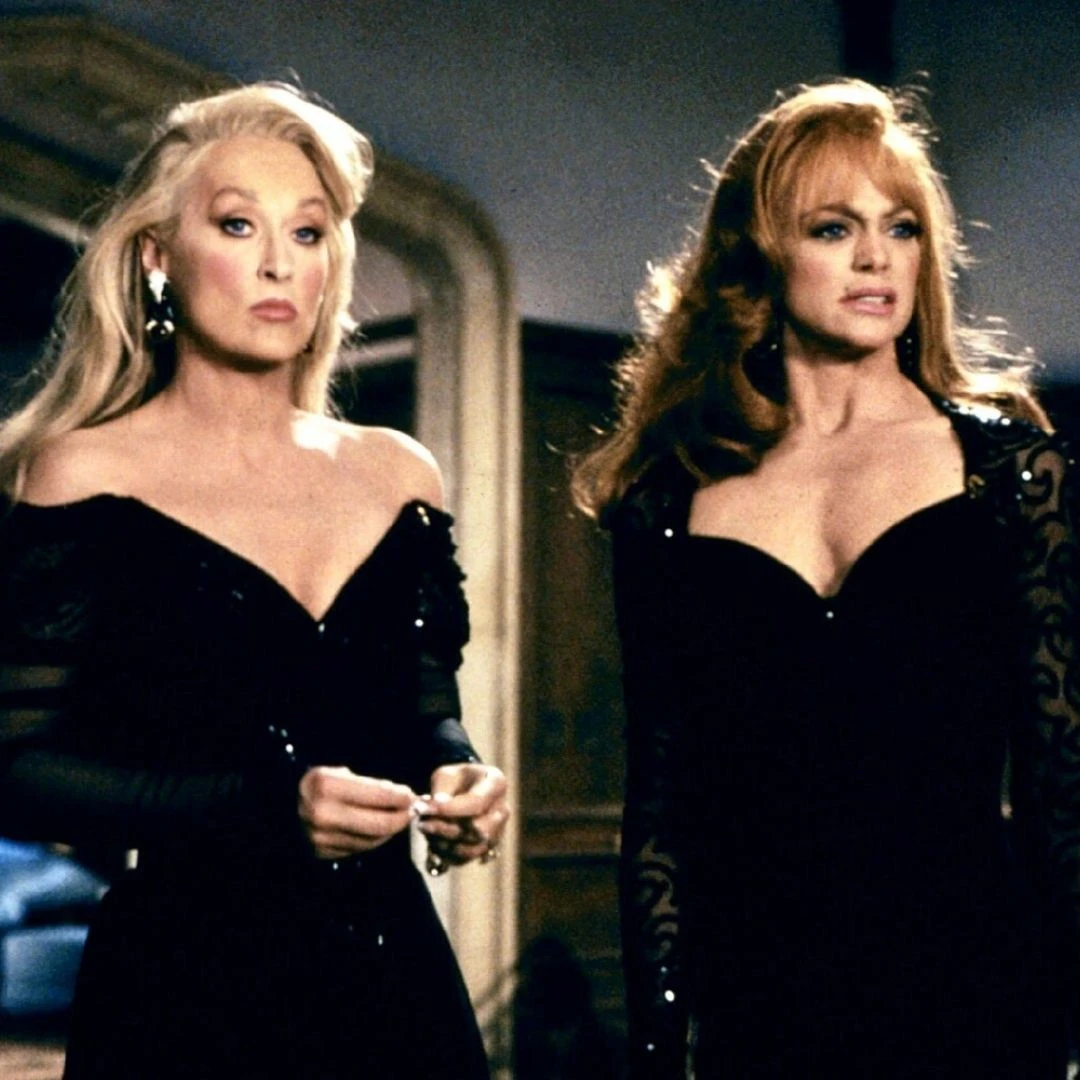
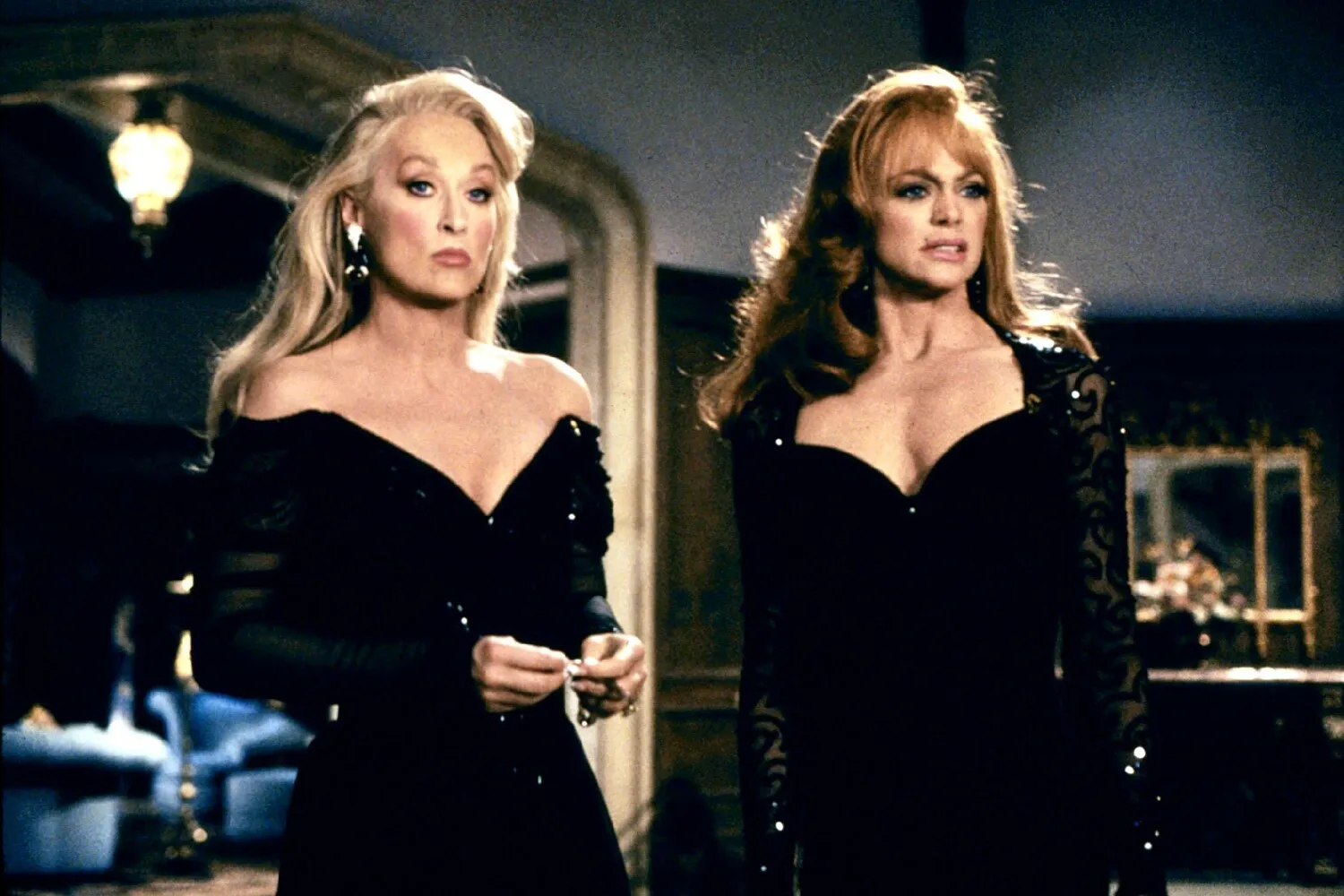
Death Becomes Her (1992)
What begins as a dark comedy about eternal youth quickly spirals into one of the campiest films ever made. The story follows longtime rivals Madeline Ashton and Helen Sharp, whose shared obsession with beauty and one man leads them to consume a magical potion promising everlasting life. The catch? While they can no longer die, their bodies remain vulnerable to every imaginable injury, resulting in increasingly absurd acts of violence as they continue to one-up each other.
Decades after its release, Death Becomes Her has become a queer cult classic thanks to its razor-sharp wit, glamorous costumes, and theatrical performances from Meryl Streep and Goldie Hawn. Its themes of vanity, reinvention, and exaggerated femininity have made it particularly beloved within drag cultureCultureshared traditions, beliefs, values, customs, arts, and social practices that define the identity and way of life of a community, society, or nation.Go to Culture Glossary, where its iconic lines and over-the-top rivalry continue to inspire performers today.
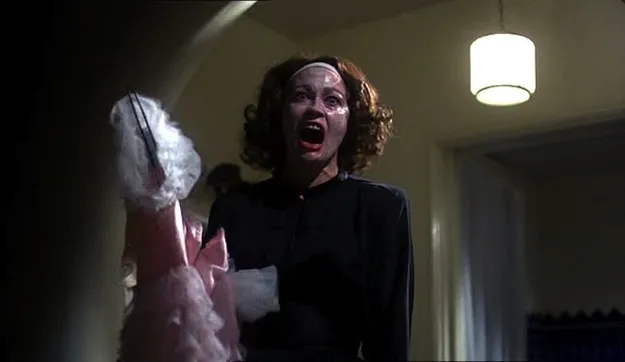
Mommie Dearest (1981)
Based on Christina Crawford’s controversial memoir, Mommie Dearest chronicles the turbulent relationship between Hollywood icon Joan Crawford and her adopted daughter. What was intended to be a harrowing drama about abuse and control evolved into one of cinema’s most celebrated camp classics, largely due to Faye Dunaway’s intensely dramatic portrayal of Crawford. The film’s exaggerated emotional outbursts, lavish Hollywood aesthetics, and endlessly quotable dialogue transformed it into a favorite among queer audiences. Rather than being remembered solely as a biopic, Mommie Dearest lives on as a communal viewing experience, with audiences gleefully reciting its most iconic lines as it plays.
The Devil Wears Prada (1981)
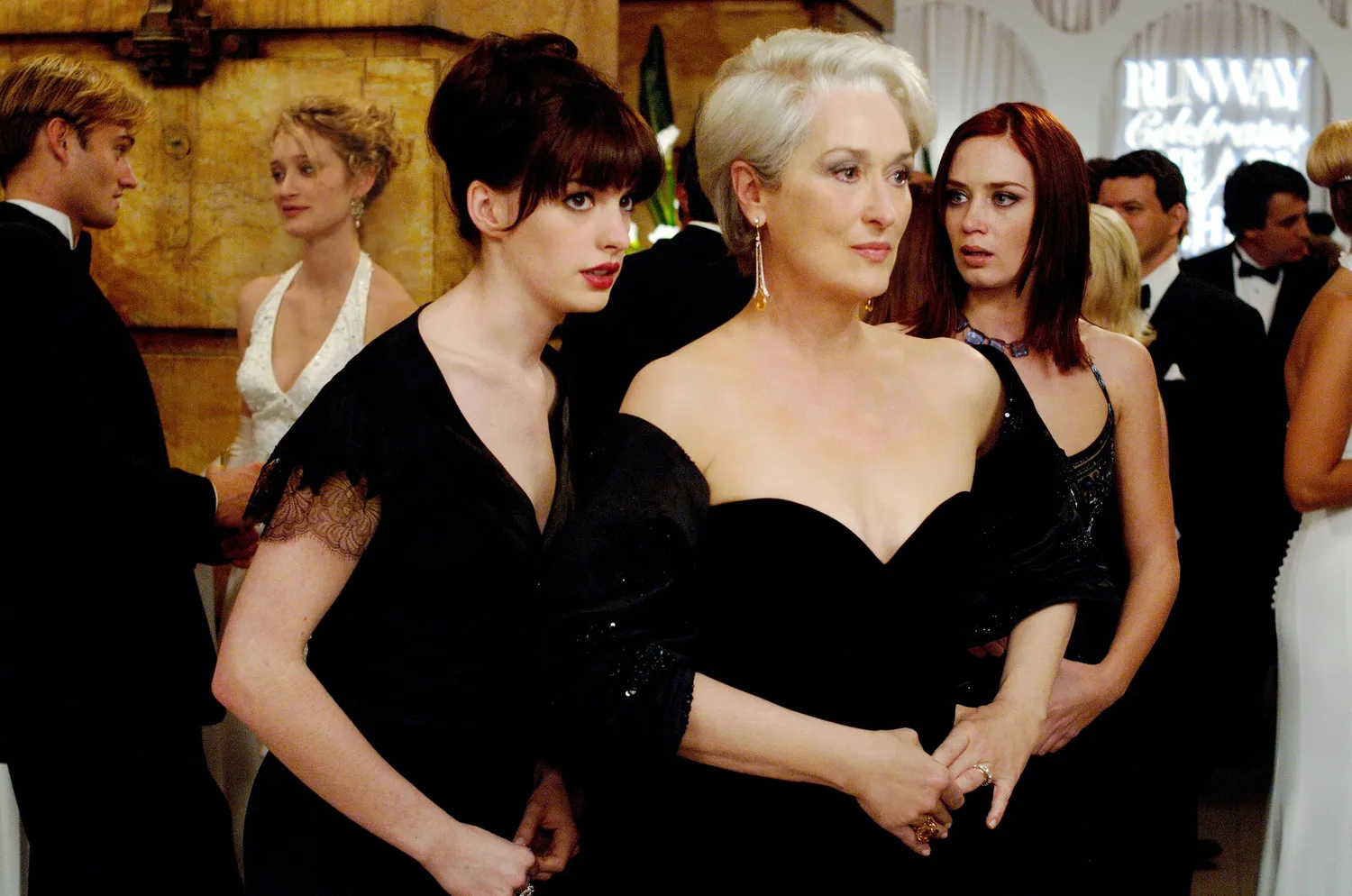
Few films have shaped modern pop culture quite like The Devil Wears Prada. The story follows aspiring journalist Andy Sachs as she navigates the ruthless world of fashion under the watchful eye of Miranda Priestly, the formidable editor-in-chief of Runway magazine. As Andy becomes increasingly immersed in the industry, she’s forced to question her ambitions, relationships, and identity. Although it contains no central queer storyline, the film became an instant LGBTQ+ favorite thanks to its fashion-forward aesthetic, cutting script, and stellar performances. Miranda Priestly, in particular, joined the pantheon of iconic screen divas whose confidence, precision, and sharp-tongued authority continue to captivate audiences.
Burlesque (2010)
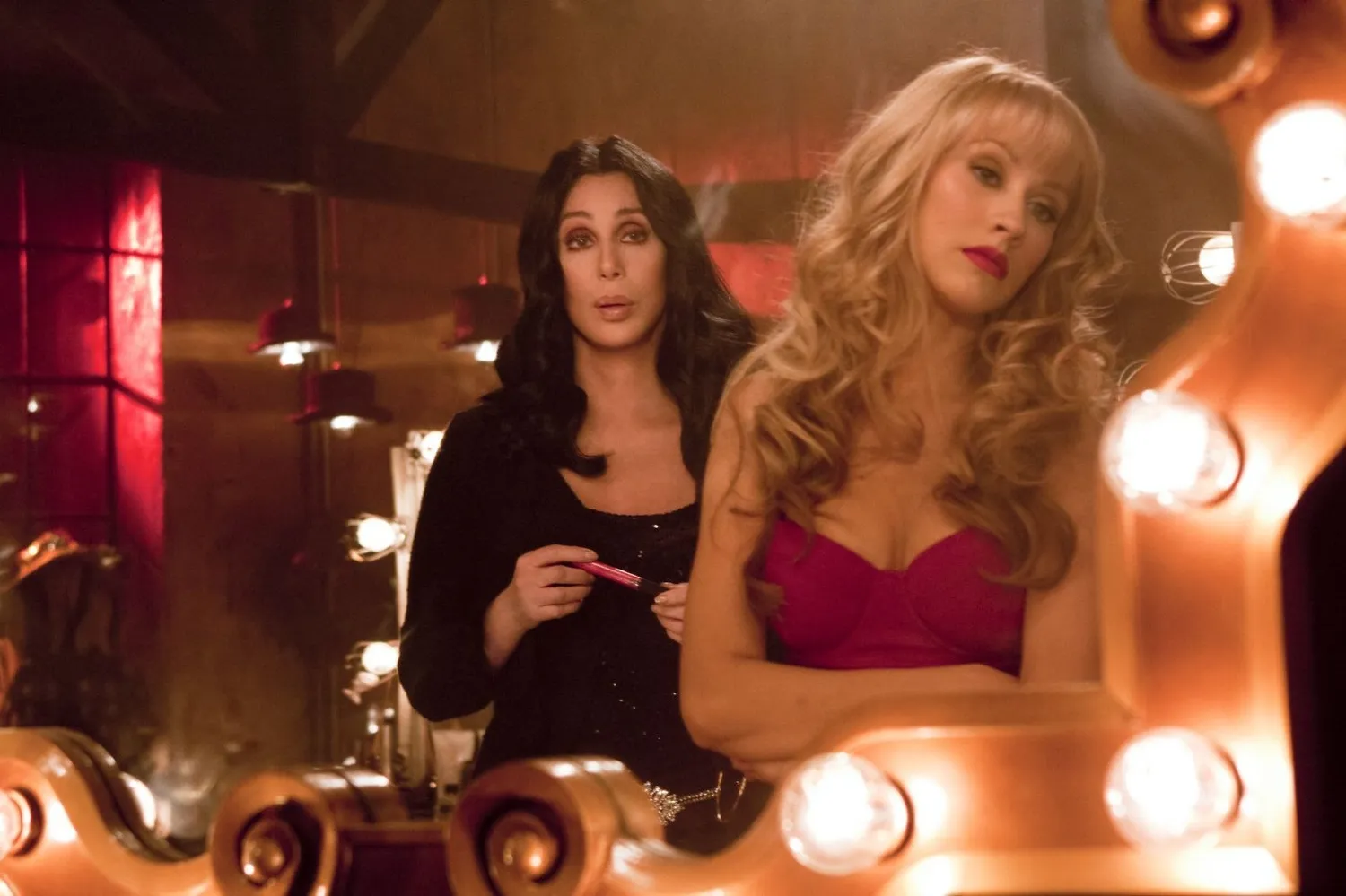
Starring Christina Aguilera and Cher, Burlesque tells the story of Ali Rose, a small-town singer who arrives in Los Angeles determined to make a name for herself. She finds a home in a struggling burlesque lounge where she discovers friendship, confidence, and a stage large enough for her ambitions. The film embraces spectacle at every turn, featuring elaborate costumes, dazzling performances, and soaring musical numbers. Its unapologetic celebration of glamour and self-expression earned it a devoted queer following, with many viewers embracing it as a love letter to drag, performance cultureCultureshared traditions, beliefs, values, customs, arts, and social practices that define the identity and way of life of a community, society, or nation.Go to Culture Glossary, and the transformative power of stepping into the spotlight.
Pinay Pie (2003)
One of the most chaotic and beloved Filipino comedies of the early 2000s, Pinay Pie follows three best friends whose lives become entangled in a whirlwind of beauty pageants, romantic revenge, and outrageous misunderstandings. Packed with slapstick humor and larger-than-life personalities, the film never takes itself too seriously. For many queer viewers, Pinay Pie embodies the joyful excess of Filipino camp. Between its beauty queen obsession, exaggerated comedy, and commendable performances from its leading ladies, the movie feels remarkably similar to the energy of a drag competition: messy, hilarious, and endlessly entertaining.
Booba (2001)
Rufa Mae Quinto shines as Booba, a sweet but hilariously clueless woman whose journey from the province to the city unexpectedly places her at the center of a criminal conspiracy. Armed with little more than confidence and good fortune, she stumbles through one absurd situation after another while leaving chaos in her wake. Beyond its comedy, Booba became culturally significant because of Quinto’s instantly recognizable mannerisms, speech patterns, and catchphrases. Her performance became deeply embedded in Filipino queer culture, influencing everything from drag performances to everyday humor and making the character an enduring camp icon.
Here Comes The Bride (2010)
A bizarre solar eclipse triggers a body-swapping disaster on the eve of a destination weddingDestination WeddingA wedding held in a location away from home, often a beach, resort, or historic city, with guests traveling. Destination weddings blend celebration and travel, and in Asia they oftenGo to Destination Wedding Glossary, forcing five very different individuals to navigate life in entirely unfamiliar bodies. What follows is a series of comedic misunderstandings, identity crises, and heartfelt realizations. While the premise is inherently comedic, the film gained a particularly strong LGBTQ+ following because of its playful exploration of gender expression and performance. Angelica Panganiban’s portrayal of a flamboyant gay stylist trapped inside a bride’s body produced some of the movie’s most memorable moments, cementing its place as a modern Filipino camp favorite.
Bituing Walang Ningning (1985)
A cornerstone of Philippine cinema, Bituing Walang Ningning follows Dorina Pineda, an aspiring singer whose admiration for superstar Lavinia Arguelles eventually evolves into a fierce rivalry. Set against the backdrop of the entertainment industry, the film explores ambition, fame, jealousy, and perseverance. While the movie is a classic melodrama on paper, it achieved legendary status within queer cultureCultureshared traditions, beliefs, values, customs, arts, and social practices that define the identity and way of life of a community, society, or nation.Go to Culture Glossary because of Cherie Gil’s performance as Lavinia. Her dramatic delivery, biting insults, and twisted villainy turned numerous scenes into cultural touchstones. Decades later, the film remains one of the most quoted and referenced works in Filipino drag and LGBTQ+ circles.
Photos via Kinorium.
Frequently Asked Questions
A gay cult classic is a film that develops a passionate following within the LGBTQ+ community, often because of its campy style, iconic characters, memorable dialogue, themes of self-expression, or larger-than-life performances.
No. Many beloved queer cult classics, such as The Devil Wears Prada and Death Becomes Her, contain little to no explicit LGBTQ+ representation. Their appeal often comes from camp, fashion, diva culture, and themes that resonate with queer audiences.
Camp celebrates exaggeration, theatricality, humor, and artifice—qualities that have long been embraced within queer culture. Films that lean into these elements often become enduring favorites among LGBTQ+ viewers.
Death Becomes Her, The Devil Wears Prada, Mommie Dearest, and Burlesque are all examples of iconic films that feel queer. In Filipino cinema, examples would include Pinay Pie, Booba, Here Comes the Bride, and Bituing Walang Ningning.