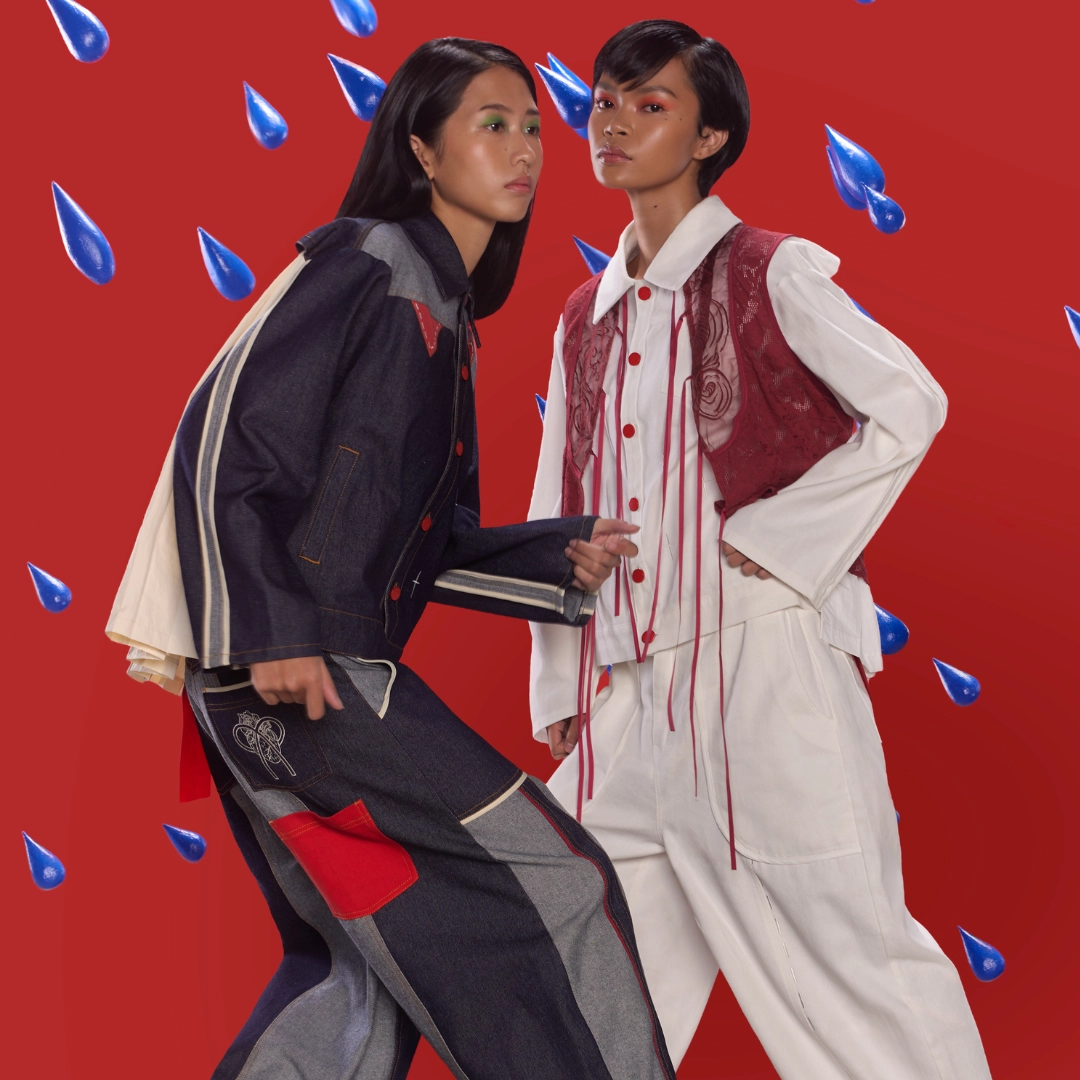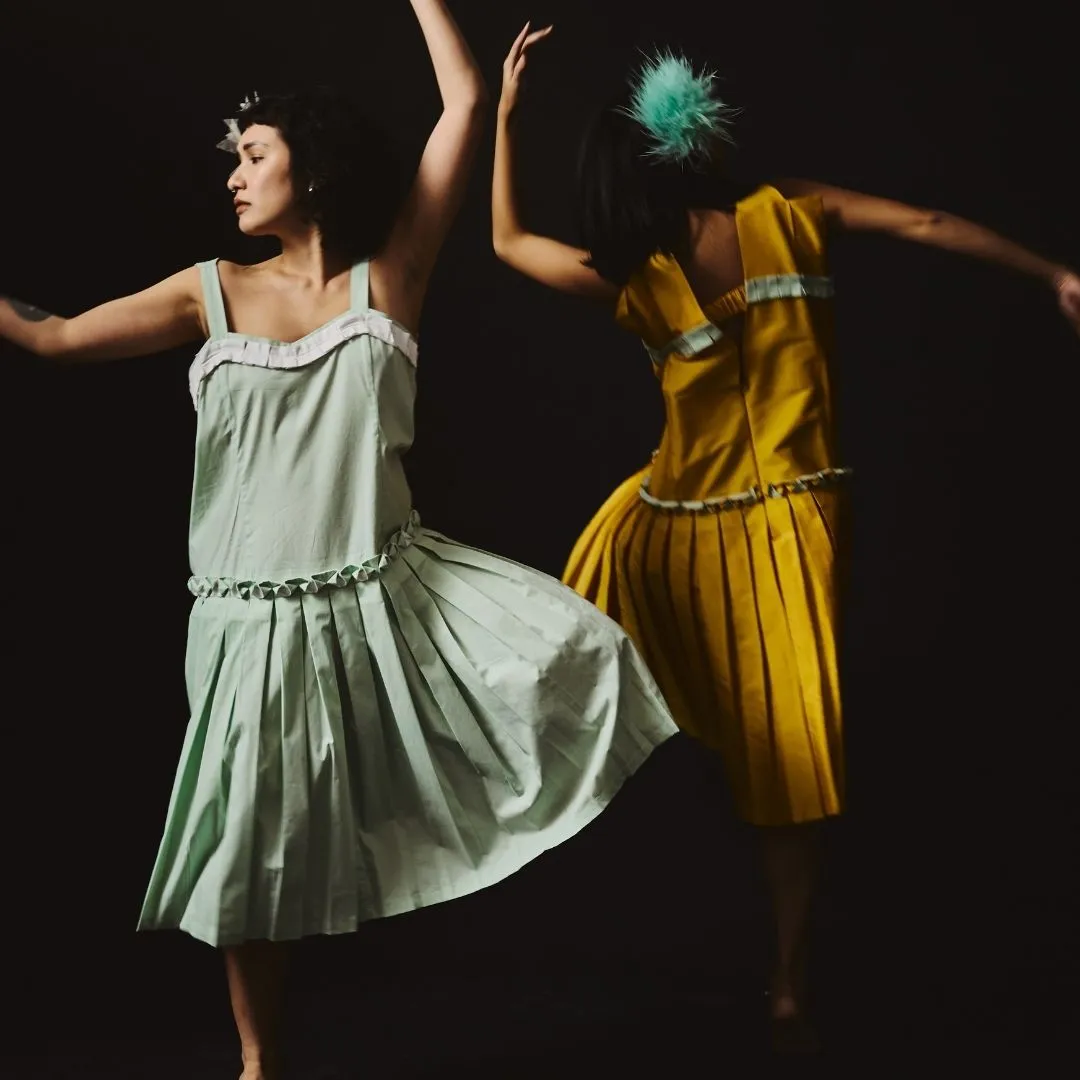
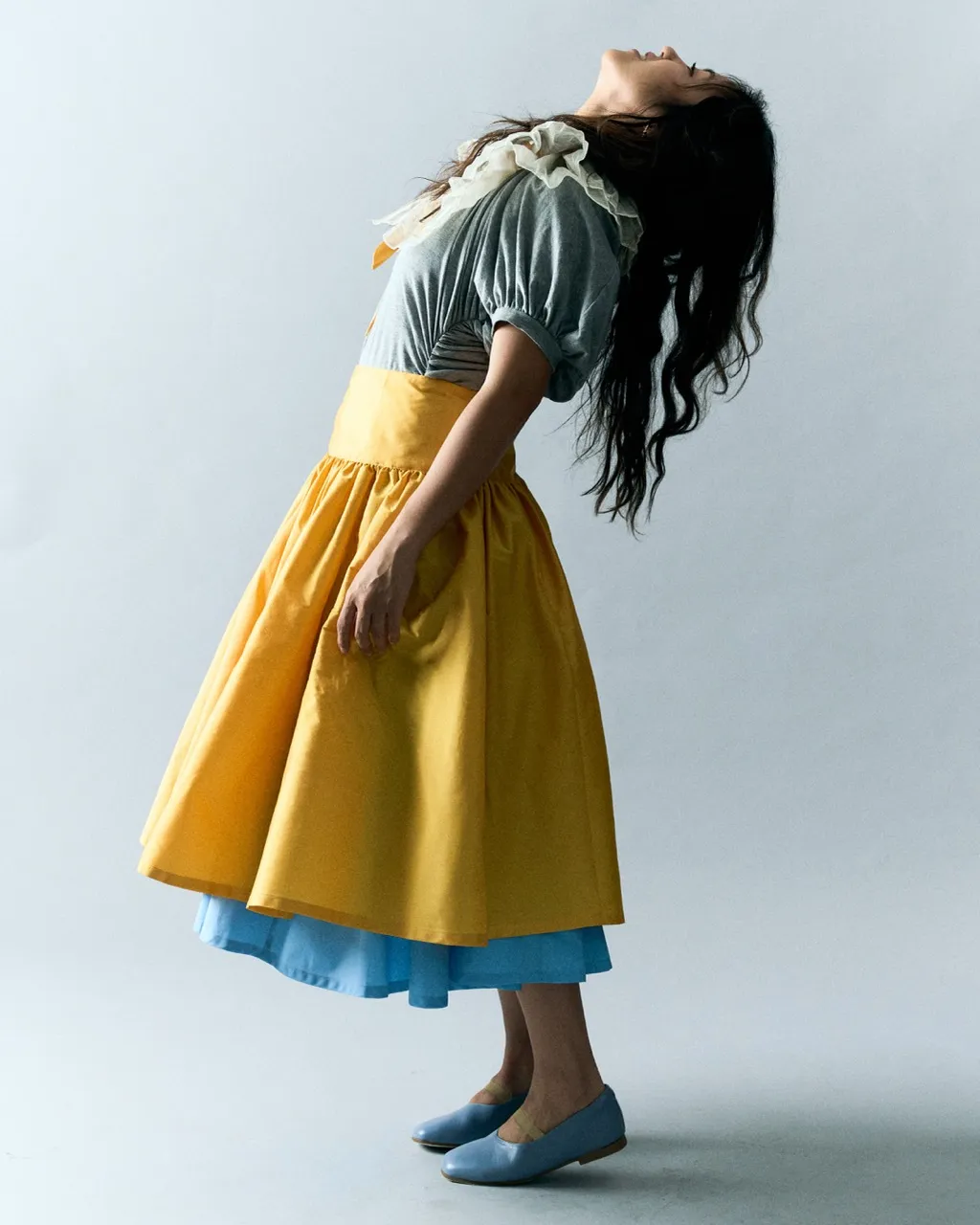
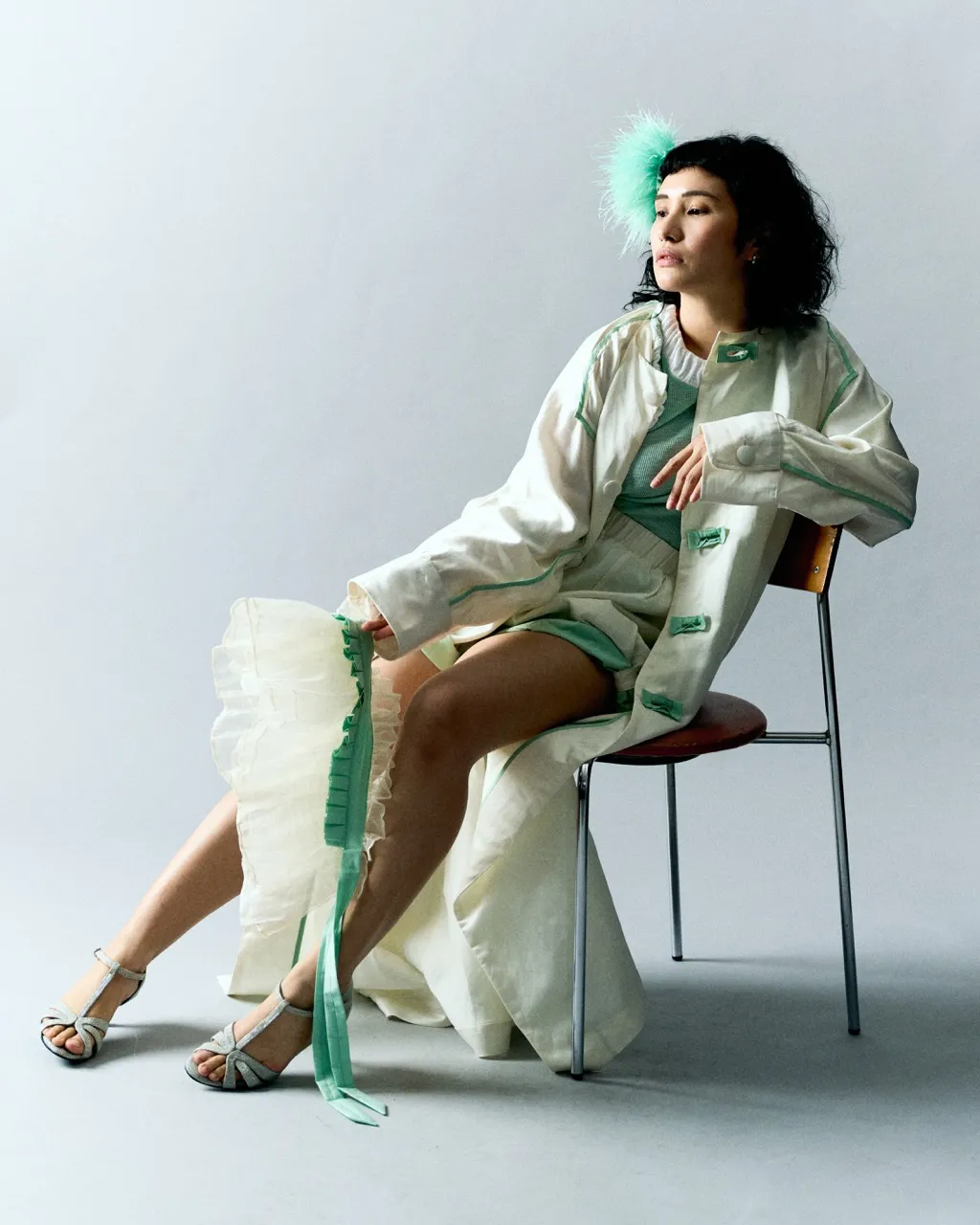
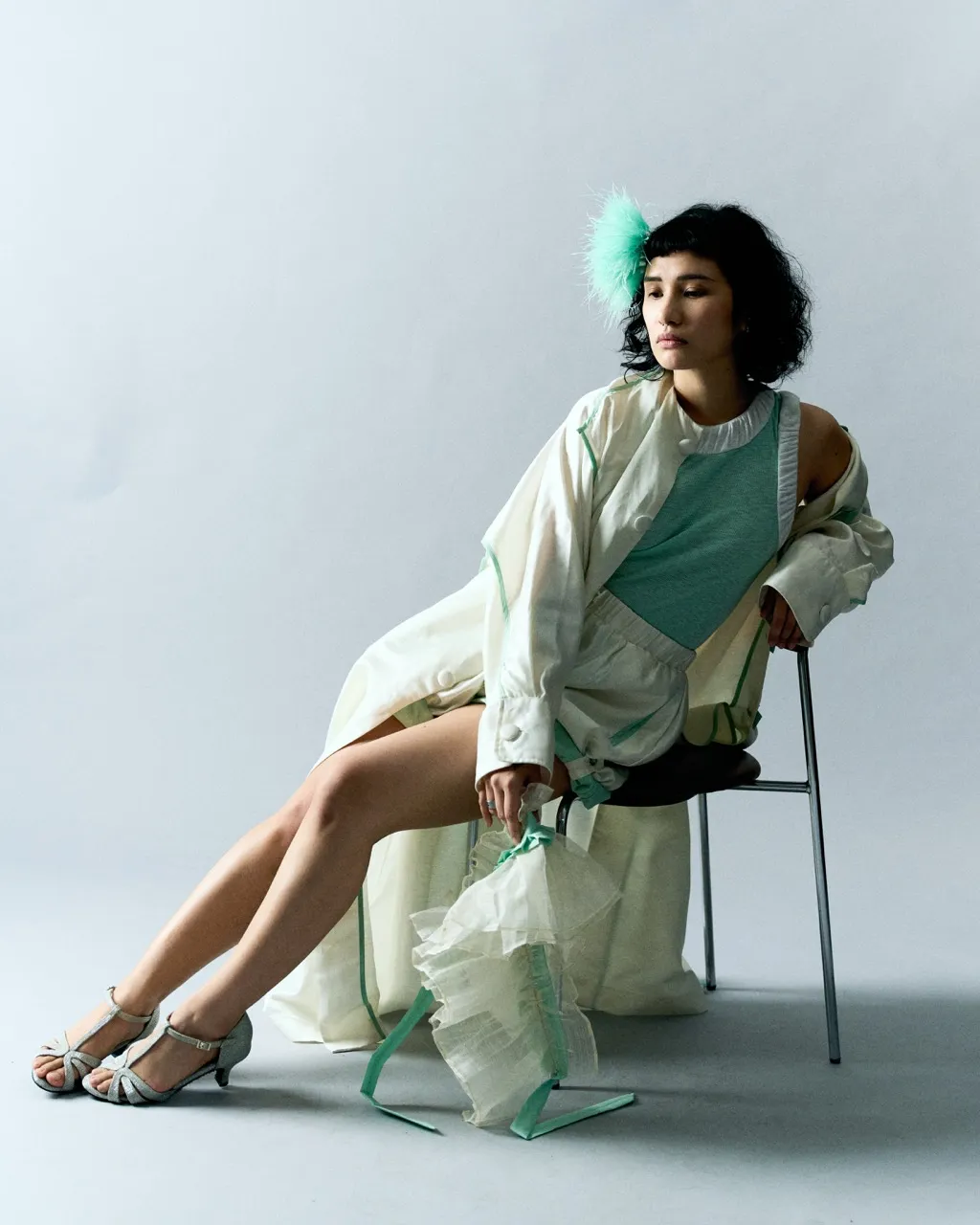
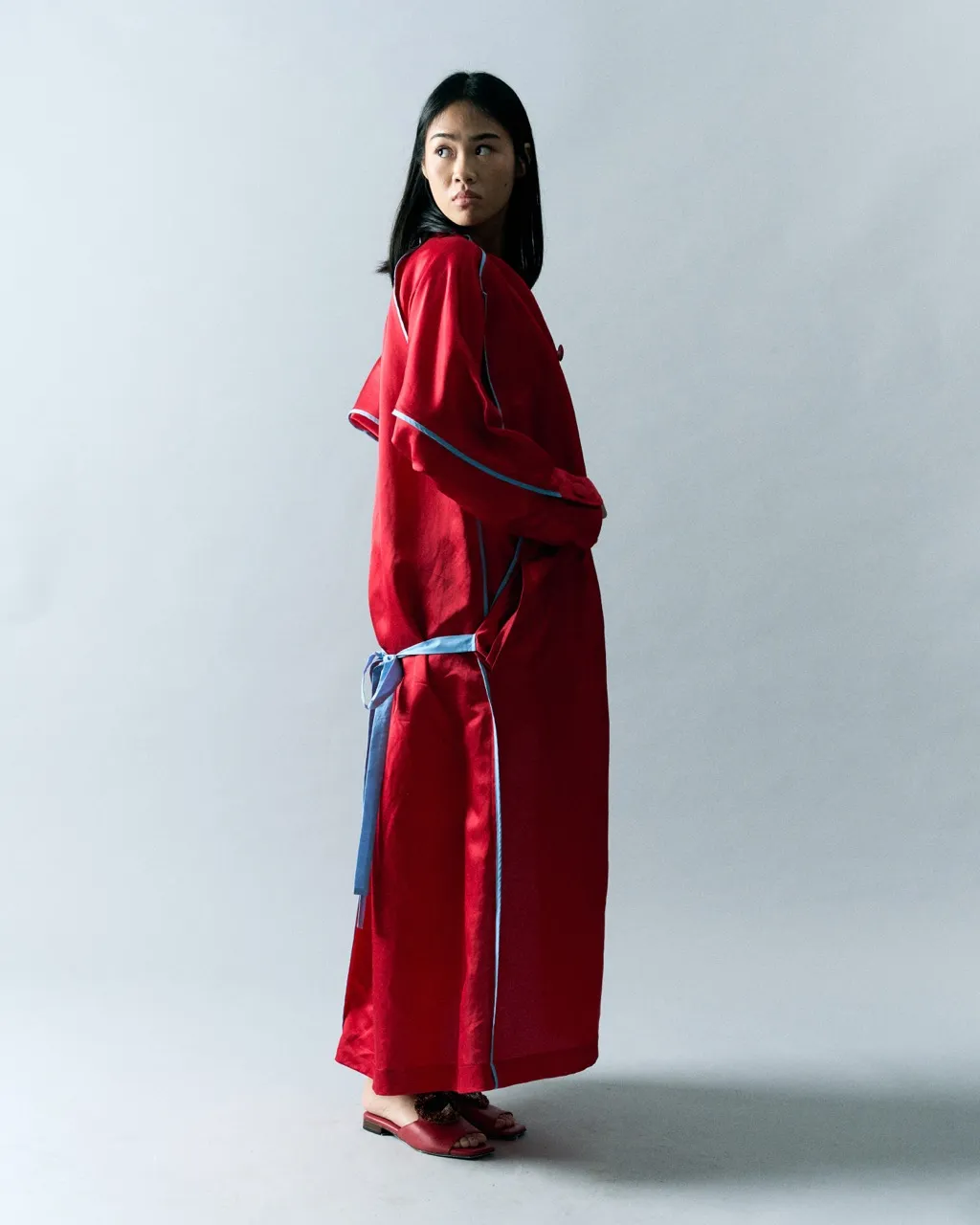
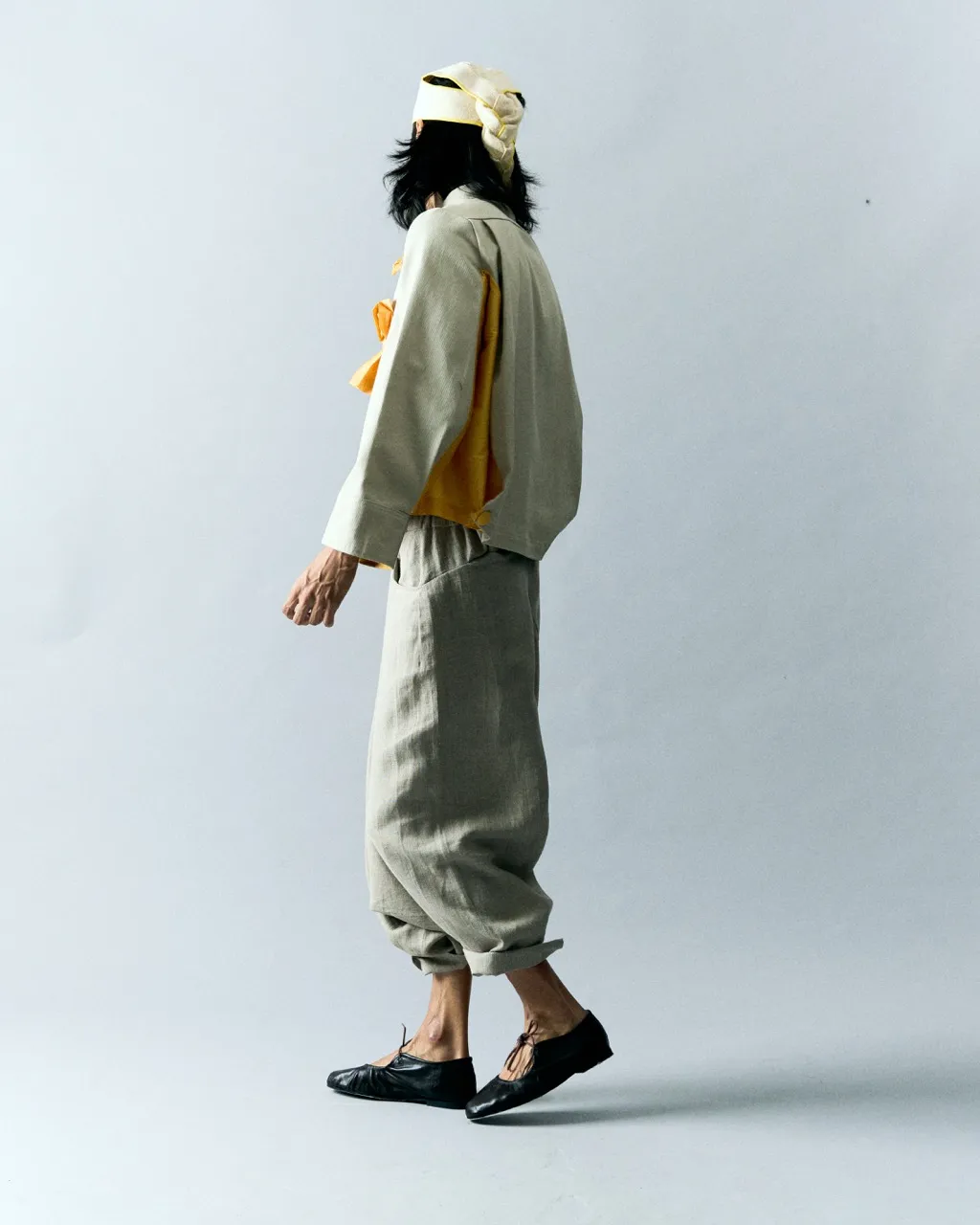
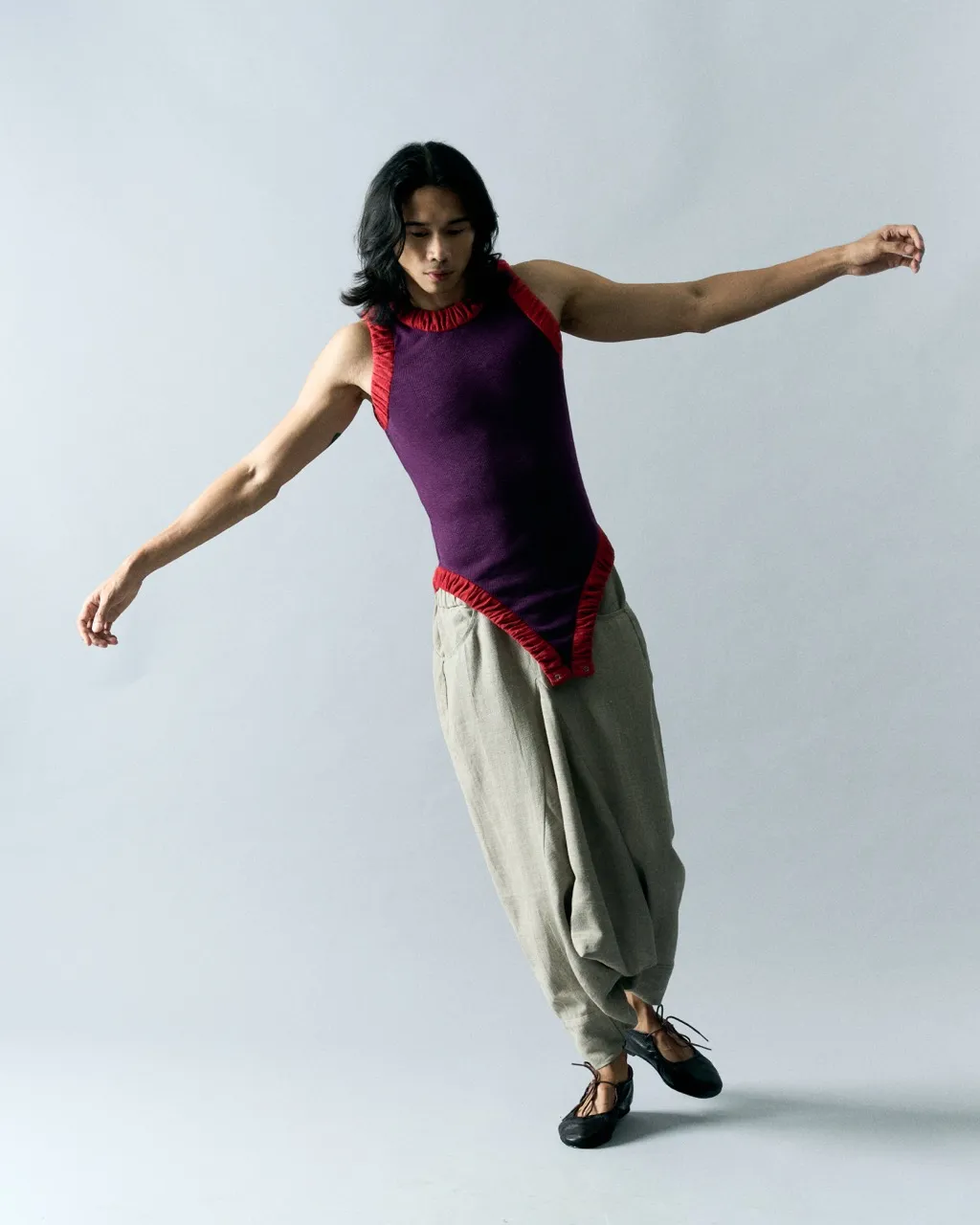
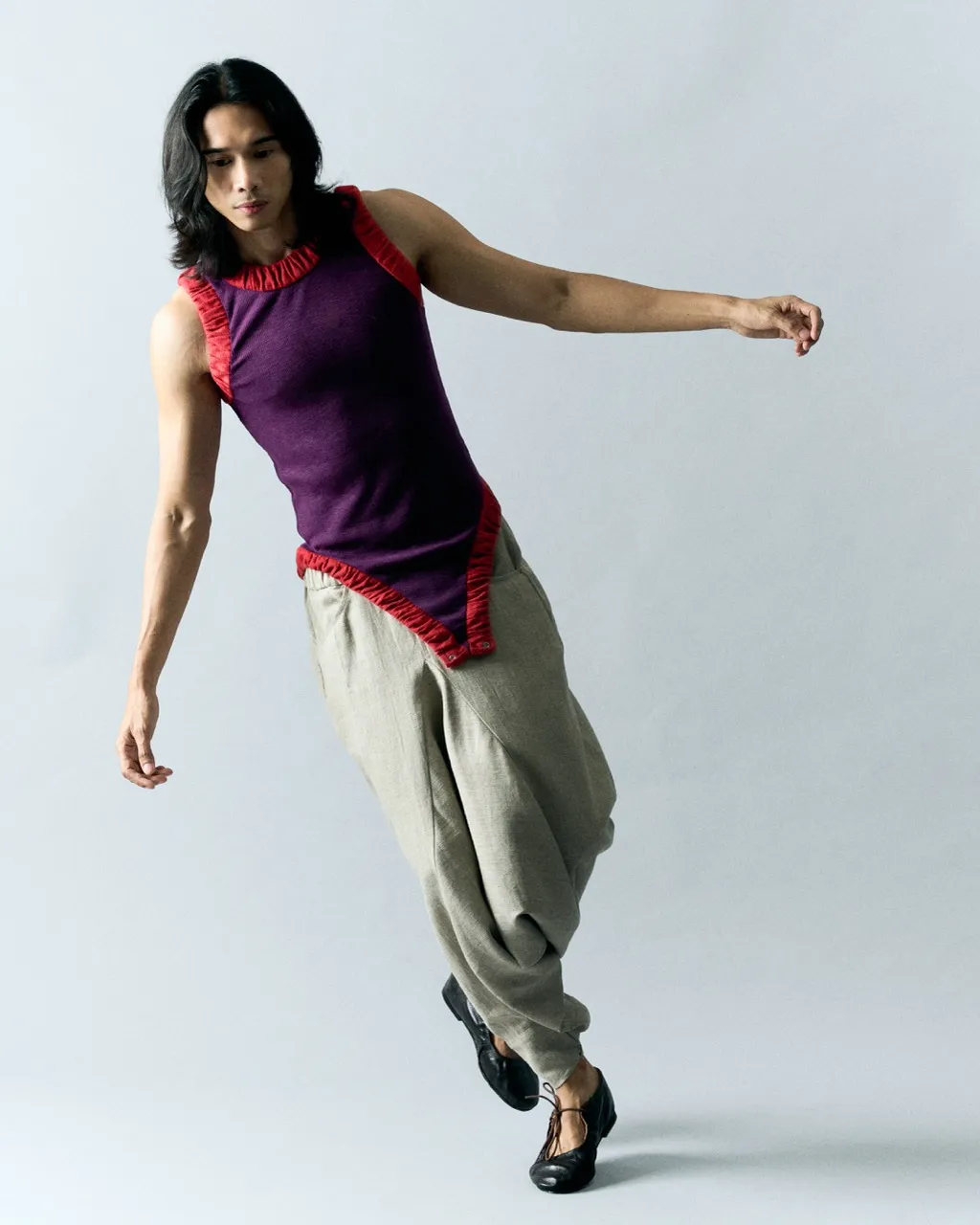
Idyllic Summers brings the drama of Filipino theatre into everyday dressing with A Local Production, a capsule inspired by sarswela and stage costumes.
The word “theater” conjures images of hyperbole: exaggerated performances, elaborate stage sets, and costumes that are larger than life. For centuries, grandeur and exaggeration have been part of the art form’s visual language, creating the illusion and caricature that bring stories to life onstage. In the new Idyllic Summers capsule collection A Local Production, the idea is to take that drama beyond the red curtains, bringing the spectacle of theater costuming into the real world.
READ ALSO: Filipino Couture Meets Collectible Art In J. Lloren Editions
How A Local Production Came To Be
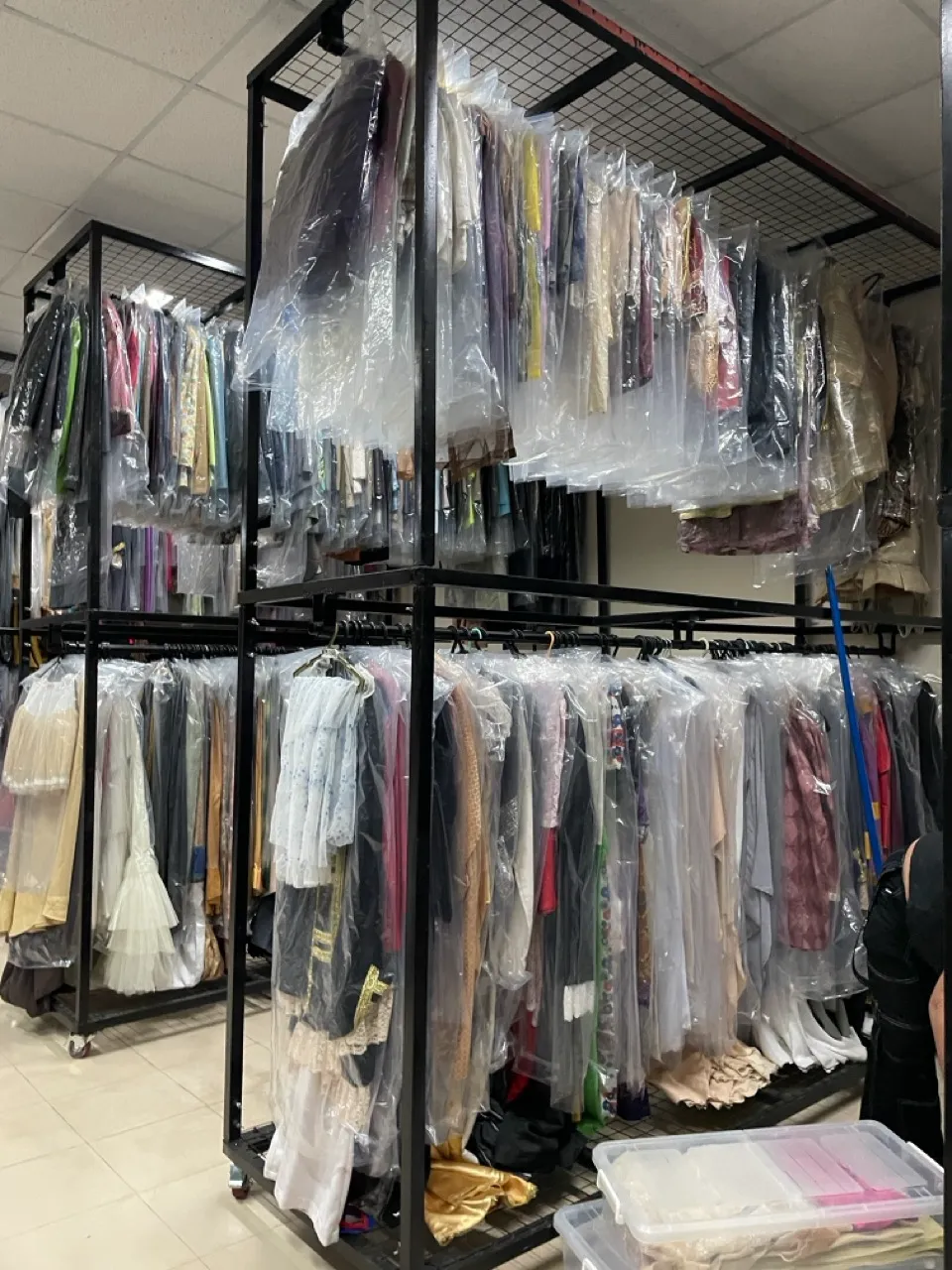
For A Local Production, the process began with research—specifically, a closer look at the history and practicalities of Philippine theater costume. Founder Steffi Cua and the Idyllic Summers team started their inquiry with costume designer and UP Diliman faculty member John Carlo Pagunaling, who was introduced to the team through director Charles Yee. Pagunaling opened his classroom, costume department, and archives, giving them a closer look at the garments and techniques that have shaped local stagecraft.
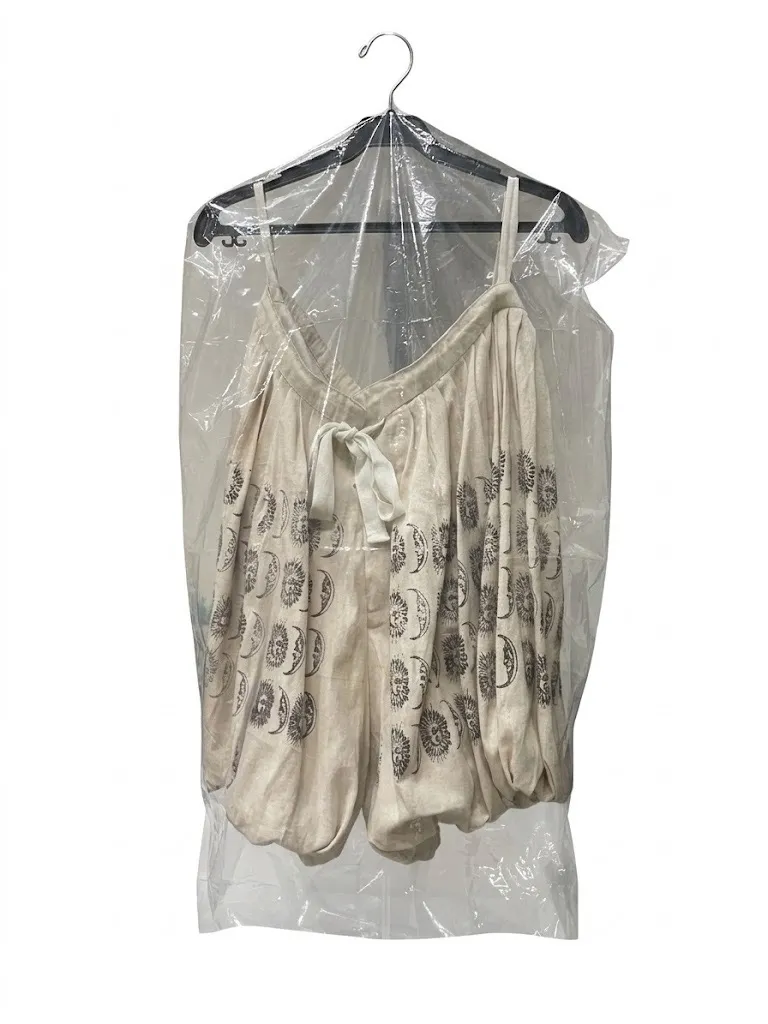
Inside the archives, the team studied theatrical garments by Patis Tesoro, including pieces fitted with Velcro closures for quick backstage changes, as well as early scenographic work by Gino Gonzales, whose sun-printed bloomers were designed with movement, light, and stage presence in mind. These details offered a glimpse into the practical problem-solving behind the spectacle of theater.
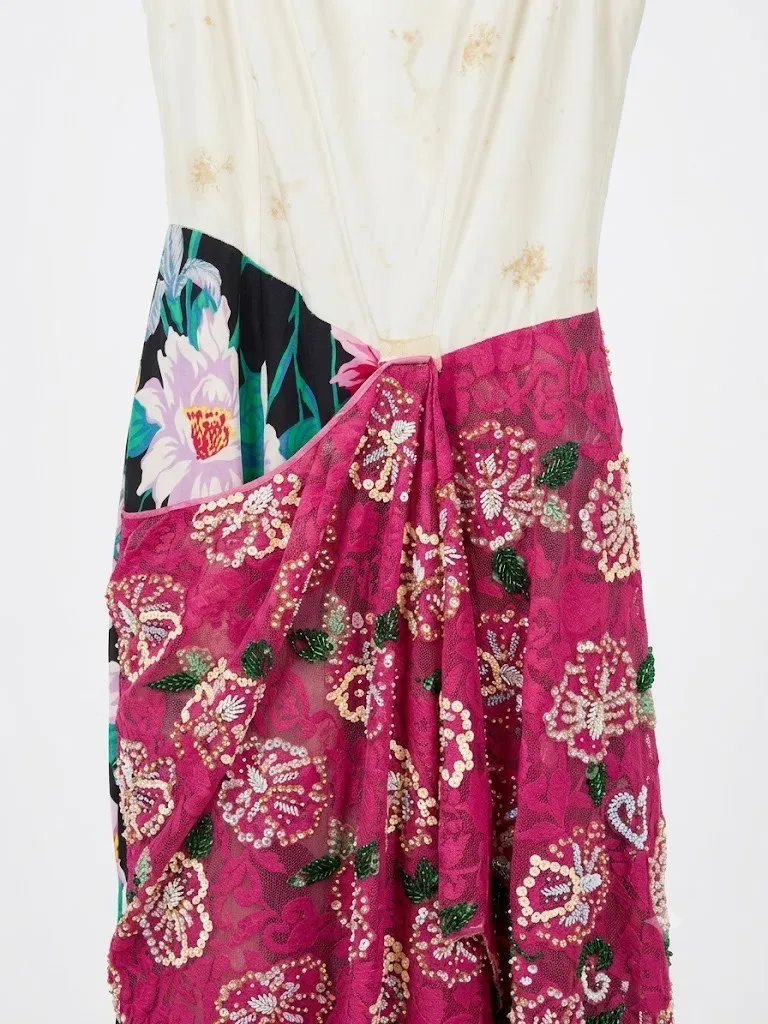
One idea from Pagunaling’s research particularly stayed with the team: kukur, or kukurtina, a colloquial industry term for using accessible, everyday fabrics—traditionally curtain textiles—to create the appearance of grandeur under stage lights. That resourcefulness became a starting point for the collection, which translates the visual language of the stage into gathered proportions, layered construction, and pleated trims reminiscent of theater curtains and drapery. Rather than simply recreating a stage costume, A Local Production takes these references and reworks them into distinct pieces that possess the same ingenuity, exaggeration, and theatricality that make a local production feel larger than life.
Sarswela In Real Life
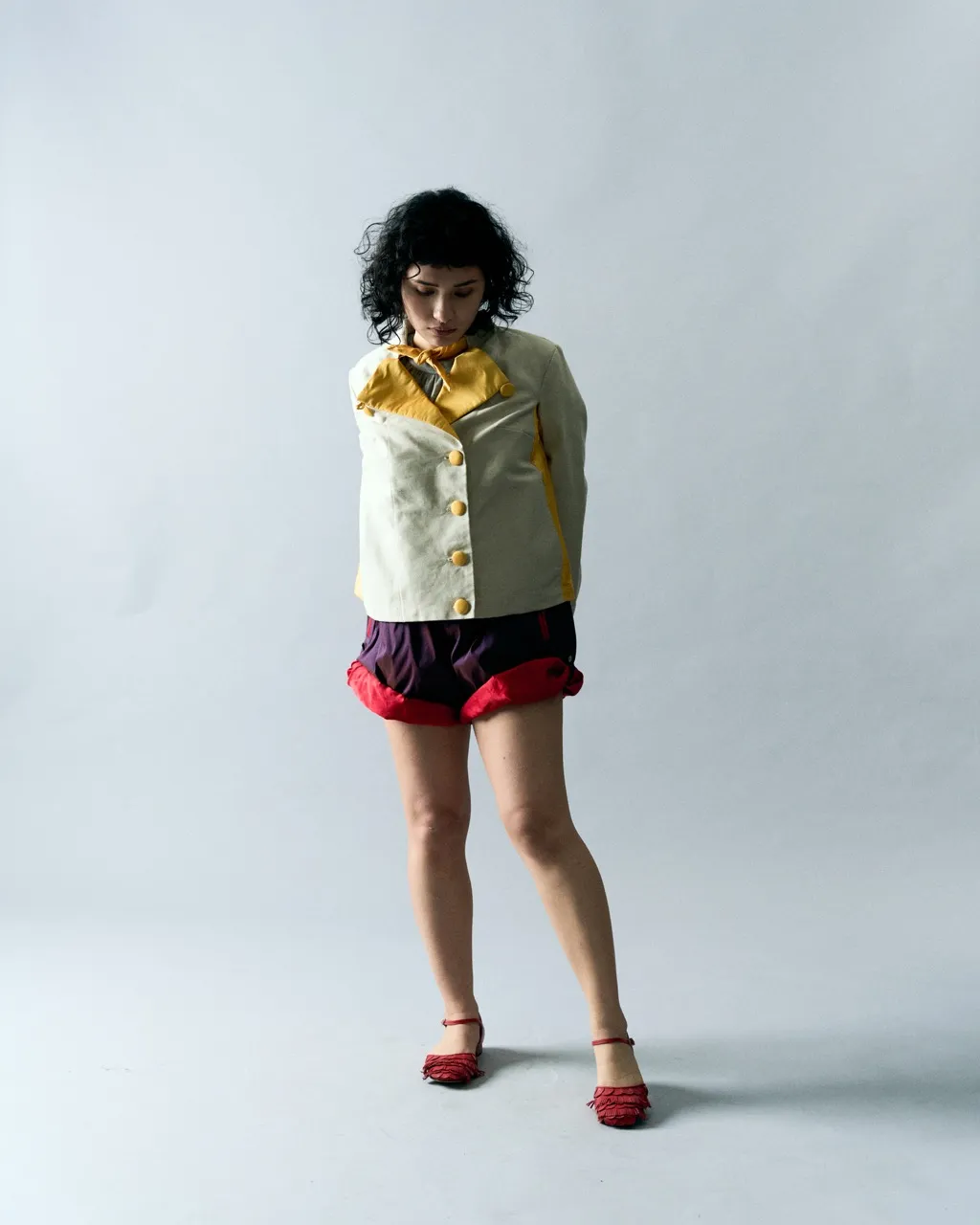
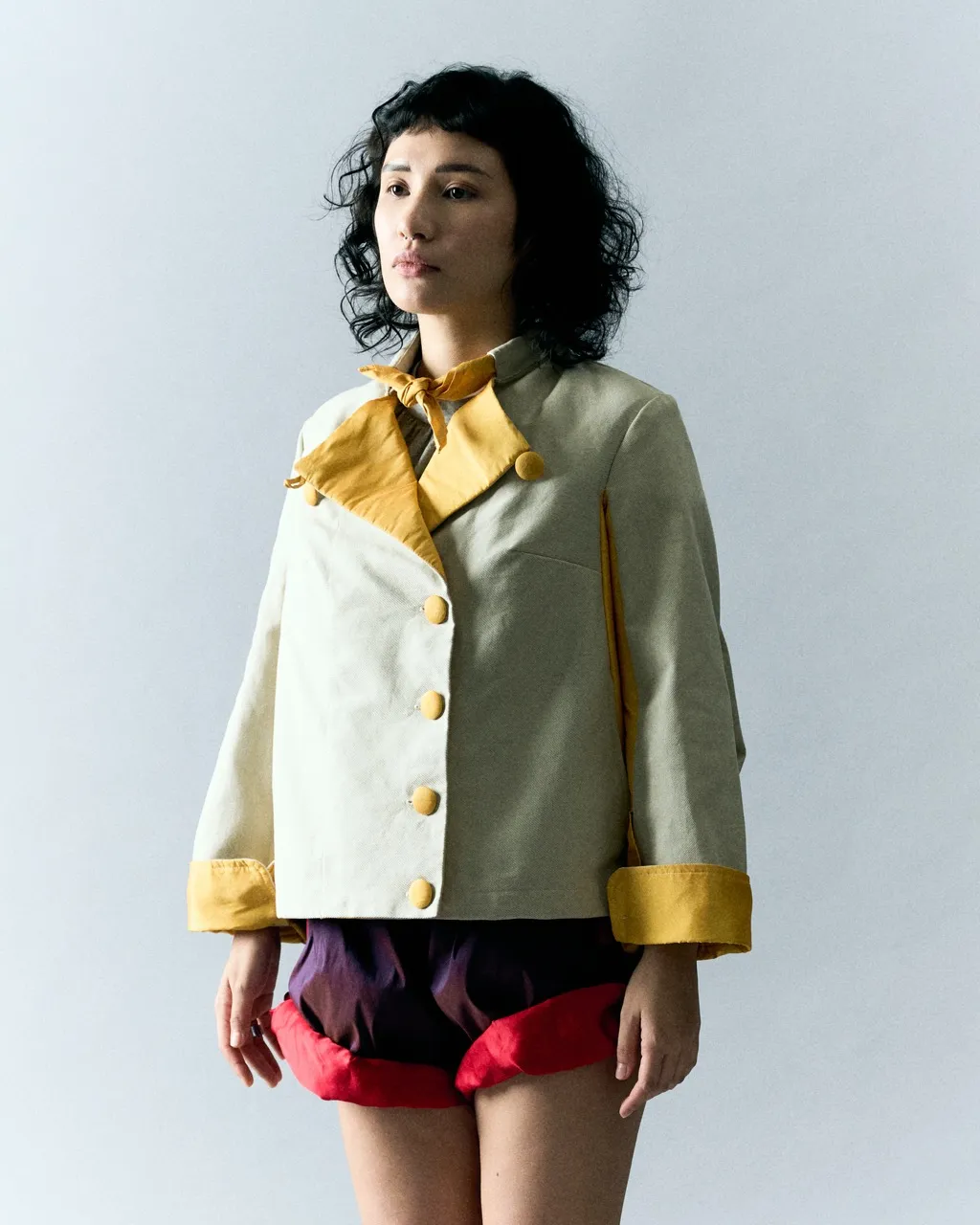
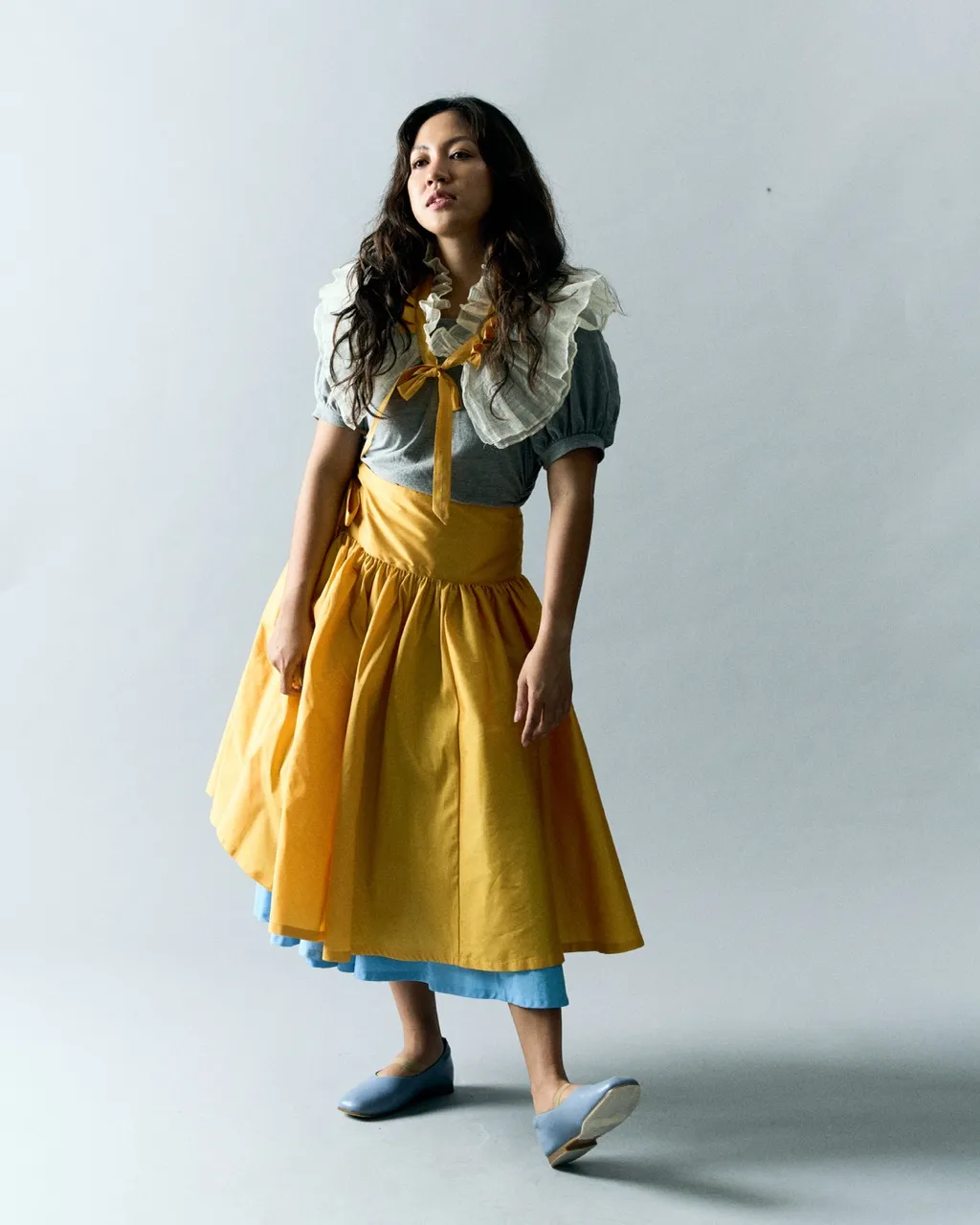
The collection takes cues from the sarswela’s everyday characters and its distinctly Filipino approach to theater, asking where ordinary clothing ends and costume begins. Dramatic yet wearable, the collection’s pleated trims, gathered fabrics, contrast facings, and layered construction draw from kukur or kukurtina, playing with the idea of making something grand from the familiar. As a whole, the collection toes the line between costume and everyday wear, serving as an ode to a facet of Filipino cultureCultureshared traditions, beliefs, values, customs, arts, and social practices that define the identity and way of life of a community, society, or nation.Go to Culture Glossary that has evolved into the modern theater we know today.
And just like the end of every theatre performance, Steffi Cua and Idyllic Summers deserve a round of applause for bringing A Local Production to life.
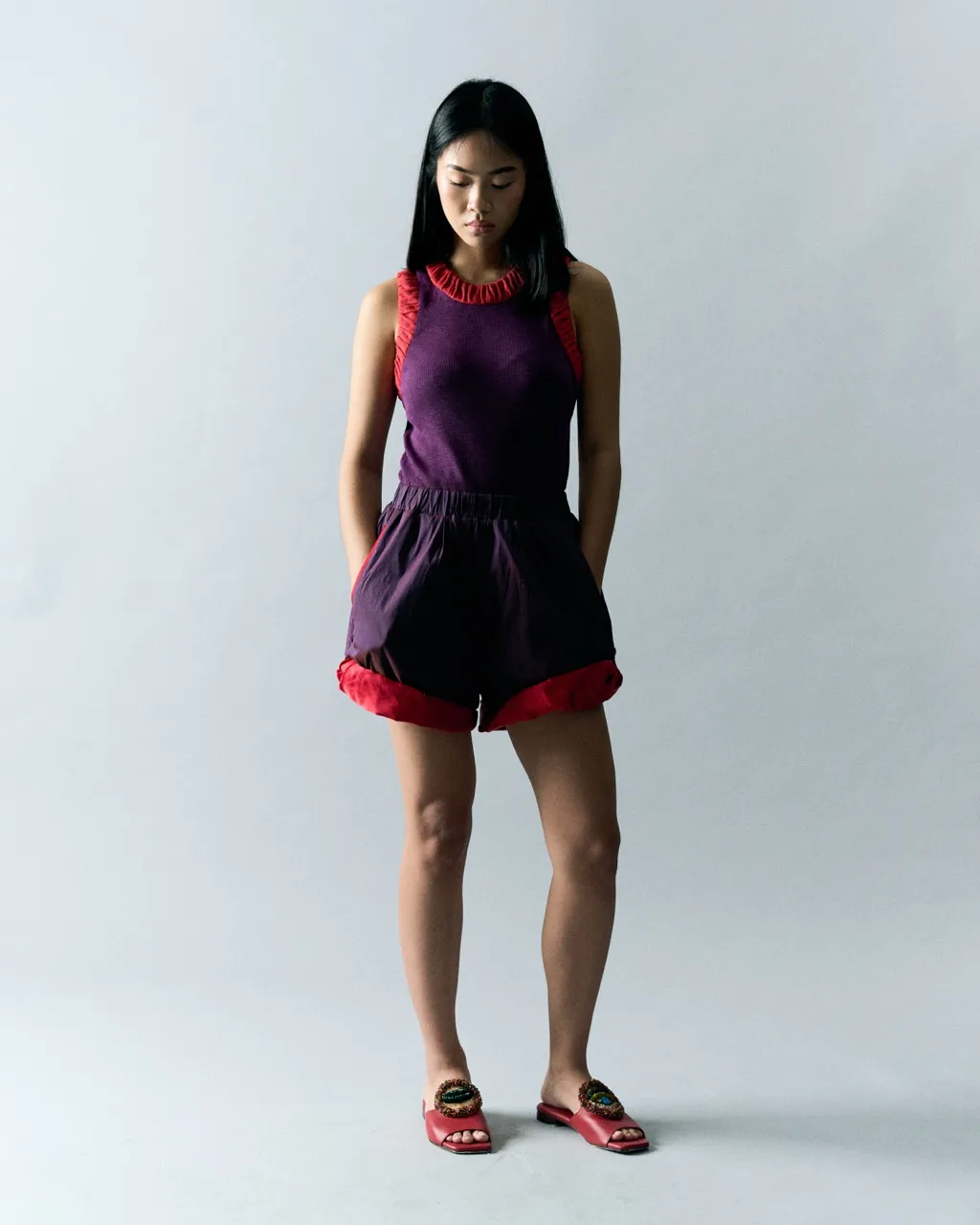
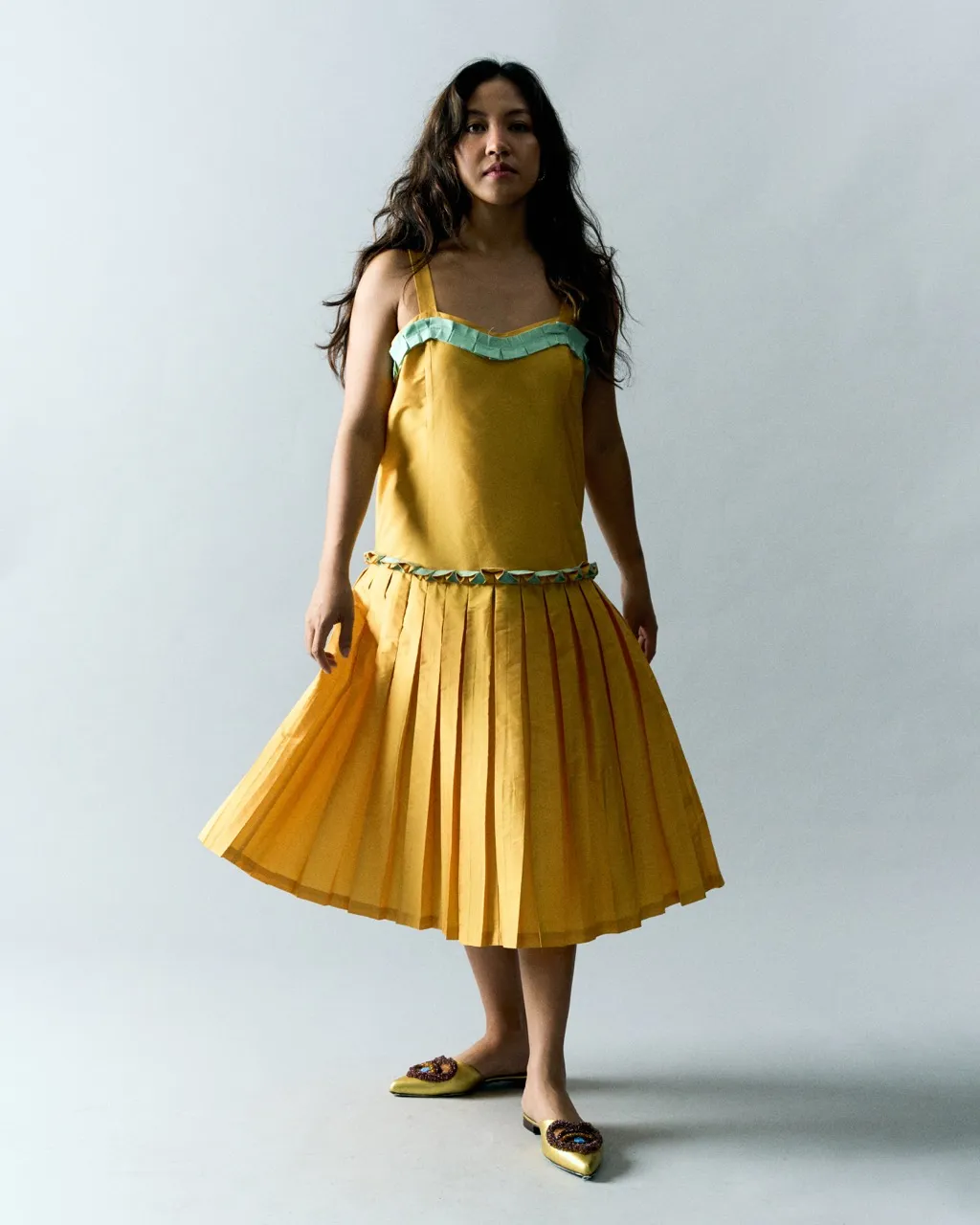
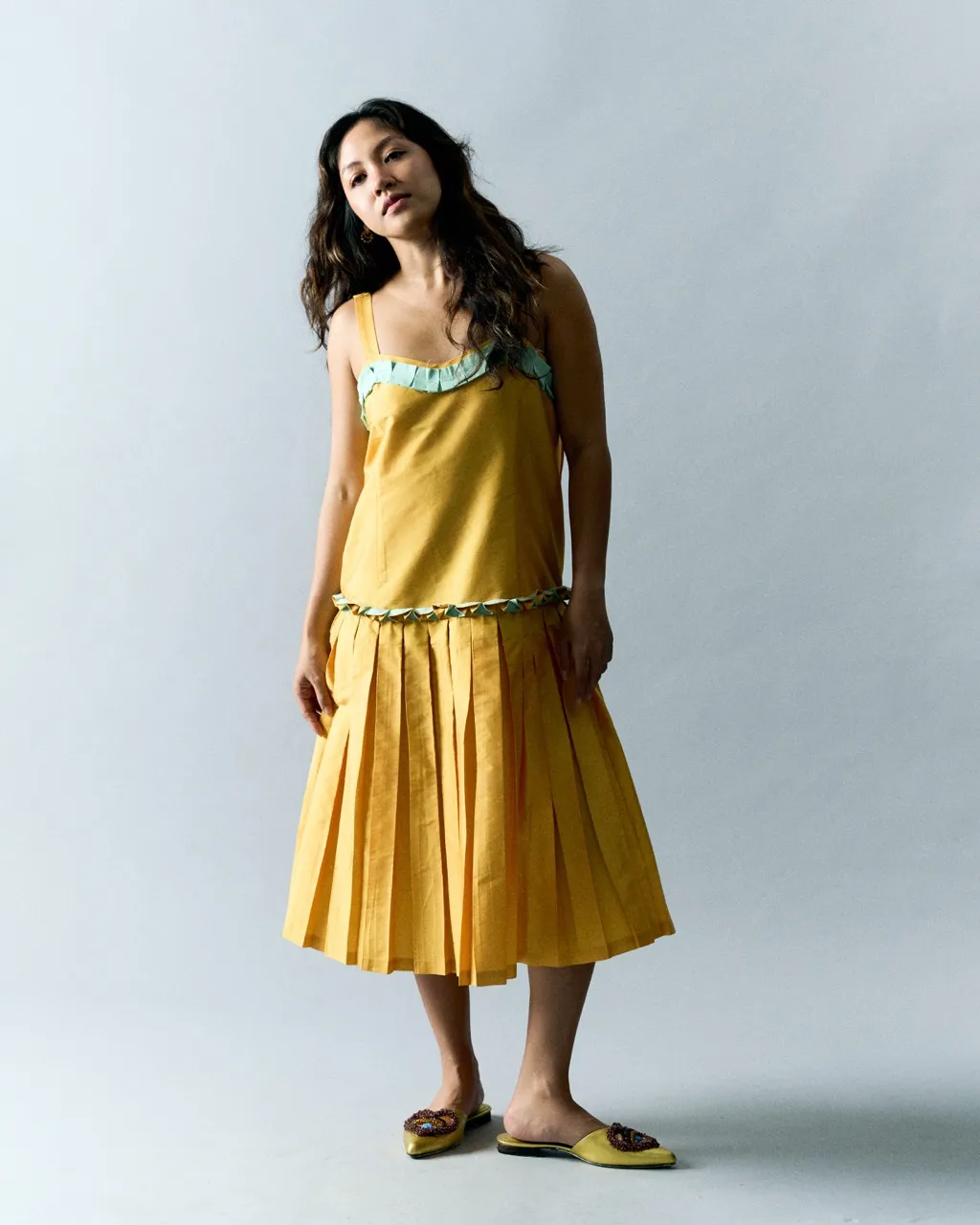
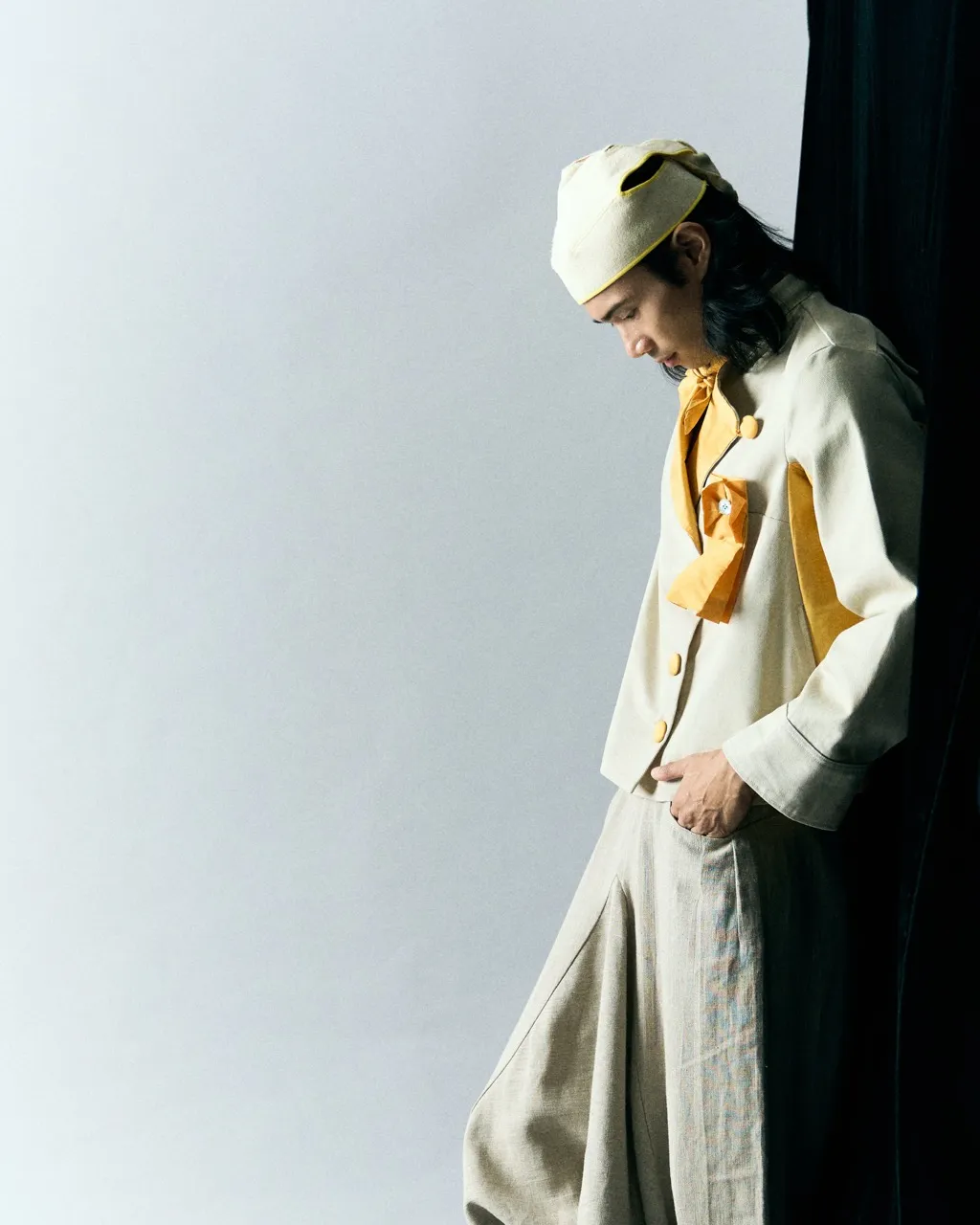
Photography by Colin Dancel, unless specified, all photos courtesy of Idyllic Summers
Frequently Asked Questions
A Local Production is a capsule collection by Idyllic Summers that brings the drama and visual language of theater into wearable, everyday clothing.
The collection was inspired by Philippine theatre, particularly the sarswela, as well as theatrical garments and local stagecraft studied through the UP Diliman costume archives.
The collection takes cues from the sarswela’s everyday characters and distinctly Filipino approach to theater, exploring the line between ordinary clothing and costume.
Kukur, or kukurtina, refers to the use of accessible fabrics, traditionally curtain textiles, to create the appearance of more elaborate materials for stage productions.
The collection balances dramatic elements with everyday wear through details such as pleated trims, gathered fabrics, contrast facings, and layered construction.