The Executive Director of the newly opened Museo del Galeón shares how the museum is as much about our tomorrows as our yesterdays.
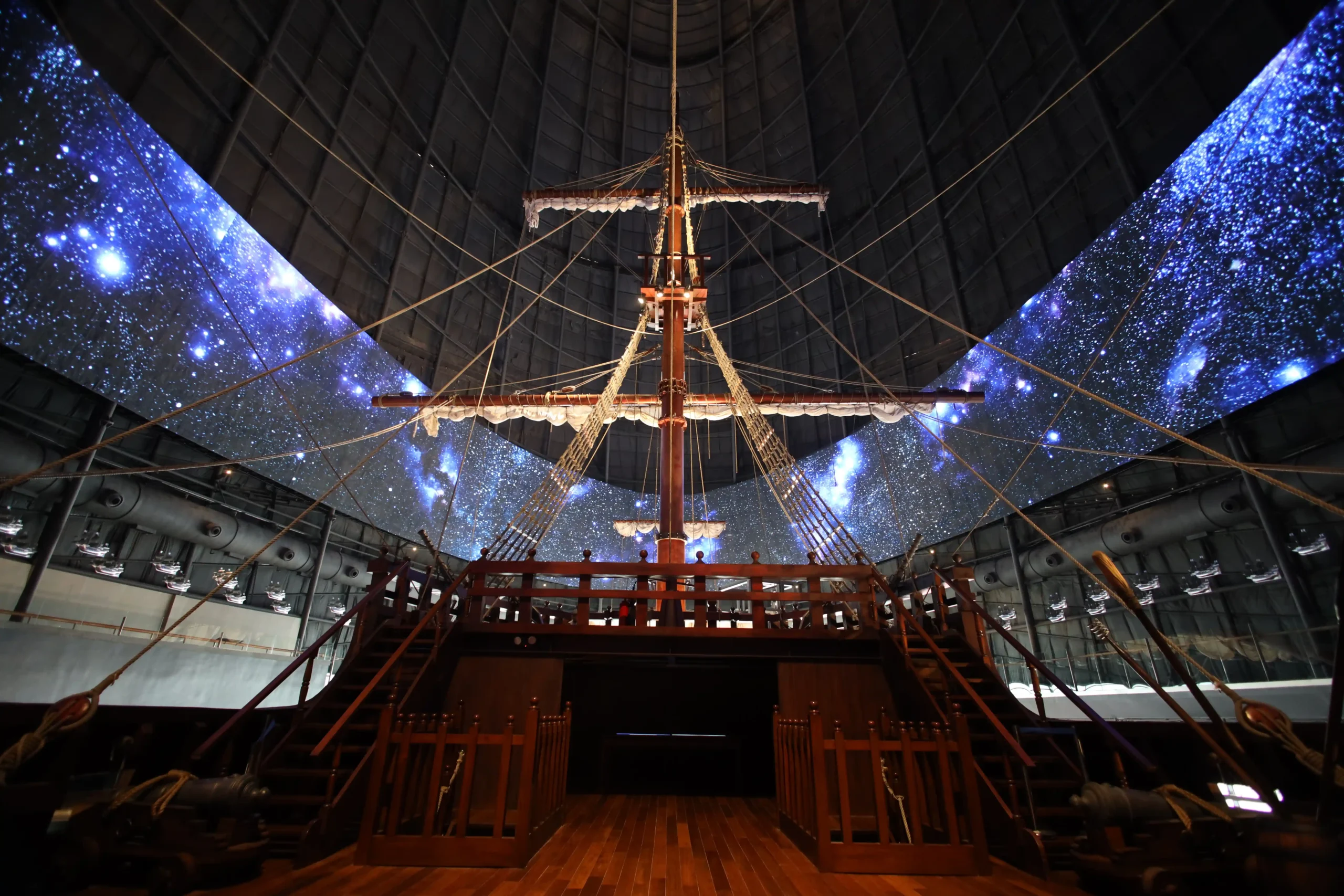
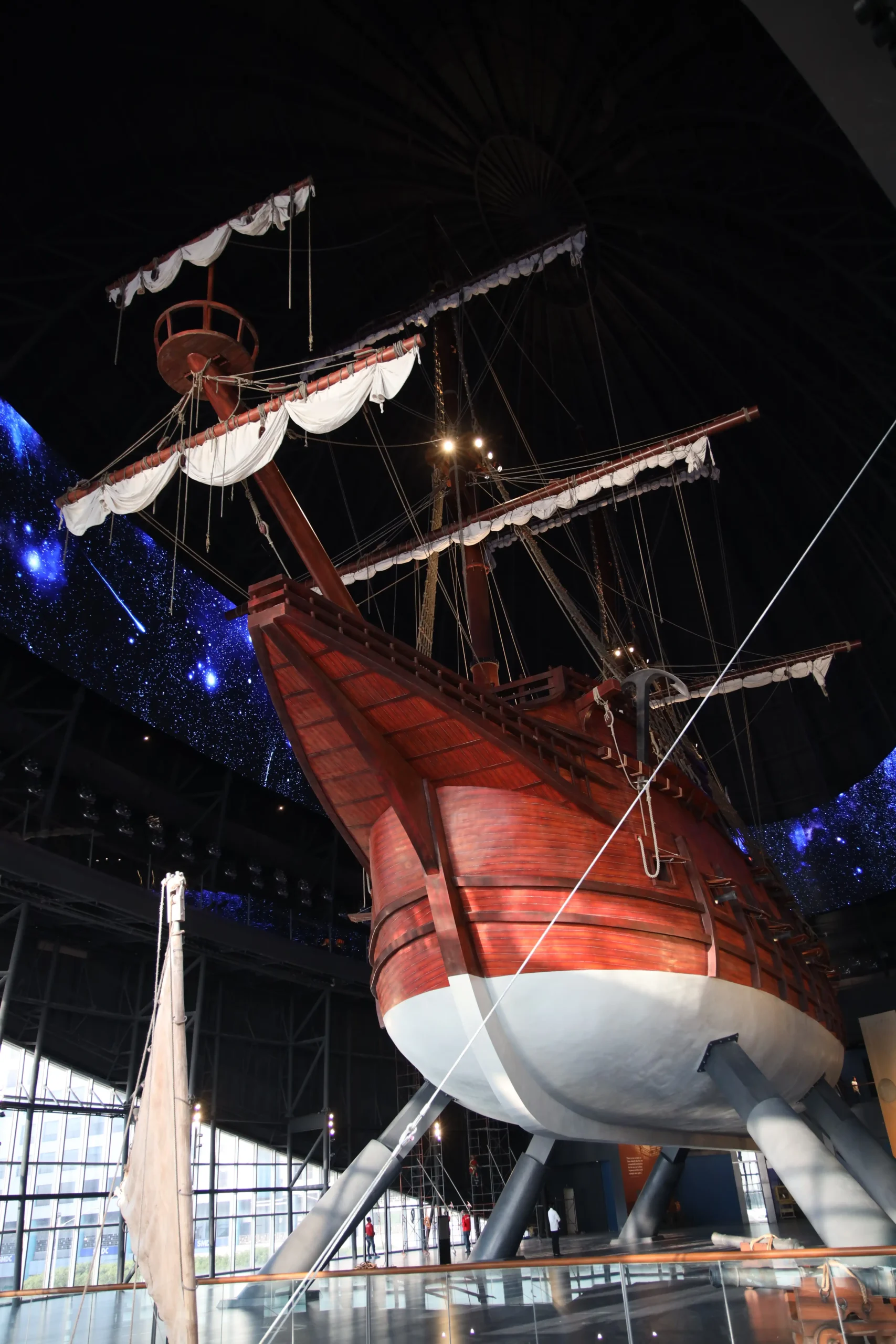
Even though the Museo del Galeón opened on May 1, it was only on July 21 that I knew we had well and truly arrived. As the delegations gathered in Manila for the ASEAN Foreign Ministers’ Summit, they all underwent the same series of gestures and expressions. As they went up the escalator to the main hall, you could see their eyes opening wide, their arms stretching out, capturing snapshots on their cellphones; their heads tilting back and their hands tapping their companions’ arms or shoulders, pointing at the same thing: the life-size representation of the galleon Espîritu Santo. It’s the pride and centerpiece of the Museo del Galeón, at 40.25 meters in length (excluding the bowsprit), 31 meters in height, and 10.50 meters at its maximum beam; raised 10 feet above the floor, visitors can walk under the keel. To a man and woman, the guests’ body language conveyed the same thing: you have to see it to believe it.
READ ALSO: The Power Of Style: A Story Of The Barong Filipino’s Evolution
Fate And Kismet
It was kismet, fate, that led to that moment. Our government, in planning for its 2026 chairmanship of ASEAN, had been frustrated in identifying cultural venues large enough to accommodate the ceremonies that would serve as highlights of the whole-year affair. We still hadn’t opened when the President’s sister, Irene Marcos Araneta, asked to visit and, in the midst of scouting the premises, said the potential was there; what followed was a series of consultations and visitations by the various organizing committees until here, at last, was the first of the gala events, for the foreign ministers.
Kismet came in because the theme of the Philippine chairmanship of ASEAN was navigation—navigating the challenges of the modern era as a community of nations and peoples bound by a shared desire for peace and prosperity. And what better place than in a museum devoted to the Philippines’ pioneering role as a touchstone for trade and commerce spanning both sides of the Pacific and, in turn, to the other great continents of the world?
While guests marveled at the galleon Espîritu Santo, it was before the ancestral boats of our prehistory where the ASEAN foreign ministers gathered for their traditional group photo: behind them could be seen our life-size representation of an actual balanghai excavated in Butuan, proof positive of our integration in, and flourishing ties to, our neighbors long before the West encountered our shores. I was reminded of a detail in [Antonio] Pigafetta’s journal as he described Cebu when Magellan blundered onto its shores: preceding that troublemaking explorer was a delegation from Thailand, not to mention those from other places who’d long made a visit part of their commercial routes.
That as now, ours is a maritime archipelago, composed of intrepid seafarers, and it’s this long history that our museum brings to the fore. My exultation over the reception held in the museum was tempered by two absences that night. Two gentlemen weren’t there to savor the occasion: the man whose idea this entire structure and institution was, the late Senate President Edgardo J. Angara, and our current chairman, Ambassador Carlos Salinas, who was under the weather.
How The Museo Del Galeón Came To Be
The concept of an entire museum devoted principally to the 250-year-long story (1563 to 1815) of the galleon trade between Manila and Acapulco was Angara’s brainchild; that it has become a living reality is Salinas’ achievement. Before he set about organizing our museum, Angara had conceived and shepherded the anniversary of the surrender of Spain’s last garrison in Baler as the date of Philippine-Spanish Friendship Day.
Only a man combining learning and practical skill could’ve navigated the treacherous shoals of a former colony’s relationship with its former ruler and found a win-win, which he did. Having immersed himself in the process, the realization that there remained a gigantic blank in our national story, demanding to be filled, was inevitable; what was not inevitable was that something positive would be done about it.
He successfully lobbied UNESCO to declare October 30 the Dia del Galeón, a global commemoration of the first successful direct journey from Manila to Acapulco. Dissatisfied with the lukewarm official reception to his idea, Angara made what has become the Museo del Galeón a private sector project, carried to its fulfillment by Chairman Salinas, who imbued it with efficiency and longevity—supported in turn by visionary CEOs, including SM through the land and actual building, The Philippine Transmarine Carriers Group, San Miguel, International Container Terminal Services, Inc., and Emperador, while organizations such as the Associated Marine Officers’ and Seamen’s Union of the Philippines have lent their support.
Angara originally envisioned a real wooden galleon replica moored along the Pasig River in Intramuros. But environmental and cost realities led to the choice of a full-scale representation instead. The concept further evolved to focus on a Philippine-built Pacific galleon—the Espîritu Santo.
How The Espîritu Santo Ship Recreates The Past
We take pride in the museum having been designed, from the very start—by the renowned foreign museum design group, CultureCultureshared traditions, beliefs, values, customs, arts, and social practices that define the identity and way of life of a community, society, or nation.Go to Culture Glossary Collective, as well as our curatorial team—to be an experiential one, where visitors are invited to immerse themselves in our exhibits, particularly the Espîritu Santo, whose original namesake was a 17th-century galleon that sailed the Manila-Acapulco route. It served from 1603 to 1618 and was designed by Juan Tello.
Our Espîritu Santo is a triumph of accuracy in the service of a memorable experience. The representation has an aged, weathered look, as if it has just completed the perilous Pacific crossing. It features chocolate-brown varnished planks, gun ports, a balcony, and—most significantly—a stern painting depicting Nuestra Señora de Guia [Our Lady of Guidance], the patroness of the Manila galleons to whom the Espîritu Santo was dedicated. This choice makes for a powerful connection with history. On April 23, 1610, the image of Nuestra Señora de Guia was brought from her shrine in Ermita to Manila Cathedral, the faithful praying for victory when a Spanish squadron (that included the Espîritu Santo) faced a Dutch fleet in the First Battle of Playa Honda.
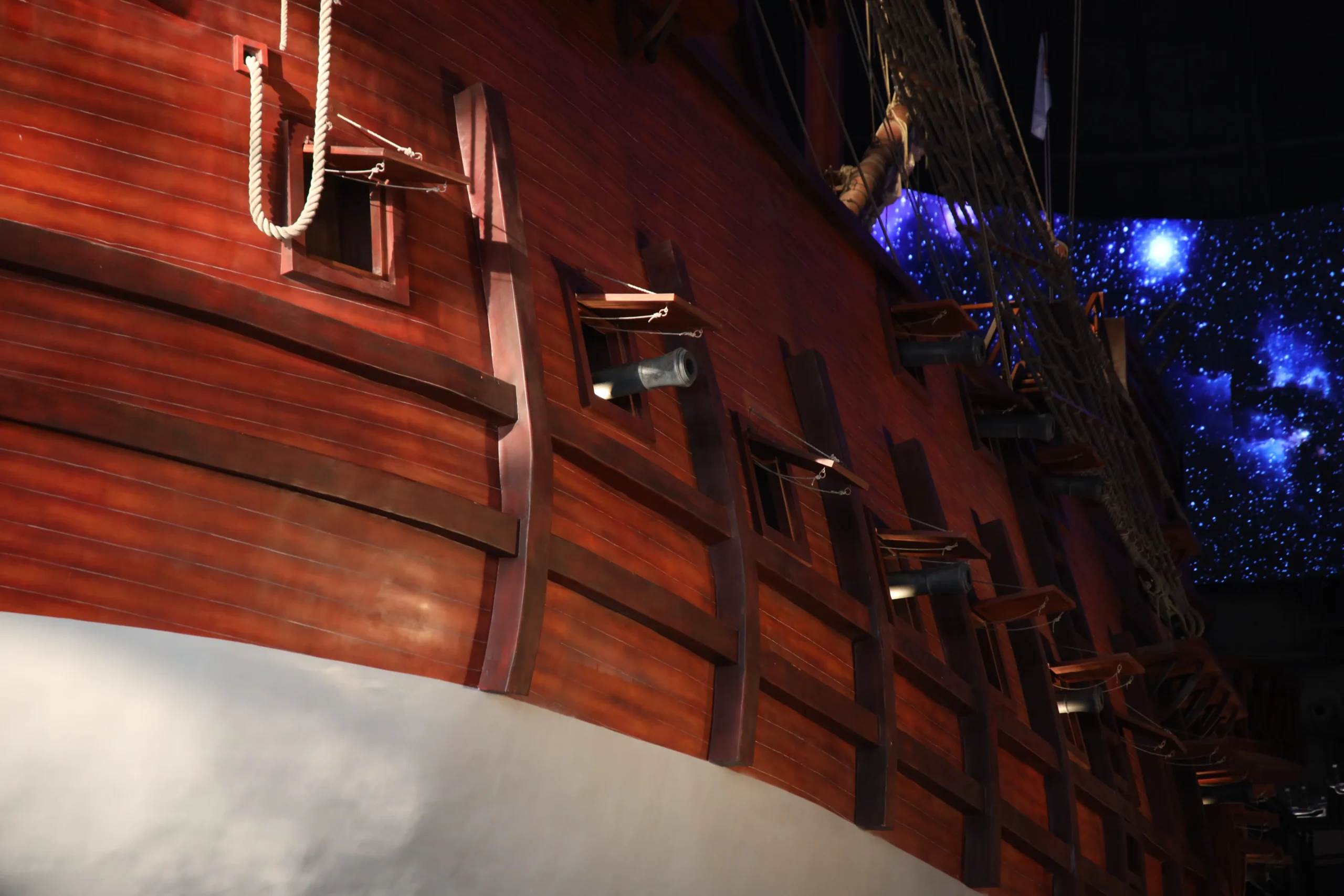
This is just one of the many interesting, exciting, sometimes tragic, often astounding stories we tell, and only one aspect of the overall experience and the lessons to be learned from walking through, or even touching, our galleon.
The design of the galleon itself, for example, draws from rigorous sources, including the Diccionario Demostrativo and Archivo General de Indias documents. This is a noble, impressive representation, but in keeping with what it was: an armed merchant vessel navigating dangerous shores. A frequent observation concerns the light-colored lower hull of our galleon. What appears to be white or light grey was actually a protective layer of whale fat (tallow), sulfur, pitch, and other materials used to guard against shipworms.
Experiencing The Rich Complexities Of History
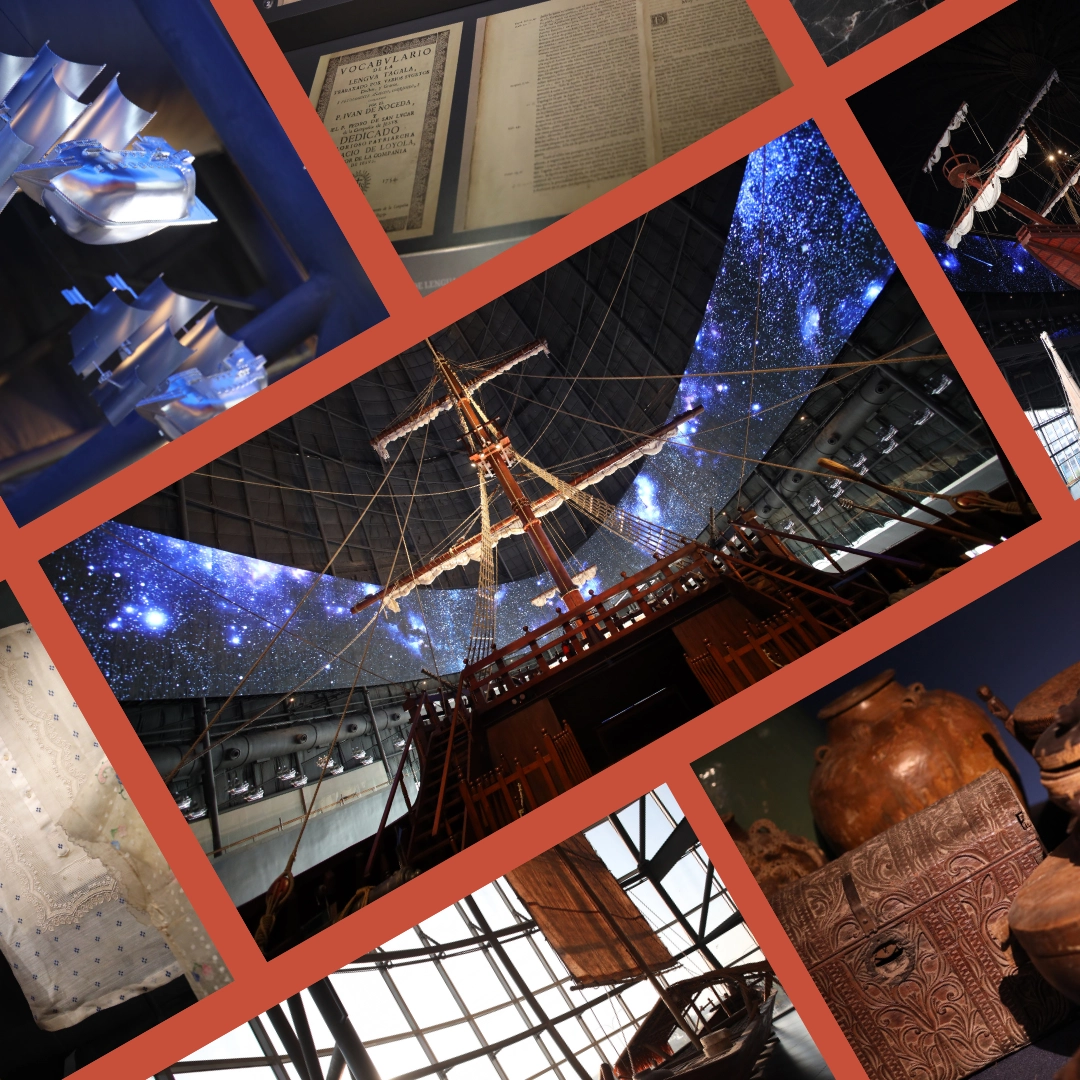
The visitor experience activates the senses: creaking wood floors, voyage sounds, and interactive features. Below deck, a video presentation tells the representative stories of our people abroad: a young Filipino recently press-ganged into service, a veteran sailor, a Chinese cook, and the Spanish captain.
We don’t gloss over the harsh aspects of this part: Filipinos were press-ganged from villages, farms, and streets to crew the galleons. The eastbound voyage from Manila to Acapulco typically took four to eight months (most commonly five to seven months), while the return trip took two to four months. Mortality rates were devastating—historian Jan DeVries estimated an overall 54% mortality rate for European trading voyages to Asia in this era. Conditions for Filipino crew were often even harsher.
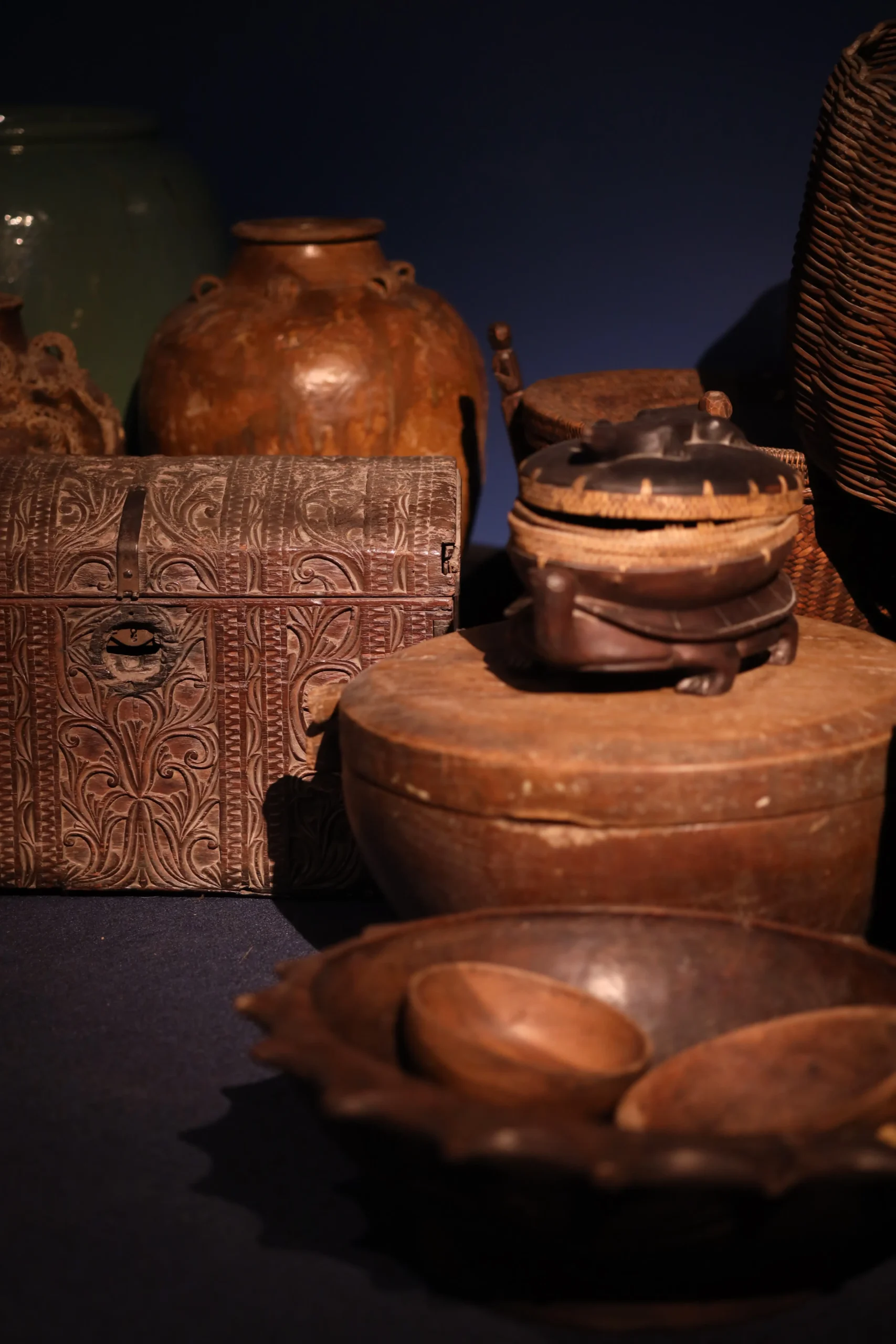
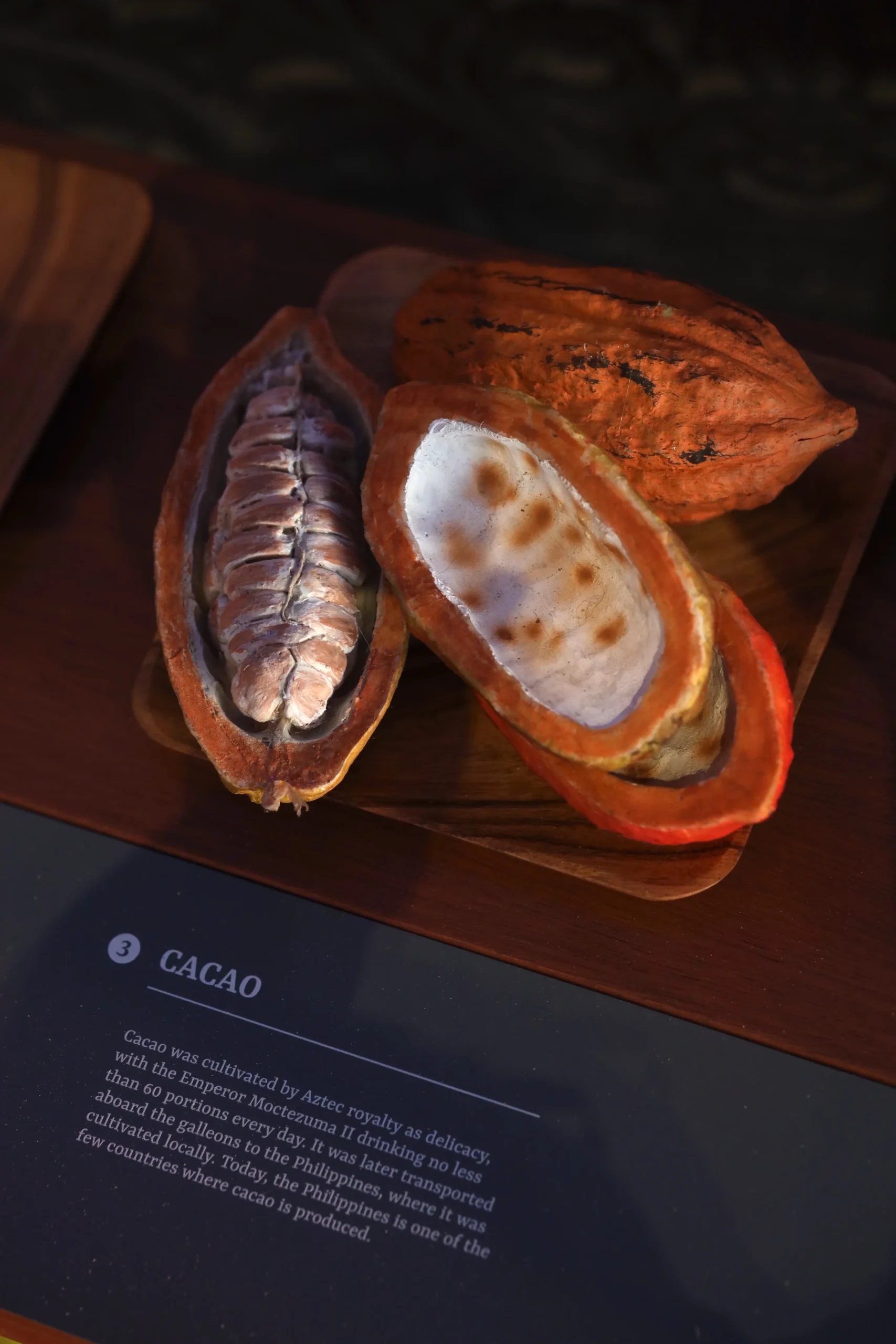
These ships could carry 300 to over 1,000 tons of cargo. Eastbound, they transported high-value Asian goods, yielding merchant returns of 100% to 400% or more. Westbound, they brought Mexican silver to fund the Spanish colony of Filipinas, and to pay for the goods brought from China and elsewhere to Manila.
If we flinch from the painful, we fail to celebrate the many wonderful things that are part of the tangible heritage of that past, too.
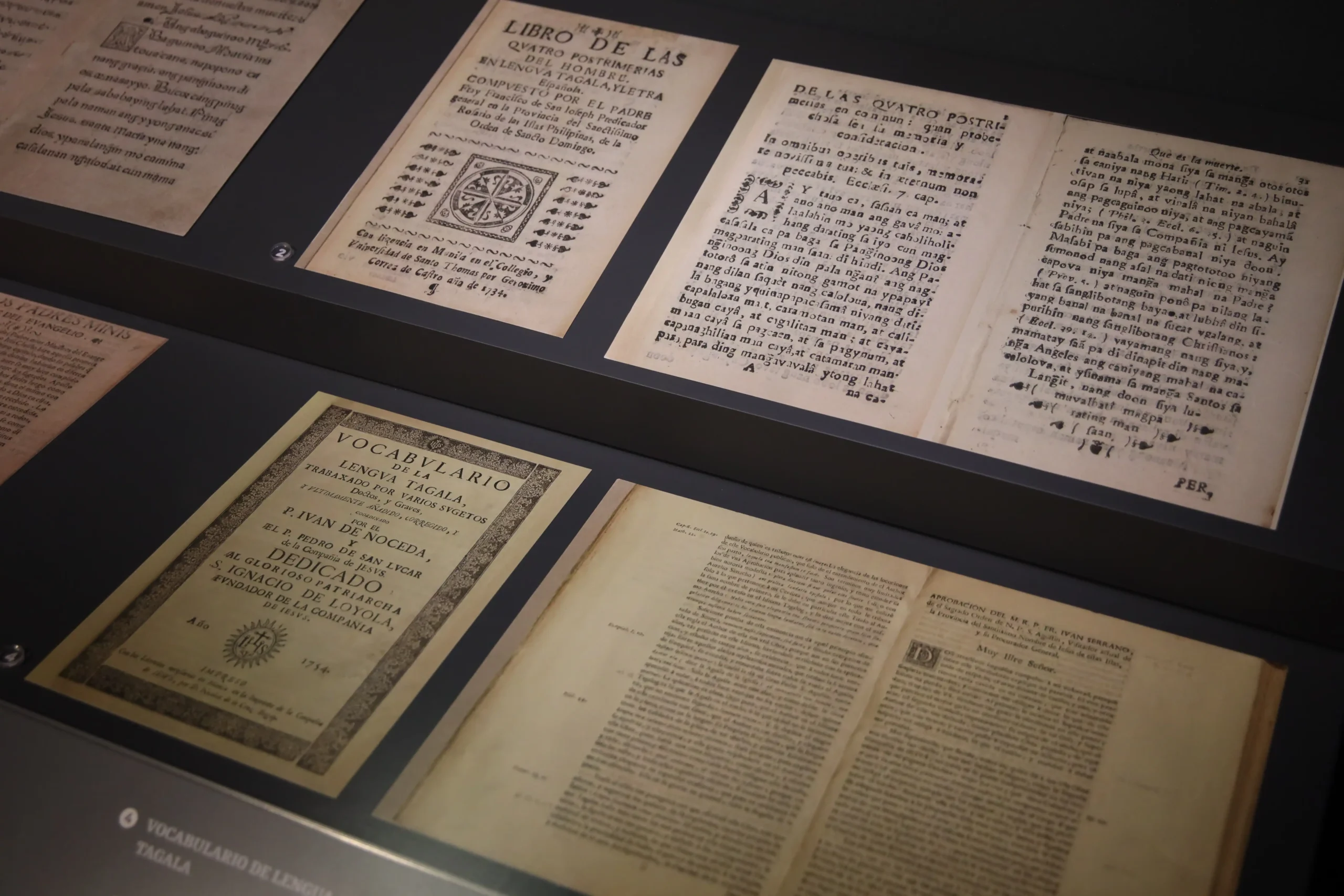
Take language: as I’ve mentioned, long before the galleons sailed, our societies were already embedded in vast maritime trade networks. These connections brought Sanskrit words through Indian and Malay influences: Bathala, diwata, diwa, guru, mukha, asa and bahala. These are mystic words speaking to us from the past, about values that have proven resilient over time.
The Chinese influences through Hokkien Chinese loanwords enriched our daily life: pancit, suki, bimpo, hikaw, susi, lumpia, and bilao. Consider the Galleon-era exchanges. The Pacific crossings added intimate layers of Nahuatl: nanay, tatay, tokayo, tiyangge, pitaka, tsokolate, abokado, kamote, sayote, sili, achuete, and sapote. We gave the Americans the gift of tuba, a gift so beloved that Spanish authorities tried, in vain, to stamp it out; and Mexicans today are increasingly accepting that the distillery was a Filipino-derived contribution that paved the way for tequila.
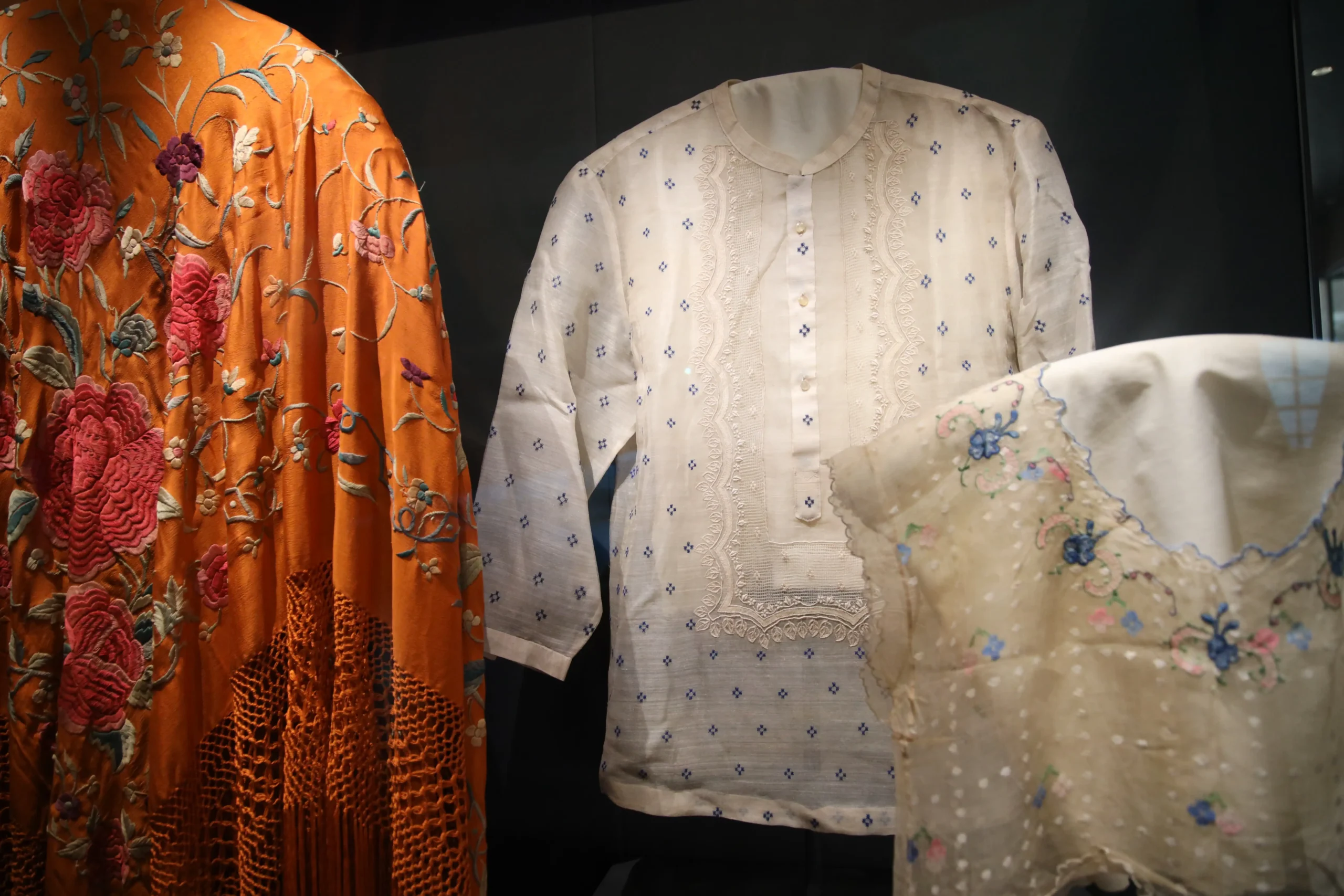
Whether fashion (the Manton de Manila in Spain), food (the Manila mango in Mexico), or music (our paso dobles and bandurrias reveal a shared musical past with Mexico), the signs are there. Giving credit where it’s due creates a space where cultures, religions, and affiliations can meet in mutual respect, and where sober reflection on our past informs our understanding of the present and future.
The Start Of A Long Voyage: Future Plans For The Museo Del Galeón
Like our country, our museum is a work in progress. Our first two galleries, on our pre-Hispanic past and the first encounter between ourselves and the West, are open; by this year’s Dia del Galeón, we hope to open our gallery on the Filipino seafaring story from the end of the galleon era to the present. More is to come, including our changing exhibits gallery, and the gallery on the confluence of cultures that took place because of the galleon trade.
We’ve been delighted by the support of public and private institutions: with the National Historical Commission of the Philippines, we’re embarking on developing a national, then international, galleon heritage trail; with the National Museum, we’ve embarked on partnering for exhibits; with schools and civil organizations, we’re now in their institutional maps, destinations for shared learning and exploration.
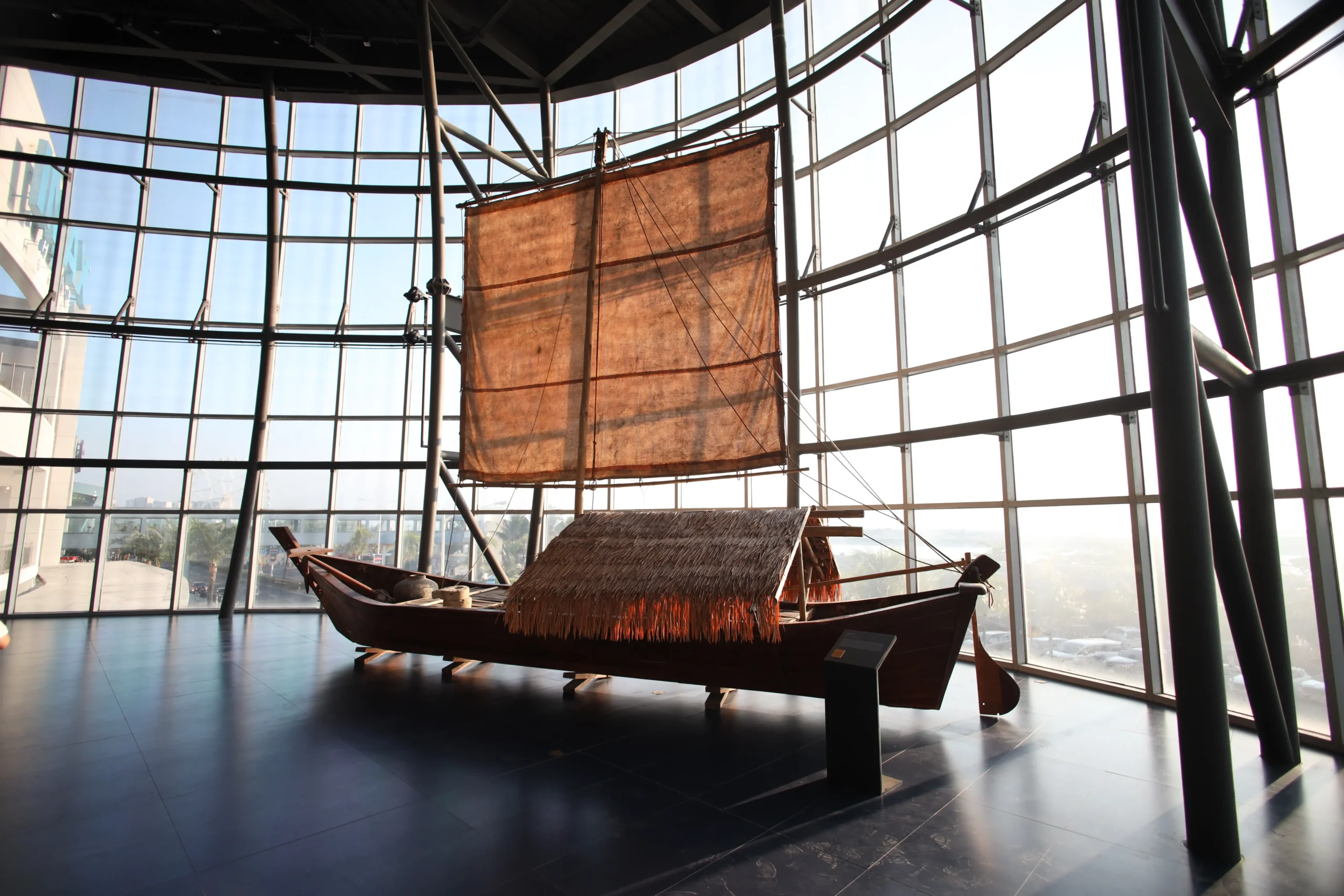
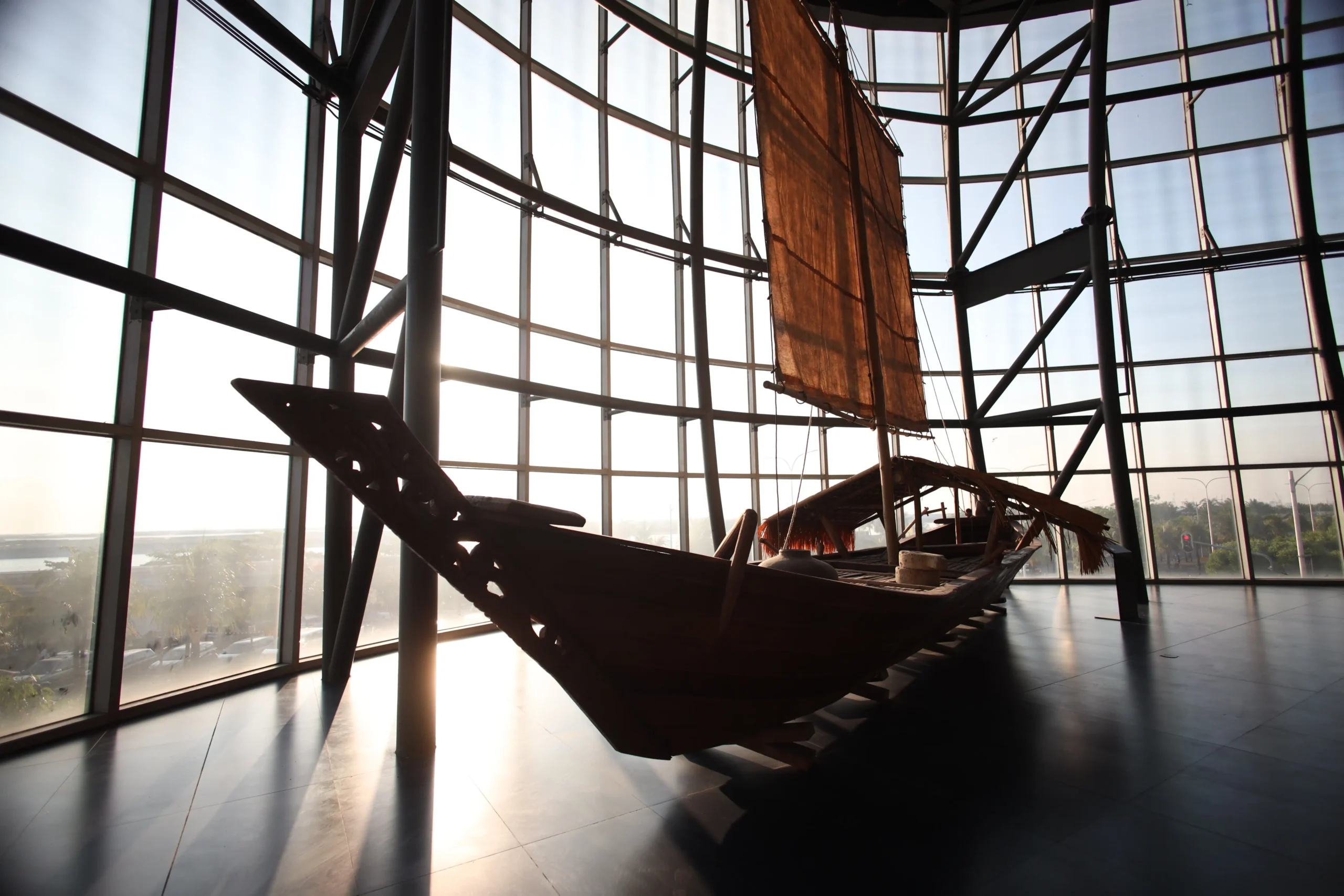
It’s the public reception of the museum, as well as curatorial and educational colleagues, that we’re most grateful for: to the public for visiting and finding their visits worthwhile; to educators and scholars who’ve helped us grow and improve, gracing our premises with their lectures.
We find our founder’s vision validated by something that has taken us completely by surprise: the great and constant demand for guided tours. A society eager to learn is a society on the road to building a better future for itself.
That night, as I watched our Secretary of Foreign Affairs greet her peers from ASEAN and other places like the United States, Canada, China, Japan, Great Britain, Russia, and the Scandinavian countries—places we’re bound to with ties of shared aspirations for prosperity and peace—I couldn’t help but think back to the accounts we’ve studied as we put together the exhibits for the museum. The truth is, we Filipinos are old hands at this; we were always cosmopolitan, we were always welcoming, we were always ready to make friends and find opportunities to mutually profit.
In my stints in government, I’ve come to see and compare how we do things with our neighbors. There’s the millennia-old grandeur of China’s state occasions; the stark precision, though on a fundamentally human scale, of official Japanese entertainments; the brisk, businesslike efficiency of the Singaporeans; the gilded luxury of Malaysia and Brunei; the royal splendor of Thailand; and the hefty self-confidence of Indonesia. But where we Filipinos excel is to somehow combine a dash of showbiz with a gregariousness that tempers protocol and lightens even the most serious affairs. In a word, our guests enjoy themselves. I think you will, too, when you visit.
This article was originally published in our September 2026 issue.
Photos courtesy of the Museo del Galeón
Frequently Asked Questions
The Museo del Galeón is an experiential museum devoted principally to the 250-year-long story of the galleon trade between Manila and Acapulco, which lasted from 1563 to 1815. It also brings to the fore the Philippines’ longer history as a maritime archipelago, including its pre-Hispanic seafaring heritage and longstanding ties with neighboring cultures.
One of the museum’s centerpiece exhibits is a life-size representation of the Espîritu Santo, a Philippine-built Pacific galleon inspired by its 17th-century namesake that sailed the Manila-Acapulco route from 1603 to 1618. The museum also features a life-size representation of an actual balanghai excavated in Butuan, alongside experiential exhibits that explore the Philippines’ pre-Hispanic past, first encounters with the West, and the complexities of the galleon trade.
The Espîritu Santo is a 40.25-meter-long, 31-meter-high life-size representation of a 17th-century galleon, excluding the bowsprit. Raised 10 feet above the floor, it allows visitors to walk under its keel and experience the scale of the vessel. Its design draws from rigorous historical sources, including the Diccionario Demostrativo and Archivo General de Indias documents, and features chocolate-brown varnished planks, gun ports, a balcony, and a stern painting of Nuestra Señora de Guia, the patroness of the Manila galleons.
The museum was designed as an experiential space where visitors can immerse themselves in its exhibits. The experience activates the senses through creaking wood floors, voyage sounds, and interactive features. Below deck, a video presentation tells representative stories of people who lived and worked aboard the galleons, including a young Filipino press-ganged into service, a veteran sailor, a Chinese cook, and the Spanish captain. The museum also confronts the harsh realities of the galleon trade alongside its cultural and historical exchanges.
The Museo del Galeón is continuing to develop its galleries and programs. Its first two galleries, covering the pre-Hispanic past and the first encounter between the Philippines and the West, are open, with plans to open a gallery on the Filipino seafaring story from the end of the galleon era to the present by this year’s Dia del Galeón. Future additions include a changing exhibits gallery and a gallery exploring the confluence of cultures brought about by the galleon trade. The museum is also developing a national and international galleon heritage trail with the National Historical Commission of the Philippines and partnering with the National Museum for exhibits.