


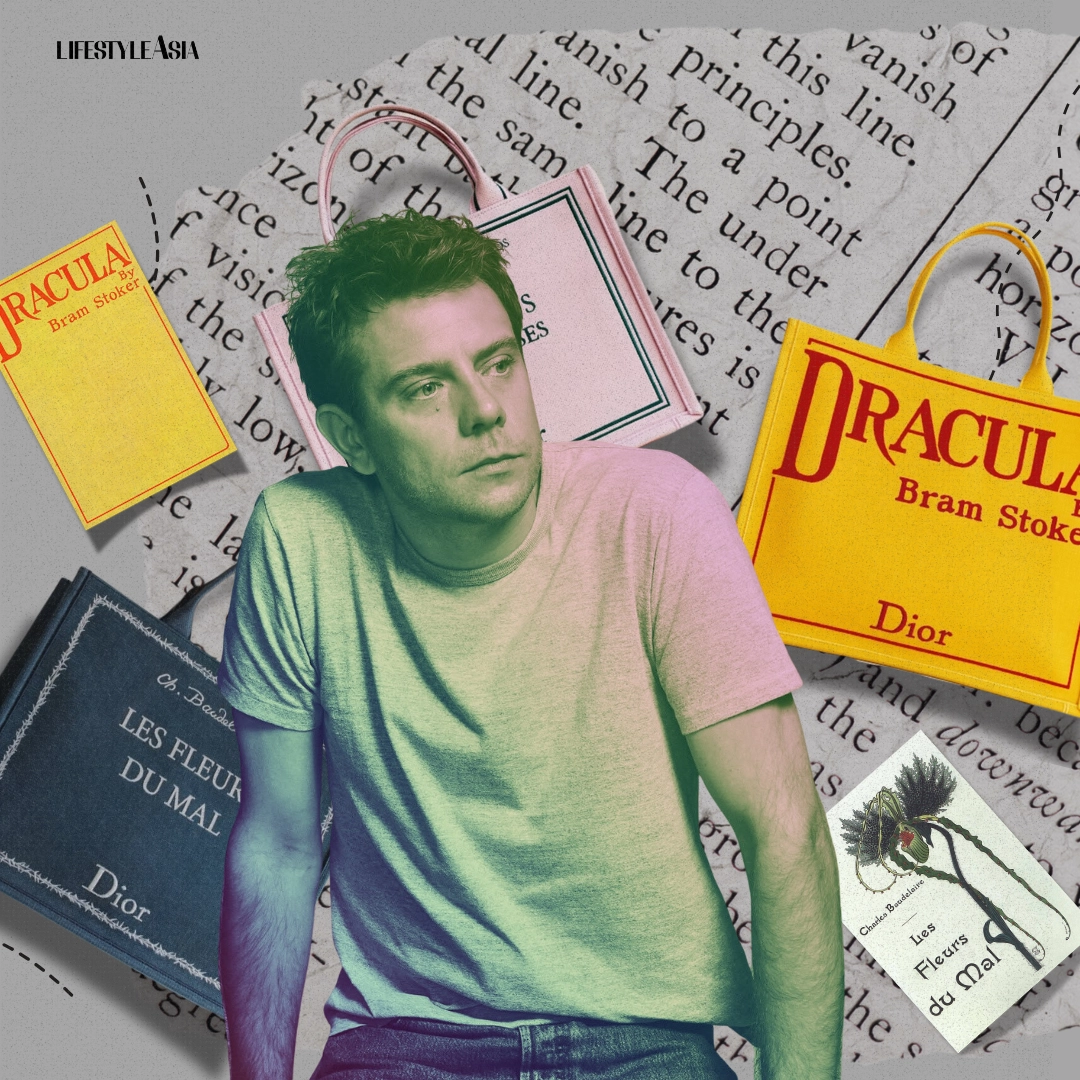
Get to know the bold and daring pieces of literature that inspired the designer’s latest collection of chic bags.
Jonathan Anderson has once again proven himself to be a formidable force in fashion with the debut of his first collection as creative director for Dior. The luxury brand has long been known for its distinct book tote: a boxy bag that can fit just about anything you can think of.
Looking back at the iconic tote’s history, it wasn’t necessarily made to carry books, though it certainly can. But over the years, Dior has leaned more into the bag’s charming name, marketing it as the ultimate book-carrying companion through its star-studded Dior Book Tote Club, which features leading ladies like Rosamund Pike and Natalie Portman talking about their favorite reads as they lovingly drop them into the chunky bags.
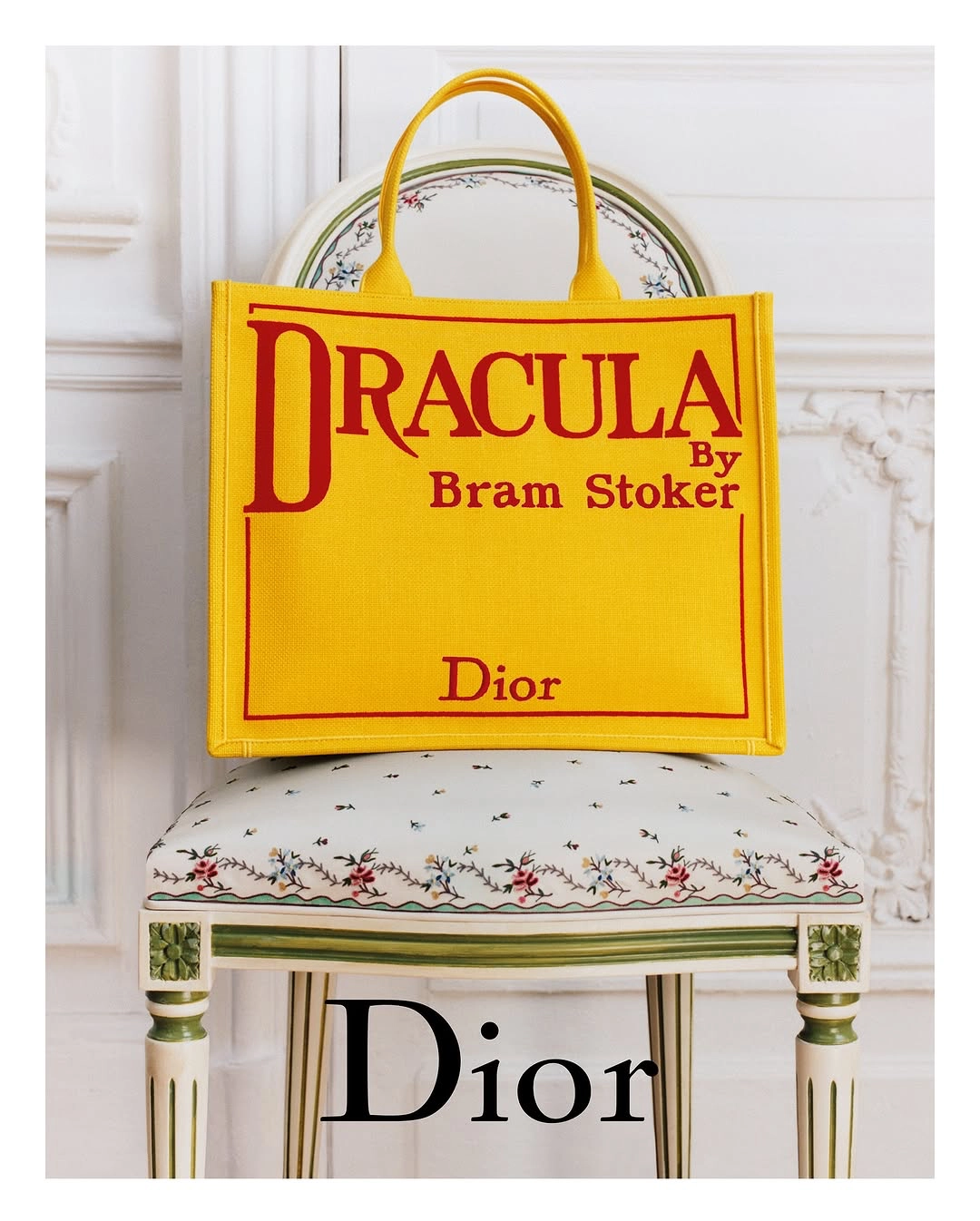
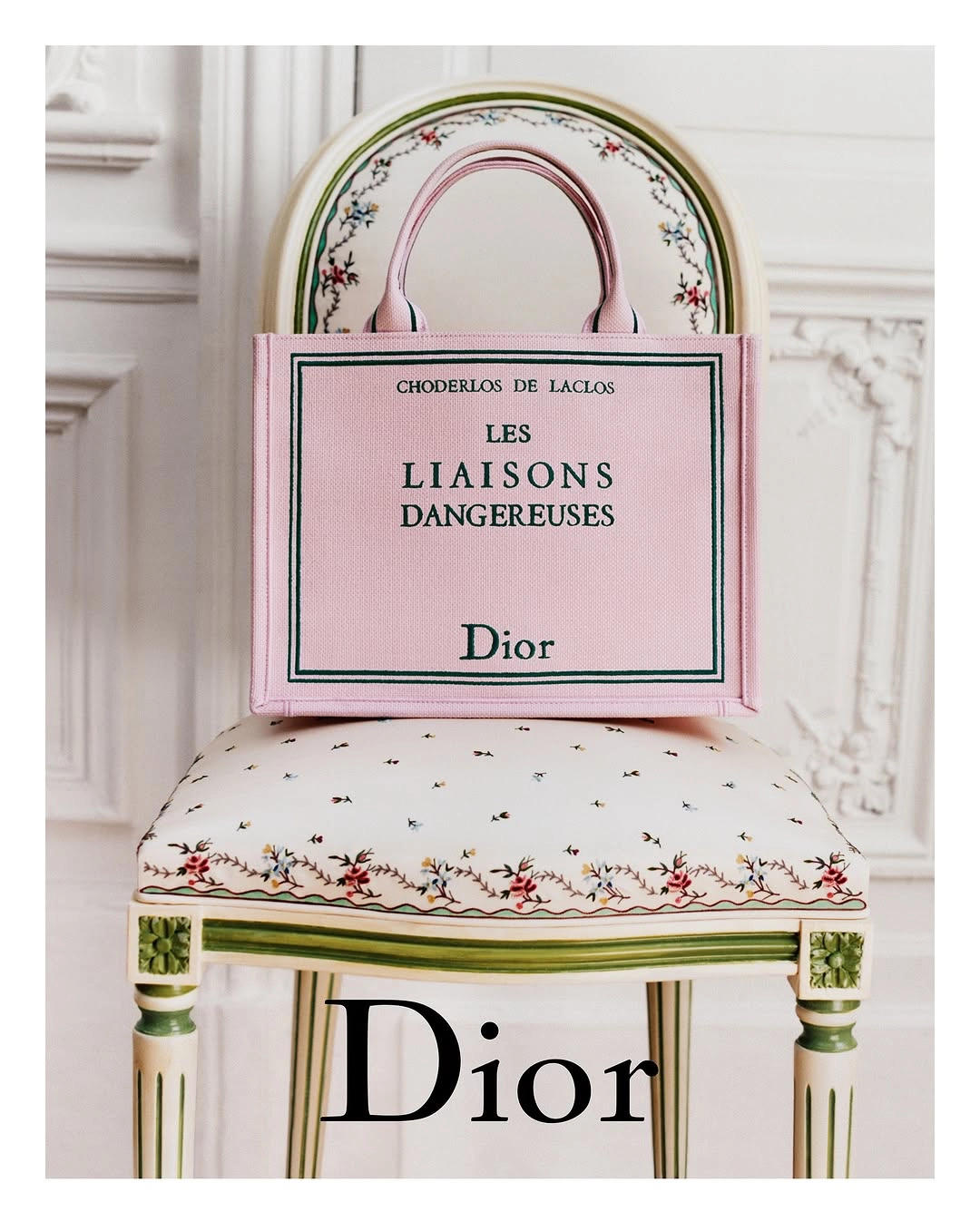
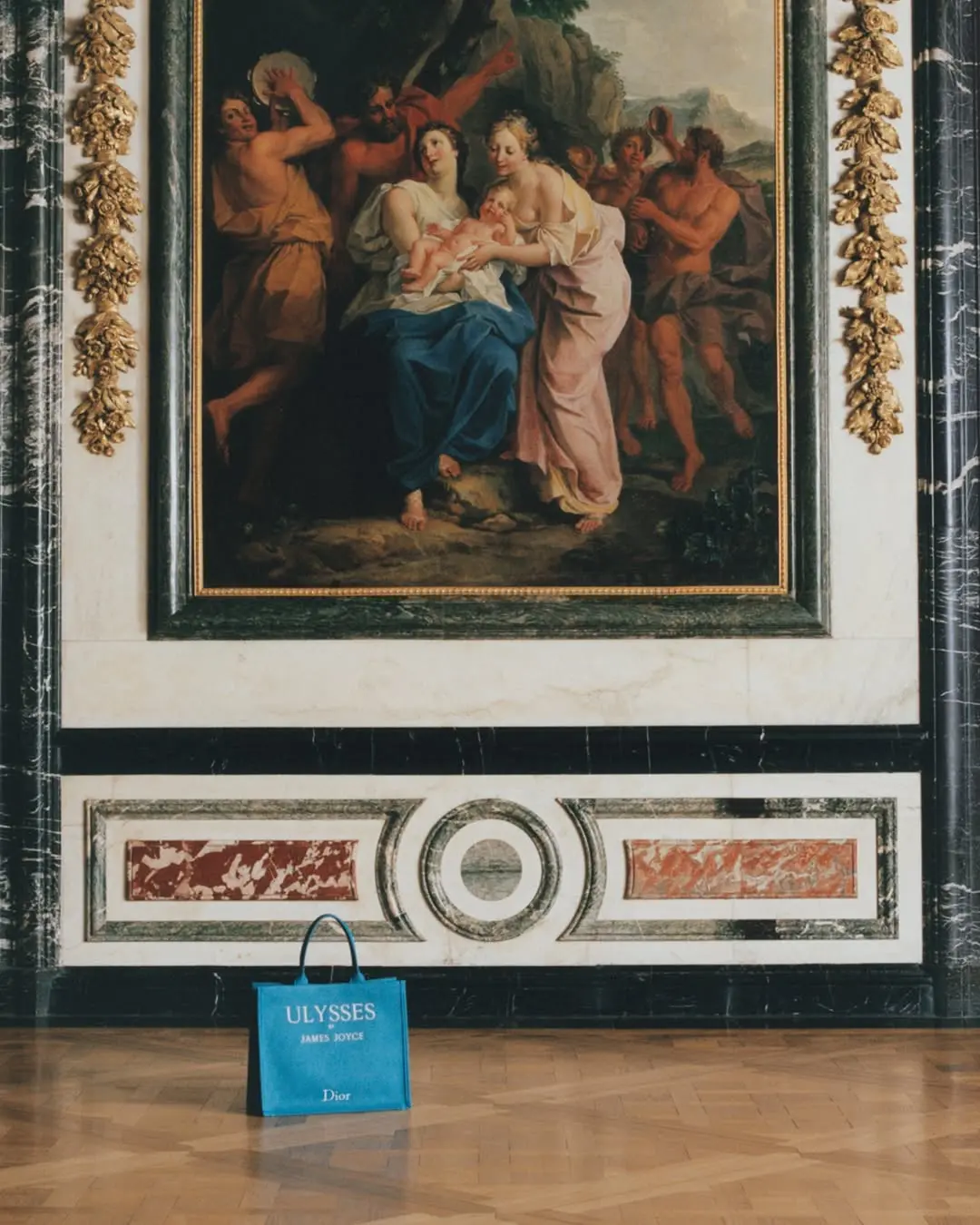
Anderson’s newest collection takes things to greater heights with a more literal translation of the book tote, transforming beloved titles into eye-catching designs. What’s more chic than carrying a copy of Bram Stoker’s Dracula in your bag? Having it as your actual carry-on. Quite a few of the new designs also feature first edition or deluxe covers of these books, as Marie Claire shares, which adds another dimension to their cultural significance.
READ ALSO: 7 Online Independent Bookstores To Check Out
A Closer Look At The Chosen Book Titles
The tote collection comprises an interesting mix of titles that Anderson has described as influential in shaping his life’s work, based on AnOther Magazine’s interview with the creative director. Worth noting is the presence of two Irish literary behemoths on the list, namely Bram Stoker and James Joyce—Anderson being Irish himself, this makes complete sense.

The series also features a lot of famous French writers—no doubt a nod to Dior’s heritage—including Gustave Flaubert, Charles Baudelaire, Françoise Sagan, and Pierre Choderlos de Laclos. A bit of an odd one out, but nevertheless a great choice, is American writer Truman Capote, a pioneer in the nonfiction genre.
It seems like Anderson didn’t just release a new collection, but also introduced some amazing titles to add to the to-be-read list (if you haven’t already checked them out), so let’s explore them.
Dracula by Bram Stoker
Off to a strong start, one of Anderson’s totes features a bright yellow and red design of Bram Stoker’s Dracula—what you might know as the father of today’s pop culture vampire tropes. It’s a striking and fitting homage to the writer, who Anderson only recently realized was Irish just like him. As he reveals in an interview with AnOther magazine, despite Dracula’s popularity (or perhaps precisely because of its immense proliferation), many people overlook Stoker’s nationality.
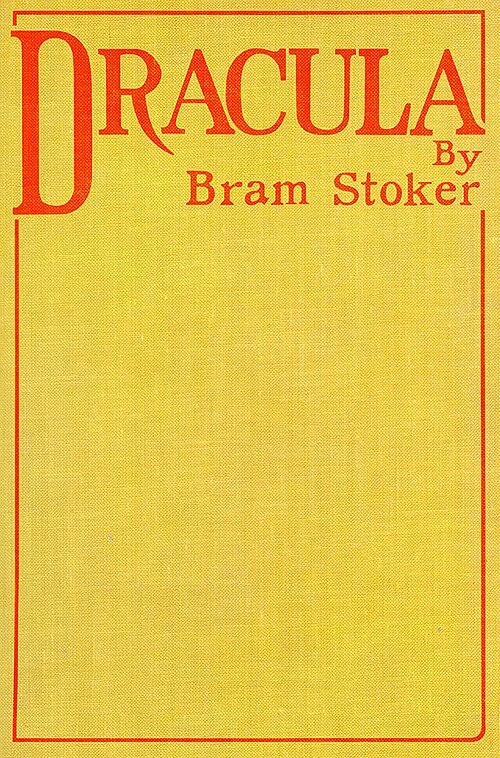
Dracula is an epistolary novel, written to look like a series of letters, newspaper articles, and diary entries, creating a sense of realism despite the work’s fantastical set-up. Most people are familiar with the novel’s premise: English lawyer Jonathan Harker travels to Transylvania to help Count Dracula close a real estate deal, but finds out he’s dealing with more than he bargained for (a vampire). Dracula then travels to England to make Harker’s life a living hell, his fiancée Mina and her friend Lucy on the receiving end of his wrath and monstrous control. If you’d rather spread out your reading in bursts, try subscribing to the newsletter Dracula Daily, which sends out entries from the novel in real time for a more immersive experience.
Ulysses by James Joyce
Ulysses, inspired by Homer’s Greek epic The Odyssey (its title the Roman name of the hero Odysseus), is a gargantuan piece of classic literature from the mind of Irish writer James Joyce. For Anderson, the writer’s work was a pivotal piece that redefined the way he viewed literature—and something that took him five years to read (with dyslexia to boot), as he shares with AnOther magazine.
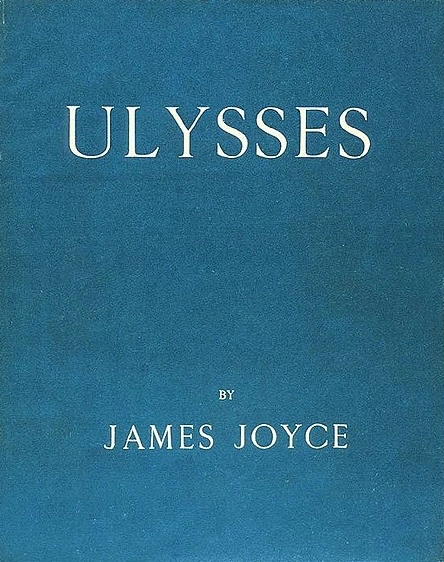
Ulysses is a modern re-telling of Homer’s epic, delivered through a stream-of-consciousness narrative that centers on three characters meant to parallel Odysseus, his wife Peneloope, and their son Telemachus. While it’s one of the trickiest pieces of English literature to tackle, readers will be rewarded with richly-rendered characters and a memorable pilgrimage across Dublin that takes place within a single day. The piece defies genre, each chapter written in varying styles and techniques—a labyrinth of forms, to be sure, but one meant to be enjoyed (it’s the journey, not just the destination).
In Cold Blood by Truman Capote
While many might know Truman Capote as the larger-than-life man who thrived within the glamorous world of American high society (and fell from grace in the most dramatic way possible), he also made a name for himself as a skilled writer who redefined what the genre of nonfiction could do and be through his 1966 crime novel, In Cold Blood. The book serves as one of Anderson’s chosen tote designs, catching people’s attention with a stark black background and a white spiderweb of cracked glass.
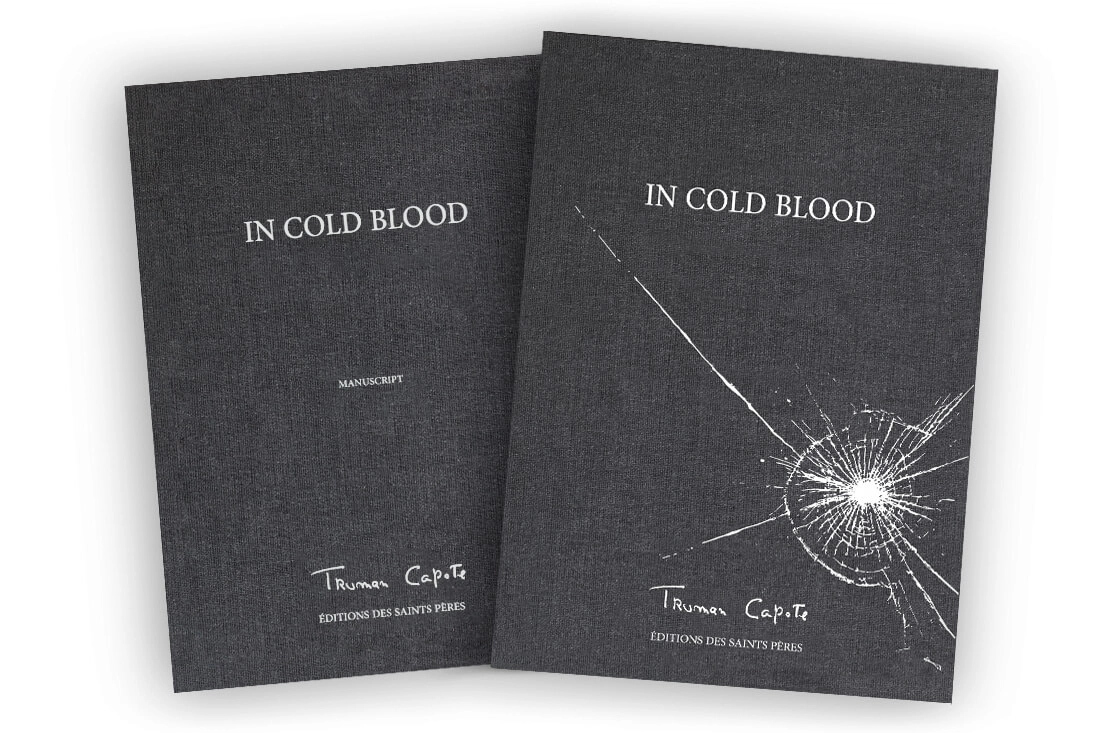
At the center of In Cold Blood is the murder of a family in Kansas, orchestrated by Dick Hickock and Perry Smith, both of whom were eventually put on death row and executed. The book is considered to be the progenitor of today’s true crime novel, though arguments have been made in regard to its verisimilitude (Capote had a knack for adding creative flourishes).
Nevertheless, the deft mixture of Capote’s intensive research, interviews, and engaging narrative style gives readers a startlingly intimate and disquieting look inside the minds of two killers—one that not only paints a clearer picture of an abrupt act of violence, but also life in modern America. If you can’t get enough of the book, writer-director Richard Brooks also made an equally acclaimed 1967 film adaptation of it, starring Robert Blake and Scott Wilson as the perpetrators.
Madame Bovary by Gustave Flaubert
Anderson seems to be a fan of daring, groundbreaking literature, based on the list so far: Gustave Flaubert’s Madame Bovary is yet another addition to the roster. The book caused a stir upon publication in 1856 for its critique of bourgeois life and its candid, unapologetic portrayal of adultery through titular heroine (or anti-heroine) Emma Bovary, who finds herself feeling bored of her normal marriage (the perceived dullness exacerbated by romantic ideas she gleans from novels).
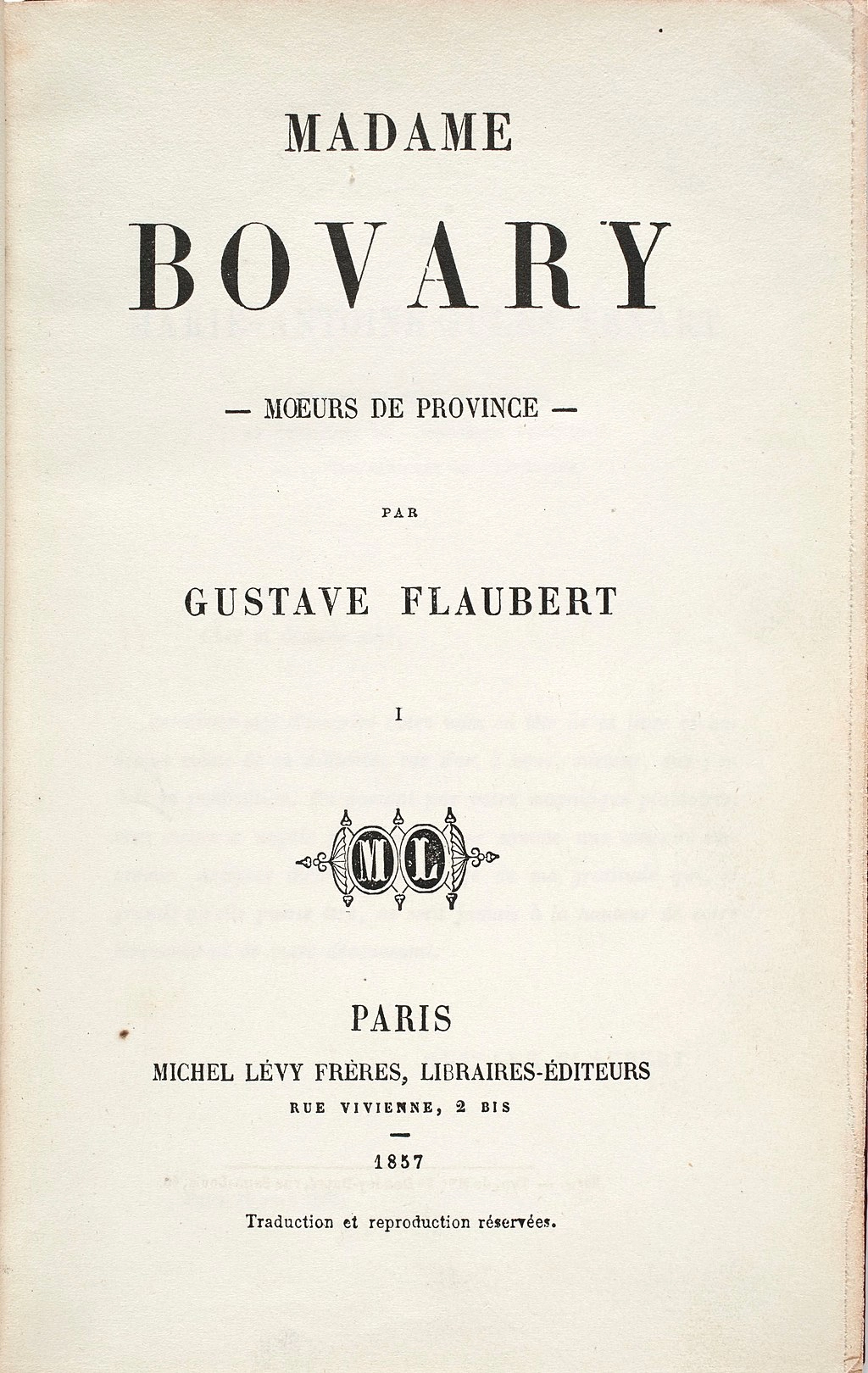
It doesn’t take much to imagine the reactions Flaubert got, with many readers outraged about its blatant immorality. The writer was even put on trial for obscenity in 1857 (but thankfully acquitted); Flaubert refused to change the book’s contents, though the French government would later implement a censorship.
Still, Madame Bovary met great commercial success when it was released despite the controversy. Today, it stands as a classic that helped pave the way for literary realism, its portrayal of the psychological complexities of its main character proving that one’s protagonist need not be upstanding or even likeable to be compellingly written.
Les Liaisons dangereuses by Pierre Choderlos de Laclos
Another interesting pattern in Anderson’s reading list: the designer seems to be fond of the epistolary novel, or anything that experiments with form and mode of storytelling. Like Dracula, Pierre Choderlos de Laclos’s Les Liaisons dangereuses falls under this category. Written in the 18th century, de Laclos’s novel is set during the peak of French decadence, exploring the sexual affairs, games of manipulation, and acts of revenge within the aristocracy, namely those of the characters Marquise de Merteuil and Vicomte de Valmont.
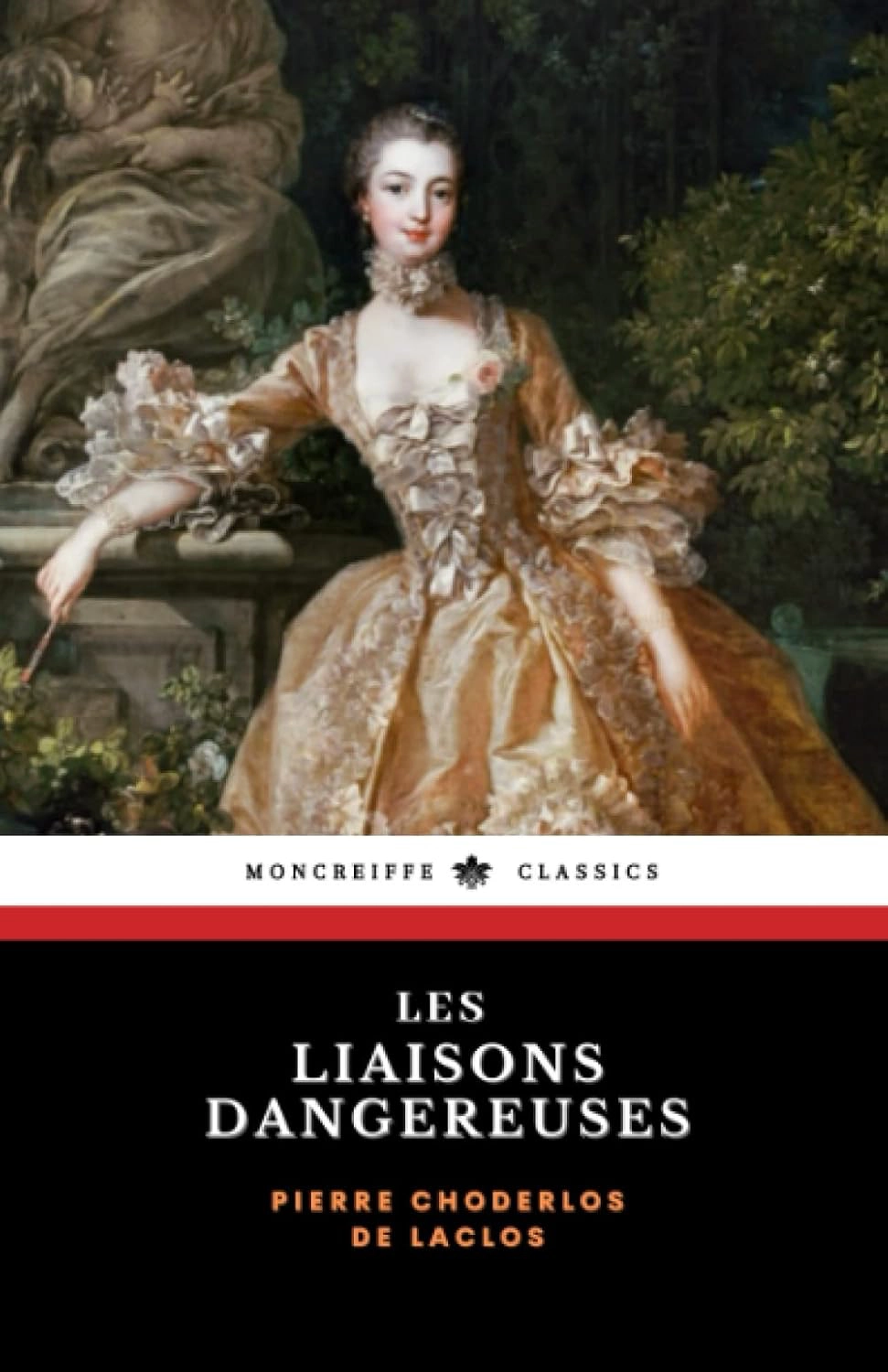
Similar to Madame Bovary, the book was a trailblazing piece of French romantic drama that received its fair share of backlash for being scandalous and obscene—still, the public ate it up, and it was an instant bestseller (which speaks volumes about humanity’s natural attraction to taboo). The book has since inspired quite a few adaptations, including a well-received 1985 play by Christopher Hampton, a 1959 erotic-romance, and a 1988 romantic drama (which adopts its English title, Dangerous Liaisons).
Bonjour Tristesse by Françoise Sagan
French writer Françoise Sagan was only 18 years old when she published Bonjour Tristess in 1954, which quickly became a literary sensation in France and an international bestseller. Yet another common thread between Anderson’s literature picks are the ways in which they explore deviation from societal norms.
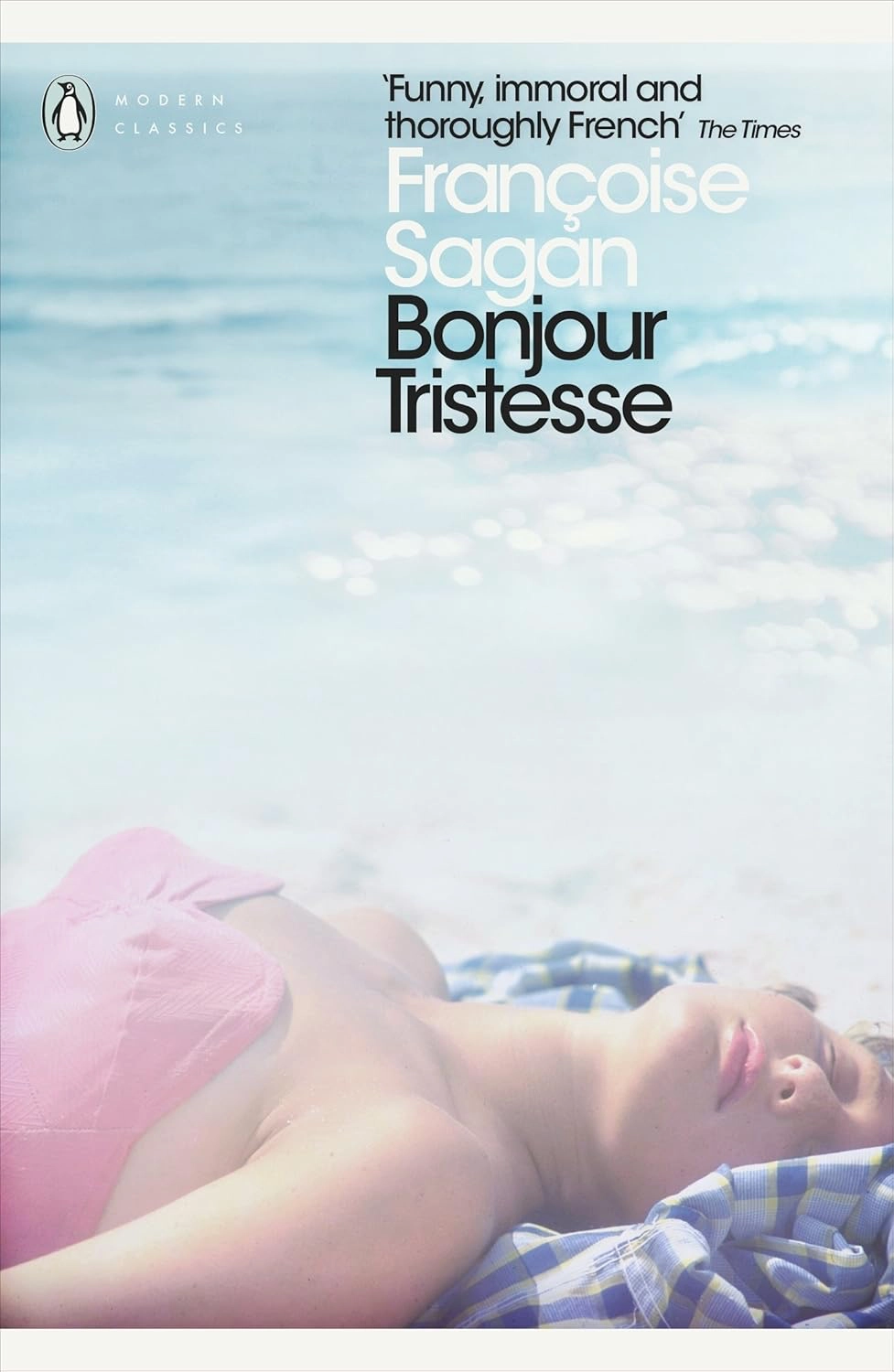
More a novella than a novel (at around 30,000 words), Sagan’s coming-of-age story follows 17-year-old schoolgirl Cécile, who spends a holiday with her widowed father and his young girlfriend in Côte d’Azur. During the vacation, she begins a romance with young law student Cyril; but this state of bliss ends when Anne, a friend of her late mother, arrives and takes control of Cécile’s affairs, starting a romance with her father. Horrified to lose her pampered life and anxious about the newfound attention Anne is receiving, the young girl devises a plan to restore things to exactly how they were—a series of decisions that leads to dire consequences.
Like many other writers before her, Sagan’s success was great but also thorny. As Richard Williams writes for The Guardian, poet and novelist Émile Henriot called the work “immoral,” while a member of the critics’s prize jury (which awarded her the prestigious Prix des Critiques) stated that the book may “deal a fatal blow to the image of young French women in the eyes of foreigners.” But there’s no reward without risk and authenticity, which Anderson celebrates by choosing to highlight Sagan’s seminal work.
Les Fleurs du Mal by Charles Baudelaire
Les Fleurs du Mal, a comprehensive collection of poems from French writer Charles Baudelaire, shakes things up in this list (with filmmaker Celine Song sporting its Dior tote design during Anderson’s debut). It loosely translates to the ominous English title The Flowers of Evil, and contains most of Baudelaire’s poetry from 1840 until his death in 1867. With allusions to religion, myth, and nature, Baudelaire’s collection is an unflinching record of beauty, hedonism, eroticism, and of course, evil. “Our sins are stubborn, our contrition lame;/we want our scruples to be worth our while—/how cheerfully we crawl back to the mire:/a few cheap tears will wash our stains away!” he writes in his piece “To the Reader” (from the new translation by Richard Howard).
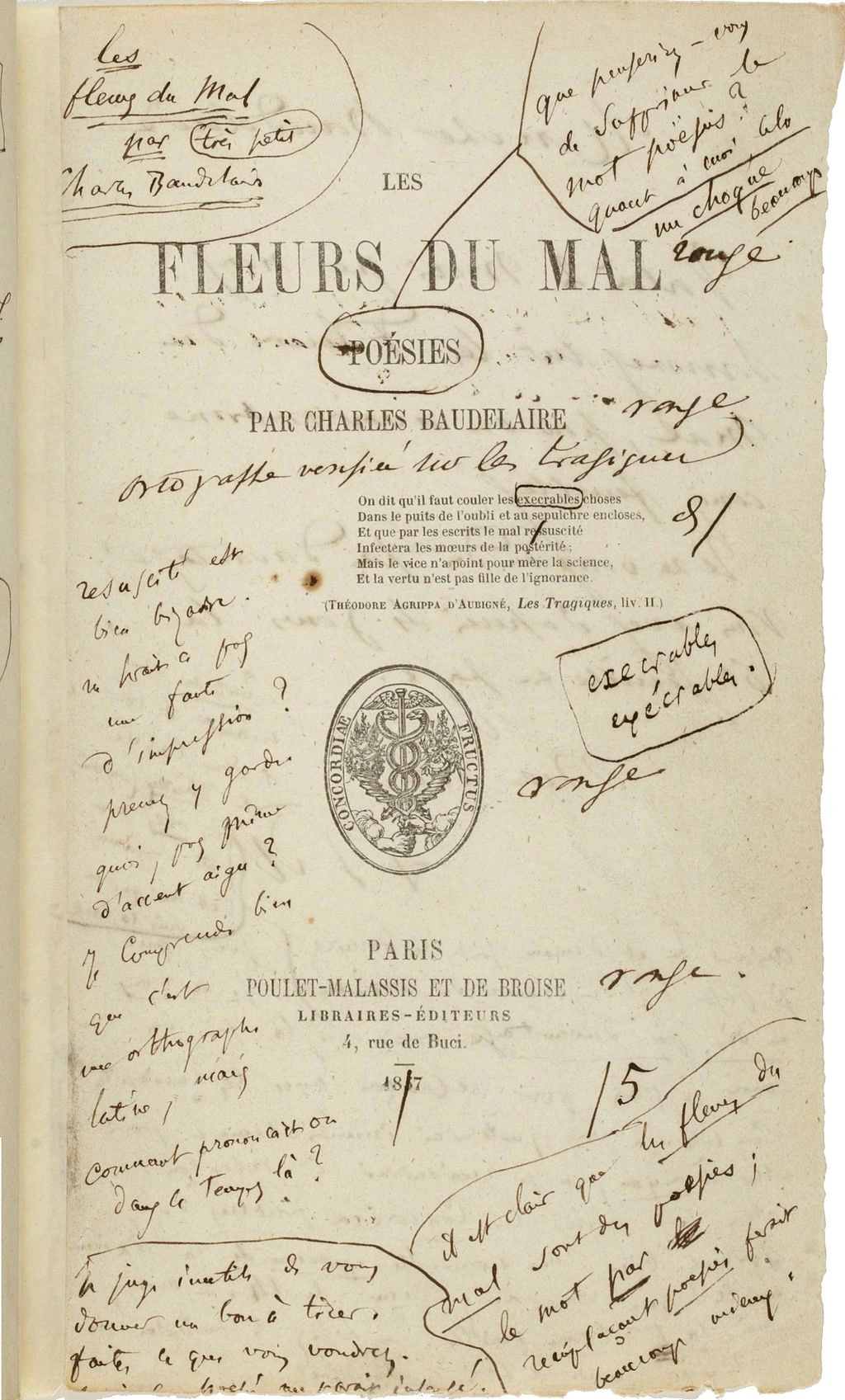
By this point, it should be no surprise that Le Fleurs du Mal was also a daring and controversial collection that experienced some censorship, but nonetheless played an influential role in the canon of modernism, receiving praise from other literary greats like Victor Hugo and Gustave Flaubert.
So what can we deduce from Anderson’s choice of titles? In some ways, they do seem to reflect the way in which he moves within the fashion world: boldly. The bags from his debut collection show, in more ways than one, how he’s poised to take Dior outside the realm of established norms—which, as we can see, often produces works that make history.

#/media/File:JoyceUlysses2.jpg)