We pay homage to five little-known Filipino traditional crafts teetering on the edge of disappearance, their stories at risk of being lost forever.
All countries have their own unique traditional crafts, practices that carry entire histories and narratives that span generations. Like oral storytelling, they pass from parent to child, from master to apprentice—living only as long as someone keeps their hands and hearts in the work. Yet in a modern, globalized world, even the richest Filipino traditions face the quiet threat of vanishing.
Socioeconomic conditions in the Philippines further complicate things, making it difficult for practitioners to pursue their crafts while being able to support themselves (and their families) financially. The time, effort, and resources required to carry on these traditions are slowly becoming a luxury not many can afford. Still, we can remain optimistic, despite the circumstances. As long as there are people who strive to remember and create records of these precious crafts, they can revive them.
To help keep their cultural significance alive in our own way, we walk through five “vanishing” local crafts that deserve to be celebrated and remembered.
READ ALSO: Woven Consciousness: The Role Of Artisans In Slow Fashion
Borlas de Pastillas: The Art of Cutting Paper Wrappers
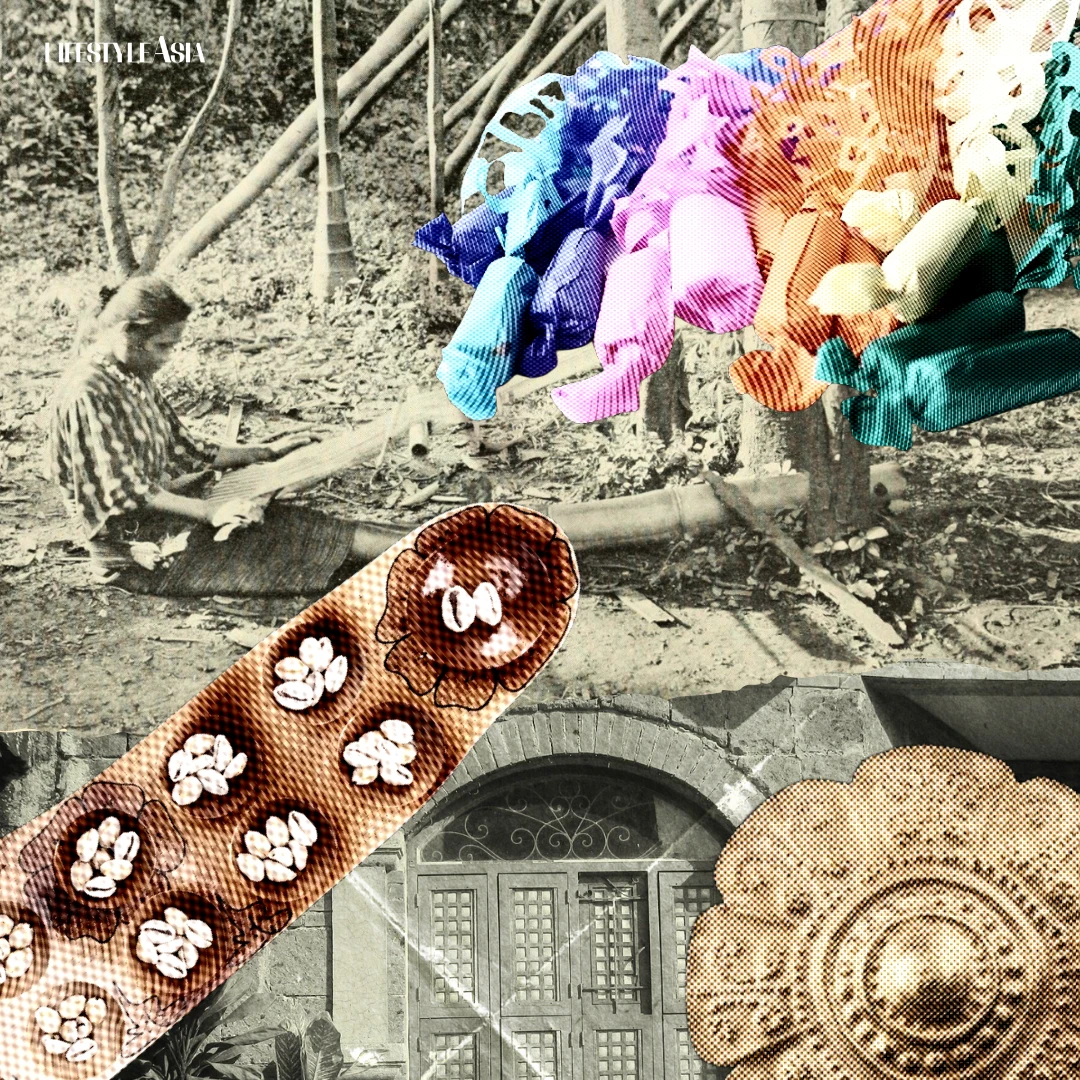
Pastillas are a cherished treat in the Philippines due to their distinctively sweet and milky flavor, but that’s not the only thing about the dessert that captivates. Even the tassels of its colorful Japanese paper wrappers can sport intricate embellishments. If you open up a package of borlas de pastillas or pastillas pabalat, you’ll find a delectable selection of sweets with designs that artisans cut, one by one, by hand. The nature of these designs reflect aspects of Filipino culture, and feature iconography like the bahay kubo or native flowers.
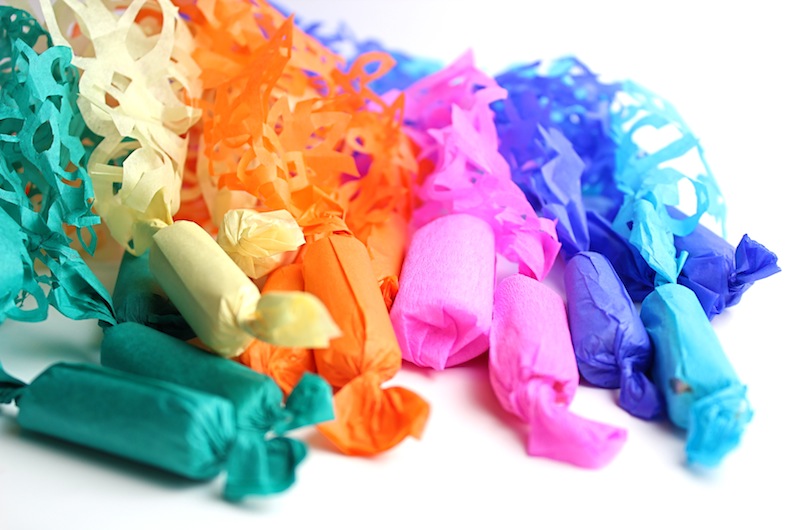
It’s a labor of love and a significant part of San Miguel, Bulacan’s traditions. It’s also more than half-a-century old according to an article from Rappler. The late Luz Ocampo is the progenitor of this complex craft. She passed away at age 93 in 2016, but her daughter Naty Ocampo continues the tradition and strives to teach it to younger generations.
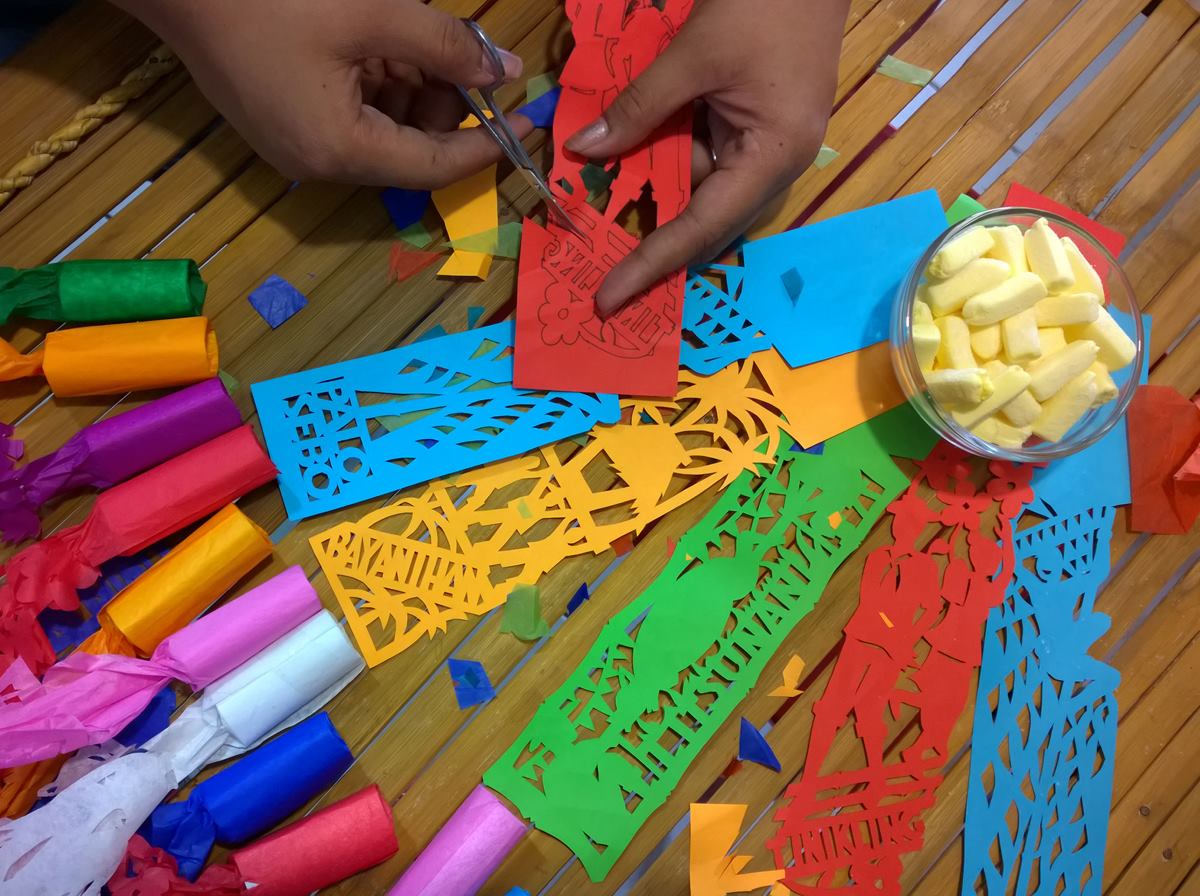
Sadly, despite its popularity and significance, the precious art form is slowly fading due to its inherently taxing process. Creating these delicate wrappers can consume a lot of time and energy—things that not many people have the patience or resources to deal with in the age of technology. Nevertheless, those who wish to preserve the beautiful art are doing whatever they can to pass it down to anyone who’s interested. For example, Ruth Giron—one of Luz Ocampo’s former students—continues the practice and holds a variety of workshops on the art, as per a report from The LaSallian.
Pukpuk (Repoussé): The Art of Embellishing Metal Through Hammering
Encyclopedia Britannica defines the art of repoussé as a “method of decorating metals in which parts of the design are raised in relief from the back of the article by means of hammers and punches.” It’s a craft that dates as far back as the fourth century across multiple cultures—including the Philippines.
In an article for the University of the Philippines Alumni, Bryle B. Suralta wrote: “Our Visayan ancestors were famous for repoussé. […] The term is derived from the French word ‘pousser,’ which means ‘to push forward.’ It peaked in popularity in Europe during the 16th, 17th, and 18th centuries.”
Though repoussé is a vanishing craft in the country, some artisans of Pampanga still practice it to this day, referring to it as “pukpuk.” One can see vestiges of its popularity in the metal crowns and halos found on old saint statues and other religious sculptures.
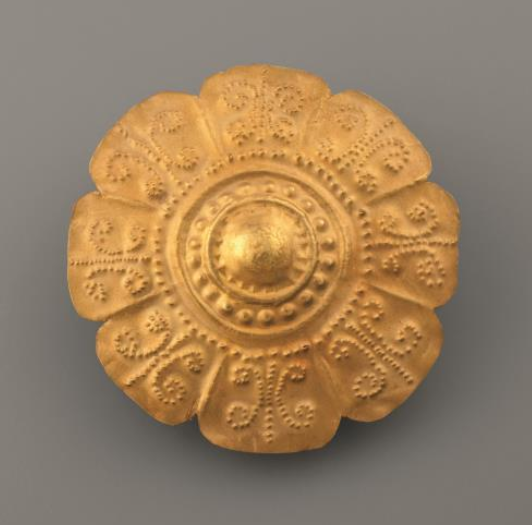
The country’s pre-colonial people were already practicing the art, even before the Spaniards arrived and “magnified” it, according to Suralta. This is evident in pieces of ancient gold jewelry and other adornments from archeological digs.
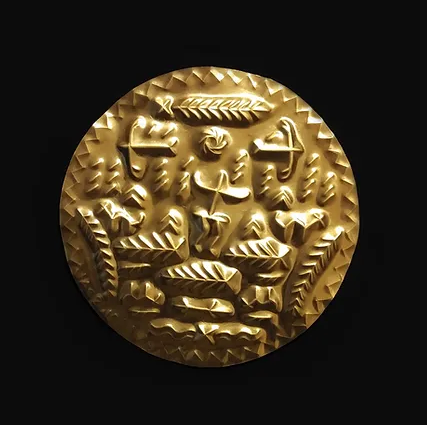
Jandy Carvajal—an assistant professor of Fine Arts at the University of the Philippines Baguio—has made it his life’s goal to amplify and preserve the old metalwork craft. He transposes it to a more modern context, using the technique on materials like aluminum sheets from milk cans.
“Repoussé, in general, can be done even with the common foil we have at home, just as long as we are careful enough not to puncture them. Pencils, popsicle sticks, and more can be used as tools, too,” continued Suralta.
Capiz Shell Windows
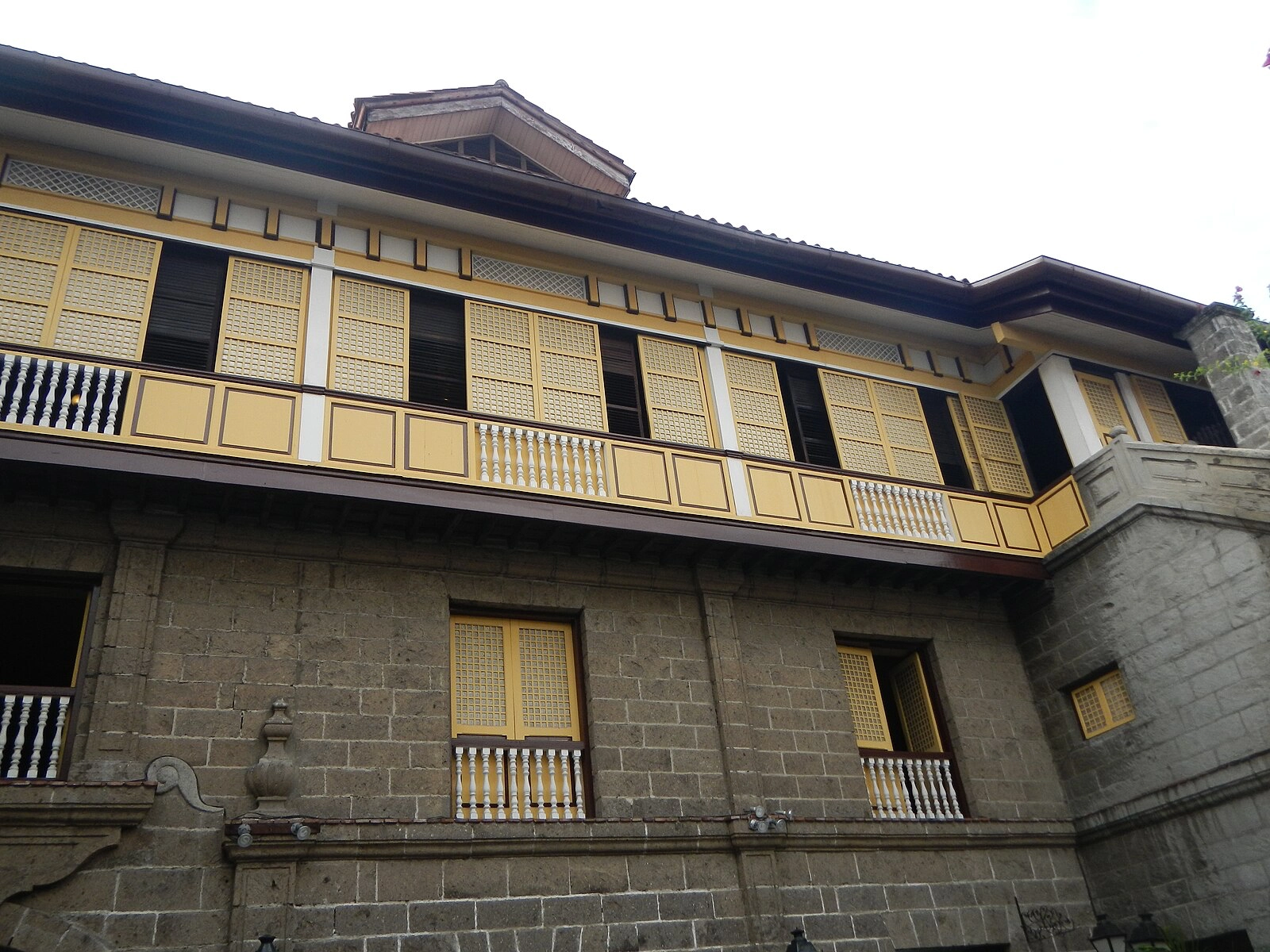
Once a staple in Filipino ancestral houses (especially those in the bahay na bato architectural style), Capiz shell windows are a distinctly Filipino aesthetic that harkens back to the country’s time as a Spanish colony, with their squares of translucent, delicate shells wrapped in wooden frames. While the craft of turning these shells into household objects has stayed alive in certain parts of the country, especially the municipality of Samal, Bataan, not many people make the windows specifically. This makes sense, considering most modern houses don’t use it unless it’s for cosmetic or decorative purposes. Those restoring older homes may need the windows, but they’re few and far between.
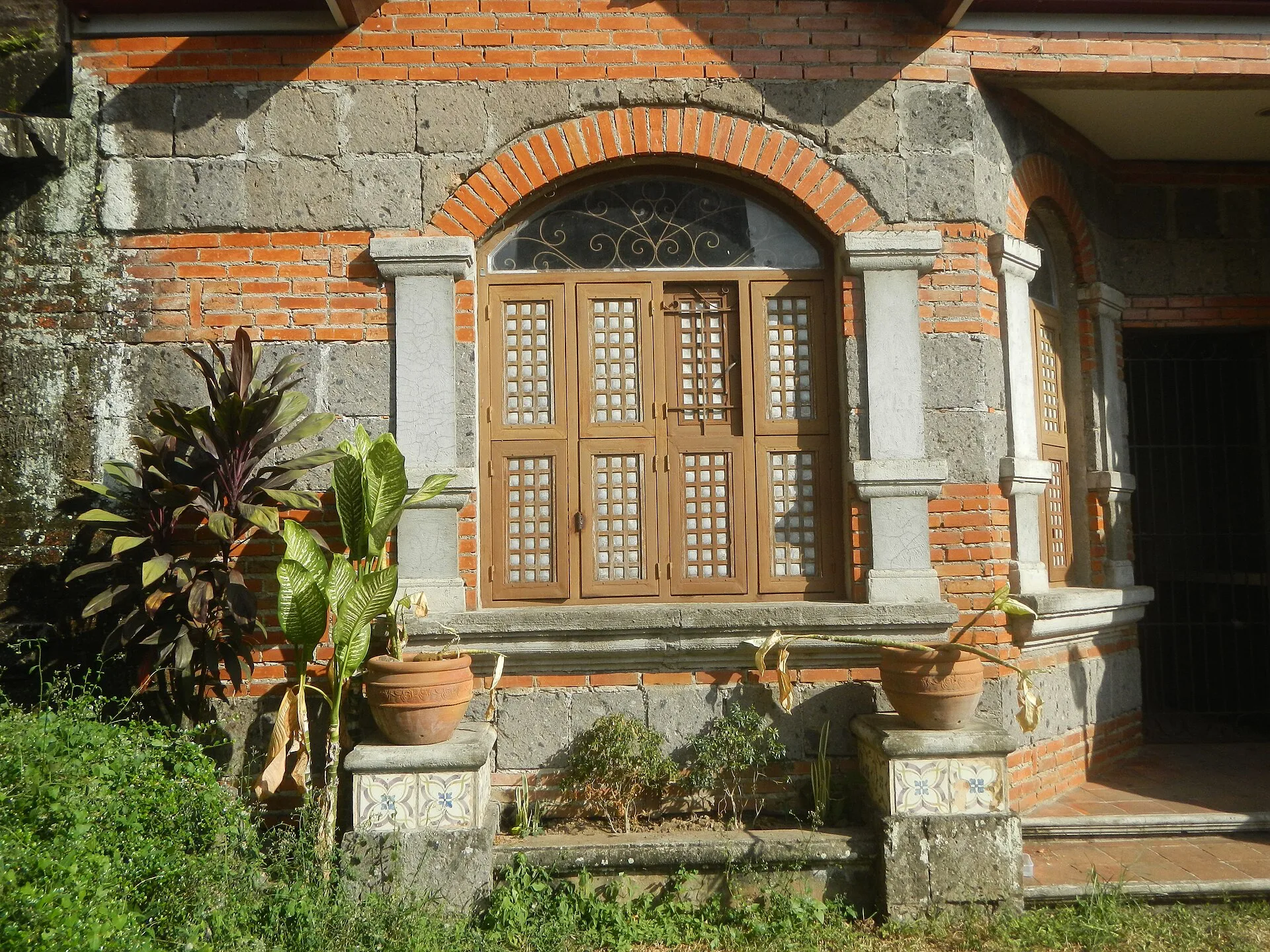
It might be time to start integrating it into more of our modern structures, considering how the window is both beautiful and sustainable. It also softly diffuses sunlight in a way no other material can. Perhaps the only drawback is its slight fragility, though an abundance of windowpane oysters in the country means we don’t have to worry about finding replacements, provided craftspeople are properly supported to continue their practice.
Sungka: A Forgotten Pastime
Sungka occupies an interesting place on this list, because it refers to a game and its material parts, both of which rely on each other for survival in today’s society. The game requires a paddle-like wooden board with two columns of small pits, and bigger pits on its opposite ends, where players deposit small cowrie shells. A game for two, each challenger must strategically move these pieces counterclockwise until the big pit on their end is filled with the most shells.
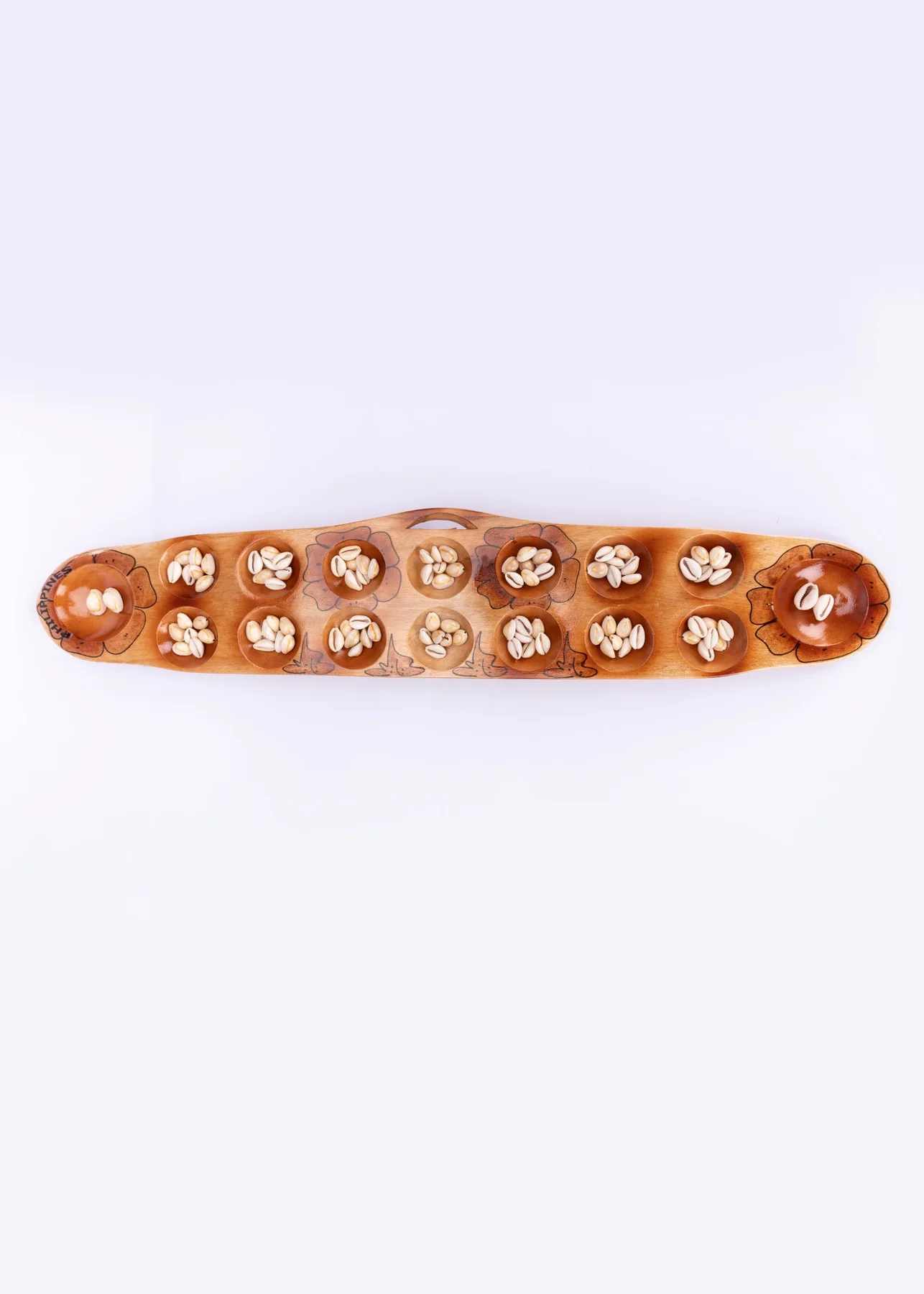
Growing up, the game was common in our annual Filipino spots festival, though I notice younger students don’t know what it is anymore. And it’s not just sungka: traditional games like this, including patintero and sipa, no longer have a prominent place in the modern lifestyles of most Filipino youth, due in large part to the ubiquity of digital games and western sports. In a 2024 study by Ignacio, Manumbali, and Donato published in the International Journal of Advanced and Applied Sciences, 43.34% of its young respondents stated that they’ve favor digital entertainment over traditional games when it comes to recreation.
This creates a chicken and egg situation: while sungka boards can still be purchased today, production will likely continue to wane for as long as demand remains low. Thankfully, certain institutions like the Philippine Sports Commission are trying to encourage the revival of these old-fashioned pastimes by hosting regional and national sports competitions yearly.
Kut-kut: The Art of Composing Multi-Layered, Textural Masterpieces
Among the art forms mentioned in this list, kut-kut is probably the most enigmatic one. Filipino-American artist Fred DeAsis labels it as a “lost ancient Philippine art style and technique based on early century art forms.”
According to DeAsis, several family generations in Samar province passed down the craft, which he had learned it from his father and grandfather. He presented his traveling exhibit entitled Kut-kut — Lost Art of the Philippines to a crowd of fellow artists and curators in Chicago. The 2008 showcase drew the attention of many admirers, and highlighted an artform that would’ve otherwise faded into obscurity.
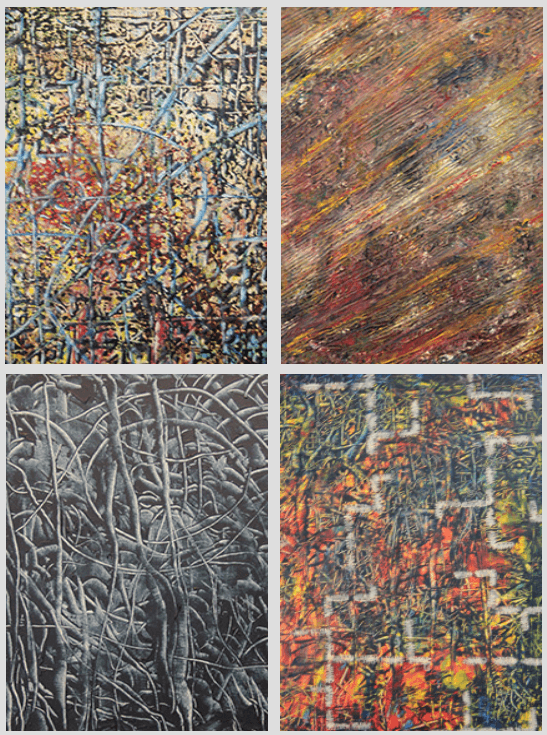
So what exactly is kut-kut? The artist described it as a technique that combined various art forms, including sgraffito, encaustic, and tribal inscriptions. One can identify these pieces by their “delicate swirling interwoven lines, multi-layered texture, and an illusion of three-dimensional space.”
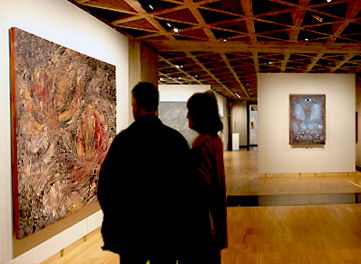
Kut-kut incorporates the sgraffito technique, which involves layering paint and scratching off these layers with a pointed object to create different impressions. It also applies techniques in encaustic painting, which incorporates layers of heated and dyed beeswax, animal fat, and other raw materials. Artisans used to store works inside a slotted bamboo box, before placing the box in a crawl space within their nipa-covered houses [bahay kubo] for the slow curing process, according to DeAsis. He added that it takes months to complete a single kut-kut piece due to the laborious process of layering, dyeing, and drying these emulsive mixtures.