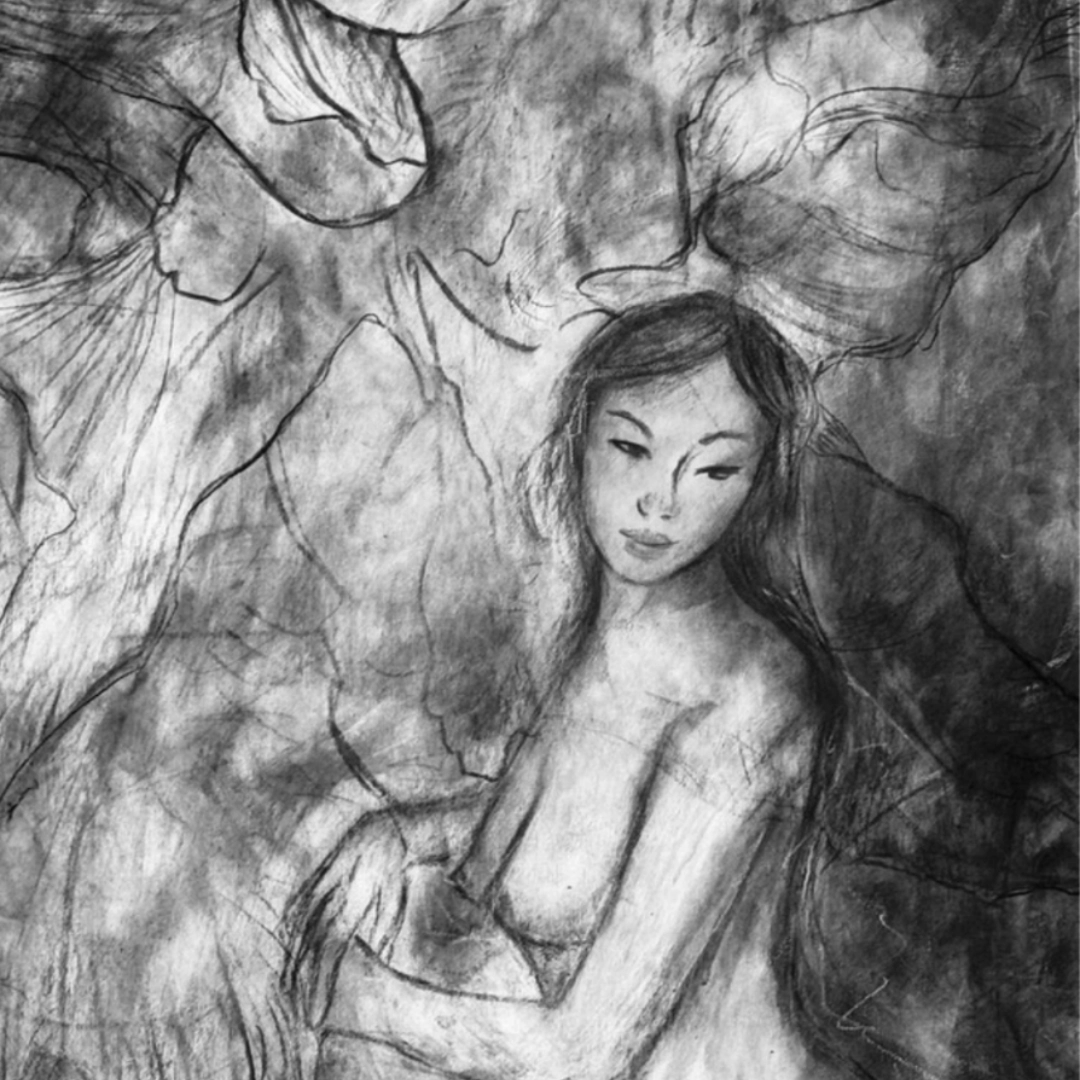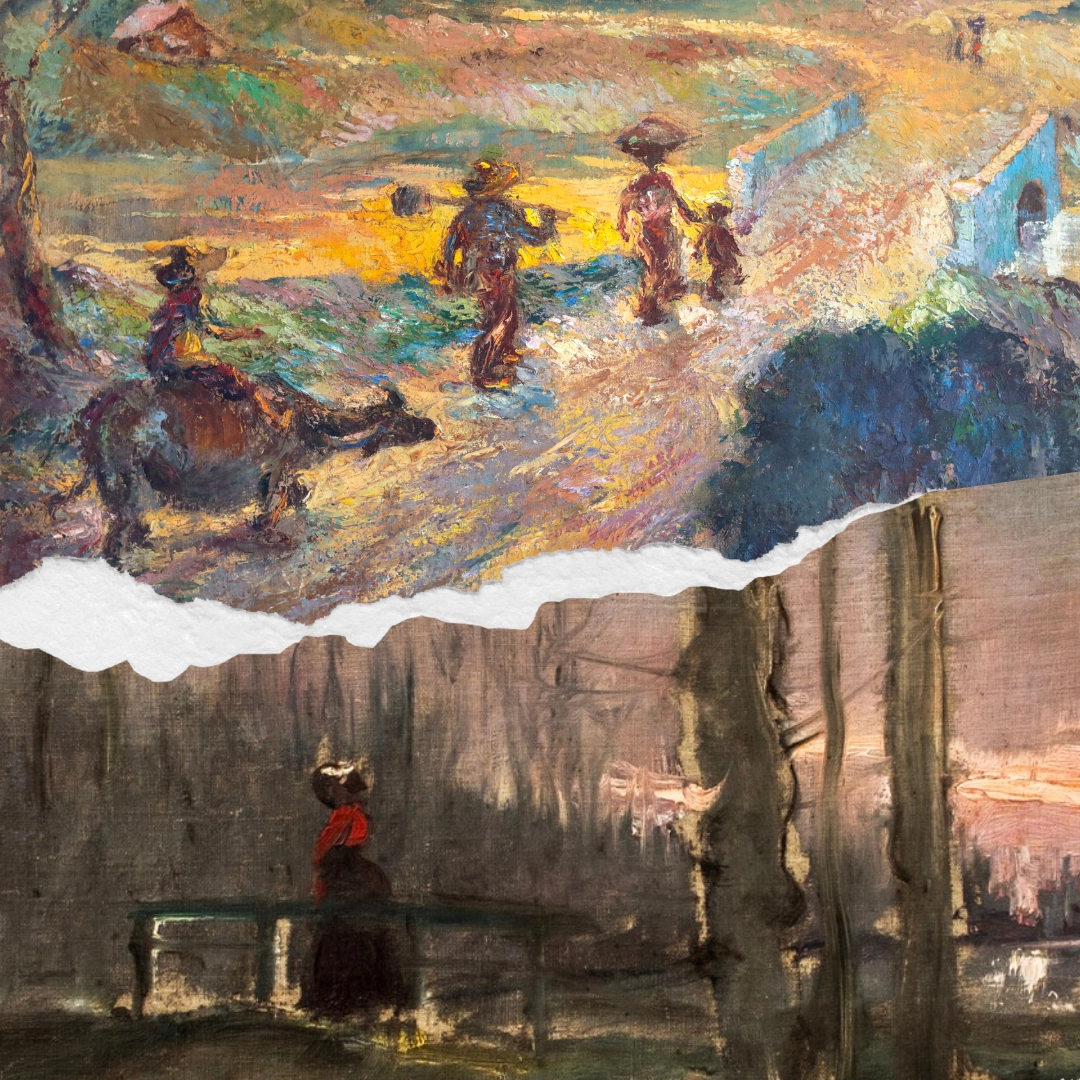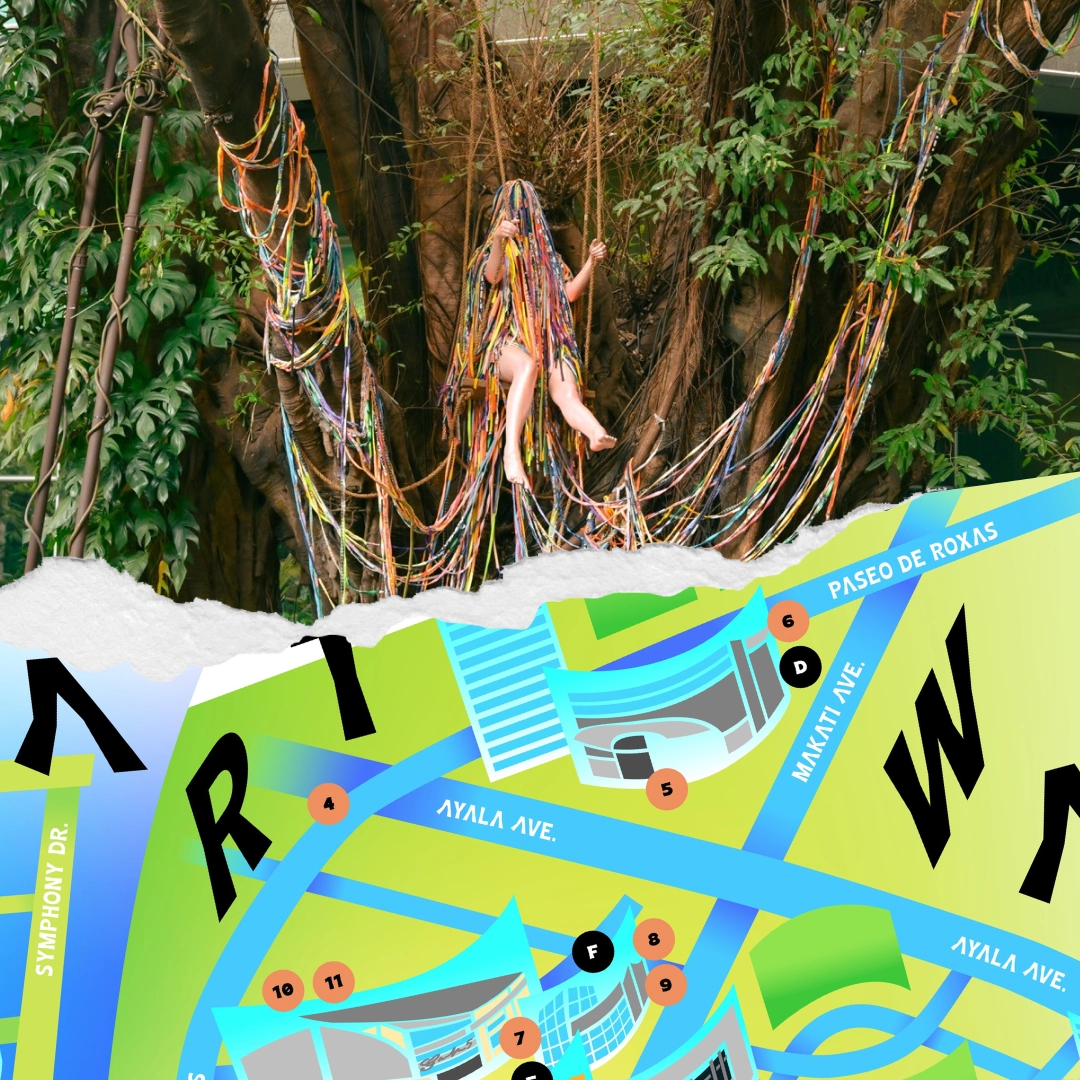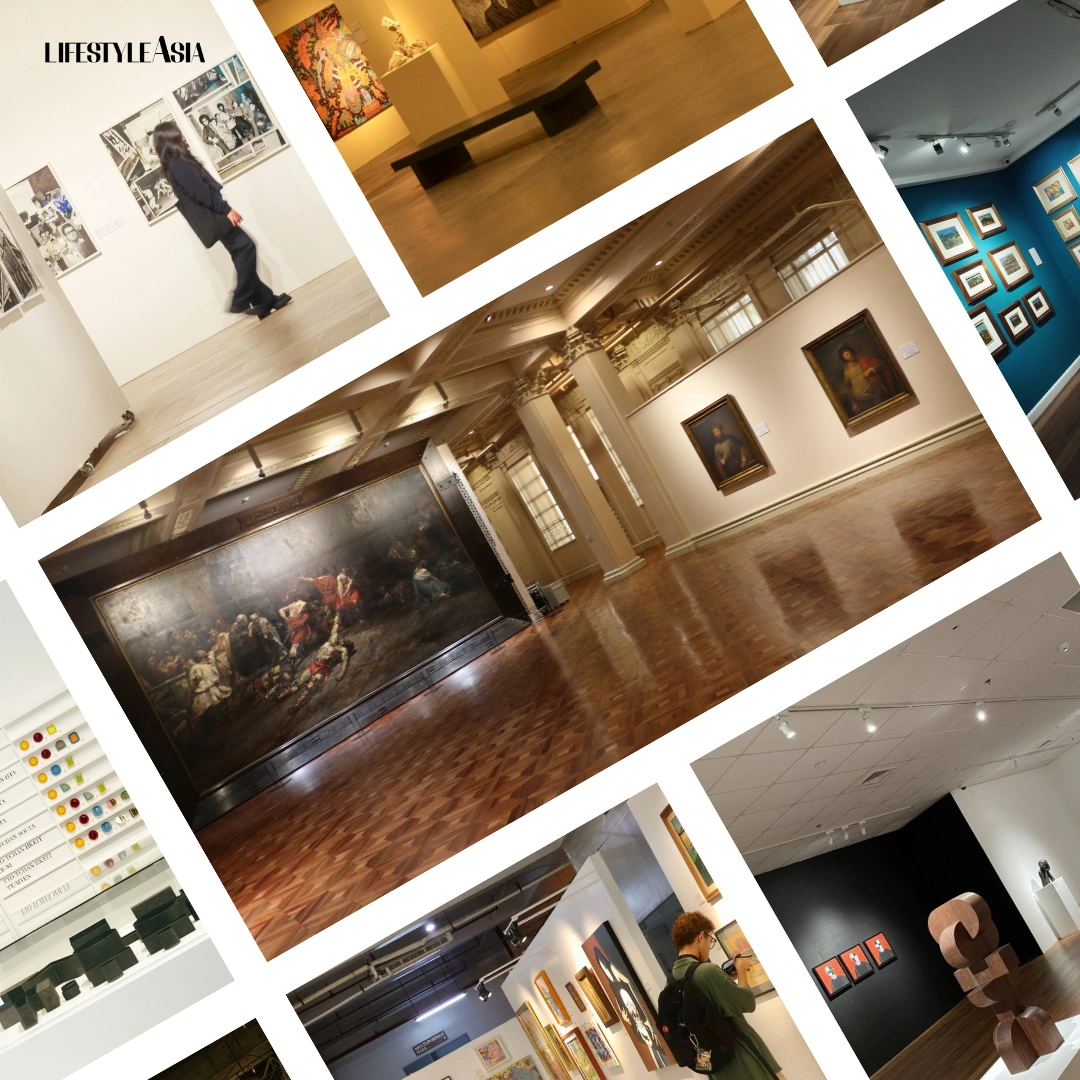
From bold sculptures to eco-printed textiles, ALT ART 2026 showcased over 300 artists in a celebration of contemporary art that inspired, challenged, and moved everyone who stepped inside.
Often, people say that art finds you. It appears in everyday moments: the graffiti splashed across city walls, that Instagram-worthy sunset photo, or even the lace table runner your grandmother once laid across a wooden table in your ancestral home. Art, in this sense, is inevitable, woven into the background of our lives. But there are also moments when art is something you must deliberately seek, and that’s precisely the kind of experience that happens when you step into exhibits like ALT ART 2026.
Here, the encounter becomes intentional, intimate in proximity yet breathtakingly grandiose in scope. You’re no longer stumbling upon beauty, but standing still for it. And in that stillness, something stirs: thoughts simmer longer than expected, and feelings surface without warning. Art moves people, perhaps even more so when it’s actively pursued with curiosity, openness, and the hope of being changed in ways you might not be able to name.
READ ALSO: Mane Attraction: The Story of Filipino Hair In The Global Wig Market
ALT ART: Bigger And Better Than Ever Before
Now in its fourth year, ALT ART continued to stand firmly by its founding principle: to be an artist-centric fair. For 2026, the collective returned with its most ambitious edition yet, bringing together works by over 300 artists across more than 5,000 square meters of exhibition space. The increase in scale reflected ALT ART’s ongoing commitment to giving Filipino contemporary art the breathing room and thoughtful arrangements it deserves.
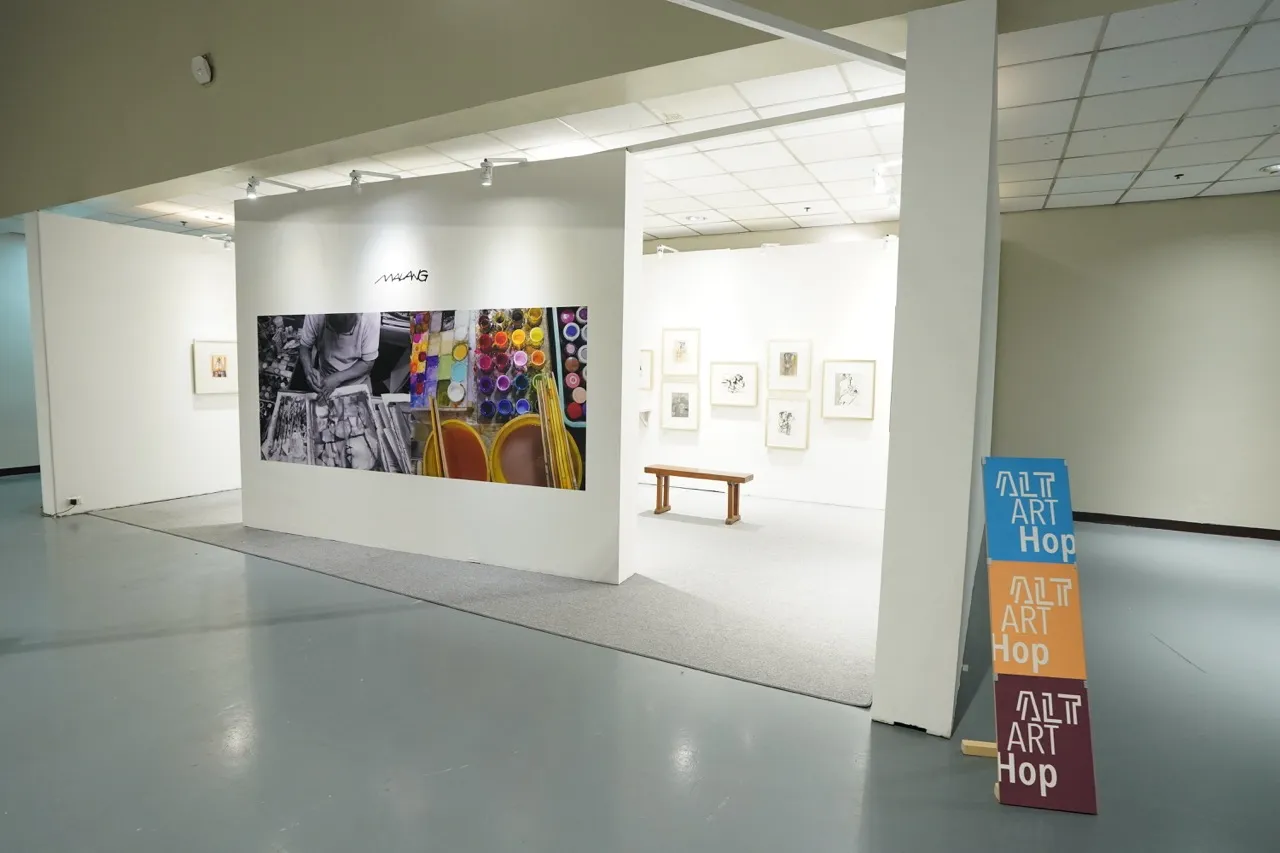
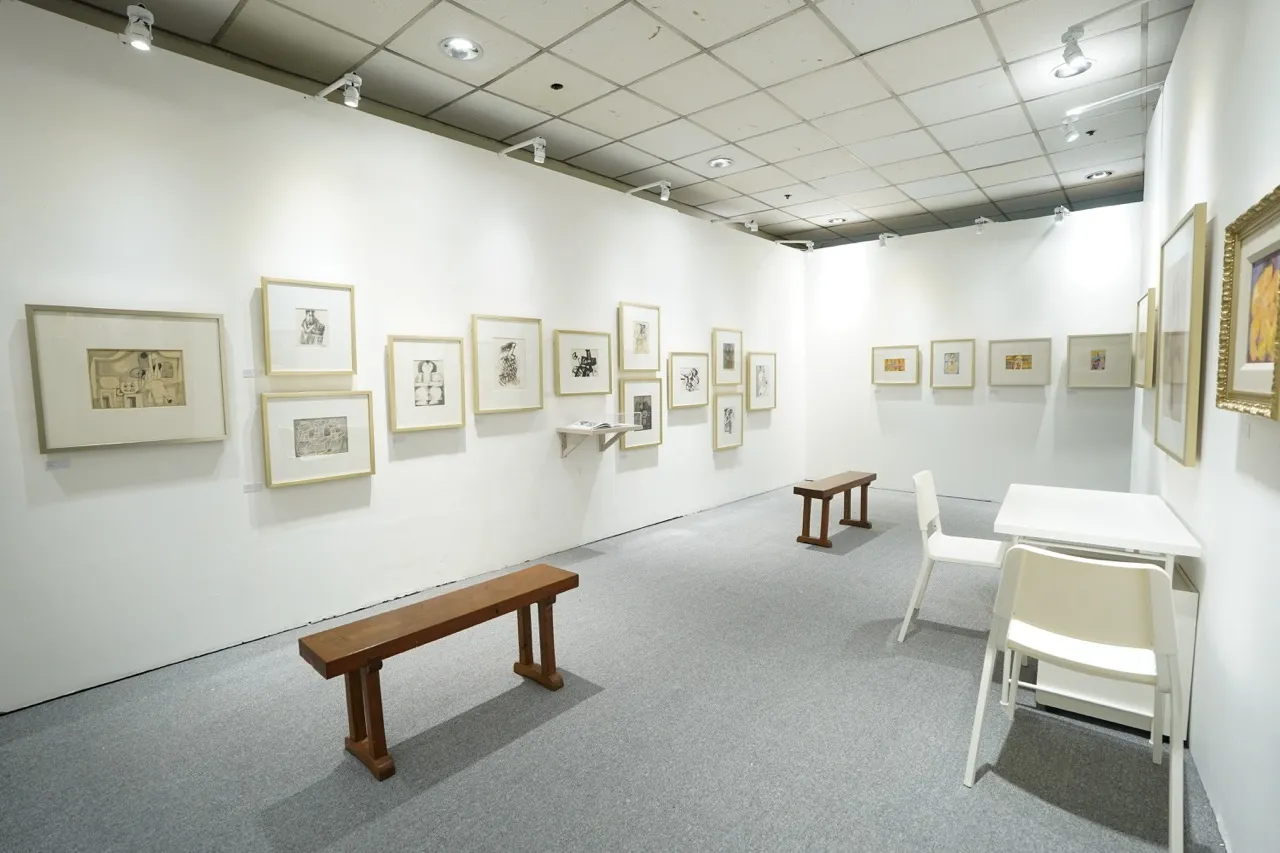
At the heart of the fair was the ALT Collective, composed of nine of the country’s leading galleries: Artinformal, Blanc, The Drawing Room, Galleria Duemila, Finale Art File, MO_Space, Underground, Vinyl on Vinyl, and West Gallery. As one representative from The Drawing Room explains in a statement: “ALT was established as a deliberate act of authorship…as a considered decision to shape a space on our own terms… ” The goal, they explain, was to allow each gallery to present its program with clarity, as well as depth without compromise, placing full attention on the artists, ideas, and experience of engaging with art.
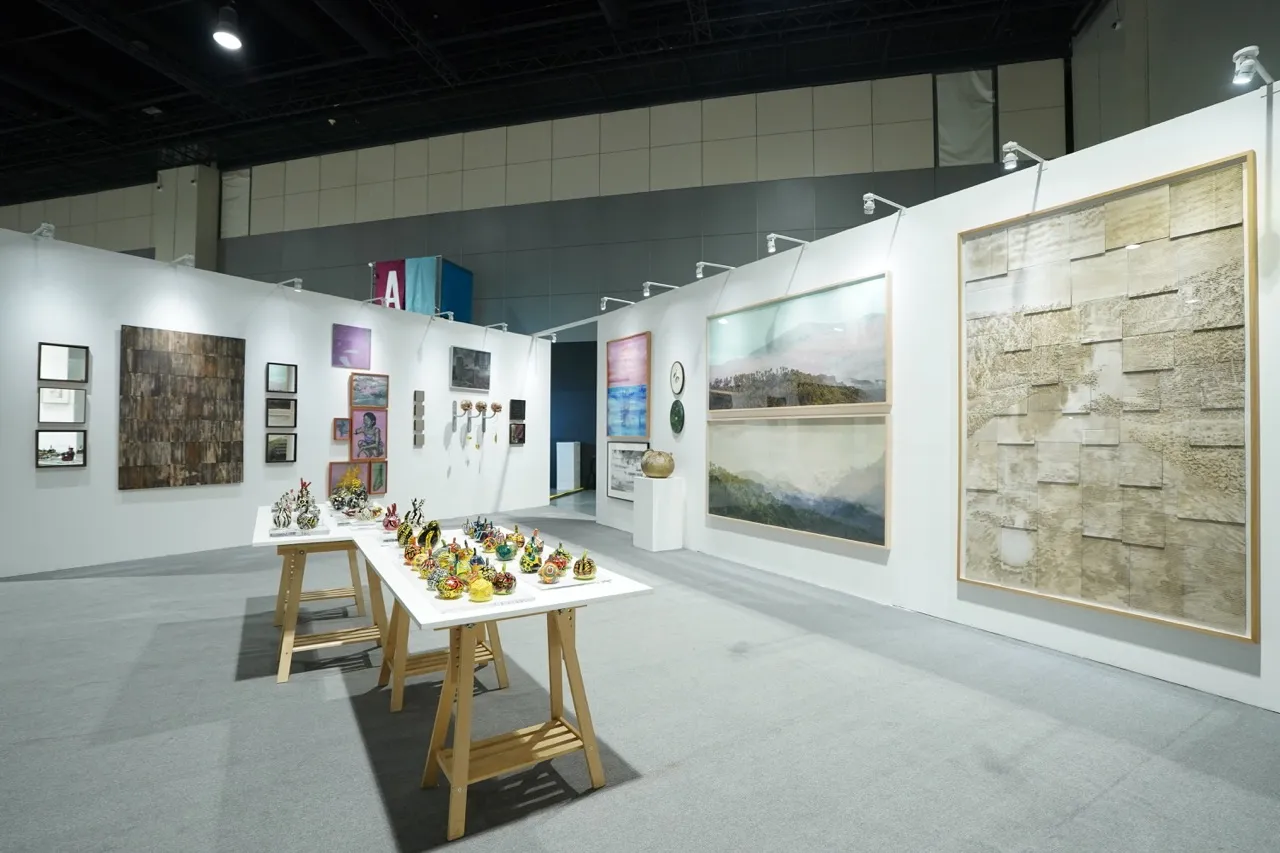
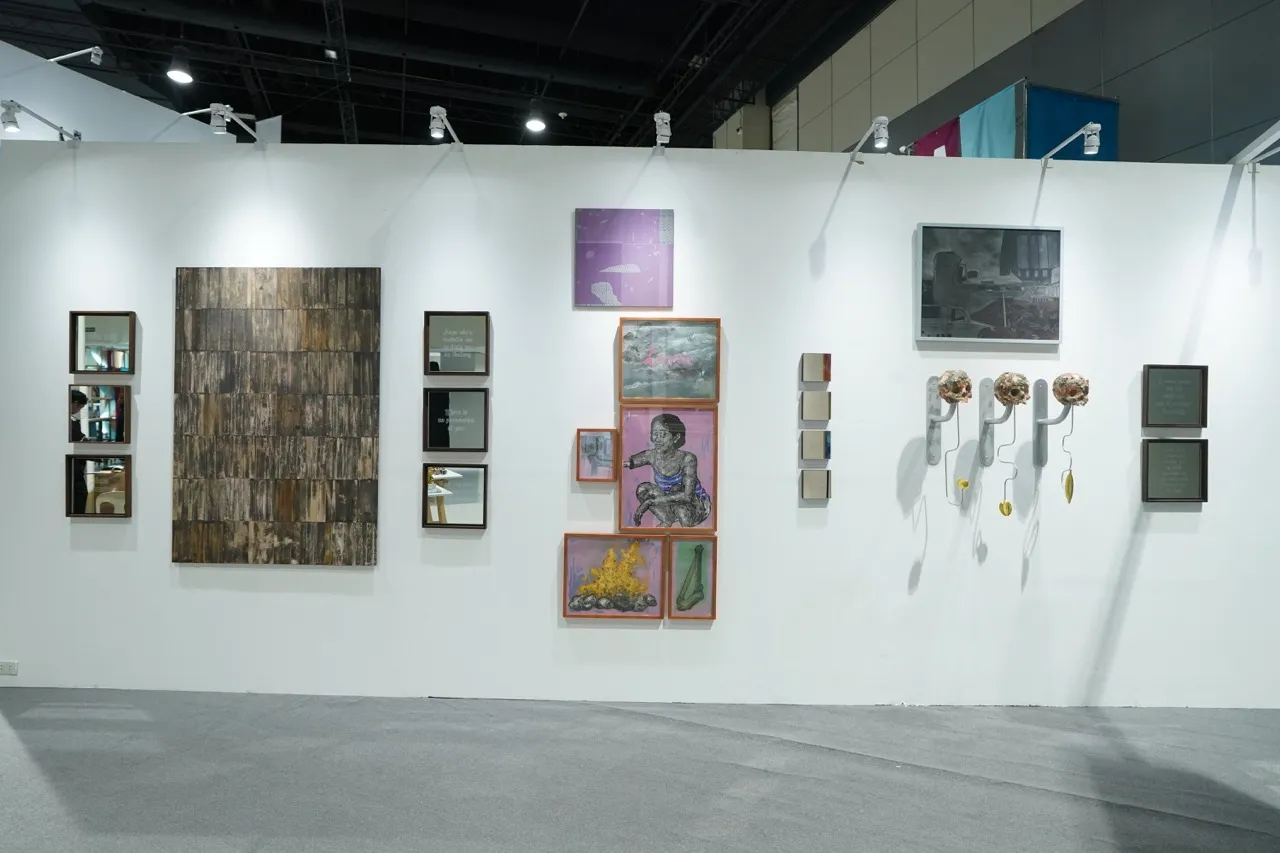
That same intentionality extended well beyond the works on view. With the ALT Collective deeply involved from the ground up, and in close collaboration with creative studio All At Once, the fair achieved a sense of cohesion across branding, spatial design, and public programming, complementing the gallery presentations rather than competing with them.
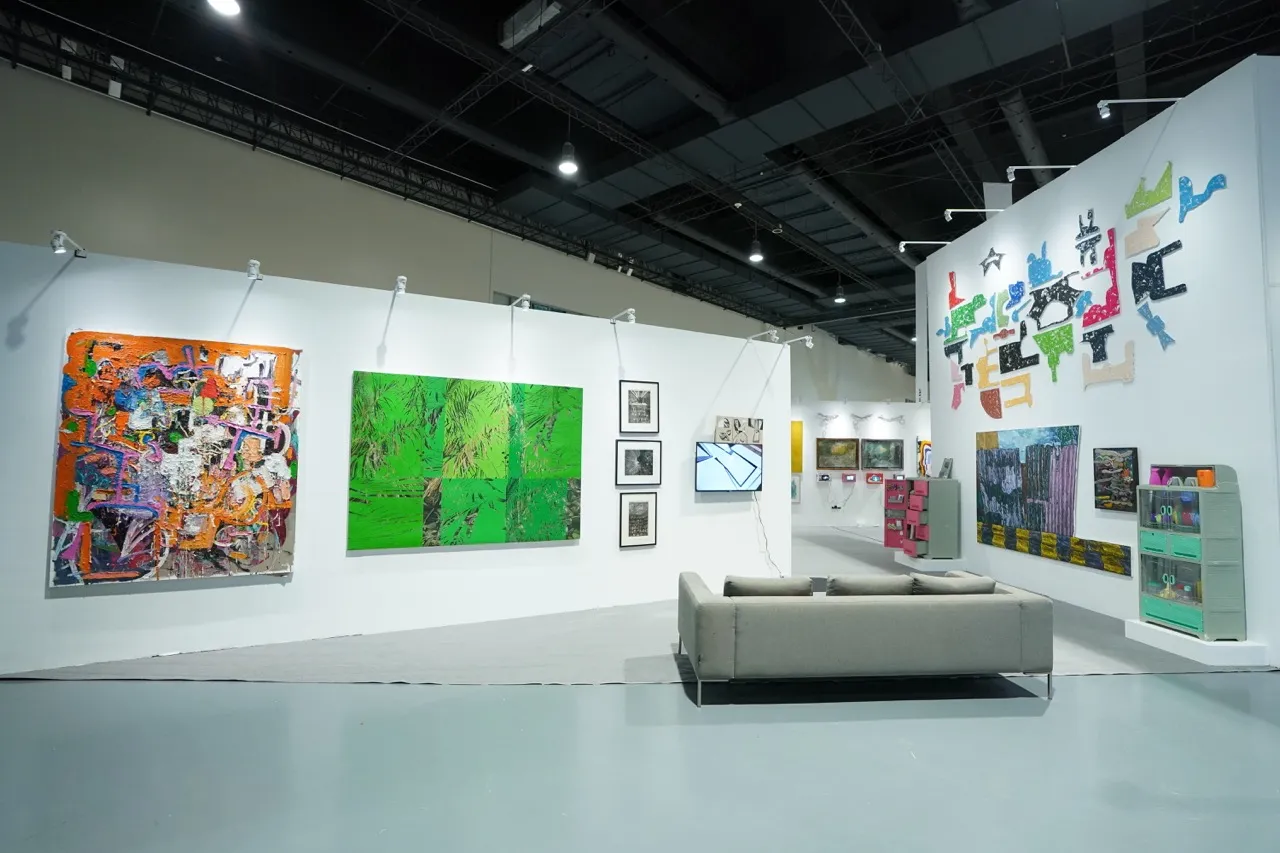
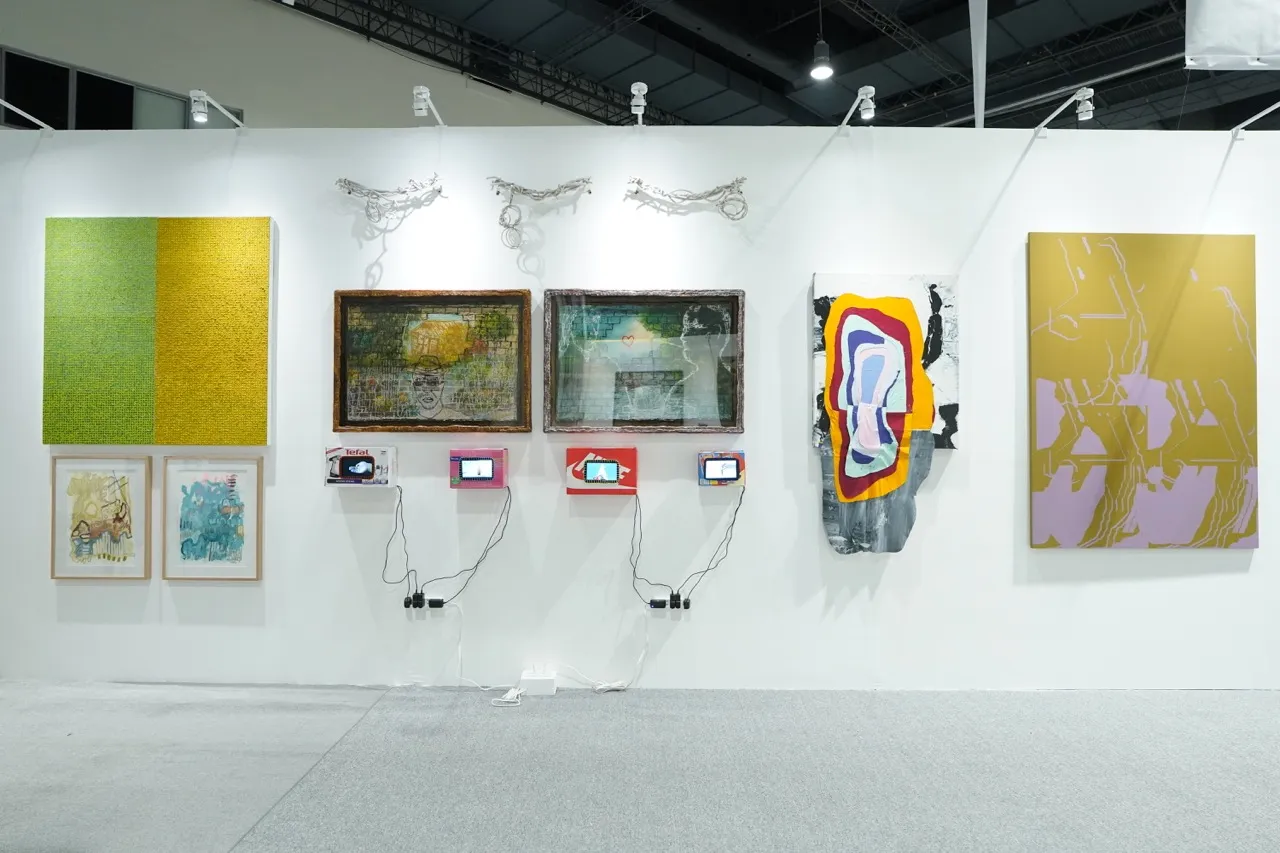
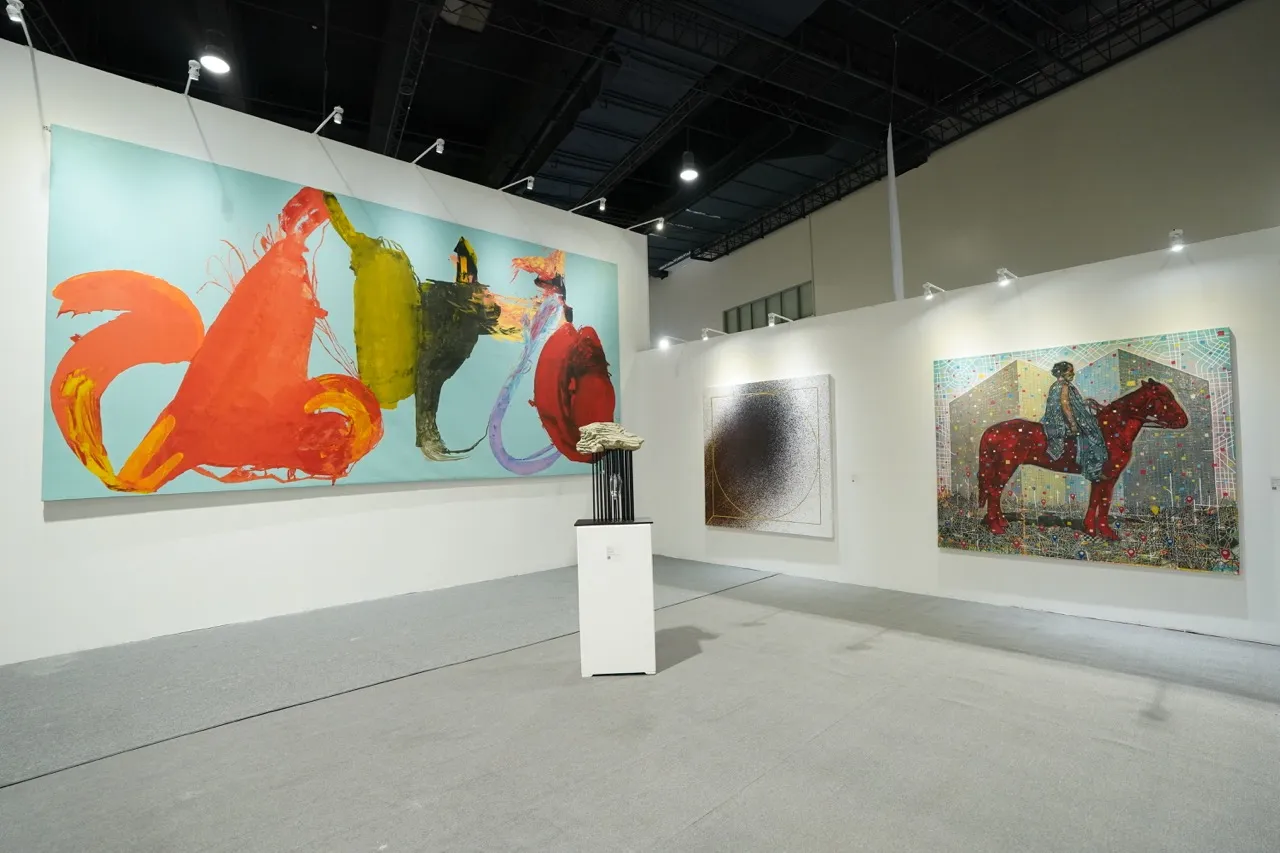
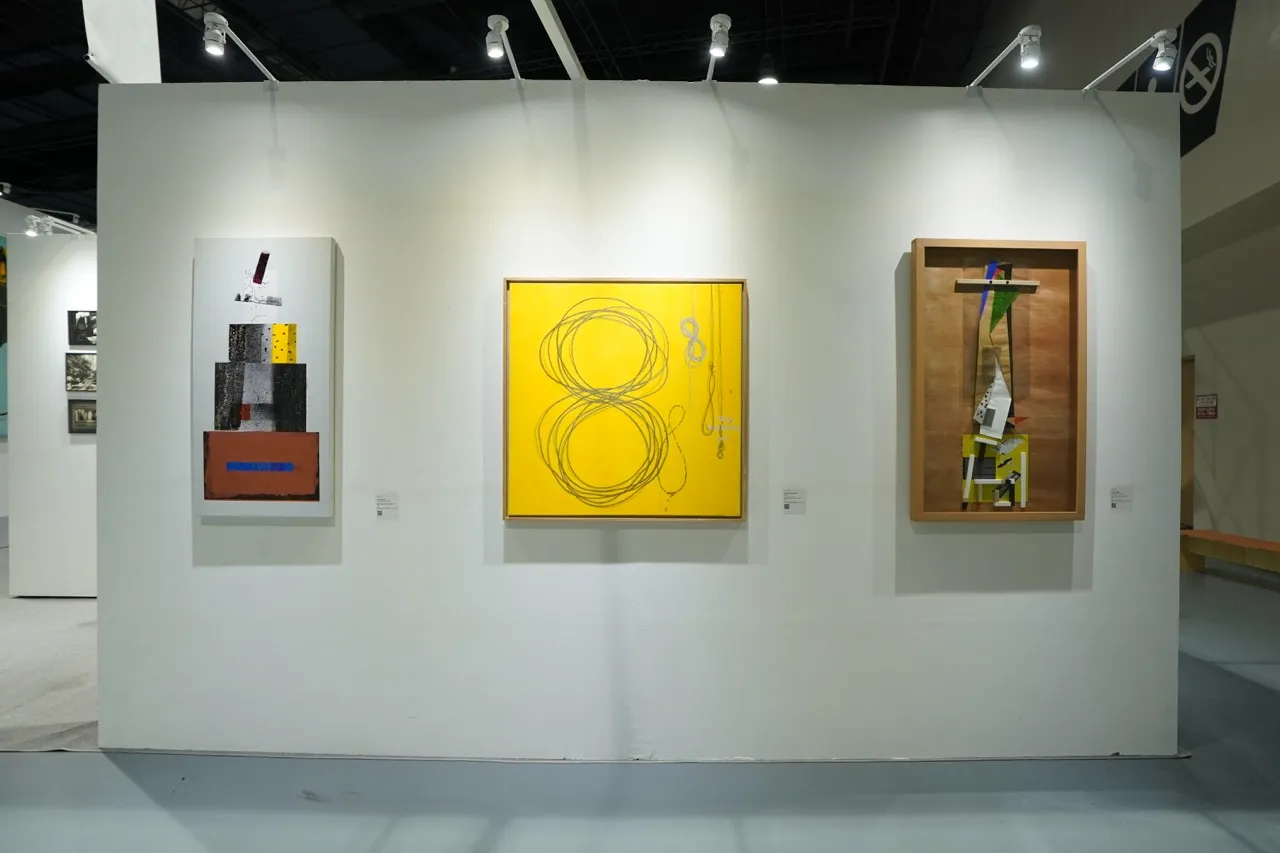
Baby Imperial of All At Once framed this year’s edition within a larger cultural moment: as the first quarter of the new millennium draws to a close, we find ourselves in a period of rupture and re-examination. It’s a time of making the invisible visible, of dismantling outdated systems and hierarchies—political, social, and cultural—in pursuit of fluidity, hybridity, and the reconstruction of new narratives for the 21st century.
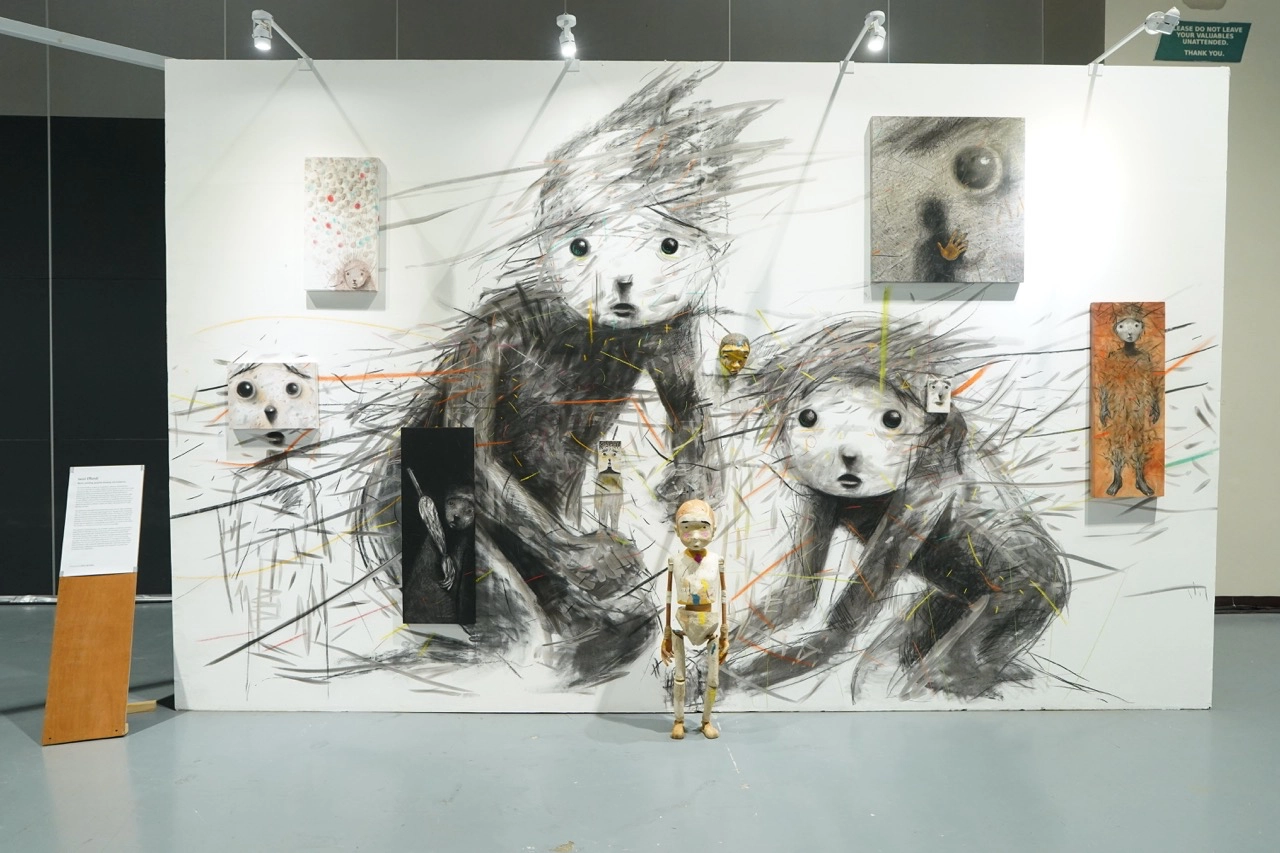
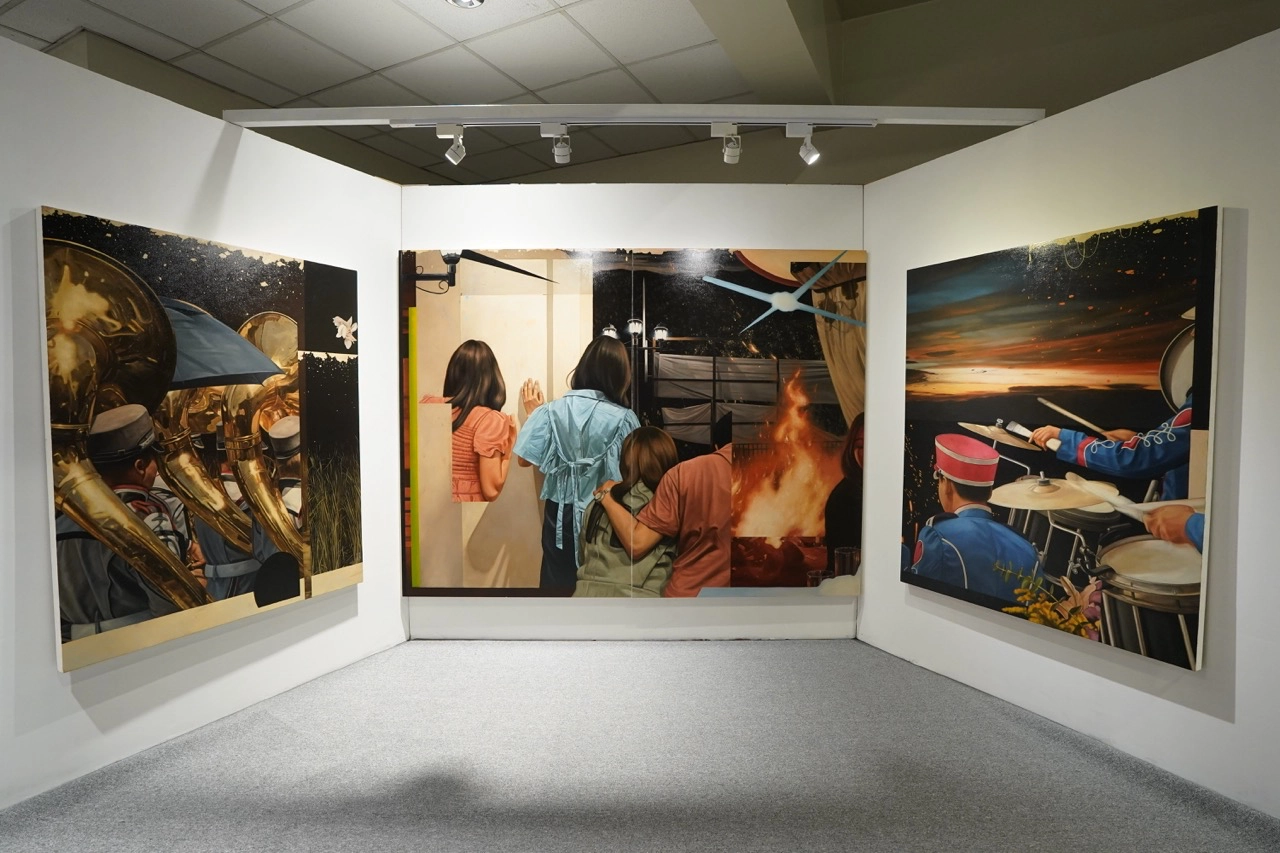
Personal Favorites
When I visited ALT ART 2026 at SMX Mall of Asia during the media preview, I felt a surge of inspiration. There’s something indescribable sublime about being surrounded by art, it ways both subtle and immediate. As I wandered through Halls 1 and 2, I let the energy of the space wash over me, pausing at pieces that stirred something within, or at works by artists whose messages resonated with me. Each work seemed to spark a quiet dialogue, inviting me to slow down, reflect, and feel.
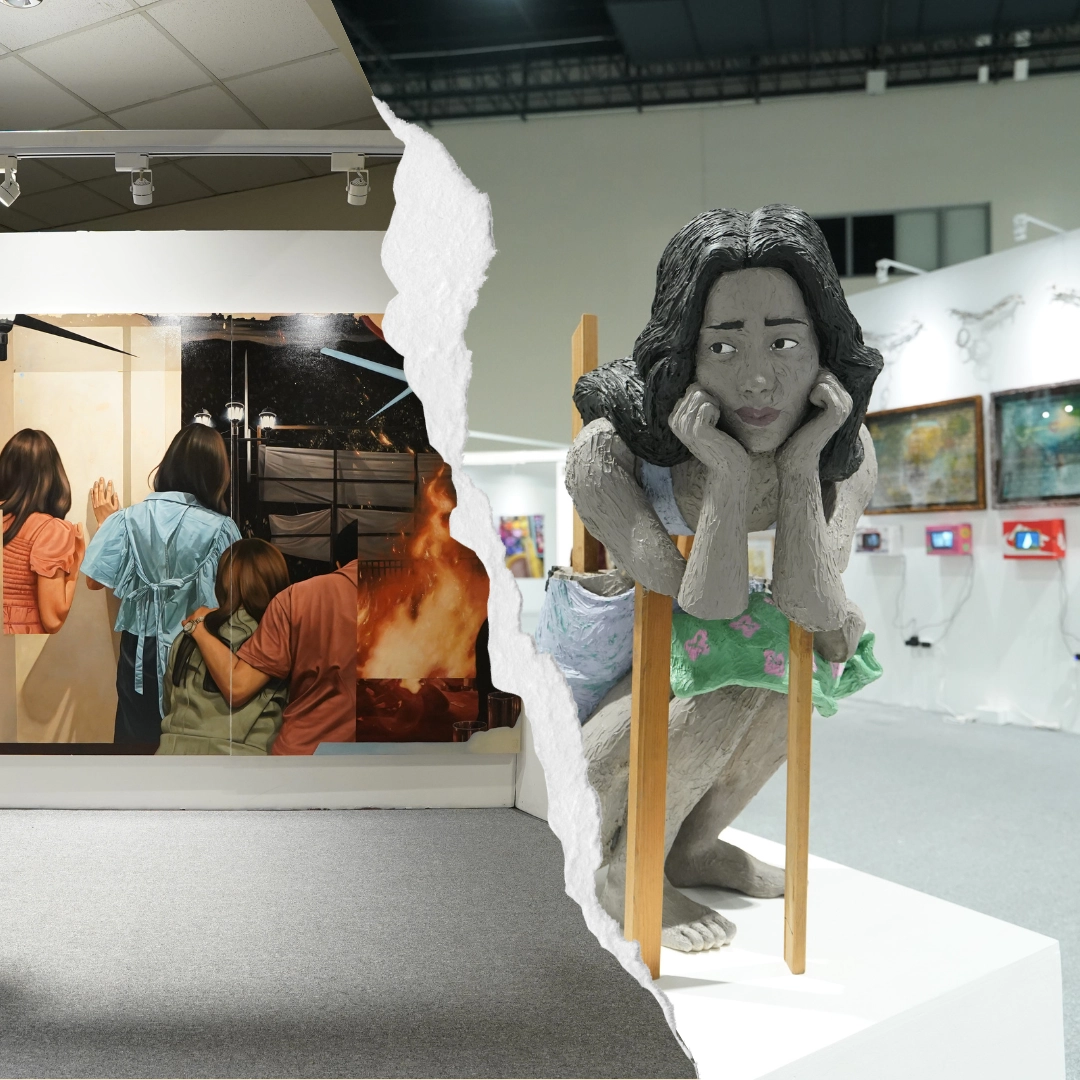
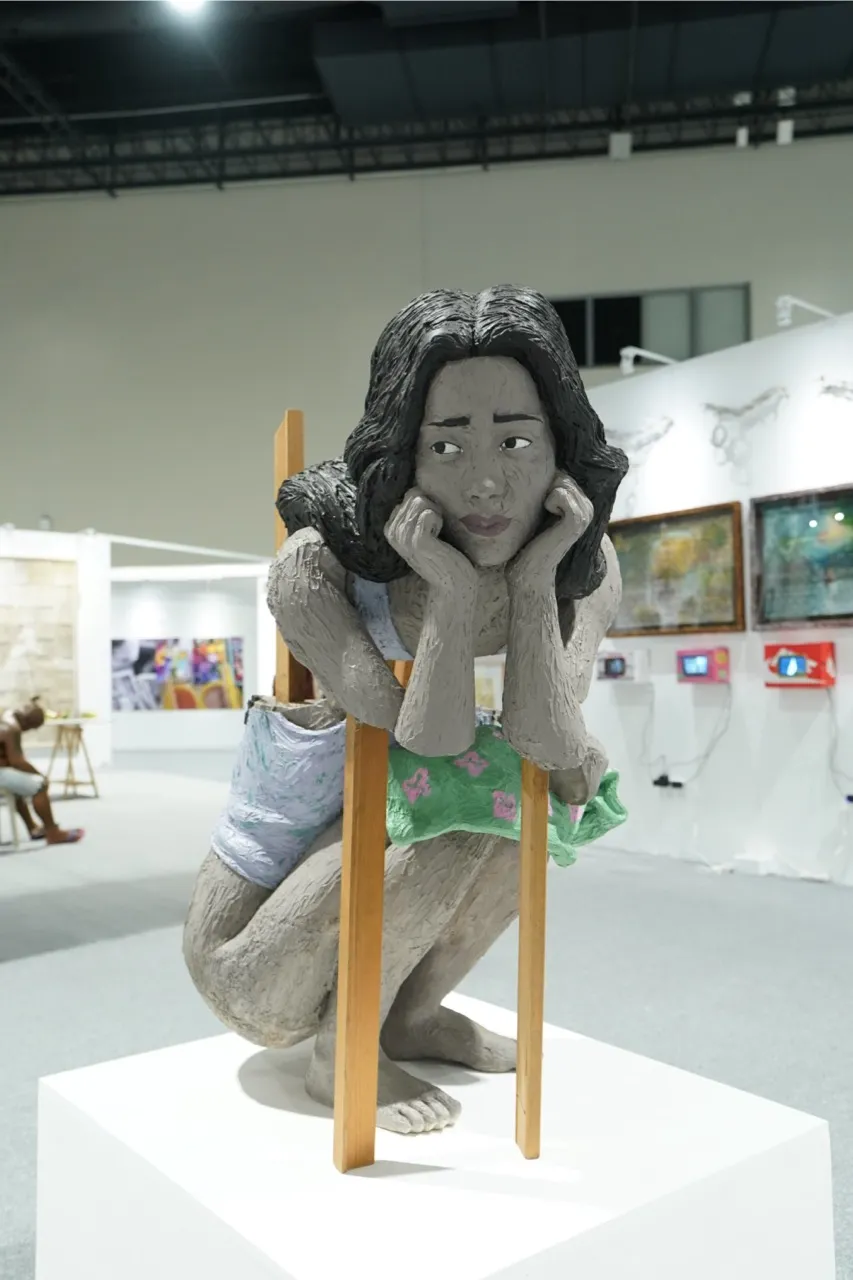
One of the pieces that stood out to me the most was “Learning How to Stand Again” by Johanna Helmuth (who also happens to be one of Lifestyle Asia’s February cover girls). Here, we see a girl with a small smile on her face, her body split in half and supported by wooden beams; there’s no shame her posture (or the breakage), just a natural calm. What began as an accident in her studio transformed into a moving sculpture about the value found in flaws.“I will always be a work in progress,” Johanna told the crowd as she explained the piece, a simple yet powerful statement.
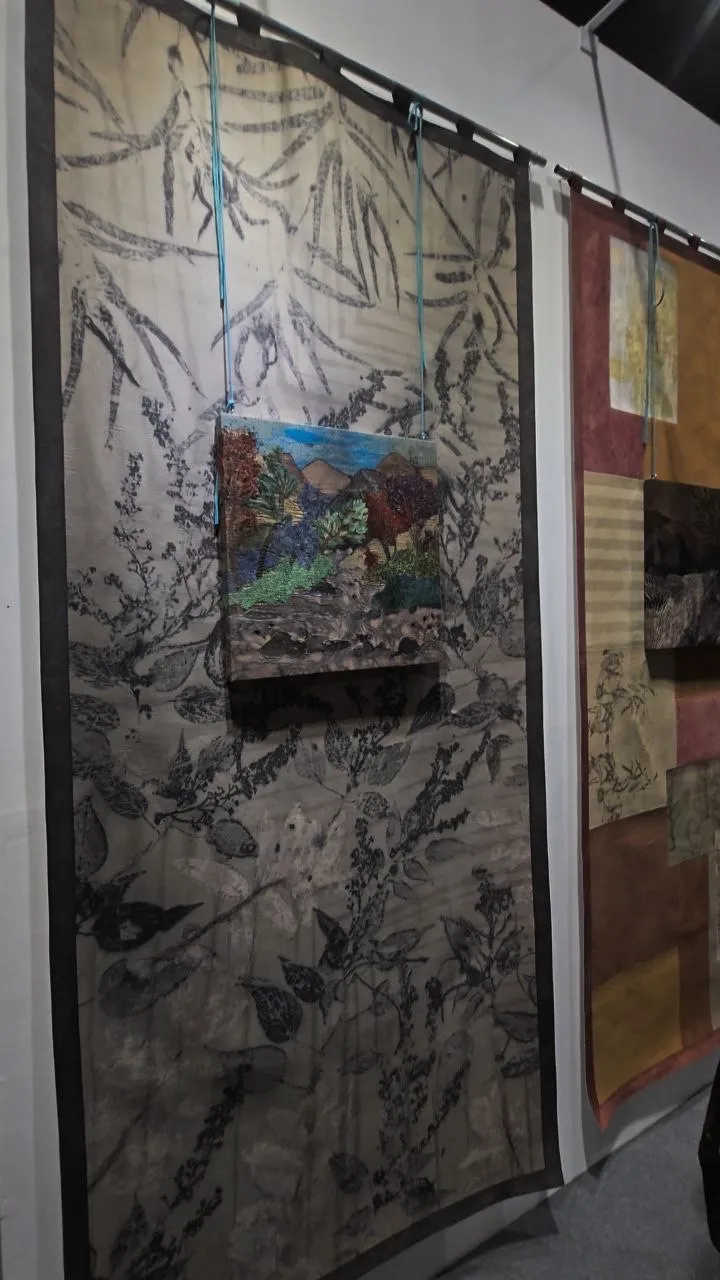
I also found myself drawn to Geraldine Javier’s fabric pieces. As someone who loves fashion, seeing textiles used as a medium for art felt like a touching affirmation of how closely knit the two actually are. Our guide explained that Geraldine employed eco-printing for the works on display, using local flora to create delicate, organic patterns that felt at once familiar and entirely new. There was something poetic in the way nature and craft intertwined in each piece, paring the artistry down to the material itself.
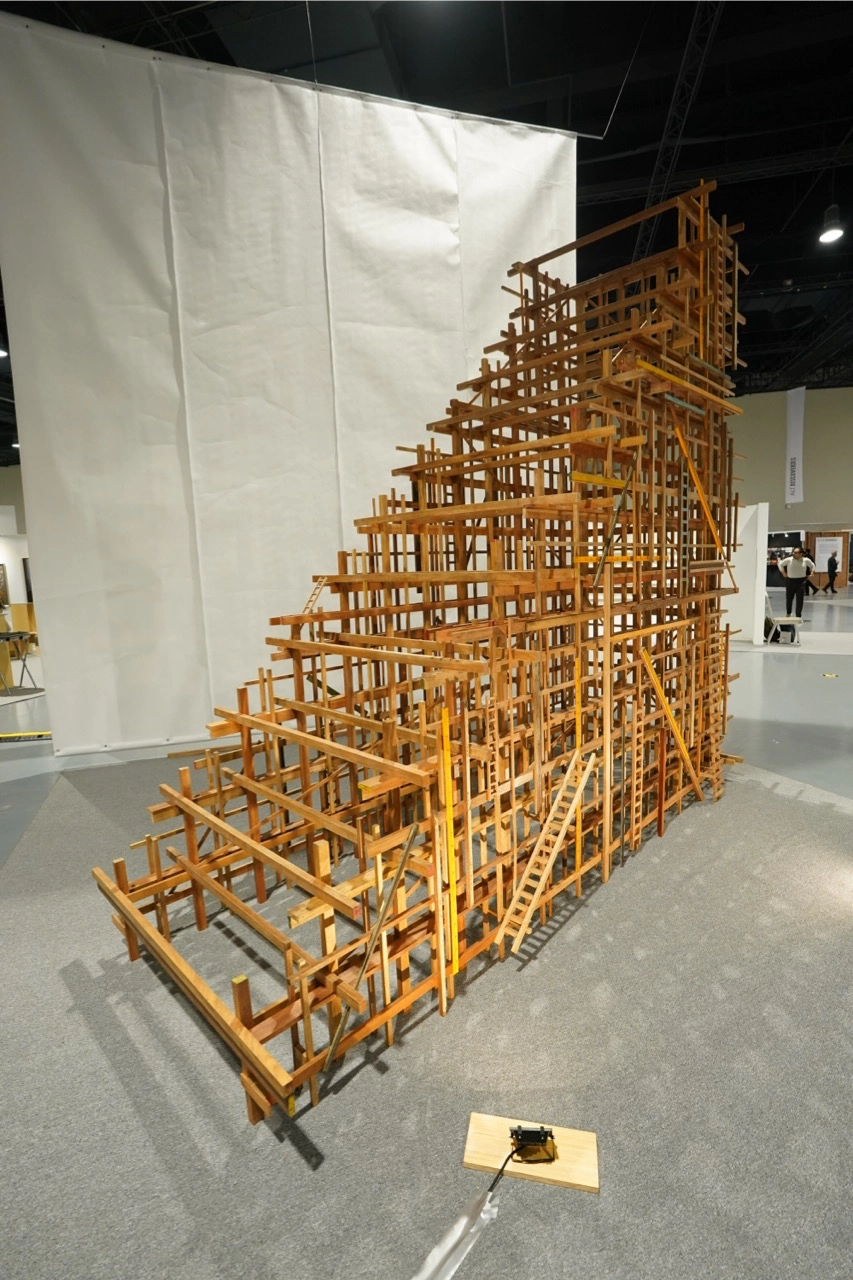
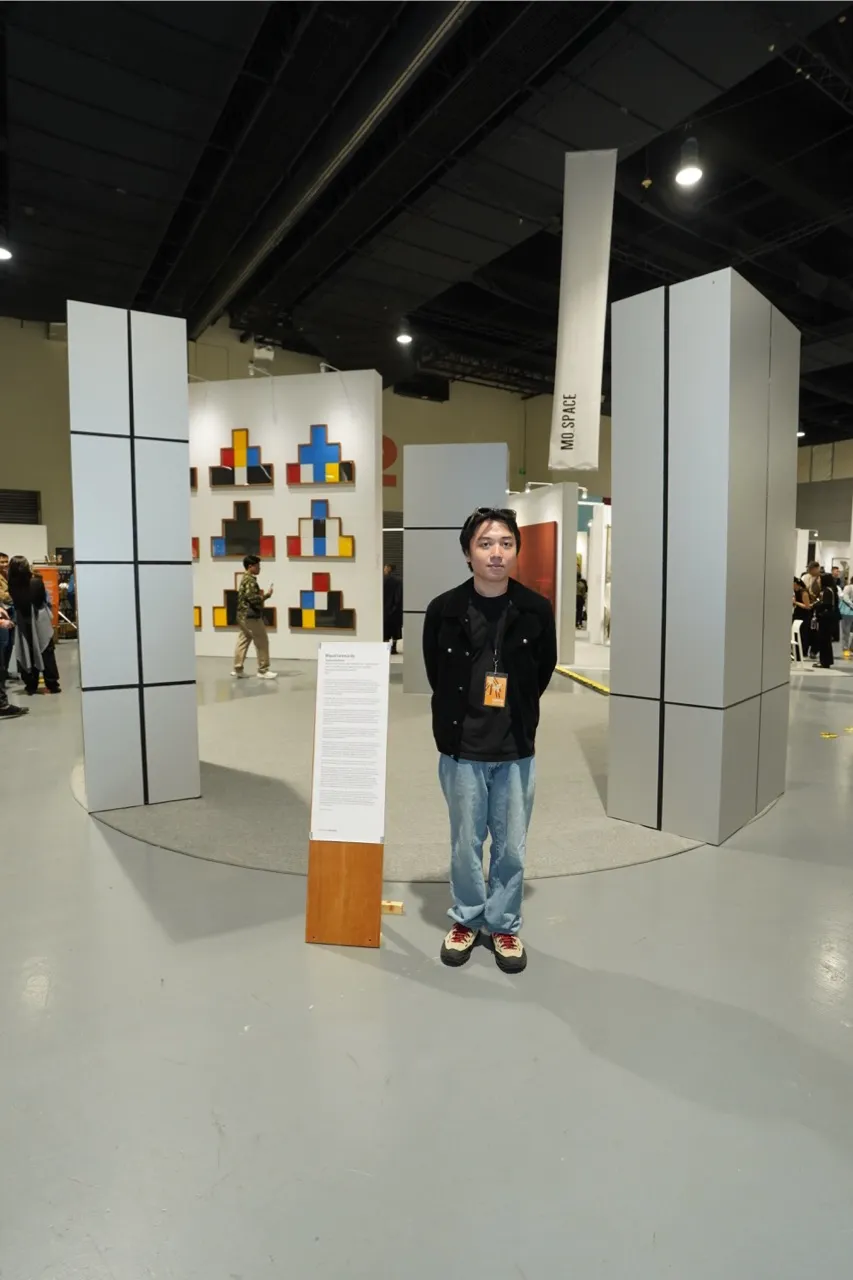
Miguel Lorenzo Uy’s “Superstructure” was another piece that captivated me. Having studied sociology in college, I appreciated how he drew inspiration from the Marxist theory of “base and superstructure,” a framework that argues a society’s economic foundation (the base) shapes its social, political, and cultural institutions (the superstructure). In conversation, Miguel also shared how his work probes a larger question: where do we draw the line between art as personal expression and art as commodity? It was fascinating to see theory and practice intersect so vividly in a single piece, and to feel the thought-provoking tension between concept and material.
If ALT ART 2026 reminded us of anything, it’s that art isn’t made to simply be hung on walls. It moves, even when static, traveling from artist to artwork, gallery to exhibition, and finally, from display to a viewer’s heart and mind, where it continues to live long after they’ve left a space.
Photos courtesy of ALT ART (unless specified)