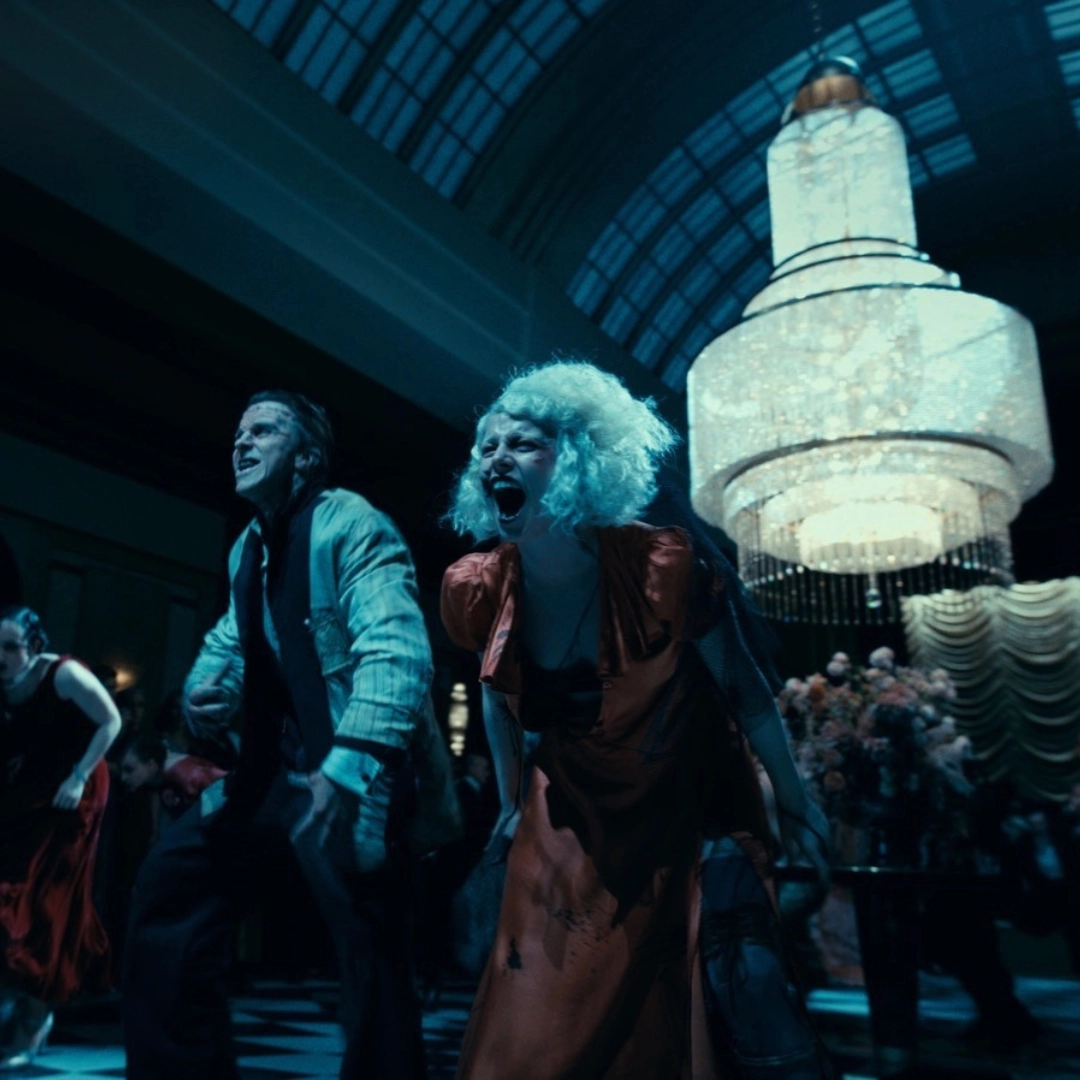
And this time, she has something to say. Maggie Gyllenhaal’s reimagining of Mary Shelley’s classic is an untameable, rollicking ride: playfully dark, peculiar, and, at times, unexpectedly sweet.
Content Warning: This piece discusses key themes and plot points of both Mary Shelley’s Frankenstein and Maggie Gyllenhaal’s The Bride!
Loneliness has always been the emotional focal point in Mary Shelley’s famous sci-fi and Gothic horror novel, Frankenstein.
The ambitious scientist Victor Frankenstein creates an intelligent, chimerical being composed of corpses simply called “The Creature,” sometimes “The Monster,” “The Wretch,” “The Daemon.” Frankenstein grows disgusted by his own creation and abandons it, though somewhere in the novel, The Creature—desperate for companionship—requests that his creator give him a partner, a “mate” like him. He craves belonging, he wants someone who won’t flinch in his presence. Frankenstein acquiesces, for a bit, and comes close to creating The Creature’s other half—another monstrous body, though this time female. However, he changes his mind, opting to destroy it. And so, the would-be bride never quite sees the light of day.
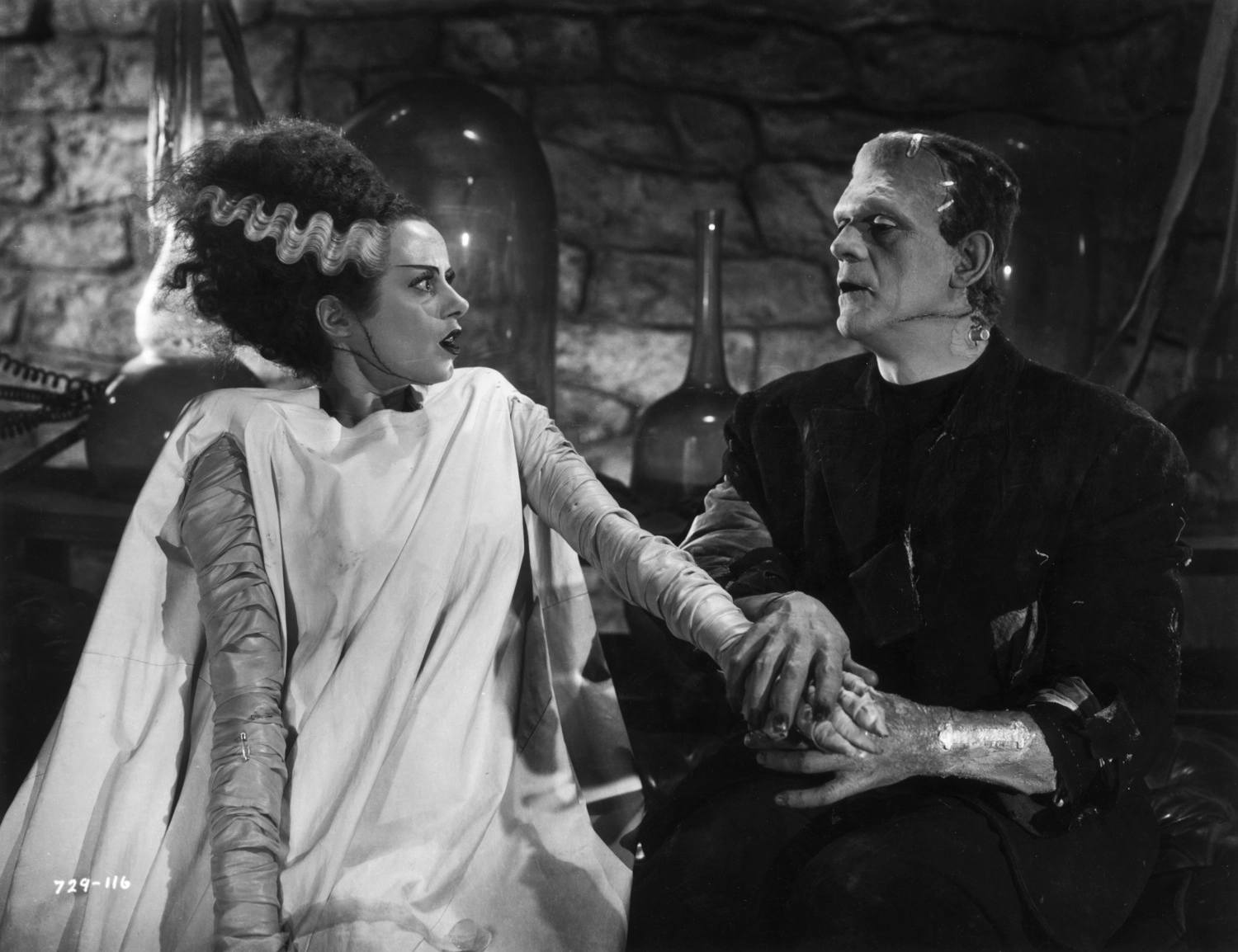
Fast forward to 1935, when director James Whale releases the sequel to his hit Frankenstein (1931): The Bride of Frankenstein. A spin-off of Mary Shelley’s work, it gives the unfinished bride a face belonging to actress Elsa Lanchester. Wide eyes. A shock of black hair standing on end, streaked with lightning-white waves. And yet, ironically, despite the film bearing her name, she never utters a word. She appears only towards the end of the feature—for four, maybe five minutes—before the story ends. Once again, The Creature’s bride is silenced.
Skip decades ahead, past other takes on Shelley’s works (including Guillermo del Toro’s fantastic 2025 film), and we arrive at director Maggie Gyllenhaal’s 2026 The Bride! The exclamation point already signals the kinds of revisions the filmmaker wants to make to this enigmatic character, bold brushstrokes on a canvas that has remained largely blank.
Shelley Crafts A Story From The Grave
The inventiveness of Gyllenhaal’s concept already makes itself known from the very beginning of the film, which frames its entire narrative structure. Dual roles seem to be more popular than ever these days, and we’re fortunate to have none other than Jessie Buckley—still sweeping this year’s awards season for her career-defining role in Chloe Zhao’s Hamnet—playing not one, but two characters in the film with a rhythmic finesse I can only describe as watch-with-bated-breath-worthy.
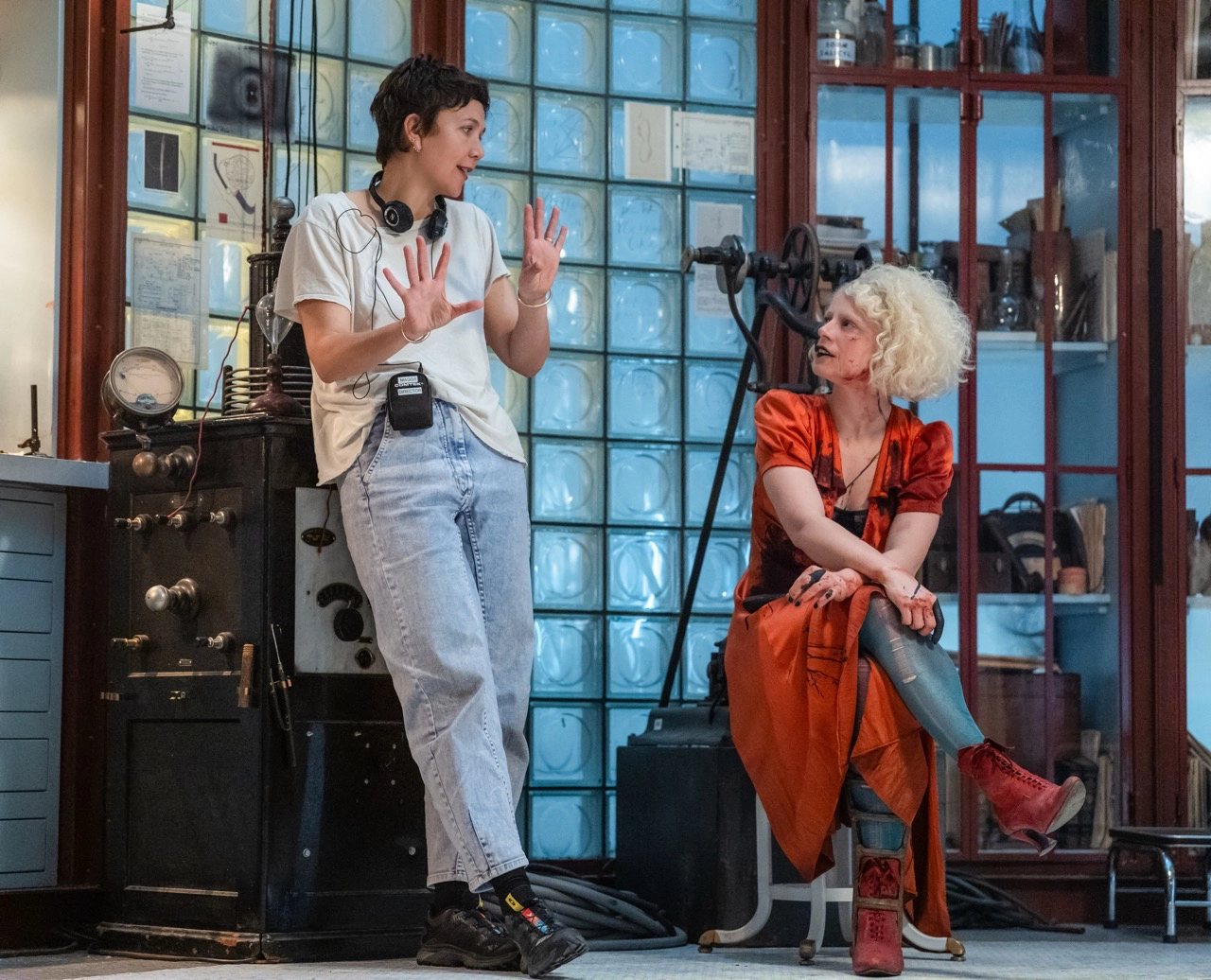
The Bride! opens with darkness, shadows and slivers of light illuminating the pallid face of Buckley, whose gravelly voice anchors the film’s Mary Shelley, delivered in a hefty British accent. Her hair is mussed, as though freshly risen from the grave; dark circles bruise the skin beneath her eyes as she launches into a delightfully unsettling oration. She speaks of finishing her story, the monstrous “bride” at its center. Yet to tell this tale, she must first find someone to “possess,” a vessel for The Bride.
Enter Ida, a woman who spends her time with gangsters in some version of 1930s New York, silent and wearing a pained smile as she’s commanded to engage in humiliating acts for their pleasure. She complies, though we’re not sure how she got there or why she’s entertaining these men until the film’s latter half. What we do see is Shelley’s spirit overtaking her body, contorting her limbs, speaking through her mouth. Jessie Buckley pivots between personas with unnerving precision, a theatrical and feral Jekyll-and-Hyde-esque transformation that continues for most of the movie. (Again, I can’t help but applaud the kind of stamina and skill it takes to maintain that hot-cold intensity.)
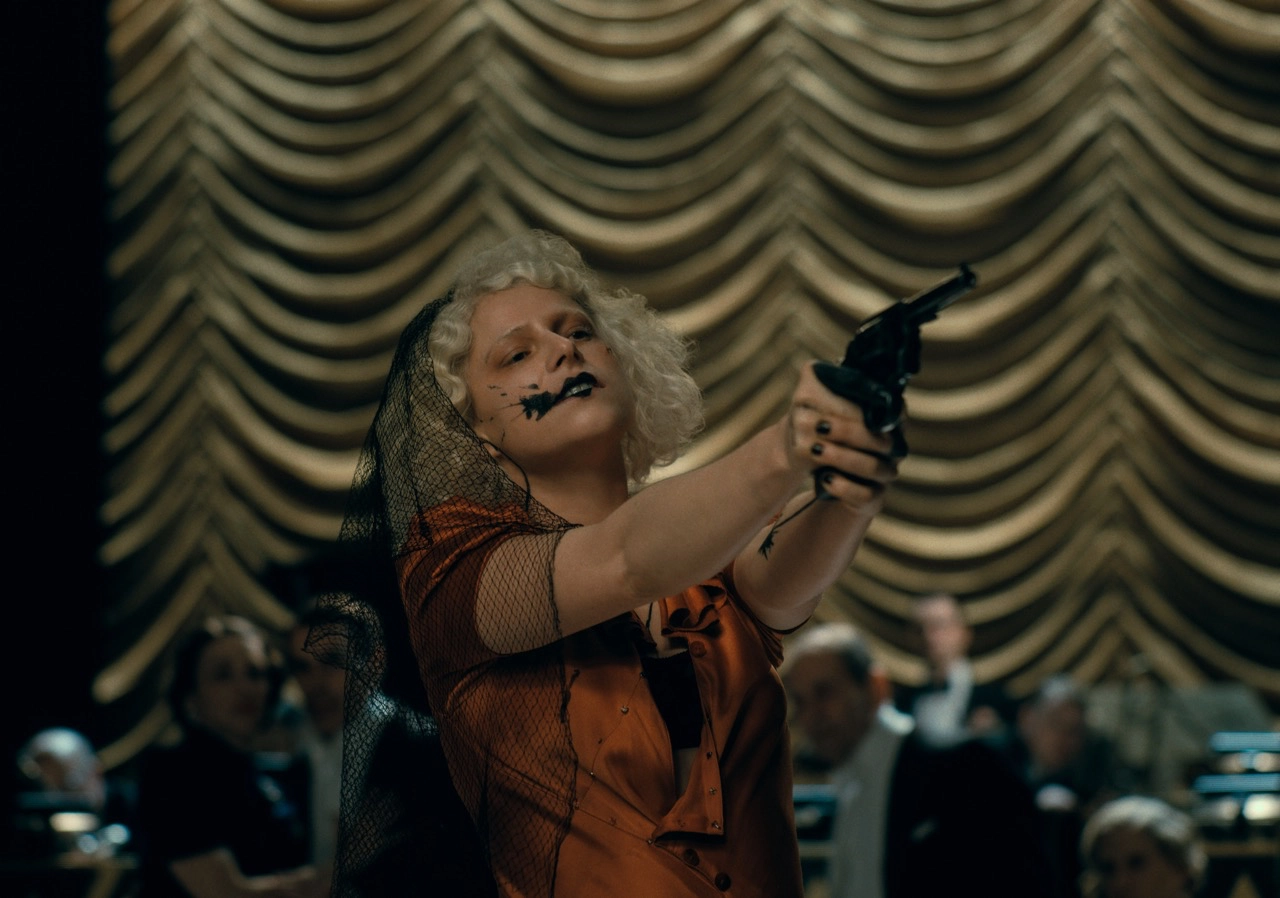
Ida strains to regain control, but Shelley prevails. The author’s spirit refuses to sit quietly. She spits insults, hurls threats, and delivers barbed provocations in language so eloquent it raises the hackles of the film’s mobsters. The Bride gets not just one voice, but two.
This portrayal of Shelley is a joy to watch, in part because of Buckley’s electrifying performances, but also because it resurrects facets of an endlessly fascinating woman that time has rendered distant and static. Was Mary Shelley as angry, spiteful, and rebellious as Buckley’s portrayal? We’ll never really know. But considering she kept a piece of her dead husband’s heart in a box and was said to have made love to him over her mother’s grave, it’s easy enough to believe the daring figure Gyllenhaal imagines here.
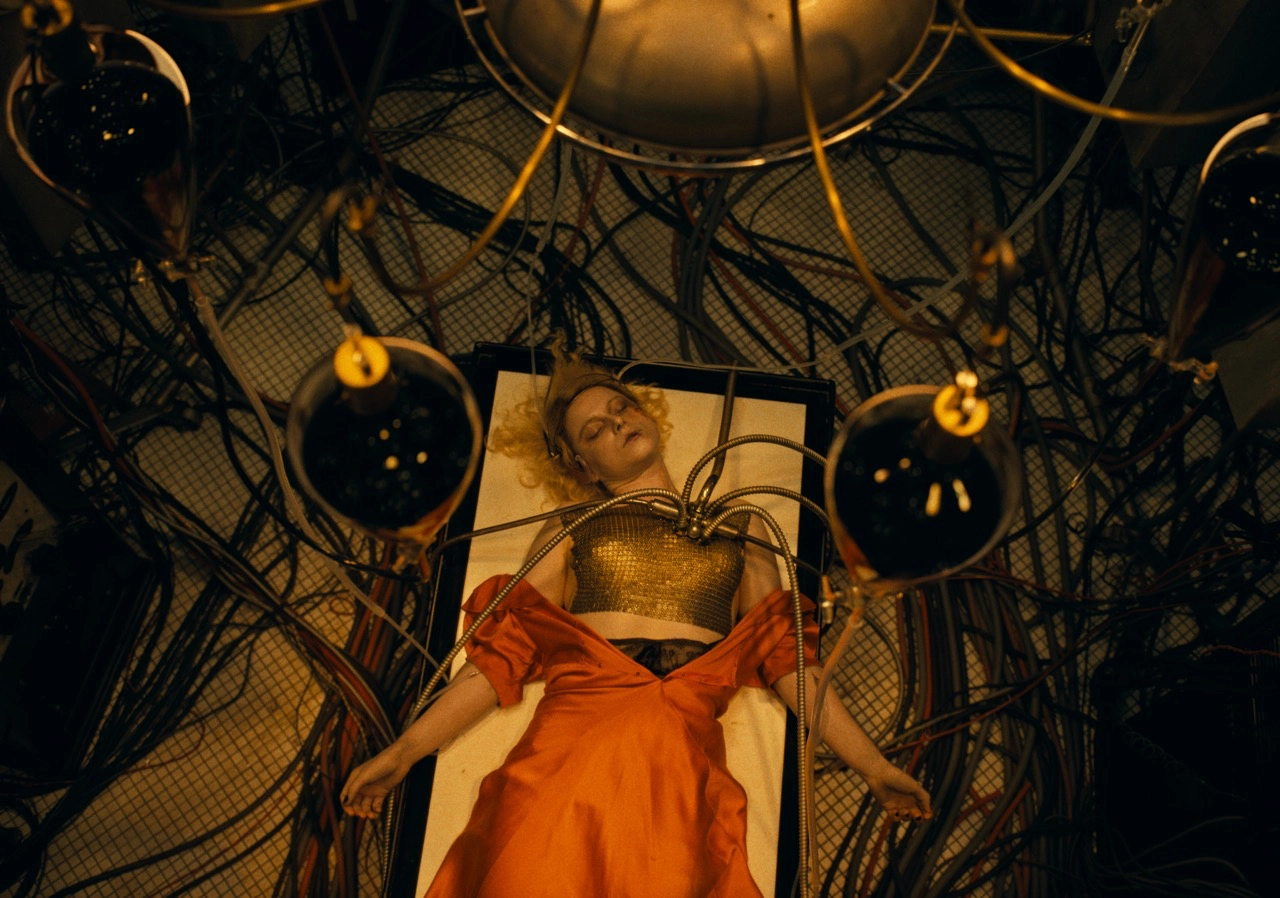
Shelley’s chaotic intervention results in a tense, heated evening with the gangsters, and Ida is killed. In the cold, sterile aftermath, she’s brought back: reanimated, granted another chance to finish a story that has always ended too soon. Shelley continues to inhabit her throughout the film, a sardonic, needling conscience like some twisted Jiminy Cricket, urging her toward indignation, autonomy, and a refusal to be tamed.
The Search For Another Half
While this is Ida/The Bride’s story, we can’t have a tale of romance without the other half: The Creature, played here by Christian Bale, who disappears into the role and manages to keep up with Buckley’s stellar performances. I came into the film expecting nothing, but found myself pleasantly surprised at how Gyllenhaal picked up the core of The Creature that Shelley envisioned: an inherently gentle soul who longs to escape the isolation of his existence, curious and hungry to explore the world with a companion.
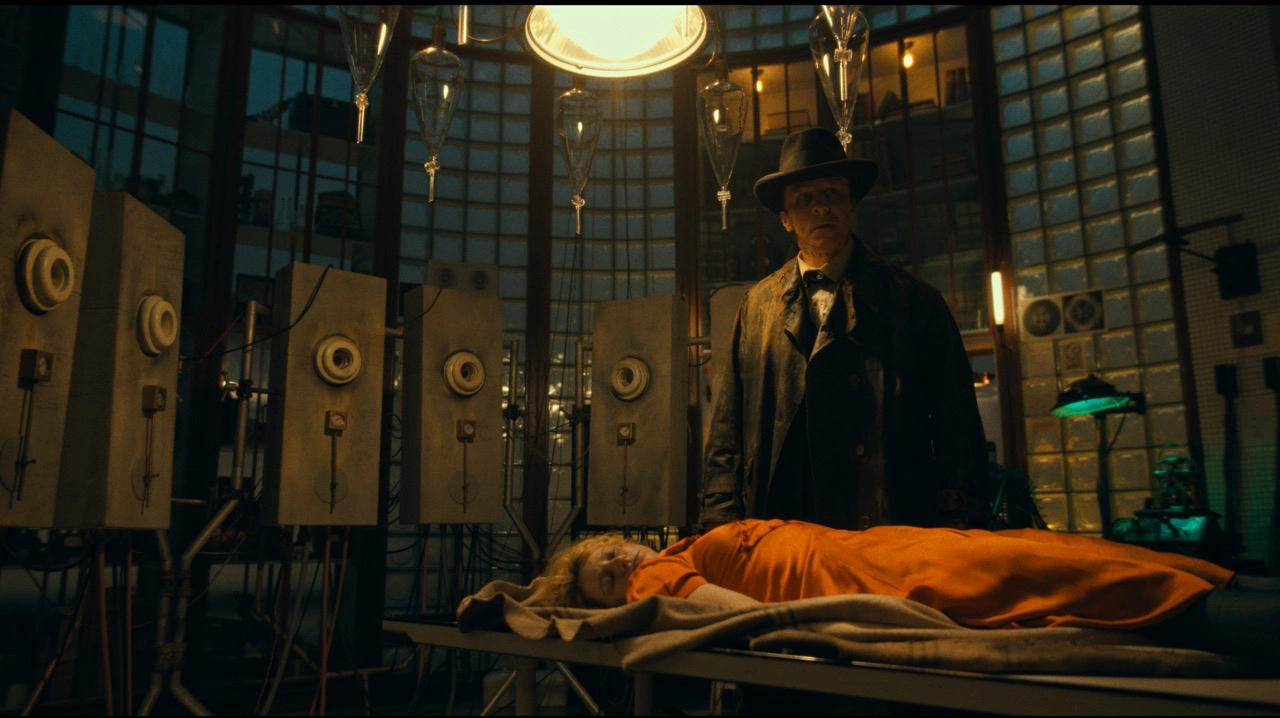
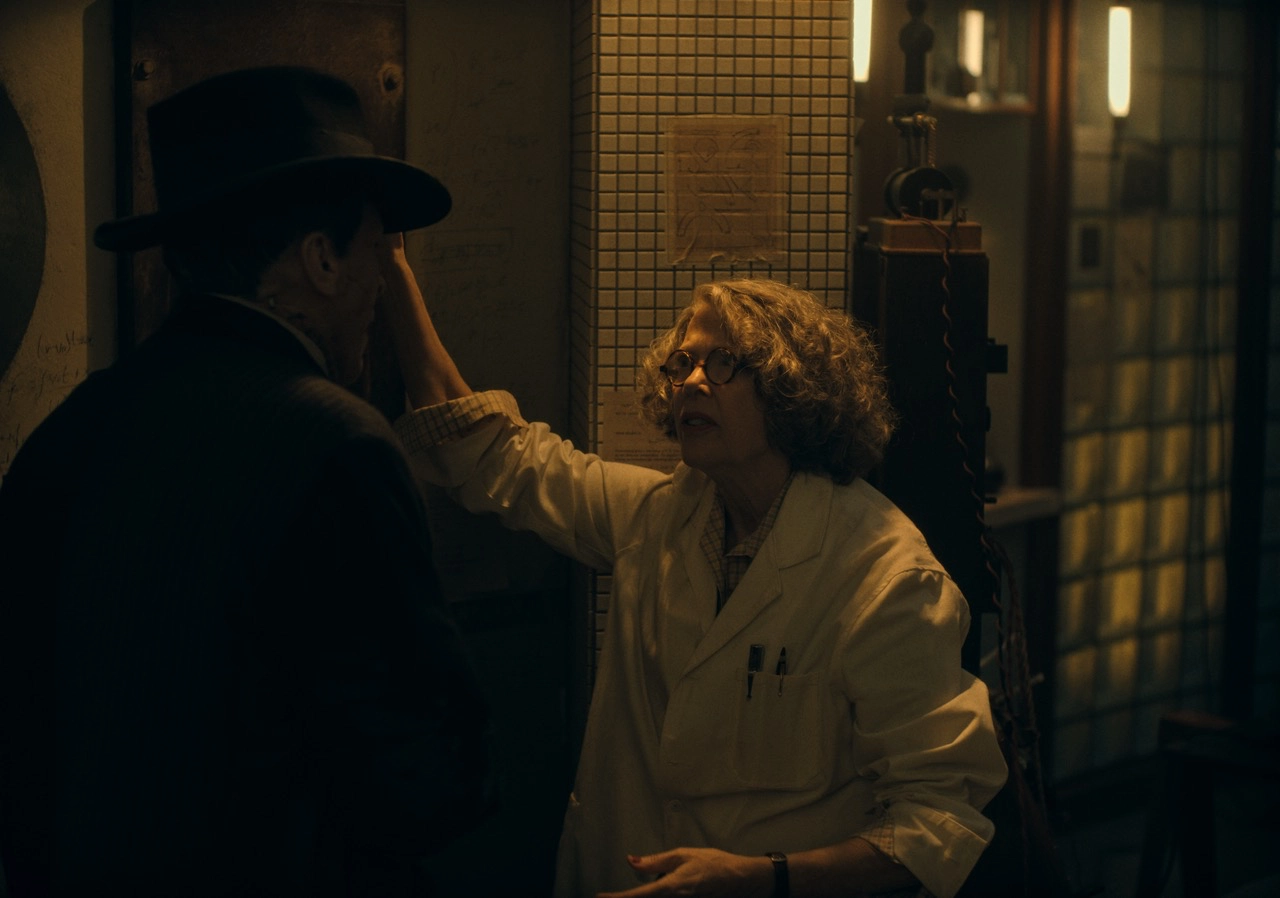
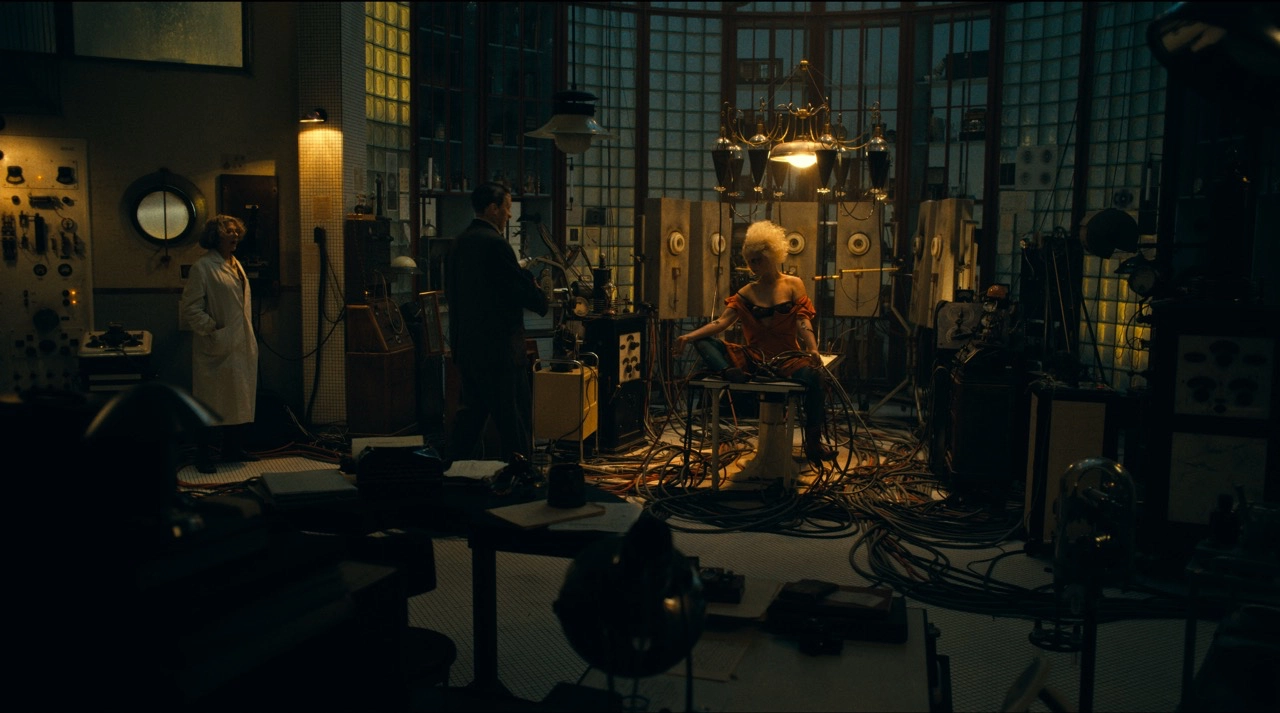
So, what does he do? He approaches scientist Dr. Euphronius (made charmingly kooky with the help of Annette Bening) and asks her to help him create—or rather, “reinvigorate,” the word that’s often used throughout the film—his other half. The two go grave-digging and, as fate and Shelley’s spirit would have it, find the corpse of Ida.
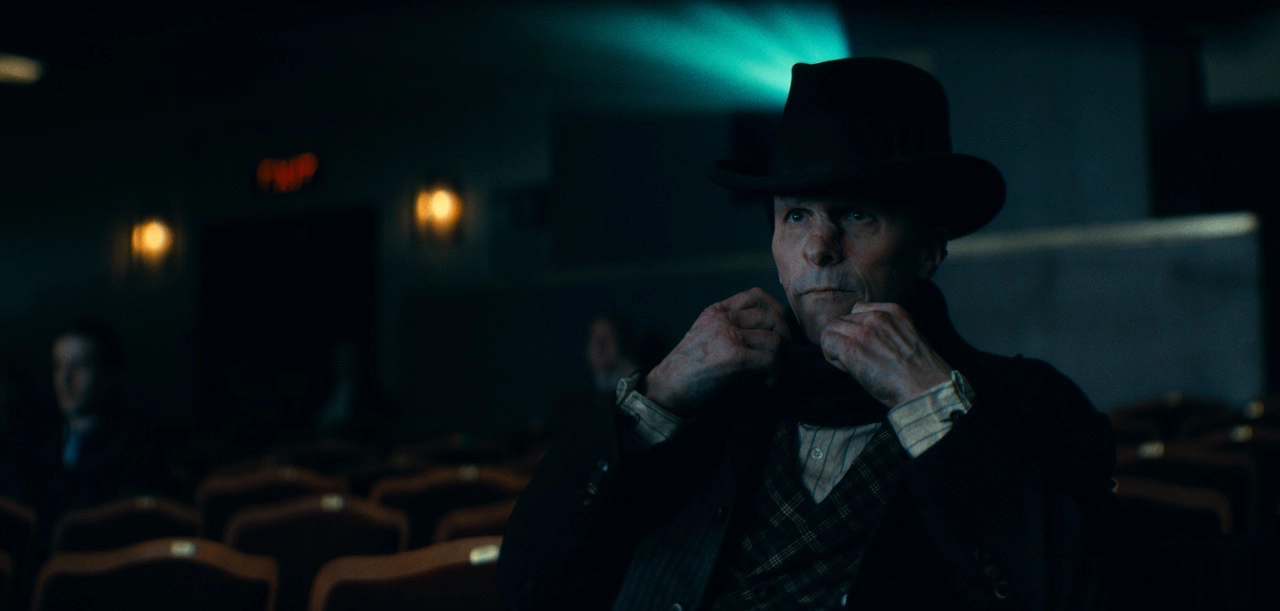
Christian Bale’s version of The Creature is endearing, to be sure. One particularly inspired choice is the film’s tribute to the healing allure of cinema itself, rendering this monster an old soul who regularly visits the theater, watching the same comfort movies again and again. Most of them star his favorite actor, Ronnie Reed (played by the director’s brother, Jake Gyllenhaal), who dances across the screen. Seated in the darkened theater, The Creature imposes himself into these scenes. He memorizes trivia, recites lines, narrates them back with a soft smile. On the surface, he’s a cinephile, sure. But beneath that, film becomes a way of understanding himself, of reaching toward the world, and eventually, of finding connection with Ida/The Bride.
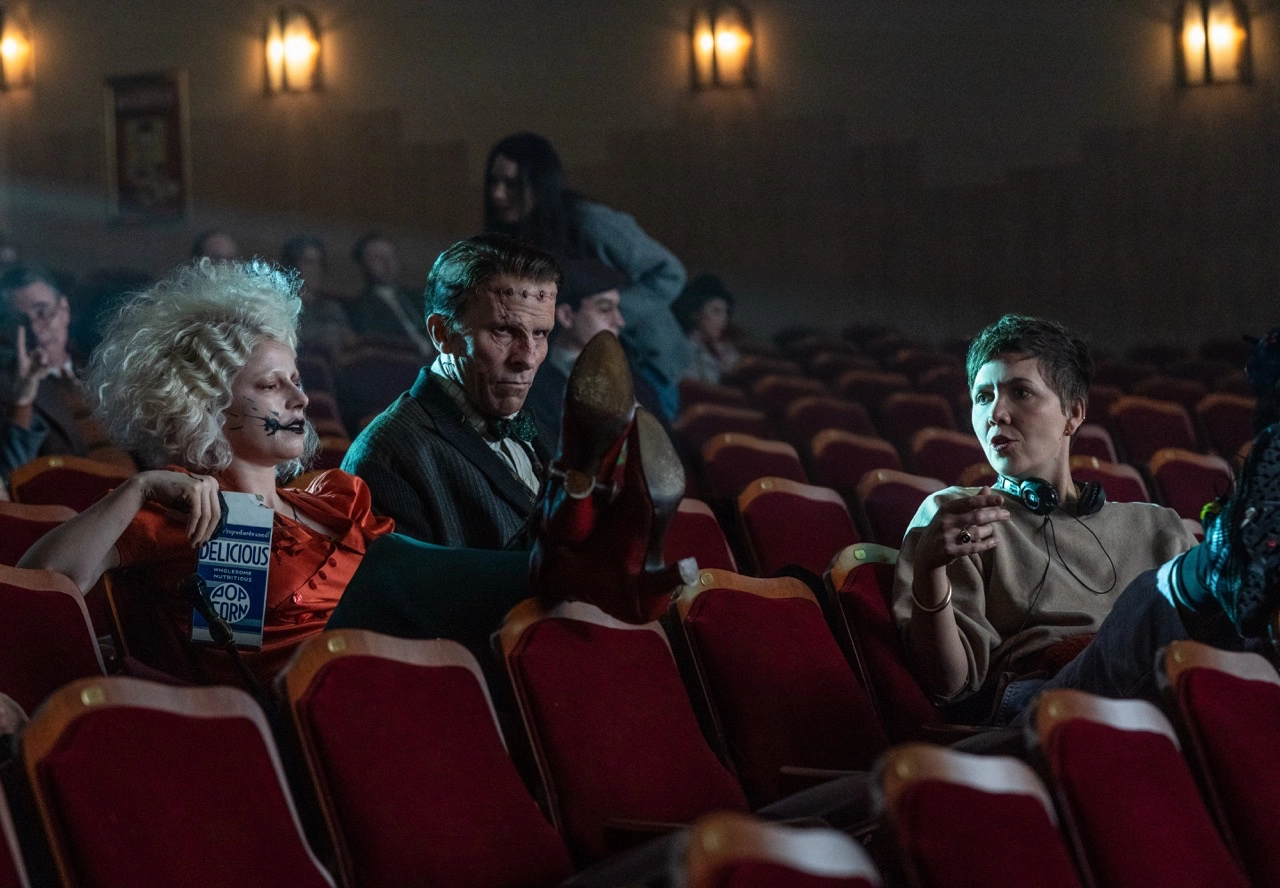
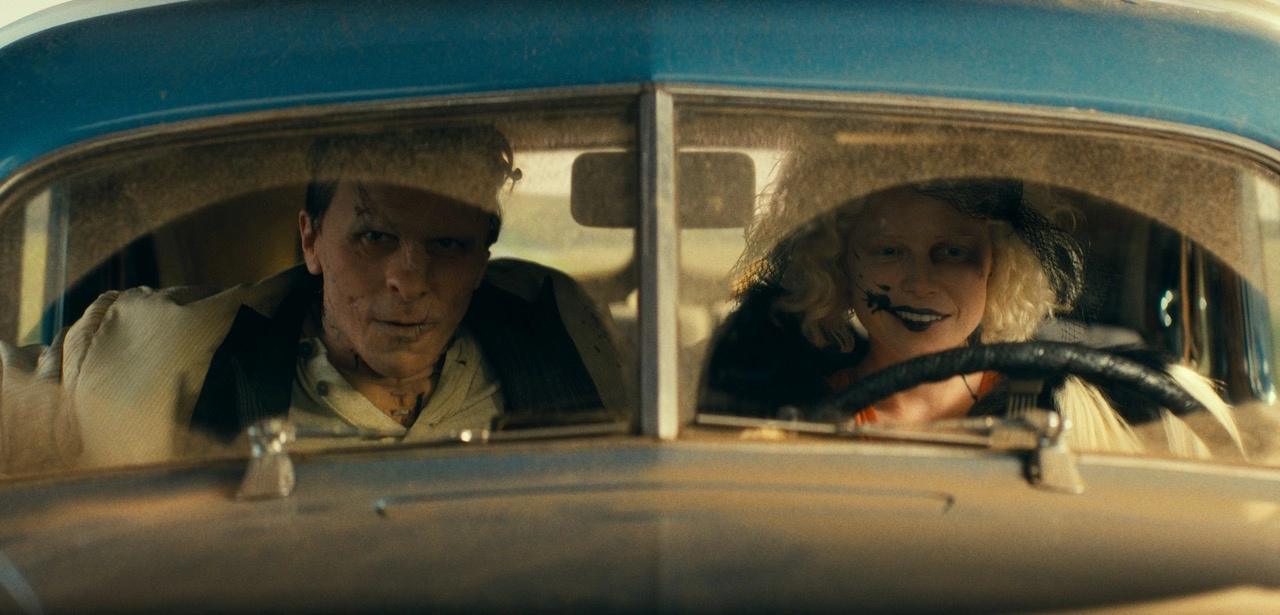
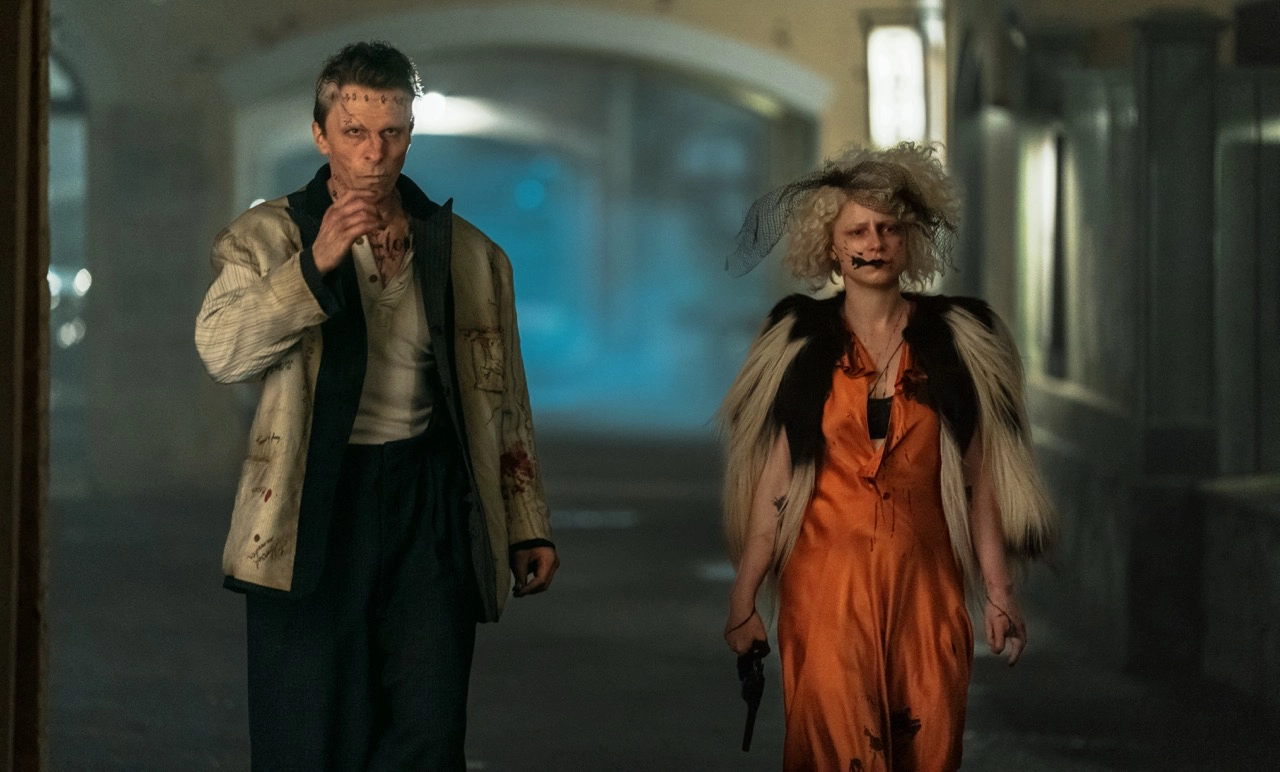
The pair’s relationship offers a respite amid the film’s depictions of violence (a gentle warning to viewers who may find these depictions distressing). They share an easy, convincing chemistry, and, crucially, enough time onscreen for their bond to feel earned rather than rushed. With her memories wiped clean (though not entirely erased), The Bride steps back into the world alongside her companion, seeing it anew through the eyes of a so-called “monster”—which, here, simply means a woman who refuses to behave, who’s tired of being controlled and used.
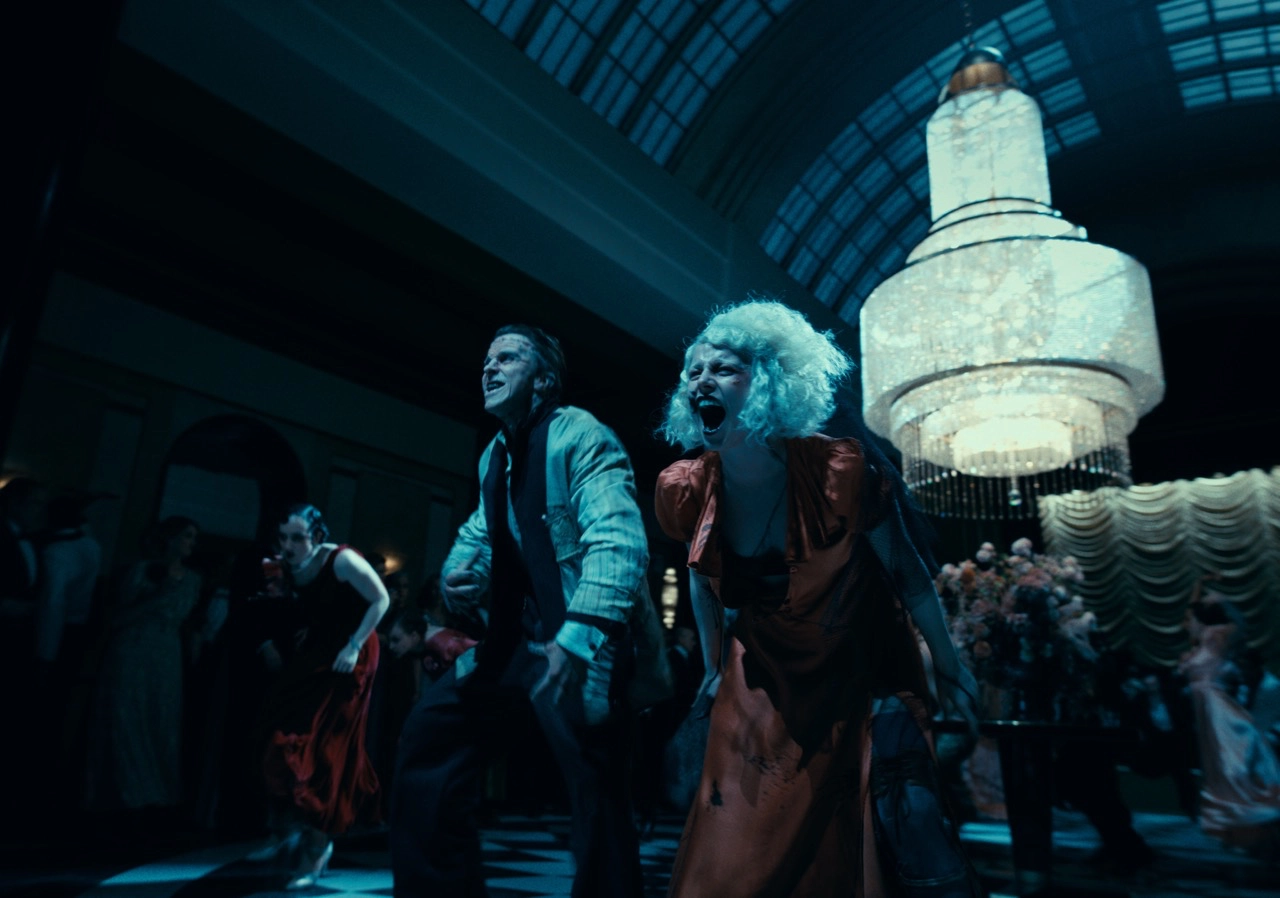
The trailer is mildly misleading: there are guns, and passing nods to Bonnie and Clyde, but this isn’t a crime or heist film. As Mary Shelley declares from the outset, this is, beneath its grime and gunfire, mainly a thinly-veiled love story between two outcasts trying to begin again and find belonging in each other’s company. Or, as we say these days: they match each other’s freak (and the film really does have its fair share of freaky moments). Like the many adaptations that tackle the salient theme of Otherness in Frankenstein, these creatures aren’t born monstrous. If anything, they expose the brutality of those who consider themselves more “human.” Cornered, diminished, denied compassion or respect, they’re pushed toward the margins until survival and liberation seem possible only through violence (which is really just self defense).
A Surprising And Ambitious Retelling
The Bride! pulls off a lot of interesting things through its unusual narrative structure and setting. Like The Creature, this 1930s America is made of different stitched up parts, its production design a patchwork of various influences, laced with anachronisms that tilt the film into something strange and off-kilter. Vaudeville theatrics collide with 2000s alt-rock needle drops and film noir sensibilities, creating a world that never aims to be period accurate. In fact, its reality blends historical facts with fiction. In this world, Shelley wrote a novel titled Frankenstein, yet its Creature is very real, suggesting the book is more biographical than imaginary; or, alternatively, that this reality is just a story told by a ghost.
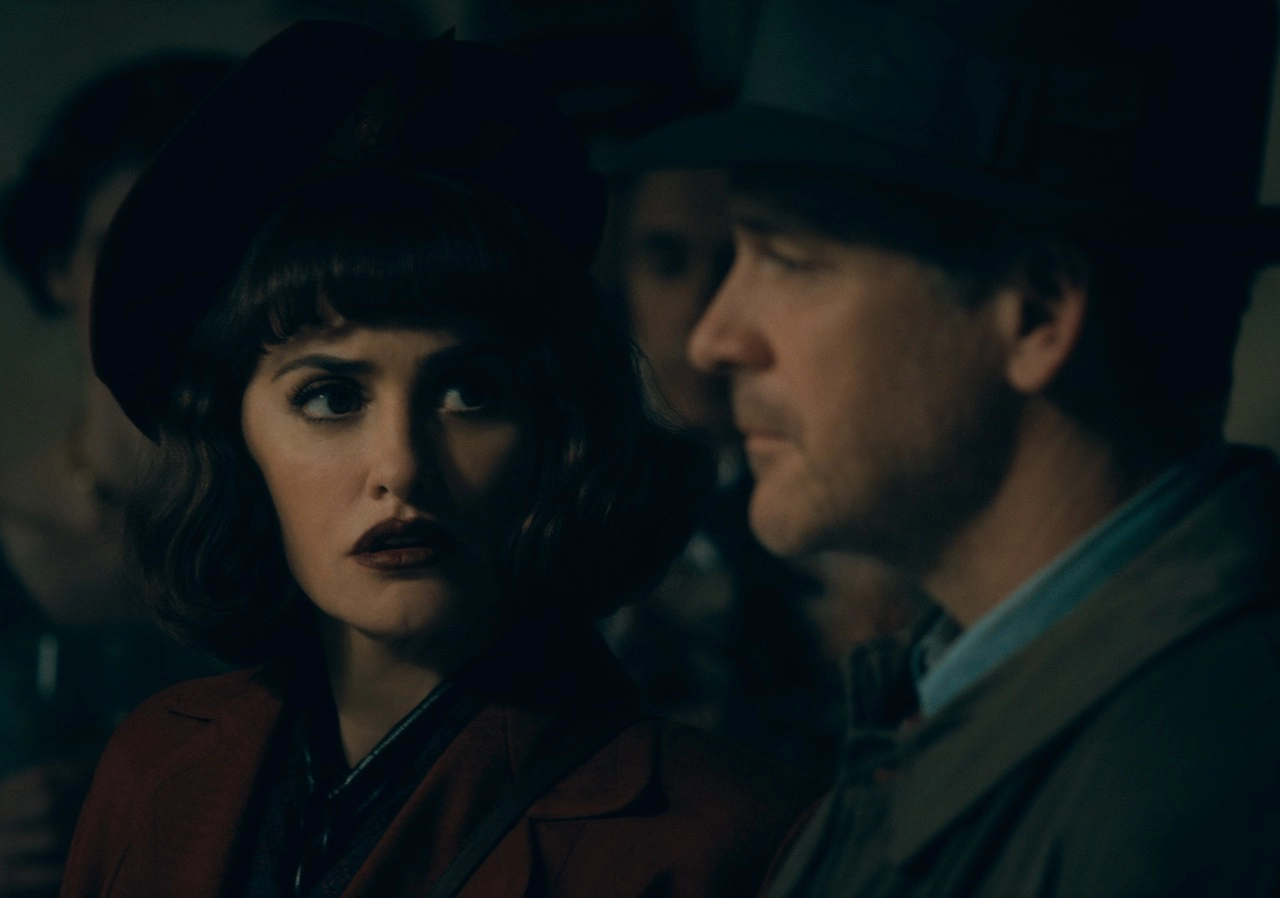
When it comes to nitpicking, there are a few things to say. Certain plot threads remain muddled or unresolved, and some supporting characters feel half-formed, namely detectives Jake Wiles (Peter Sarsgaard) and Myrna Mallow (Penélope Cruz), who appear later in the film to investigate the trail of death left behind by The Creature and The Bride. Meanwhile, the women-empowerment message rings clear, though its points land a touch too squarely or explicitly at times, the nuances it endeavors to express getting lost in the loudness. Still, there’s much to appreciate over the course of the film’s run. It may well prove polarizing, but there’s no denying that it gleefully marches to the beat of its own drum. The mere fact that a figure like Shelley’s Bride has been granted a story of this scale and strangeness feels meaningful in itself—she’s indeed reinvigorated, stepping forward to finally claim her voice.
“The Bride!” is now in cinemas
Photos courtesy of Warner Bros. Pictures (unless specified)