Whether you’re deep in the hobby or just loading your first roll, film adds intention and meaning to memory keeping.
World Photography Day is just around the corner (August 19, to be specific), making it the perfect time to revisit a hobby that’s been quietly resurging: film photography. If you’re already immersed in this analog world, you likely understand the appeal. For the uninitiated, or simply the curious, there’s still plenty to explore.
Right off the bat, know this: film isn’t the easiest or cheapest option. Yet that’s part of the charm. Its popularity isn’t driven by convenience or instant gratification. Instead, it’s rooted in a desire to go off the beaten path. From Instagram feeds filled with grainy, dreamy snapshots to celebrities toting vintage point-and-shoots, film is firmly back in style, but for reasons that go deeper than aesthetics. Now that advanced technology is everywhere, more people are seeking experiences that offer something different—something fueled by intention and meaning.
READ ALSO: Would You Fuji Rock Again..?: 3 Days In A Japanese Music Festival
Why Try Film Photography?
Here are a few reasons why film photography is worth trying if you’ve never dabbled in it.
Purposeful Memory Keeping
Film isn’t cheap, and it doesn’t come in great quantities. An average 35 mm roll usually has 24 or 36 shots, and costs roughly ₱400 to ₱600 (sometimes more). This might feel like a caveat, but it actually encourages you to make every shot count. Feel free to take as many back-up photos as you want with your phone during special occasions, but a shot on film just hits different.
It’s intentional, and it shows how much a moment means to you—you’re choosing to use one of a limited number of shots to capture a specific memory, instantly giving it a more personal narrative. In short, you’ll be a lot more conscious about what you photograph, and how you capture it, than you would with digital formats.
Tactile Creative Control
Shooting film gives you a tactile connection that digital rarely offers. You’re not just tapping a screen—you’re manually adjusting settings, loading rolls, and winding after every shot. With an SLR (Single-Lens Reflex) film camera, you gain even more control over exposure, focus, and the final look of your image.
The type of film you use can also change the way your photos will look, since it determines the ISO (the film stock’s sensitivity to light), color, and size or ratio, adding another layer of possibilities when you’re shooting. So even if you have a simpler point-and-shoot camera with less adjustable controls, the type of film you use still provides an additional element of creative control. Plus, many people enjoy cultivating a more personal, physical connection with their equipment: this includes loading the film, winding it manually (if you’re using an SLR), and toggling switches to adjust certain settings.


The Thrill Of Surprise
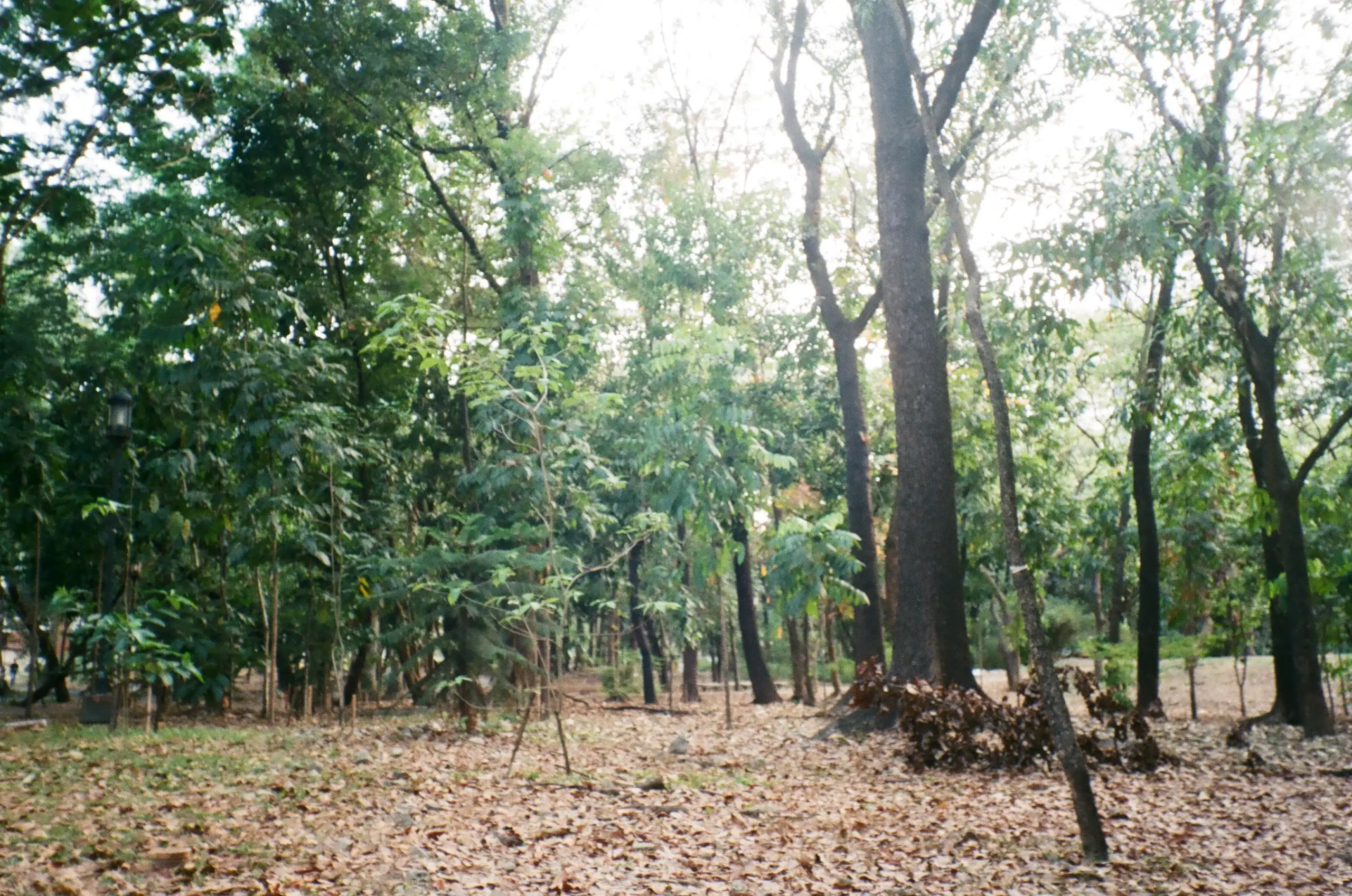
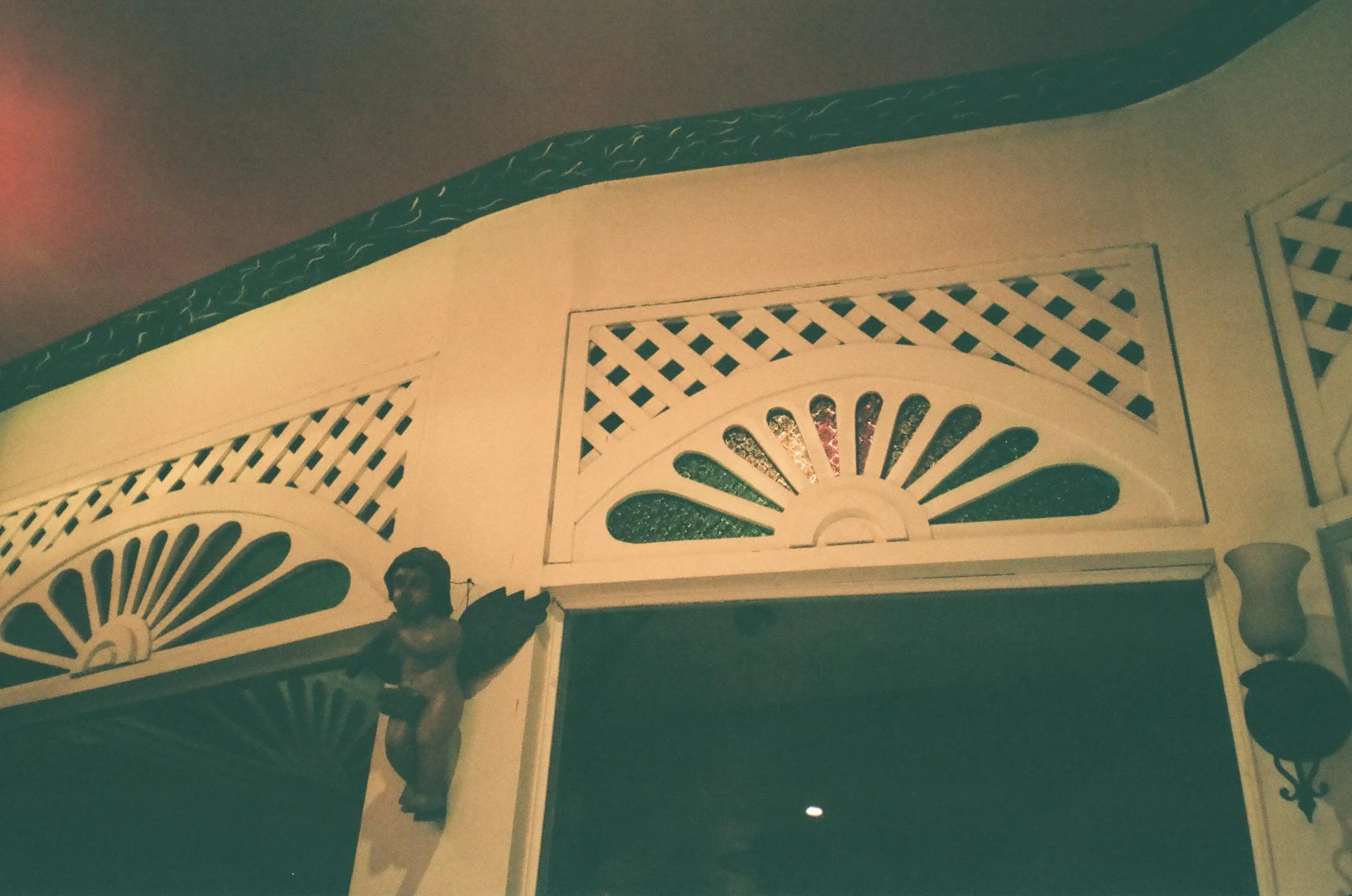
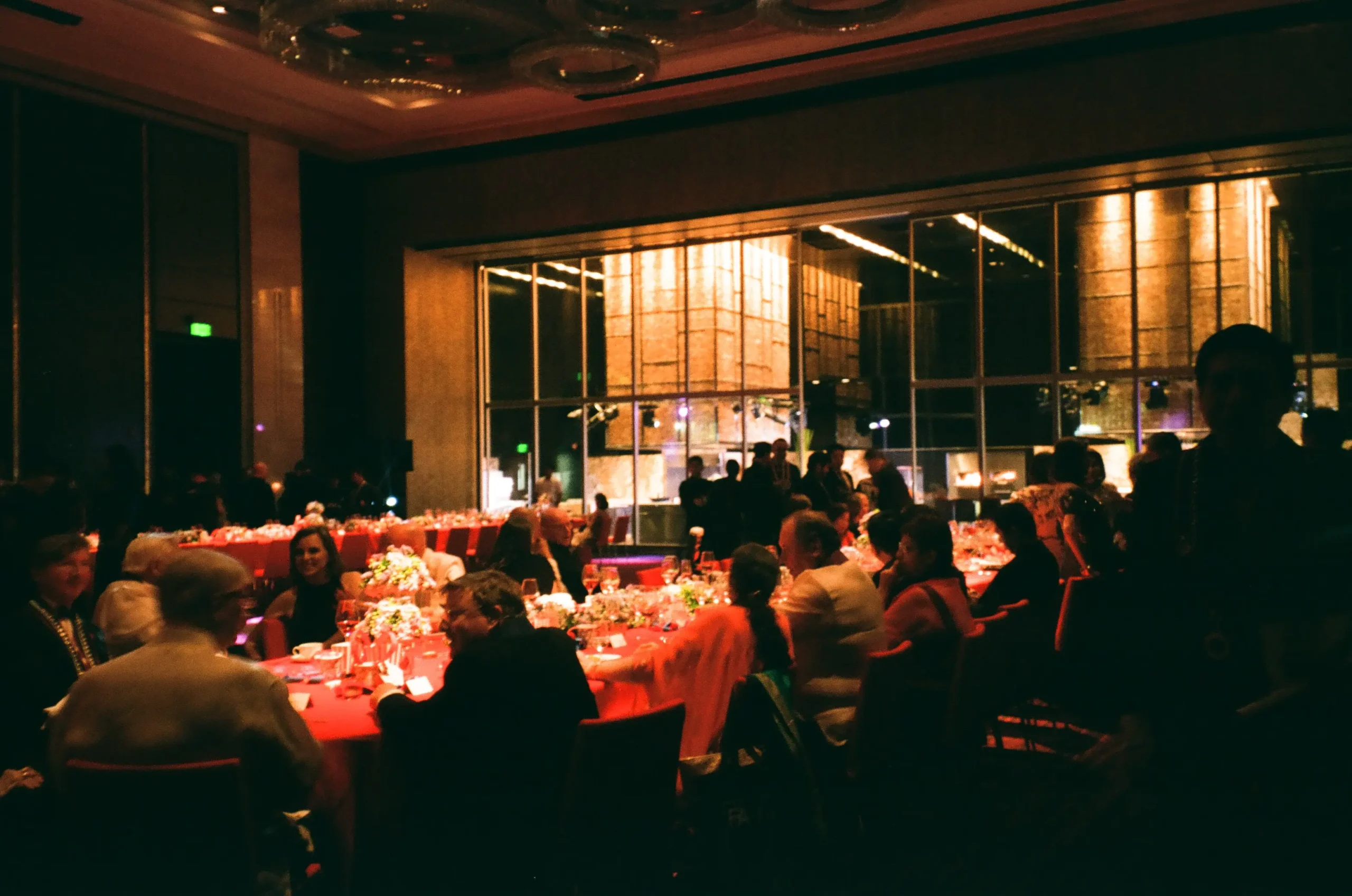
Film is like a box full of chocolates: you never know what you’re gonna get. This is one of the biggest reasons why people still gravitate to it, even with today’s technologies. There’s no editing right after, no instantaneous reveal or preview of what you managed to shoot. You won’t see the photos until you have them processed and scanned, which could take some time.
Back in our parents’ days, this might’ve been a source of frustration because film was the only way to capture every moment. There were no other options or backups—if a negative turned out bad, you lose a memory for good. But now that we actually have the option to shoot digitally and know exactly what to expect, we’re longing for that sense of mystery and surprise again.
Nothing beats the feeling of finishing a roll after a long while, having it developed, then once the scans are in your hands, finally seeing what you managed to capture. It might be bad or it might be great, but the thrill of the reveal is what keeps things fun regardless. You relive moments you remember, but never quite saw in that particular light, creating a time capsule of sorts.
There are risks to shooting with film due to its unpredictability, but they’re worth taking if you want to experience all of these things.
Where To Buy And Process Your Films
So you bought your first film camera or are planning to—whether it’s a point-and-shoot or SLR, you’ll need film. Two brands in Manila have become havens with their wide range of options: Film Folk and Sunny16 Film Lab.
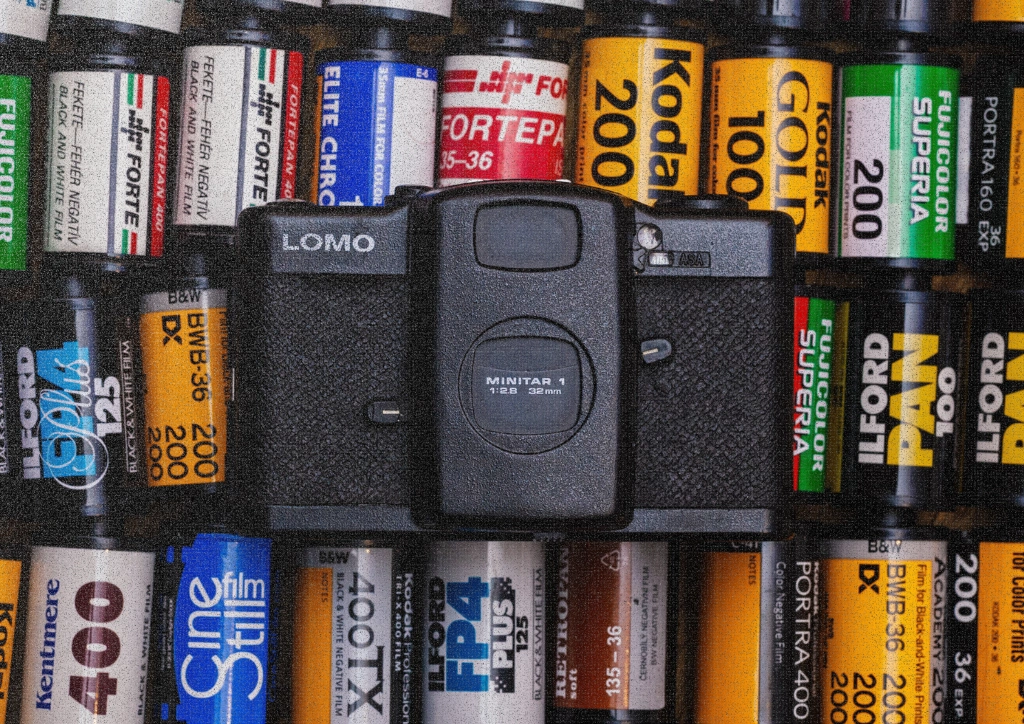
Film Folk is a great place to start with its assortment of film formats from brands like Kentmere, Kodak, Fujifilm, Ilford, and Cinestill. You can purchase them through their website, or pay a visit to Satchmi at SM Megamall, where you’ll find a wide variety of their films lined up on glass shelves.
Sunny16 Analog Cafe also offers online purchasing options for its films, but interested customers can pay a visit to its cafe and bar at Unit 105 Regray Square, 30 Matino, Quezon City.
Okay, so you’ve got your camera and your film, and let’s say in a few months’ time (or less, depending on how quickly you eat through your roll), you’re ready to have everything processed and scanned (digitizing the negatives), and maybe even have them printed (a service most labs offer). While the country doesn’t have a lot of film laboratories, there are enough reliable names in Metro Manila that can get the job done.
Note: Most film labs charge around ₱300 to ₱600 for developing and scanning a 35 mm roll, depending on the film type and resolution of scans—but be sure to check their quotes, as these numbers will largely depend on what you’re having developed.
One 10 Studio & Lab
Location: Room 110 Christ the King School of Muntinlupa , Muntinlupa City
Online or Walk-In: Both
Offerings: Film processing (35 mm or 120; colored, B&W, ECN-2 Cinefilm) and scanning
Find them on: Linktree
Sunny16 Film Lab
Location: Unit 109, 30 Matino Sikatuna Village, Diliman, Quezon City
Online or Walk-In: Both
Offerings: Film processing, scanning, and printing
Perk: Comprehensive services for all kinds of films; walk-in processing is available daily from 9 AM to 7 PM for colored film (cut-off at 3 PM)
Find them on: Instagram, Facebook, and https://www.sunny16lab.com/
Fotofabrik
Location: 25 Scout Tuazon Street, Diliman, Quezon City
Online or Walk-In: Online
Offerings: Film processing (colored, B&W, ECN-2 Cinefilm), scanning, and printing
Find them on: Facebook and Instagram (orders done through online form)
Wonder Photo Shop
Location: Lower Ground Level, Building A, SM Megamall (near Timezone), Pasig City
Online or Walk-In: Walk-In
Offerings: Film processing and scanning for colored and B&W
Perk: Only takes two to three hours, just make sure to bring your own flash drive for the scans
Find them on: Facebook and Instagram
So whether you’re itching to try film or just want to shoot more intentionally, now’s the perfect time to load a roll and see what you capture.