AI makes creativity feel “effortless,” and that’s the problem. More and more premium brands are seeing it too; now, they’re setting themselves apart through human-made works that signal taste, quality, and cultural relevance.
If you look at nearly every trend or movement that has defined luxury since the concept first emerged, you’ll find the scarcity principle at its core. Popularized by American psychologist Robert B. Cialdini, the principle holds that something becomes more valuable as it becomes rarer. Rarity, after all, breeds demand, which in turn confers a sense of exclusivity: something special, something not everyone can find or attain. To be a luxury is to be the figurative needle in a haystack. While the ease and convenience of modernity may appear to epitomize comfort, it’s really just pushing us in the opposite direction. As instantaneous automation becomes ubiquitous, human-made effort, once taken for granted, is emerging as the coveted, contemporary marker of quality and taste.
And yes, today’s leading names in luxury or premium products are taking notice and seizing this as an opportunity to make a statement through their marketing.
READ ALSO: Savor The Word, Swallow The World
Nothing New, But Something Refreshing
Brands blurring the lines between art and marketing is no new phenomenon. But today, generative AI has seeped into almost every corner of our landscape, accessible enough that anyone can churn out “content” in vast numbers with, at best, mediocre and soulless results (see the recent Coca-Cola Christmas advertisement as a shining example). At worst? Well, we call it “slop” for a reason.
People, being people, naturally tire of it all. And so the cultural pendulum swings to the next extreme, toward the things we’re seeing less and less of: distinctly human works, things evidently born from effort, craftsmanship, and careful thought.
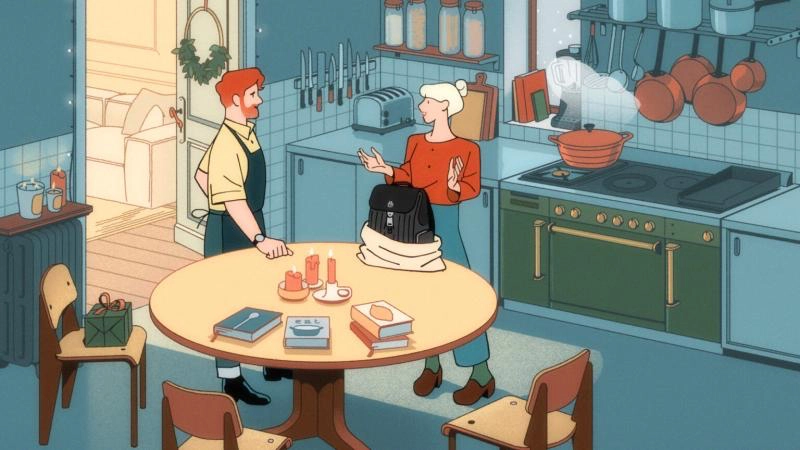
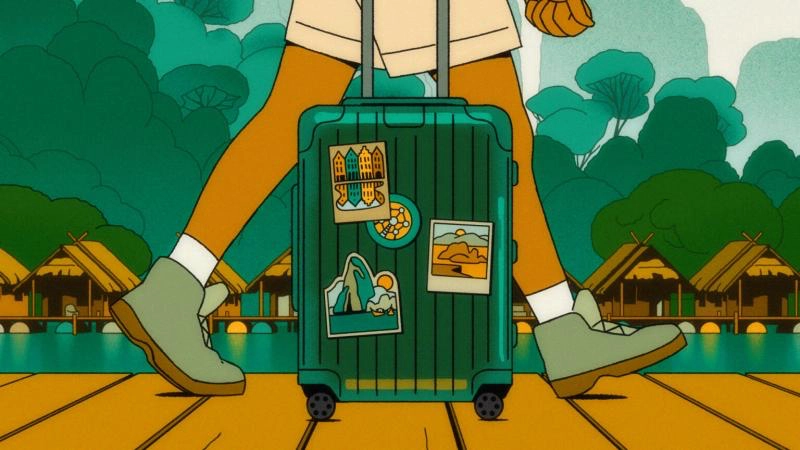
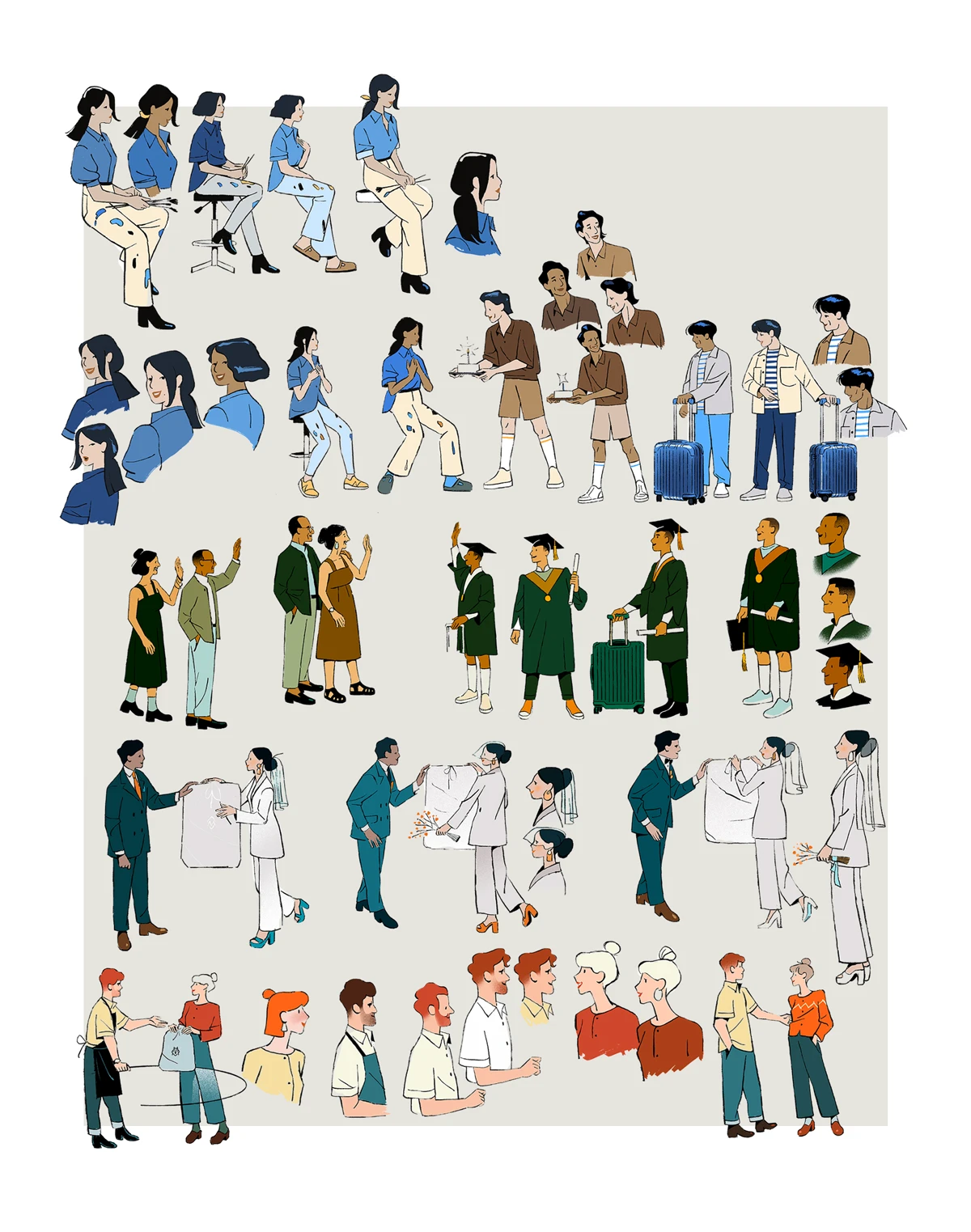
Rimowa might’ve been among the first to get the ball rolling, though we hadn’t quite realized how significant this move was. I recall the first time I saw the luggage brand’s holiday advertisement about two years ago. Crafted by Parallel Studio with illustrator Vincent Mahé, it was a charming 2D animated piece that brought a warm, handmade intimacy to their products, infused with a whimsy that transcended mere showcase. Instead, smooth lines, eye-catching colors, and well-designed characters translated what the maison’s various bags meant to different people across an assortment of travel scenarios. It’s marketing built on simple yet deeply thoughtful observations about connection and the everyday.

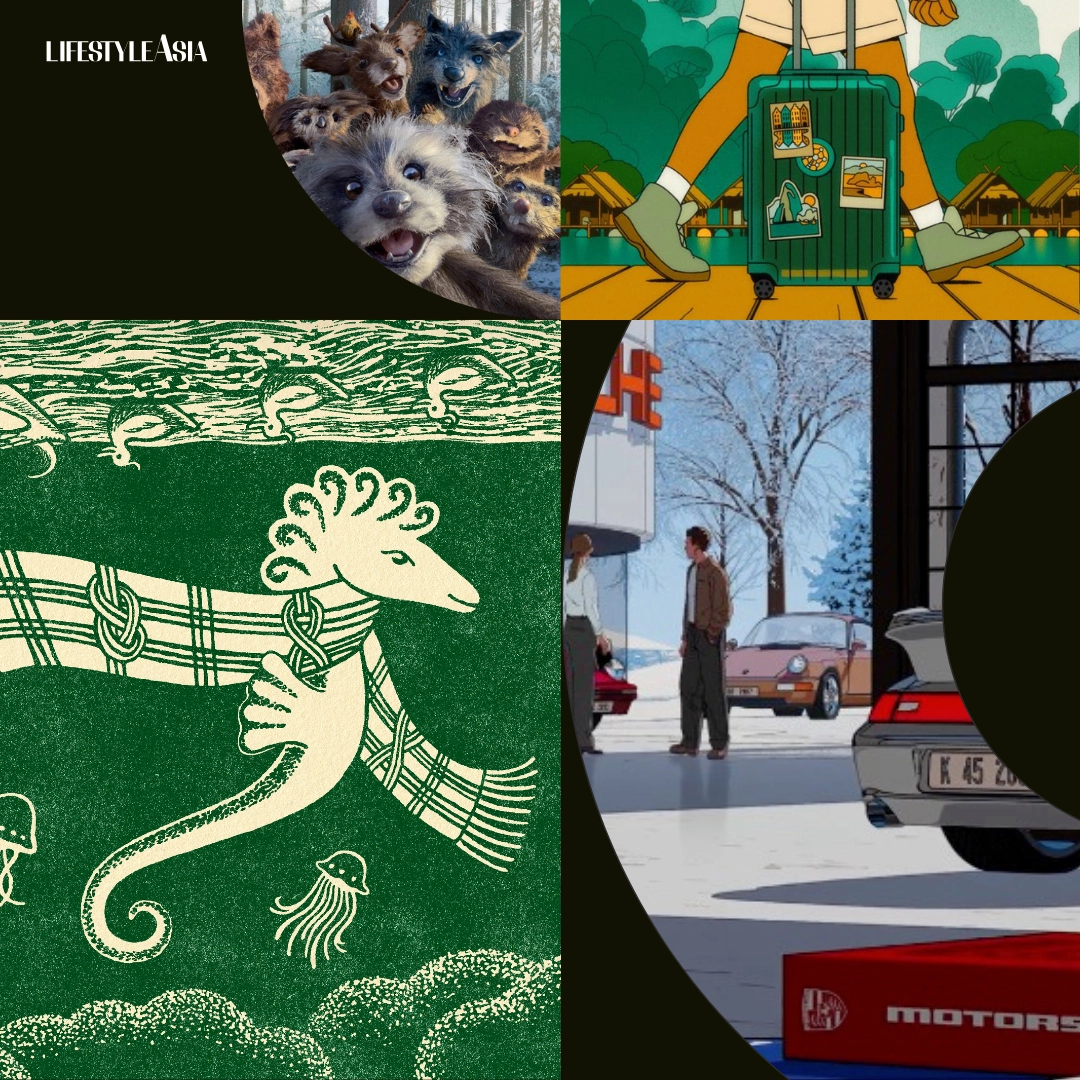
In July 2025, Ralph Lauren surprised everyone with its series of charming, needle-felt stop motion advertisements for Wimbledon by artist Andrea Love—compelling visual nods to both its historic motifs and tennis in pop culture.
Towards the end of 2025, more big brands began joining the bandwagon of releasing meticulously made, big-budget advertisements that embraced “traditional” artistic expressions, with creative teams proudly showcasing their processes. Messy, unfinished, bare bones, behind-the-scenes snapshots and reels are no longer hidden and relegated to archives, becoming previous artifacts in themselves: proof that these works were made, not generated.
Apple came out with “A Critter Carol,” a happy little festive advertisement featuring an ensemble of adorable, Jim Henson-esque forest animals singing and happily using its latest iPhone 17 to capture the moments that matter. “In this handcrafted film,” the company opens in the video’s YouTube description, going the extra mile by posting a “ The Making of The Apple Holiday Film” feature to highlight the work that went into the piece.
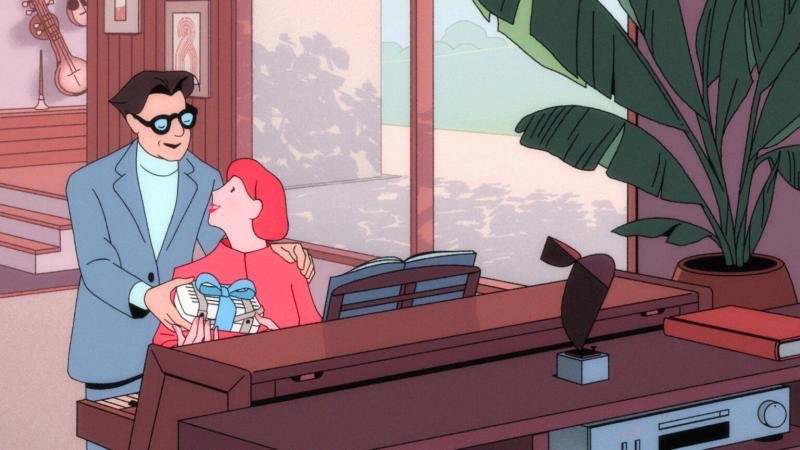
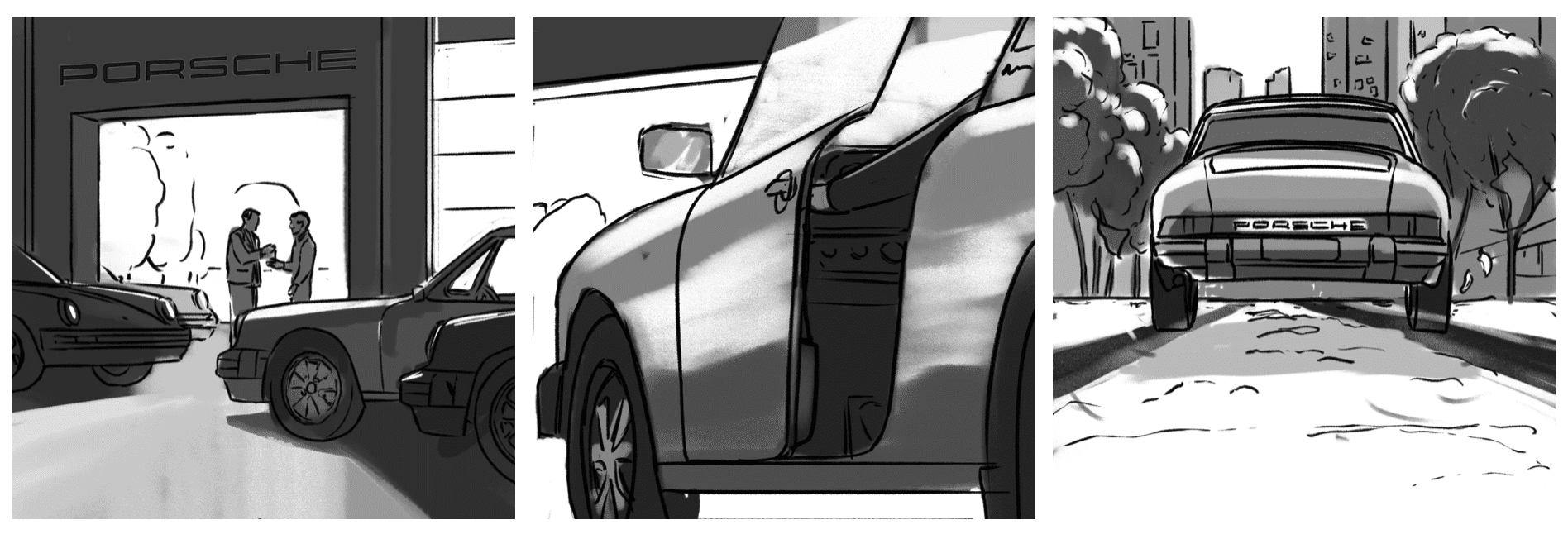
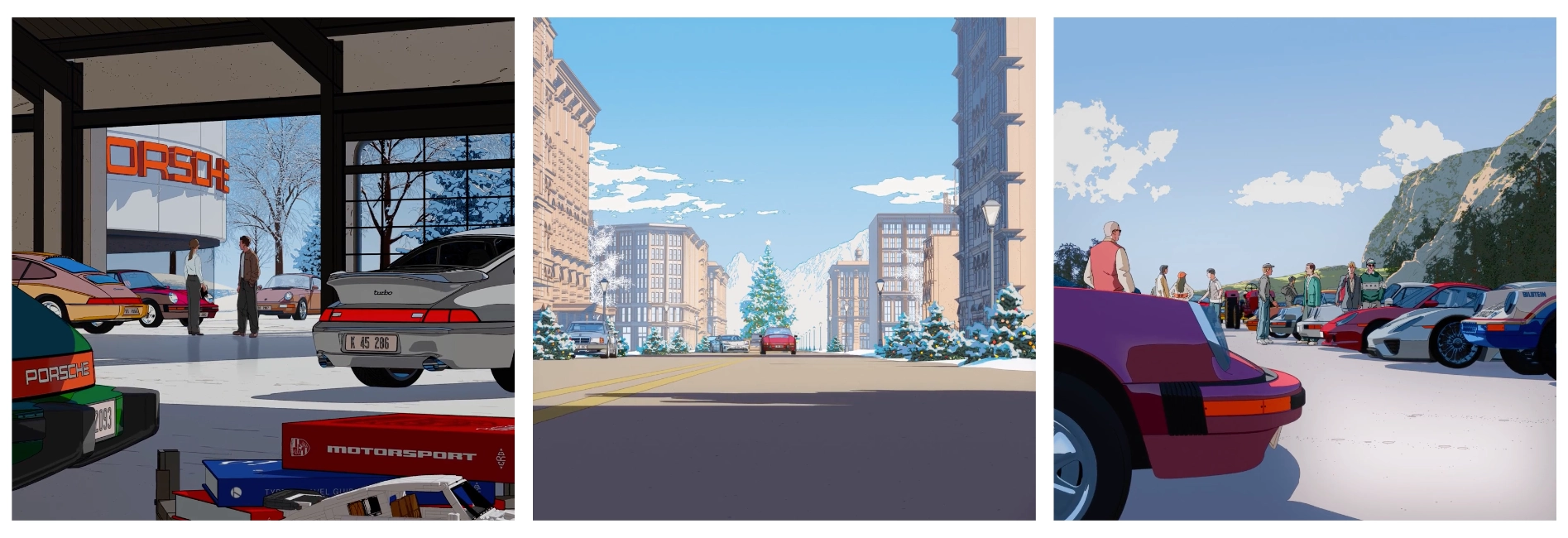
Porsche followed suit, releasing “The Coded Love Letter”: a 2D short (also by Parallel Studio) that not only references the brand’s heritage and journey thus far, but also highlights the deeply personal aspects of using their products through subtle yet stunning storytelling, much like what Rimowa did. And yes, the studio also posted a carousel that championed the work poured into every frame, from storyboarding to 3D rendering.
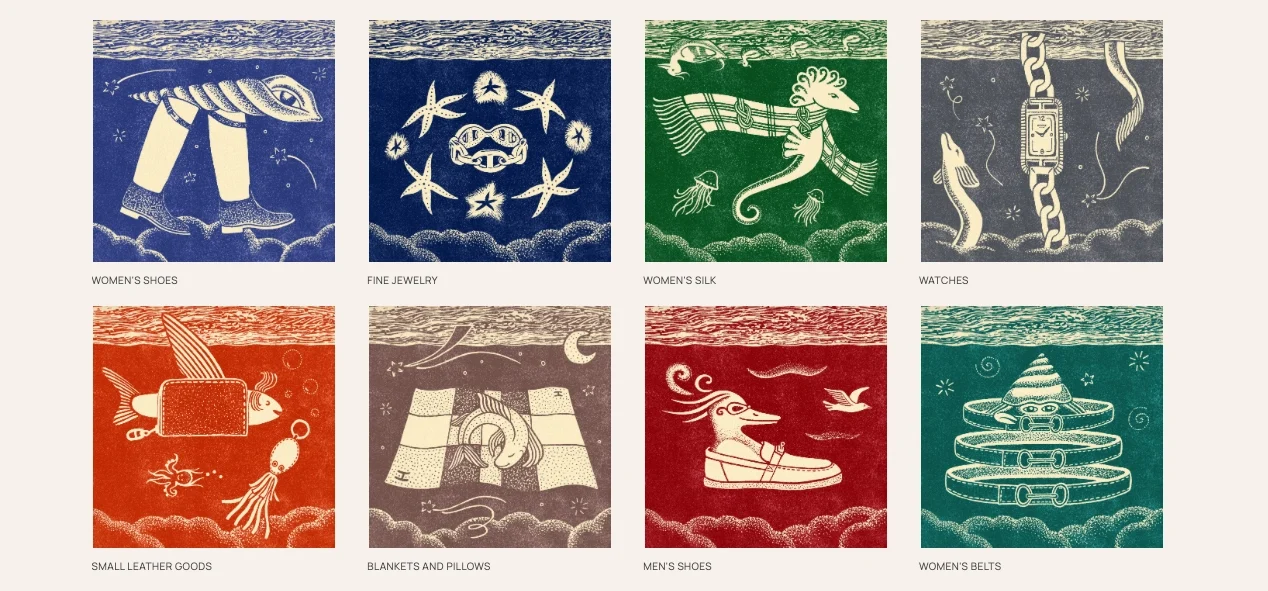
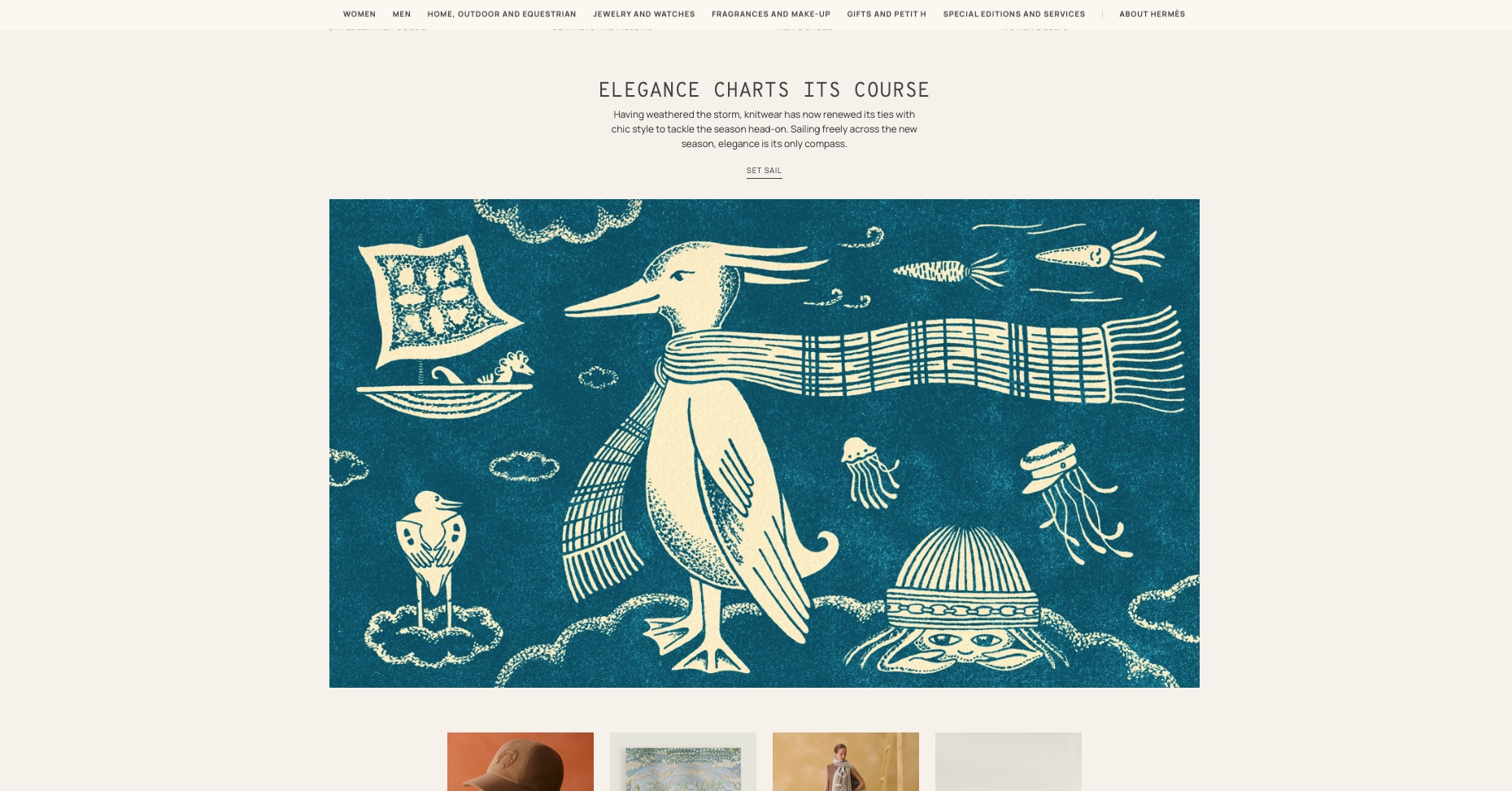
Entering 2026, Hèrmes USA gave its website a delightful revamp through gorgeous, iconographic illustrations by Paris-based artist Linda Merad and animations by motion designer Kit Klein. The brand didn’t stop there: in a recent private dinner, it projected the 2D animated film it specially commissioned Dune Studios to make, winged horses flying across a starry sky on the wall, overlapping artworks by muralist and painter Chafa Ghaddar.
Returning To Your Roots
There’s no denying that luxury and craftsmanship have always gone hand in hand. It’s a relationship that sits at the core of most, if not all, of the brands discussed above. As automated content grows increasingly homogenized, it’s only natural that prestige names would look inward, returning to the values that define them.
More of these brands will likely continue the momentum, “rebelling” against the monotony of AI-driven output through marketing that favors intention over efficiency. In doing so, they respond to a growing audience appetite for work that persuades through originality, emotional resonance, and all the small yet precious details that make up the very best aspects of the human experience.