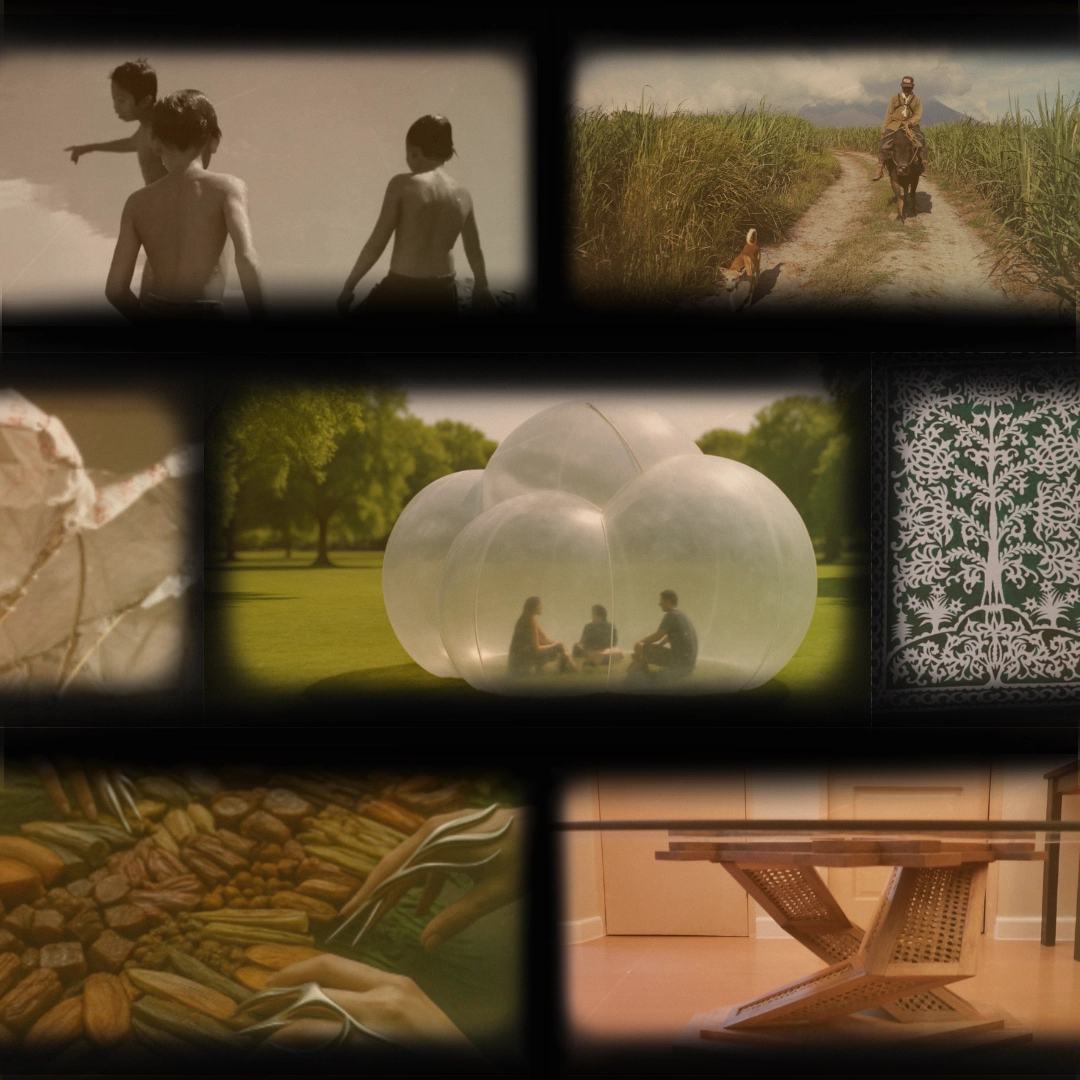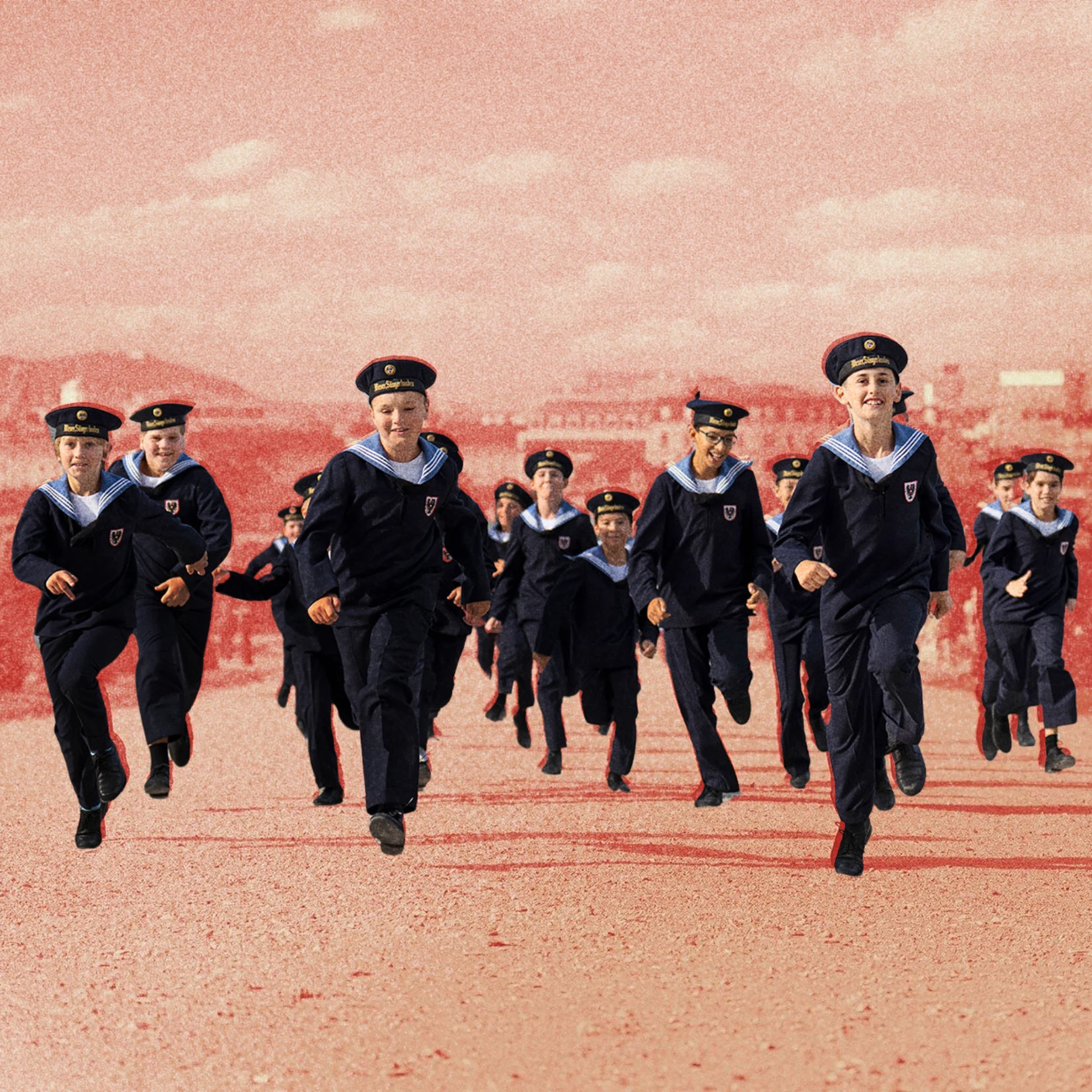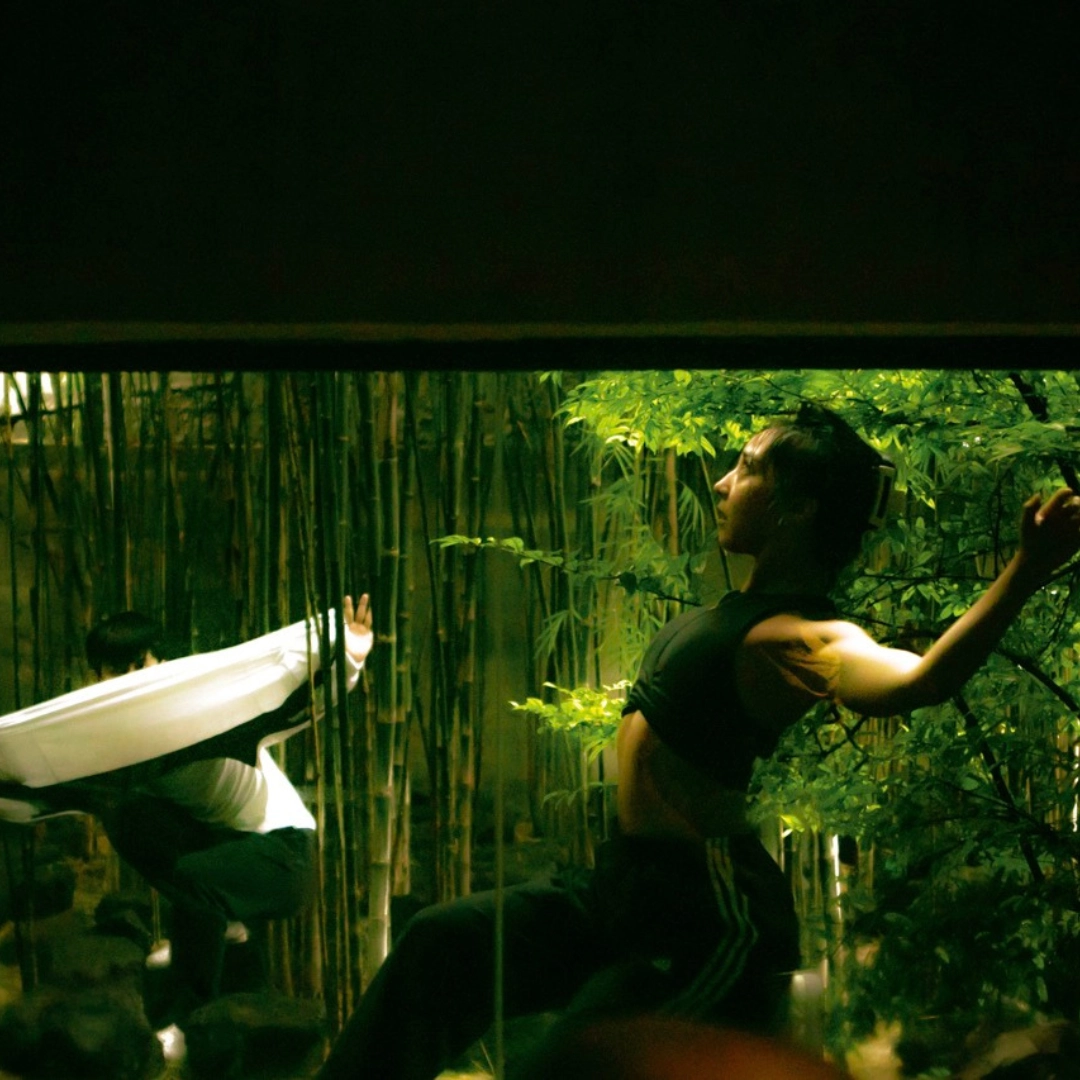
As the unconventional dance platform FIFTH WALL enters its sixth year, founder Madge Reyes reflects on democratizing movement and breaking creative ground.
A few years ago, during the third edition of FIFTH WALL, an audience, including this author, gathered at Sine Pop theater to watch Happy Days Are Here Again (1974), a compilation film of production numbers from musicals of the Philippines’ golden age studios: Sampaguita Pictures, Premier Productions, and LVN Pictures. The film opened with “There’s No Business Like Show Business” as classic stars like Gloria Romero, Nida Blanca, and Eddie Gutierrez were hurled through the screen in black and white, transporting us to a nostalgic version of the ‘50s to ‘70s.
That was the first hybrid edition of FIFTH WALL, which was initially founded in 2020 as a pandemic-born virtual dance film festival. Since then, it has grown into a year-round cultural force determined to pull dance down from its pedestal and get audiences to recognize the joy of movement in everyday life. As FIFTH WALL enters its sixth year, moving past the “fifth” in its very name, it is set to break more barriers.
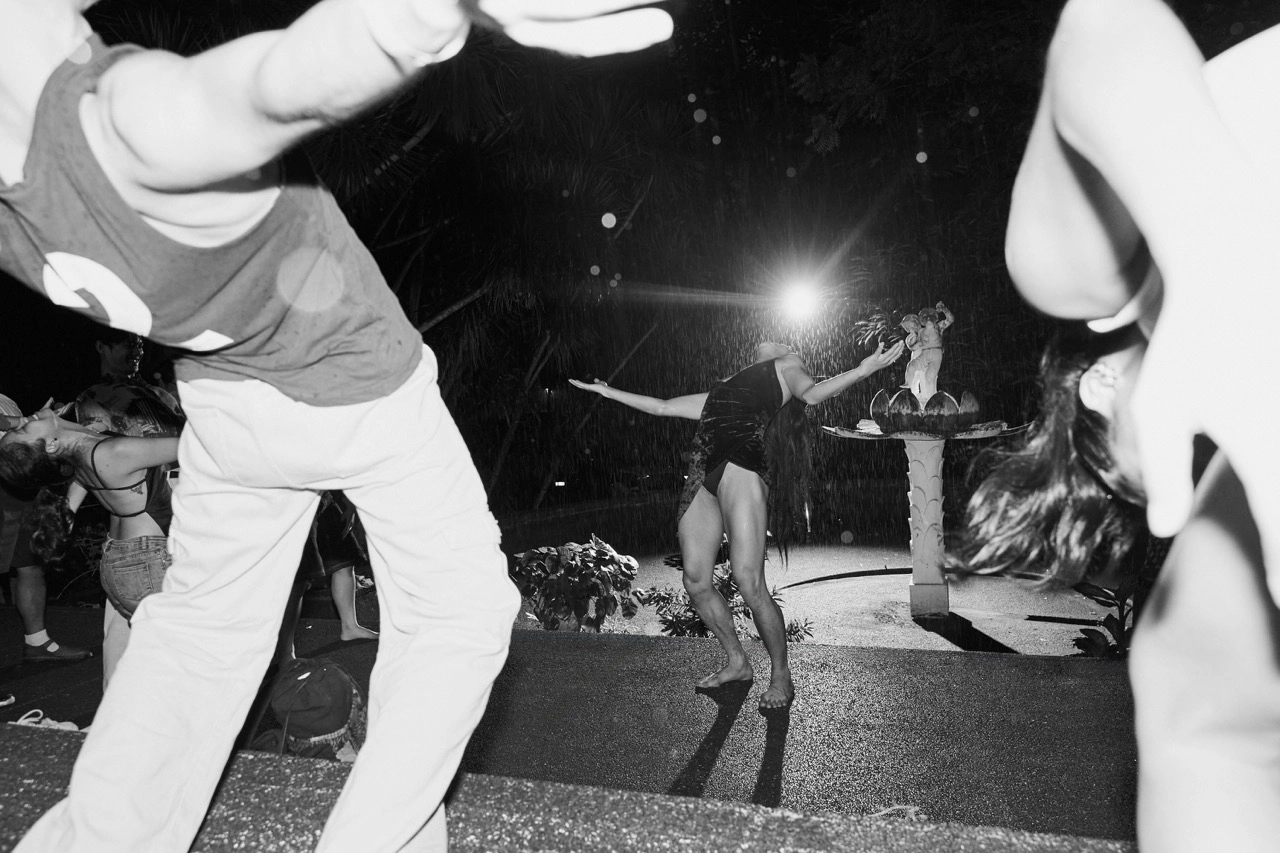
Lifestyle Asia talked to FIFTH WALL founder Madge Reyes about evolution, accessibility, and what happens when you outgrow your own revolutionary concept.
“With FIFTH WALL, each edition has been different from the other, and that’s kind of how it’s just going to go,” Madge explains. “It changes talaga, and that’s how we like it.”
READ ALSO: Areté And Mari Dance Present “A Dance In A Day In A Dance”
Dreams In Motion
“I’ve always wanted to mention this in an interview,” Madge shares. The story she’s been wanting to tell starts with “Little Madge,” first as a dance student at Halili Cruz School of Dance, then a scholar of STEPS Dance Studio, and then the Cultural Center of the Philippines (CCP) Dance School. She would commute from northern Quezon City to classes at the dance studios in Makati and then the CCP Complex. “During that time I’m in transit, I would put on my headphones, my iPod, listen to music, and choreograph a sequence. Not just a dance. It would be a music video in my head.”
“I think that became my practice, even before going into the studio to actually, physically dance,” she reflects. While today, when sitting in a car means “answering emails or whatnot” on our phones, back then, Madge remembers: “I had all this time to daydream.”
The same year she entered the University of the Philippines (UP) Diliman as a fine arts major, Madge also became a company member of Ballet Philippines (BP). While juggling student and professional life, soon becoming a soloist with BP, she found herself drawn to everything happening around performance, beyond just the performance itself. It was around the time the digital channel NOWNESS was founded, and Madge discovered experimental dance and fashion films that opened her eyes to possibilities beyond the stage.
Then came the pivot that would reshape everything: an injury during a performance. “That kind of really put a pause on my career, which afforded me time to finish my undergrad,” she shares, looking at the positive side to it after all these years. “It happened to be my last year in school, my thesis year, and my thesis was a dance film.”
After graduation, she took a break from dancing, diving into installations and experimental short films. In 2018, she received a grant from the Asian Cultural Council for a New York fellowship focusing on dance film practices. There, Madge studied not just the technical aspects but also “how work was presented” in a city where “anything basically goes.”
After half a year in New York, she returned to Manila, where she found herself grounded by lockdowns in the middle of a pandemic, a great contrast from the freedom of exploration she had been experiencing on the other side of the world.
“I was having a major reaction to the whole pandemic,” Madge shares, “and the situation of performing arts at the time.”
And then, FIFTH WALL was born.
The Virtual Beginnings Of FIFTH WALL
The first two editions of FIFTH WALL started out as a dance film festival. “That was our introduction to the world.” The programming involved film screenings, talks, and workshops, all conducted online. “We even threw a party with UNKNWN, on Zoom,” Madge recalls with a laugh. There was a mix of curated international films, as well as a competition component.
While FIFTH WALL is known as the Philippines’ first-ever dance film festival, it is a practice that has existed for decades in different parts of the world. In fact, with the virtual format, the initial audience of FIFTH WALL was mostly international, as Madge and her team slowly built local appreciation for the medium of dance film.
“I really don’t know why people said yes to me,” Madge admits about those early submissions and collaborations, including the short dance films Elementos, co-produced with STEPS and Tarzeer Pictures, and Serpentine, in collaboration with Sassa Jimenez. “I think we were all in this collective bubble. Everyone was willing to take a chance. It was a good time to launch something as bold as this.”
The digital foundation was set. As the world emerged out of the pandemic, a new test arose: bringing movement back into a physical space, while still breaking ground.
From Screen To Wherever…
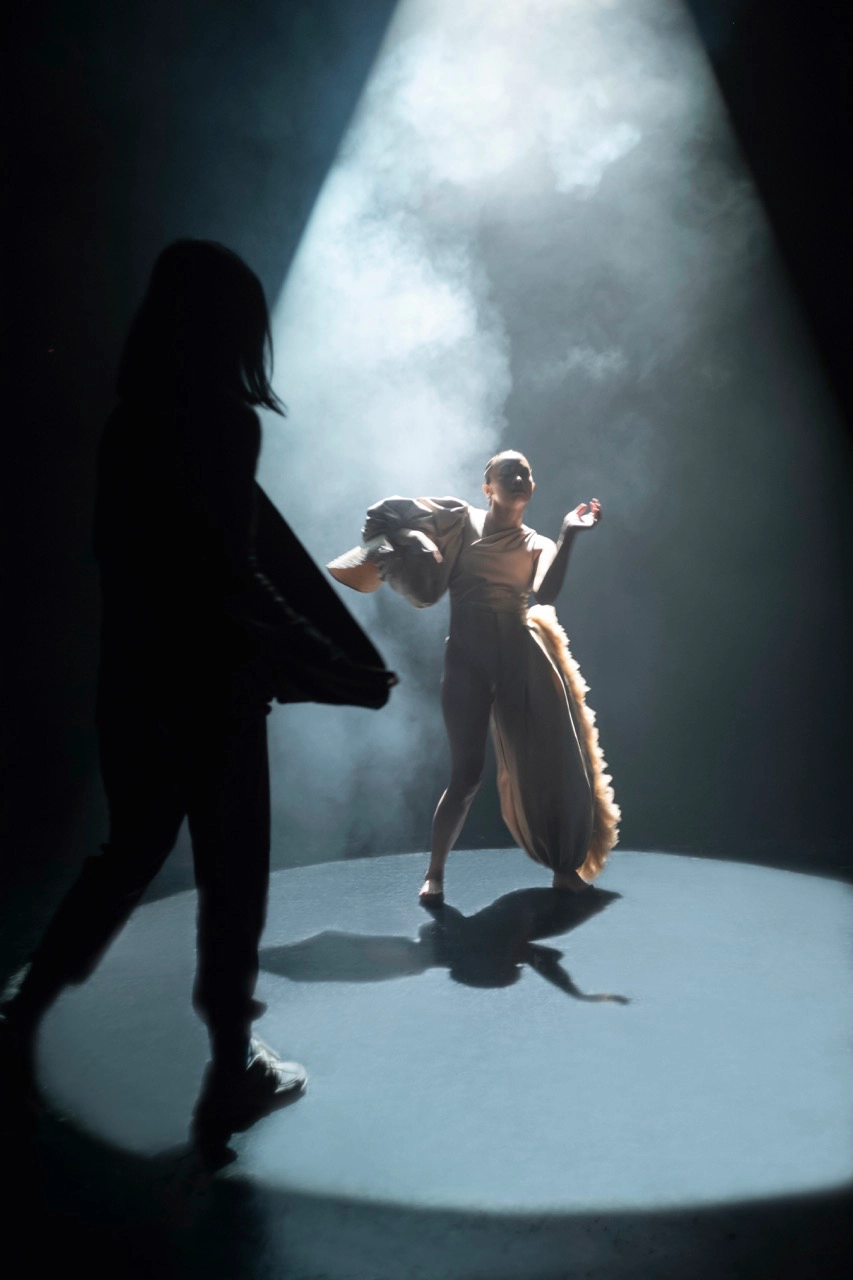
For their first hybrid year, FIFTH WALL held its opening at the Samsung Performing Arts Theater with a screening of Happy Days Are Here Again (1974) and a live performance featuring STEPS Dance Project and the AMP Big Band. The festival was scattered across multiple venues, each serving a different purpose in the larger choreography. At Tarzeer Pictures and the Samsung Performing Arts Theater, there were photography exhibits that explored movement.
At the boutique movie house Sine Pop in Quezon City, a movie poster exhibit was mounted in collaboration with the gallery Archivo 1984, while legendary film curator Teddy Co conducted educational tours. Screenings were also held at the UP Fine Arts Gallery, alongside installations that played with textures and productions.
In their fourth edition, FIFTH WALL continued to work with international cultural institutions. They opened with a 3D screening of Pina, the Wim Wenders documentary about German dancer and choreographer Pina Bausch. The following edition saw FIFTH WALL taking over the historic home of Doña Sisang, the matriarch of LVN Pictures. They also expanded their offerings by bringing in the innovative British creative studio Alexander Whitley Dance Company, and performance artists from Berlin and Marseille.
These hybrid years proved that FIFTH WALL could inhabit space while maintaining its core mission. The next question became: what if the festival grew beyond its initial concept, its initial timeframe, altogether?
Movement Without Limits
The transformation from annual festival to year-round cultural force began with what Madge calls simply “a crazy idea” at the annual Art Fair Philippines in 2023. They were invited by the event organizers to participate in their incubator series for non-galleries.
This was back when Art Fair Philippines was still held at The Link Carpark. “We did a whole performance across all levels of the car park. It was a feat, and not just with dancers,” Madge shares. The performance involved “friends of FIFTH WALL, meaning creatives, from varying disciplines,” expanding the definition of who could be a performer. The performances were livestreamed to capture the action, while there was “this organic procession of Art Fair goers who were following the performance. It was so chaotic but really fun.”
“I think that was the big intro of FIFTH WALL as a production arm,” Madge explains, though she adds a caveat with characteristic resistance to categorization. “We don’t even say that, really. We say that with hesitation because we don’t subscribe to labels in that sense. It just so happened that we finally produced something of that scale outside of the festival.”
Since then, FIFTH WALL has been seen at brand launches and activations, as well as cultural activities, including an opening performance at the gala night of the International Dance Day Fest last April. The expansion proved that their core philosophy was working, reshaping how communities think about movement and audience engagement.
“Which brings me to the point that a lot of what we do is blur the line, blur the boundaries, especially between performer and spectator,” Madge continues. “It jumps off of the concept of the ‘fifth wall,’ which is the imaginary barrier between what the audience sees in the venue and the space, and once they step out of that space. When they’re coming out and go back into their daily routine.”
With each iteration of the festival, and the year-round programming, they experiment with new ways to present movement, new ways to engage audiences, and new ways to challenge the traditional boundaries. The festival had become something larger than itself: a movement in an even larger sense.
Dance Like Nobody’s Watching
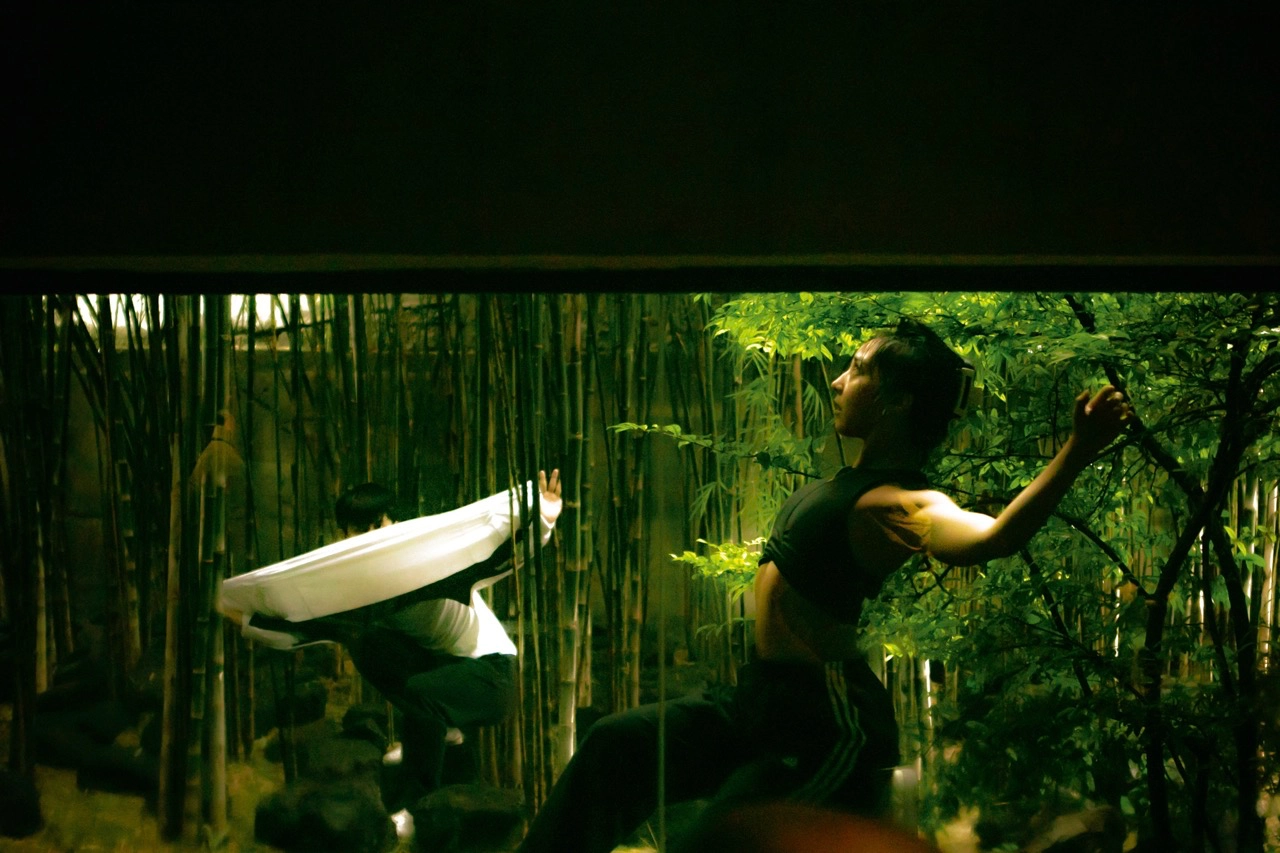
“We want people to notice movement in the mundane,” Madge articulates the philosophy that drives every FIFTH WALL initiative. “Beyond that, we want to not have dance put on a pedestal.” This democratization mission stems from a frustration that many in the arts recognize but is still inadequately addressed: the insularity of traditional performance audiences.
“It was a bit frustrating growing up and noticing the same people coming to the shows. It’s the same crowd. Why?” Madge asks, voicing a concern that extends beyond dance to the performing arts in general. “True enough, learning to dance could be expensive. Until now, not a lot of people can really afford to go to the theaters and watch a show. The next solution, in our opinion, is that you bring it to them in alternative spaces. It’s not the same experience, but it’s a start.”
Madge’s personal relationship with dance informs this accessibility mission, of why she puts her heart and soul, her blood, sweat, and tears, into this movement without relying on any annual template. “I love dance for many reasons, including the fact that I can travel through dancing. Not just physically, but also into other dimensions, roles, mindsets, and nuances. It’s so enriching.”
This transformative power of movement is what she wants to share beyond the traditional dance community. “I often would say, back in college, I don’t need a vice to let loose. I have dance. That’s it. It really takes you somewhere else. And it’s a very personal thing. What I experience, or where I go through dance, could be different for you, for them.”
FIFTH WALL’s various iterations, from virtual screenings to car park performances to house takeovers, all serve this larger democratization project. Each format experiment is an attempt to answer the same question: how do you make dance and movement as accessible as walking down the street? The festival’s refusal to settle into a fixed format mirrors movement itself, constantly evolving and resisting containment.
“My personal meter of success,” Madge shares, “is when I come to a FIFTH WALL event and I don’t recognize anyone.” To her, it’s about constantly expanding who considers themselves part of dance, and even the broader creative community, proving that movement belongs to everyone.
Architecture Of Form
This year, they break past the five in their name.
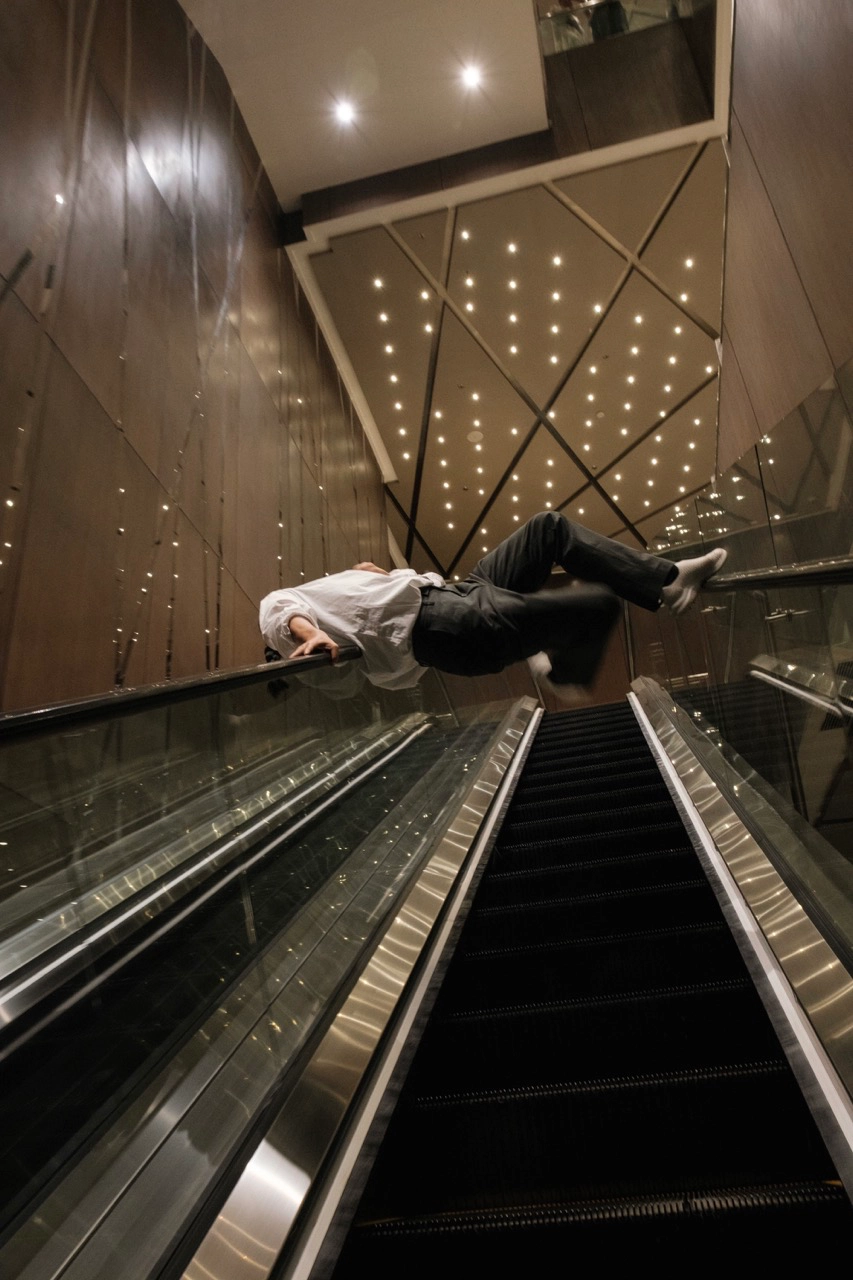
“Our theme for this edition is the ‘architecture of form.’ Not necessarily architecture like buildings or spaces. It has a lot to do with the self and the body,” Madge explains about this year’s concept. The theme represents another layer of evolution, moving from questioning physical boundaries to examining the fundamental structures that shape movement itself. At least, that’s what we can gather from the little hints Madge shares, without revealing too much.
“We jump off from principles of architecture and principles of dance,” she continues. “The city will be the backdrop this year.”
From purely digital to hybrid activations that took over specific venues, they’re now treating the entire urban landscape as potential performance space. It’s a logical extension of six years spent proving that dance can happen anywhere. Now they’re making everywhere a potential stage, and even inviting people in different fields to explore shared principles between architecture and dance.
“We’re still finalizing small and big things,” Madge teases about the specific programming, maintaining the sense of discovery that has defined each edition.
True movement resists stagnation, demands constant reinvention, and refuses the comfort of a familiar pattern. Just as Madge’s own practice began with mental choreography during transit, imagination sparked by the necessity of moving from one place to the next, FIFTH WALL has made change itself the only constant. The various barriers and walls are forgotten and replaced with the infinite possibility of a city in motion, every step forward just part of the choreography.
This article was originally published in our September 2025 Issue.
Photos courtesy of FIFTH WALL.