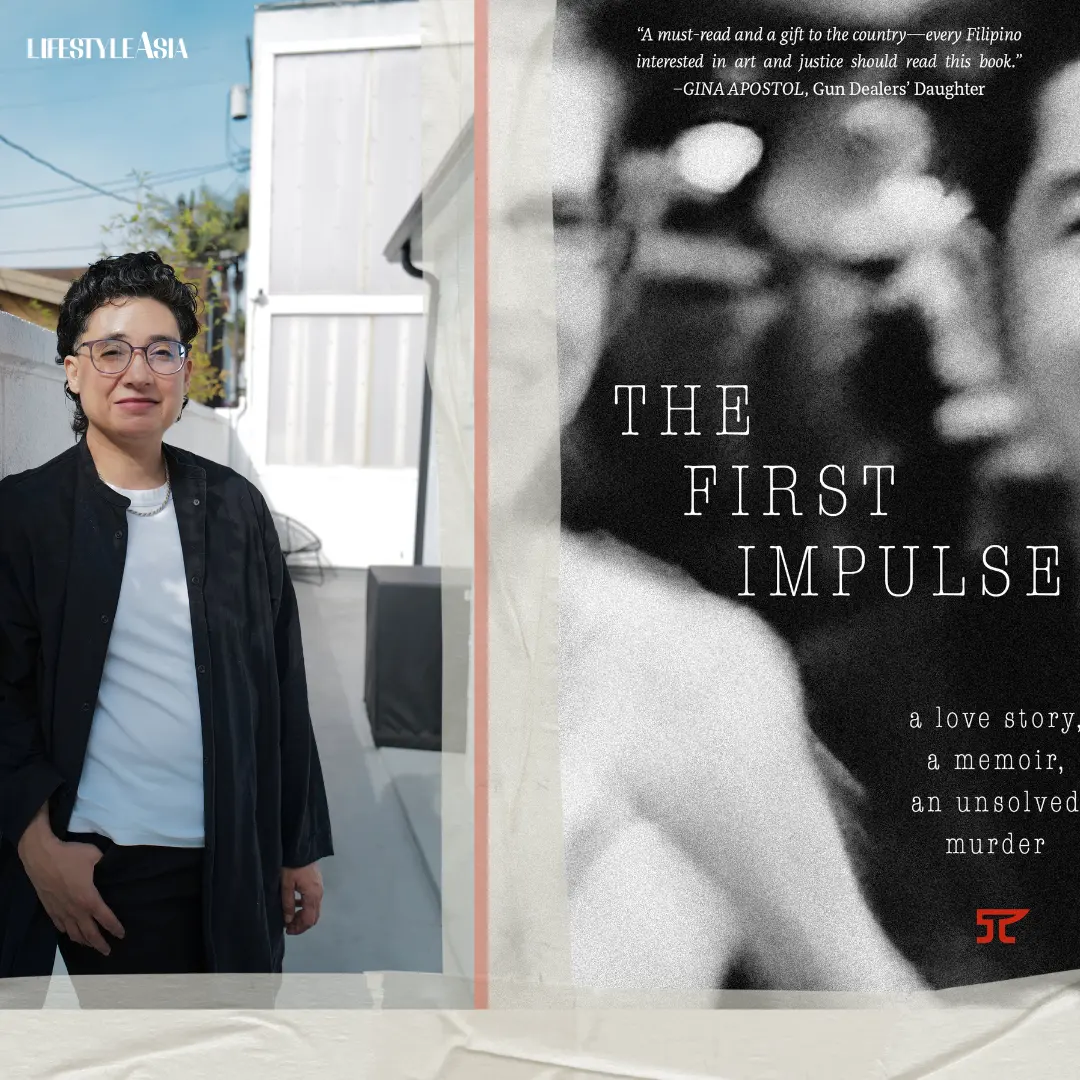
Eight years later, Laurel Flores Fantauzzo’s true crime novel “The First Impulse” gets a reissue, prompting reflections on what it means to be a custodian of someone else’s story. The author discusses revisiting her work and society’s morbid curiosity with true crime narratives.
True crime has become something of a defining genre for our anxious age. We consume it voraciously through podcasts, limited series, and books; tragedies served up as entertainment, education, or some uncomfortable hybrid of both, and then we move on with our day. But what happens when a true crime story gets a second life? Originally published in 2017, The First Impulse by Laurel Flores Fantauzzo chronicles the investigation of the murders of film critic Alexis Tioseco and his girlfriend, Slovenian filmmaker Nika Bohinc, killed during a home invasion in Quezon City in 2009. It is also part memoir as Laurel interweaves her exploration of the crime, of the couple, and of her own complex roots as a Filipino-American writer.
READ ALSO: What Watching Every Spielberg Film Taught Me About Life
“I think readers are often drawn to worst-case scenarios; they want to look at horror without experiencing it too directly themselves,” says Laurel on the popular interest of true crime narratives. “I think writers are drawn to the Rorschach test a crime might represent for an entire society; the truths a crime reveals.”
“In the absence of details about the perpetrators, I wanted to challenge readers to look at what remains of lost lives. Instead of focusing on anything lurid, I wanted to place Alexis and Nika back into the contexts of their shared humanity, through the details of what they were going through as young adults. I continue to hope that resonates for readers, even with the details of the crime that stole them away.”
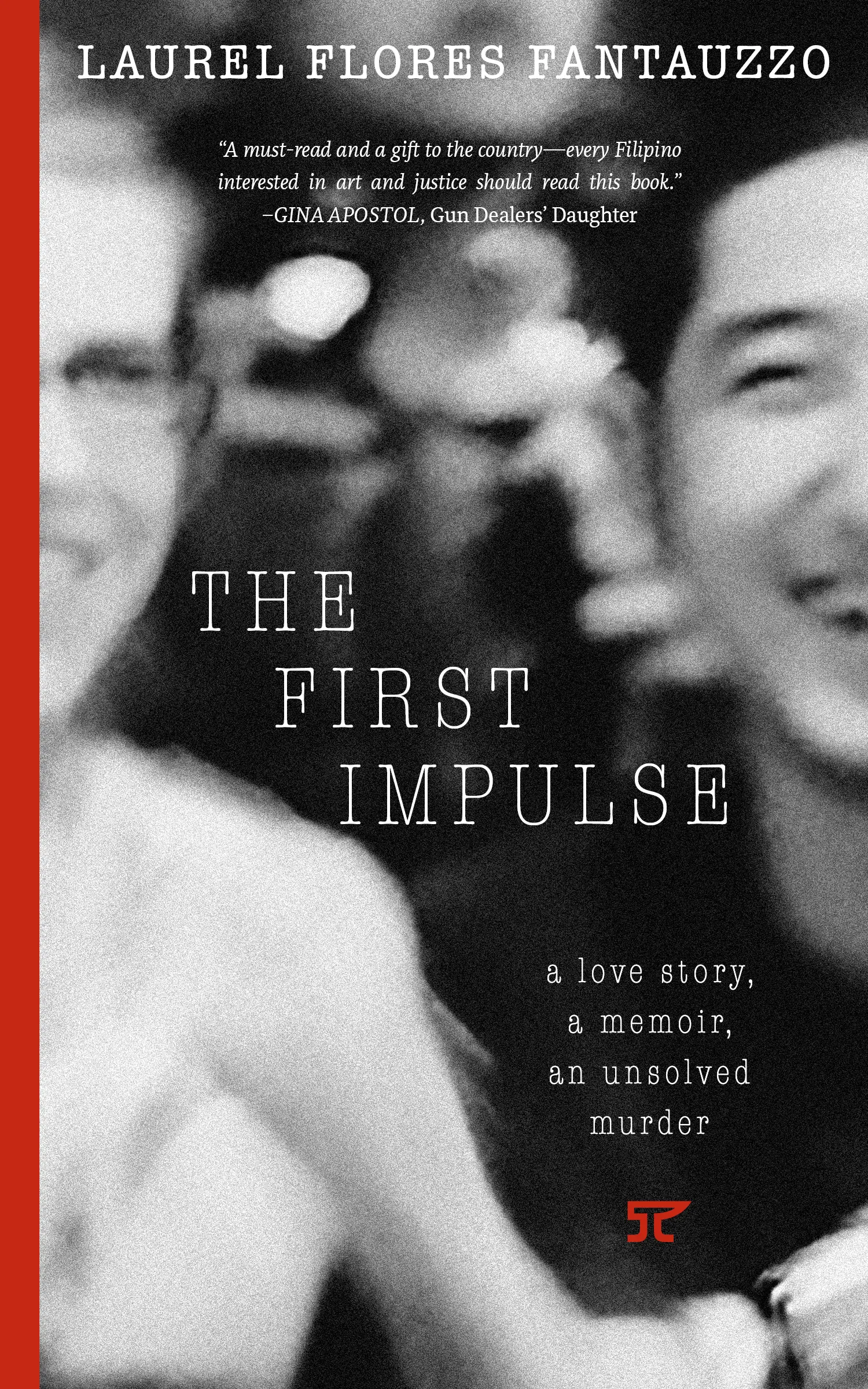
This year, Anvil Publishing reissues this true crime novel, offering a compelling case study into the phenomenon. Why do we choose to look back, and what do we gain out of it? In this exclusive interview, Laurel talks to Lifestyle Asia about the reissue and the role of a writer as a custodian of memory.
Behind the Scenes of the Reissue
What led you and Anvil Publishing to decide on releasing a new edition of The First Impulse?
Laurel: Whatever a writer decides, in drawing a circle around the sprawling events of a nonfiction project, the story continues on in life after the first iteration of the book. I stayed in touch with the Tioseco family and friends, and I continued to follow the ongoing events of the case. When Anvil contacted me about a possible redesign and updates for The First Impulse, I was grateful and jumped into the work.
How does the new edition differ from the original? Have there been any significant changes or additions to the text?
Laurel: I was able to complete several corrections to the titles of films and the names of filmmakers. I also added reflections and observations in light of the violence and unsolved cases during the Duterte regime. Most importantly, I added updates to a significant court case that was ongoing after the publication of the book in 2017, and changed some scenes based on the continuing inconsistencies of claims by a suspect in the courtroom.
Before discussions about the re-edition began, when was the last time you revisited this work?
Laurel: I like to tell readers about an idea my colleague, the Native Hawaiian writer Kristiana Kahaukawila, introduced to me: that of literary custody, and what it might mean to be the custodian of a story. I have tried to be a responsible custodian of the stories of Alexis and Nika’s lives and deaths. And so I revisit them often, through news articles, meeting with their family members and loved ones when I can, even as just a caring bystander and friend, and through thinking about what has happened, and what might happen. It might sound paradoxical, but I often believe taking the time to think deeply is an underappreciated part of writing work, especially in societies that rush conclusions and performances and postings.
What was the most rewarding part of revisiting this work? Were there any challenges you encountered in re-engaging with such a personal and intense story?
Laurel: I mostly felt a sense of relief at having done right by the book for its second version, and I felt a sense of support and collaboration from the Anvil team, from the designer to the editors to the highest levels of leadership. They believed in the book and understood it totally. I felt challenged to check and triple-check each element of the story again, from names to dates, in order to be worthy of this second iteration of the story.
Are there any anecdotes from the journey of republishing that you’d like to share, or moments that stood out during the process?
Laurel: I appreciated going back and forth with R. Jordan P. Santos, the designer of the new cover. I’m not a visually artistic person, but he is, and it always felt reassuring to me to collaborate with skilled artists, after spending much time writing on my own.
Revisiting Alexis, Nika, and The First Impulse
After discussions about the re-edition began, what was it like to return to it after some time? Did you encounter any elements that surprised you or that you had forgotten?
Laurel: I found that I had to hold back from changing everything, as I am a very restless revisionist. I began the work in my 20s, and I revised it at age 40. I consciously held back from changing too much of what the 20s version of me had to say. I had to remember that my younger self, in a book, would have value to readers, even if I currently find that younger version of me to be, let’s say, imperfect.
How would you say you, as an author and as an individual, have changed since the book’s initial publication? Are there aspects of the book that you no longer recognize or that feel distant?
Laurel: The book still feels close to me, so I do still recognize and feel close to it in turn; no aspect of it feels too distant. As for my own changes, I think—as we all have, to varying degrees, in the Philippines and the diaspora—I have aged in strange ways during the pandemic and the Duterte regime. Witnessing vast violence, experiencing terrible losses of loved ones to a ravaging illness, and experiencing uncertainty on a global scale, I have yet to process exactly how that all has changed me. I also found a loving spouse who has accompanied me through all of these difficulties; when I was working on The First Impulse, wondering about love was theoretical, and is now, for me, a love in practice.
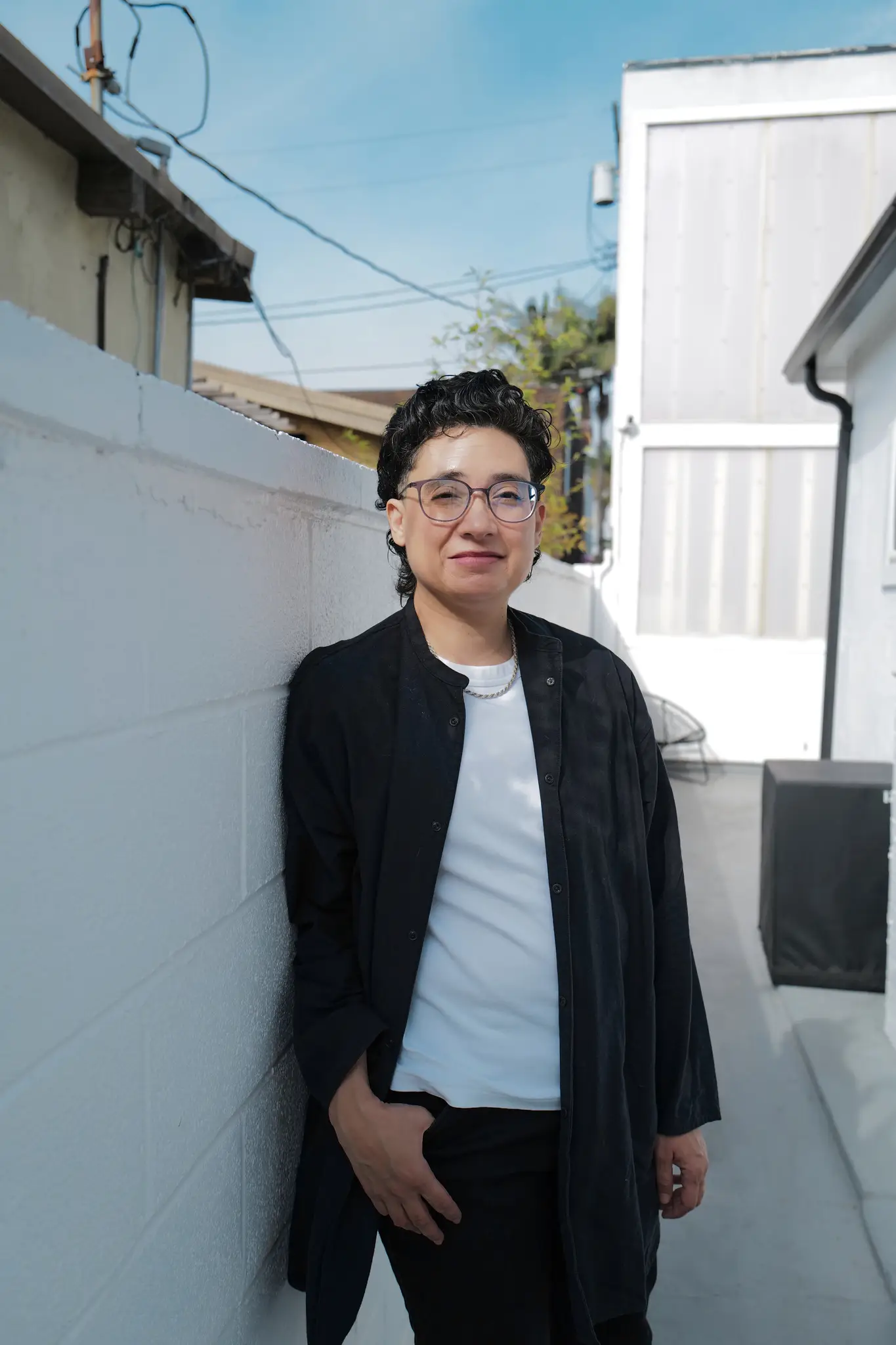
What do you hope new readers will take away from this edition? How might returning readers experience it differently?
Laurel: I hope a new generation of readers will see value in looking at lives that were not in government, or particularly celebrity, but that still have value in their specificity. I hope returning readers will see the value in additional essayistic reflections and corrections. And I hope that both new and familiar readers will still feel, thematically, how love can endure even beyond the deepest cruelties.
What initially drew you to the story of Alexis and Nika? I know you write about this in the book, but is there anything that, reflecting on the years that have passed, you could add about what drew you to the story?
Laurel: I ultimately wish I could have befriended Alexis and Nika, instead of writing about them after they died. In the Philippines and in other countries at film and literary festivals, I think I could have gossiped and joked and reflected with them for hours. We share a lot of affinities, chief among which, now, is this: What does it mean to have to cross countries to be with your love?
I am about to move back to the Philippines on behalf of my own spouse now, so I would have liked to talk to Alexis and Nika about that. The book is ultimately a letter to them, and about them; a way to be in conversation with two young people who should still be here, but for the unjust violence that stole them away in the Philippines.
An Enduring Conversation
There’s something moving about Laurel’s admission that The First Impulse is ultimately a letter to two people who should still be here. It reframes the enterprise of true crime writing, shifting it from voyeuristic consumption to something closer to affinity.
In 2008, a year before their deaths, Tioseco had written for Rogue magazine a piece of film criticism and commentary framed as a love letter to Bohinc. “The first impulse of any good film critic, and to this I think you would agree, must be love,” he wrote. “To be moved enough to want to share their affection for a particular work or to relate their experience so that others may be curious.”
It is from that quote that Laurel draws the title of her work. It also serves as a mission statement for what meaningful true crime can be: writing born not from sensationalism but from genuine affection, being moved enough to share that experience so others may understand.
The reissue reminds us that some narratives refuse to be relegated to the past tense but continue to evolve and accumulate meaning as the people and the society that produced them change. Laurel mentions the context of this reissue, during a time when society grapples with the normalization of violence. It is timely, then, to revisit The First Impulse with the novel’s conversation between the living and the dead, meditated through Tioseco’s philosophy of criticism as an act of affection. The reissue reminds us that some narratives, even tragic, violent ones, demand custodians who are willing to carry them forward and keep them close, and in doing so, turn them into acts of remembrance and of love that endure.
Photographs courtesy of Laurel Flores Fantauzzo and Anvil Publishing