Strong, sleek, and sought-after, Filipino hair has become an integral part of the billion-dollar global wig industry; we explore how this came to be.
Arguably, hair is the part of our body we change the most. A trim, a touch of bright color, or even a complete shave can drastically shift the way we look and feel; more than a style, hair reflects who we are. Growing up, we’re told it’s our crowning glory, framing not just our face but our identity. So it caught me by surprise to learn that Filipino hair is among the most sought-after in the world for human hair wigs.
Today, we take a closer look at this peculiar world, exploring what makes Filipino hair so special—from its natural strength and versatility to the traditions and everyday rituals behind its care. In doing so, we reflect on what it means for something so personal to be valued far beyond our own shores, and how a part of ourselves can travel, transform, and carry stories we may never fully see.
READ ALSO: The Best Sunscreens For That Everyday Glow
The Human Hair Wig Industry
Before diving into why Filipino hair is in such high demand, some quantitative context: wigs made from it can run anywhere from₱35,000 to ₱45,000 online. You might’ve seen Western hairstylists on TikTok flaunting bundles of “premium” human hair, all silky and luxurious. But have you ever stopped to wonder where all that hair actually comes from? According to a BBC deep dive on the market for extensions and wigs, the global trade in human hair is enormous, and surprisingly murky, with hair from across Asia traversing a tangled (pun intended) route before it lands on a salon shelf or a beauty editor’s lap. What has “Brazilian” indicated on its label often traces its roots to the combs and wash basins of Bangladesh or Myanmar, and much of it passes through China’s giant processing hubs, where it’s sorted, washed, either untreated or dyed, then finally turned into that luscious bundle people pay thousands for.
But here’s where the romanticism of beauty meets the very real economics of it: this isn’t just about shiny locks on reels. The human hair trade in Southeast Asia sits at the intersection of global demand and local livelihoods, and not always fairly. The ASEAN Post reports that while wigs and extensions are part of a multibillion‑dollar industry, raw hair is often bought for pennies from women in impoverished communities, then sold at hundreds of times that price abroad. In some cases, sellers might only get a few dollars for hair that ends up as a premium product overseas.
And yes, there’s a contradiction here: we gush over hair as a form of personal expression and identity, yet the global business around it can be restrictive and exploitative. Some businesses are trying to rewrite that script with more transparent and ethical sourcing, but until that becomes the norm, every time we choose a human‑hair piece, we might want to ask whose story is woven into those strands. (And maybe double‑check if it’s really “Brazilian.”)
The Magic Of Filipino Hair
If you’re wondering why Filipino hair is suddenly everywhere in the billion-dollar wig and extension world, think of it as the “it” material of the moment. Unlike the so-called “Russian” hair marketed for its feather-lightness, or “Brazilian” hair sold as the standard for volume, Filipino hair is coveted for its natural straightness and serious structural integrity. Science backs it up, too: its diameter makes it basically the gold standard of straight, which means it’s the perfect canvas for that sleek, high-gloss look everyone drools over. In the global trade, it sits comfortably next to other elite types like Burmese and Mongolian hair, prized for a shine and thickness that’s genuinely hard to replicate.
Of course, that signature shine isn’t just a lucky genetic gift—it’s baked into a local beauty culture that treats hair care as both personal responsibility and empowerment. In the Philippines, looking good isn’t just vanity; it’s tied to this idea that self-improvement is a choice you can “buy into.” Silky, lustrous hair then becomes a goal you achieve through careful upkeep, products, and rituals.
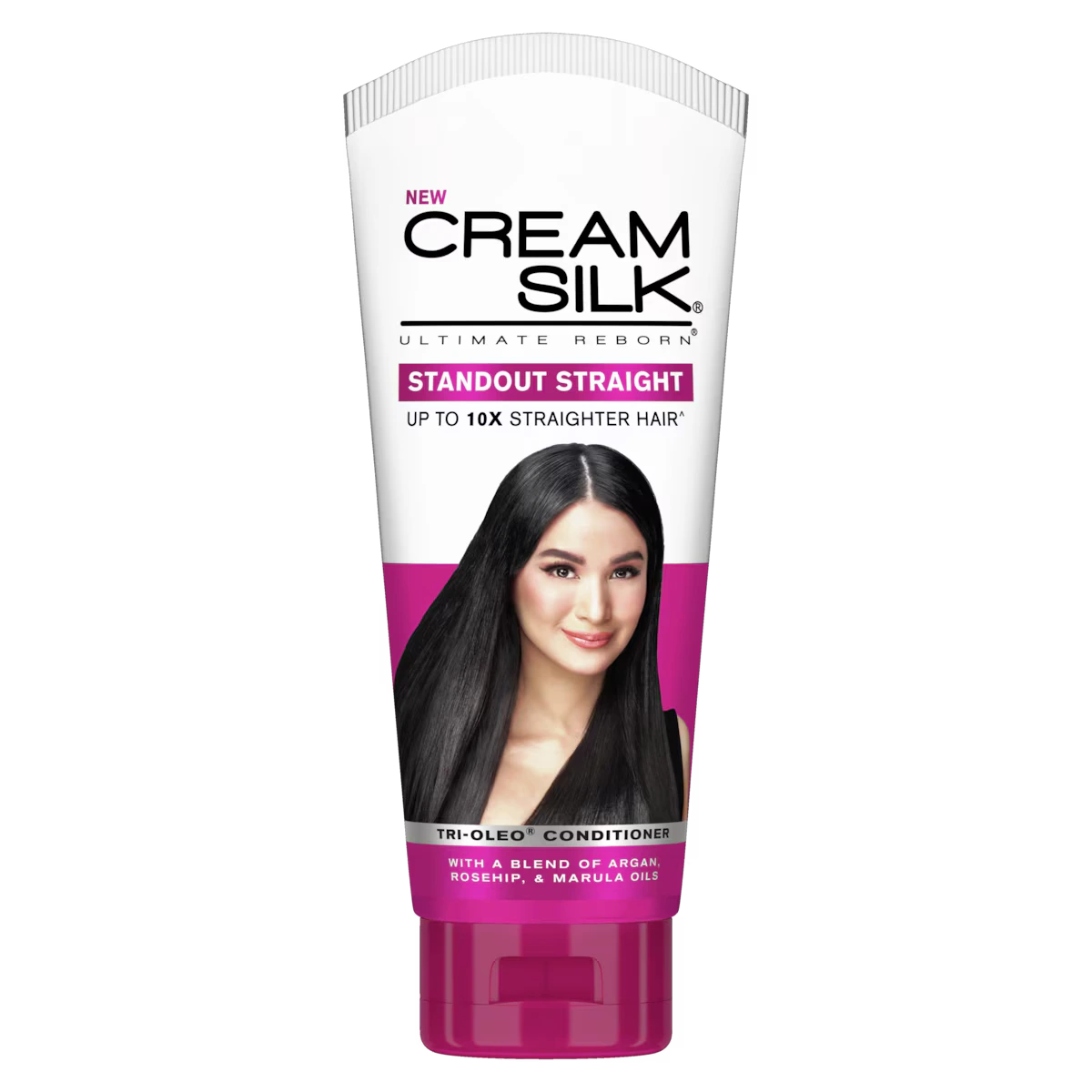
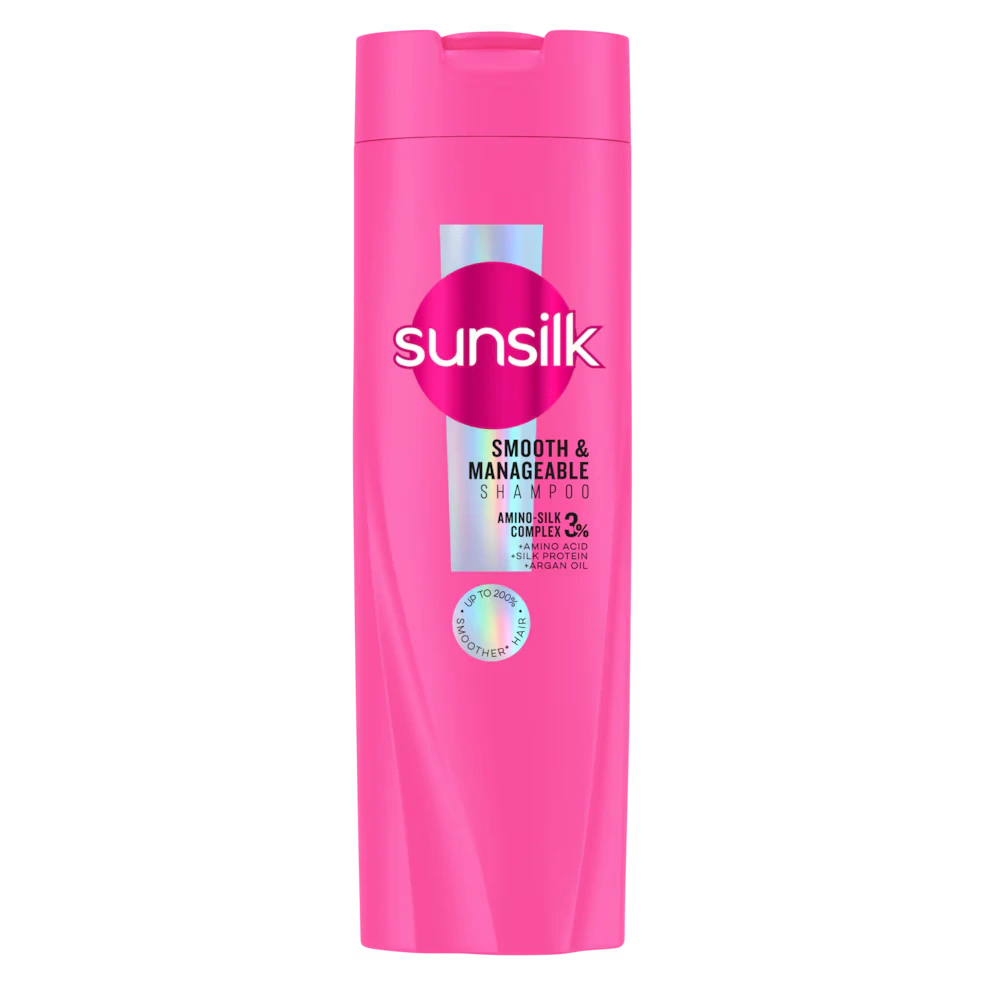
Ads don’t make it easy to ignore either, throwing around emotional cues and pseudo-scientific jargon to convince us that a flawless mane is basically a VIP pass to social approval. So while the world’s busy purchasing the “Filipino look” via our wigs, we’re busy living in the production process; here, beauty is both trait and cultivation. That’s exactly what makes Filipino hair so irresistible on the global stage: every strand carries a mix of meticulous daily care and inheritance, all bundled into something that feels utterly luxurious to outsiders. When consumers buy a wig made of Filipino hair, they’re buying into a larger story, even if they don’t fully see it. Likewise, Filipinos may never know where their locks go, but their coveted status is both a reflection and culmination of a unique biological and cultural heritage we often take for granted.
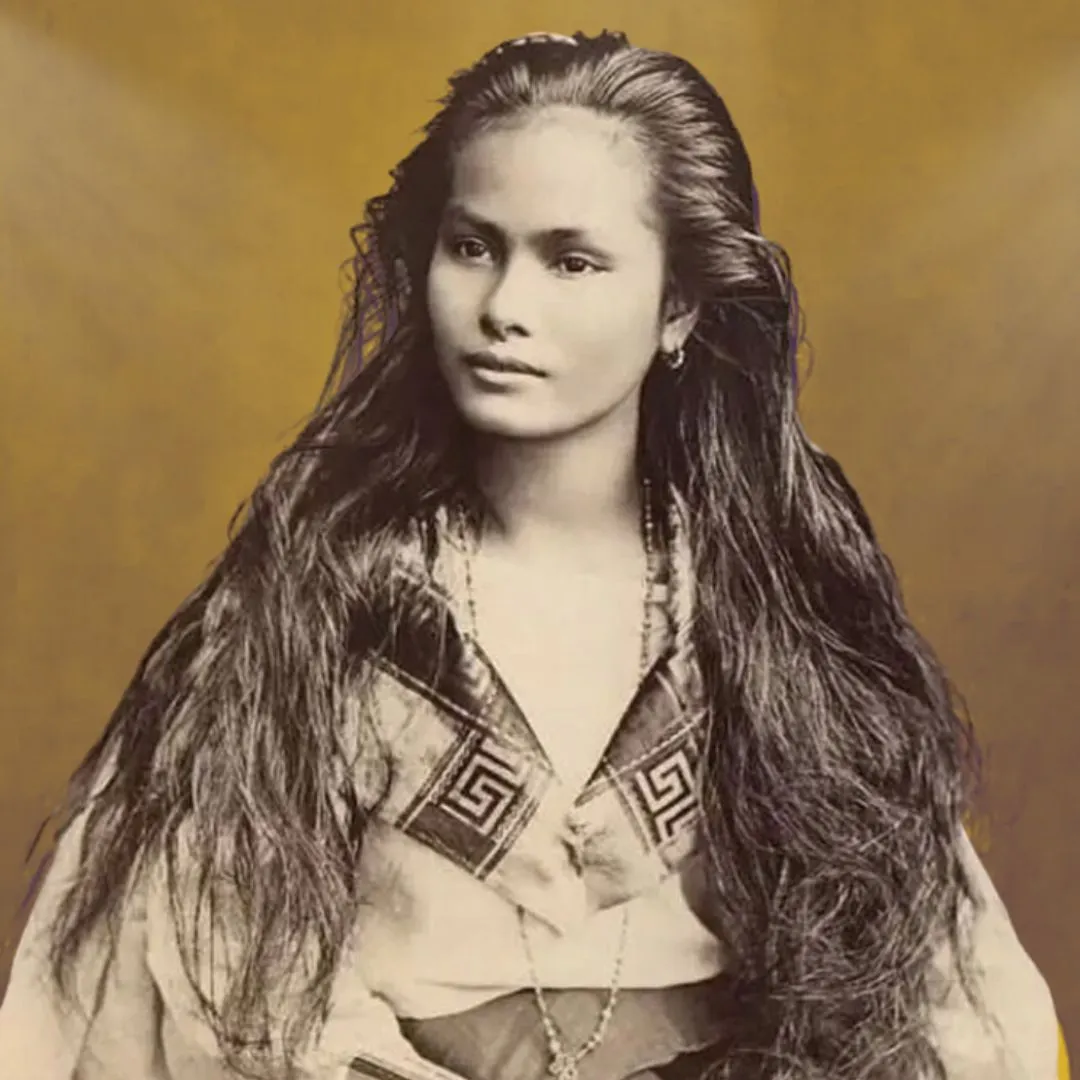
Banner photo courtesy of WikiMedia Commons.