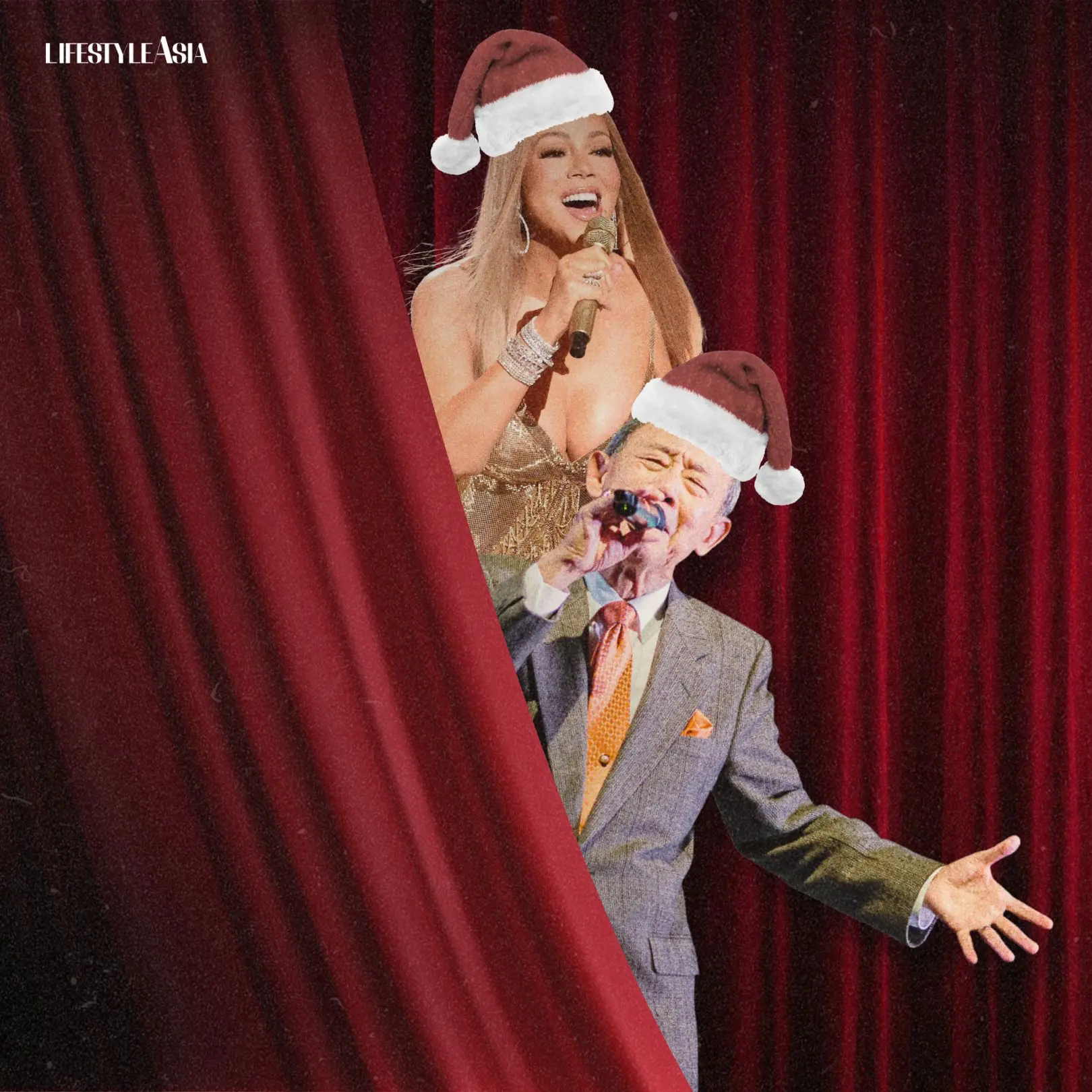
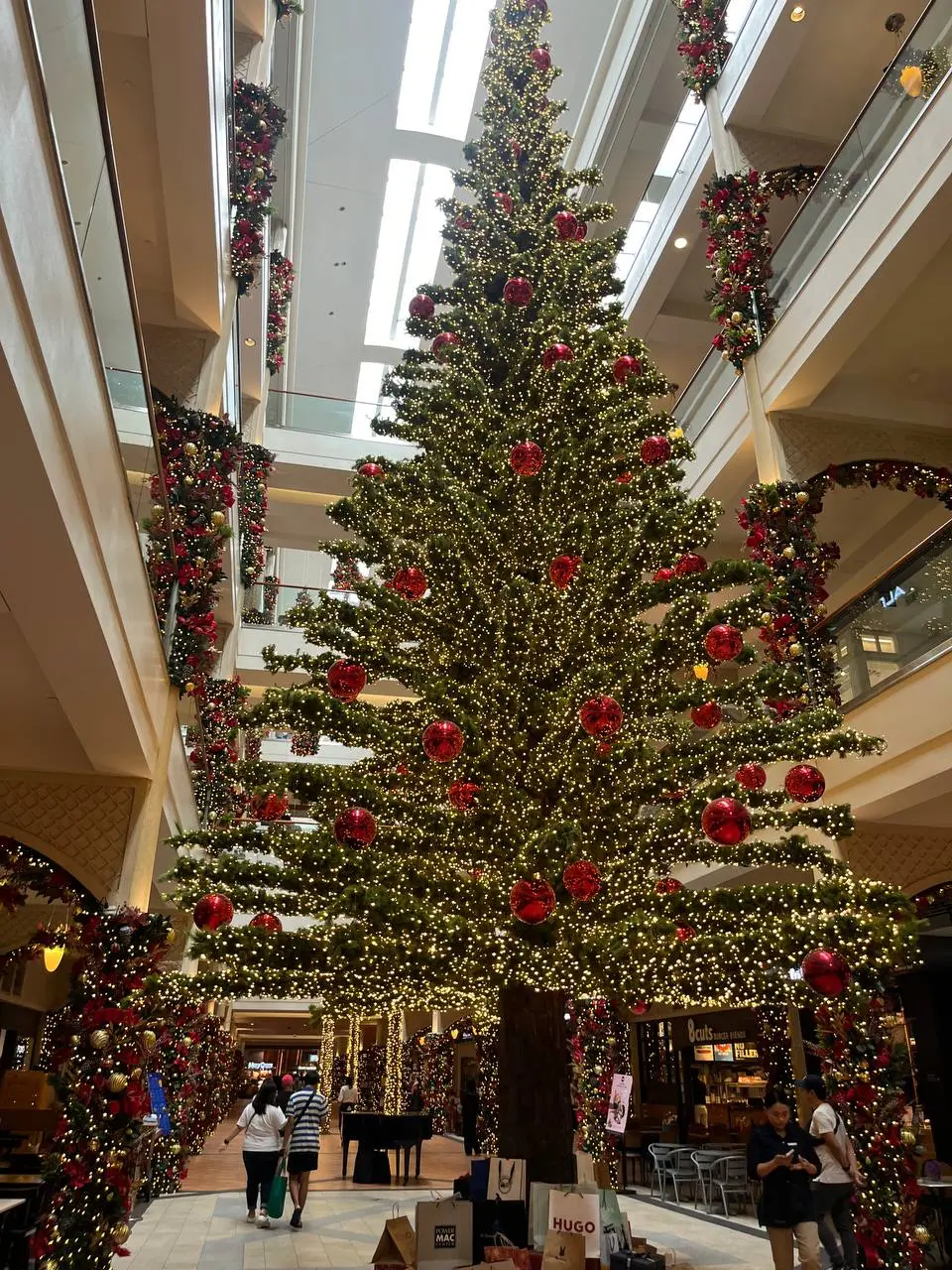
‘Tis the season to be jolly, to play Jose Mari Chan and Mariah Carey on repeat, to spot grocery workers in Santa hats, and to watch malls glow with thousands of lights and impressive decorations. It’s Christmas in the Philippines, and yes, we know—it’s only September.
Last night, on the very last day of August, I was on my way home from a family dinner when I passed Ayala Avenue. Workers were already installing Christmas decorations along the streets of Manila’s busy business capital. It was, as the famous song goes, beginning to look a lot like Christmas—and then it hit me: tomorrow is only September 1. In the average Filipino calendar, that date marks the unofficial start of the holidays.
The “-ber months,” as we fondly call them, kick off a festive stretch often considered the longest Christmas season in the world. But why do we do it? Why blast Glee’s Christmas albums in department stores all day? Why be merry and bright for four whole months when the traditional Christmas season lasts only 12 days? The answer isn’t so simple. Maybe it’s a collective mindset, maybe it’s tradition, maybe it’s both. One thing’s for sure: Christmas is a Pinoy thing.
READ ALSO: Flip-Flops, Salcedo Girls, And The Question Of Who Decides What’s Chic
All I Want For Christmas Is Tunes
There isn’t a definitive document, or even many articles, that trace the origins of the long Filipino Christmas season. In fact, most people can’t pinpoint exactly when this tradition began. I casually asked my Boomer parents if it was like this when they were younger, and their answer was a firm “definitely not.” So I pressed further, asking them to give me an educated guess. Was it the ’90s? The early 2000s? They couldn’t say for sure. They agreed it was probably sometime in the new millennium, but the idea of Christmas starting in September had been so deeply hammered into their heads that it felt like it’s always been this way.
My own guess is that it started around the mid-2010s. I distinctly remember being in college and constantly hearing the Glee Christmas album playing on loop in both grocery stores and malls as early as September. Sure, Glee was a global phenomenon and widely popular at the time, but the Christmas tracks were so specific, so inescapable, that I couldn’t help but take notice.
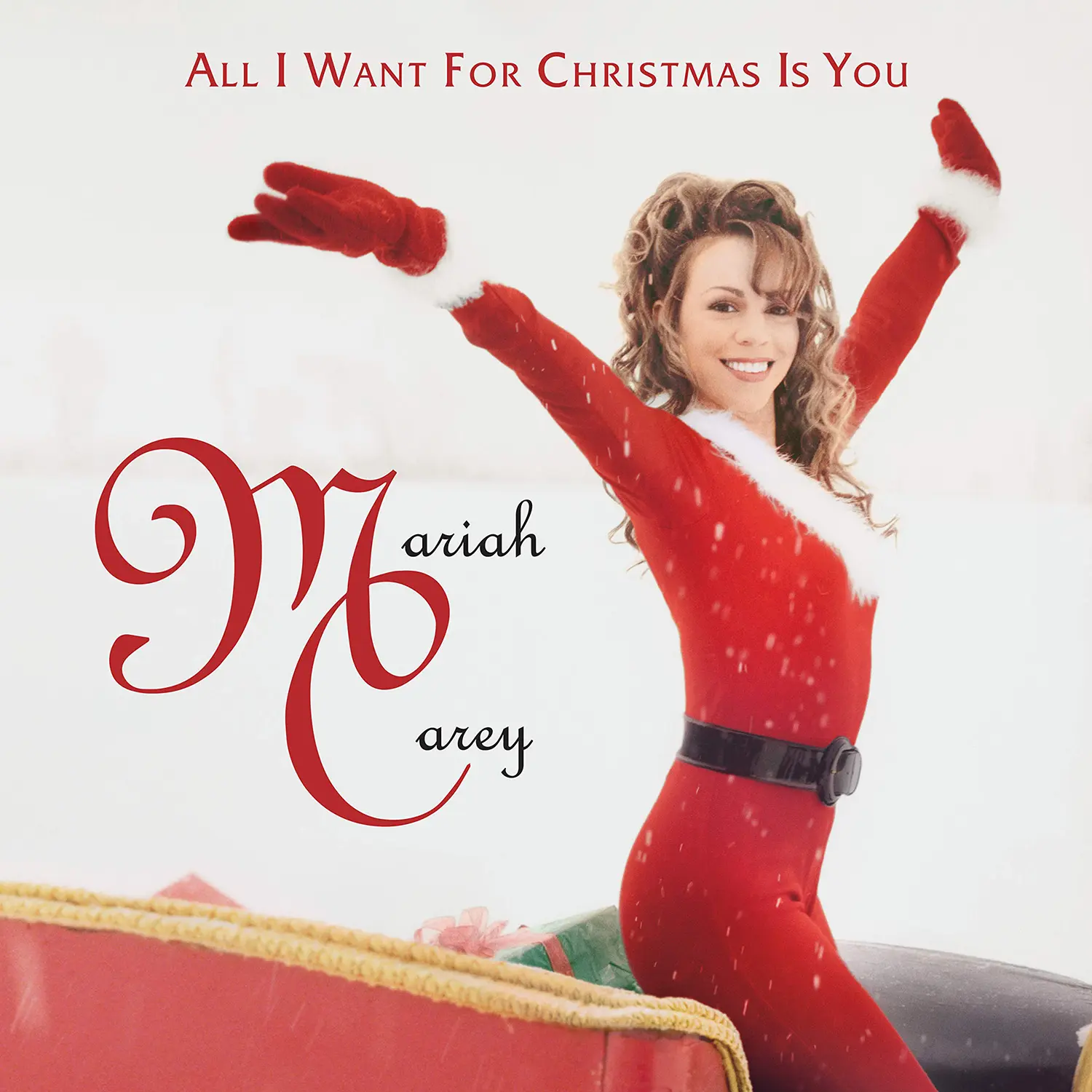
Then there was the nonstop playing of Jose Mari Chan and Mariah Carey Christmas tunes (including, of course, Carey’s “All I Want for Christmas Is You”), which joined the Glee albums on loop everywhere. These songs (and the artists behind them) became so tied to the “ber” months that they eventually turned meme-able. The Jose Mari Chan “defrosting” meme is still being widely shared today; Carey herself acknowledged that Filipino fans have kept her holiday anthem alive. In a 2023 tweet, the superstar cheekily referenced the Filipino Christmas tradition after Spotify announced that her hit had garnered 315,000 streams on September 3—a 75% increase compared to the same day in 2022. “Not yet!!!!” she writes, “I’ll allow it for my Filipino lambs though! (I don’t make the rules!)”
So is it the famous Filipino love for music that inspires us to start celebrating four months early? It definitely plays a part—but it’s a little more complicated than that. Sure, radio stations are certainly complicit, playing Christmas anthems earlier each year and setting the tone for everyone else; however, there are also strong commercial and religious forces driving the phenomenon.
Jesus Christ Superstar
To say that the Philippines is super duper Catholic would still be a vast understatement. I don’t just mean going to church on Sundays: I’m talking full-blown processions, a week-long holiday in April to mark Holy Week and Easter, and even residents in the provinces nailing themselves to a cross to recreate Jesus’s suffering. From these examples alone, it’s clear that Filipinos take religious devotion to new heights—which makes sense, since Catholicism remains the country’s predominant faith. A 2023 Philippine Statistics Authority report confirms this, revealing that four-fifths of the population identify as Roman Catholic.
Jesus is, as expressed in Andrew Lloyd Webber’s 1970s rock opera, quite the superstar over here. Christmas marks his birth and life, so it naturally becomes one of the most (if not the most) important dates on the calendar. And what could be more Filipino than stretching the occasion into a multi-month celebration? Still, parents are quick to remind their children that all of this is, at its core, for Jesus. His values of generosity, kindness, and devotion still lie at the heart of it. Sentimental? Yes, but most significant Filipino occasions are tethered to that kind of emotional core.
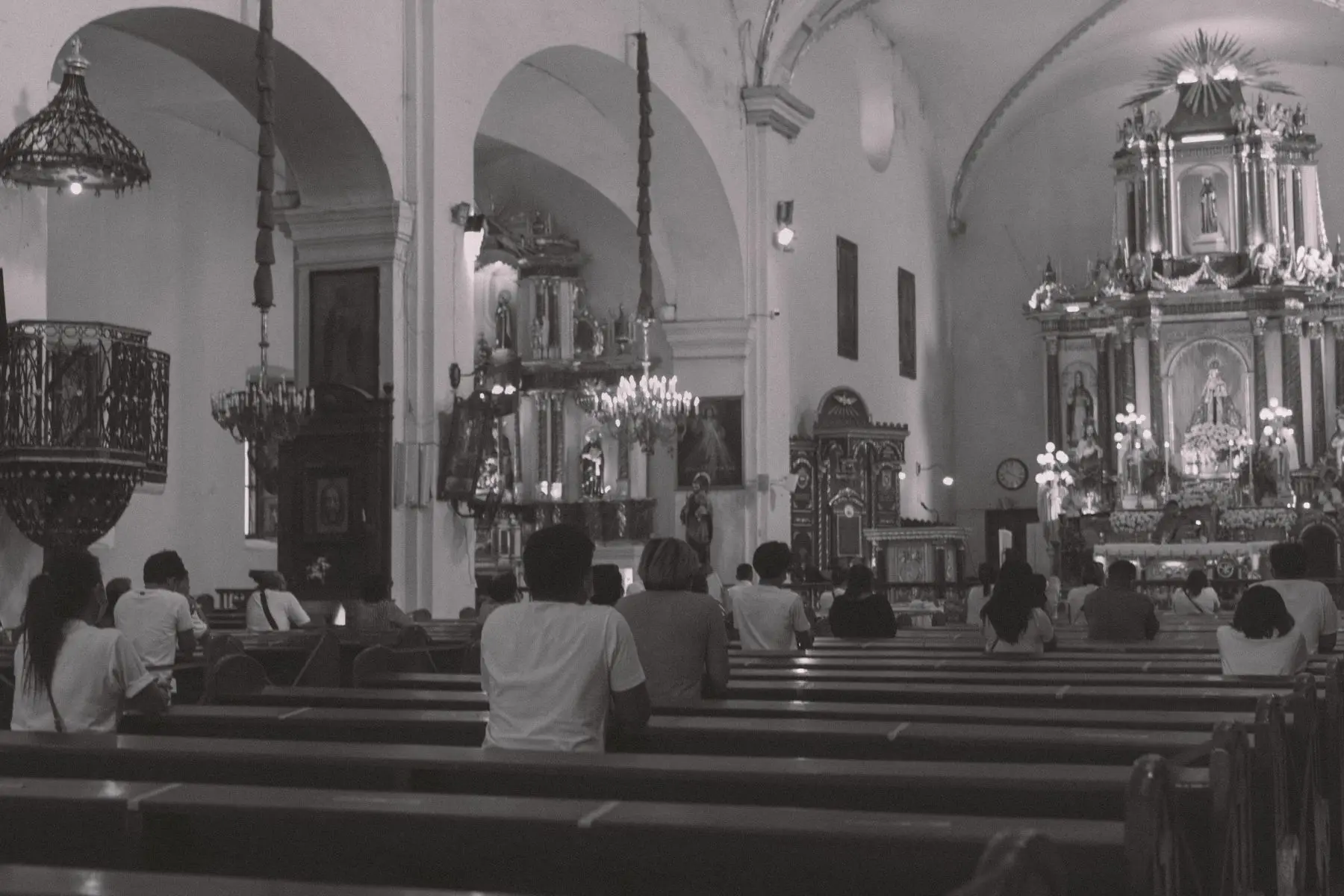
Many traditions make Christmas in the Philippines extra special, one of the most cherished being Simbang Gabi (or Night Mass). For nine days leading up to December 24, Catholics rise early to attend dawn masses as a sign of spiritual devotion. These mornings often end with beloved holiday treats like bibingka and puto bumbong, freshly sold outside the church.
Yet, as the Filipino Christmas season creeps in earlier and earlier, even these delicacies are making premature appearances. By October, you might already spot bibingka stalls outside S&R, never mind that Halloween hasn’t even passed.
Filipinos are famously known for celebrating just about everything. It’s in our blood, present in our culture, and born from our naturally positive spirit. It’s no surprise that we make Christmas as long, merry, and festive as possible: it’s not just a way of honoring Catholic tradition, but also forging and strengthening a sense of community—after all, what makes us happier than being in each other’s company? If we can stretch that time together, that shared sense of unity, then all the better.
READ ALSO: Are Philippine National Heroes Legally Recognized? (Apparently, No.)
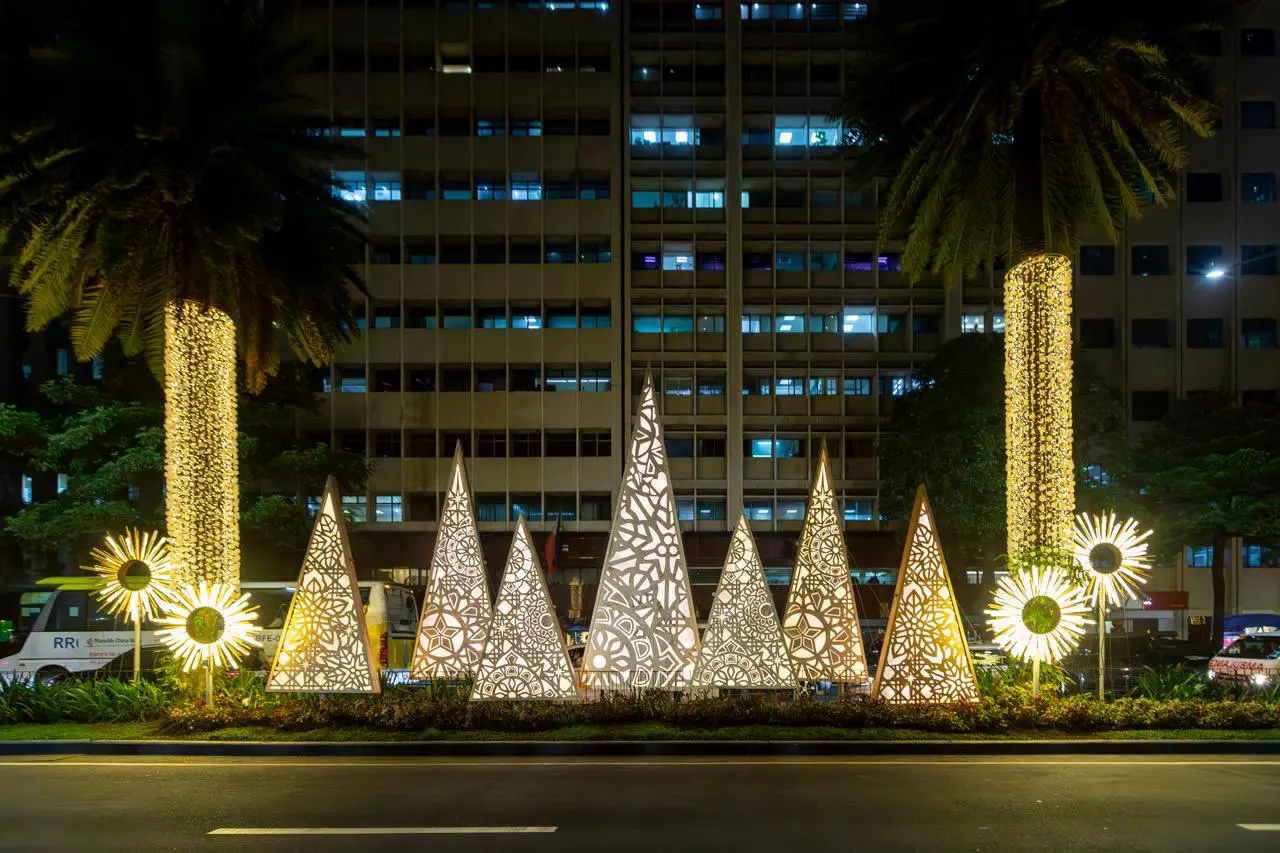
The Spirit Of Generosity
That said, it would be disingenuous not to mention the business motivations behind certain Filipino Christmas traditions. The holiday is more than its material trappings, but admittedly, that line can blur when you’re four months deep into carols and gift shopping. As I mentioned earlier, Christmas songs are often played on loop in malls and grocery stores as soon as September arrives. If you think that’s just because business owners are feeling the festive spirit, think again. It’s supposed to get you into the spirit, encouraging multiple shopping sprees to tick off as many wishlists as possible, making these stores richer by year’s end.
Christmas may be Jesus’ birthday, but it’s also a golden opportunity. Over the years, it’s evolved into a mega-commercial, capitalist event that banks on values like generosity and kindness, using them to promote the notion that it’s better to give than receive. That’s precisely why stores keep reinforcing the season’s themes with Christmas music on repeat—it’s just really good for business, y’all.
Filipinos, who are naturally inclined to celebrate with loved ones (especially those anticipating the return of family members from overseas), are also sold the idea that they need to be prepared well before Christmas itself. My sister recently told me that every September, a billboard near her office would advertise an image of a lechon wearing a Santa hat, urging people to reserve their roast pigs early so they’d be ready for the holiday feasts.
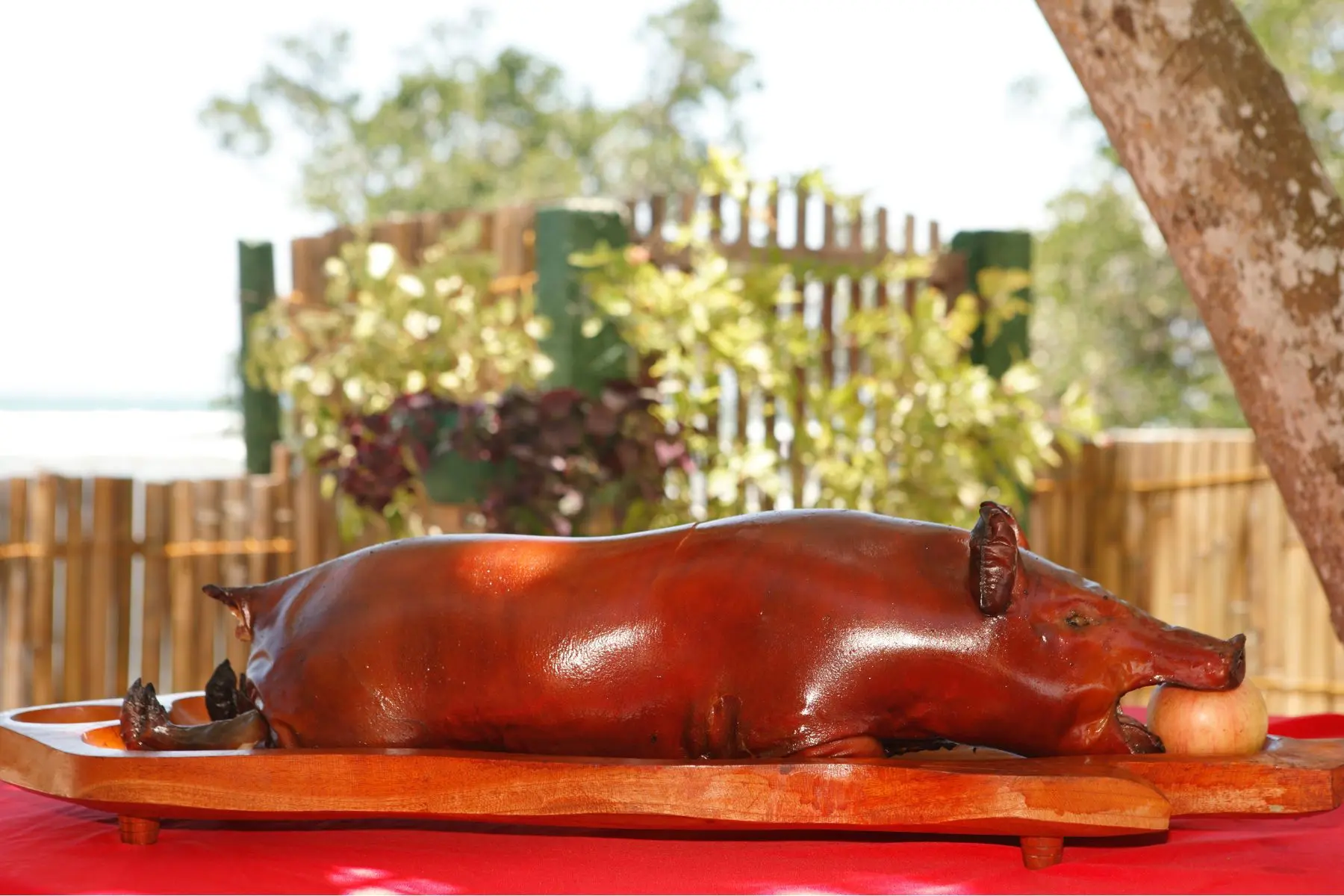
This strategy of pushing big-ticket purchases months in advance is a clever move for companies, especially since the Philippines isn’t the wealthiest country. Encouraging people to reserve early allows them to spread out their expenses, rather than scramble to cover everything come December. It’s about easing the financial burden by distributing it over time, rather than concentrating it all during the busiest part of the season. And it’s not just lechon—malls, shops, and even grocery stores run on the same idea: buy now so you won’t feel the pinch later.
So when September 1 rolls around and Jose Mari Chan starts “defrosting” on our feeds, it’s more than just a funny meme. It’s a reflection of who we are: deeply Catholic, musically inclined, endlessly festive people with a soft spot for community—and, yes, a healthy appetite for clever marketing. The rest of the world may celebrate Christmas for 12 days, but in the Philippines, it stretches into four joyful months. Because for us, it isn’t just a holiday: it’s a way of life, a uniquely Filipino expression of faith, family, and the enduring belief that there’s always something worth celebrating.