
For many, the late twenties bring an unsettling sense of pressure. Astrology calls this period the Saturn return.
If popular culture has taught us anything, it’s that your twenties are supposed to be transformative, confusing, and overwhelming. Films romanticize it, social media documents it in real time, and yet many people reach their late twenties feeling unmoored, questioning their careers, relationships, finances, and sense of self. Astrologers have a framework for this period of upheaval: it’s called the Saturn return.
According to astrologer, visual artist, and Reiki practitioner Wiji Lacsamana, the Saturn return is one of the most significant astrological transits a person experiences, typically occurring between the ages of 27 and 30.
READ MORE: Tarot Cards, Demystified: What Do The Cards Really Mean?
What Is A Saturn Return?
An astrological birth chart is a snapshot of the sky at the exact moment a person is born, mapping the positions of the planets across zodiac signs and houses. So, a Saturn return occurs when Saturn completes its orbit and returns to the same position it occupied at birth. This cycle takes approximately 27 to 30 years.
This return initiates a period of reckoning; it’s not necessarily dramatic, but it’s undeniably formative.

Why The Saturn Return Feels So Challenging
In astrology, Saturn is associated with discipline, commitment, responsibility, and long-term structure. It’s often referred to as the planet of lessons, or, less generously, the strict teacher.
“There has to be contraction before expansion,” Lacsamana says. That being said, Saturn returns feel intense because they’re preparing us to move into a more mature stage of life.
During this time, unresolved issues often surface. One may experience career dissatisfaction, strained relationships, family dynamics, financial instability, or identity questions that seem impossible to ignore. Rather than introducing new problems, Saturn tends to highlight existing ones that require sustained effort and accountability.
The Importance Of Your Birth Chart
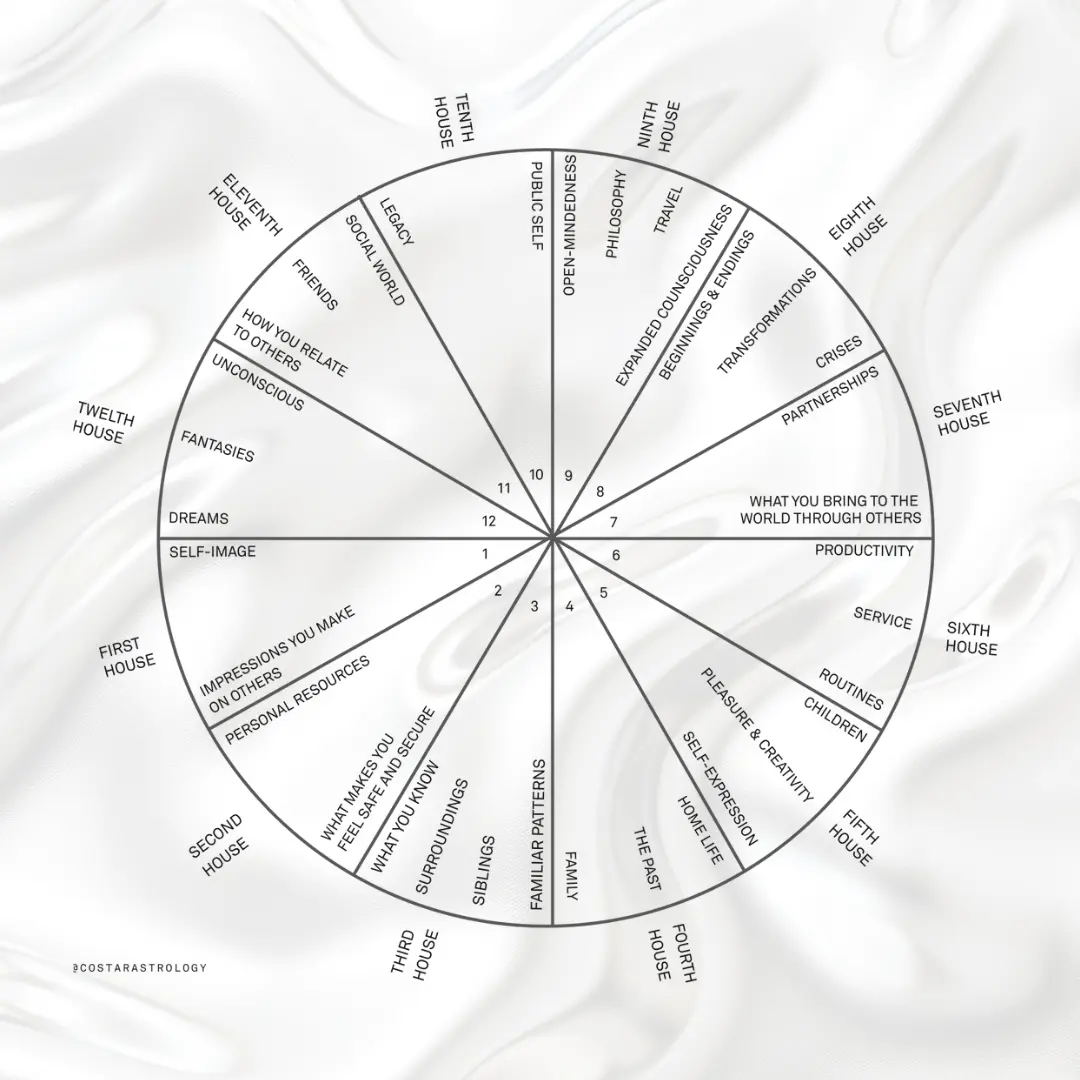
Not all Saturn returns look the same. The specific themes that arise depend on where Saturn is located in an individual’s birth chart, particularly which astrological house it occupies.
“This is the most important thing for anyone anxious about their Saturn return,” Lacsamana emphasizes. “Look where Saturn is in your chart. That’s where the lessons are unfolding.”
Broadly speaking, each house corresponds to a different area of life. Wherever Saturn appears, it demands maturity, clarity, and responsibility.
The Misconception Of Fear
One of the most persistent misconceptions surrounding Saturn returns is fear. Online discourse often frames the transit as a period of inevitable loss or crisis.
Life, Lacsamana notes, is challenging regardless of astrological transits. What makes Saturn distinct is its insistence on growth. Lessons that are ignored tend to repeat, sometimes resurfacing later in life during subsequent Saturn returns.
Free Will And Personal Agency
Despite astrology’s predictive reputation, Lacsamana emphasizes the role of free will. The Saturn return does not dictate outcomes. It presents conditions.
“We co-create with the universe,” she explains. “Certain patterns or opportunities arise, but we choose how to respond.” The difference lies in engagement. Facing the lessons directly can lead to lasting change; resisting them often results in recurring challenges.
What Remains After Saturn Passes
When a Saturn return is met with reflection and effort, it leaves behind something enduring: a more grounded relationship with responsibility.
The first Saturn return marks entry into adulthood. The second, occurring around ages 57 to 60, often finds people stepping into mentorship or leadership roles. A third, much later in life, is associated with deep reflection and wisdom.

Approaching The Saturn Return With Preparation
Rather than resisting the discomfort of a Saturn return, Lacsamana encourages preparation and self-awareness. Learning one’s birth chart, paying attention to recurring themes, and engaging in reflective practices such as journaling, can offer clarity.
“Change is coming,” she says, “whether you want it or not.”
The question is whether you meet it with intention.