Whether it’s a matinee or an evening show, dressing up for stage performances has become a rare sight. It may seem trivial in the grand scheme of things, but it’s a courtesy and habit worth reviving.
This feature grew from a simple observation I’ve carried for years, and it’s that most people no longer dress for the theater. Today, plays, ballets, operas, musicals, and similar performances rarely see audiences wearing anything beyond casual or semi-casual attire. And before you bring out the pitchforks or come knocking at my door to see whether I’m a raging hypocrite with poor fashion sense, let me be clear: I’m in no way condemning or judging outfits, nor am I sartorially savvy enough to dictate what counts as “polished” theater attire. Mostly, this is a call to reflect on habits of the past, how they’ve changed, and whether some of them might be worth reviving.
READ ALSO: Please Stop Doing These Things At A Movie Theater
WhyDo We Dress For The Theater?
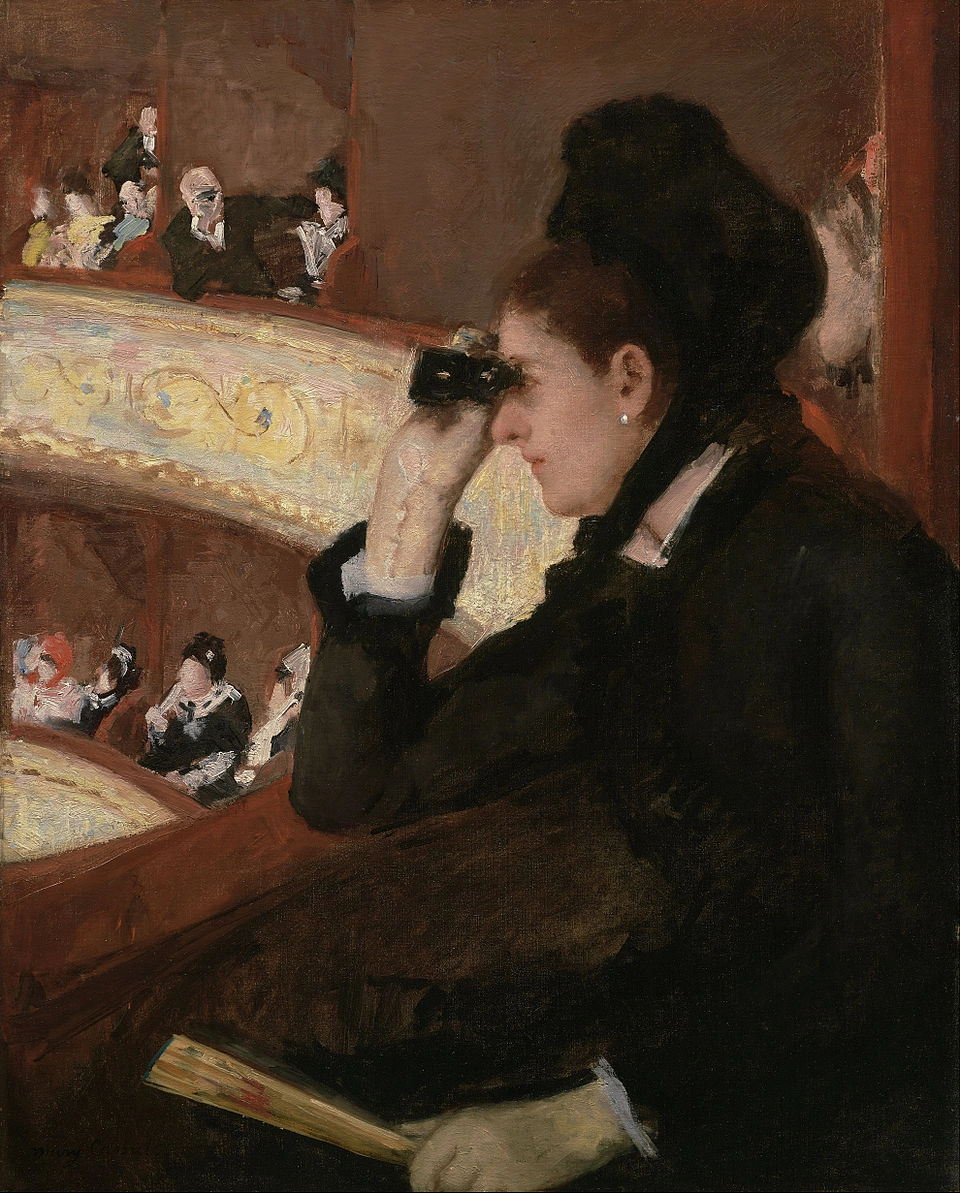
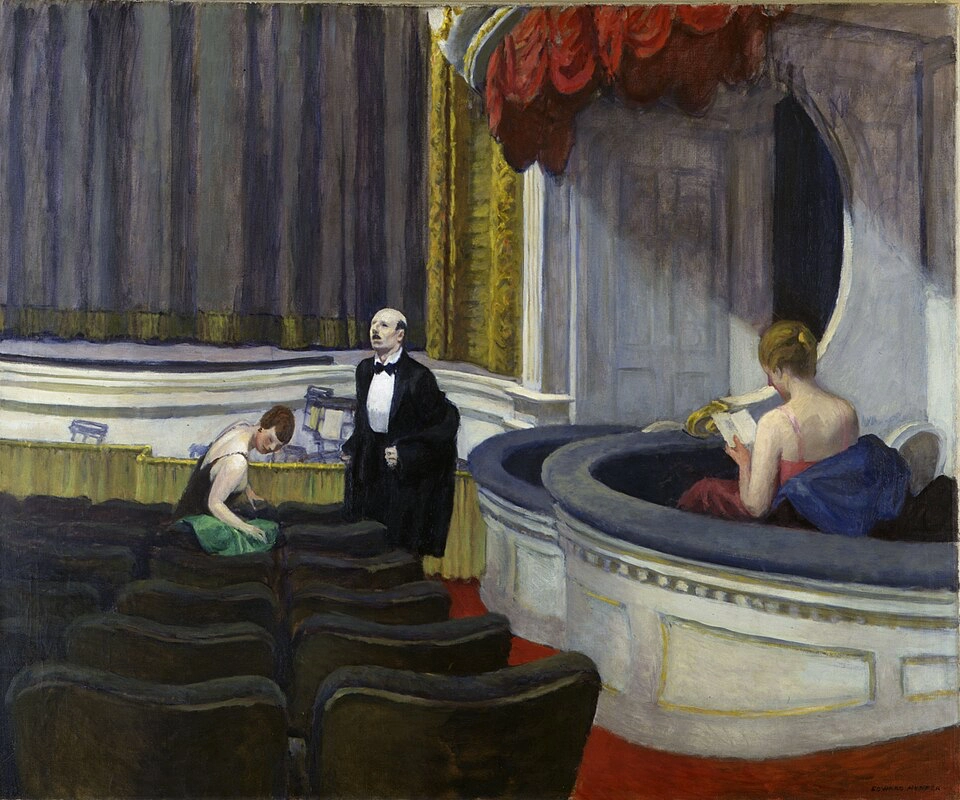
The tradition of dressing for the theater—whether attending a ballet, opera, musical, or play—can be traced back to the cosmopolitan centers of 18th- and 19th-century Europe and North America. Back then, elite circles viewed performances as glamorous social gatherings of sorts, the kind where you’re dressed to be seen.
The habit would carry on, practiced by many theater-goers until the story changed drastically in recent years. The sight of jeans, sneakers, sweatshirts, hoodies, and other more casual attire is the new norm, and you’d be hard pressed to find more than a quarter of the crowd donning anything beyond everyday ensembles. Every once in a while you’ll see a few people wearing semi-formal to cocktail attire, though these are outliers in the bell curve. It’s not something that happens solely in Manila either, as other writers in the US and UK have pointed out similar trends.
So What Changed?
The move to dress more casually in what were once more formal settings is indicative of a larger cultural shift, as The New York Times critic Vanessa Friedman points out in her piece “Why Don’t People Dress Up to Go Out Anymore?”
Friedman notes that while older generations often view the shift toward casual dress as an “erosion of public standards,” it actually reflects a change in priorities: the individual over the institution. She cites The Lost Art of Dress, by scholar Linda Przybyszewski, which traces this shift to the 1960s, when a young generation began questioning the rigid “dos” and “don’ts” of dressing. These rules were so deeply ingrained that children were taught them in school, where lessons were drilled into their consciousness through curricula, and even reinforced via government-issued pamphlets.
While this mainly refers to an American context, the mindset likely applies broadly: people generally don’t like being told what to do. And that’s fine—autonomy is, after all, paramount.
Before I segue into why dressing for the occasion might actually be worthwhile, I’ll admit that the aforementioned historical context is largely outdated. To be frank, no one steps into a darkened theater thinking the most important thing is their outfit, especially when the main attraction is, and should be, the arts and the artists themselves.
Performers and fellow audience members rarely mind what you’re wearing, so long as you’re not disruptive or a nuisance—and, most importantly, so long as you’re fully enjoying the show. If it’s not an opening night or gala, and you’re not seated in a prime spot, all the more reason to let your outfit be the least of your concerns. Still, there are a few reasons why it’s worth giving the ‘ol theater ensembles an upgrade.
Dress To Impress, Or Come As You Are?
The central point of this argument is more about what the courtesy of dressing well communicates, whether people expect it or not: that you’re honoring the hard work of performers, signaling that this is a special occasion, and showing that you’ve taken the time to dress thoughtfully. In other words, you mirror the efforts made by putting in your own.
Not to mention, if you’ve spent a significant amount on a ticket—in the Philippines, theater-going isn’t as accessible as in cities like New York or London—wouldn’t you want to honor that investment by making every moment count? Sure, the counterargument is, “My money, my rules.” But consider this: you’ve worked hard to witness something magical onstage, so wouldn’t it make sense to dress the part?
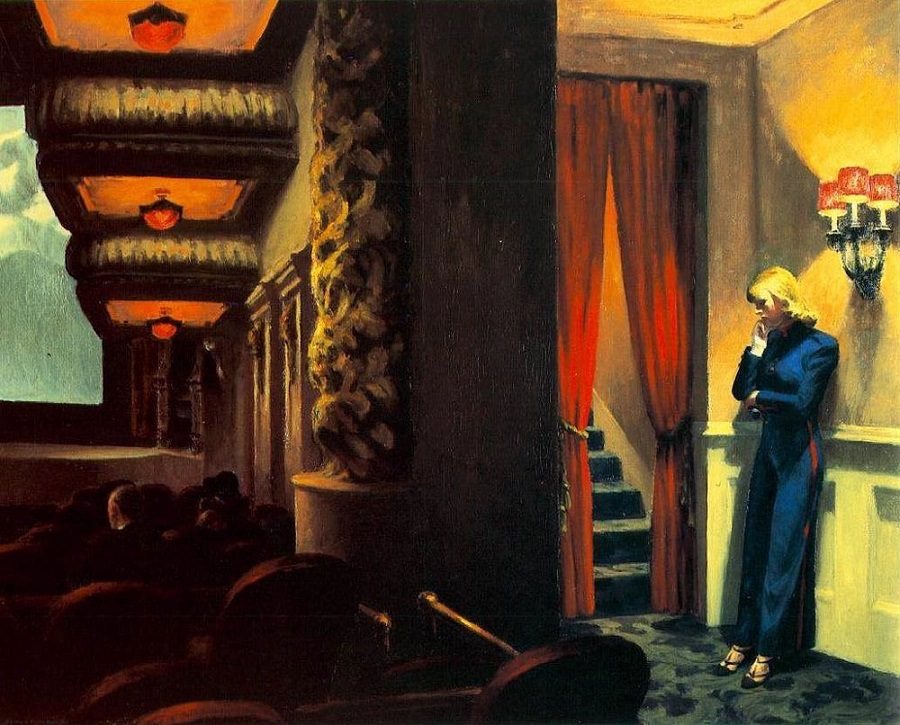
And, last but certainly not least, doesn’t it just feel good to get dressed? As it goes, it’s a form of self-care, too. I get that the urge to throw on whatever’s closest can be strong on certain days (believe me, it’s an itch I almost always scratch, save for work or special occasions like outings and performances), but you hardly ever regret being well-dressed. Besides, it makes for some great photos, if “picture-or-it-didn’t-happen” is a philosophy you live by.
No one is expecting you to come in designer clothes. A nice frock, a clean blazer and polo combo, and if you’re feeling extra preppy, kitten heels or dress shoes, will suffice. You’ll know you’ve crossed the line when you start considering ratty shorts, ripped jeans, a graphic tee with a mysterious stain, or whatever it is you wear to the gym or supermarket.
This feature isn’t here to enforce an authoritarian “must,” nor is casual attire a litmus test for propriety. But given that we’re afforded free will and choice, it wouldn’t hurt to use them in ways that enhance the experience. As Friedman writes in her The New York Times article, “There is nothing better for self-expression than peacocking in finery—but if that does happen, it will be their choice, not a convention that’s forced upon them. Which is a good thing.”