Tariff cuts and new regulations are accelerating the Philippines’s shift to electric vehicles. But for EVs to truly take off, the country must solve deeper issues in infrastructure, affordability, and public perception.
Thanks to Executive Order No. 12, approved on May 15, 2024, the tariffs on the importation of electric vehicles (EVs) are now waived until 2028. This news was a big win for Filipinos who’ve been clamoring for more affordable, quality EV options, especially with brands like BYD leading the charge in the local market. But while getting EVs into the country is a good start, it’s just one piece of the puzzle. Manufacturers, retailers, and future EV owners still face a bigger challenge: getting a diesel-dependent nation to actually make the switch. So, where does the Philippines stand in this transition, and what could a more electrified future mean for the country’s growth?
READ ALSO: From Clinics To Clicks: The Future Of Healthcare Built For Young Filipinos

A Shift Behind The Wheel
Government policies surrounding EVs emerged in the 2000s as part of a bid to create a more sustainable Philippines. To the average consumer, the predominant image surrounding EVs—specifically automobiles—is that of unaffordability. One thinks of the Tesla, Elon Musk’s electric supercars, and the price tags that make them merely aspirational for most. Local EV manufacturing was minimal in the late 2010s, with most electric vehicles coming to the Philippines from the outside through the same sales streams as their diesel and gas counterparts. Why bother with a more costly EV when diesel vehicles are readily available and less expensive to power and maintain?
But an EV is more than just an electric car for the elite. It’s a category that comprises not only personal cars but electric motorbikes, buses, bicycles, and tricycles—vehicles that, if deployed properly, could go a long way toward addressing the country’s emission issue. This is why laws and regulations surrounding the industry are gaining increasing precedence—in order to support what could be a major paradigm shift in the way the country approaches transport.
Legislation like the EVIDA (Electric Vehicle Industry Development Act) Law and Executive Order No. 488 have been at the forefront of change, encouraging the adoption of EVs through targeted measures that make the vehicles cheaper to import, repair, and own. Meanwhile, anti-congestion and automobile discouragement policies such as number coding, where cars are restricted from traveling on certain days based on the last digit of their license plate, have been implemented to reduce traffic and promote alternatives to diesel-powered vehicles. With EVs exempted from the number coding scheme, this should serve as a strong incentive to choose electric over fossil-fuel-powered cars.
Unfortunately, the effectiveness of these measures has been mixed at best. Number coding, in particular, has incentivized the purchase of additional diesel vehicles with unique license plates, rather than encouraging the use of non-diesel transportation. This may be due to a lack of specificity in implementation. Without concrete pressures like congestion charging or diesel taxation to go alongside pro-EV regulations, it is still an uphill battle to push back against the cultural stronghold that diesel cars have become.
On Becoming An Electrified Nation
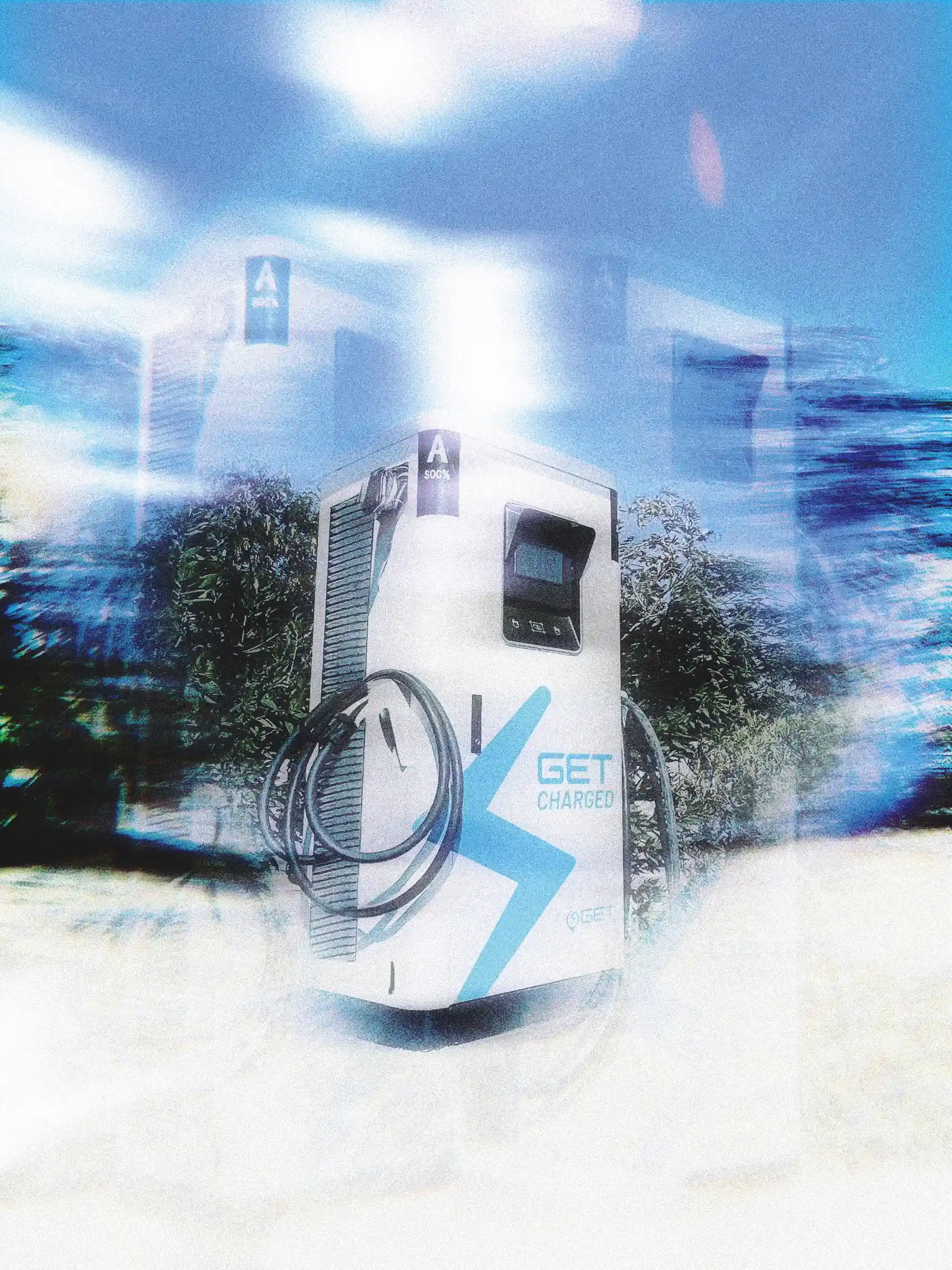
Despite slow progress, EV manufacturers are already setting up shop in the Philippines for vehicle production, shifting away from Euro 4 diesel vehicles and moving toward a future that looks increasingly electric—thanks in part to development incentives provided under the EVIDA Law. While much of this momentum has been driven by the national government’s push for EV reform, globalized development, and international pressure have also steered the world toward smart city solutions. Naturally, a core concept of smart city development is the transition to zero-emission vehicles. This doesn’t even account for EV-oriented startups like GET Philippines, Moovr, and AddaVolt, which are looking to capitalize on government mandates requiring that at least 5% of all vehicle fleets be electric.
What we’re seeing here is a change that’s driven not only by environmental responsibility, but also by a financial market that sees more value in preserving what already exists than in banking on impossibilities. Today’s consumers have become more environmentally conscious, which means they expect the products they use to be conscientiously made and to promote a better quality of life. While this mindset clashes with a society where fast fashion, the sachet economy, and easy conveniences have become the norm, they are undoubtedly more aware of the impact their purchasing power carries.
Of course, transitioning toward a higher percentage of electric vehicle usage is easier said than done. One of the major concerns in creating a more electrified Philippines isn’t the vehicles themselves, but the infrastructural changes needed to support them. EVs, like any vehicle, can’t operate without a reliable power source.
While battery swapping is common in electric PUVs and jeepneys that use lead-acid batteries, top-of-the-line vehicles require external charging to reach full capacity. And with batteries that, on average, offer a shorter travel range than diesel vehicles, EVs need to charge far more frequently than typical vehicles need to refuel. Charging stations must also serve both public and private EVs around the clock—a demand likely to place an even greater burden on an electrical grid that wasn’t designed for this level of usage.
Under the EVIDA law, it will be necessary to install vehicle chargers wherever EVs might park or need to charge, as well as to provide dedicated parking spaces for their exclusive use. This applies both retroactively and to future developments, but as with any infrastructure shift, full implementation will take time and political will. Allocating reserved parking is a relatively simple matter of signage, but purchasing and installing chargers demands additional capital expenditure. It is an investment that must support a market still in its early stages.
While facilities to accommodate electric vehicles are still lacking, it’s difficult to justify purchasing an EV. And if there’s a dearth of EVs, it becomes equally hard to justify the costly and time-consuming infrastructural changes needed to support them. It’s a classic chicken-and-egg dilemma, with few solutions, especially if the will for change is absent. Still, there are a few advantages to bringing EVs ahead before all infrastructural support has been laid down.
Personal EVs can be supported by chargers provided by manufacturers, which helps temporarily ease the problem while a more robust infrastructure is being developed. It also creates an opportunity to standardize charging protocols—the various plugs and outlets used—across all vehicles entering the country. No adapters, no hassle, and improved charger accessibility would make EV use far more convenient for the average consumer.
Charging Ahead With Electric Vehicles
EVs also have their share of naysayers, who argue that when you factor in production, charging, and eventual recycling, the total emissions generated by personal EVs might not be much lower than those of diesel vehicles to begin with.
Lead-acid batteries are notoriously toxic to produce and dispose of, though the technology is already on its way out. Lithium, the primary component in the more commonly used lithium-ion batteries, is difficult to recycle and increasingly scarce, as it’s now used in a wide range of technological applications. The most likely competitors to lithium-composite batteries, such as nickel-cobalt batteries, still have a long way to go before they can be considered entirely safe when not produced by major battery manufacturers. They’re also a more expensive alternative to lithium-ion, which unfortunately makes them harder to scale in a developing nation like the Philippines.
Detractors also point out that for a zero-emission vehicle to truly produce zero emissions, the energy mix to power it must also be completely sustainable. As of 2023, 79% of the Philippines’ energy comes from fossil fuels, according to Embers, while less than 30% is derived from renewable sources such as hydroelectric, geothermal, wind, or solar power. Add to that the inconsistency of power supply depending on the charging location across the archipelago, and it becomes difficult to view EVs as zero-emission.
Still, even as we speak, the number of sustainable energy sources is expanding, thanks in no small part to initiatives under the National Renewable Energy Plan, which aims to increase geothermal power by 75%, hydropower by 160%, and other renewable sources by 2027. While reaching 100% sustainable power in just two years seems like a dream, the Philippines’ status as an island nation on the Ring of Fire is a distinct advantage. What we have is untapped potential that could go a long way toward supporting a more electrified future.
Despite the doubters and detractors, the road to an electric Philippines may be long, but it isn’t steep. We already have the foundations for a stronger mix of sustainable power sources—benefiting not only EV users, but electricity consumers across the country. Lithium batteries, while still not fully recyclable, can have a second life in energy storage systems (ESS), further enabling the use of zero-emission energy sources by retaining power for longer-term use. Researchers around the world are also developing ways to safely recycle the components in lithium batteries which, if refined, could significantly reduce the lithium mining demands of our technologically advancing world.
Imperfect technologies now have potential to be upgraded and improved across all segments—whether in battery development, overall vehicle design, or charging and assistive technologies. Even now, we’re seeing solutions emerge that are better suited to the developing market. The bicycle, motorbike, and tricycle segments, in particular, will continue to evolve over time, offering more affordable options for a significant portion of the Filipino population.
The future of electric travel in the Philippines isn’t far off from what’s already available in other countries, whether for personal use or broader transport reform. While the Philippines may not be among the earliest adopters of electric mobility compared to its Asian and Southeast Asian neighbors, beginning our development after others have paved the way allows us to learn from their successes and missteps.
What have our neighbors, both near and far, done right? How can we learn best from them? And how do we ensure these solutions are adapted to the Philippine context? These are the questions that lawmakers, manufacturers, and future EV users must consider as we move forward. One thing is certain: the electric future ahead is bright.
This article was originally published in our September 2025 Issue