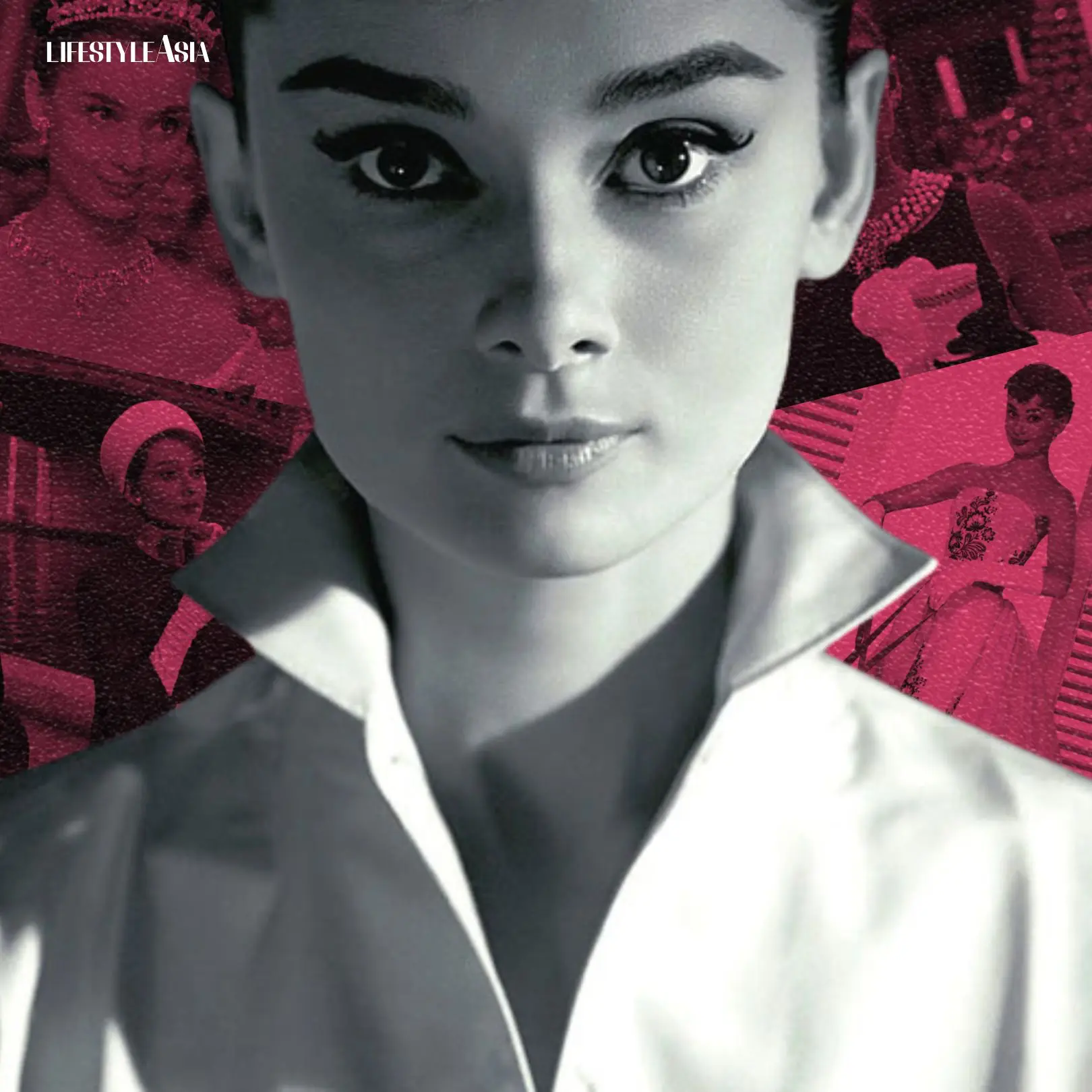
The word “loverly” is often associated with Audrey Hepburn, and that’s exactly how we feel about her filmography. Here are ten of the very best films in her short but remarkable career.
Audrey Hepburn is nothing short of a legend. An Oscar-winning actress, timeless fashion muse, and devoted UNICEF ambassador, she wasn’t just admired—she was adored. Decades later, her influence on film, style, and pop culture continues to shine brighter than ever. In honor of her enduring magic, we’re counting down ten must-watch films that were, in true Hepburn fashion, absolutely “loverly” from start to finish.
Roman Holiday (1953)
Roman Holiday—the one that started it all. The story of how it came to be goes like this: Audrey Hepburn was in Monte Carlo performing a small part in a little-known film called Monte Carlo Baby. Among the audience on set that day was famed French writer Colette, who happened to catch Hepburn’s brief scene and immediately thought she’d be perfect for the lead in her upcoming stage production of Gigi. Hepburn got the part, starred on Broadway, and was soon spotted by agents from Paramount Pictures, who invited her to audition for director William Wyler’s Roman Holiday. The rest, as they say, is history.
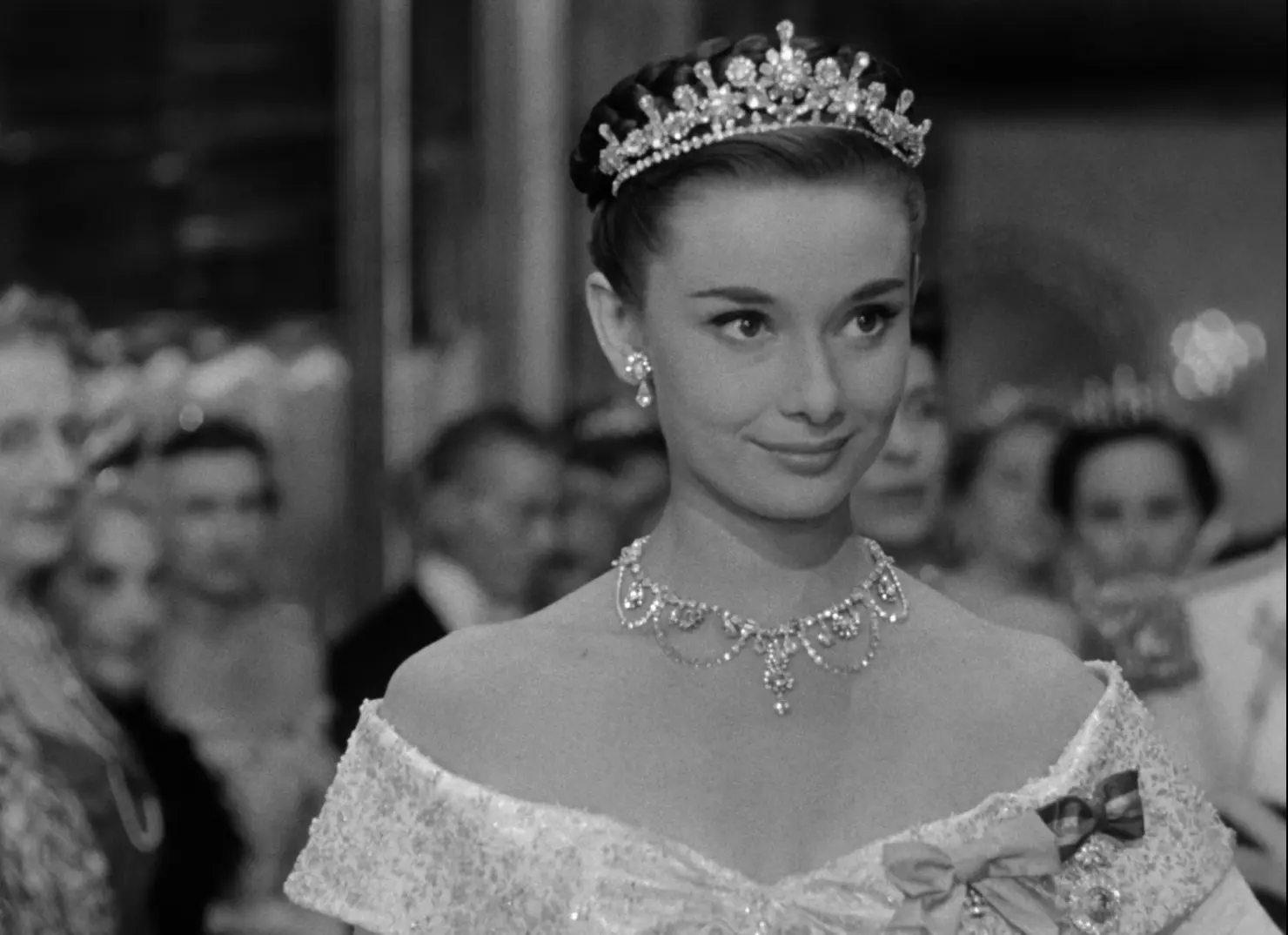
In the film, Hepburn became immortal as Princess Ann, a royal from an unnamed European country who’s tired of rigid schedules and endless protocol. During a tiresome diplomatic tour, she escapes and wanders the streets of Rome. Along the way, she meets an American named Joe Bradley (Gregory Peck), who, unbeknownst to her, is actually a journalist hoping to land an exclusive story. They explore the city together, pretending to be ordinary people for just one day. For her luminous performance, Hepburn won the Academy Award for Best Actress—a victory many say was inevitable the moment she first appeared on screen.
Sabrina (1954)
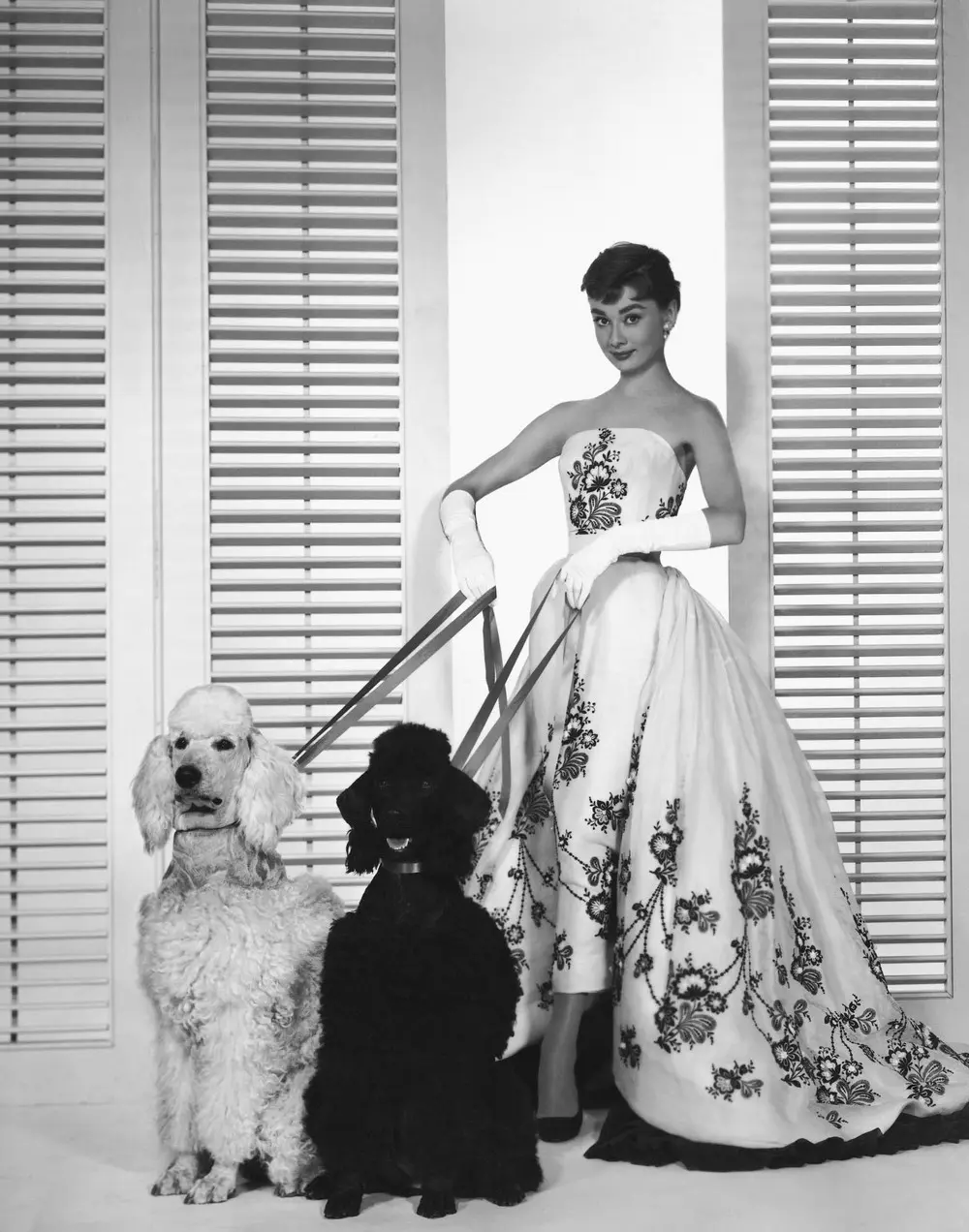
To capitalize on the success of Roman Holiday, Paramount Pictures quickly scooped up the rights to the Broadway hit Sabrina. Hepburn plays the titular Sabrina, the chauffeur’s daughter living on the grand Larrabee estate. She’s hopelessly in love with David Larrabee (William Holden), the family’s charming, womanizing younger son who’s never given her a second glance. But when Sabrina returns home from cooking school in Paris, she’s transformed into the picture of elegance and sophistication—and David finally starts to take notice. However, Linus Larrabee (Humphrey Bogart), David’s older brother, is determined to keep him on track with his engagement to a wealthy socialite, because their union will secure a multimillion-dollar deal for the family business.
Sabrina marked the first time designer Hubert de Givenchy created Hepburn’s on-screen wardrobe, and it also helped cement her screen persona as a kind of modern-day Cinderella. It’s magnificent, romantic, and still holds up beautifully to this day.
Funny Face (1957)
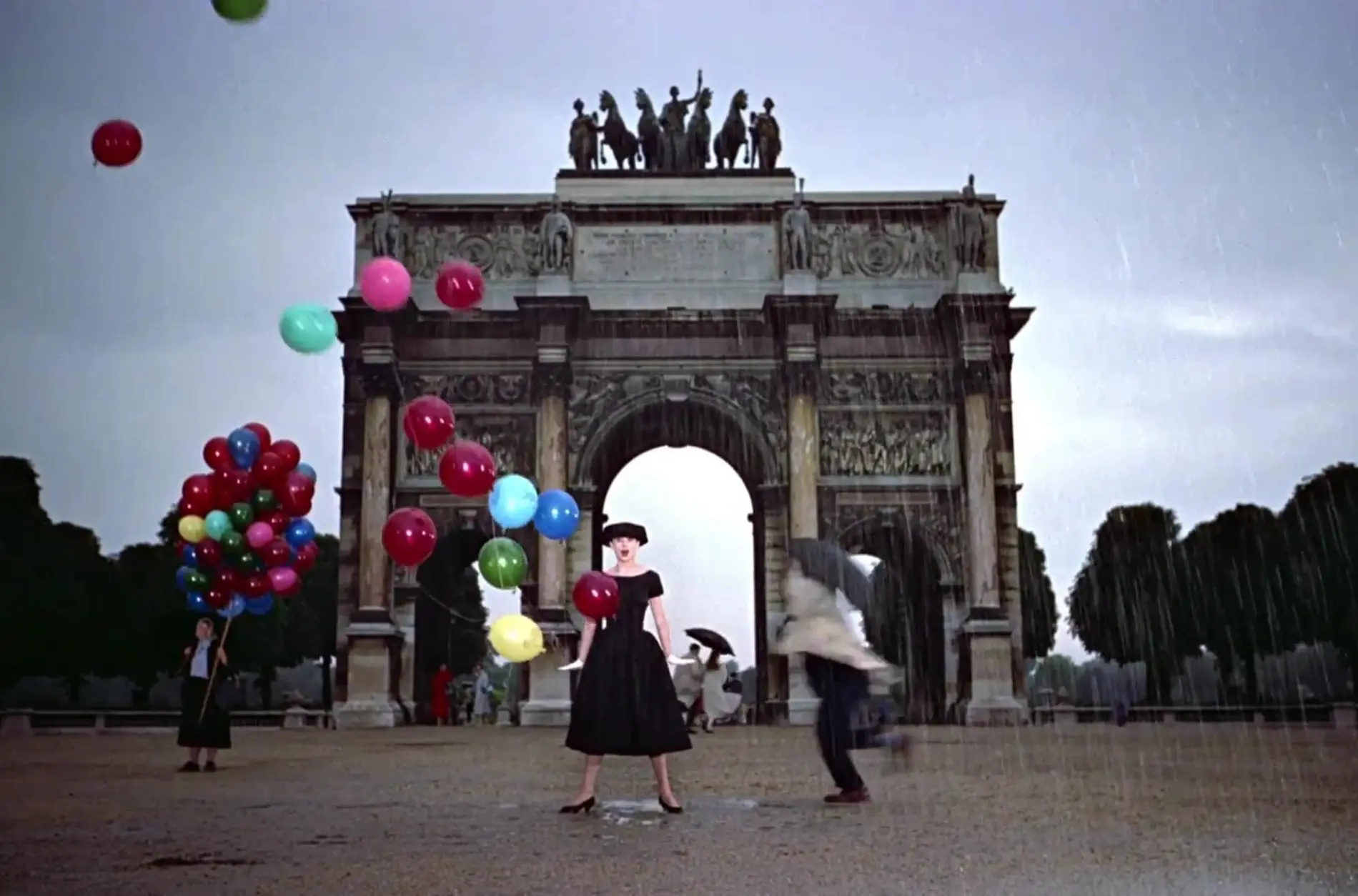
A glittery 1950s musical with (yet again) iconic costumes by Hubert de Givenchy—seeing a pattern here?—is reason enough to revisit this classic gem. Fred Astaire co-stars as a fashion photographer who discovers a bookish librarian (Hepburn) and sees her potential as a fashion model, convincing her to front the magazine’s latest campaign. Set in Paris and backed by a gorgeous Gershwin score, Funny Face is the kind of lush escape we crave from cinema. It’s bright, luxurious, and irresistibly fun—the kind of film that makes you say, “They don’t make ’em like that anymore!” And really, how can you resist a movie that’s basically a two-hour excuse to watch Audrey Hepburn strut around Paris in stunning 1950s couture?
READ ALSO: Heroic Heart: Audrey Hepburn’s World War II Courage And Humanitarian Work
The Nun’s Story (1959)
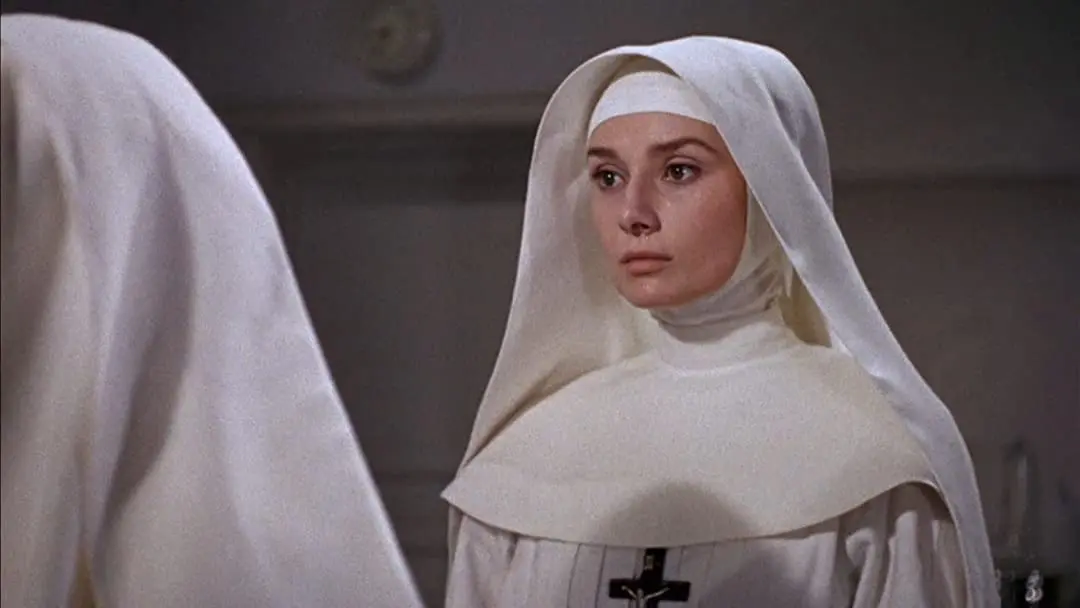
In many interviews, Audrey Hepburn would say that Fred Zinnemann’s The Nun’s Story was her favorite film of hers. And we can see why. Amongst the romantic comedies, glittering musicals, and high-fashion film moments, this one really sticks out as a stark character study and drama that really lets Hepburn flex her acting chops. In one of Hepburn’s finest hours in her entire career, she plays Gabrielle van der Mal, the daughter of a wealthy Belgian surgeon who leaves a comfortable, upper-class life to become a nun stationed at the Belgian Congo. The inner battle that Hepburn portrays in her subtle, but fearless acting garnered her an Academy Award nomination for Best Actress.
Breakfast at Tiffany’s (1961)
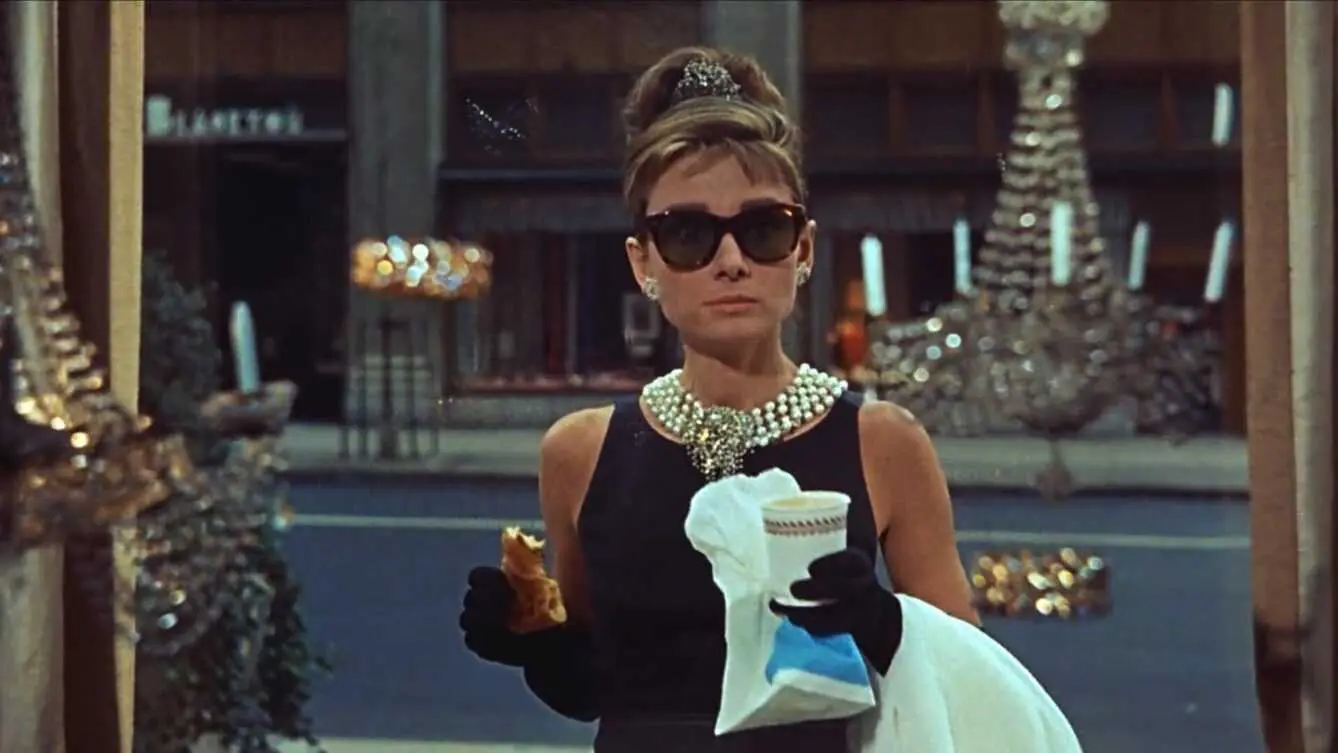
Breakfast at Tiffany’s is iconic—and for good reason. It’s a genuinely fantastic movie (minus Mickey Rooney’s unfortunately racist portrayal of Hepburn’s Japanese neighbor). The story follows Holly Golightly, a New York City “party girl” who believes money might be her ticket out of a troubled life. But everything changes when she meets her charming young neighbor, Paul Varjak (George Peppard), a struggling writer with a complicated life of his own. The result? Pure movie magic—and a romance for the ages, even if Truman Capote hated the way they adapted his original novella. (Let’s just consider the film its own thing.)
Charade (1963)
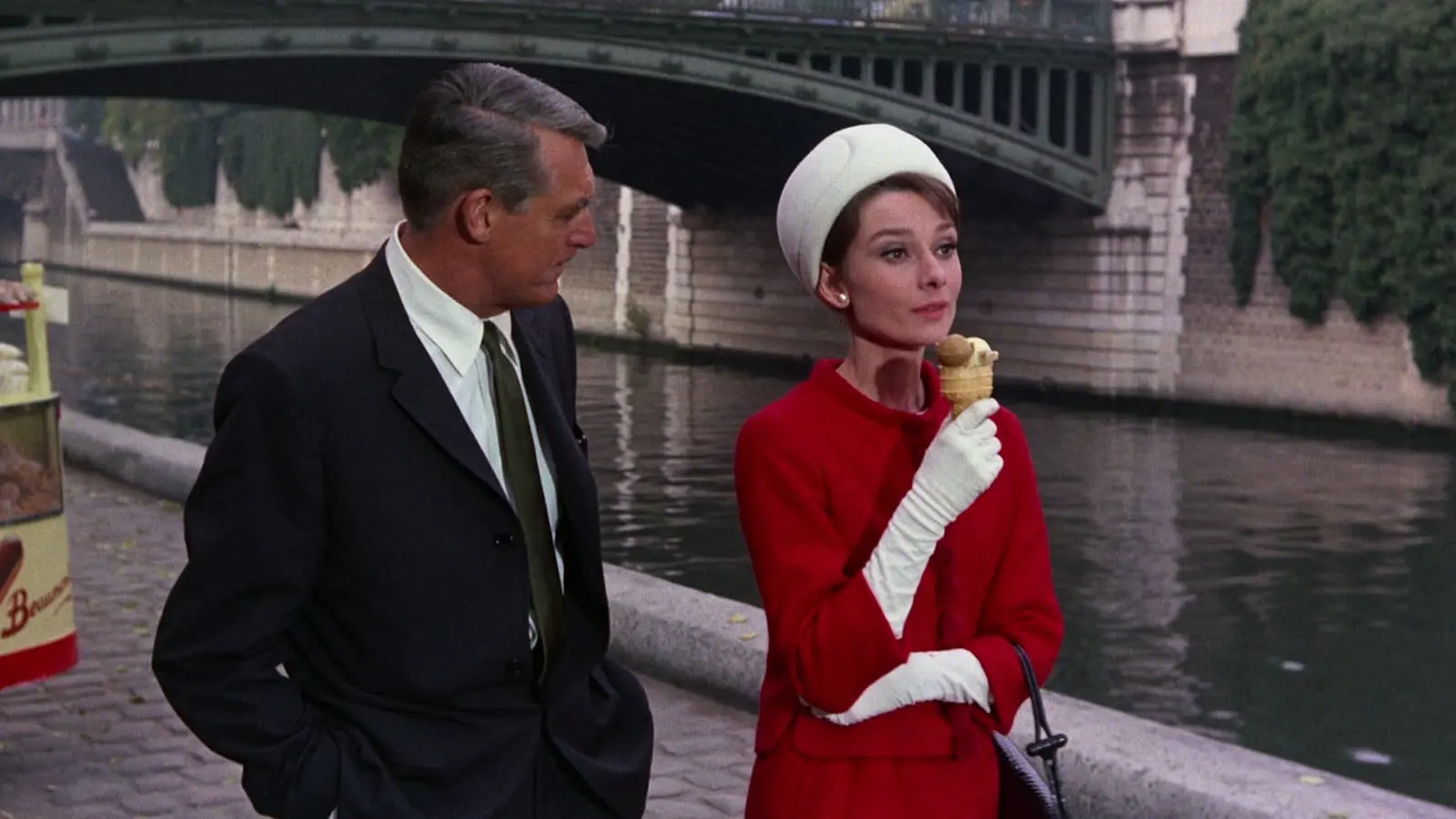
Stanley Donen’s Charade is easily one of the most entertaining Audrey Hepburn films to watch. The gripping mystery, razor-sharp editing, and Hepburn’s unforgettable performance make it a standout in her filmography—and it was later dubbed “the best Alfred Hitchcock film that Hitchcock never made.” She stars as Regina Lampert, a recent widow being hunted down by three of her late husband’s shady World War II associates. What are they after? A missing half a million dollars they once stole, now vanished under mysterious circumstances. Regina’s only ally appears to be the dashing Peter Joshua (Cary Grant), whom she meets at a luxurious ski resort in the French Alps—unaware that he has ulterior motives of his own. It’s a thrill ride from start to finish, and perhaps one of the most underrated Hepburn films ever.
My Fair Lady (1964)
The 1964 movie musical was both a critical and box office hit, winning eight Oscars—including Best Picture, Best Director for George Cukor, and Best Actor for leading man Rex Harrison. Audrey Hepburn plays Cockney flower girl Eliza Doolittle, who dreams of bettering herself and rising in social standing. To do so, she begins lessons with the pompous professor and speech expert Henry Higgins (Rex Harrison). Though Eliza’s future is at stake, Higgins treats her more like a pet project than a person, turning her transformation into a wager with his friend Colonel Pickering, claiming he can pass anyone off as a duchess at the Embassy Ball.
READ ALSO: Memories Of Beautiful Artistry: Emma Hepburn Ferrer’s Refreshing Cultural Sojourn In The Philippines
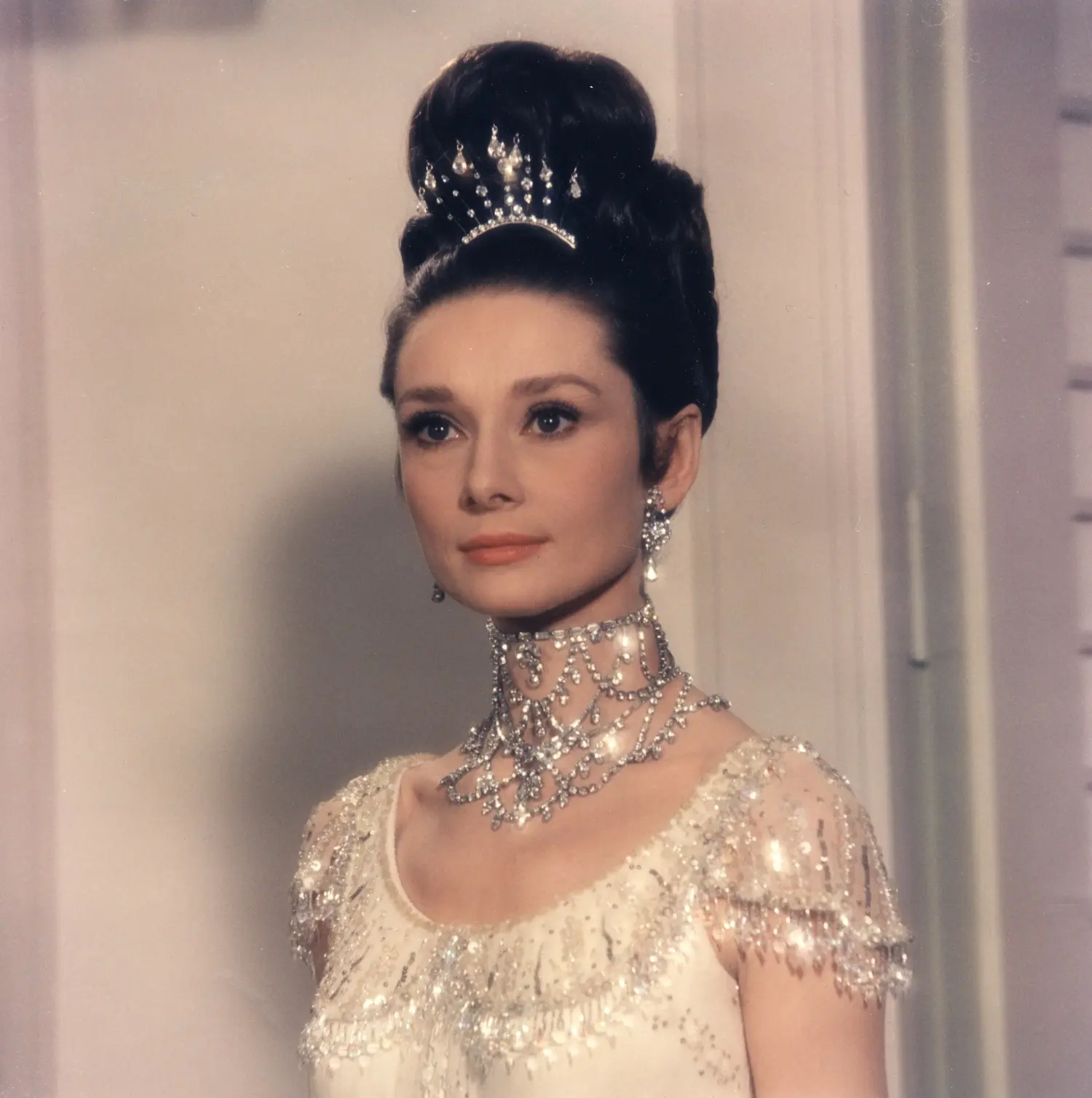
A musical adaptation of Shaw’s Pygmalion, and itself adapted from the hit Broadway show by Alan Jay Lerner and Frederick Loewe, My Fair Lady stirred some controversy at the time. Warner Bros. chose Hepburn over original stage star Julie Andrews due to her box office appeal. But all turned out well—Andrews won the Best Actress Oscar that same year for Mary Poppins. While the media loved to stir rumors of rivalry (and speculated there was bad blood), both women remained friends for years, and Hepburn added another enduring classic to her resume.
How to Steal a Million (1966)
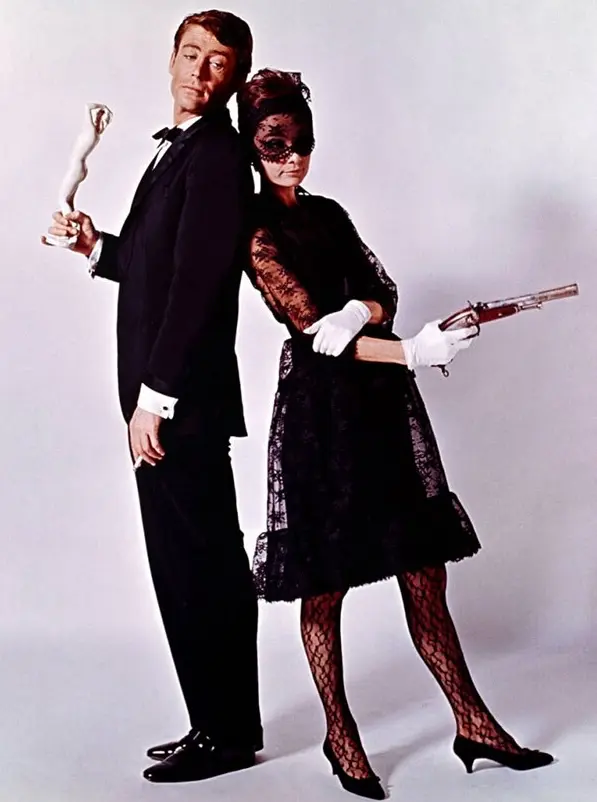
Nicole is the daughter of a famous art forger who sells his fakes for a considerable profit. But when one of his reproduction sculptures ends up in a Paris museum, trouble brews as experts begin to question its authenticity. To protect her father from being exposed as a fraud, Nicole enlists the help of a charming cat burglar, Simon Dermott (Peter O’Toole), to steal it back. Frivolous and fabulous, How to Steal a Million is a wonderfully fun romantic comedy, complete with some delightfully bonkers costumes by Hepburn’s longtime collaborator, Hubert de Givenchy. (That lace dress and mask? Insane and utterly gorgeous.) For a lighthearted watch that keeps you entertained from start to finish, How to Steal a Million is 1960s charm at its finest.
Two for the Road (1967)
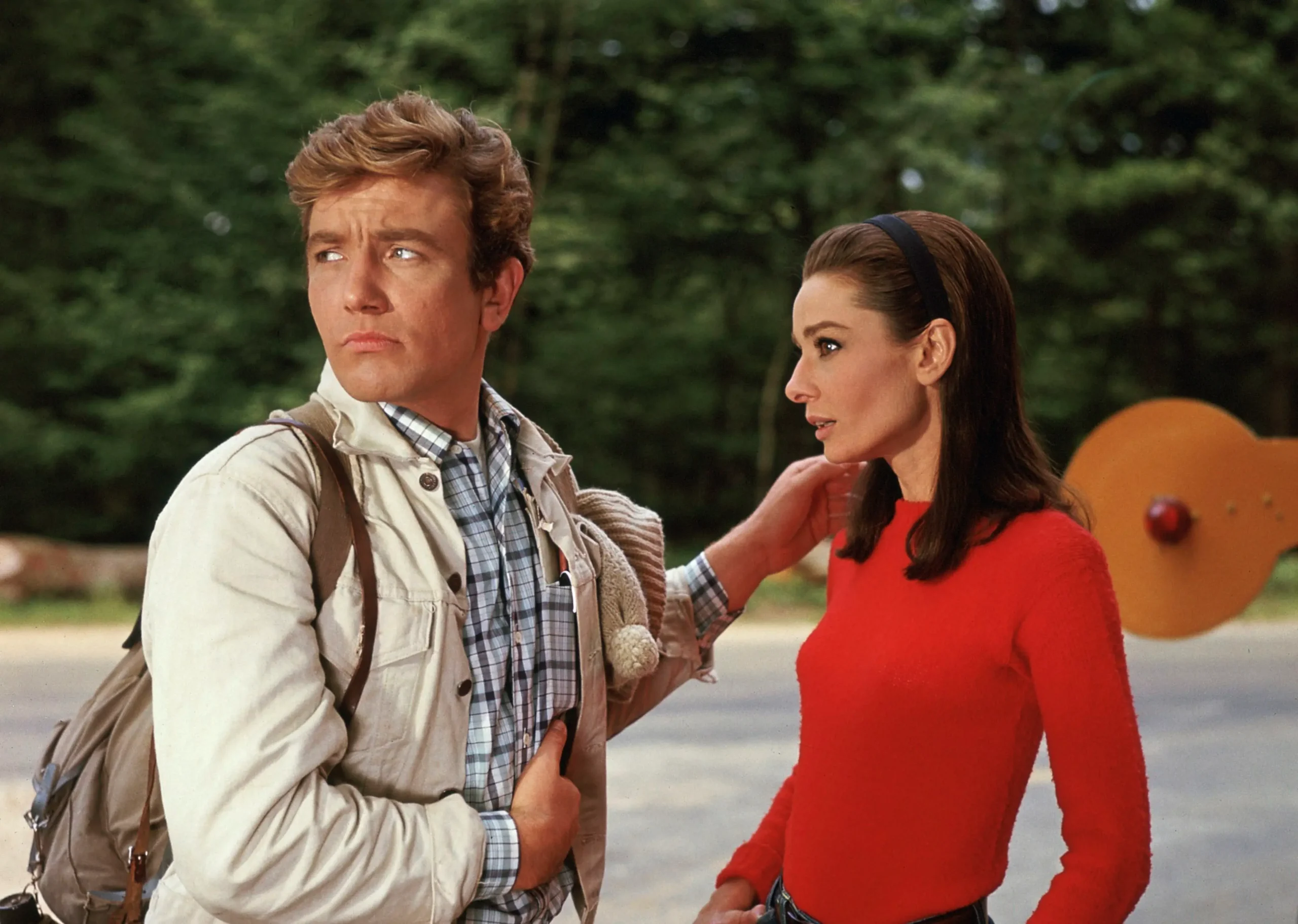
Not only is Two for the Road a forgotten gem in Audrey Hepburn’s golden filmography, it’s also a treasure of 1960s cinema—and perhaps one of her finest performances ever. The plot is intimate: we follow a husband and wife (Hepburn and co-star Albert Finney) on a road trip across Europe as they try to rekindle a flame they’ve lost. Present-day scenes are intercut with flashbacks to two earlier timelines: their courtship and the early years of their marriage, offering a remarkable look at the evolving stages of love. Complicated in structure but beautifully acted by both leads, the film is a heartwarming (and often melancholic) story that will have you swooning and crying all at once.
Wait Until Dark (1967)
Sadly, we’ve reached the end of our list. And while there are a few more Hepburn films we wish we could include, we’re saving the final spot for Wait Until Dark—a heart-stopping drama-thriller made just before Hepburn took a hiatus from acting to focus on raising her children. She pours everything she has into this role, ultimately earning her final Academy Award nomination for Best Actress.
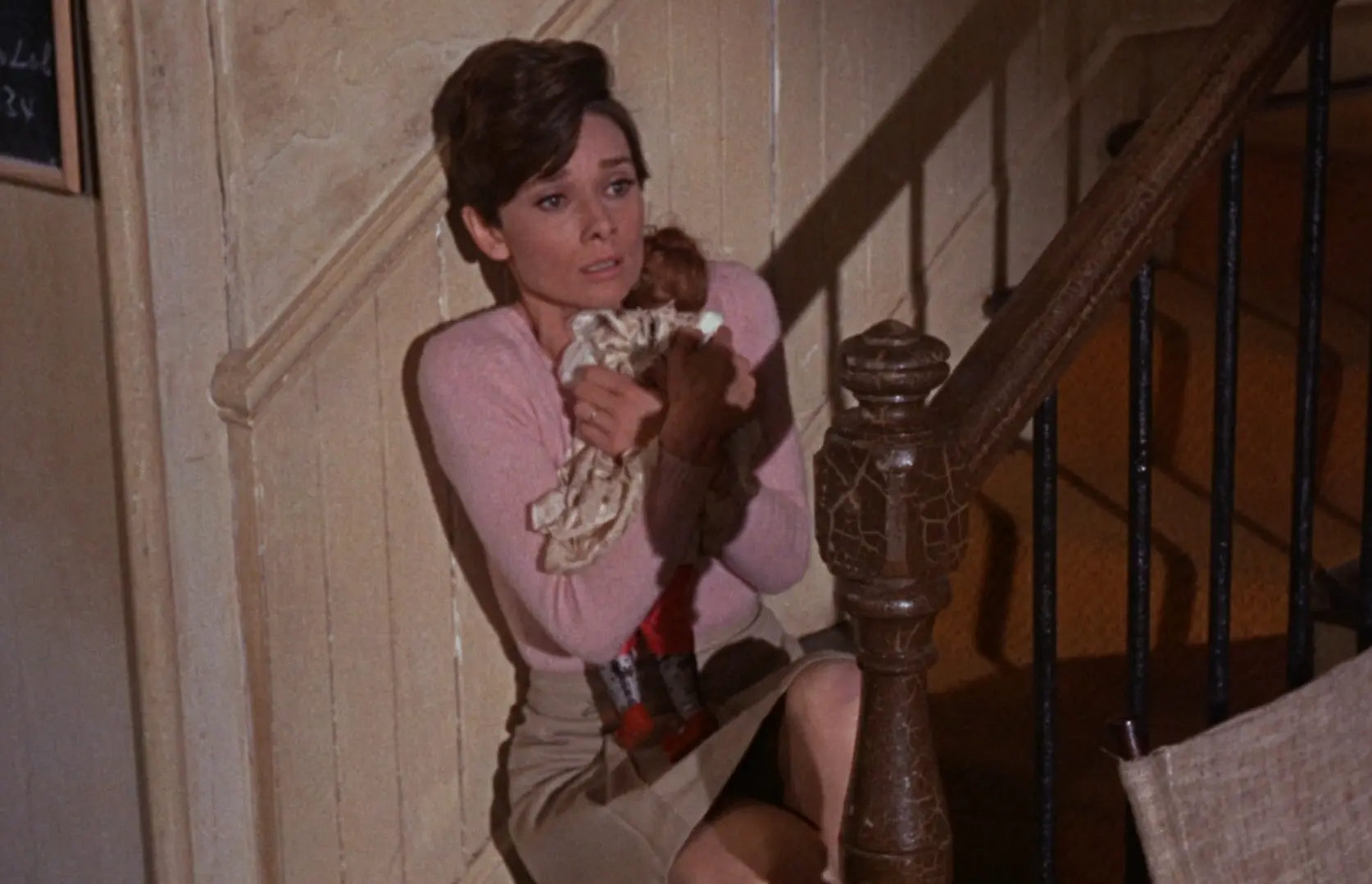
Hepburn plays Susy, a blind woman left alone when her husband leaves on a last-minute business trip. What she doesn’t realize is that a group of drug dealers has hidden an antique doll—stuffed with heroin—inside her apartment. As they return to retrieve it and begin to terrorize her, the seemingly helpless Susy refuses to back down, using the darkness as her greatest weapon.
Main banner photo by Jack Cardiff, 1956