As romantic comedies fade from our screens, so too does the language of love they once taught us.
Dating nowadays, just like everything else in our lives, has become digital. With a few swipes to the right, you’re matching with a potential love interest. Like the media you consume, even your love life has become algorithmic. Gone are the days when grand or not-so-grand romantic gestures were the barometer for attraction, and this dwindling of real-world romance might have more to do with a fading rom-com scene than we think.
“It all has to do with rom-coms and sitcoms,” shares actress Reese Witherspoon in an episode of Dax Shepard’s Armchair Expert podcast. “You know how there’s been, like, the past 10 years, I would even say the past 15 years, this decline in the making of rom-coms? Or, like, legitimate big movie stars being in rom-coms? I do think these 10 to 15 years where the internet started, social media started, and then we stopped–we started kind of going, ‘rom-coms are cringey.’ But it was actually where we learned social dynamics, from Tom Hanks and Meg Ryan.”
The Legally Blonde star’s thesis is this: the lack of love stories in our screens is actually a reflection of a reality where romance is an afterthought.
READ ALSO: LA Recommends: 7 Albums To Make You Feel Like It’s Fall
The Reality Of Love And The Decline In Rom-com Movies
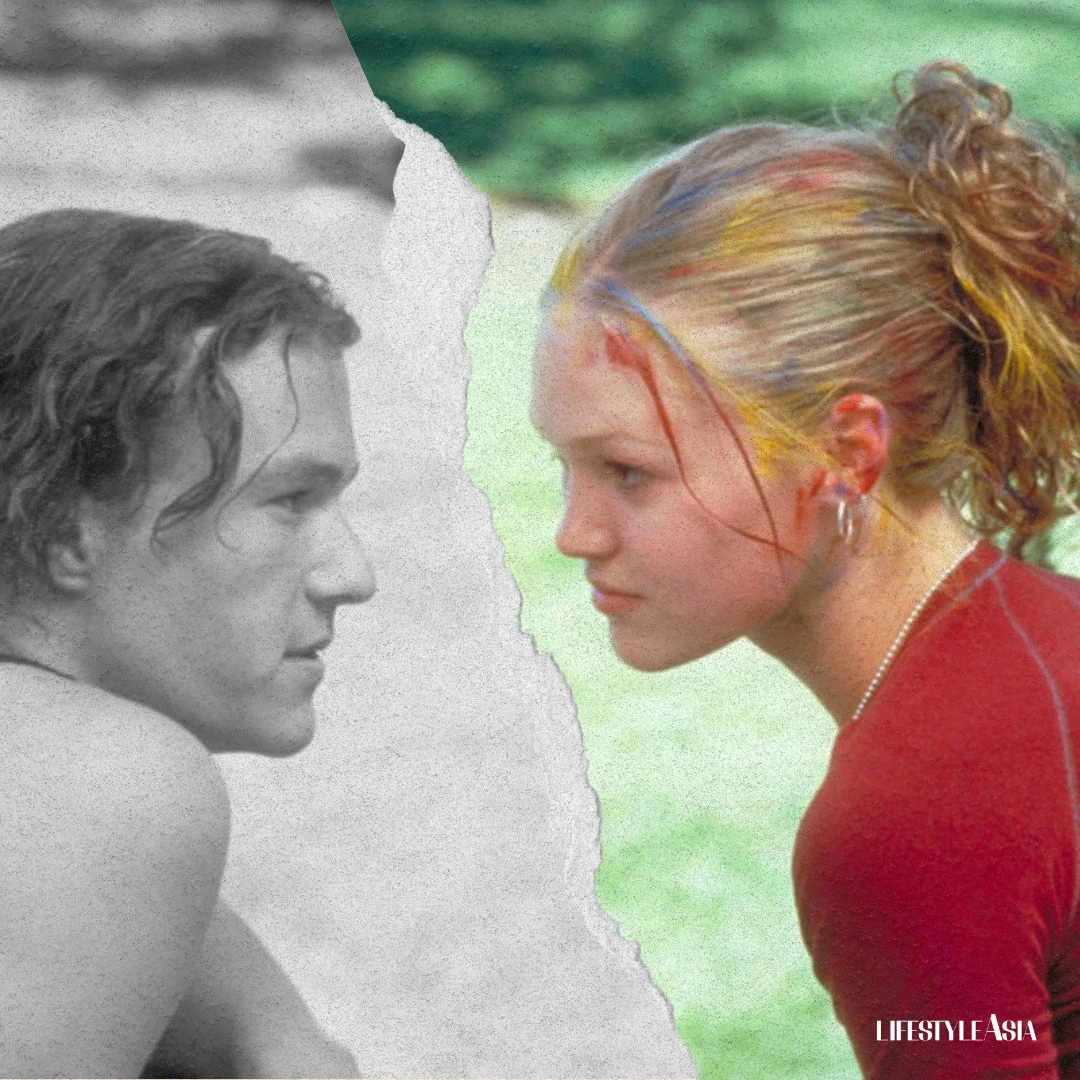
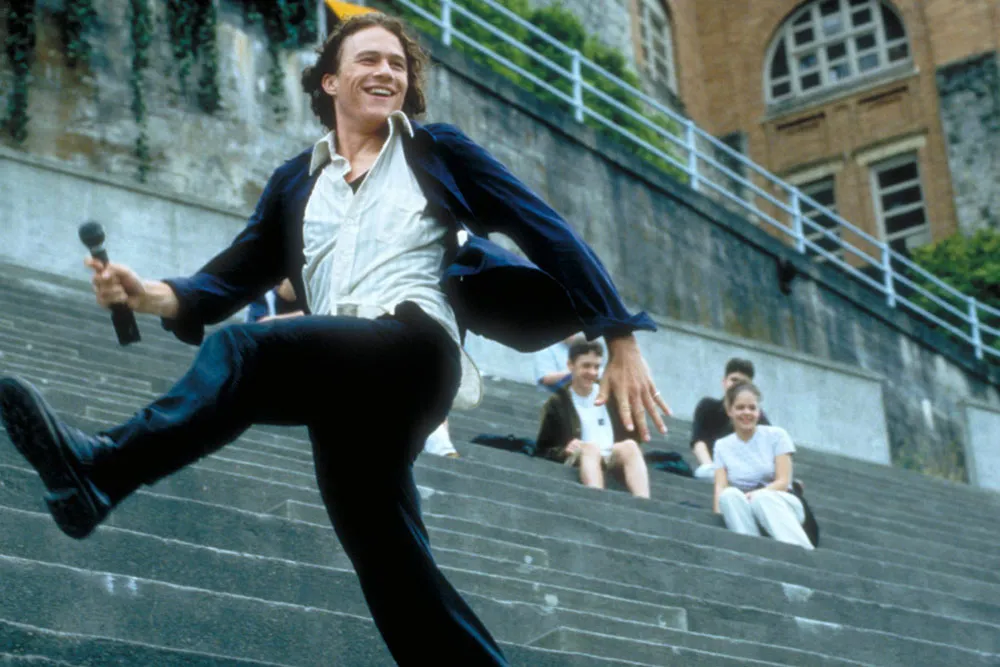
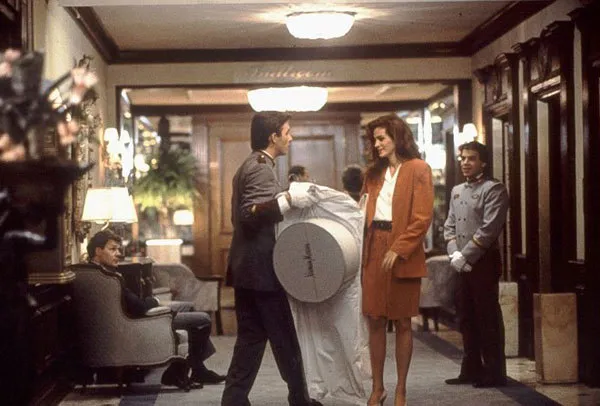
Growing up, I’ve always had a deep-rooted fascination with romantic comedies. I would binge-watch rom-coms with my sister, feeling kilig every time a meet-cute story comes to fruition. Back then, movies didn’t just tell love stories: they made us believe in them. From Pretty Woman to 10 Things I Hate About You, rom-coms acted as gentle scripts for intimacy, vulnerability, and risk. In them, and through them, was a shared cultural language for romance brimming with awkward pauses, grand gestures, and slow burn that turned into devotion.
But as the genre faded, so did that language. Modern dating culture, increasingly digitized, has traded emotional nuance for efficiency. We’ve learned to communicate in half-thoughts. The rom-com’s absence isn’t just a cinematic loss—it’s a social one. These films once provided what philosopher Jürgen Habermas might call a “public sphere,” a shared space for conversation about love and what it means to care for one another.
In Habermas’s view, media ideally fosters communicative action: dialogue rooted in mutual understanding rather than personal gain. Rom-coms, in their heyday, did exactly that. They invited people to think of, talk about, and feel the possibility of connection. But as studios shifted toward profit-driven, strategic action—content engineered to sell rather than to speak—the genre lost its footing.
What we’re left with are formulaic romances: stories that chase engagement instead of emotion. Love has become a marketing ploy, if it’s even the topic of conversation at all. It’s no longer an ideal to reach for and experience, but rather, another trend to scroll past.
The Consumption Of Red Pill And The Death of Romance
Parallel to the fall of rom-coms is the rise of another narrative: the “Red Pill” ideology. It’s content that reframes gender, attraction, and power through cynicism, fostering machismo and toxic masculinity. It thrives on disillusionment, positioning romance as weakness and empathy as naivety. Where the rom-com once celebrated connection, the Red Pill movement glorifies control and self-preservation.
This shift reflects more than changing tastes—it’s a transformation in how we understand intimacy. In a media landscape driven by outrage and metrics, emotional detachment becomes the norm. Love—complex, unpredictable, and deeply human—doesn’t perform well in an economy of clicks.
Rom-coms once humanized romance. They permitted people to hope, fail, and try again. The Red Pill content machine, by contrast, commodifies resentment and mistrust. It thrives in a public sphere eroded by strategic communication, where conversation is no longer about understanding, but about winning. There’s simply no time to linger in the sweet, slow build-up of romance, with all the work that goes into building that happily ever after, both on and off the screen. And maybe that’s the tragedy of it all: in losing the stories that made us believe in love, we’ve created a space that teaches us to avoid an integral part of life altogether.
All photos via Kinorium