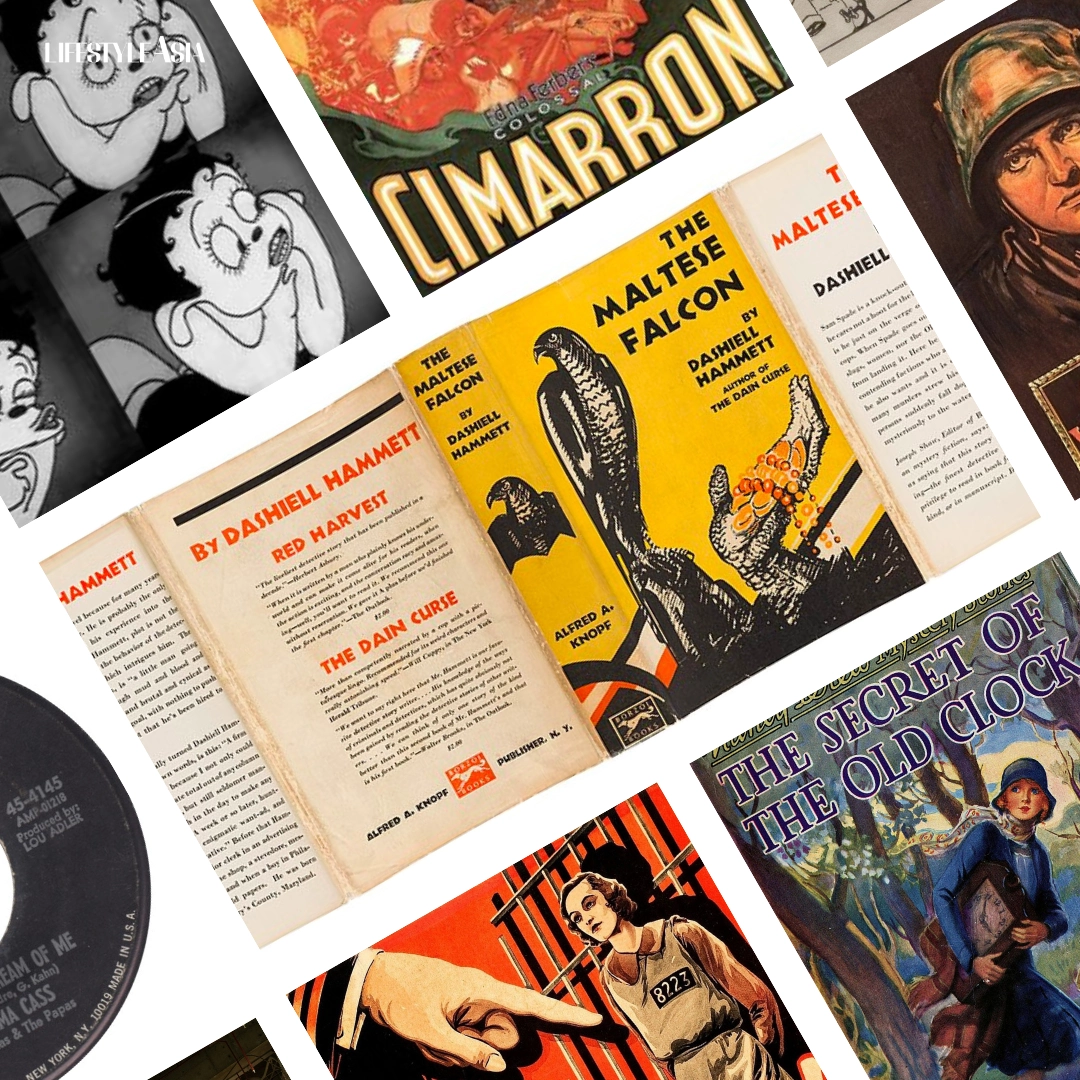
With a new wave of copyrighted works becoming freely accessible, knowledge and culture can be shared, preserved, and expanded by a wider audience.
Jumping onto the bandwagon of “Ins” and “Outs” this 2026: thoughtless slop is Out, and human creativity—both past and present—is In and deserving of celebration. January 1, 2026, recently marked Public Domain Day in the U.S., with thousands of works from 1930 now under the country’s public domain. This means they’re free to be used, built upon, and shared without permission or fees. But what does that mean, and why does it matter at all?
READ ALSO: A Love Letter To Libraries
When Do Works Enter Public Domain?
While copyright laws differ from country to country—and even depend on the medium of a work (for instance, sound recordings from 1925 are included in this year’s roster)—the U.S. follows a general rule that works enter the public domain 96 years from their publication date, on January 1 after their 95th year. That’s why this year’s batch of works, published in 1930, is entering the “free for all” space.
That said, smaller technicalities are more complex than this, so if you need specific rules, the Cornell University library has a handy page detailing all of this under “Copyright Term and the Public Domain.”
Varying copyright and public domain laws in other territories mean that not all works follow this 96-year term. As the Public Domain Review explains, works from the UK, EU, and most of South America normally have a copyright term comprising their creator’s lifetime plus 70 years; meanwhile, works from territories like Africa and Asia have a copyright that includes the life of their creator plus 50 years (this includes the Philippines). But again, the nitty-gritty is a little more complex and would still depend on a number of factors.
What Works Have Entered U.S. Public Domain?
Quite a few notable works (and even cartoon characters) have entered the U.S. public domain this year.
Books
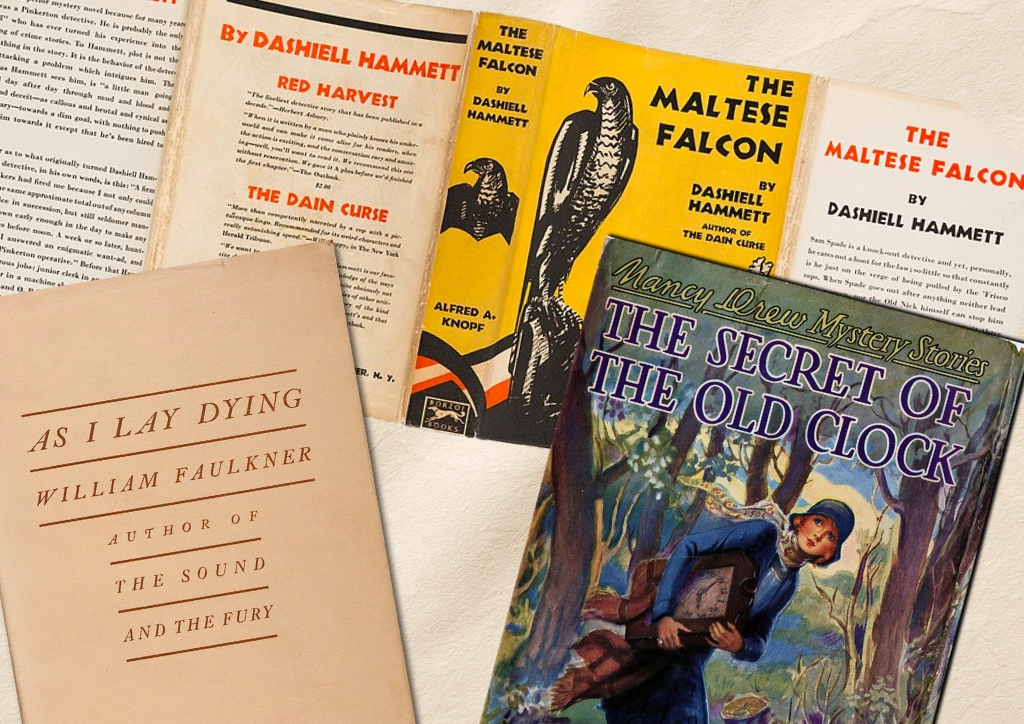
For books, these include the first four Nancy Drew books by Mildred Benson (Carolyn Keene), starting from The Secret of the Old Clock; Agatha Christie’s The Murder at the Vicarage; Dashiell Hammett’s The Maltese Falcon; William Faulkner’s Southern Gothic work As I Lay Dying; Edna Ferber’s expansive Oklahoma Land Rush novel Cimarron. In other words, 2026 is as good a time as any for lovers of mystery and detective fiction, many of which were popular at the time.
Films
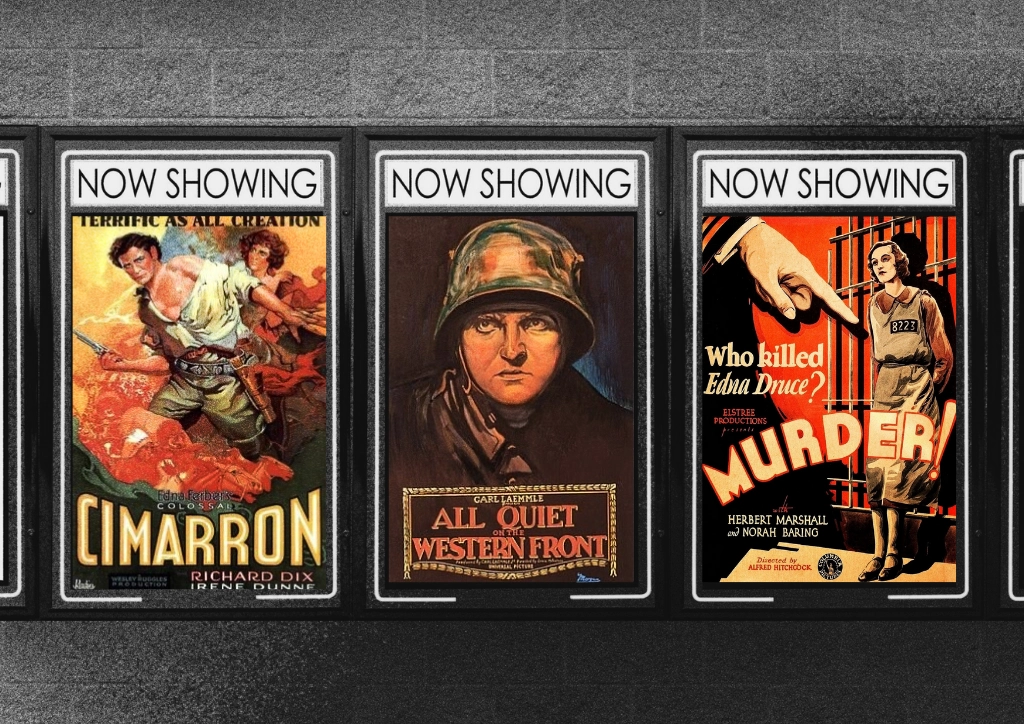
As for films, Lewis Milestone’s Academy Award-winning Best Picture adaptation of All Quiet on the Western Front is now under public domain, as are other works like the 1930 Cimarron film adaptation (copyrighted in 1930, and also a Best Picture winner); Alfred Hitchcock’s Murder!; and Victor Heerman’s Animal Crackers starring the Marx Brothers.
Music
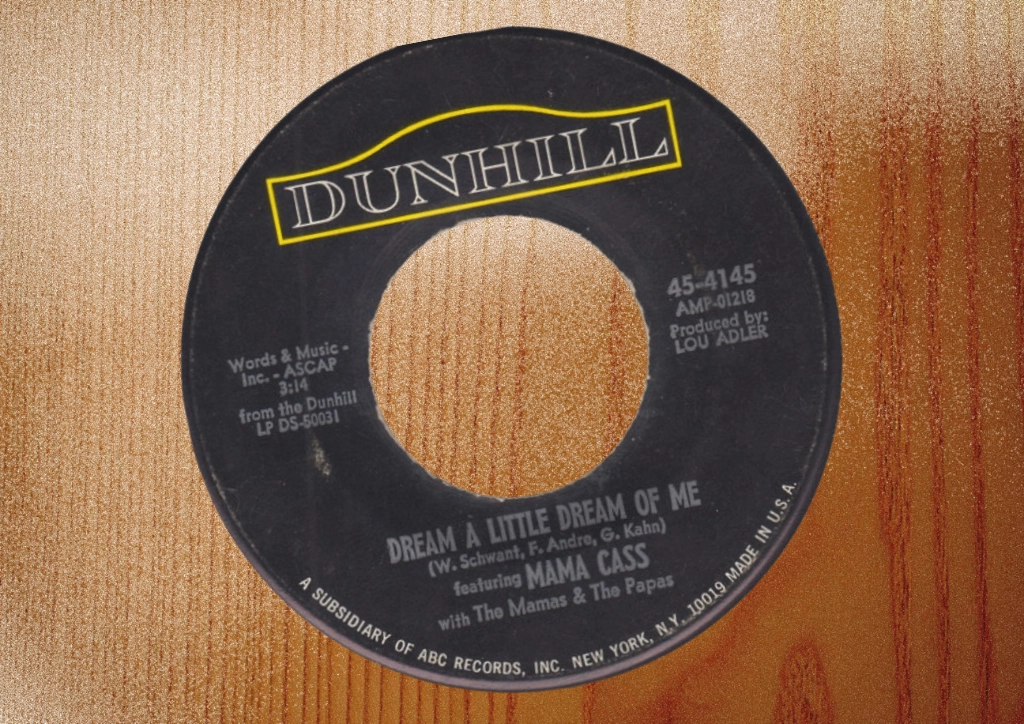
New public domain music includes an assortment of beloved jazz standards, including: “Embraceable You” (lyrics by Ira Gershwin, music by George Gershwin), “Dream a Little Dream of Me (lyrics by Gus Kahn, music by Fabian Andre and Wilbur Schwandt), and “On the Sunny Side of the Street” (lyrics by Dorothy Fields, music by Jimmy McHugh).
Cartoon Characters
Cartoon characters can also enter the public domain (or rather, certain versions of them that existed in the applicable years), with Winnie the Pooh and Mickey Mouse (again, only certain versions) being recent inclusions over the past years. This year’s line-up includes Fleischer Studios’ Betty Boop and the material of Chic Young’s recognizable Blondie comic strip (only its initial four-month run).
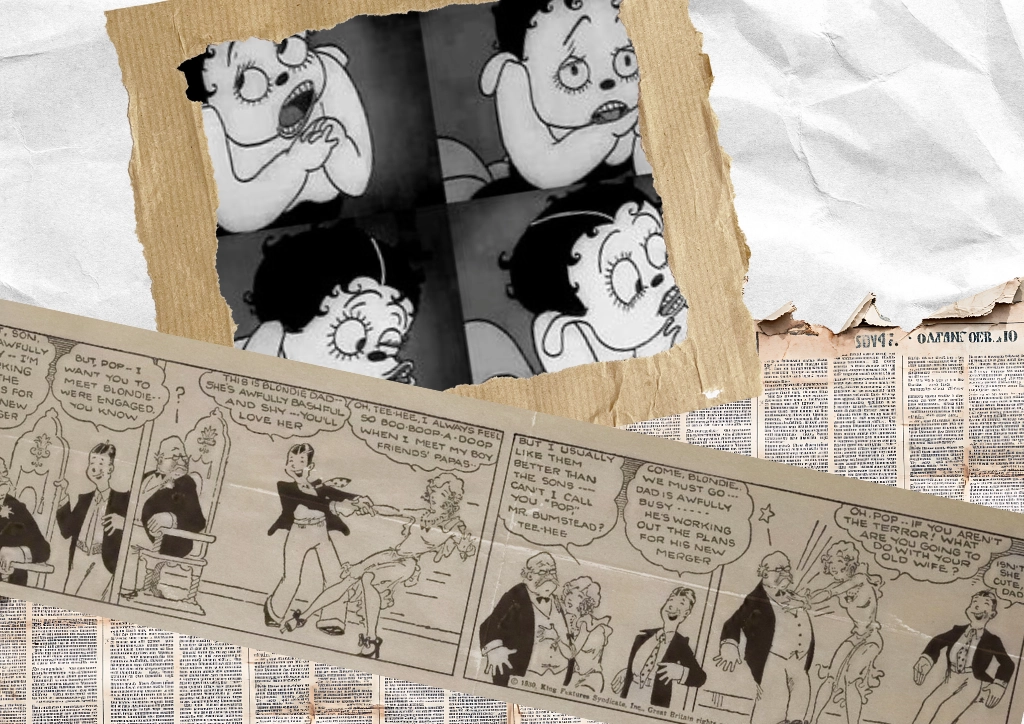
The Catch: There are a little too many legalities that create a confusing web of ownership and debates on what’s really considered “public domain,” as Jennifer Jenkins and James Boyle detail in a feature for Duke Law’s Center for the Study of Public Domain. Fleischer Studios released their own statement on the matter, stating that their character isn’t, in fact, really public domain—only its pilot “Dizzy Dishes” falls under that label, featuring a prototype version of Betty Boop. Yet like Disney, the studio states that works can still be further protected by trademark—so while they’re no longer copyrighted, those intending to use them will still need to pay a trademark fee. Jenkins and Boyle explain the nuances best in their feature, stating that “the challenge is to separate the copyrightable wheat from the uncopyrightable chaff.”
The Significance Of Public Domain
Still, while some materials are subject to stricter laws and a maze of loopholes, a substantial number of works remain entirely free to use, build upon, share, and preserve. This is the core significance of the public domain: it’s part of a larger artistic landscape that allows the world to rediscover, reinterpret, and breathe new life into remarkable works.
Copyright is essential in ensuring that creators receive the protection they need to benefit from their labor for a reasonable amount of time. The public domain, however, exists to balance that protection—or, as Jenkins and Boyle describe it, to serve as the “yin to copyright’s yang”—by sustaining a healthy cycle of creativity. Great works have always drawn inspiration from those that came before them, and the public domain makes this process more accessible.
Beyond creation, it also enables distribution: films can be freely screened, books adapted, music covered or performed in concerts, and artworks reused as pastiche or source material. These practices are fundamental to the preservation and continuation of culture as a whole, making it possible for initiatives such as The Public Domain Review, the Internet Archive, the Getty Open Content project, and Public.Work to safeguard knowledge and function, in many ways, as today’s Library of Alexandria.
Write that adaptation, stage that play, experiment with art to create journal collages or video edits, and take pride in the fact that you are adding your own voice to a long, rich continuum of creative history.
FREQUENTLY ASKED QUESTIONS
Public Domain Day is observed on January 1, when copyrighted works whose terms have expired become freely accessible to the public. In 2026, thousands of works published in 1930 entered the U.S. public domain.
In the United States, most works enter the public domain 96 years after publication, on January 1 following their 95th year. This is why works from 1930 became public domain in 2026.
Yes. Copyright laws vary by territory. In the UK, EU, and much of South America, copyright usually lasts for the creator’s lifetime plus 70 years. In parts of Africa and Asia, including the Philippines, the term is typically life plus 50 years.
Not always. While copyright may expire, trademark protections can still apply. This creates legal nuances that affect how some characters or works can be used.
The public domain allows works to be freely used, shared, adapted, and preserved. It balances copyright protection and sustains a cycle of creativity, enabling cultural rediscovery, reinterpretation, and long-term preservation.