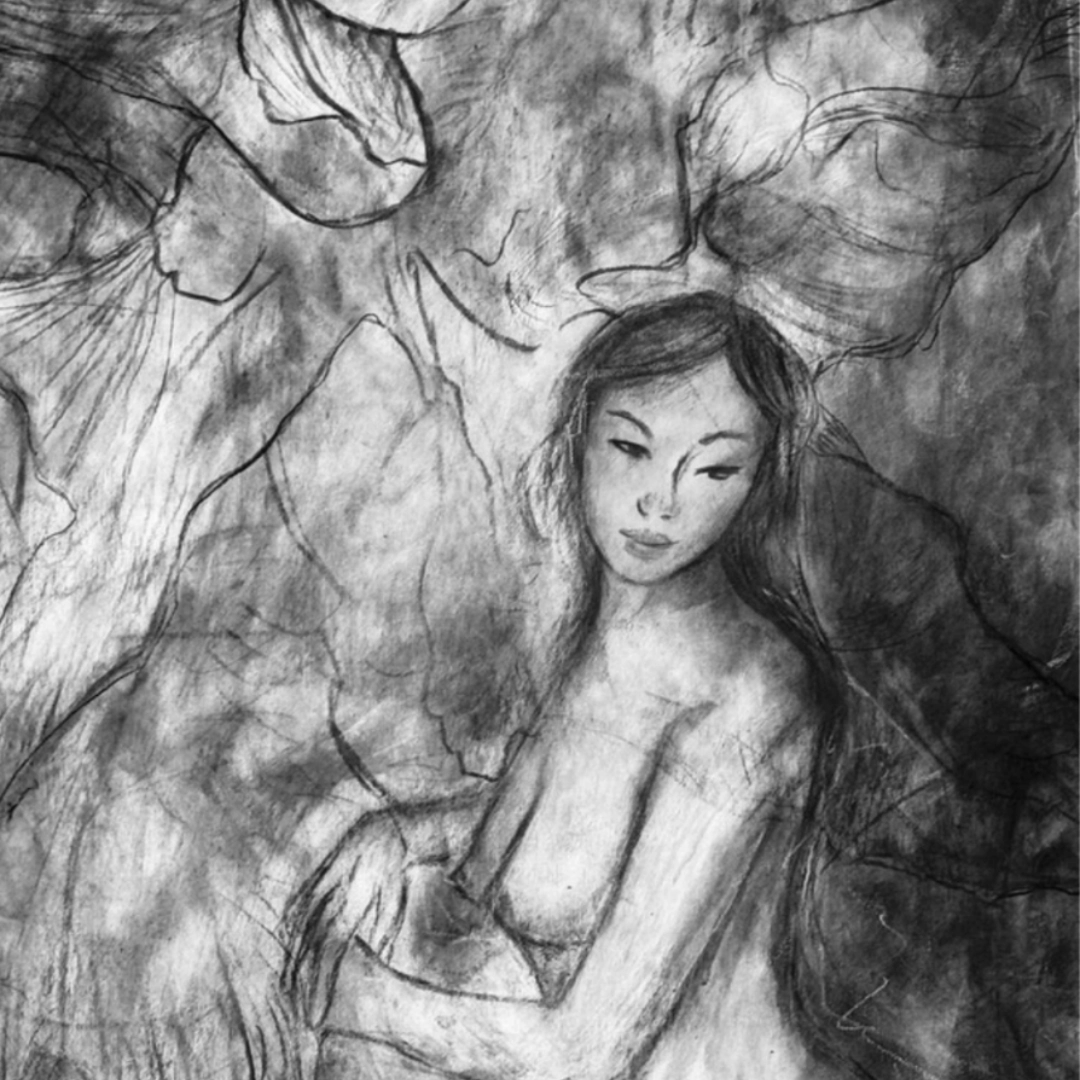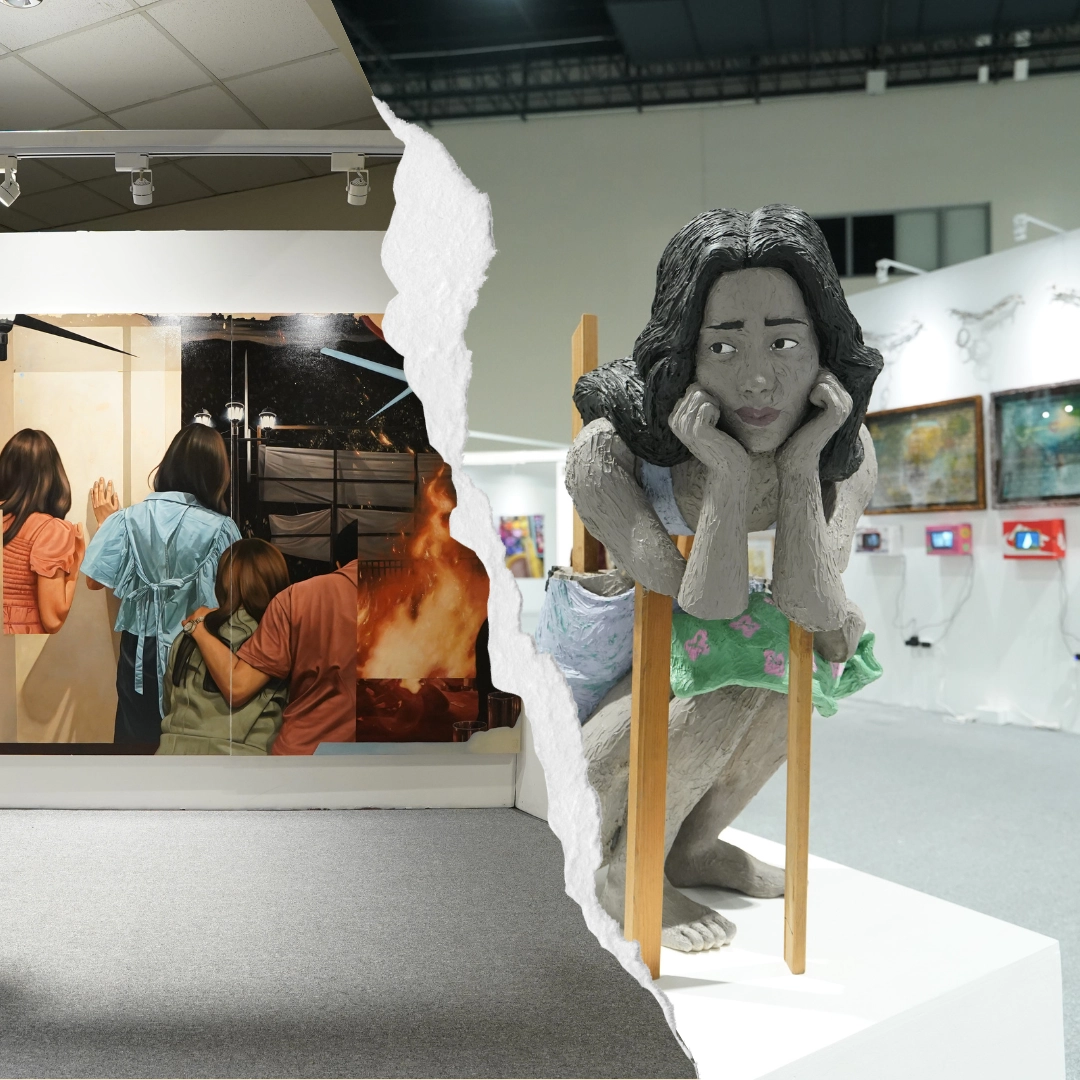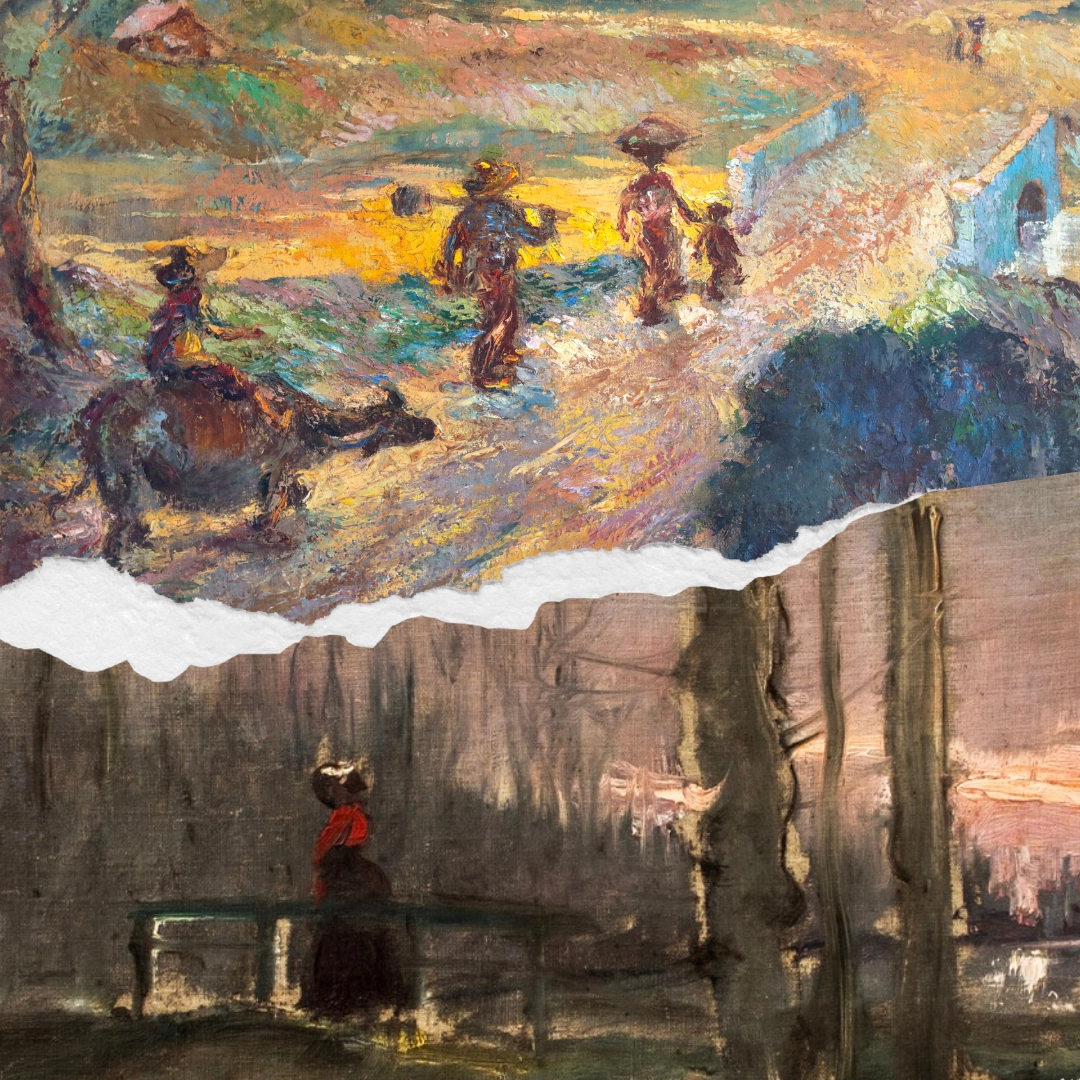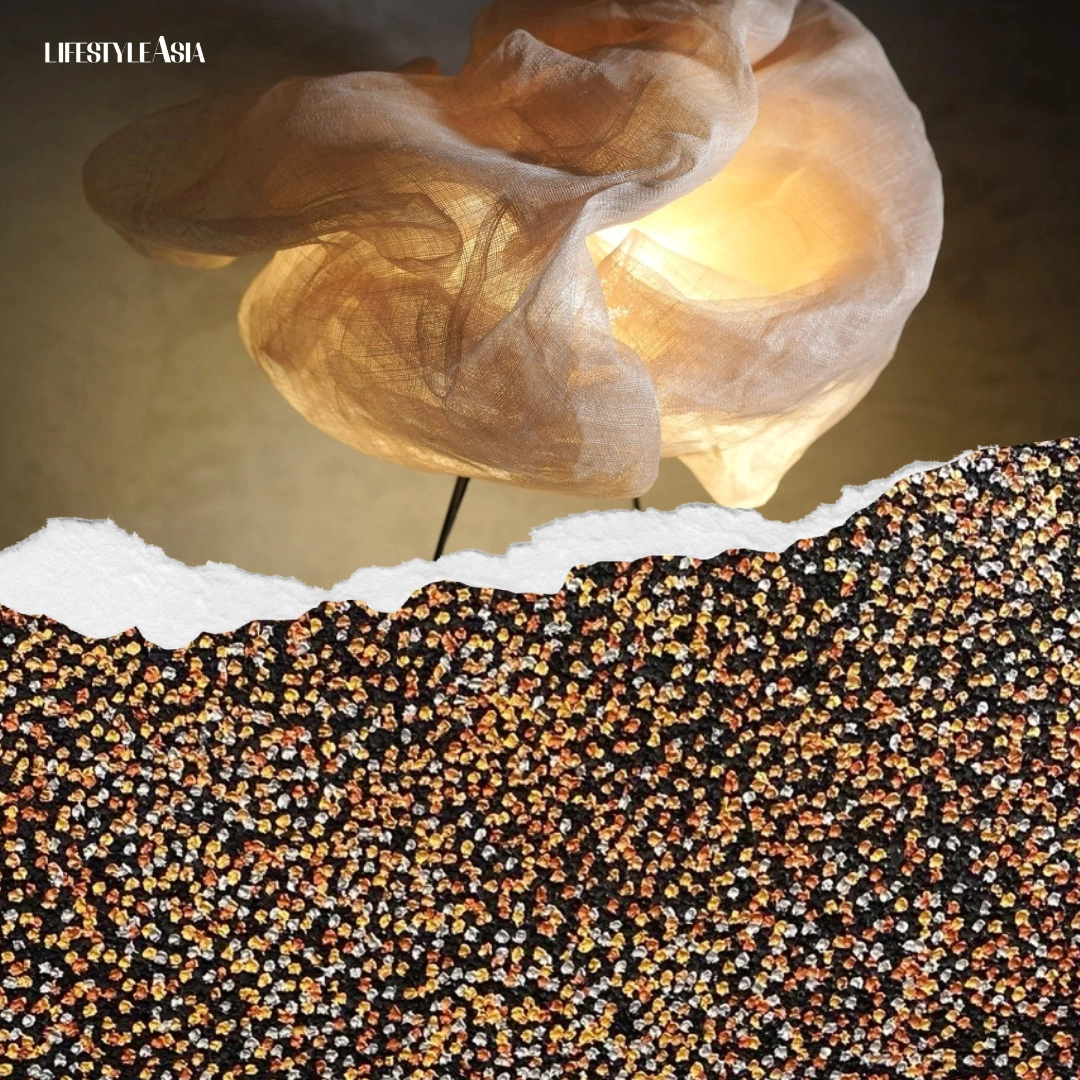
In HUGIS, artists Veronica Ibarreta and 270501 use local materials and unconventional methods that engage with the past, present, and future possibilities of the Filipino experience.
What does it mean to be a Filipino? There’s no definitive or singular answer to this. The response splits into multitudes, moving through a nation’s past, present, and future in a non-linear fashion, constantly transformed through every individual’s unique perspective. It’s a showcase of the art of becoming and a practice in collective remembrance. This idea is the focal point of HUGIS: When Memories Take Shape, a new contemporary art exhibition presented by the multi-channel creative platform Art House, and curated by Marika Constantino.
Featuring the works of artists 270501 and Veronica Ibarreta, HUGIS is a meditation on Filipino history and identity, made tangible through both artists’ unique and unconventional processes, as well as the use of indigenous materials linked to the country’s land and culture. Together, these two contrasting voices forge a dynamic dialogue between abstraction and intimacy, destruction and beauty, motion and stillness.
READ ALSO: Richard Arimado Chronicles Nostalgia
About The Artists Of HUGIS: When Memories Take Shape
While hugis may traditionally refer to shape or form in Filipino, within the context of Art House, it takes on a deeper meaning. It signifies the platform’s strong drive and enduring commitment to nurturing Filipino artists, encouraging them to delve into local materials, methods, and cultural expressions in their creative journey.
The artistic process of 270501 can best be described as “controlled chaos.” His works are seen as artifacts—mementos of a profound exchange between the artist and raw material. He describes his practice as “transforming various objects of rich industrial history,” allowing entropy to take over and set a spiritual gesture of art in motion.
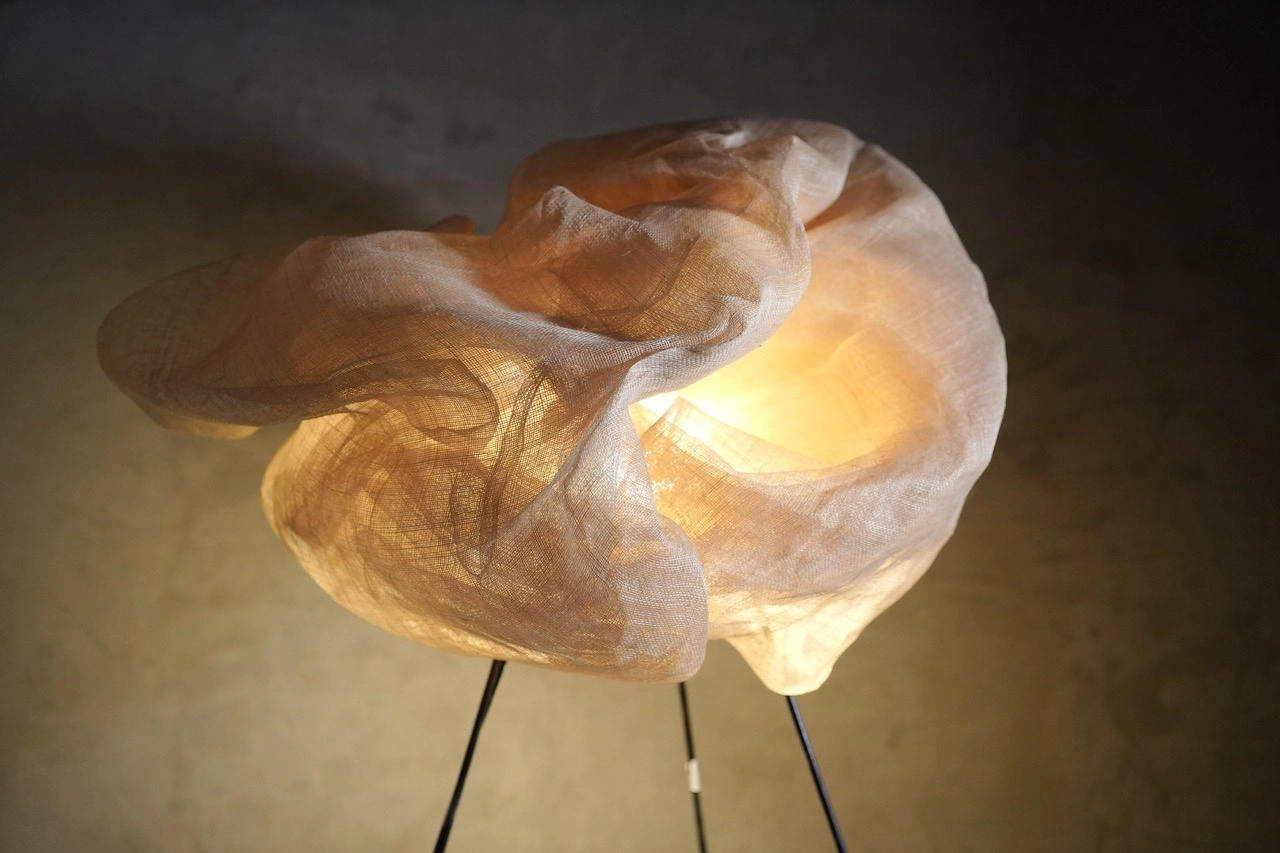
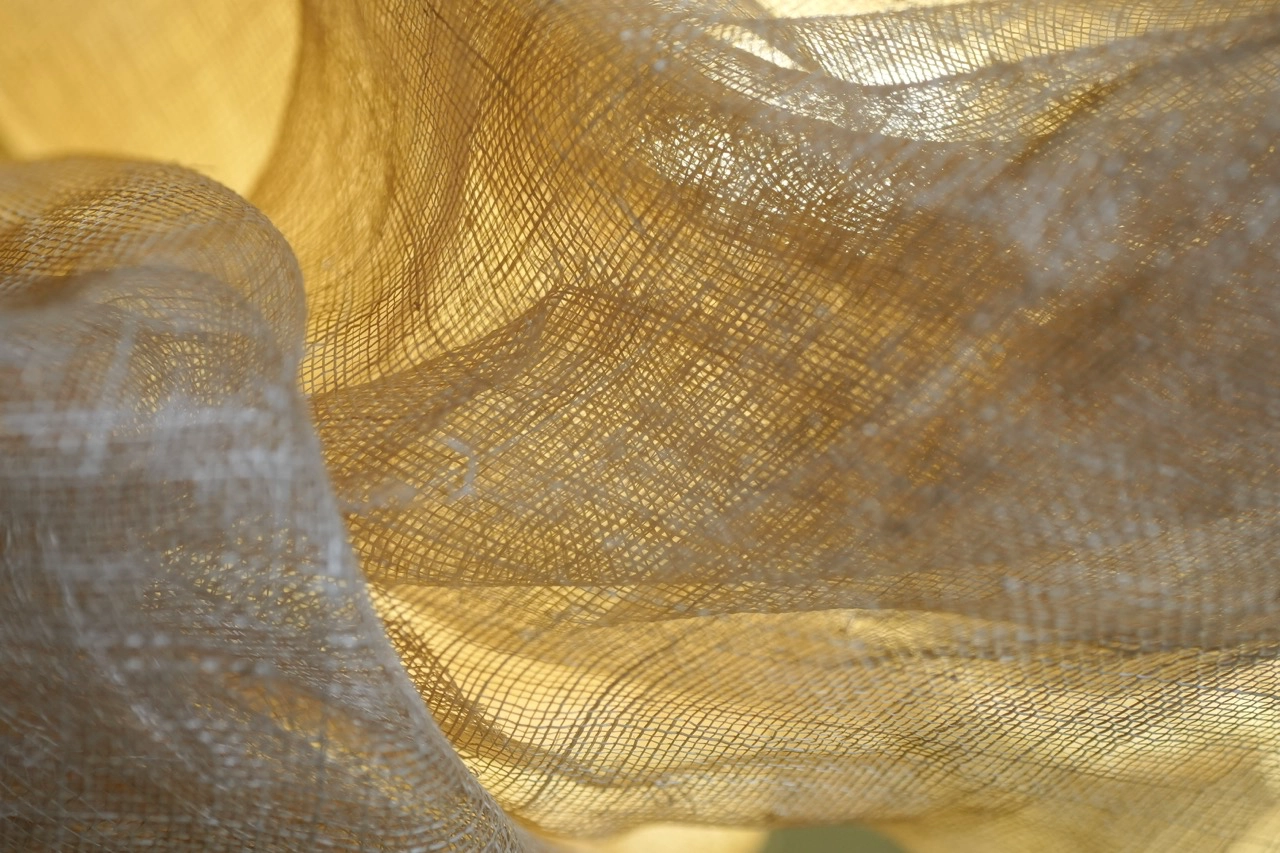
“To understand the history and use of abaca is to understand the history of the Philippines and its colonial past. The use of diverse materials such as abaca performs a dialogue which reimagines prosaic materials that address issues of environmental impact and social justice, tied together with my automatist approach,” he elaborates in the exhibition’s curatorial notes. “The narrative potential of the material’s ontology with all its qualities, traditions, attributions, and its role in the process of artistic form-finding is examined by considering how the existence and agency of objects extends far beyond our human conceptions of them.”
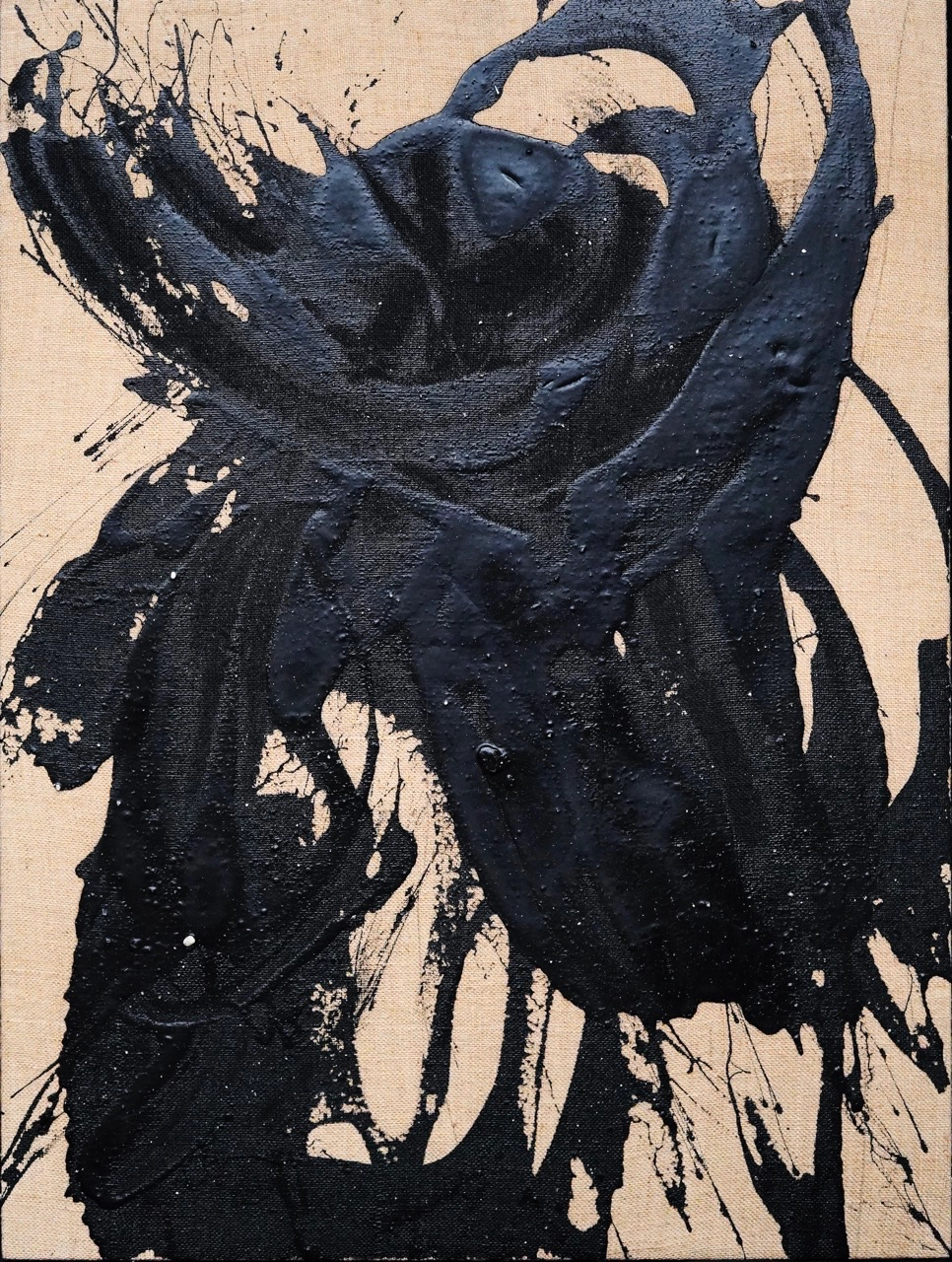
Meanwhile, Veronica Ibarreta, known for her signature pointillism technique and evocative floral series, creates richly layered canvases composed of meticulously painted dots: each one a product of deep contemplation and meditation. In HUGIS, she continues to expand her artistic range and experiment with new techniques, while remaining grounded in themes of societal issues and cultural heritage.
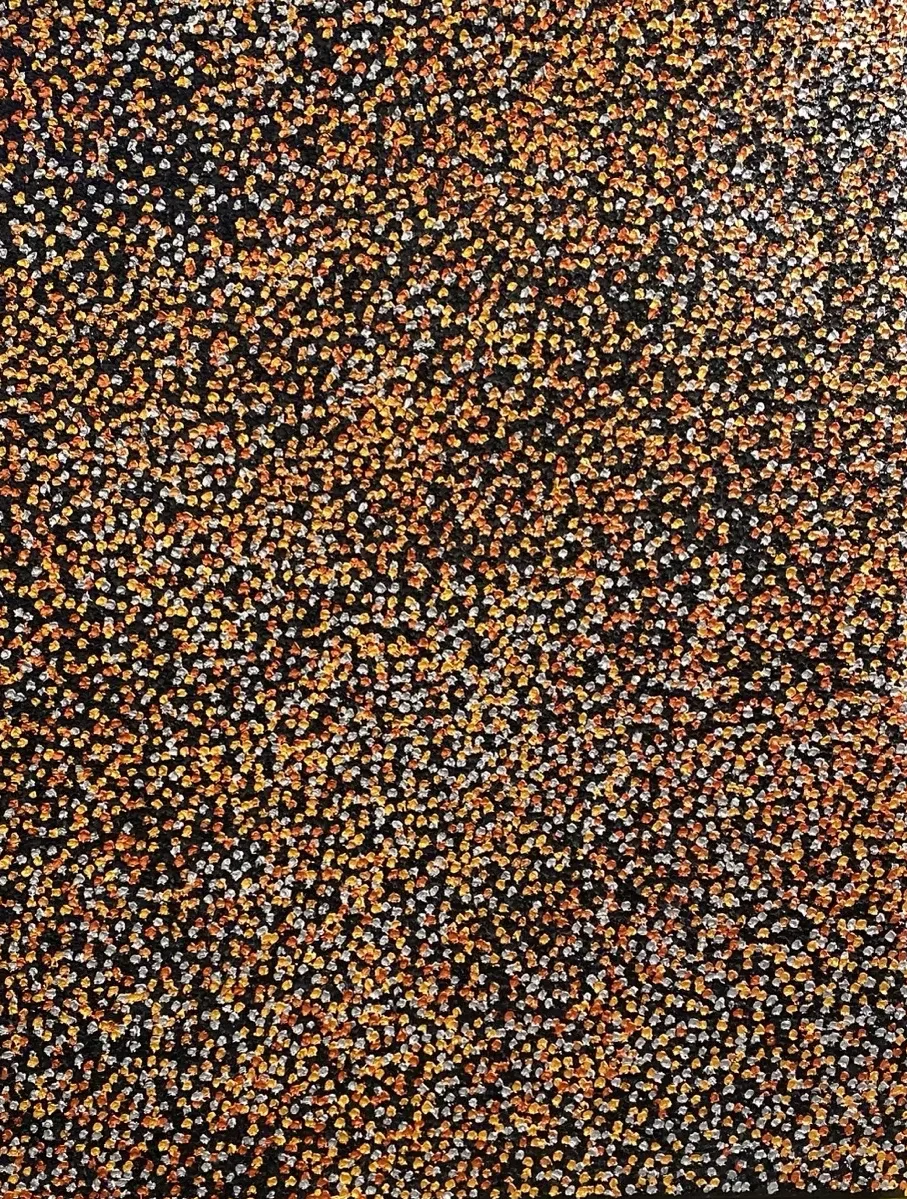
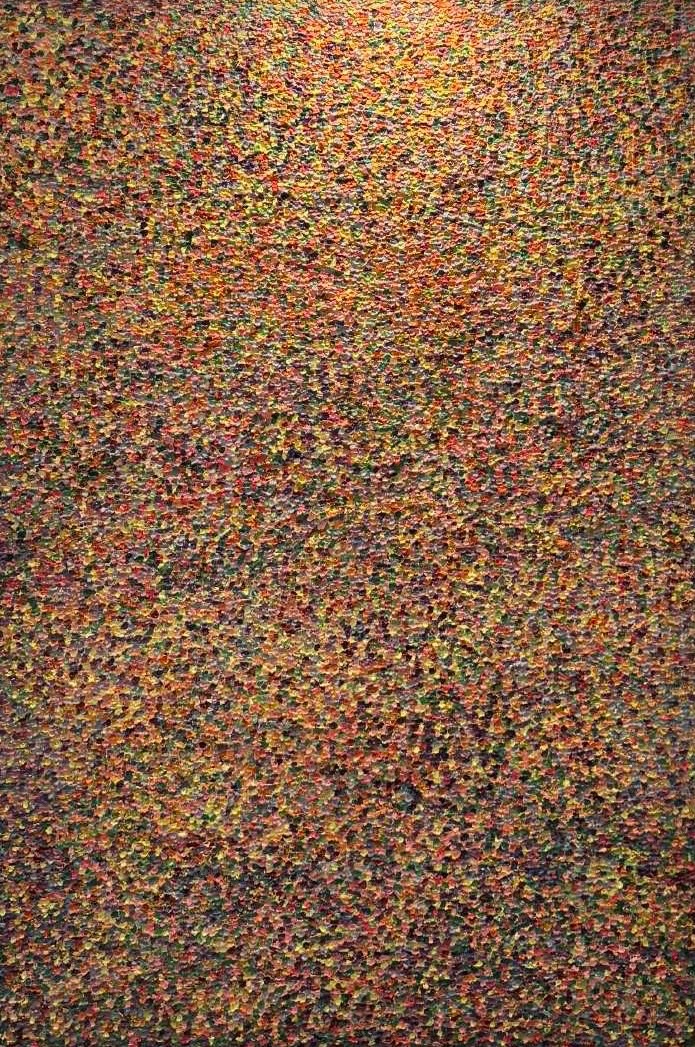
“My works delve into themes of identity, nationalism, individuality, and female empowerment,” Ibarrenta adds in the curatorial notes. “As someone who balances my time between Manila and my hometown, I try to draw inspiration from these two divergent environments. These enable meaningful conversations between and within Rinconada, Bicol, and the broader Philippine art community.”
Memory In Motion
Like its thematic preoccupation, HUGIS invites viewers to rethink their notions of memory: not just a product of nostalgia, but also as something “permeable, dynamic, and responsive” as Constantino remarks, a catalyst to an ongoing conversation that builds on our national identity, collective memory, and lived experience.
Art House Founder and CEO, Juan Carlos M. Pineda concludes: “Our goal is to empower artists like 0270501 and Veronica Ibarreta. Shows like HUGIS allow us to continuously challenge [them] […] to further their commitment to exploring materiality—and in the process, shape their identities as Filipino artists.”
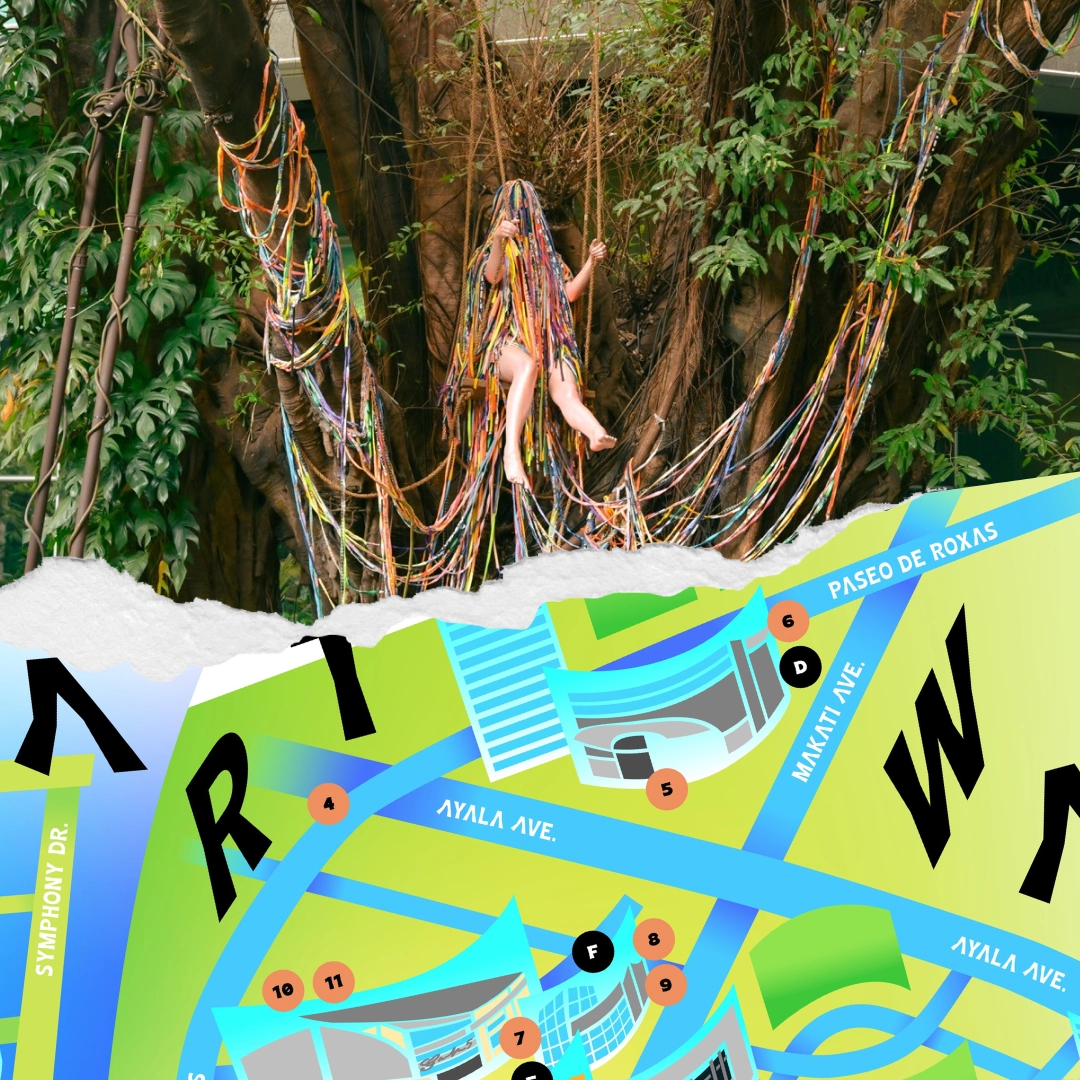
HUGIS: When Memories Take Shape will run from September 5 to 21 at the Artistspace, Ayala Museum, Makati.
Photos courtesy of Art House and Before Deadlines.