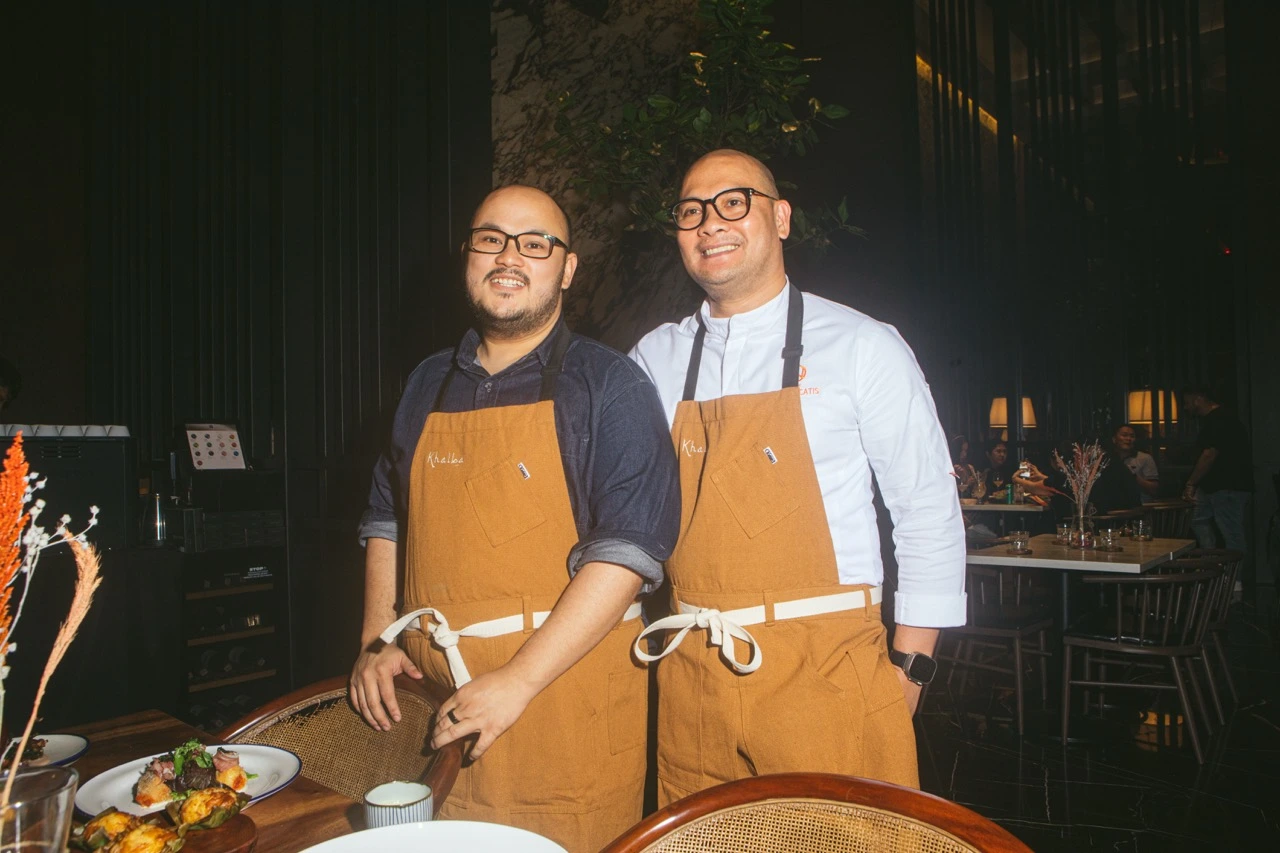
Chefs Nouel Catis and Sonny Mariano join forces in an unexpected and limited-time collaboration, reimagining Filipino classics with nuanced Middle Eastern flair
It’s the last few days to catch this one-of-a-kind tasting menu at the Balmori Suites’ Chef’s Table. Brought to life by Tasteless Group, Khaiba takes its name from the Arabic word expressing “surprise” or “shock.” Fittingly, it also echoes the Tagalog word kakaiba, meaning “unexpected” or “different”—the perfect invitation to a dining experience that puts a refreshing spin on the Filipino dishes we all know and love.
READ ALSO: Unlayering AzukiToyo: A Filipino Take on a Japanese Dessert
A Savory Start
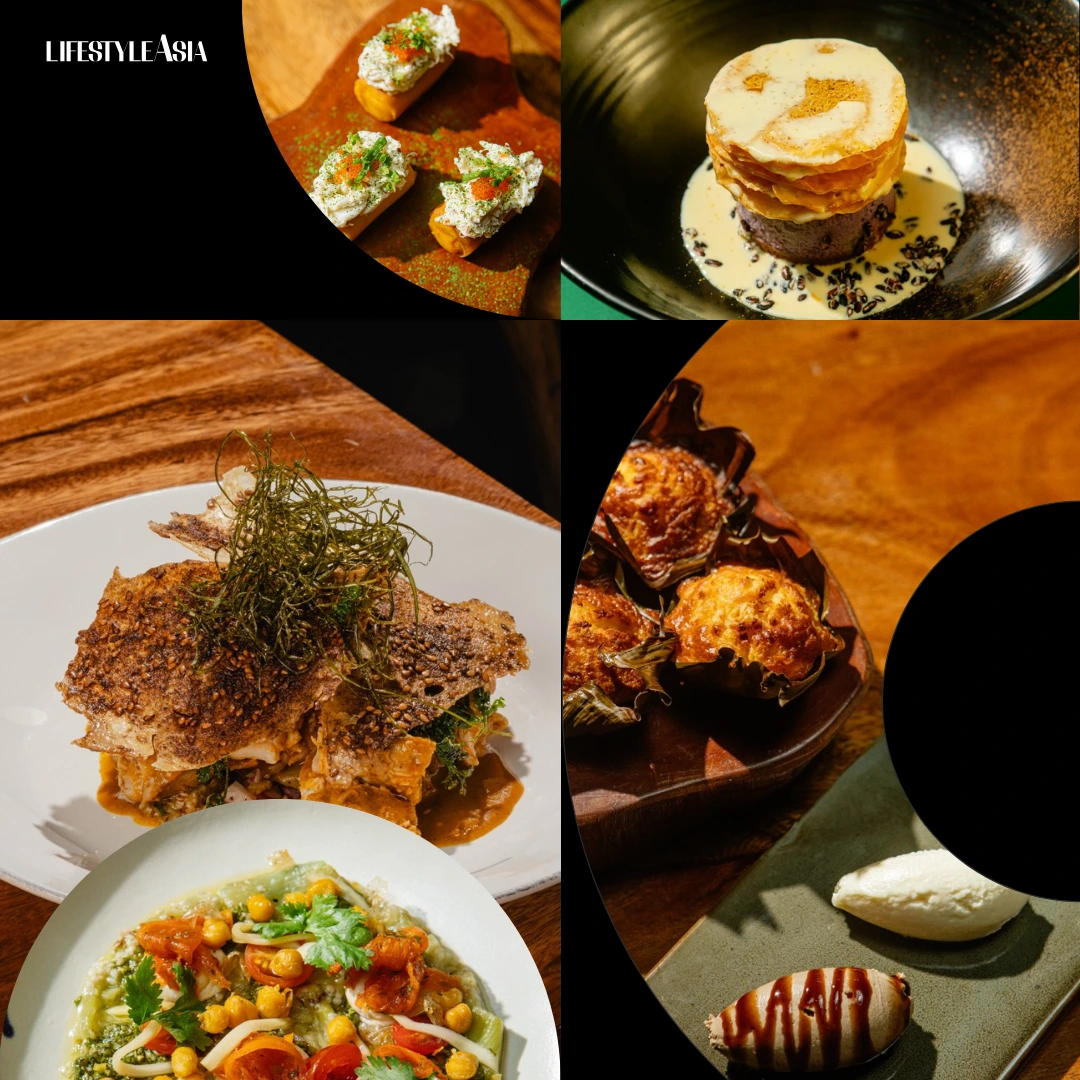
The Plate offerings, led by Chef Sonny Mariano, highlight how commonly used Middle Eastern spices and ingredients can actually balance, enhance, and blend with flavors of traditional Filipino fare. Nothing feels overpowering, everything is thoughtfully layered.
“Most are based on my favorite Filipino classics,” Chef Sonny shares. “It makes me happy, and I just want to share that feeling with the diners.”
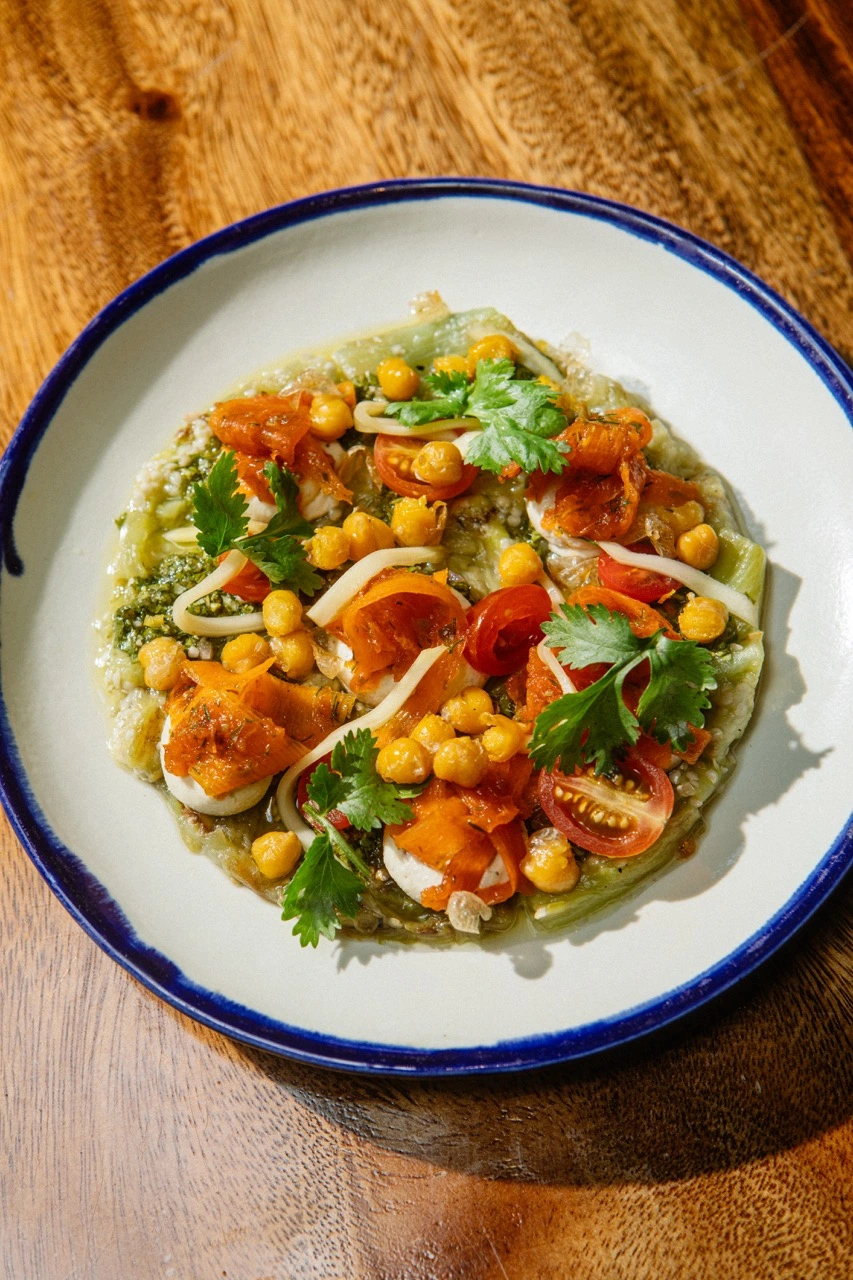
Starting off with the Ensalada, a clever play on textures and flavor. Eggplant carpaccio, burong mangga (pickled mangoes), chickpeas, and papaya tinapa form a surprisingly harmonious whole— familiar yet delightfully offbeat.
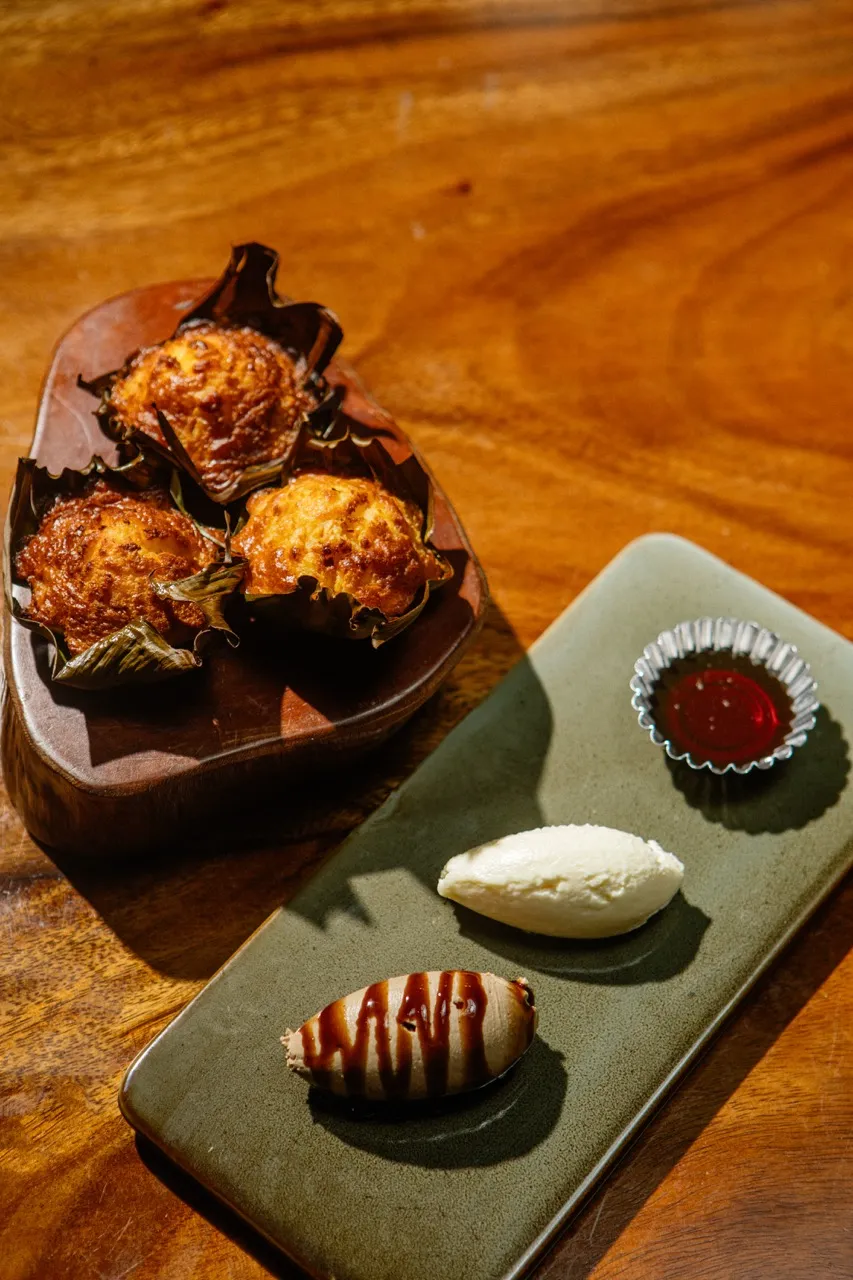
The Bibingka: sourdough bibingka paired with clotted cream, date honey, and a rich adobo liver pâté. The inclusion of dates, a staple in Middle Eastern cuisine, brings an indulgent sweetness that reimagines the beloved kakanin in a brand-new light.
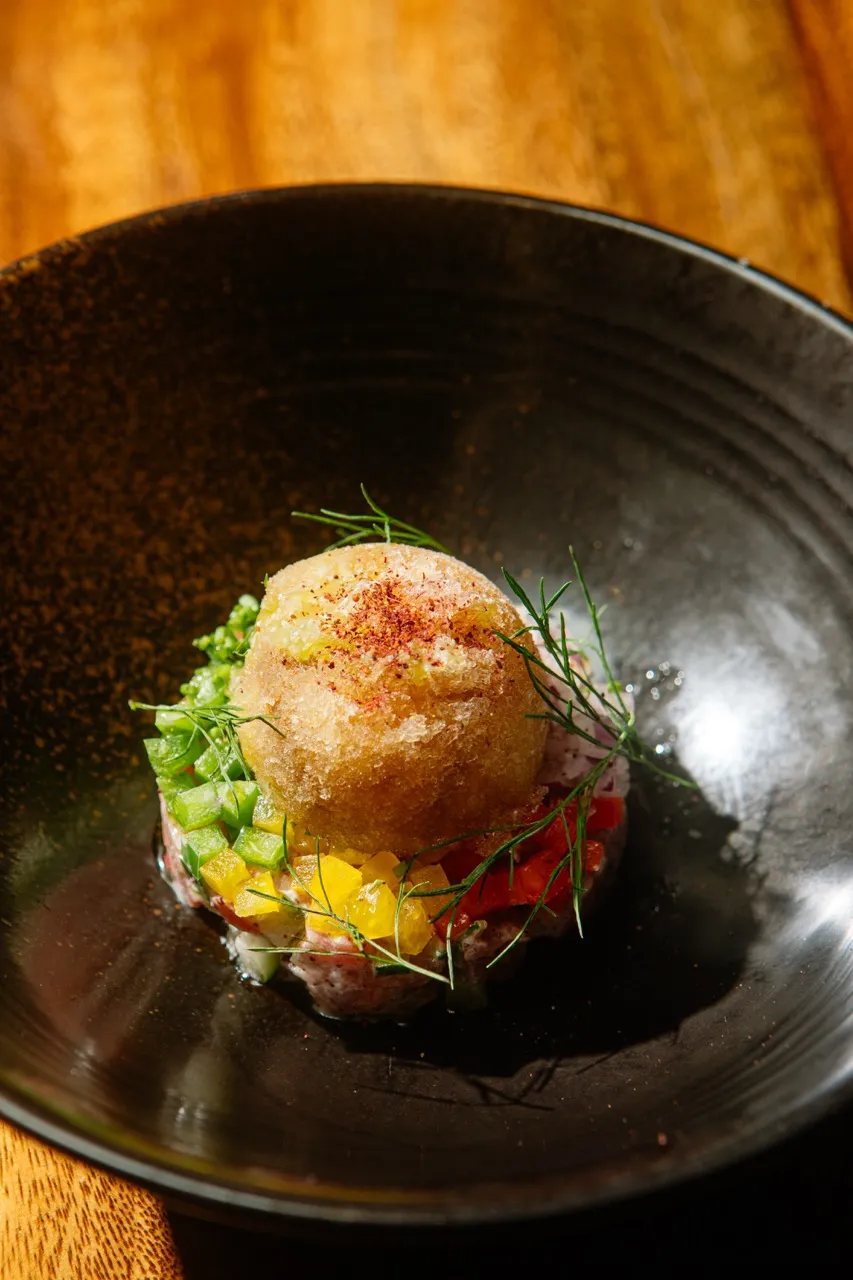
For the Tuna Kinilaw, sumac, a crushed red berry widely used in Middle Eastern cooking, is infused into the vinaigrette. Combined with GenSan tuna and an atchara sorbet, it gives the dish a refreshingly tart lift.
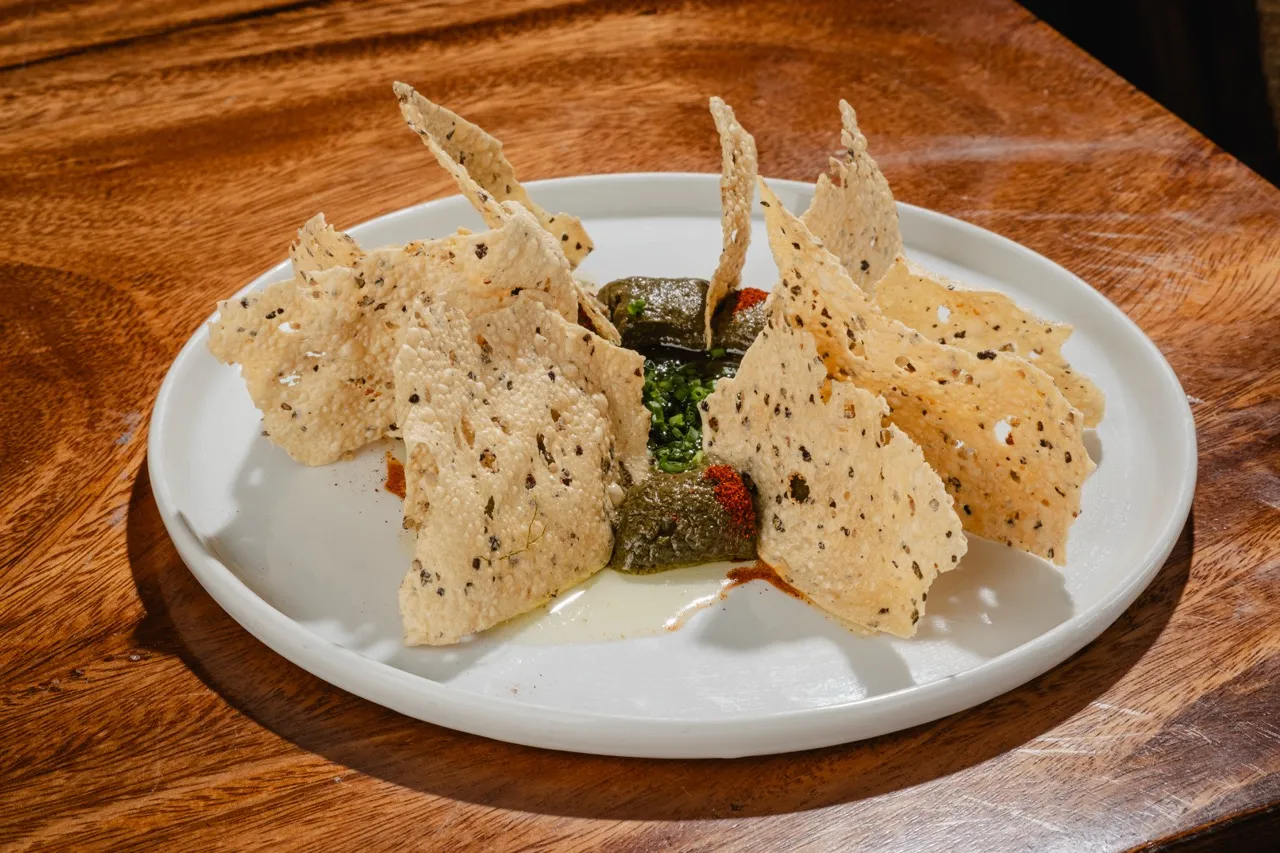
The Laing Baba Ghanoush is a nod to both traditions. Laing, eggplant, and tahini (a traditional sesame paste) are served atop a crisp papadum. Papadum is an Indian cracker known for its delicate crunch and ability to carry dips and spreads. The result: an earthy, creamy bite where laing is the undisputed star.
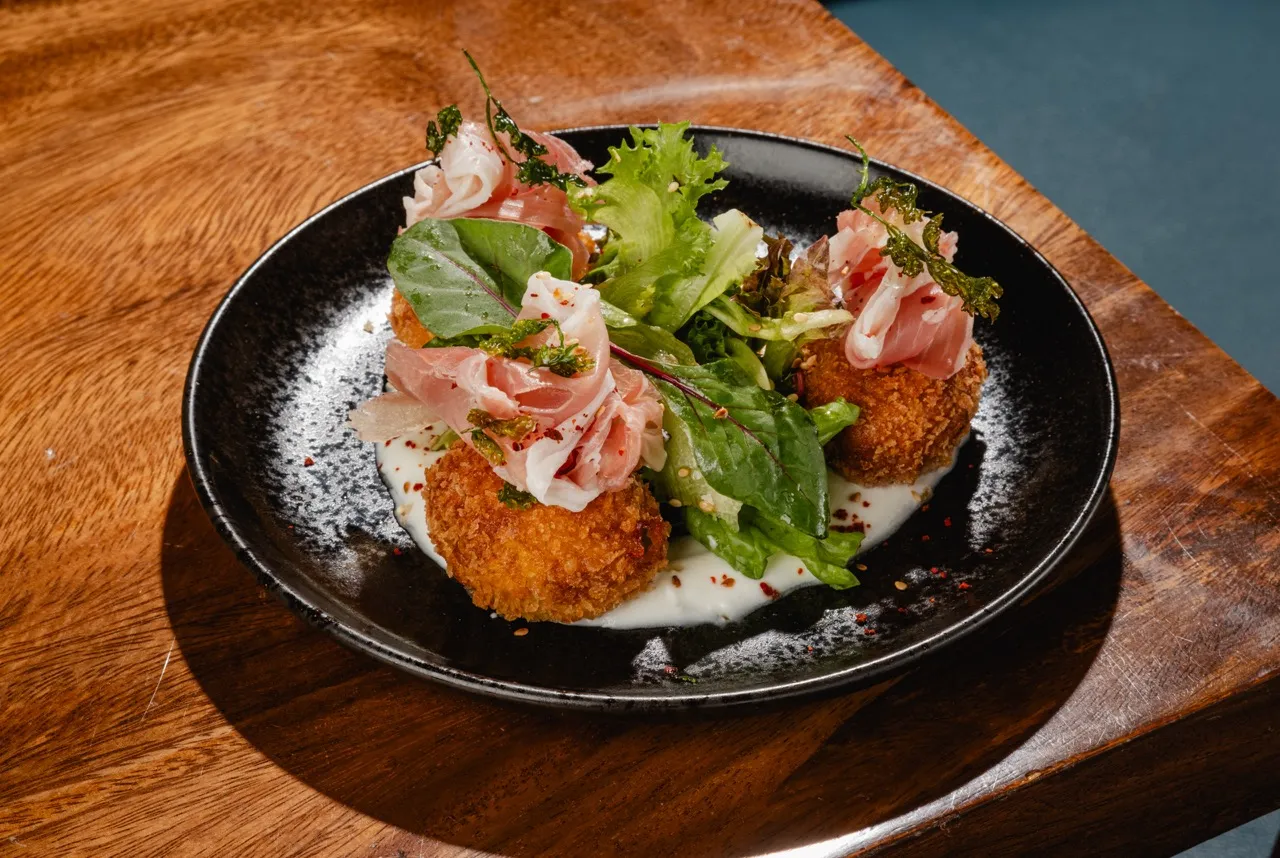
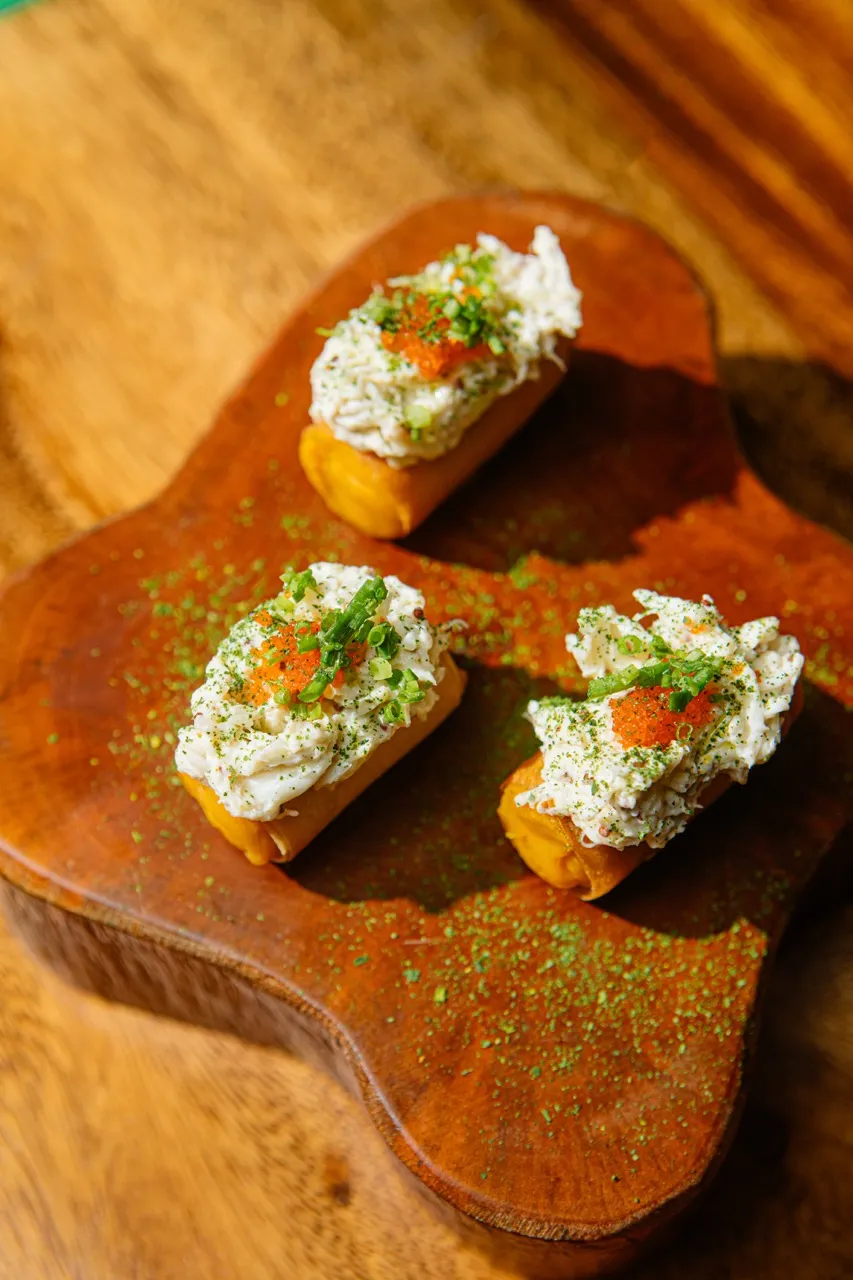
Jamon at Pandesal: A fried pandesal stuffed with daqoos (a tomato-based Middle Eastern sauce), jamon, and garlic labneh (fermented milk yogurt). Tangy, savory, and globally influenced, the dish is grounded by the comforting neutrality of pandesal.
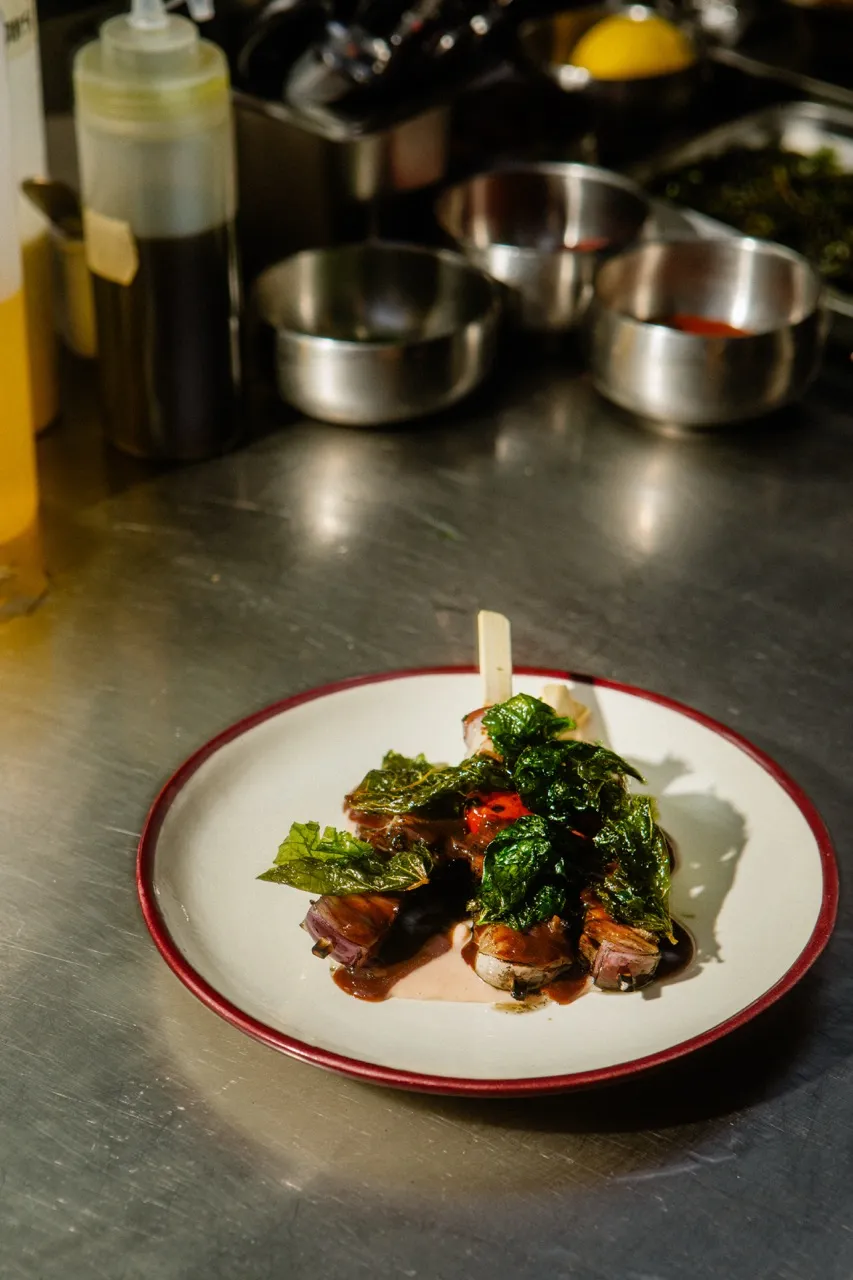
In Alimag at Kalabasa and Beef Sinigang, ingredients like kaffir oil, prunes, and mashed gabi are used with restraint. They don’t steal the spotlight—instead, they enhance the essence of each dish.
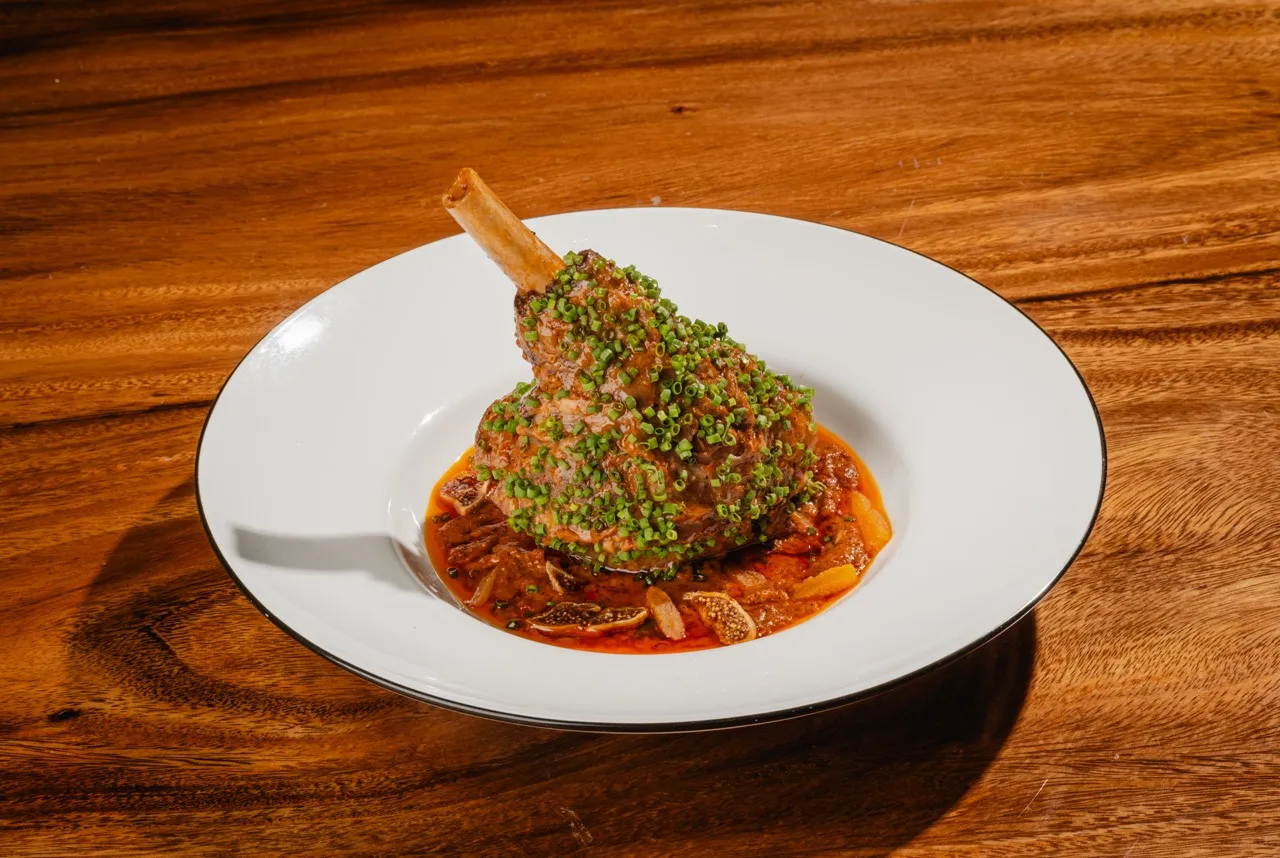
The Mains continue this cross-cultural dialogue. The Lamb Shank Kaldereta is done tagine-style—Northern-style kaldereta with almonds, apricots, and figs, finished with basmati rice sourced from the Cordillera region. Smoky and indulgent, it’s a dish that perfectly bridges Filipino and Middle Eastern flavor profiles.
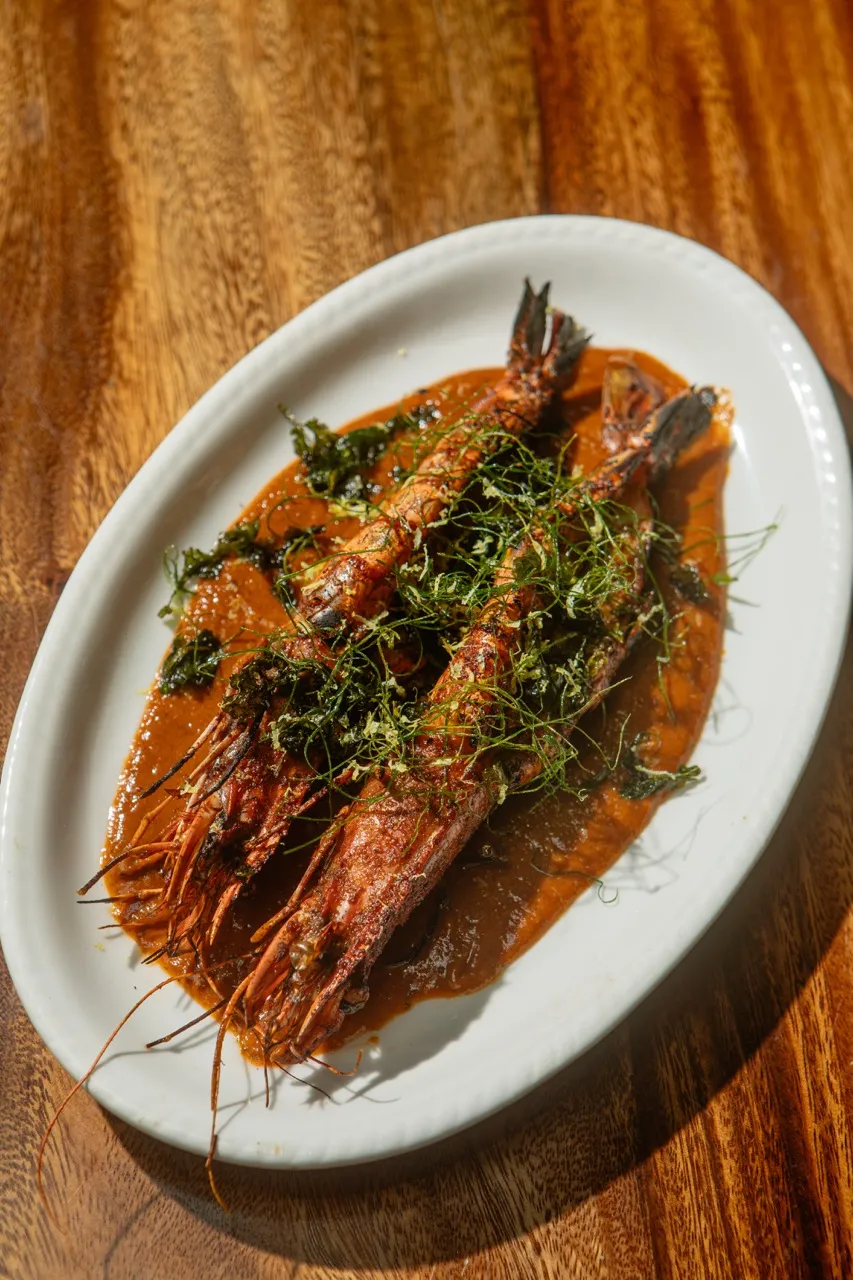
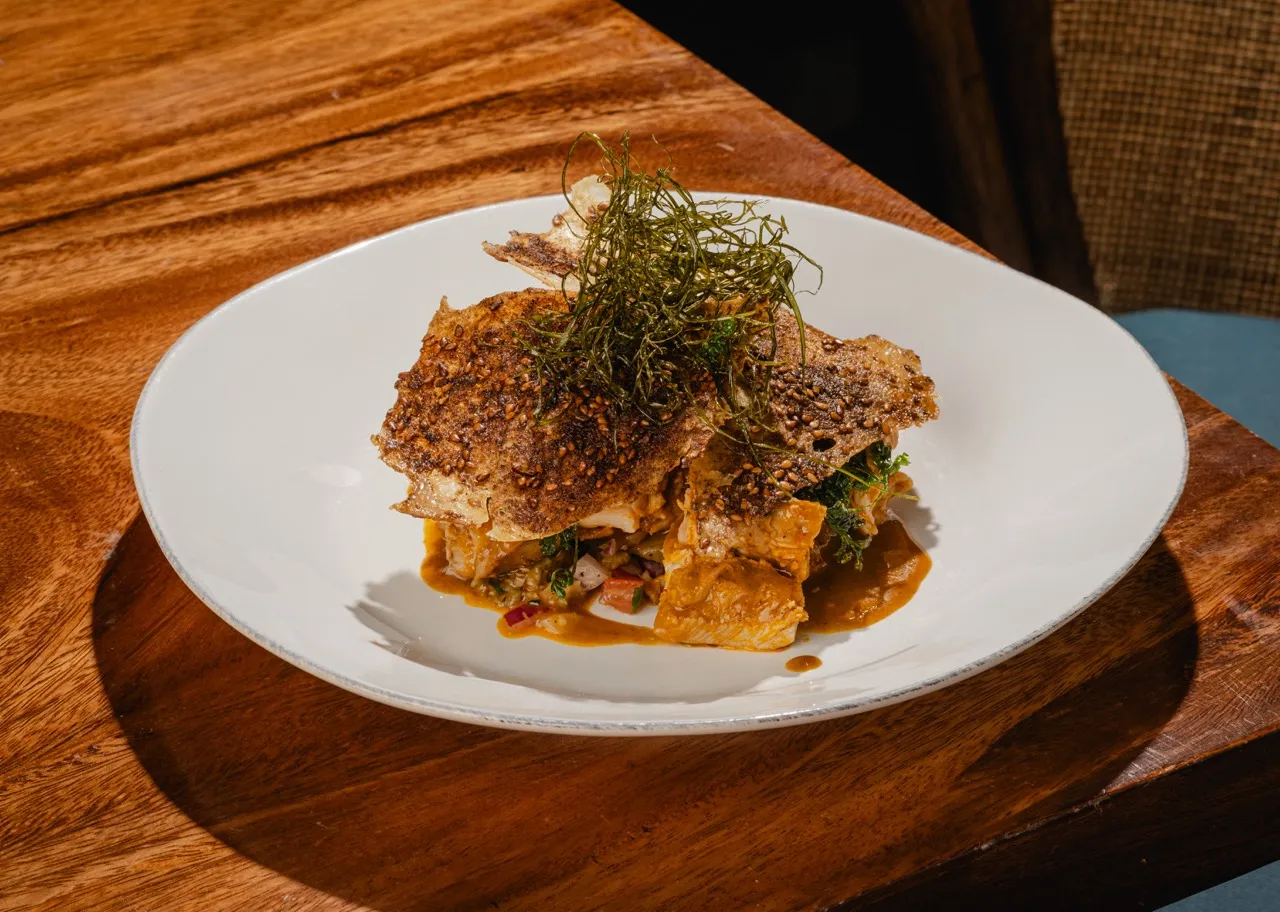
The Miso Prawn, cooked with white miso and Mafti shrimp sauce, delivers deep umami. And for chicken lovers, the Chicken Inasal doesn’t disappoint: sinamak-marinated, with Zaatar-crusted (Middle Eastern spice blend) chicken skin and an ensalada on the side. The mains are rooted in Filipino flavors, but thoughtfully layered with global influences. Middle Eastern spices and ingredients are introduced subtly, making each dish feel right at home.
The Sweet Finish
The dessert course, curated by Chef Nouel Catis is a showcase of his creative DNA. The visionary patisserie behind the Dubai chocolate shares: “This is my first time curating a dessert menu in tandem with a celebrated chef, specifically for Filipino diners. What makes it special is that this menu reflects my culinary beliefs—cultural storytelling, innovation, and creating dessert experiences that feel both personal and progressive.”
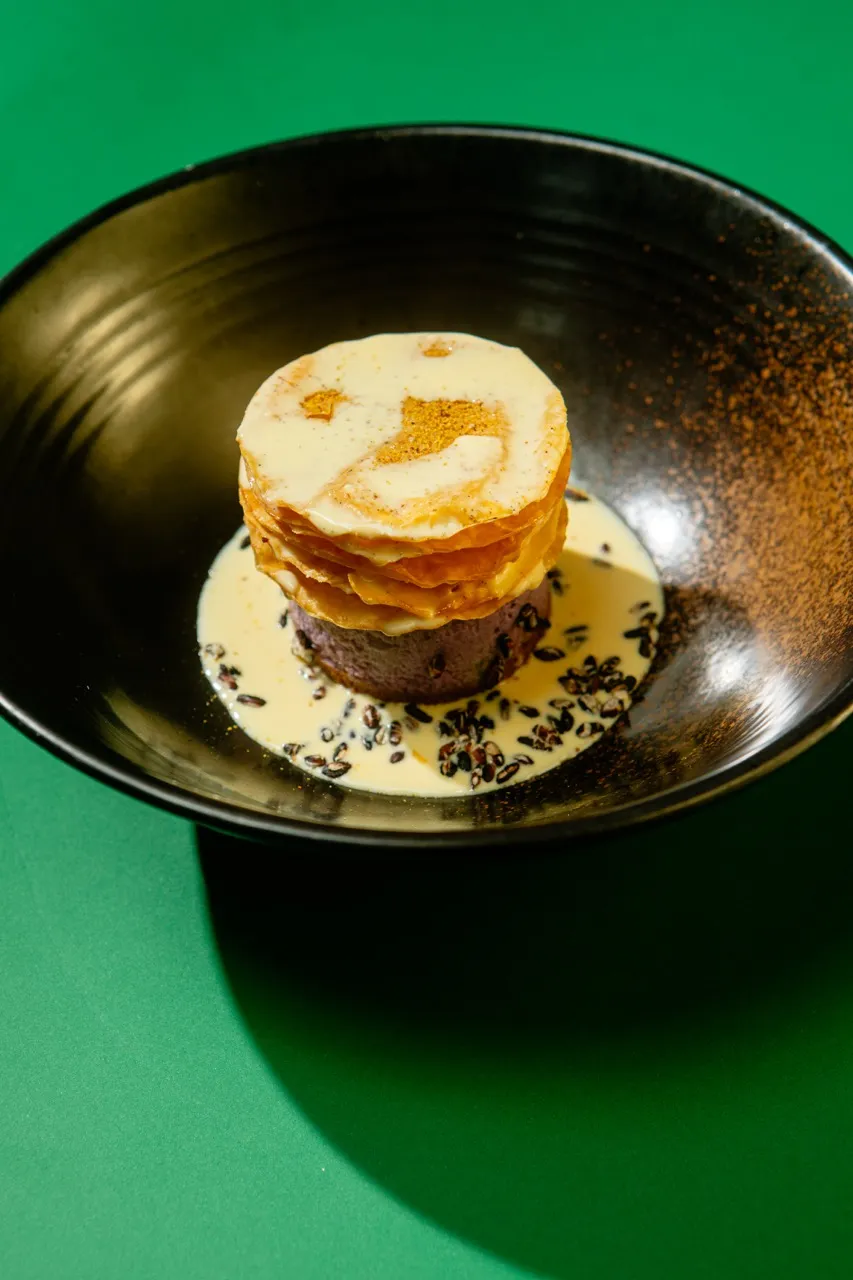
Inspired by the Burj Khalifa, the Halo-Halo is indulgent and architectural: soft-centered ube cheesecake, heirloom pinipig, phyllo crisps, and a pandan-evaporated milk sauce infused with real vanilla bean.
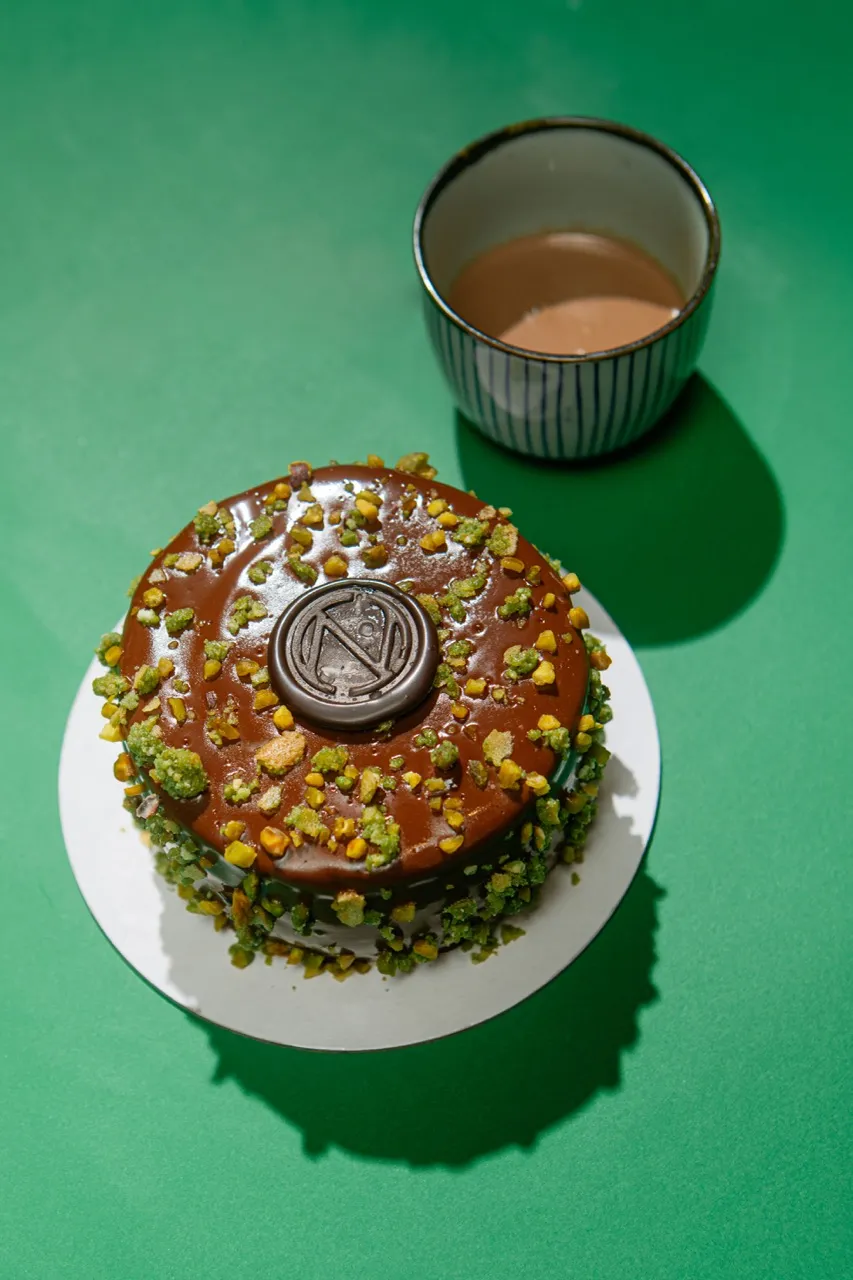
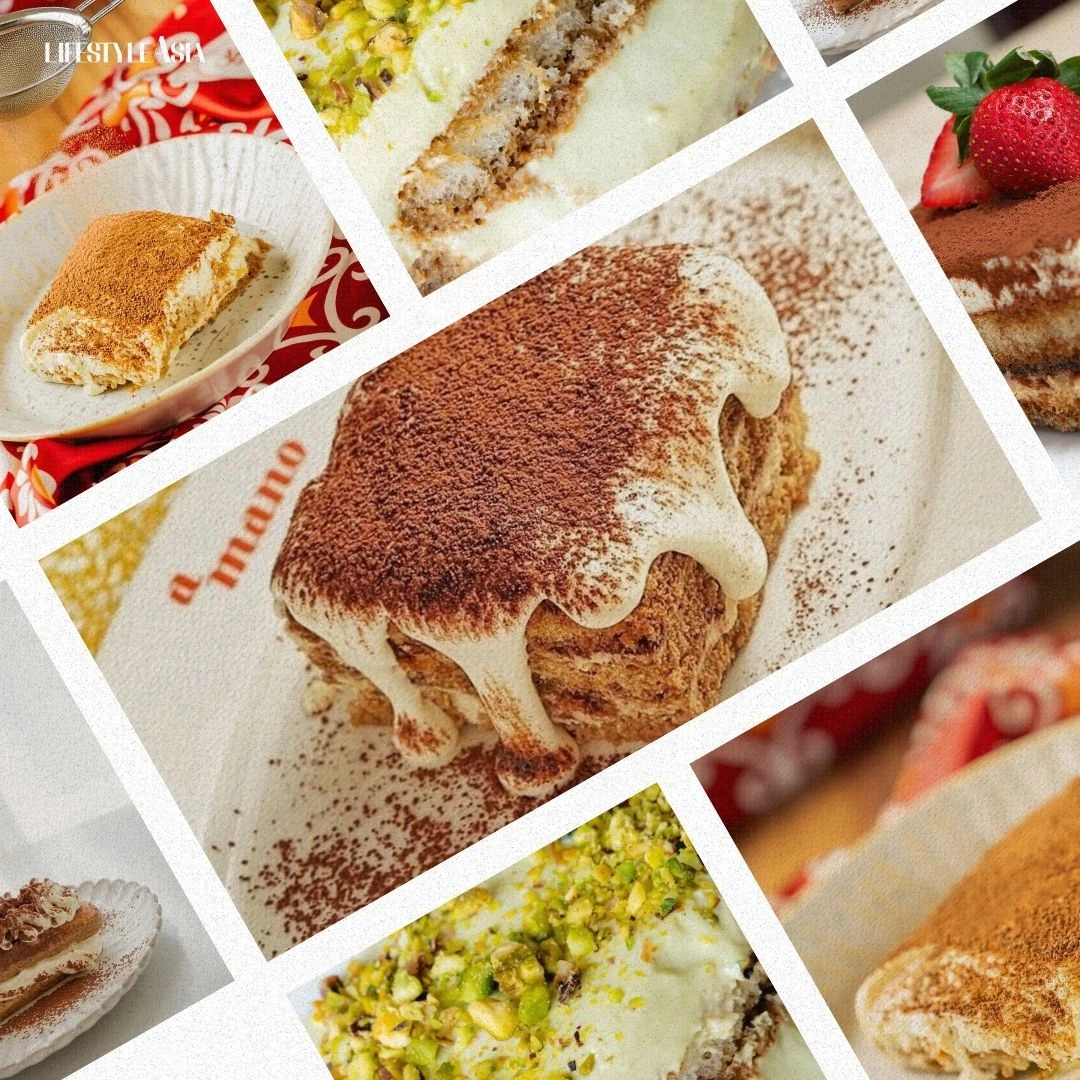
The Habibi Cake, available as a 4” whole cake, is a tribute to home. Inspired by his mother’s recipe, it features rich tsokolate layers, Davao chocolate frosting, pistachio diplomat cream, a side of Nutella, and a kunafa crunch—an ingredient Chef Nouel often weaves into his creations.
From Honey – Mangga Please to Habibi – I’ve Come from Dubai and the Dubai Chocolate Profiteroles, each dessert brings together bold flavors and playful storytelling. Refined but never rigid, Chef Nouel’s work is proof that tradition and modernity can, and should, coexist.
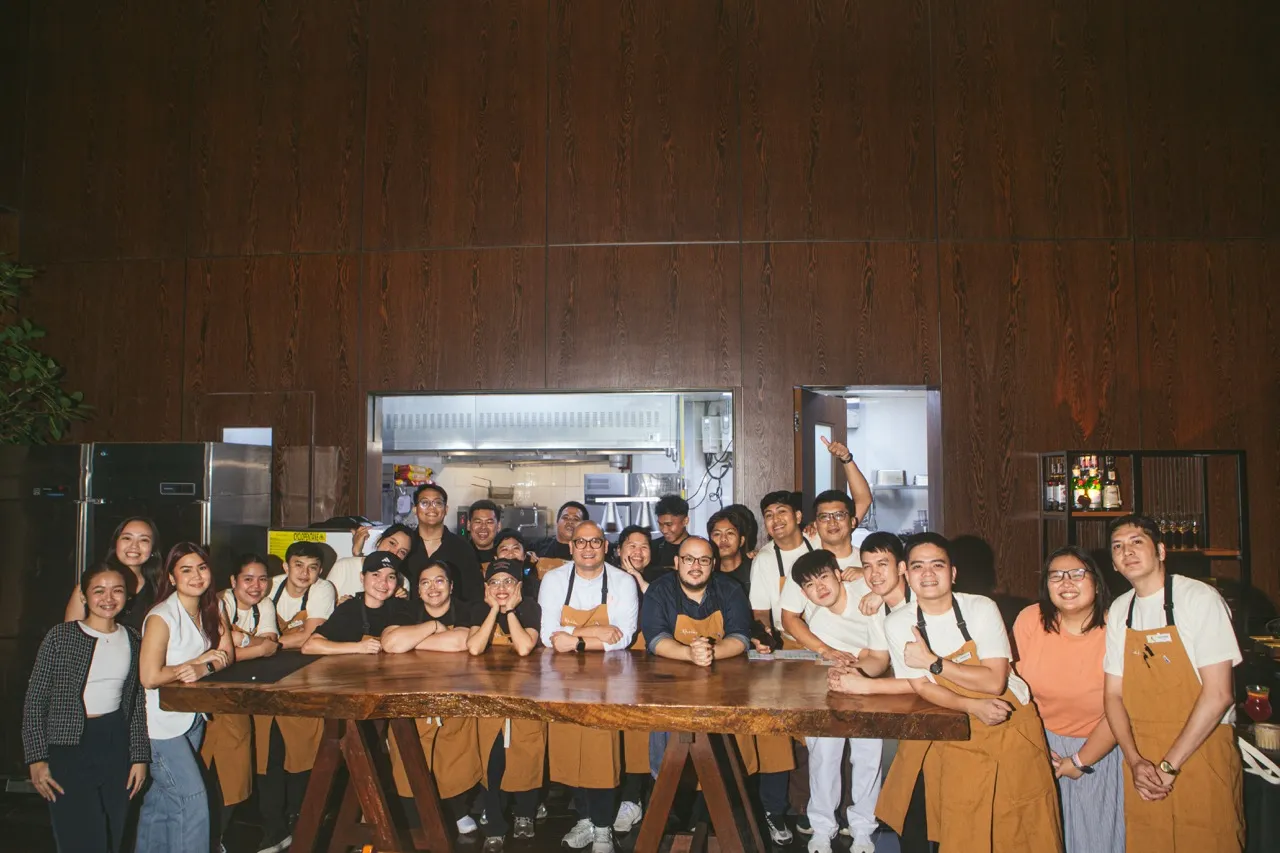
Nakak(h)aiba sums it up best. This collaboration between Chef Nouel and Chef Sonny isn’t just a mix of Filipino and Middle Eastern flavors—it’s a fresh way of looking at Filipino comfort food. The kind that surprises you, but still feels like home.