Guests got a taste of the vibrant culinary traditions that define Western Visayan provinces like Guimaras, Iloilo, and Negros Occidental.
Lifestyle Asia has always strived to bring a taste of the extraordinary to its readers, exemplified by its CRAVE coffee table book—a vibrant guide to 15 of Metro Manila’s finest restaurants. Yet this commitment extends beyond the pages through the Lifestyle Asia CRAVE experience. Presented by Mastercard, the publication takes select guests to the very restaurants featured in the book, offering sensorial experiences that transcend the material. Hapag, one of the city’s most lauded and beloved Filipino fine dining restaurants, was part of this exciting journey, treating guests to a priceless lunch showcasing the flavors of Western Visayas.
READ ALSO: Memorable Feasts: Lifestyle Asia Launches ‘CRAVE’ Coffee Table Book Powered By Mastercard
A Rare Afternoon Of Delights
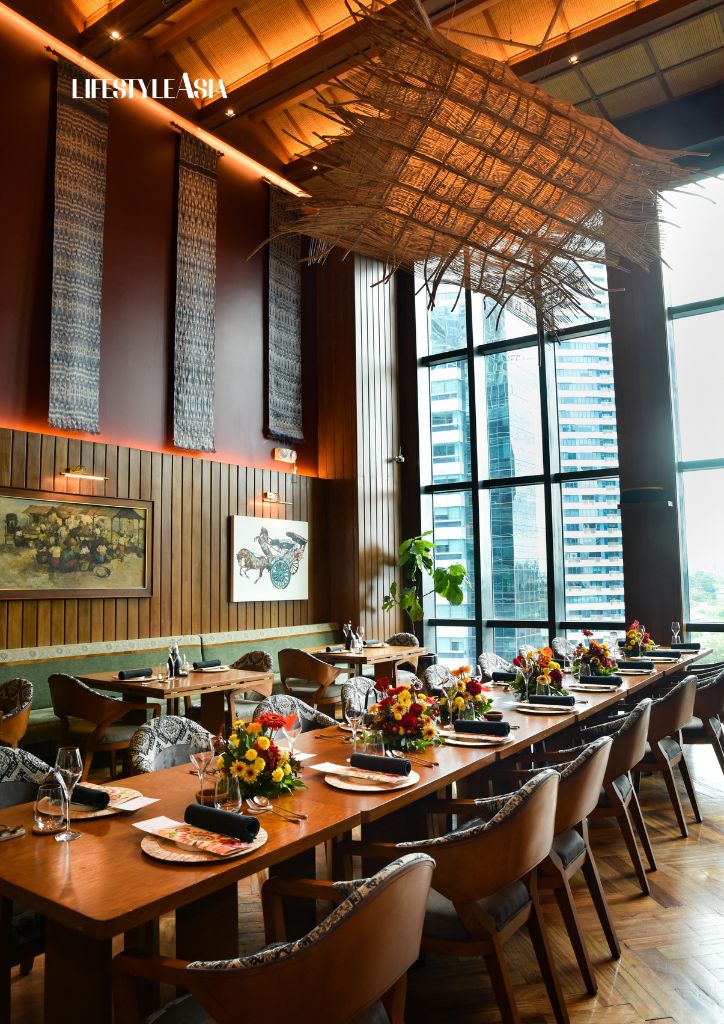
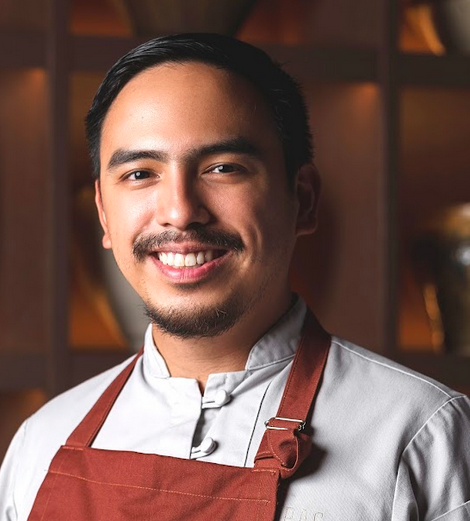
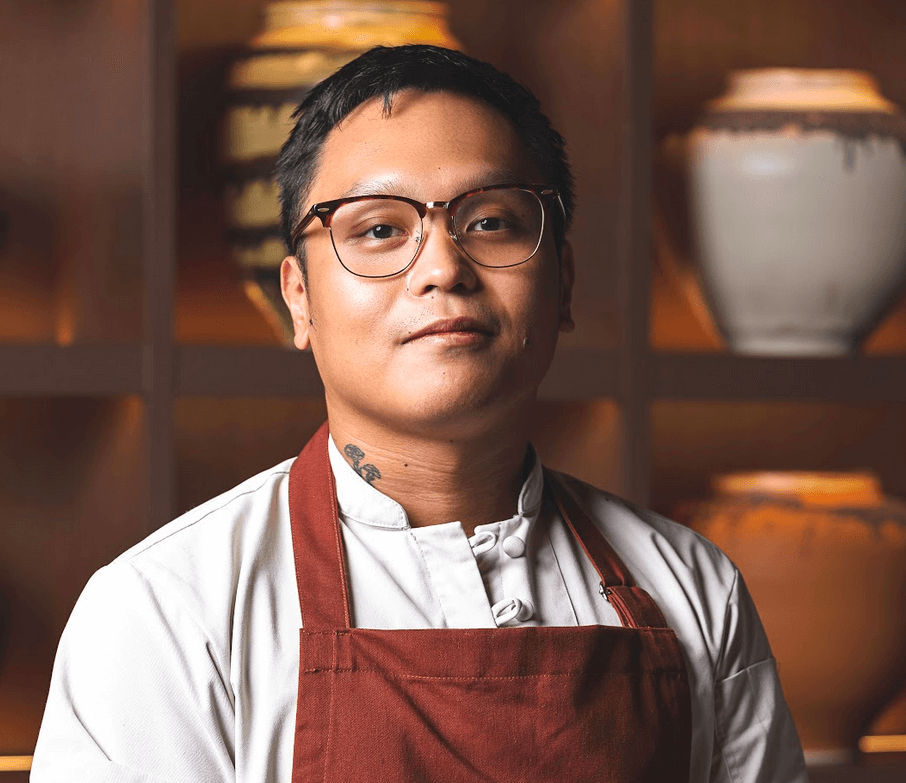
The CRAVE experience at Hapag was made even more special by the fact that the restaurant does not typically have a lunch service. Usually open at 6:00 P.M., it transformed into a rare sight: the spacious restaurant—with its warm, woody interiors—was bathed in an early afternoon glow. Chefs Thirdy Dolatre and Kevin “Nav” Navoa, along with sommelier Ganuelas-Recto and their staff, warmly welcomed guests, including Natalie Peña, Stephanie Zubiri, Scott Woodward, and Monica Concepcion, as well as several Mastercard VIPs.
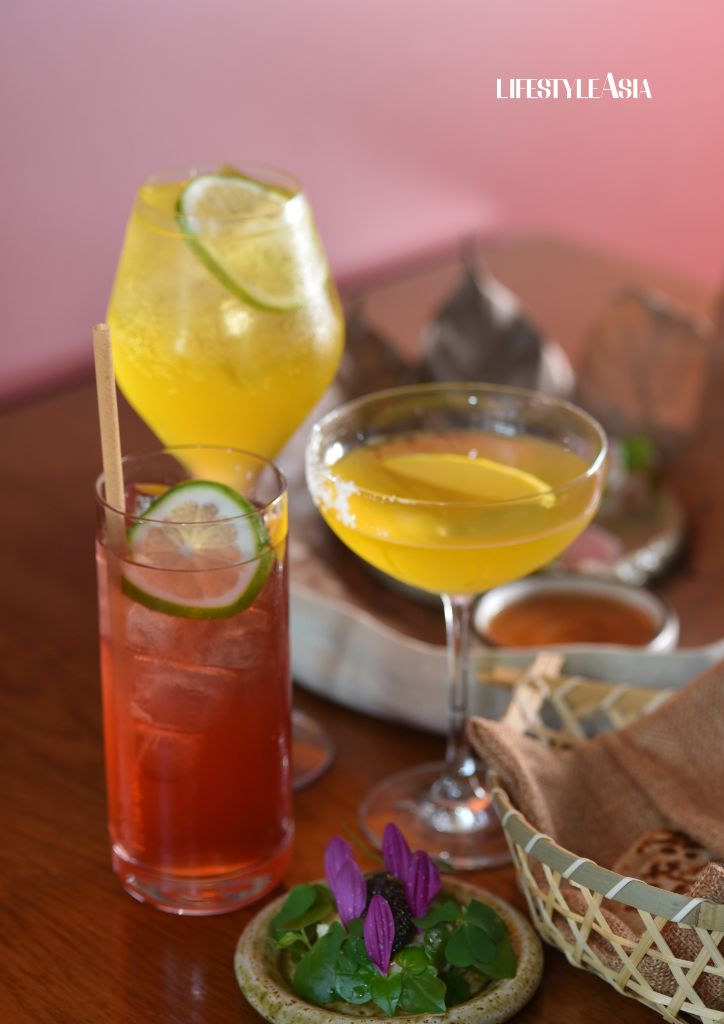
Cocktails were served, each paying homage to Mastercard’s signature bright colors. These included refreshing red drinks like the Passion Shirley Temple and the Raspberry Highball, as well as yellow tropical delights such as Mango Margarita Optimism and Mango Spritz.
Every Dish An Unforgettable Story
Hapag’s Western Visayas menu is the result of Dolatre and Navoa’s eye-opening 2021 trip to Iloilo, where they discovered that Western Visayas had far more flavors than they had previously known. This realization sparked an educational adventure across the region in search of these rich culinary traditions.
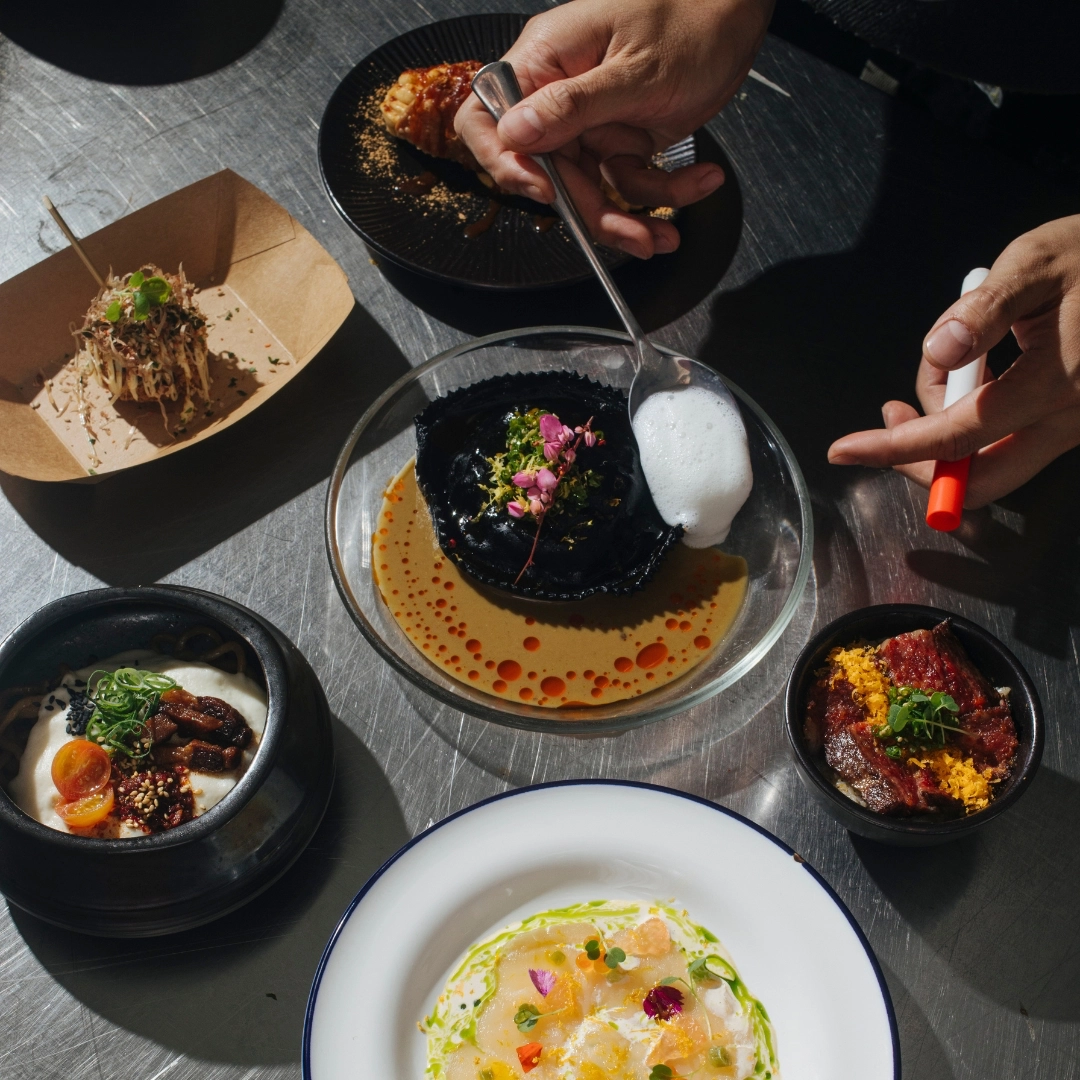
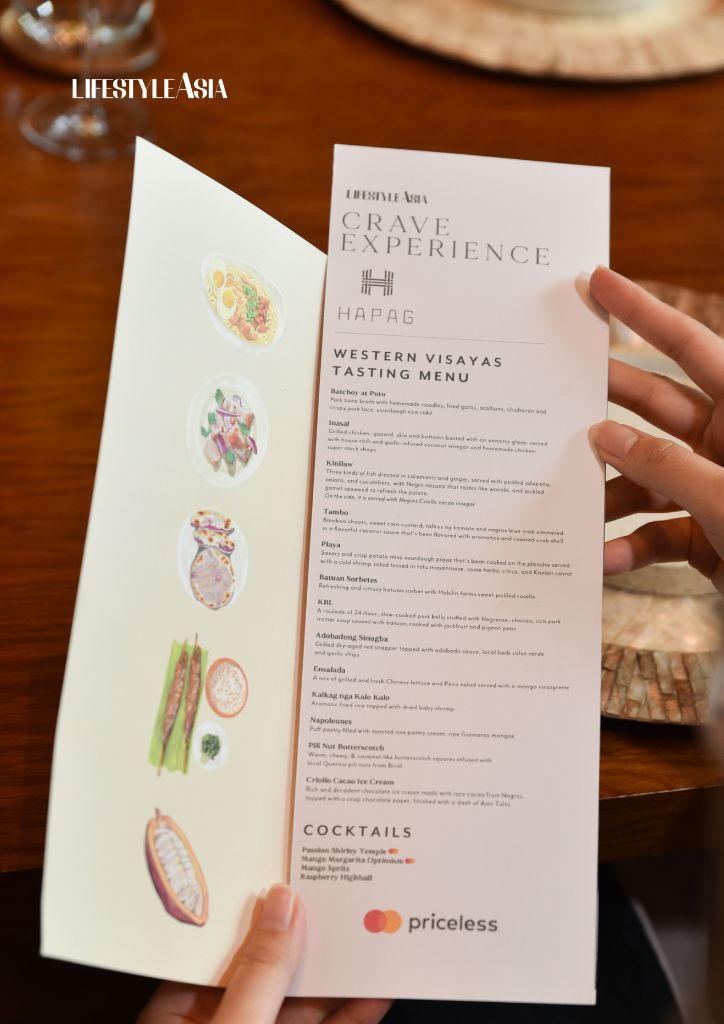
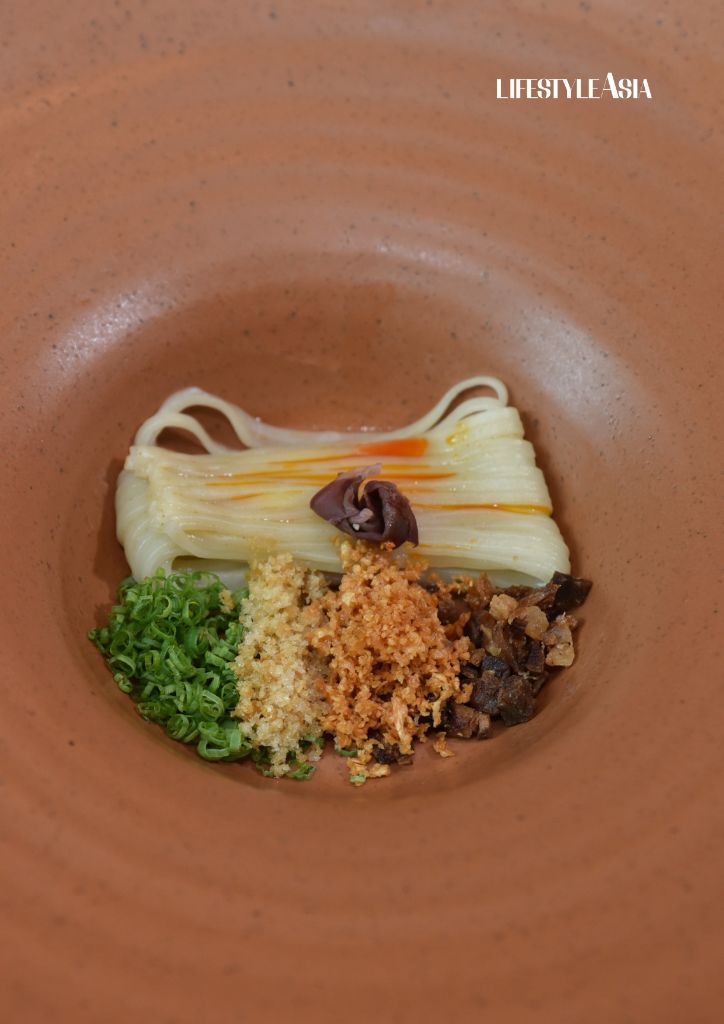
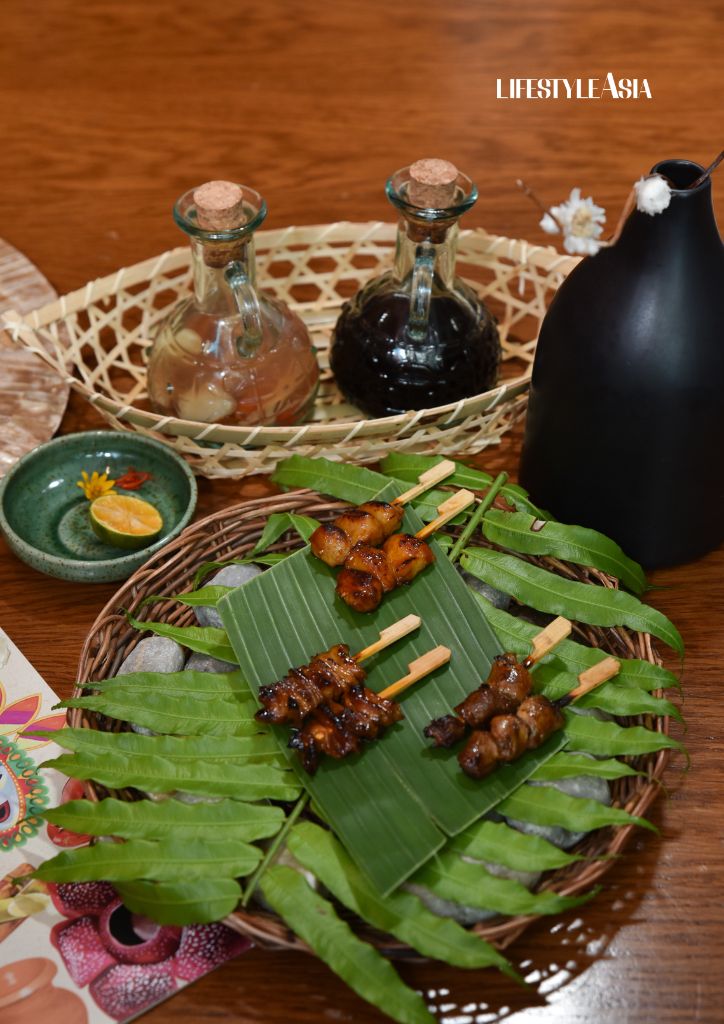
The lunch began with Batchoy at Puto—a popular regional pairing, consisting of pork bone broth with homemade noodles, fried garlic, scallions, chicharon, and crispy pork face, served alongside sourdough rice cake (puto). This was followed by Inasal—skewers of grilled chicken, gizzard, skin, and bottoms basted with an annatto glaze, then served with a side of house chili and garlic-infused coconut vinegar and homemade chicken super stock shoyu.
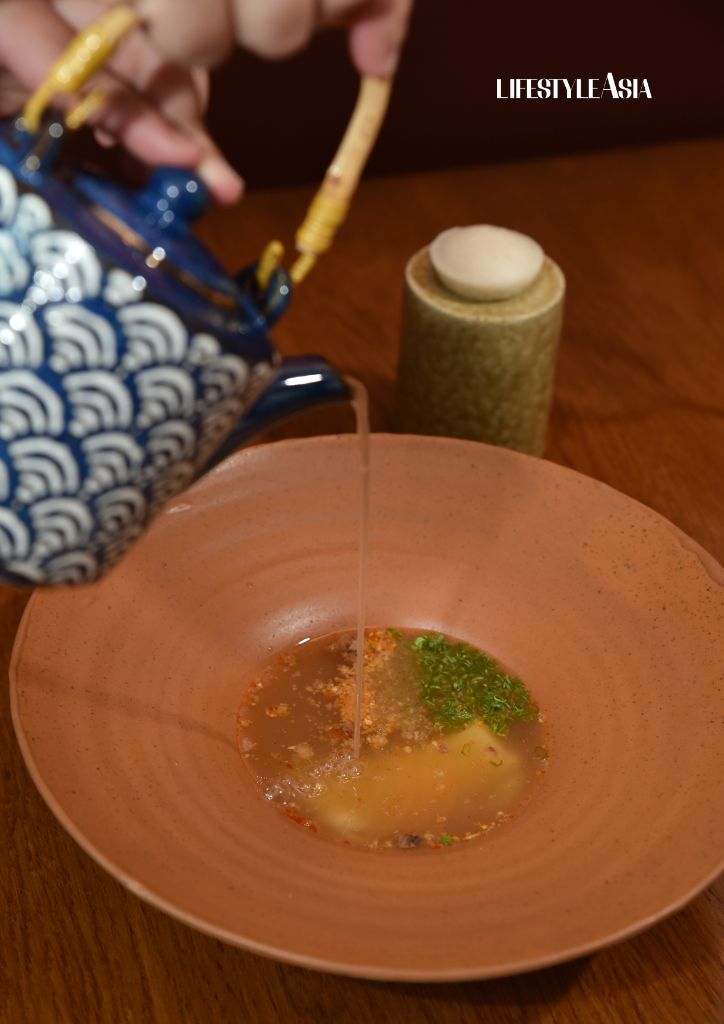
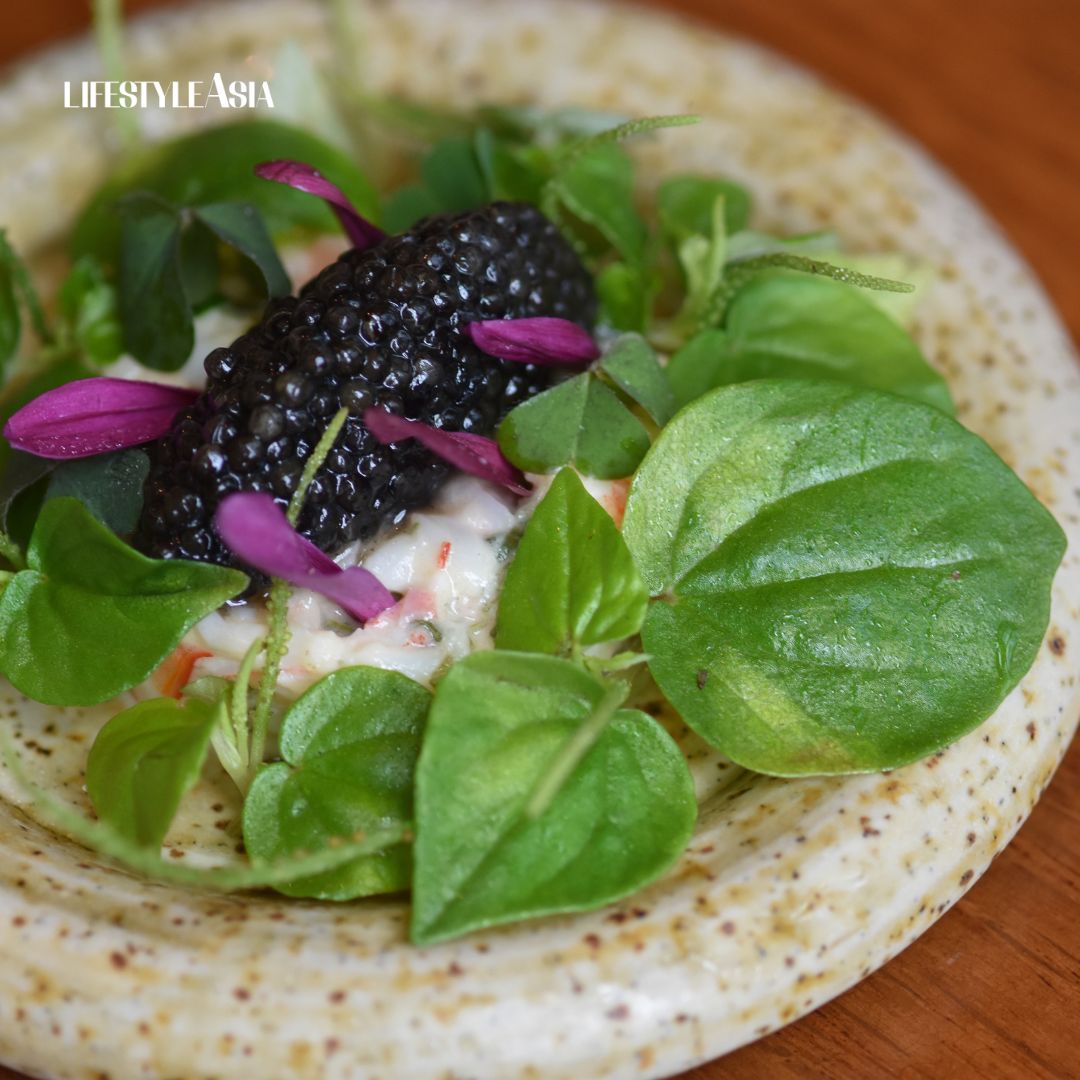
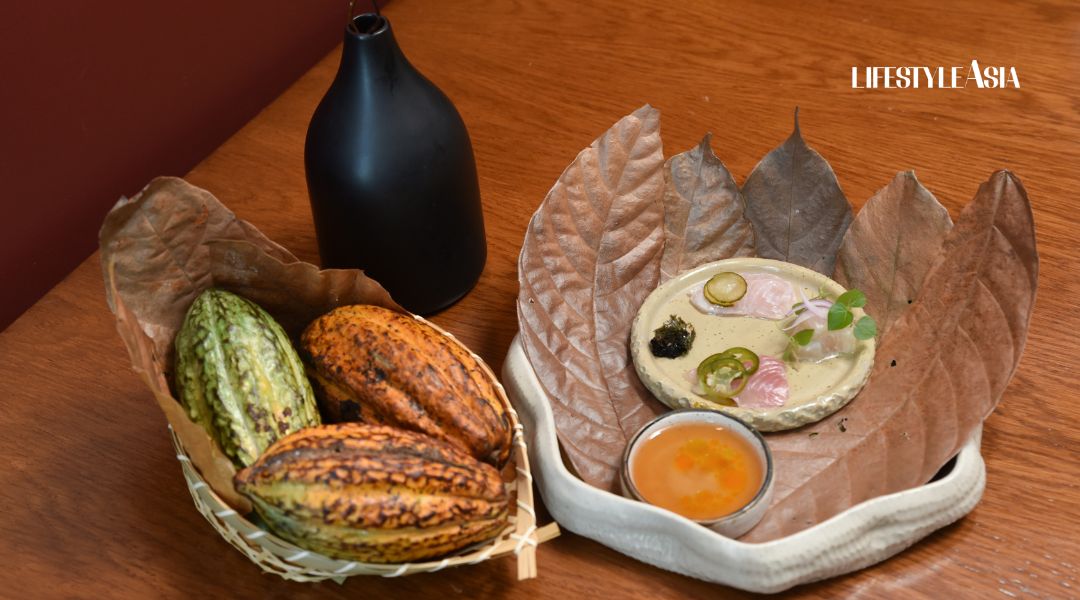
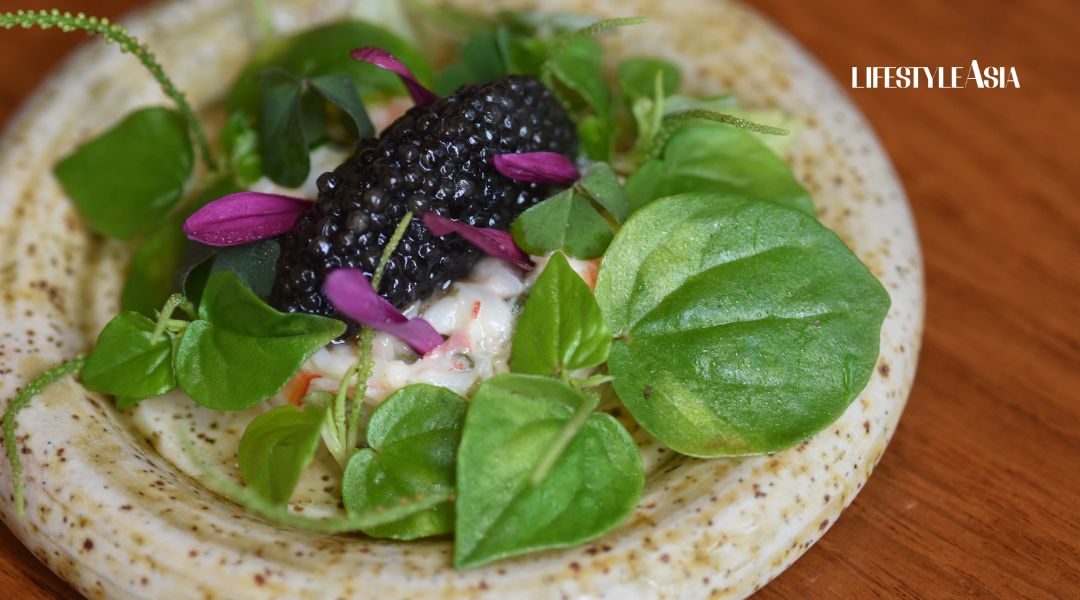
The next courses were Kinilaw (three types of fish dressed in calamansi and ginger, and enhanced with a Negros Criollo cacao vinegar; among the rarest and most expensive cacao varieties in the world); Tambo (bamboo shoots, sweet corn custard, talbos ng kamote or sweet potato leaves, and Negros blue crab simmered in a coconut sauce with aromatics and roasted crab shell); and Piaya (a savory and crisp potato miso sourdough flatbread).
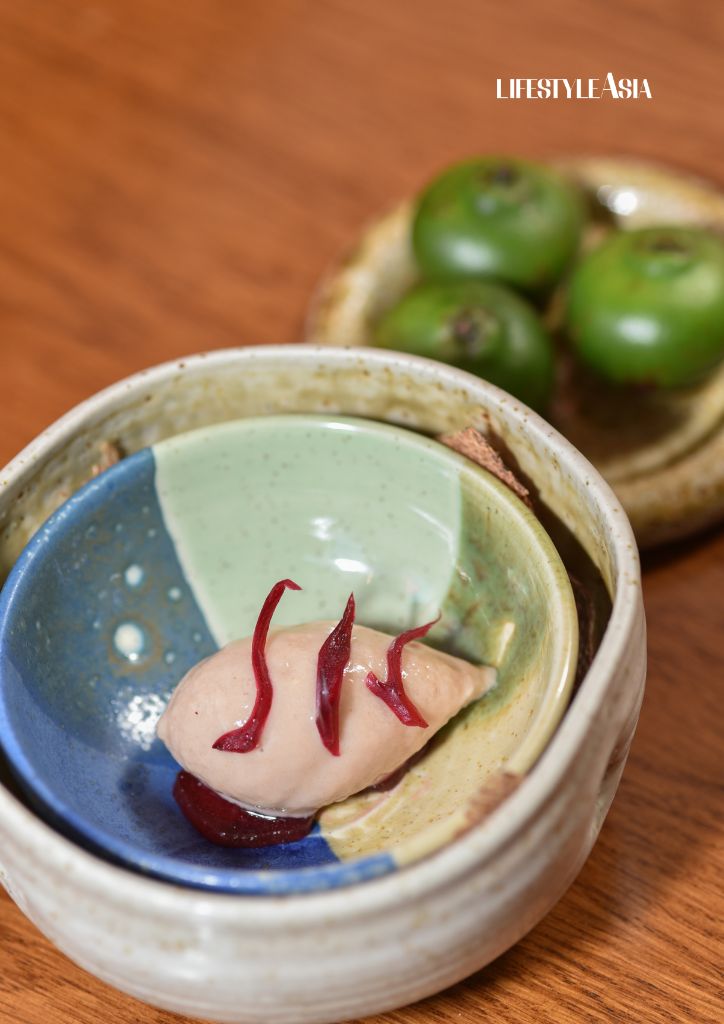
Batuan Sorbetes was the tasting menu’s palate cleanser, offering a refreshingly tart citrusy flavor from the batuan fruit and sweet pickled roselle from Habilin Farms.
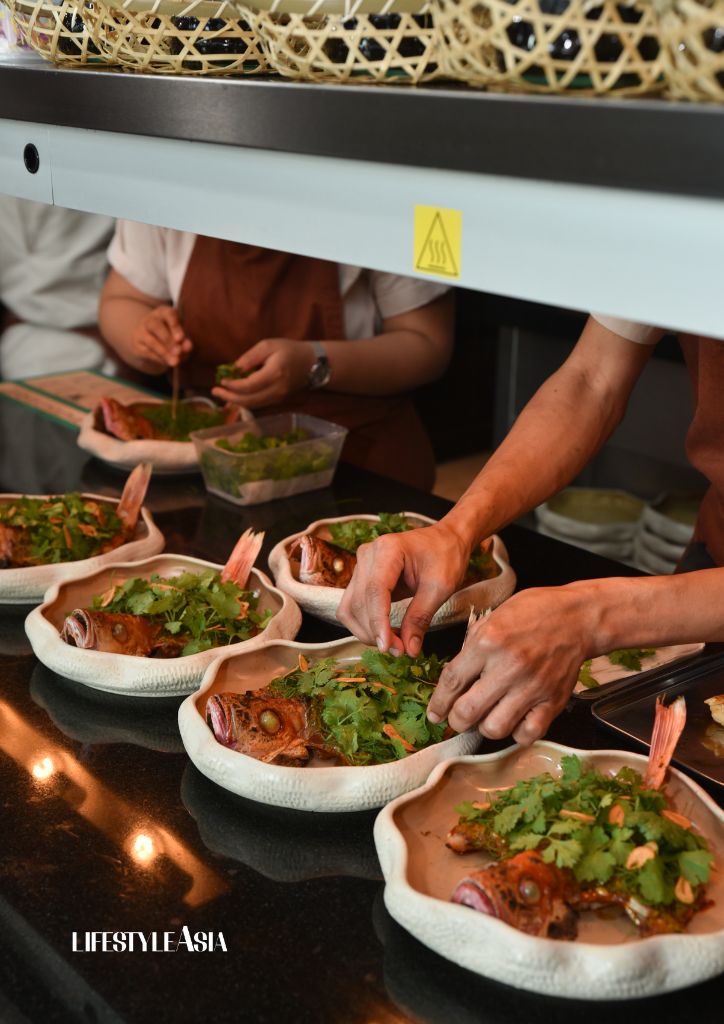
Served together, and meant for sharing in the spirit of salu-salo (a word describing the gathering of loved ones over a meal), were the KBL or “Kadyos, Baboy, kag Langka” (a roulade of 24-hour, slow-cooked pork belly stuffed with Negrense chorizo, in a rich pork trotter soup soured with batuan then cooked with langka or jackfruit and pigeon peas); Adobadong Sinugba (grilled dry-aged red snapper topped with adobado sauce, local herb salsa verde, and garlic chips); Ensalada (a mix of grilled and fresh Chinese lettuce and paco or fern salad, served with a mango vinaigrette); and Kalkag nga Kalo Kalo (aromatic fried rice topped with dried baby shrimp).
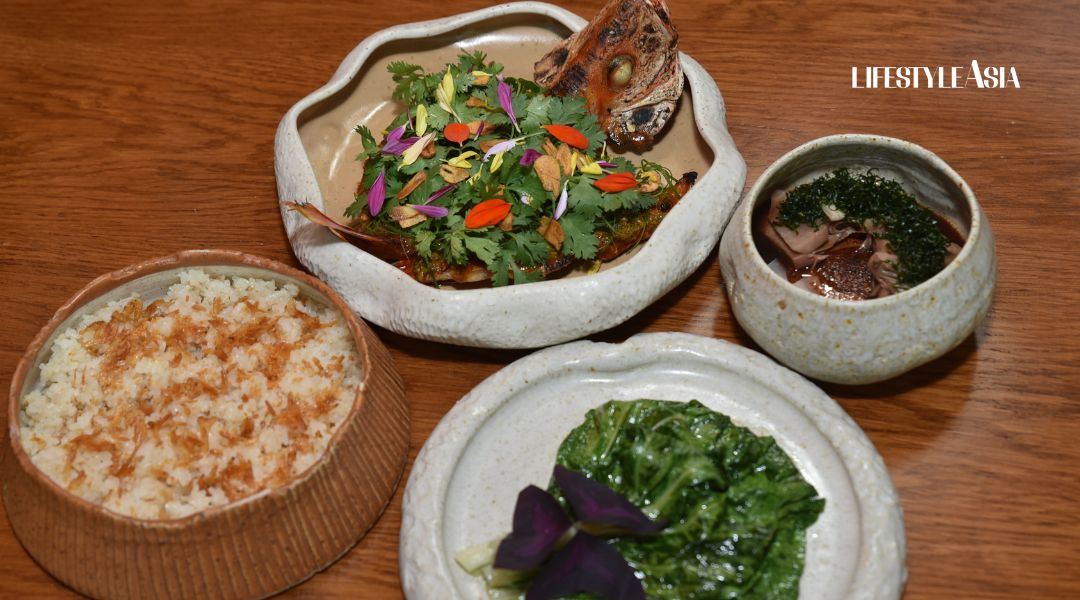
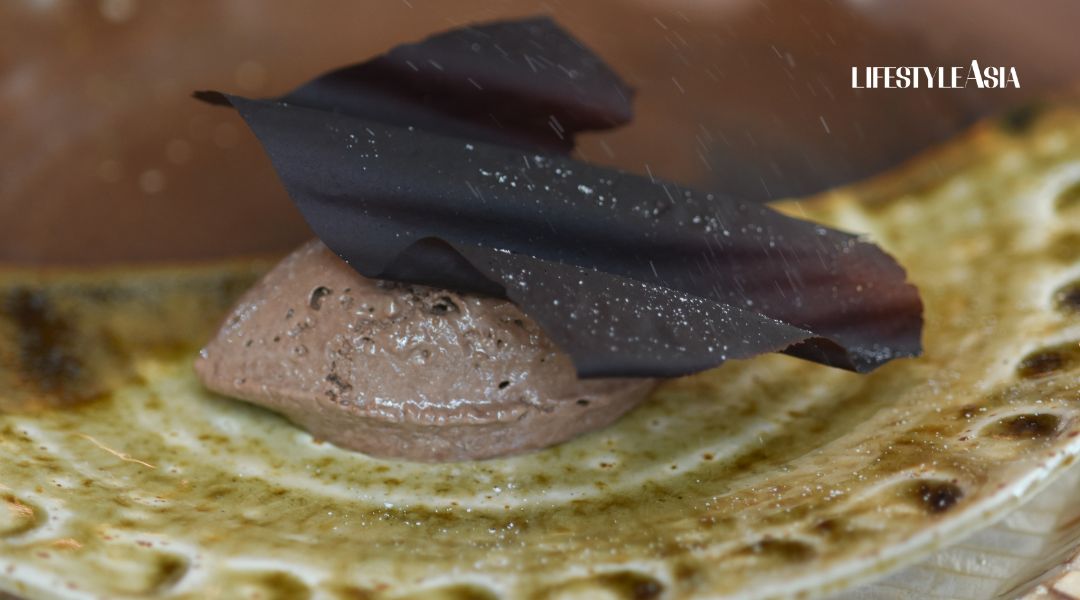
Ending the meal on a sweet note were the Napoleones (a puff pastry filled with toasted rice pastry cream and ripe Guimaras mangoes); Pili Nut Butterscotch (warm, chewy, and caramel-like butterscotch squares infused with local Querica pili nuts from Bicol); and the Criollo Cacao Ice Cream (topped with a dash of Asin Tultul, an artisanal Guimaras salt made with coconut milk).
Good Food And Conversation
The guests took great pleasure in the scintillating flavors presented by the Hapag team. “I enjoyed the kinilaw: the structure and freshness of the fish was well retained, and even the brininess of the seaweed was excellent. The Tambo with the crab and custard was also amazing,” shared Stephanie Zubiri with Lifestyle Asia.
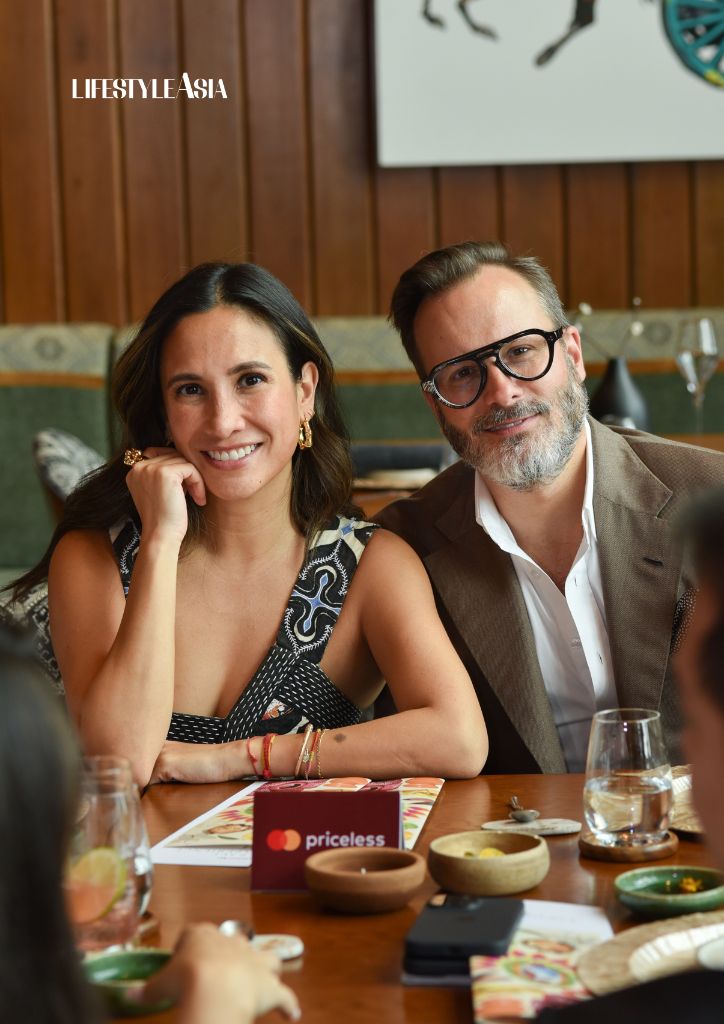
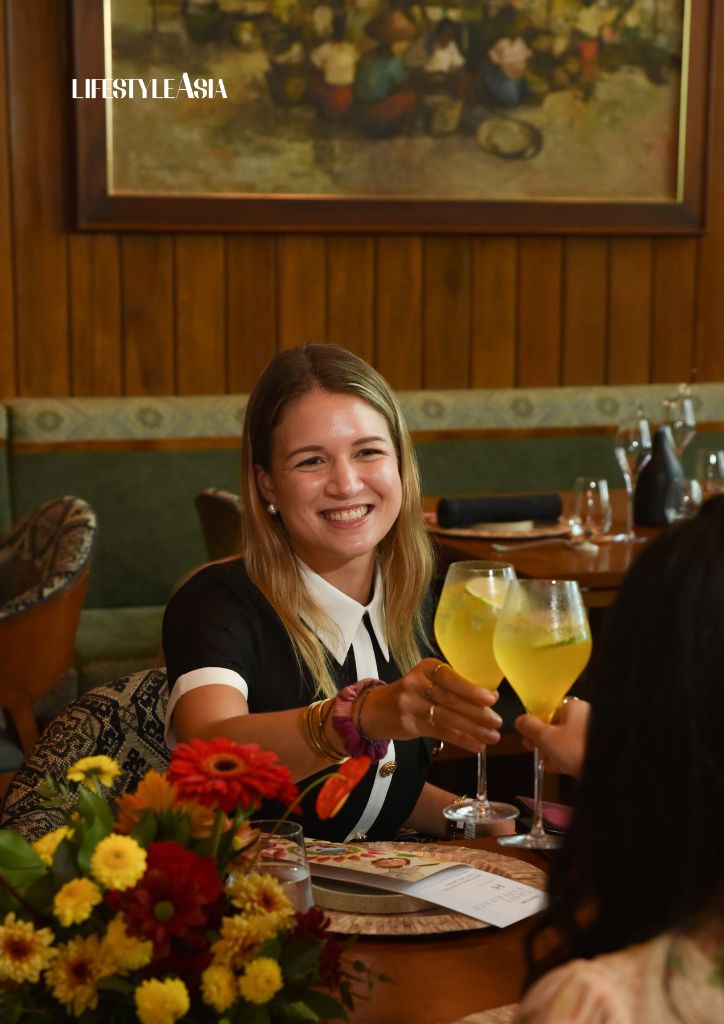

“I really liked the Tambo as well: I thought the coconut flavor was lovely,” added Scott Woodward. “I thought that the chefs did such a great job of injecting their own personality into their explanations—that personal touch made the experience more engaging and memorable.”
“I enjoyed the Adobadong Sinugba. I mean, the red snapper was just something really different for me: the flavors, the taste, really went well together,” expressed Monica Concepcion.
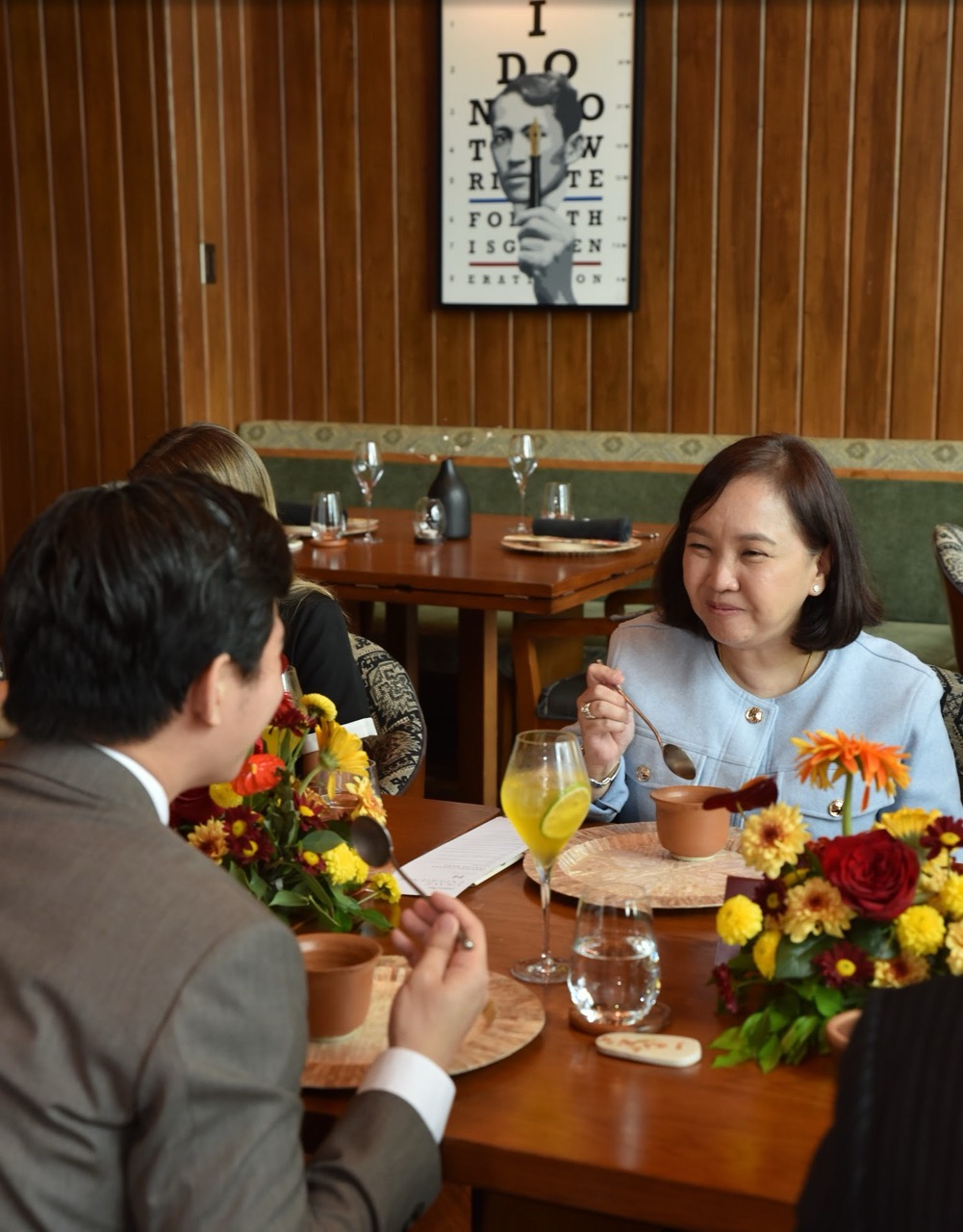
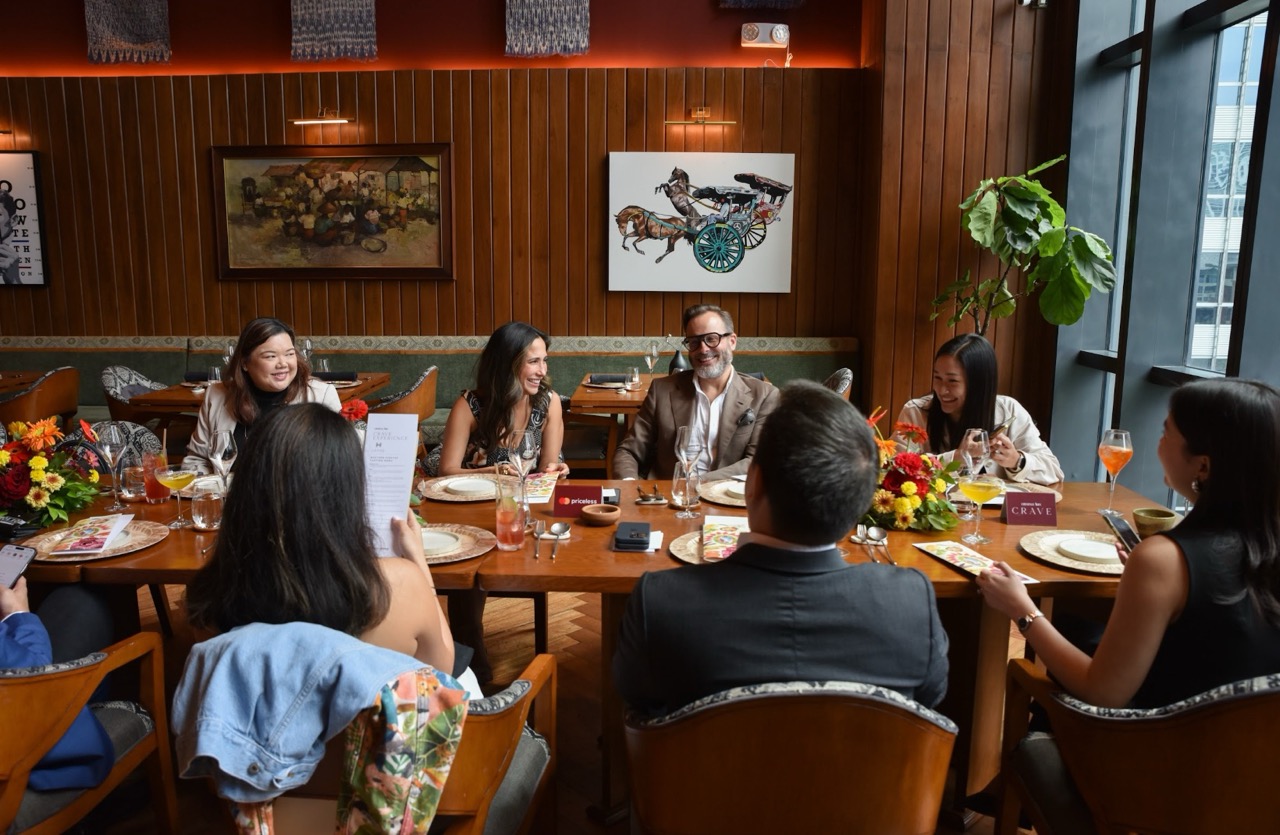
Simon Calasanz—Country Manager, Philippines, Mastercard—was present as a VIP guest. He not only praised the flavorful dishes but also admired the creative ways in which they were presented. Yet beyond the gustatory treats, was another key highlight that enhanced the afternoon. “What was priceless to me was talking to people from different backgrounds, getting to know more about each other and our Filipino culinary heritage,” Calasanz elaborated.
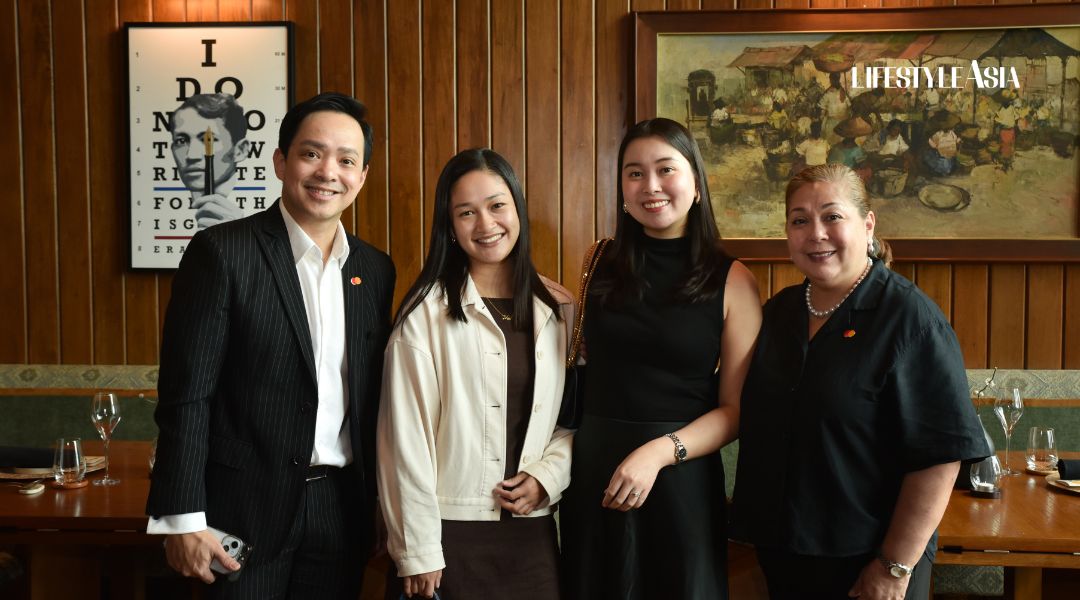
“The conversations were great,” added Zubiri. “I like that despite it being a long table, it was still very cozy, and at the end we got to share the food. It still carries that sense of Filipino sharing and interaction or togetherness.”
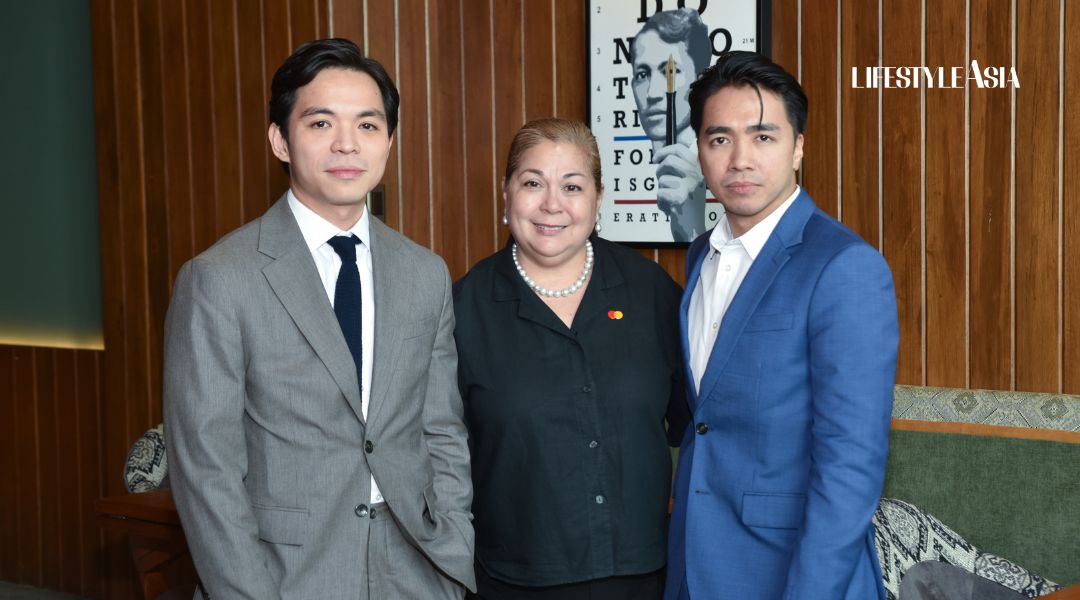
After all, what’s a good meal without equally good company? It’s these shared moments—whether with loved ones or newfound friends—that make dining all the more special.
Discover more priceless experiences in the Philippines, and beyond, here.
Photos by Willy Saw (unless specified).