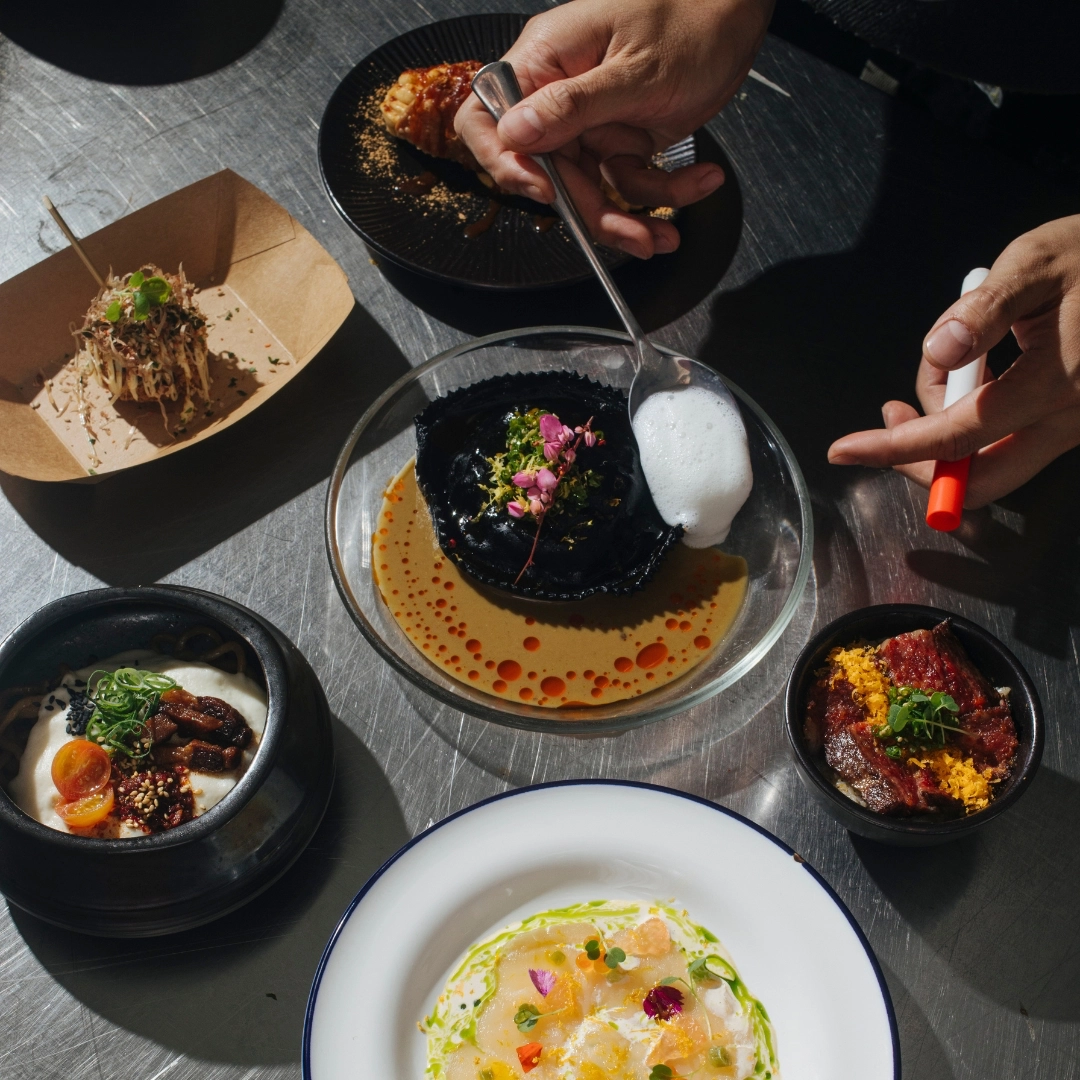
Skyrocketing demand and supply chain issues are stirring up a global shortage of the beloved green tea.
A few months after I first wrote about the global coffee price hike, news about a creeping matcha shortage was already circulating—but the reality hadn’t quite hit me as hard as it did recently, on a visit to a small neighborhood cafe. I watched as a woman walked in, clearly set on ordering something specific, before two crossed-out menu items made her do a double take.
“No matcha?” she asks the young baristas and owners.
“No ma’am, so sorry. There’s been a global shortage,” one of them replies, shaking her head sadly. “It’s getting harder to find, and prices have increased.”
Well, if the shortage is already affecting our archipelago, its short distance from Japan makes it considerably easier to import goods, what more other places in the world? Something was definitely, forgive the pun, brewing—and it doesn’t bode well for lovers of the green tea drink.
This led me to do a bit more research, and lo and behold, the problem increased significantly since I last heard about it months ago. A fresh wave of headlines and reports has confirmed that the high demand for matcha has resulted in a supply that can no longer keep up with it. But there are more factors behind the shortage besides a growing obsession with the drink—so let’s examine how we got to this point.
READ ALSO: Where Did All The Champagne Flutes Go?
Matcha Mania: Meet The Drink That’s Usurping Coffee
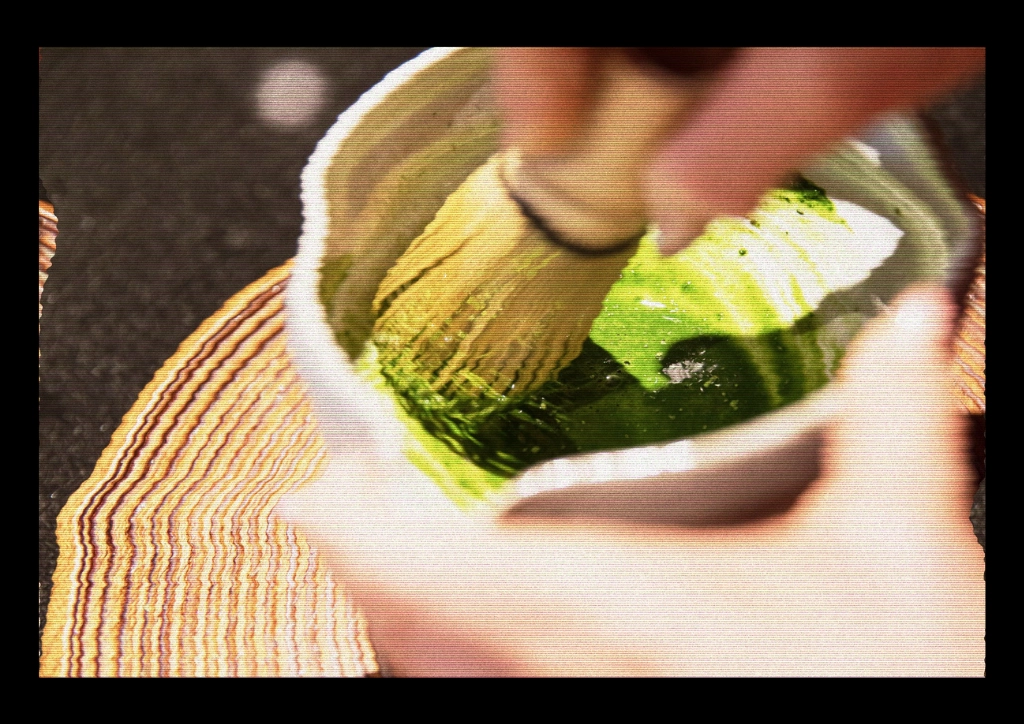
You don’t really need hard news to see just how widely loved matcha has become. Entire cafe concepts are dedicated to serving the drink, from The Matcha Tokyo to Tsujiri. Visit any coffee shop in the country, and chances are you’ll find at least one matcha drink on the menu—more often than not, it’s multiple iterations. People just can’t get enough of the versatile tea: serve it traditionally (prepared with hot water, mixed with a special bamboo whisk until frothy), add steamed milk to it like a latte, or blend it with other ingredients like strawberry or sakura syrup.
This boom isn’t just a taste thing: there’s a health factor to it, too. The Gen Z crowd isn’t just skipping alcohol (the rise of the sober curious movement being testament to that), but also searching for “healthier” alternatives to other lifestyle choices as well, including their go-to cafe drinks.

Now, as for whether or not it’s really the healthiest choice, that would depend on a number of factors. Matcha contains more caffeine than other green tea varieties—but does it have less caffeine than coffee? That still depends on how much powder you use, and other characteristics like freshness and brewing time. On average, matcha drinks made using roughly ½ to 1 teaspoon of powder can contain caffeine content that’s anywhere between 38 and 176 mg (whereas an eight-ounce cup of brewed coffee may contain around 95 to 200 mg of caffeine). But again, these are estimates, not “approved by your doctor” guarantees.
Though, as a coffee drinker who’s been limiting consumption to stave off severe withdrawal symptoms (alternating my intake to avoid massive headaches), I notice that filling the gaps with matcha actually reduces the debilitating symptoms. I once went off coffee for a full two months, substituting it with matcha, and found I had fewer withdrawal problems. But I eventually brought coffee back into my routine (guilty as charged)—it’s just too good to ditch forever.
A 2025 study by Alsenani et al. also pointed out more health benefits of matcha, including a vitamin C content that can range from 32.12 to 44.8 mg/L, and the presence of compounds like epigallocatechin gallate, which have antioxidant, anti-inflammatory, and anti-cancer properties. It’s not medicine, but more benefits are always better than fewer, so it’s not hard to see why the world has embraced the drink (including our beloved performative men).
High Demand vs. Japan’s Supply Chain Issues
If it were just high demand causing shortage issues, then things could be easily fixed by simply growing more of the Camellia sinensis tea plant—where matcha and many other teas are derived from—right? Not quite. The process of producing ceremonial-grade matcha is a very specific one, and its conditions are demanding.
Tea plants must be cultivated in cool temperatures, specifically in the shade, as high exposure to sunlight can create a more bitter taste in the leaves. Matcha, in particular, is derived from young leaves (tencha, usually the first leaves of the plant) that are steamed to prevent oxidation, then dried and ground into that distinctive, vibrant green powder.
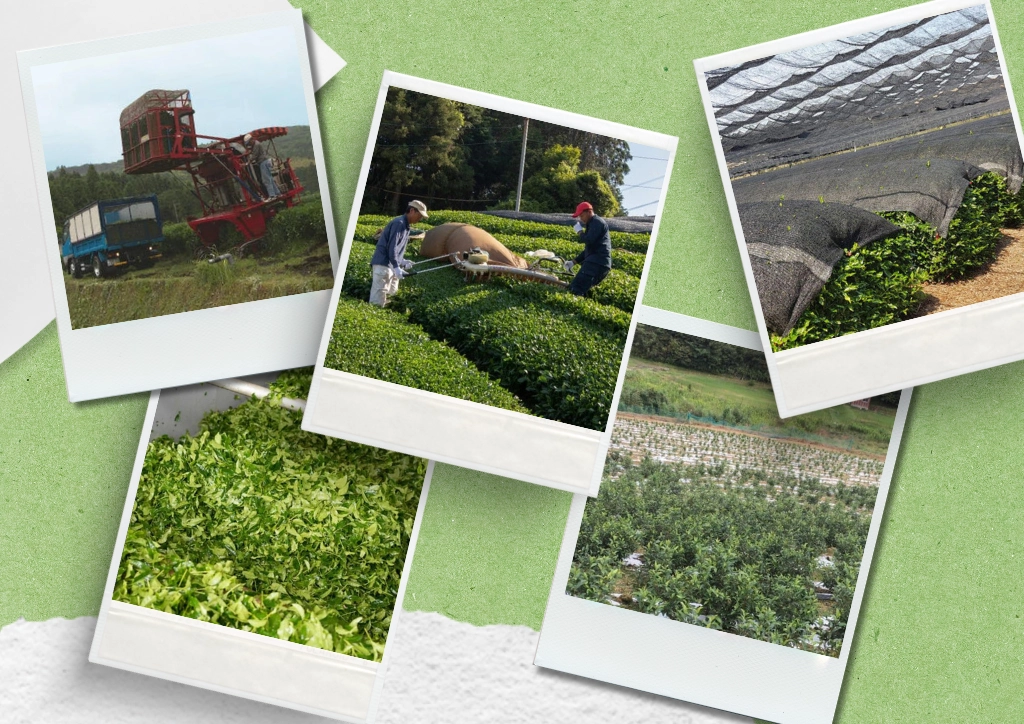
The matcha market in Japan shares challenges with many other agricultural industries: a mostly older generation of workers is dwindling, with younger people opting not to take up jobs in farming. Ironically, the country’s tea industry has been experiencing a steady decline due to less local consumption, even if the total exportation of Japanese teas has increased by 189.9% since July 2024, according to a July 2025 report from the Japan Tea Export Promotion Council. Climate change isn’t helping either: this year’s extremely hot temperatures produced significantly less yield during the April to May harvest season, according to a report from Reuters. And that’s a problem faced by many producers, including coffee growers.
So What’s Next?
Too much demand, not enough supply, we’ve seen this depressing song and dance many times before—and it signals both price hikes and shortages. Certain cafes would rather remove matcha drinks from their menu than pay the steep fee. Those willing to shell out some money will need to increase the prices of their drinks, which might be a turn-off for fans of the beverage, but think of it this way: at present, it’s the only way to ensure that quality matcha ends up in your cup.
While the Japanese government is encouraging people to farm matcha on a larger scale in order to reduce costs, as Aljazeera reports, this isn’t a small request. Training a new generation will take time, and so many factors, like environmental conditions, are largely out of farmers’ control.
Now, news of this shortage might spark a desire to “hoard” or purchase as much high-quality matcha as you can, but that’s the opposite of what needs to happen. Savor and appreciate what’s available, get what you need—the market doesn’t need any more drastic changes tipping the scale.
According to a BBC feature, the Global Japanese Tea Association is encouraging consumers to opt for lower-quality matcha for later harvests, if possible, especially if they’re going to be used in cooking or lattes. This is because the subtle nuances of ceremonial grade matcha are completely lost when they’re prepared this way—waste not, want not, as they say.
Hopefully, in due time—and with some changes in both matcha production and consumer demand—the issue will resolve, and matcha will find its way back to the menu without anyone needing to make great sacrifices for it.