In our November 2012 issue, Lifestyle Asia took a stroll down memory lane with undisputed nightlife king Louie Ysmael ahead of his 64th birthday party.
Louie Ysmael is clad in a blue round neck t-shirt, walking shorts, and flip-flops. His full head of hair is not unruly, but it could use a once-over with a comb or brush. This is about as dressed down as it gets for the king of Manila’s nightlife, whose regular attire for a night out on the town includes crisp dress shirts and spiffy suits. Then again, it is 4 PM on a Wednesday, and he is at home. It doesn’t mean, though, that he is not busy.
“So what exactly do you need?” he talks into his iPhone in the vernacular. His voice is a deep baritone, like an actor from Hollywood’s Golden era; a regular Gregory Peck or Humphrey Bogart. “Just ladies to entertain the guests? Do they need to have foreign blood? Russian or Brazilian?”
READ ALSO: From Our Archives: The Evolution Of The Filipino It Girl
After a few more minutes on the phone, he puts it down but proceeds to answer a text message. “Sorry, give me a few minutes,” he says without looking up from the screen. “A friend is asking for help for a party. I’m asking another friend who has contact with some models.” The phone is ringing and receiving text messages practically nonstop. Such is the power and reputation of Ysmael; people turn to him for help with their entertainment needs.
Bright Lights, Big Cities
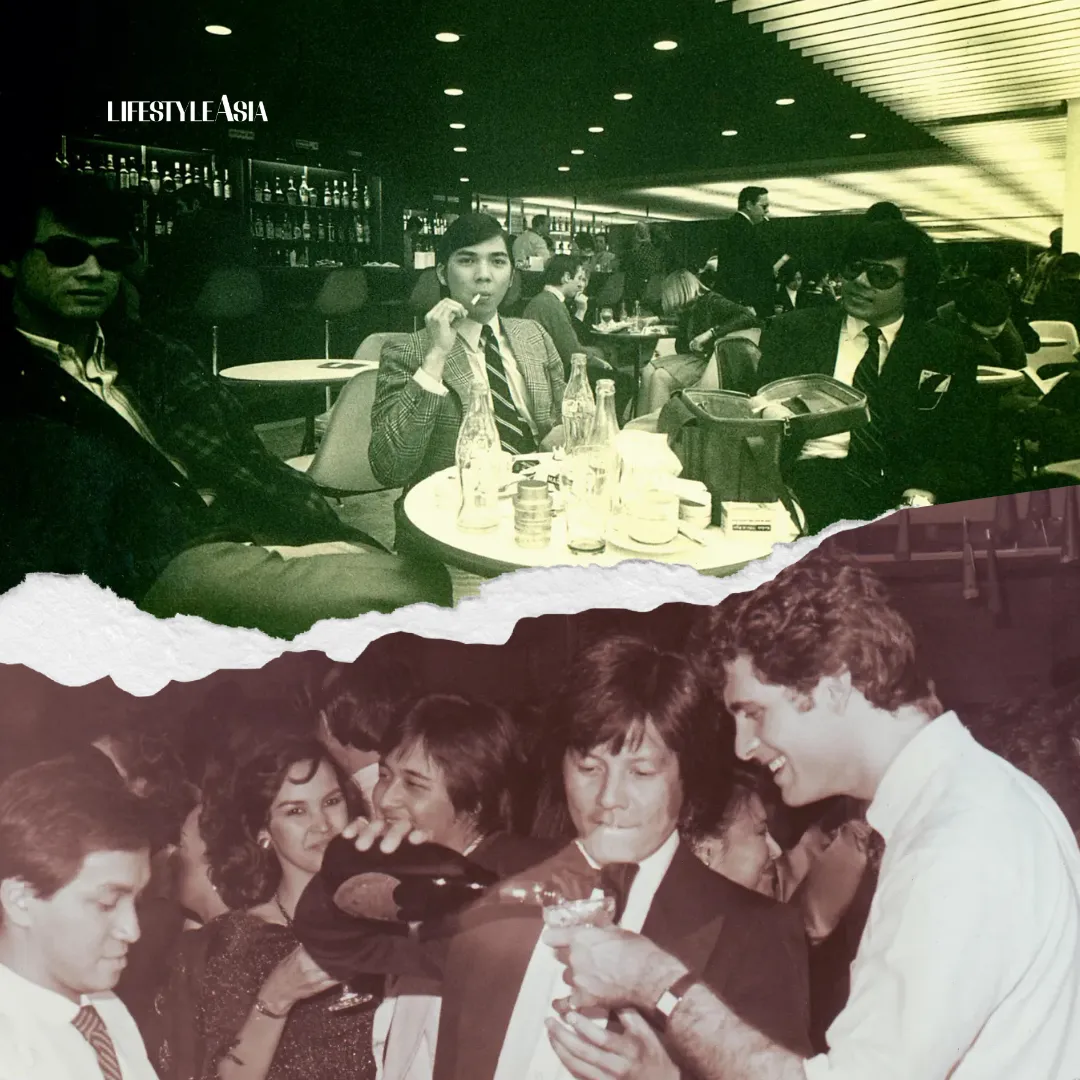
Luis Miguel Recto Ysmael has been Manila’s go-to guy for the hippest, most happening nightlife events and venues for over 30 years. The still youthful-looking entertainment impresario, who turns 64 years old this month, says he picked up the partying lifestyle back when he was studying in the US and Europe. “I left [Manila] when I was 11,” he says. “I went to boarding school in Connecticut and went to Boston University for a couple of years. Then I went to the American College of Switzerland, and then Schiller College in Paris. I spent a lot of time changing schools, especially colleges. I felt like I was a professional student,” he says mischievously.
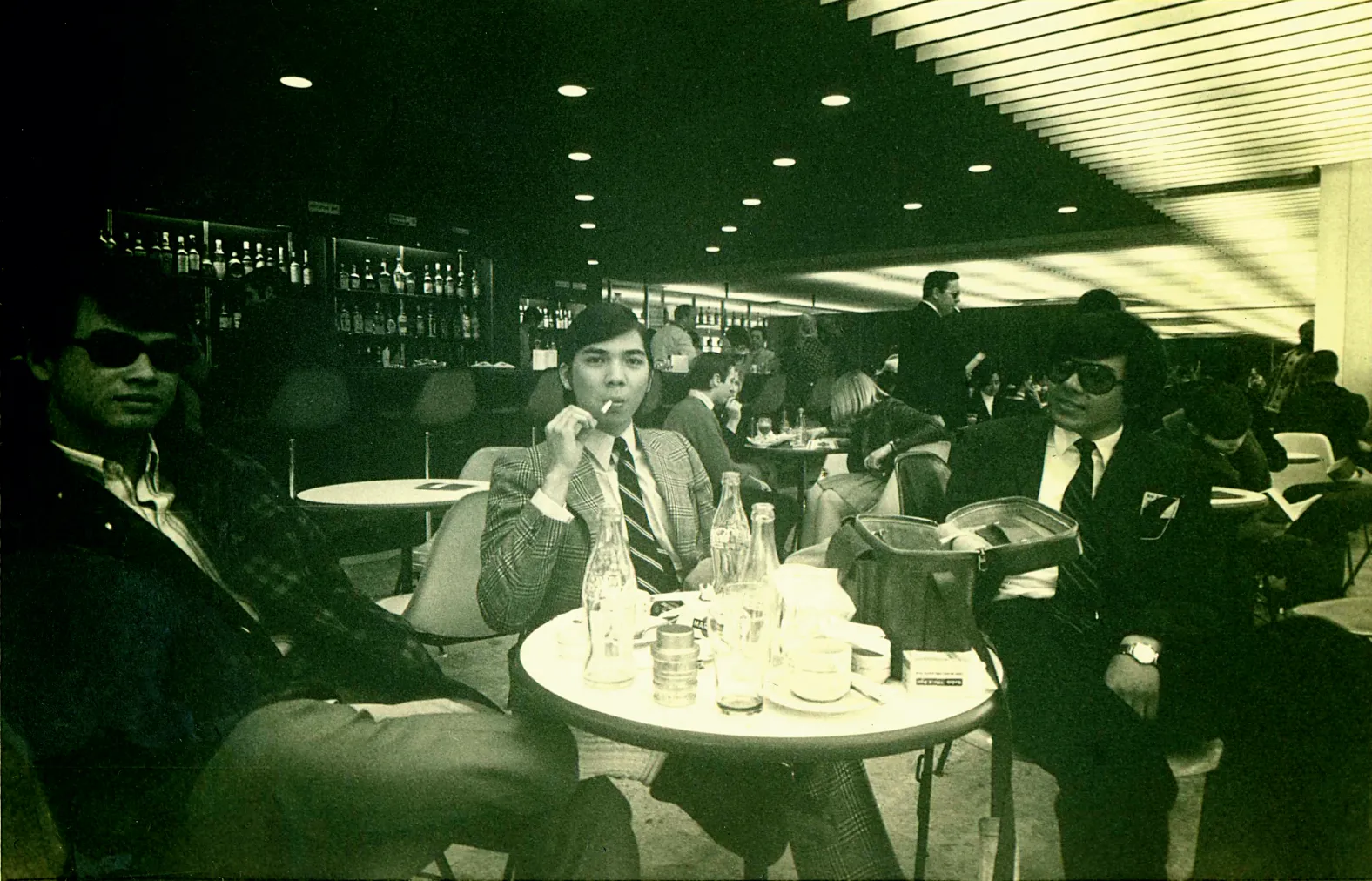
It was in the late 1960s when Ysmael started going out with classmates to bars and dance clubs in New York and Paris, the two cities which he says “most informed” his nightlife. “I got placed in that situation, especially because I was studying there,” he says. “So I kind of got used to it, and I liked it. I was going to places like Ibiza when no one was going there. Even Marbella, in the south of Spain, at the time, was beginning to happen. And Madrid was a really good party city when I was growing up.”
The young Ysmael hit the party capitals of the world with his classmates. “It was a good experience to do that,” he says. “And then here in Asia, at that time, Hong Kong was where the party scene was. There were clubs like Manhattan and Hollywood East, which were the clubs then. Tokyo was not far behind as well.”
Stargazer: The Place To Be
When Ysmael came back to Manila, he felt the difference. In the late 1960s, there were nightclubs like Bayside and The Nile, Wherelse? at the Intercon and Circuit at the Hyatt, but these were far from the sophisticated bars and hangouts that he and his cohorts frequented in the US and Europe. “Later on, it got hipper. Places like Coco Banana and Queue Disco at the Regent of Manila started to sprout up. So I got together with some good friends and we decided to do a proper, beautiful club, at the penthouse of what was then the Silahis Hotel.”
Ysmael partnered with Biboy Enriquez, whose family owned the hotel along Roxas Boulevard. He enlisted the help of good friends to design the space, including Dedes Zobel, sister of another friend, Iñigo Zobel, and Charie Velguth (now Aboitiz).
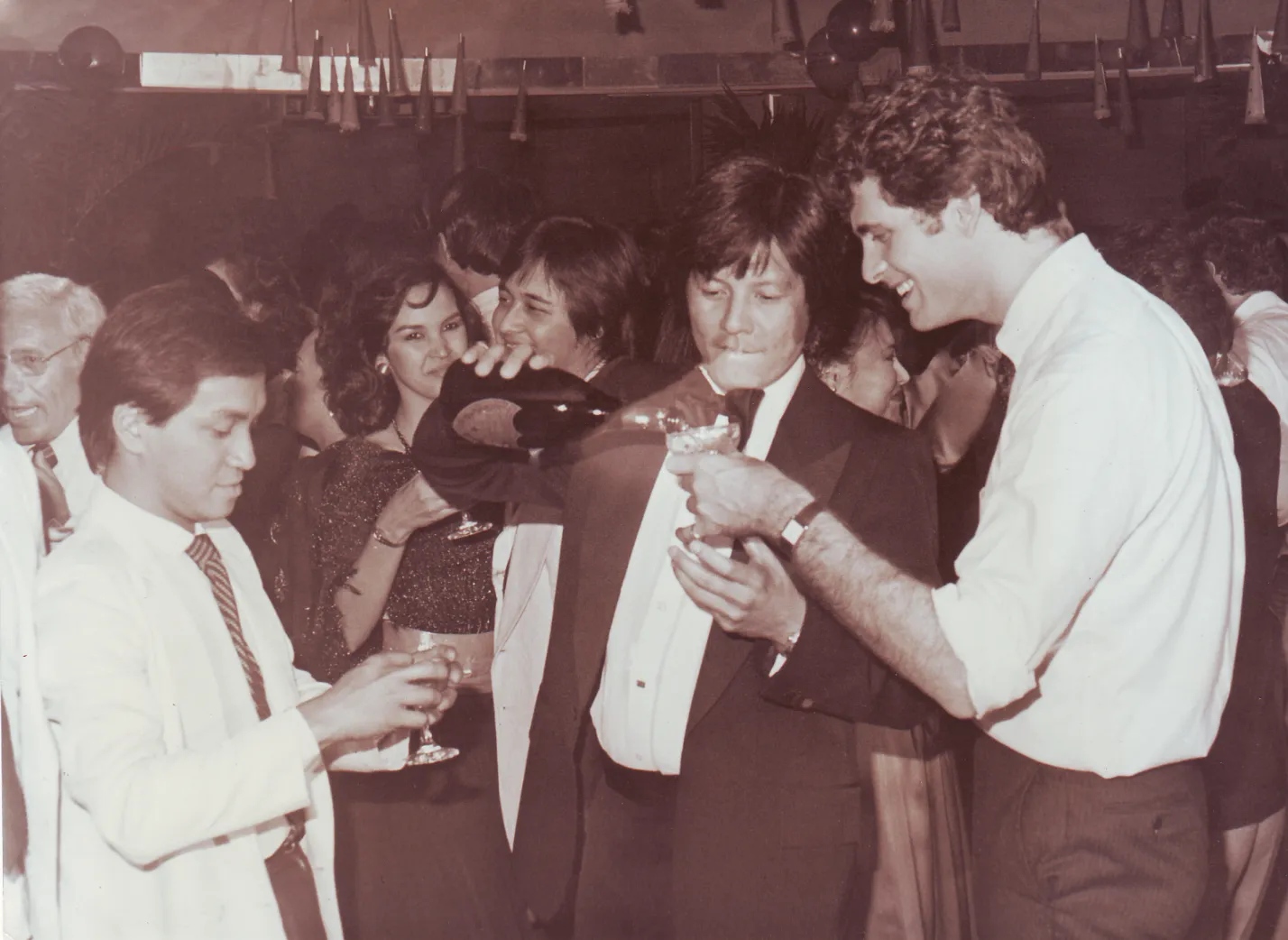
“They both did a really nice job, having traveled extensively themselves. They knew what I wanted and we were talking the same lingo. It was good synergy. A lot of my friends, who also travel a lot, appreciated what I was putting up in Manila. It was a penthouse club with good service, good sound system, nice lighting system, beautiful decor, with strict crowd control. In other words, we had arrived.”
The establishment was, of course, Stargazer. When opening night came, it seemed like everybody who was anybody in Manila was there. “The turnout was excellent,” he reminisces. “That’s when I decided to develop the card system. I started to issue cards out to VIPs, so they didn’t have to line up or pay the entrance fee when they came.”
Next Ventures And The Cool Kids
Ysmael’s next project was another disco that bore his name. Louie Y’s opened in 1984 and was also interior designed by Dedes Zobel and Charie Aboitiz. It was the first club in the country to install a high-powered argon laser lighting system, as well as the first hydraulic elevator dance floor ceiling. Ysmael was no longer involved with Stargazer when he opened this new place, which was another hit. Crowds of fun-loving night owls flocked to the new disco place, and Louie Y’s became the toast of the party set. “It was nice to have my name in lights,” he says.
The party ended prematurely, however, when the EDSA Revolution happened in 1986. Ysmael ended his partnership with the GSIS, which owned the Hyatt at that time, and decided to close down Louie Y’s. The hotel later converted it to Isis. “I put up a place called Pare in Mile Long. It was the first actual dance club with Latin music for older people. That lasted maybe two years. And then Euphoria.”
For many people who came of age in the late ’80s to the late ’90s, Euphoria was the mother of all discos. Located in the basement of the Hotel Intercontinental, the club was packed night after night with revelers who danced to the hippest music. Ysmael credits the success of Euphoria and its 12-year reign to the convergence of the non-negotiables.
“Location is very important. You had to make sure your figures were right. Rent had to be reasonable, with value for money. Like always, I had to have the essentials; you had to have good service, so training of the staff was essential. You had to have good music, of course. Decor, air conditioning, exhaust, good crowd control, and good PR and marketing.”
Core Partiers
When asked how he made sure he was bringing in the “right” people to his clubs, Ysmael could not help but smile. “It was easy because most of them were my friends. In Manila, you have a core group, and the rest will follow. There’s a core group of partygoers. Now, there are a lot of core groups because the market demographics are different. But in the early days of disco, there were only a few that people actually followed, the kind that, when they were seen somewhere, other people would say, ‘We better go there, too.'”
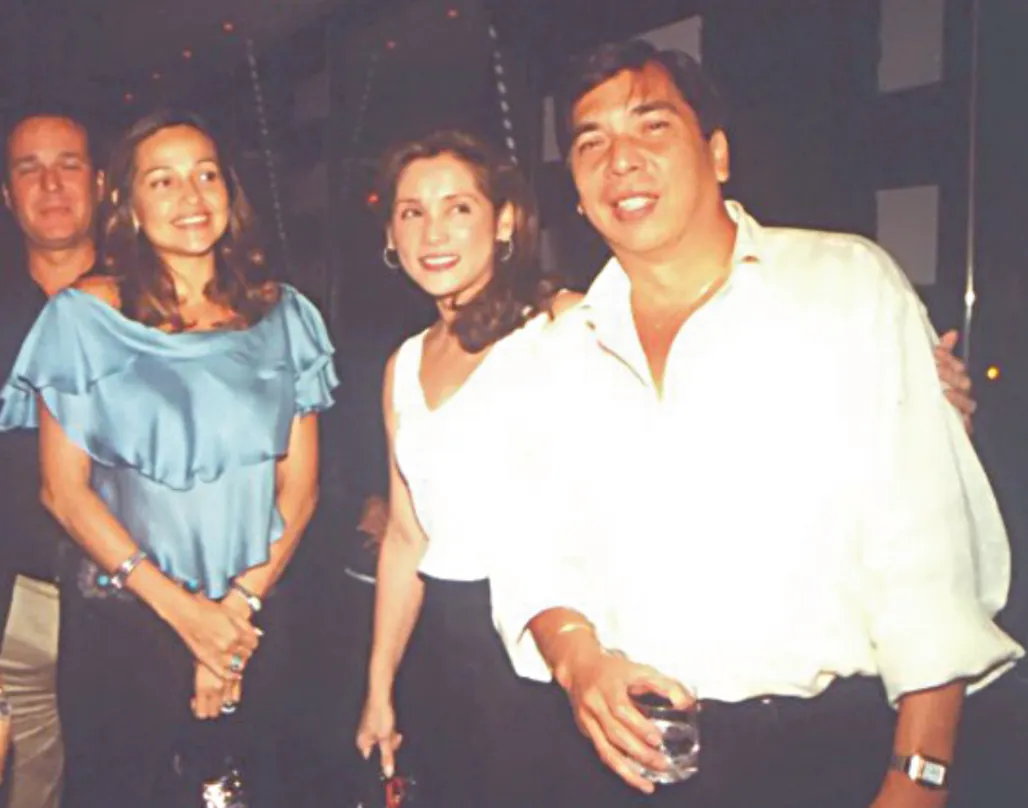
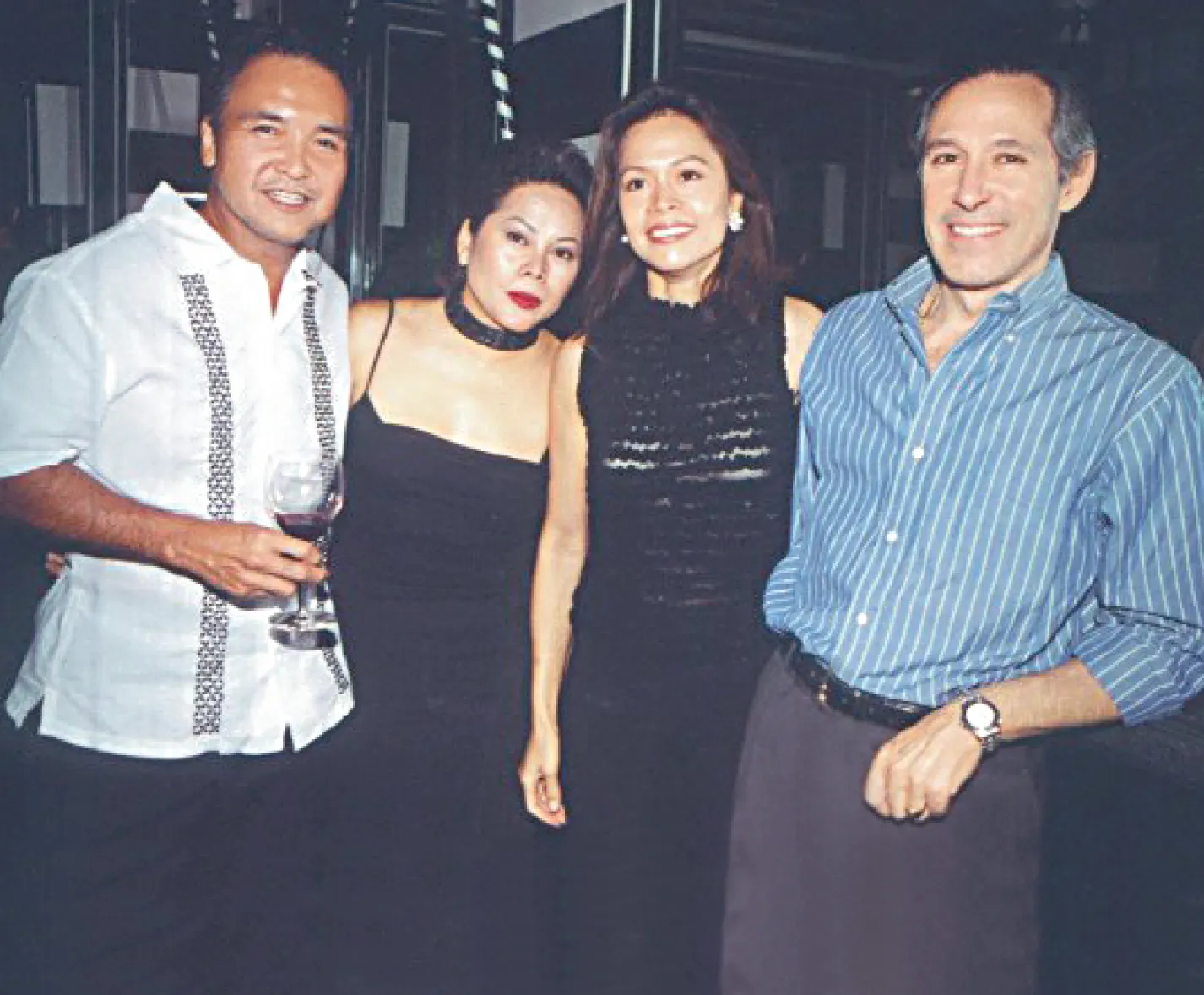
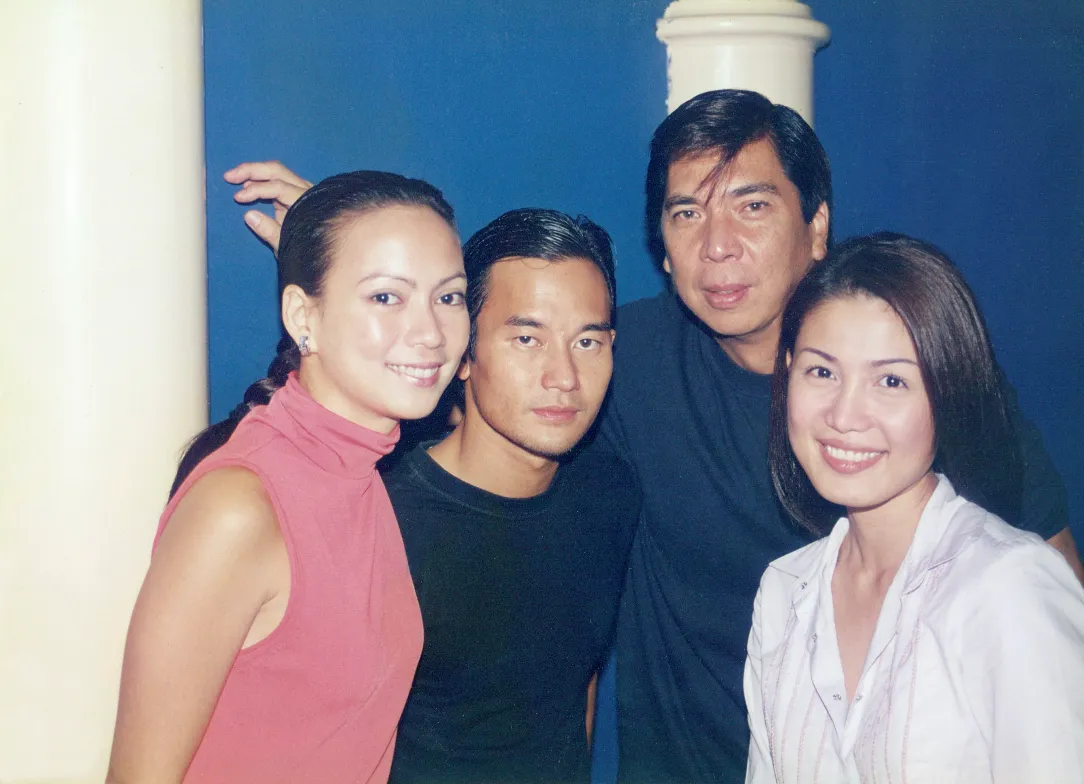
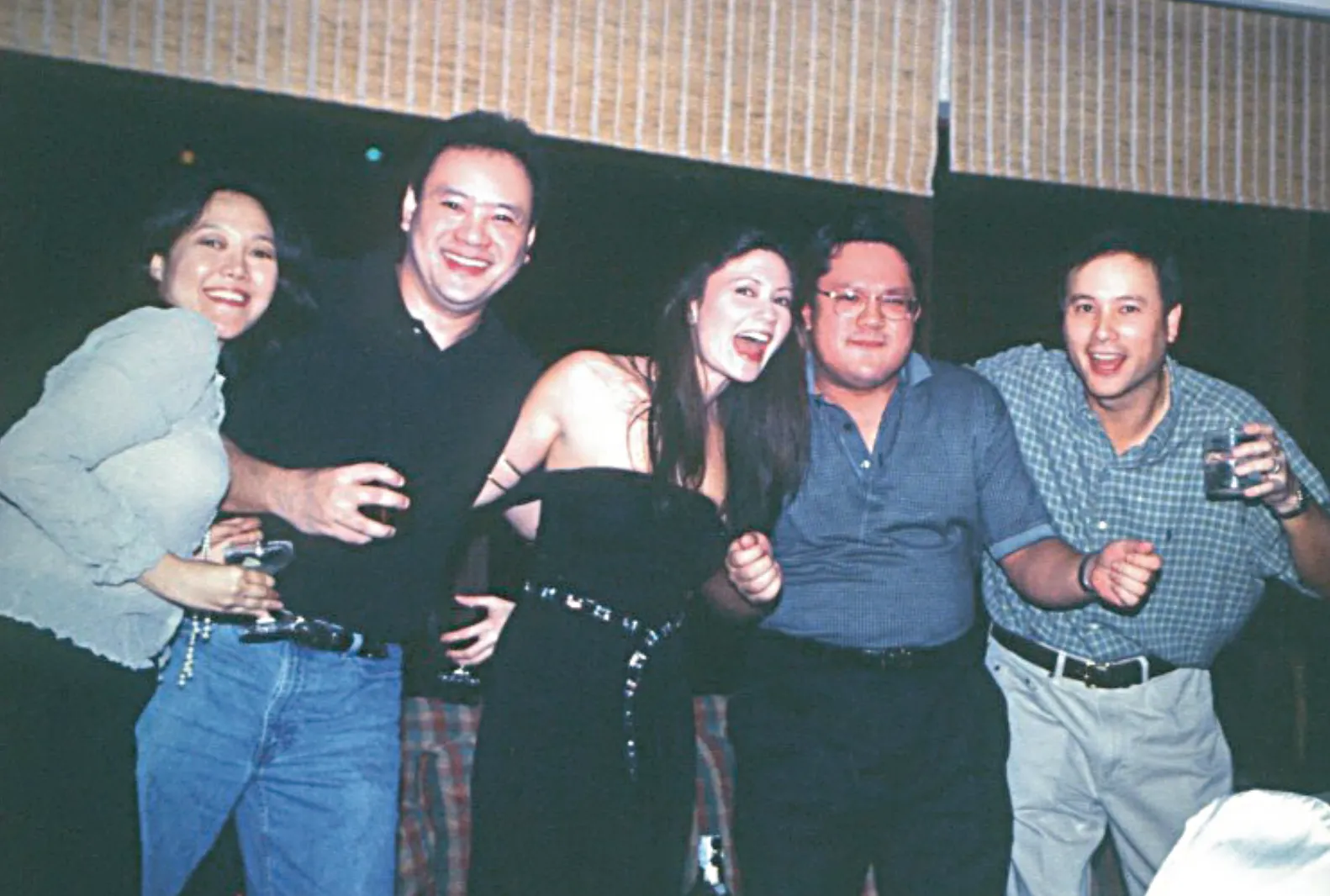
Ysmael followed up Euphoria in 1997 with Venezia, a Venetian-inspired restaurant that transformed into a hip bar at sunset. It was later reinvented into V Bar in 2001. For a time, it seemed the beautiful crowd followed wherever the nightlife king chose to build. Tragedy struck, however, when a shooting incident left a TV director dead and six others injured outside V Bar in June 2005.
It was a severe test for Ysmael, who saw regular patrons stay away from the bar after what had happened. “You have to live through things like that. It’s a turn-off to your customers when that happens. You have to be able to start again. Refocus. Which is why I think security is very important. Don’t forget that when you’re dealing with intoxicated people, anything can happen.”
Ysmael’s Partners
Ysmael established the classy restaurant and wine bar Nuvo at Greenbelt 2 in 2002. It was during the mid-2000s that the party crowd started moving to Bonifacio Global City, partly because of the smoking ban in Makati, and partly because of the opening of Embassy Superclub in 2005. Always one to spot an opportunity, Ysmael established partnerships with up-and-coming names in Manila’s party scene. It was collaboration, instead of competition, that brought the city’s nightlife to newer heights.
“These days, clubs have many strategic partners; each one can bring something to the table. Every person has a different crowd or hatak. That’s what you call good strategic, synergistic partnerships.” Ysmael’s partners now include Erik Cua, GP Reyes, Stephen Ku, Tim Yap, JM Rodriguez, and many others, in ventures such as the defunct Members Only, now called Privé, and Opus in Resorts World Manila.
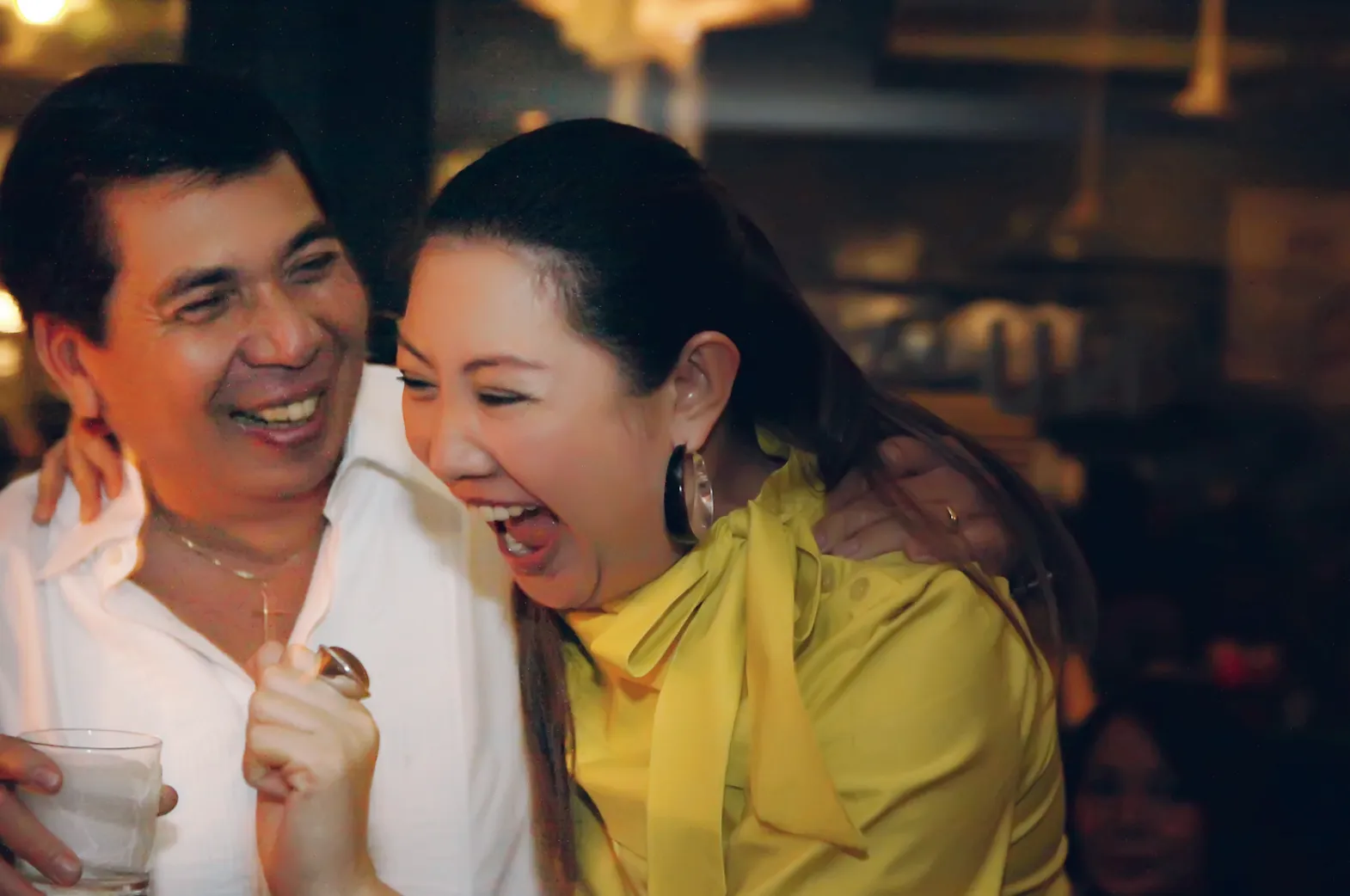
These days, the hospitality veteran is taking on more of an investor role and has turned over much of the day-to-day operations of his enterprises to new blood to spend more time with his daughter, nine-year-old Missy. Despite this, he continues to be a fixture at many social events and parties. He estimates that only about two or three percent of the crowd that used to go out and have fun in his clubs back then is still going out today. “It’s a new market, a new crowd, but people are still looking for pretty much the same thing—fun nights, good music, bonding, letting loose.”
The Friends Of Louie Ysmael
Undoubtedly, there will be all that and much more at his 64th birthday party this month. Wherever he chooses to celebrate, the place will surely be packed with friends and well-wishers. Ysmael has established different levels of relationships with a variety of people—socialites, celebrities, politicians, business partners, and casual acquaintances—in his three-decades-long career in entertainment and hospitality.
“Look, I’m not a spring chicken. I’ve been around. I’ve been able to develop friendships with people from years ago that I would never expect would one day be.” The guest list in his life may be long, but when pressed to mention some of his closest friends that he has known for pretty much his entire life, he ticks off the names. “Iñigo Zobel. Bengy Toda. Bong Daza. Bong Marcos. Greggy Araneta. Charlie Carmona. Chito Melo. Edvee and Monch Cruz. Joe Zubiri. Noel Oñate. Mike Toledo.” He pauses, then smiles. “And many others. I’ve always believed the one thing common about people is that everyone wants to go out and have a good time. Getting people together, from different backgrounds and political inclinations, is the one thing I do best.”
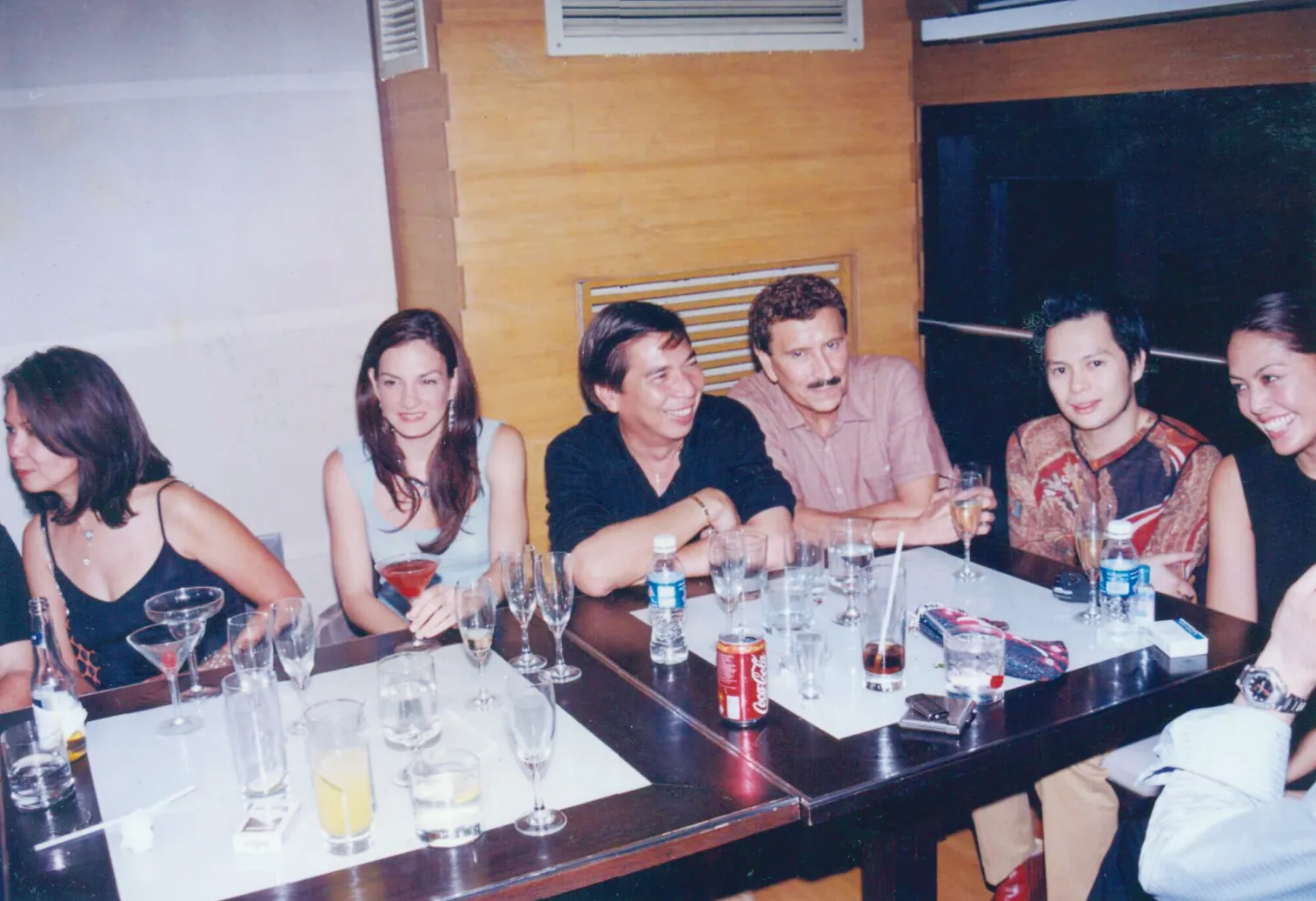
The sexagenarian businessman has been doing it for pretty much his whole life, but the party is far from over. “I partied and still party with the best,” he says. He dismisses any suggestion of retirement and even says there are plans in the pipeline about something “exciting” in the coming months. “I won’t retire. I’ll just fade away. This is what I do best. Never turn your back on something that’s really good for you. You just find a way to continue to do it.” There’s that mischievous grin again. “Without having to bust your balls, so to speak.”
Photographs courtesy of Louie Ysmael.
This article was originally published in our November 2012 issue under the title “All Night Long,” written by Paul John Caña.