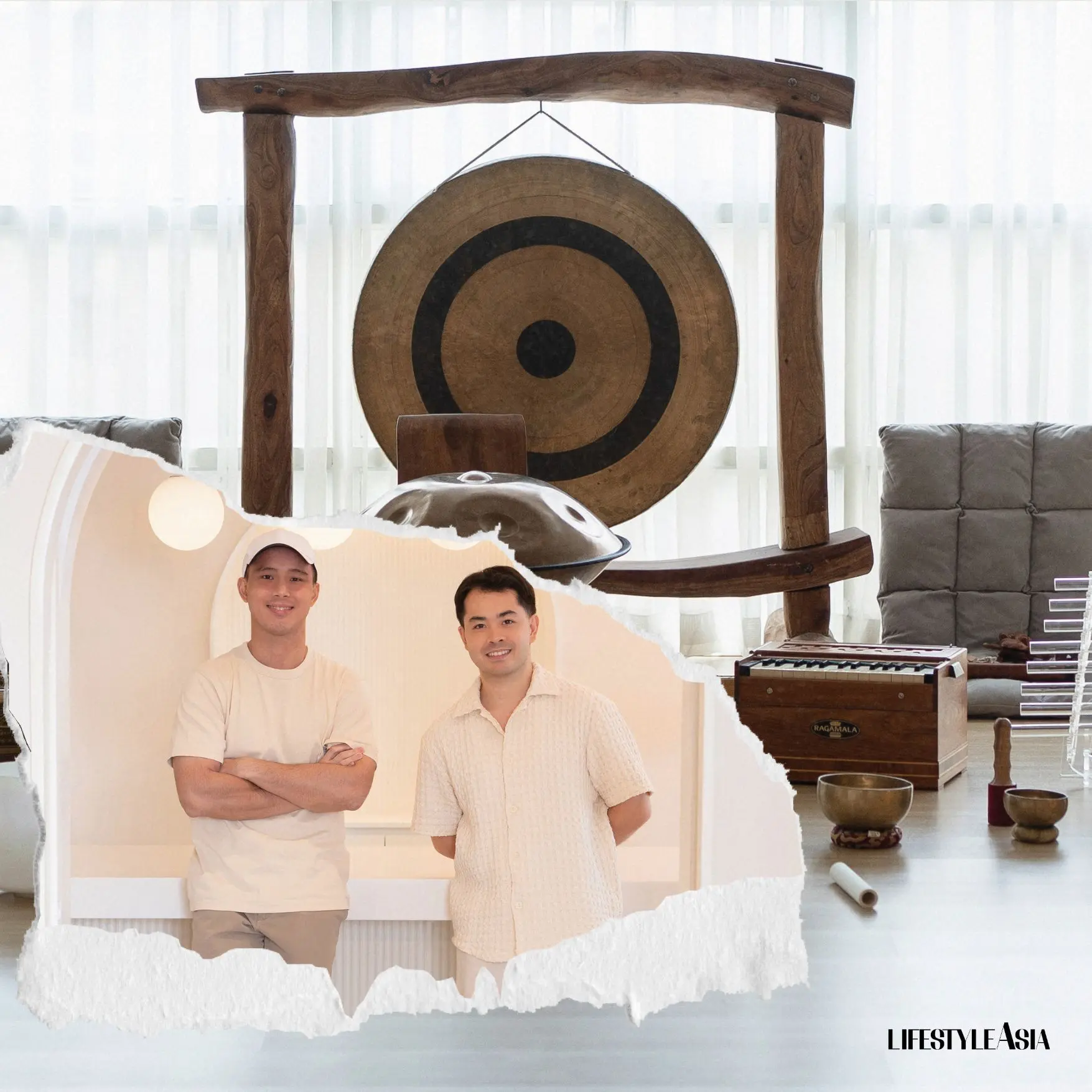
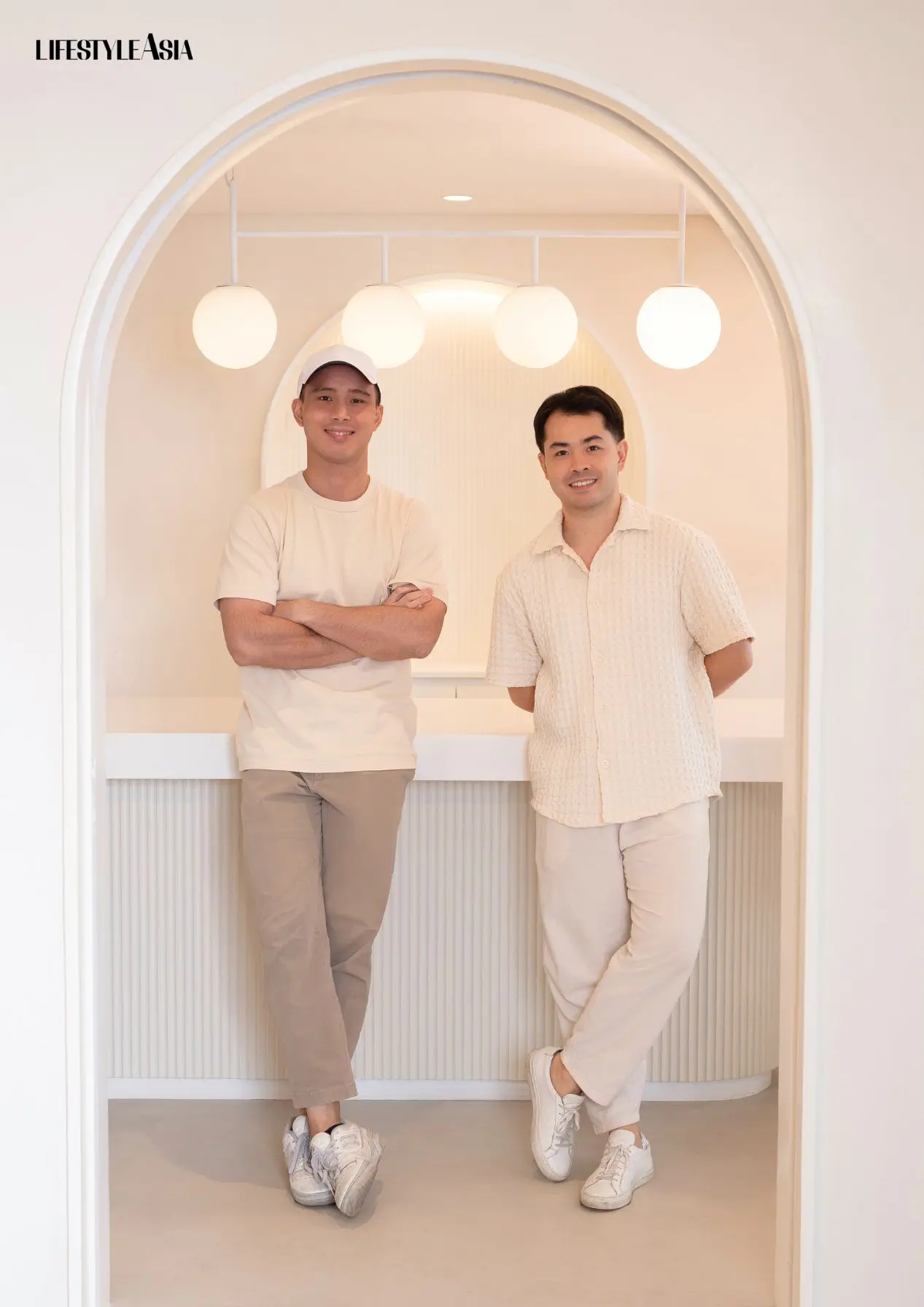
In a city that never quite slows down, JP Campos and Gerard Alzate are quietly challenging the tempo through nāda, a serene yoga studio and specialty cafe tucked into the heart of Poblacion.
Tucked away on the fifth floor of an unassuming building in Poblacion, Manila’s go-to district for nightlife and noise, is nāda, a minimalist multi-concept space that merges a meditation studio with a specialty coffee bar and six-seater speakeasy-style omakase counter. It sounds improbable. And yet, from the moment the elevator doors open, there’s a palpable shift: warm lighting, soft tones, ambient music, and the distinct feeling that time has finally paused.
“We wanted to create a safe space where people are encouraged to slow down and connect with a sense of peace and quiet,” co-founder JP Campos explains. “We lack access to nature in Manila, so this is our version of that grounding and tranquil escape—right in the middle of the city.”
More than just a wellness studio or cafe, nāda is an intentional reimagining of how space, ritual, and community can intersect. It is a soft rebellion against overstimulation, born from two different yet harmoniously aligned passions: JP’s deep training in yoga and mindfulness, and co-founder Gerard Alzate’s lifelong love of coffee.
When Coffee And Yoga Meet
Before nāda, JP led brand marketing at Google while teaching yoga on the side, a practice that began as a personal passion and quickly became a grounding force in his life. Gerard, on the other hand, discovered his love for coffee while attending college in Philadelphia. “I started noticing how these tiny rituals—the way a barista pulled a shot, or how a regular came in and always ordered the same pour-over—created this sense of rhythm and community,” he says.
It was only natural that the two friends would eventually bridge their disciplines into a single space that encourages mindfulness in every form. “The way I brewed my morning coffee started to feel like its own kind of meditation,” Gerard says. “And JP saw how the breath, the present moment, could tie all of that together.” That quiet synergy became nāda.
READ ALSO: From Dorm Room To Dev Shop: How Two College Friends Created First Mate Technologies
What’s In A Name?
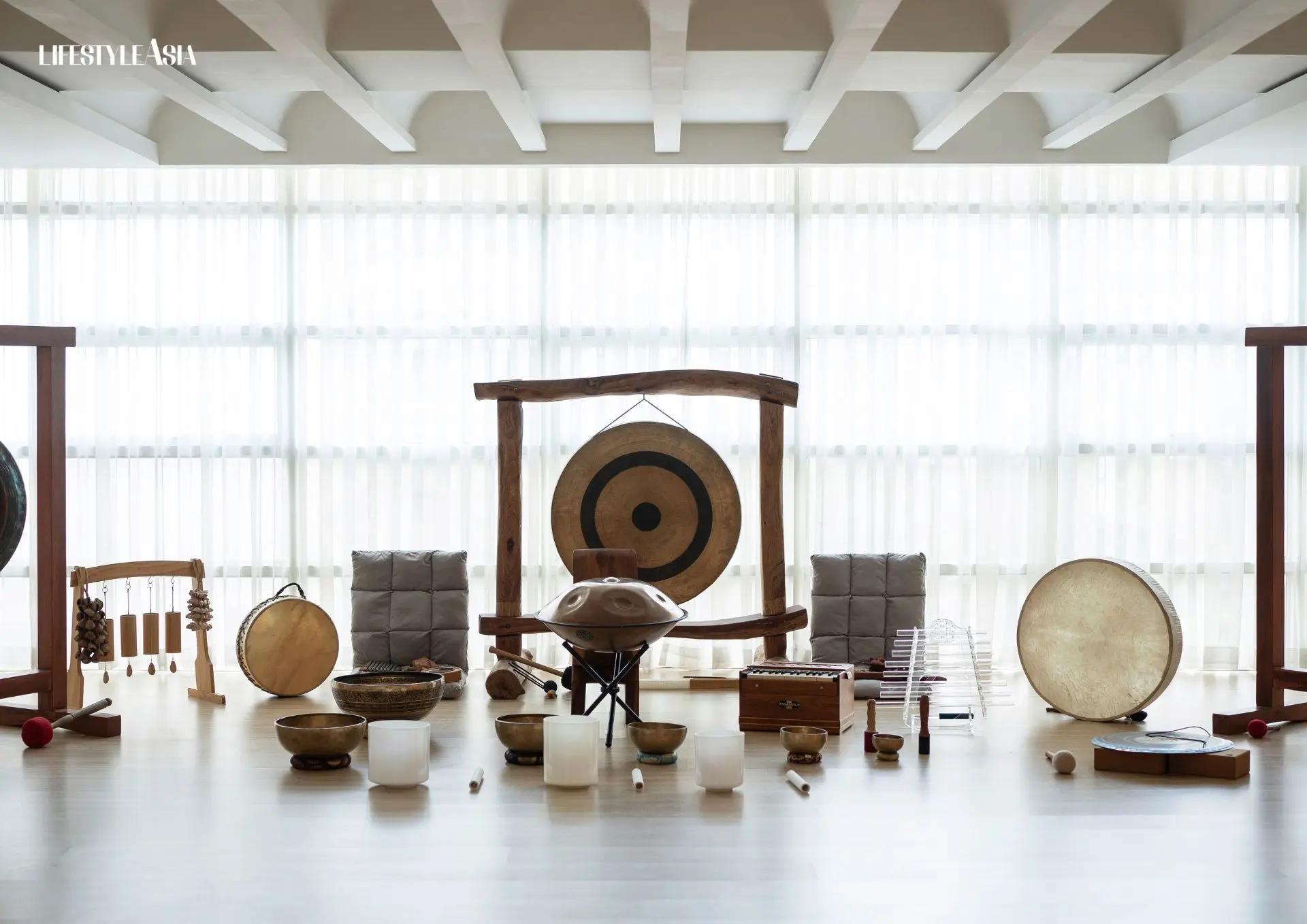
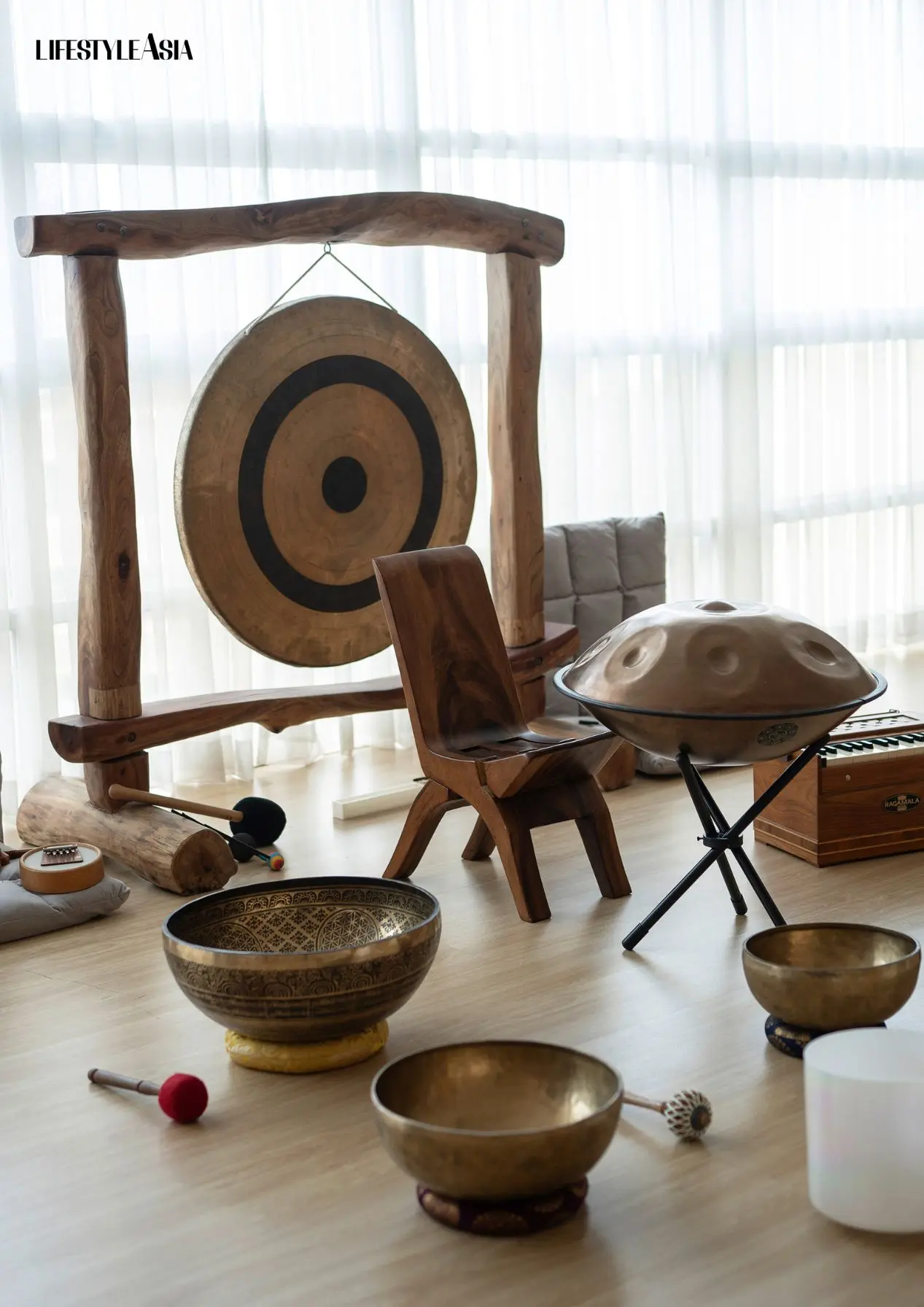
The name itself encapsulates their vision: nāda is a Sanskrit word meaning “vibrations of sound,” but it also means “nothing” in both Spanish and English. The duality is intentional.
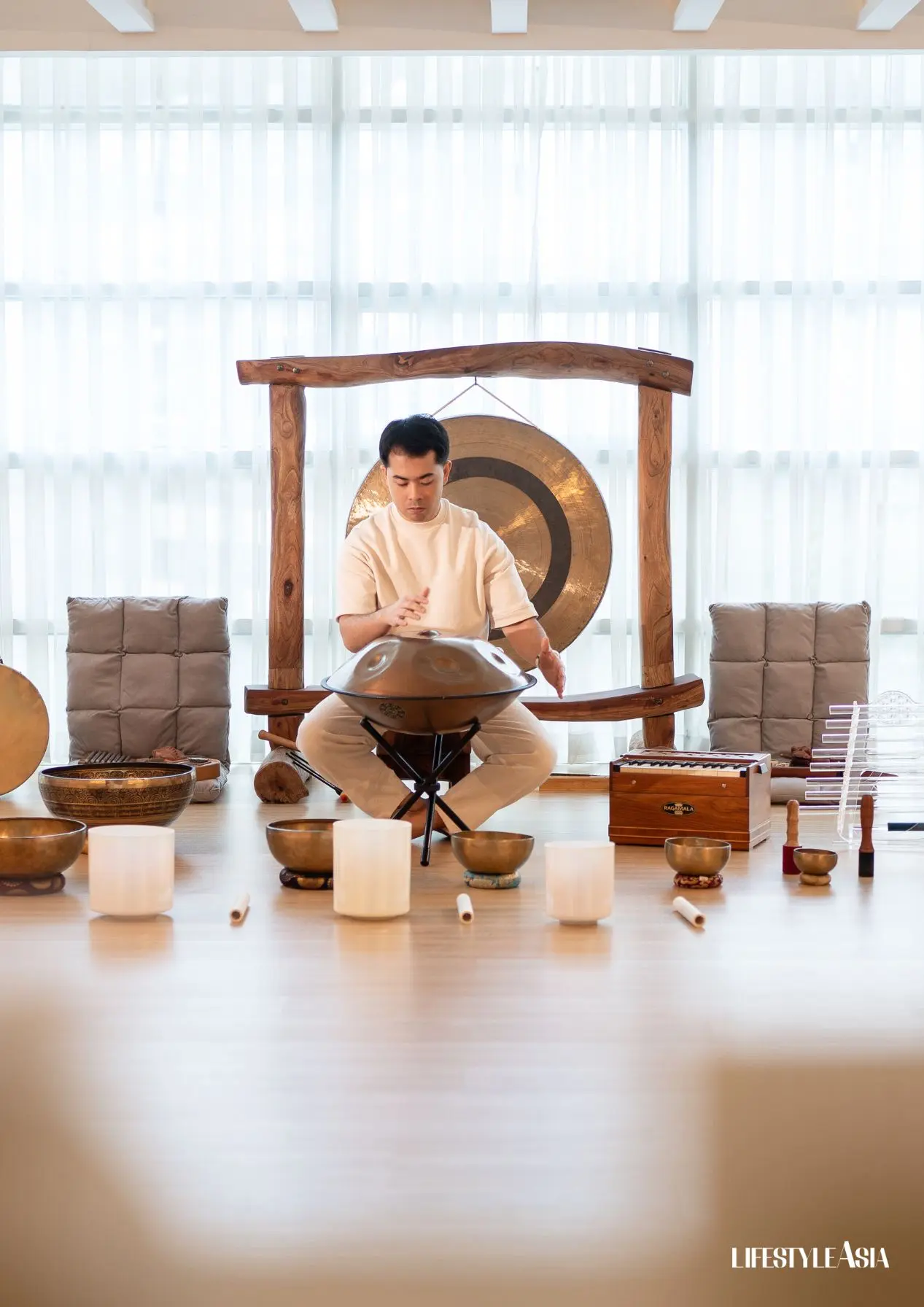
“The main offering of our space is nāda yoga, which uses sound baths and meditation as tools for self-inquiry,” JP shares. “But we also wanted to create a space where doing ‘nothing’ is not only accepted, but encouraged. It’s about tuning out the noise and tuning into yourself.”
Whether it’s through guided breathwork, a meticulously prepared matcha, or simply sitting in silence between sliding pocket doors, nāda is designed to help you hear what you normally drown out: your intuition.
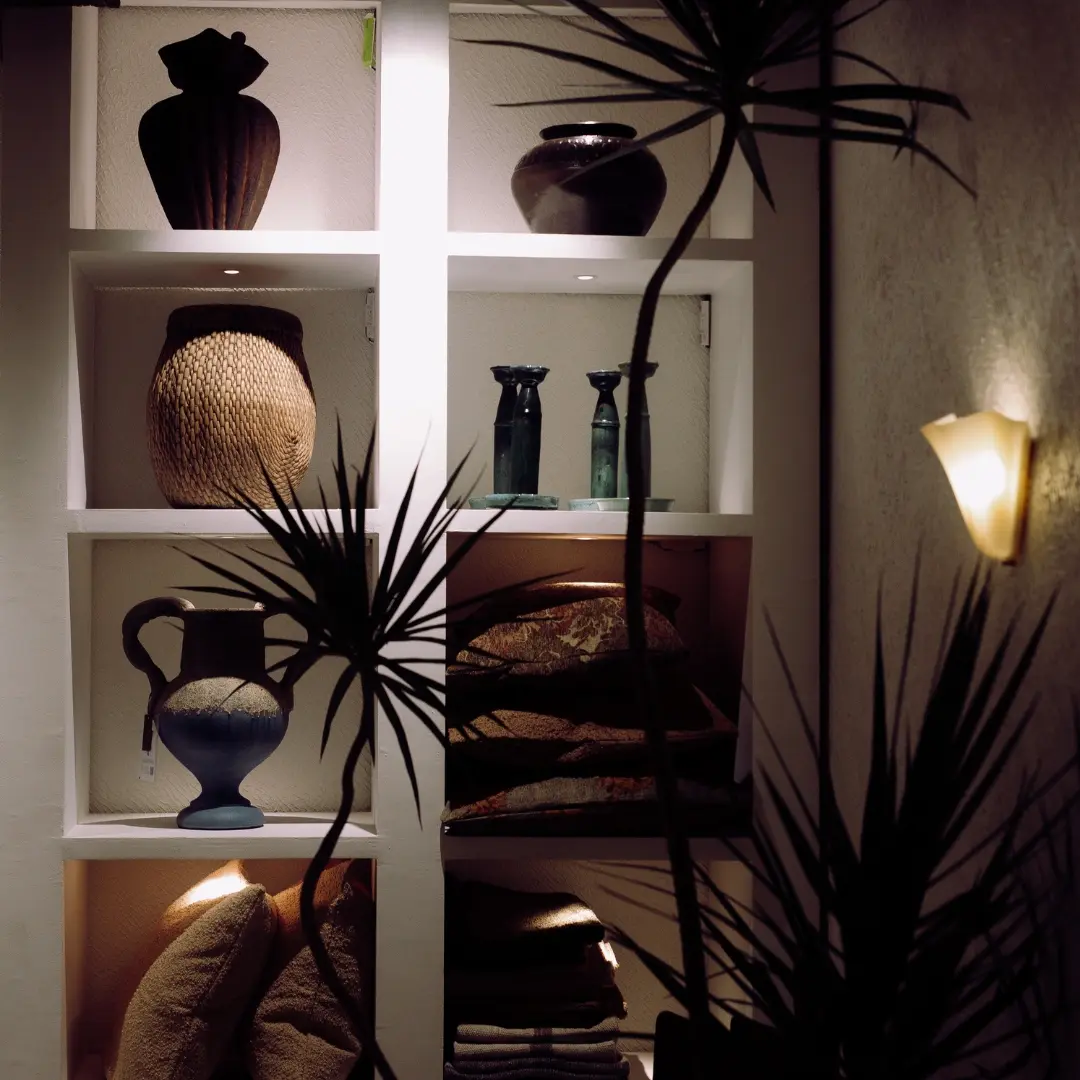
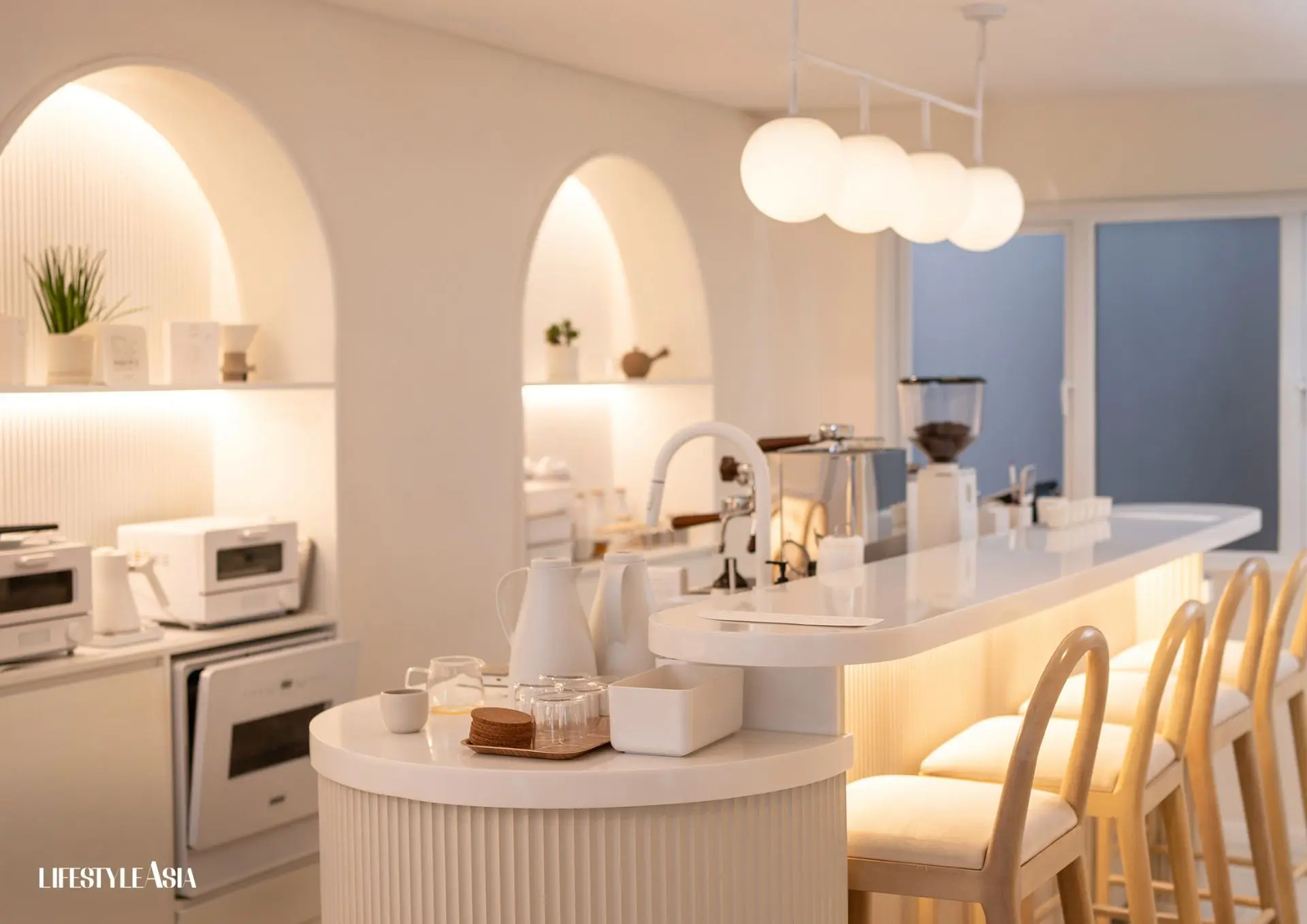
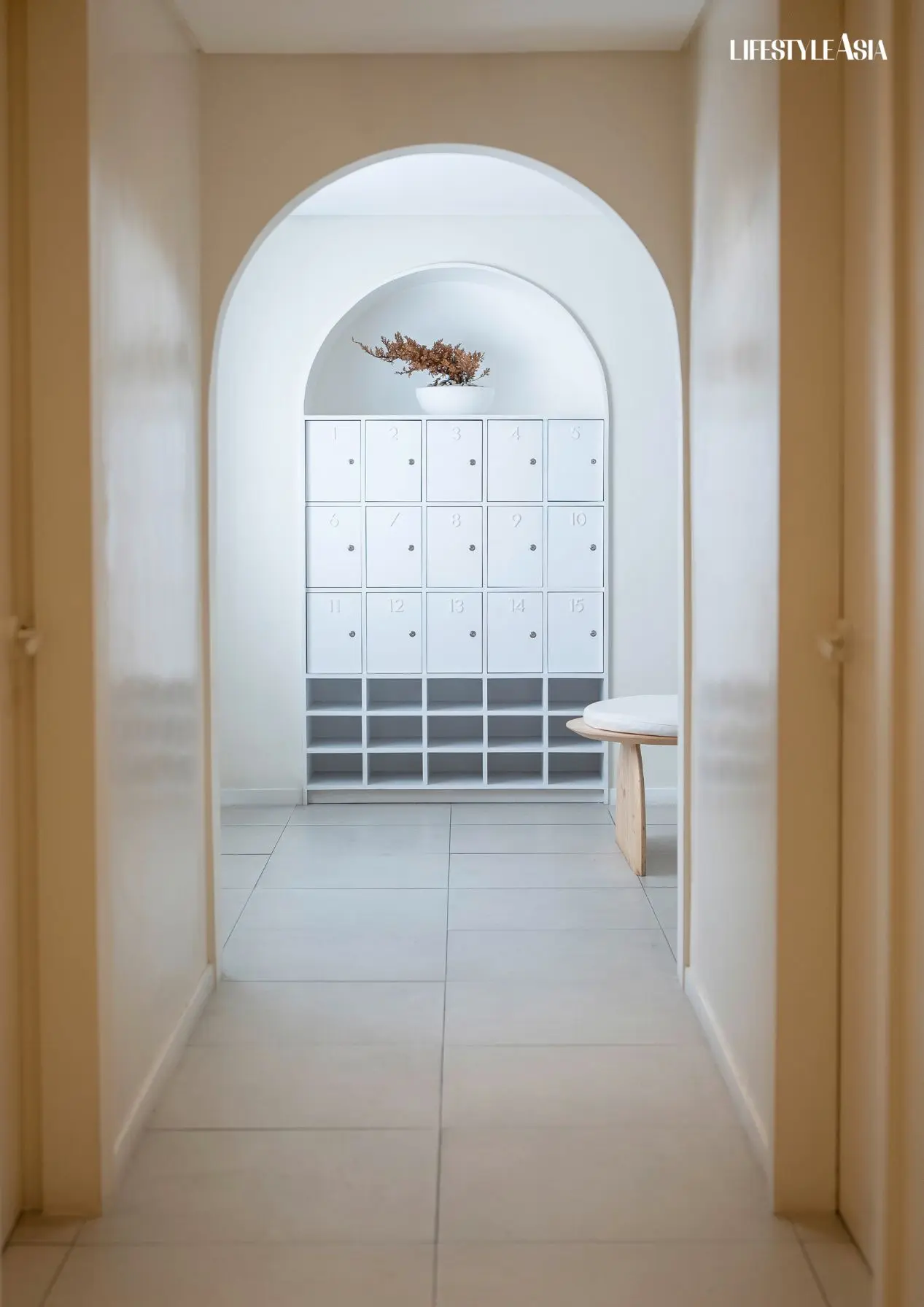
To translate that philosophy into a physical space, JP and Gerard partnered with Studio Yang, ensuring every design choice fostered a sense of calm and curiosity. Neutral tones, natural textures, and a deliberate absence of clutter make up the interior. “We were very mindful not to overstimulate the nervous system,” JP explains. “Even the lighting and the contours of the furniture are meant to soothe.”
The layout is also modular: Studio Yang designed sliding doors that allow the space to shift depending on the offering. It can be closed off into quiet corners or opened up into one cohesive flow for collaborative events. And while the architecture is minimalist, the experience is anything but.
“One of our non-negotiables was that the space had to be both accessible and transportive,” Gerard adds. “People step in from the chaos of Poblacion and feel like they’ve been lifted out of the city.”
Stillness As Ritual
While yoga and coffee might seem like separate worlds, at nāda, they are two sides of the same coin. “Everything here is breath-centric,” JP says. “Even the way we brew coffee is meditative.”
Guests are encouraged to try it all: take a vinyasa or sound bath class, sip a specialty tea or coffee at the cafe, and end with a quick bite at their speakeasy-style omakase bar. Each experience, no matter how simple, is treated like a ceremony.
That sense of ritual extends to the curation of offerings, too. The team is deliberate about sourcing ingredients, rotating pastries seasonally, and crafting beverages that reflect their ethos of slowness. “We’ve had to make tough calls—retiring popular menu items that weren’t operationally sustainable,” Gerard admits. “But we always find ways to balance creative integrity with commercial viability.”

A Community That Holds Space
Despite, or perhaps because of, its quiet, nāda has drawn a loyal and deeply engaged community. The space has welcomed everyone from first-time meditators and elderly guests to children and working professionals seeking respite. The offerings are kept intentionally accessible and inclusive, with teachers trained to guide newcomers gently through each practice.
“We often approach classes assuming it might be someone’s first time,” JP explains. “That mindset helps us stay welcoming and present.”
And the impact goes far beyond the studio. Many guests have shared stories of personal transformation: overcoming insomnia, managing anxiety, even finding relief from physical pain. “People dealing with mental and emotional challenges have told us that coming to nāda brought them peace they didn’t think was possible,” Gerard says. “It’s a reminder that we’re doing something meaningful.”
The brand has also attracted a surprising range of collaborators, partnering with names like UNIQLO, Aesop, TOQA, and The Collective, brands that share a commitment to mindfulness, aesthetics, and intentionality.
READ ALSO: From Duty To Purpose: How Jaime Cojuangco Found His Way Forward
Learning As They Go
Running nāda hasn’t been without its challenges. Neither JP nor Gerard had previous experience in operating a wellness studio or cafe, and every day has been a masterclass in adaptability. “We’re both learning as we go,” JP says. “Whether it’s managing logistics or navigating customer experience, we’re constantly adjusting.”
With a lean team, everyone wears multiple hats, which makes moments of stillness even more precious. “It’s ironic—we created a space about slowing down, but the backend is nonstop,” Gerard laughs. “Still, we wouldn’t have it any other way.”
As nāda approaches its next chapter, JP and Gerard dream bigger—but not faster. Plans include deeper brand collaborations, live ambient music performances, and new offerings rooted in Eastern healing traditions like Ayurveda and Traditional Chinese Medicine. They also hope to bring in more teachers and host pop-ups with other coffee and tea artisans around Metro Manila. There’s even talk of inviting yoga mentor Janet Stone for a special series, an homage to the roots of JP’s practice.
But at its core, nāda will always be about creating a space for people to reconnect—with themselves, with each other, and with the quiet truths that often get drowned out in the noise of everyday life. “Our idea of success isn’t scale,” JP says. “It’s knowing that even one person walked in, slowed down, and left feeling a little more whole.”
And in a city that rarely stops to breathe, that might just be revolutionary.
This article was originally published in our September 2025 Issue
Photography by Kim Montes