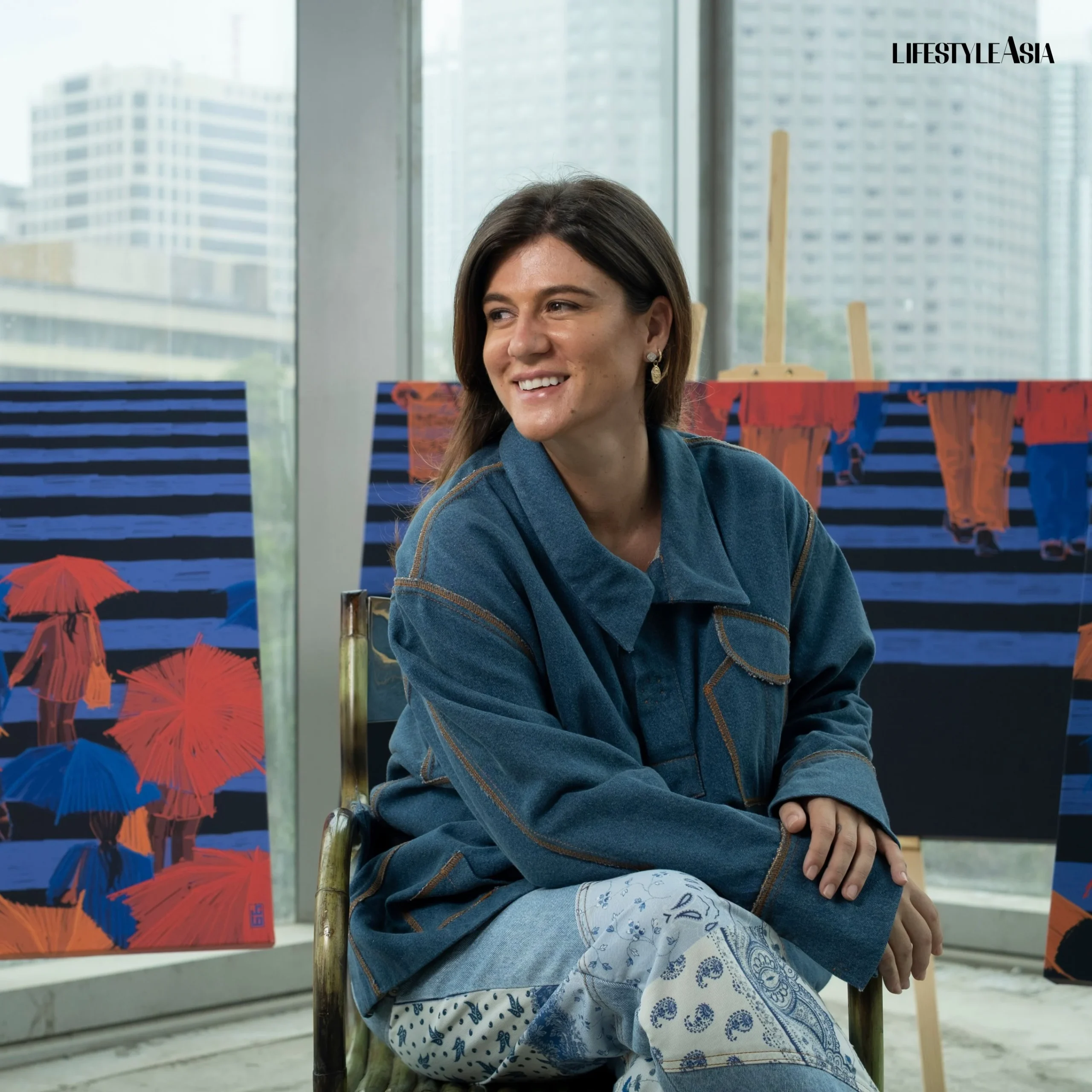
As Ayala Land Hospitality’s new Creative Director, Paloma Urquijo Zobel de Ayala infuses modern luxury with deep respect for Filipino heritage. While the company’s $500 million expansion will double its room inventory, her vision ensures each property becomes a canvas for authentic storytelling.
In the raw, unfinished space of a high-rise construction site, golden afternoon light transforms bare concrete walls into a canvas of possibility. Here, Ayala Land Hospitality (ALH) Creative Director Paloma Urquijo Zobel de Ayala envisions the future she’s helping build, not just for her family’s legacy, but for the evolving narrative of Filipino hospitality.
“This role is deeply personal to me,” Paloma shares with Lifestyle Asia. “It’s a chance to bring together everything I’ve learned over the past decade–working with communities, the arts, and building meaningful experiences–and now share that on a much larger stage.”
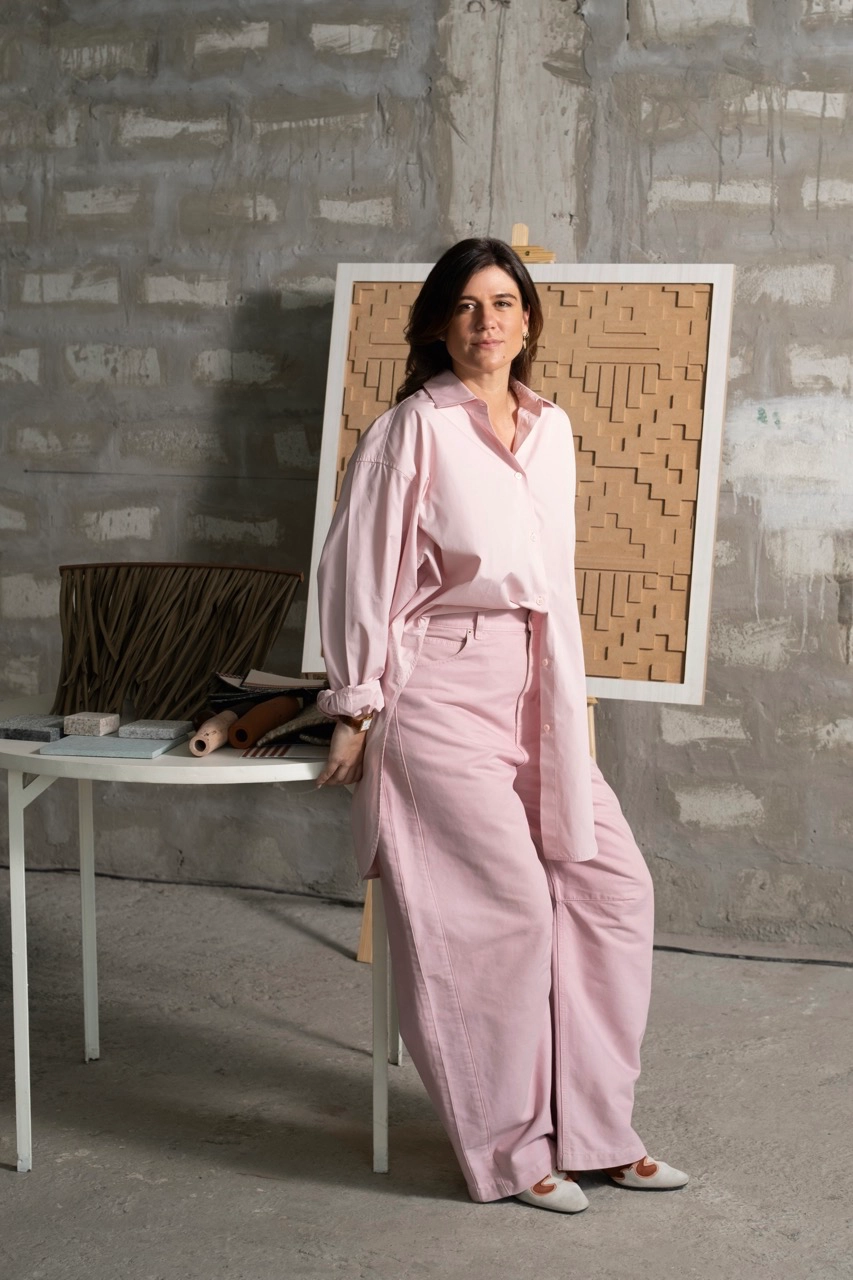
ALH’s impressive portfolio spans from homegrown brands to prestigious international collaborations, creating a diverse spectrum of luxury experiences across the archipelago. Now, ALH is poised for remarkable expansion–a $500 million investment over the next five years that will double its room inventory to 8,000. This ambitious growth includes the highly anticipated reopening of Lagen Island Resort in El Nido, Palawan, the evolution of Seda Hotels, and the comeback of Mandarin Oriental Makati.
Beyond the numbers and the brands, however, lies the art of storytelling through design, creating spaces grounded in place and culture. This is the essence of what Paloma brings to ALH. The 34-year-old’s appointment signals more than just a simple generational handover. It heralds a deliberate, thoughtful shift, one where Filipino craftsmanship, artistry, and culture go beyond the mere decorative to become the beating heart of every guest experience.
READ ALSO: Kraver’s Canteen: The Bold Bet On Food, From Cloud To Table
A Personal Calling
Even before joining ALH, Paloma’s work always carried an unmistakable throughline: a reverence for Filipino craftsmanship and a commitment to elevating it on the global stage. From her pioneering work with PIOPIO—a joyful clothing and accessory brand that collaborated with artisans across the country—to her ventures in social enterprise, she has consistently championed authenticity over artifice, weaving cultural storytelling into tangible, contemporary expressions.
“Everything I do starts with a strong foundation rooted in narrative,” she explains. Months of research and deep dialogue go into every project, ensuring that each design decision intentionally serves a story, a purpose, and a place.
This journey from fashion to hospitality is a natural evolution.
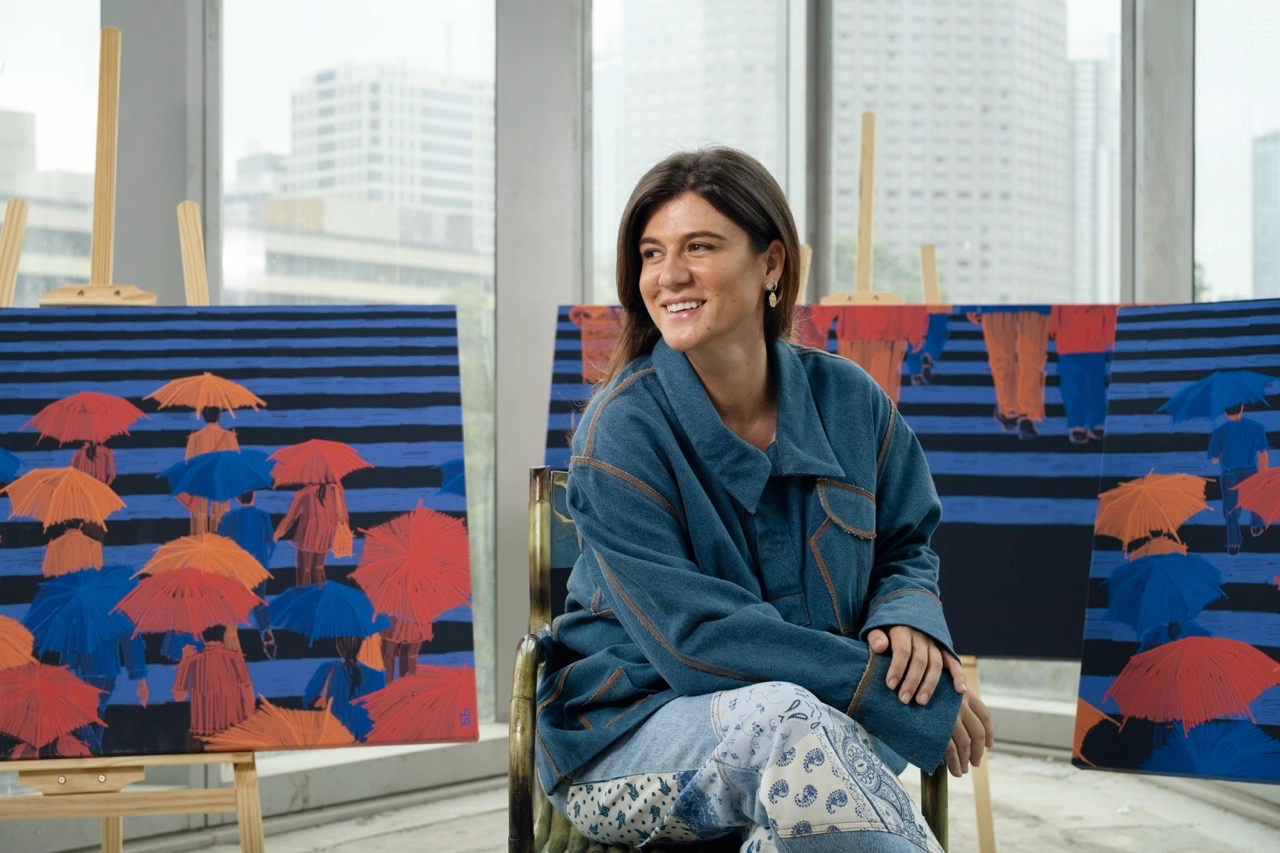
It was a moment during a visit to El Nido Resorts that crystallized this calling. Watching a guest enjoy their stay so much that they eventually bought land at one of their leisure estates to build a holiday home, she realized the transformative power of hospitality to shape perception, inspire belonging, and create lasting bonds.
“I knew then that if there was ever a way I could give back to Ayala and add real value, it would be through this,” she says. “After all, what could be more personal than opening your doors to guests, welcoming them in, feeding them, and creating spaces for them to rest, celebrate, and connect?”
That vision is now taking shape across ALH’s portfolio, including with the reopening of Lagen Island Resort in El Nido. The details of the renovation are designed to heighten the guest experience, featuring contemporary Filipino interiors with locally-sourced materials, handwoven textiles, and custom-crafted furniture.
And while El Nido embodies the serene island experience, Paloma’s creative vision extends to ALH’s urban offerings as well. The transformation of Seda Hotels, a predominantly city hotel brand currently with 12 properties, showcases how narrative-driven design can breathe new life into metropolitan spaces.
As part of the Seda Hotel renovations, ALH has partnered with contemporary art gallery and creative production group Tarzeer Pictures to curate a collection that brings each hotel’s location to life through the lens of local artistry. For every property, an artist was selected whose work reflects the spirit of the place, told with a fresh, playful, and thought-provoking approach to help guests feel more connected with their surroundings. Featured artists include Goldie Siglos for Davao City, Kat Melo for Cagayan de Oro, and JC Lo for Bonifacio Global City in Taguig.
Reimagining The Iconic Mandarin Oriental Makati
Beyond revitalizing homegrown brands, there is also the welcome comeback of an international icon with deep local roots: the new Mandarin Oriental Makati. The hotel joins ALH’s portfolio of international brands, including Raffles Makati, Fairmont Makati, and Holiday Inn and Suites Makati.
Once a defining part of the Makati skyline from 1976 to 2014, the new Mandarin Oriental Makati will be at the forefront of the evolving landscape of the city while maintaining a careful, almost reverent approach to Filipino heritage.
“We are working very closely with the Mandarin Oriental Makati team and design consultants to find the right balance,” Paloma shares. “Mandarin Oriental Makati is often described as a shaper of culture, and that’s something they’ve truly embraced throughout this process. From the beginning, there’s been a deep respect for local artistry.”
When the new Mandarin Oriental Makati opens next year at Ayala Triangle Gardens, guests will encounter curated artworks, handcrafted details, and subtle design cues. This attention to detail is part of a broader vision to create spaces that offer a sense of both sophistication and rootedness, allowing for international appreciation while maintaining a distinctive Filipino flair.
“In a time when so much is being created and shared, our goal is to be intentional,” she adds. “We don’t want to add to the noise. We want to put out work that has depth, substance, and a true place in the world.”
When asked what modern Filipino luxury looks like, Paloma doesn’t point to a style guide or trend report. “Modern Filipino luxury isn’t always something you can define—it’s more often a feeling,” she muses. “It’s the quiet confidence of thoughtful design, the warmth of genuine hospitality, and the small, intentional details that evoke emotion. You’ll see it, but more importantly, you’ll feel it.”
Developing A Culture Of Creativity
Despite her creative pedigree, Paloma’s leadership style is refreshingly democratic. “Creative leadership isn’t just about having a strong point of view,” she explains. “It’s about creating space for others to bring their ideas to the table.”
Workshops, conversations, and collective ideation sessions are integral to her process. It’s a philosophy deeply influenced by the frameworks of IDEO and the principles of design thinking—tools that emphasize empathy, inquiry, and collaboration over ego.
“I used to be more of an introverted designer,” she admits. “Now, I see leadership as designing the conversation itself.” The result is a culture of creativity at ALH that feels dynamic, inclusive, and, above all, alive.
Part of what makes Paloma’s vision so compelling is her ability to look backward and forward at once—to mine the richness of Filipino culture while imagining new forms for it to take.
Right now, her moodboard is filled with vintage Filipino references: Art Deco design elements, old cigar packaging from the 1940s, and archival patterns reinterpreted for modern spaces. It’s a visual reflection of her larger creative philosophy—drawing from heritage not out of nostalgia, but as a way to ground innovation in authenticity.
“There’s so much richness in our culture,” she says. “It’s a privilege to be part of a movement that brings it to the forefront in reimagined, meaningful ways.”
The Path Ahead
While luxury may have once merely suggested exclusivity and opulence, as the hospitality world continues to evolve, Paloma is clear-eyed about what guests crave most: meaning, connection, and authenticity. And she’s determined to deliver.
“The goal is to create destinations that live beyond the guest room—where hospitality meets culture and evokes inspiration,” she says. “For travelers, we want them to immediately feel connected to where they are. For locals, it’s about offering something world-class right in their own backyard—a place they’re proud of.”
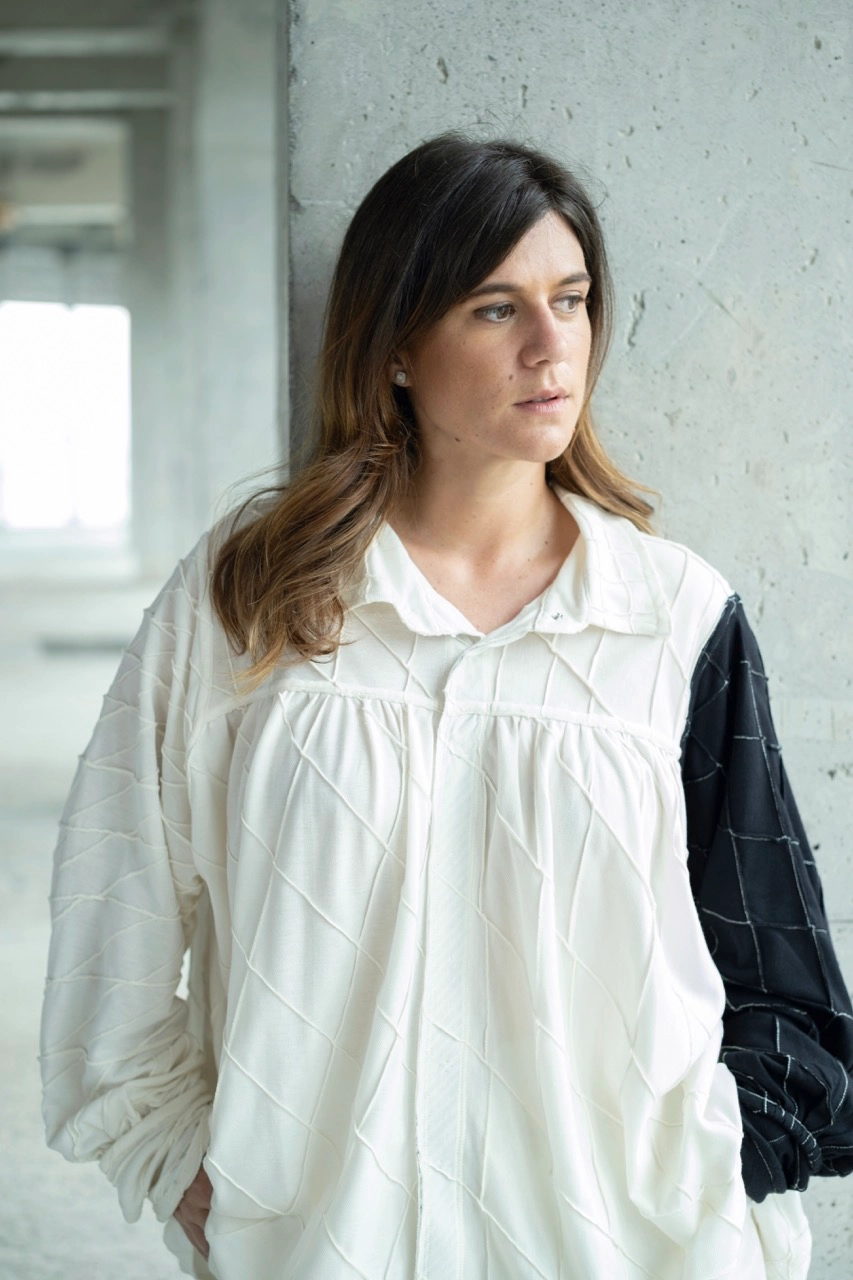
“Success for me is about creating experiences and products that Filipinos can truly be proud of,” she continues. “Something that reflects who we are, what we value, and what we’re capable of on a global stage.”
The path ahead is ambitious: new properties, refreshed concepts, deeper collaborations with artisans and creatives across the Philippines. But if there’s one thing her journey has proven, it’s that drawing from tradition and embracing innovation can go hand in hand.
By honoring Filipino heritage while pushing the boundaries of what local luxury can look and feel like, Paloma helps to shape a new story for Filipino design, creativity, and pride—one that resonates far beyond property walls. And if her vision succeeds, the world won’t just visit the Philippines—they’ll feel it.
This article originally appeared in our June 2025 issue.
Photography by Ed Simon of KLIQ, INC.