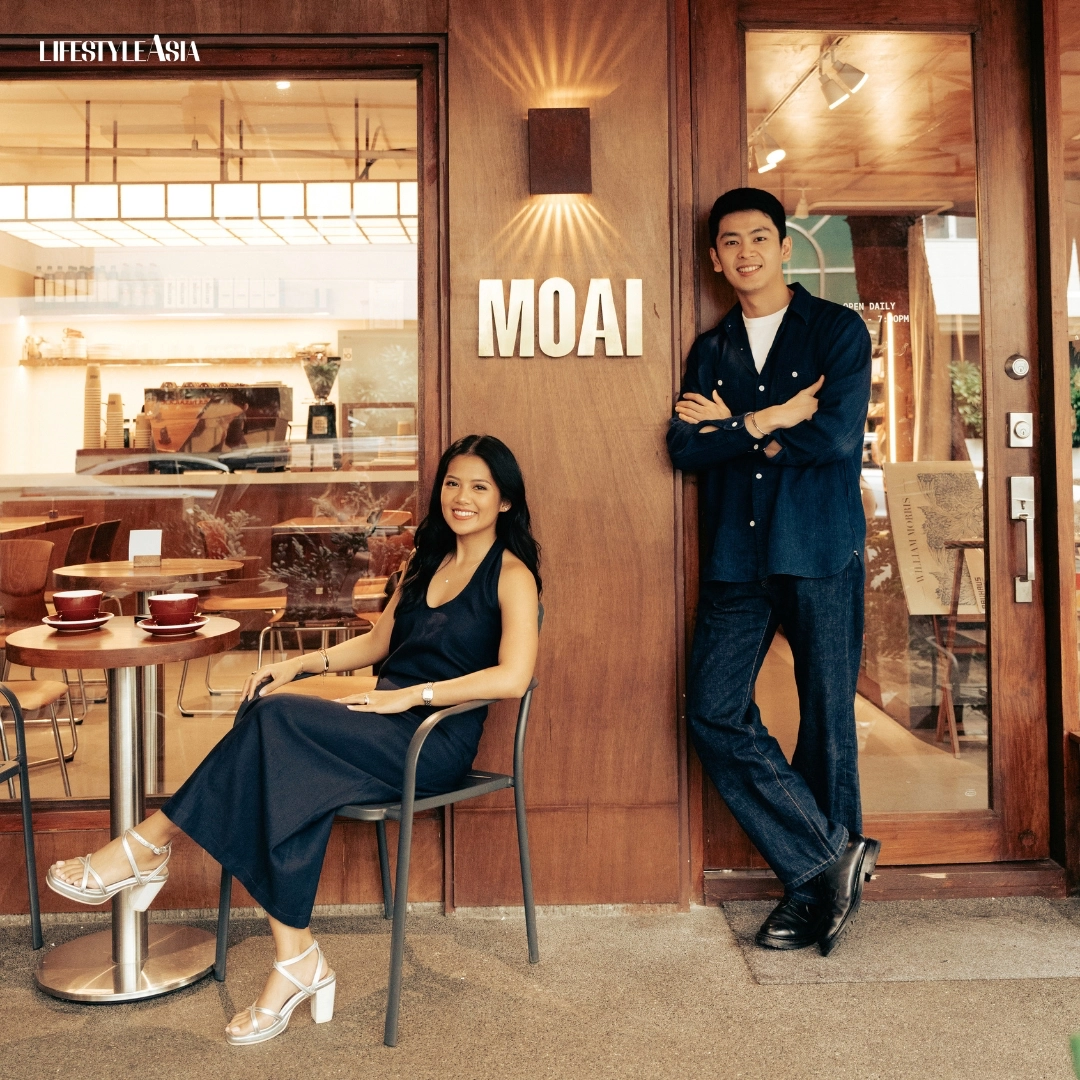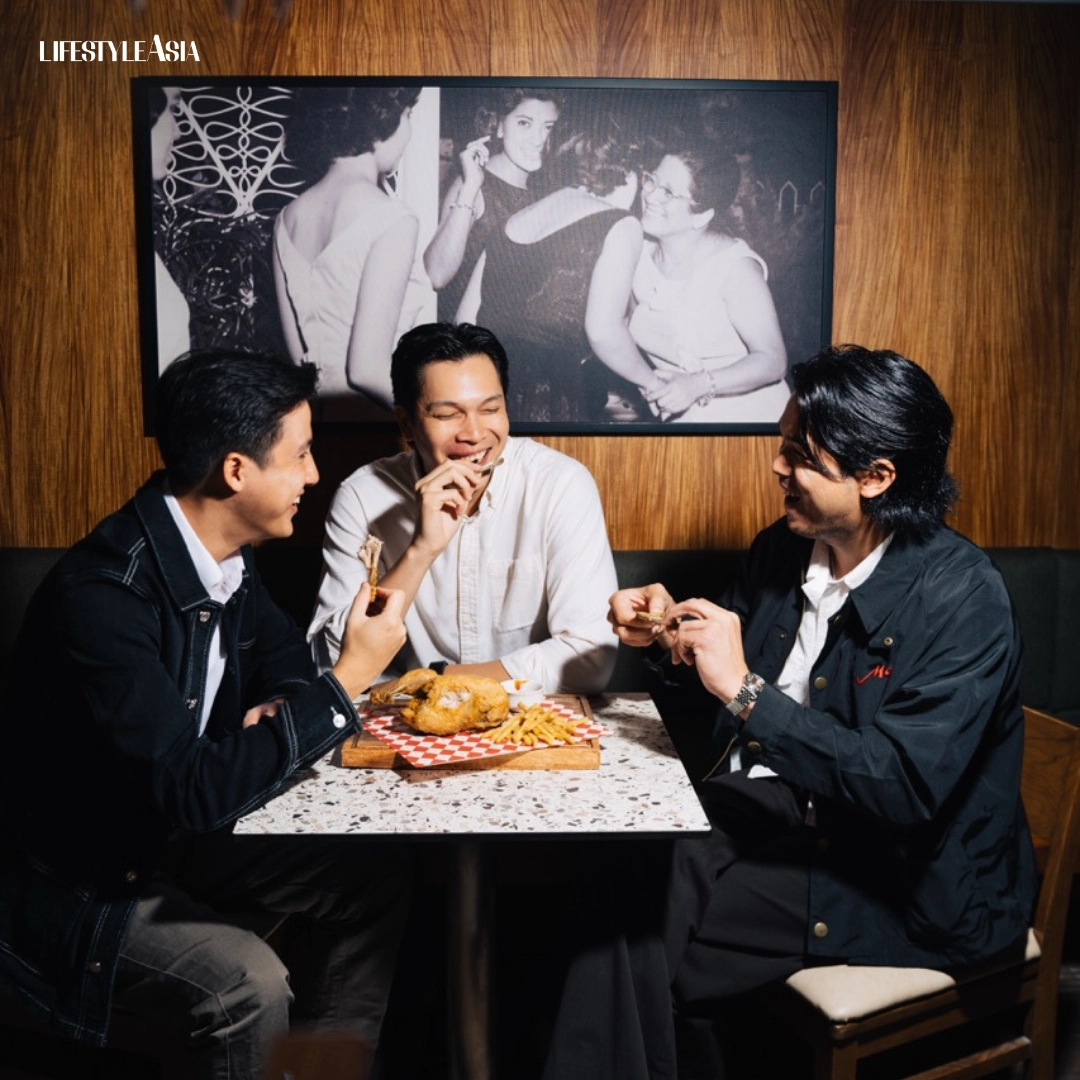
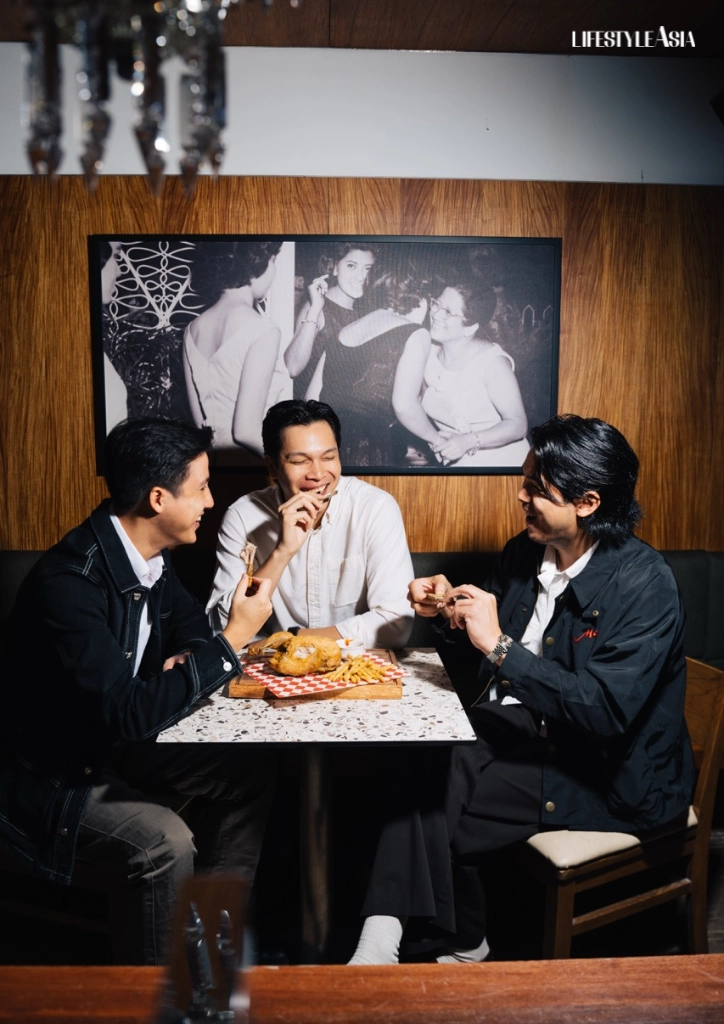
Eight decades on, Max’s remains a beloved symbol of Filipino family life. Today, fourth-generation cousins Paolo Salud, Miguel Salud, and Martin Garcia are bringing fresh energy and innovation to “The House That Fried Chicken Built.”
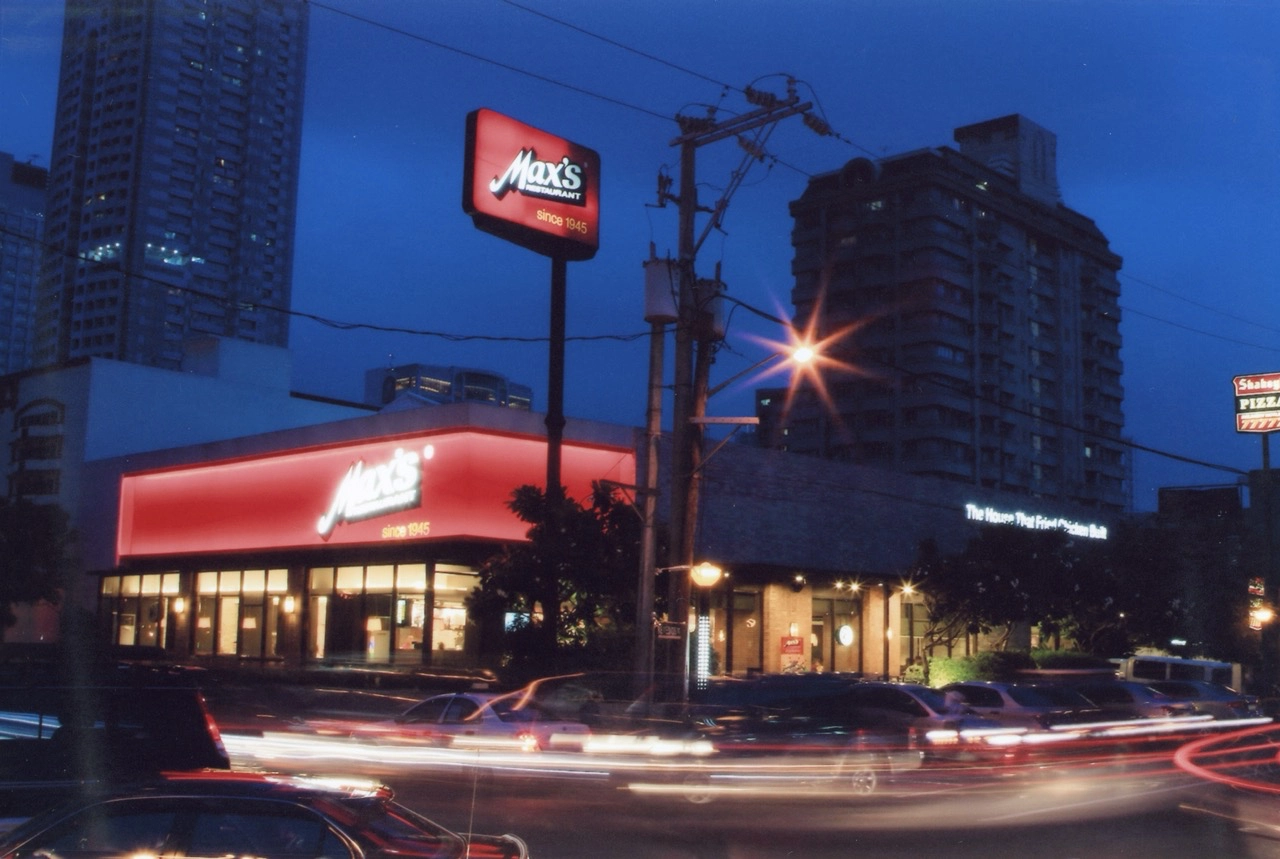
Walking into the original Scout Tuazon branch of Max’s Restaurant feels like stepping into a sensory time capsule. The aroma of that classic fried chicken, the warm chatter of families dining together, the familiar red-and-white interiors—it’s a scene countless Filipinos have shared for eight decades, yet it never gets old.
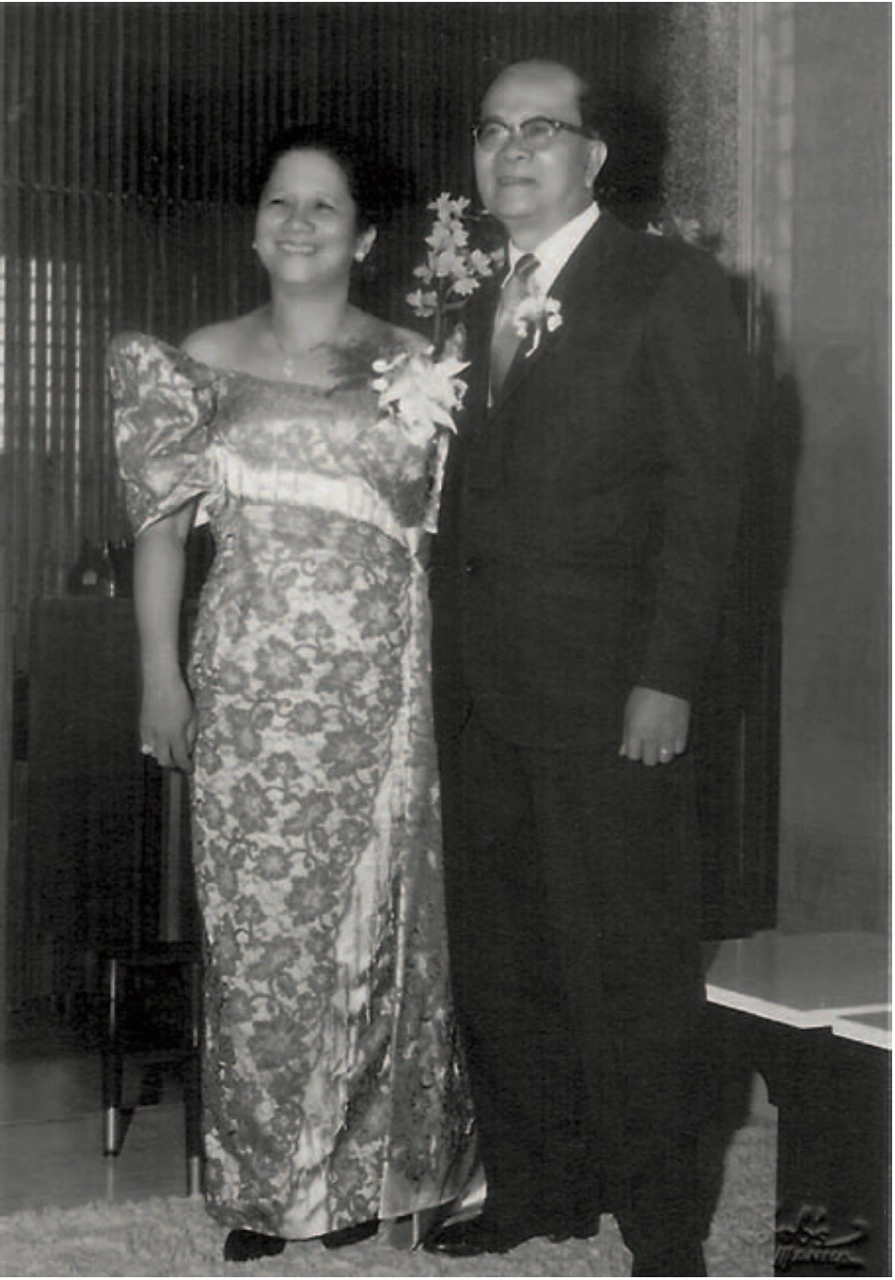
The restaurant was once the residence of Maximo Gimenez, whose home-cooked fried chicken has become a Filipino institution. For the Salud and Garcia families, who are Maximo’s descendants through his niece Ruby Trota, the inventor of Max’s timeless fried chicken recipe, the restaurant is more than a business; it is part of their personal history.
“For us, Scout Tuazon has always felt like home,” says Paolo Salud, Product & Innovations Manager of Max’s Group. “It’s where we celebrated birthdays, Christmas parties, family gatherings—basically every milestone. Even with all the renovations, it still keeps the soul of the first house built there.”
“When we were younger, our grandad Noni, who was Ruby’s son, was the image of Max’s for us,” adds Martin Garcia, who works as a Sr. Demand Planning & Analytics Manager for the company. “Whenever we walked into a branch with him, everyone would greet him with warmth. It made us proud to know this was our family’s home for four generations—and now an icon of Filipino culture.”
READ ALSO: Ollie And Beyond: Izzy Concepcion’s Vision For Pet Retail In The Philippines
Family And Fried Chicken
“Max’s has always been a family business, and our culture revolves around that,” shares Miguel Salud, who holds the position of IT Programs Manager. “Even before we joined the company, the sense of family was clear. You’d walk into a Max’s and the staff would treat you like one of their own.”
“Our parents and grandparents built that culture,” Paolo adds. “They made employees feel like family, and that’s carried through to today. It’s part of what makes Max’s special—it’s not just food, it’s a feeling.”
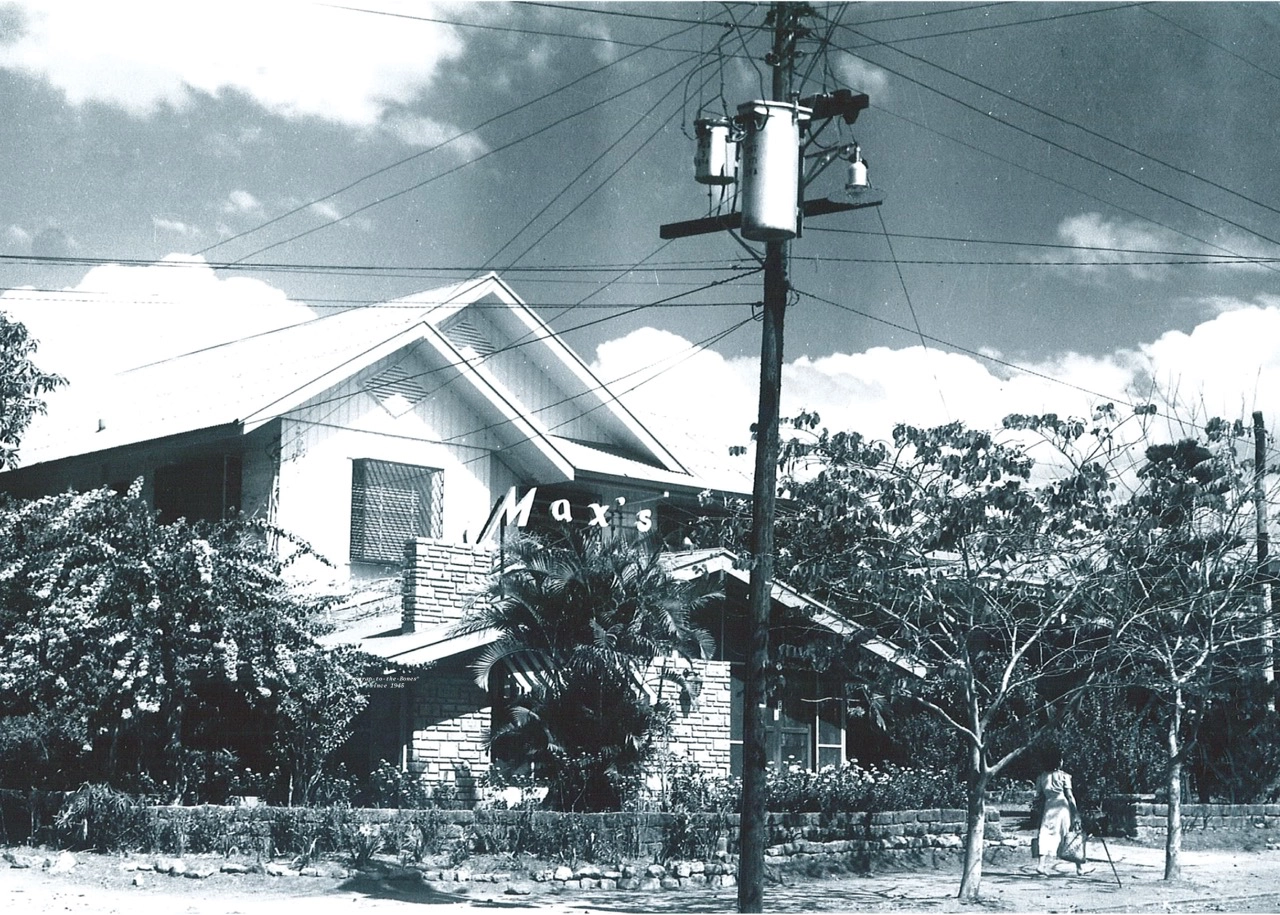
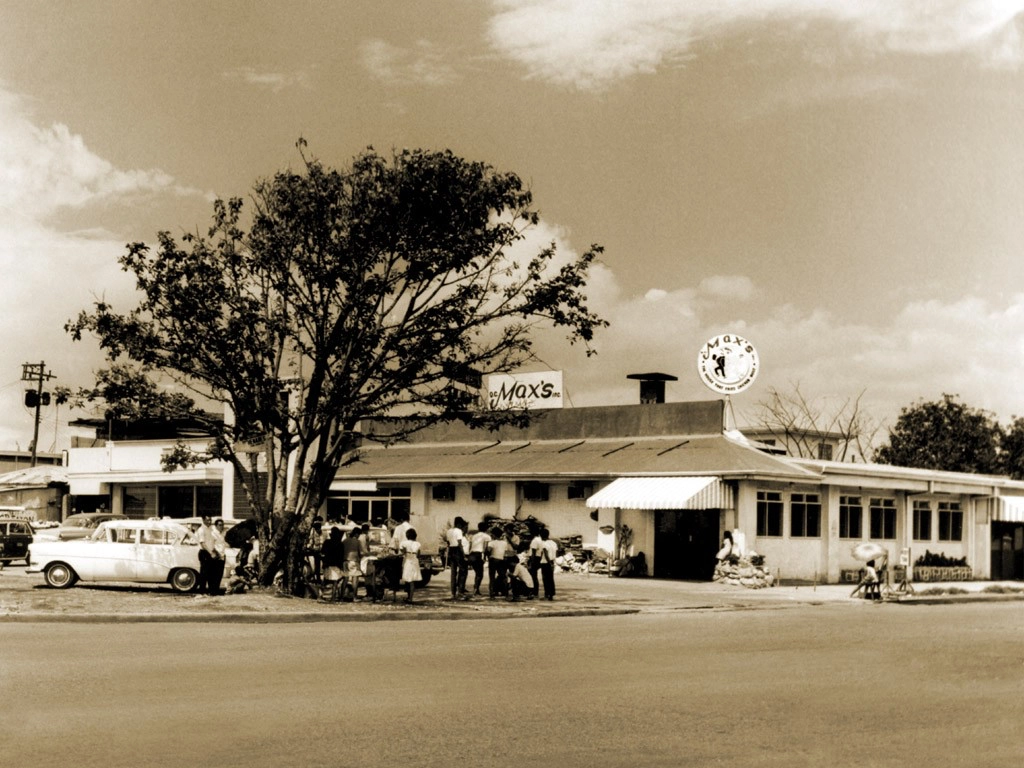
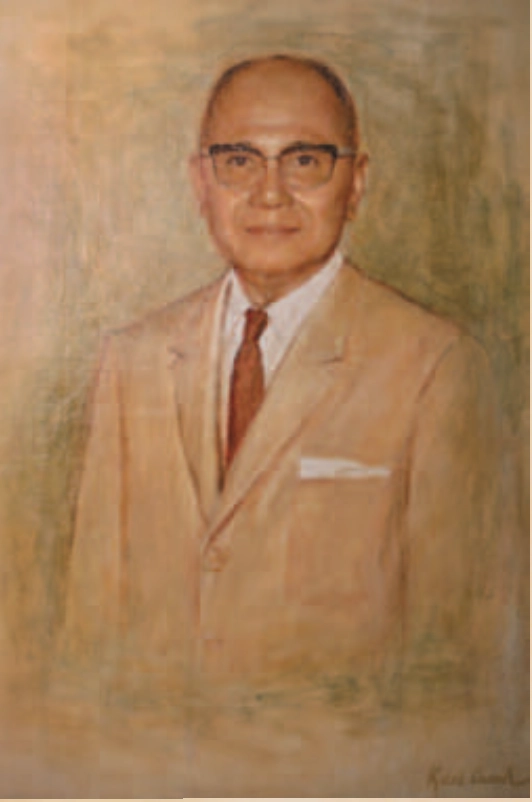
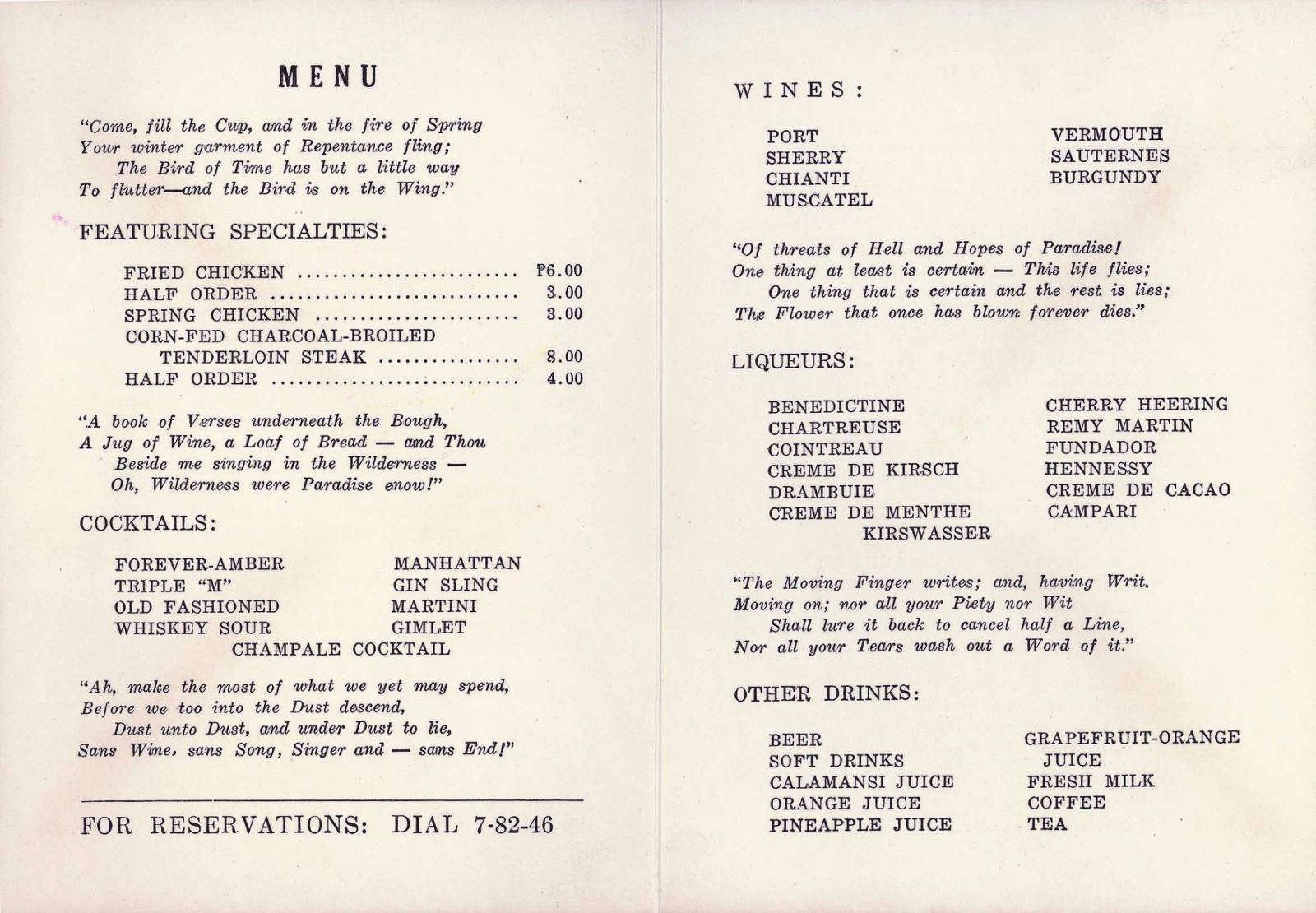
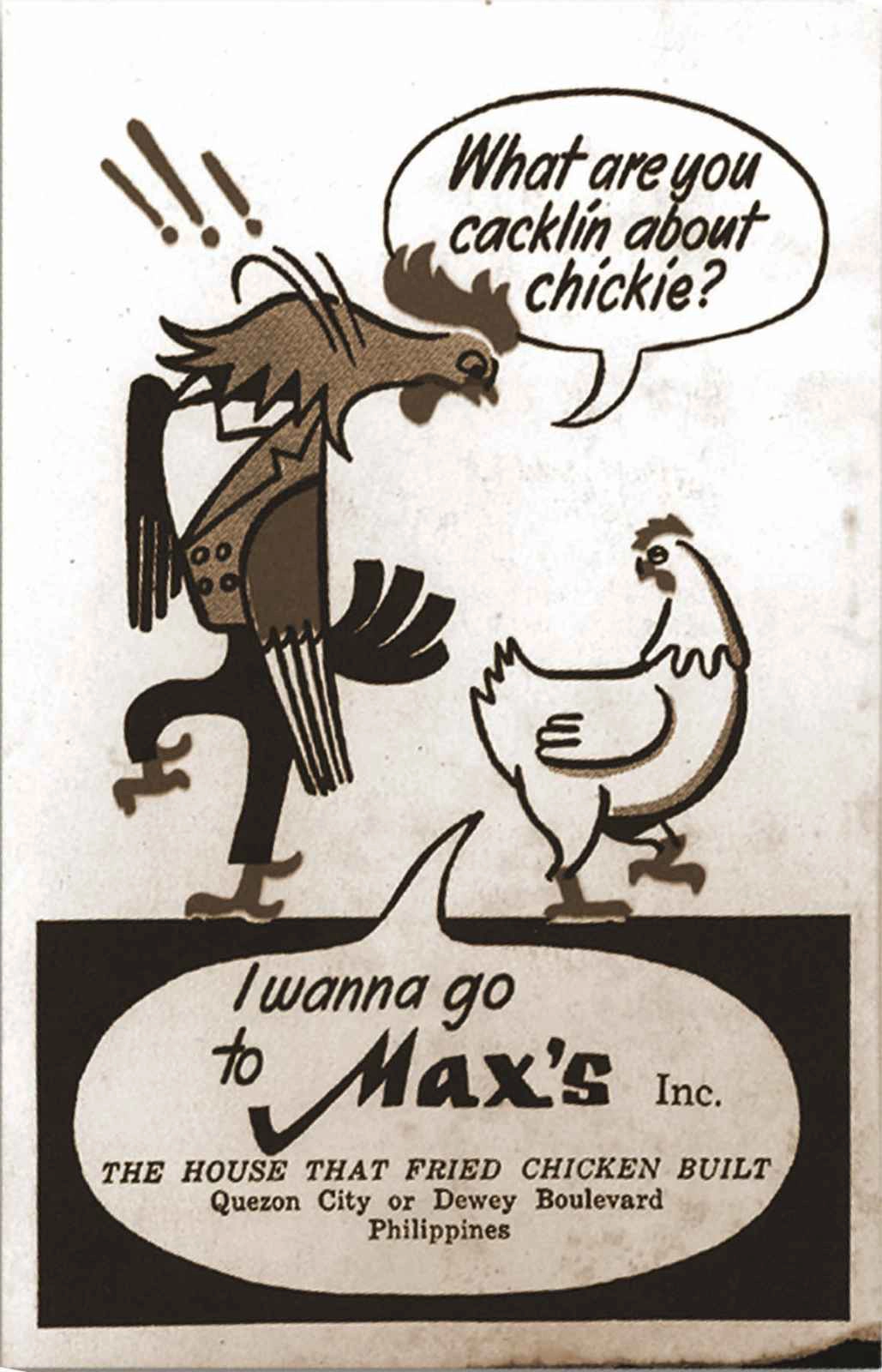
That deep-rooted sense of kinship has been part of Max’s story from the very beginning. Founded by Maximo Gimenez after World War II, the restaurant grew with the help of his wife, Mercedes, and their niece, Ruby. It’s the same spirit of family that lives on in what Max’s is best known for: its crispy-skinned, tender, and golden classic, a recipe passed down through generations.
Today, as the fourth generation takes on the responsibility of continuing that legacy, they’re discovering that family in business comes with both privilege and pressure.
“One of the hardest parts at the start was separating work from family,” Miguel admits. “When we joined, there wasn’t a clear line—Sunday lunches would turn into business discussions. Over time, we learned to set boundaries and focus on just being family when we’re together.”
That separation, they agree, keeps relationships healthy. “It’s important to know when to switch between work mode and family mode,” says Martin. “We try not to bring work to family gatherings. It keeps the harmony intact.”
Still, being part of the family offers unique advantages. “We’ve grown up watching our parents and uncles lead the business,” Paolo explains. “Now that we’re in it, we have access to decades of experience and guidance. It’s an incredible opportunity—and responsibility.”
It is that sense of continuity that keeps Max’s grounded even as it evolves. For the cousins, it always comes back to the same thing: family and the fried chicken that started it all. “That’s what made Max’s what it is,” Martin says with a smile. “No matter how much we innovate, Max’s Fried Chicken will always be our anchor. It’s the dish that brings people together and reminds them of home.”
Max’s For Today’s Diners
As the business marks its 80th year, the cousins understand that to thrive, they need to find the balance between heritage and reinvention. “For a heritage brand like Max’s, innovation starts with protecting what makes the brand itself—the warmth, the hospitality, the flavor—and then building around that,” Paolo explains.
This mindset has guided many of Max’s Group’s recent initiatives. Beyond “The House That Fried Chicken Built,” the group now oversees a portfolio of some of the country’s most beloved brands, including Pancake House, Yellow Cab, Krispy Kreme, and Jamba Juice—making it the Philippines’ largest casual dining restaurant company.
Collaborations with modern brands outside of the group have also helped bring Max’s into the future. For instance, young designer Gabbie Sarenas created the restaurant’s 80th anniversary uniforms, worn by the waitstaff and paired with shoes made from innovative pineapple fabrics from Lakat Sustainables. Then there’s the more literal, “concrete” side of innovation: the creation of Ruby’s Lounge at the Scout Tuazon branch, which marks a new chapter for the group.
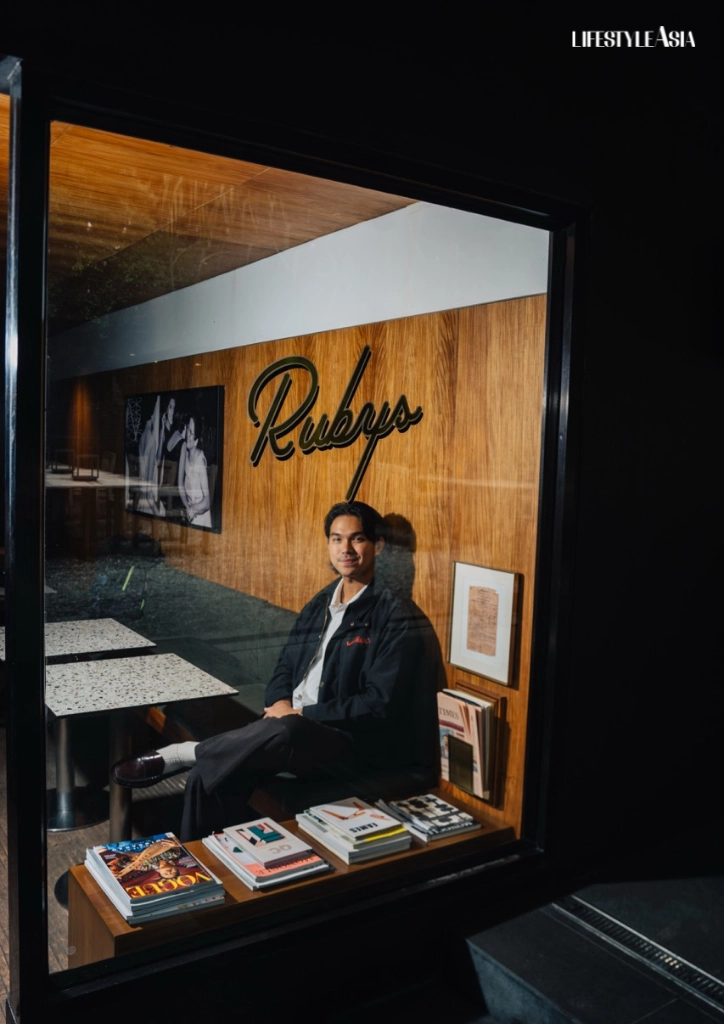
“Ruby’s Lounge is a tribute to our grandmother Ruby Trota,” Paolo explains. “It’s designed to feel nostalgic yet fresh— filled with pieces of Max’s history, paired with a bar menu that reimagines our classics. You can enjoy fried chicken with craft cocktails or Yardstick coffee. It’s where the past and present meet.”
For Paolo, projects like the lounge show their effort in transforming the heritage brand without losing authenticity. “Younger diners want something that feels modern but still true to what they grew up with,” he says. “Ruby’s lets us do that. It’s timeless, but it speaks to today’s generation.”
Merging Tech With Tradition
While Max’s was built on traditional warmth and connection, the fourth-generation leaders of the business are very much aware that technology must play a central role in its future. This is why Miguel, their IT Programs Manager, focuses on creating systems that not only modernize Max’s Group’s operations but also stay true to delivering a seamless customer experience.

“Technology is what keeps us efficient and relevant,” he says. “Behind the scenes, it connects every part of our business—from inventory to accounting to supply chain. The less time we spend on manual processes, the more time our teams can spend taking care of customers.”
His biggest challenge came during the pandemic. In 2021, Miguel led the rollout of a cloud-based ERP system, across all of the group’s brands. Employees were working remotely and had limited resources. Yet they successfully integrated everything—from financials to supply chain and procurement—under a single cloud platform. He admits the project made them stronger as a unified group.
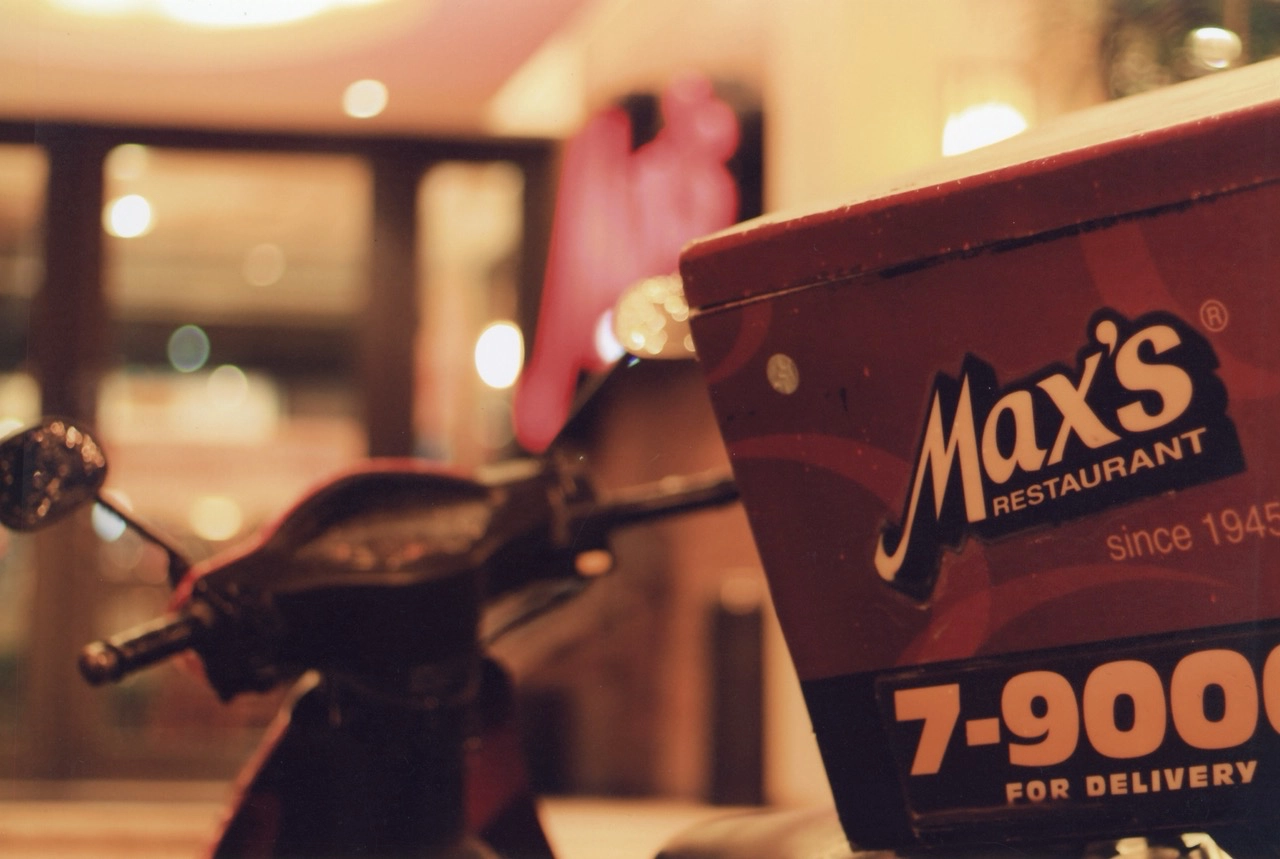
Miguel also led the launch of Max’s Group Delivers, a mobile app uniting Max’s, Pancake House, Krispy Kreme, and Yellow Cab in a single digital ecosystem. “It’s about giving customers choice,” he explains. “They can order however they want—online, through the app, or in-store—and soon, earn rewards through a loyalty program.”
Looking ahead, he’s investing in digital analytics and automation to improve personalization. “We want technology to feel invisible but intuitive,” Miguel says. “The goal isn’t to replace human connection—it’s to enhance it.”
And as for the next wave of innovation? “AI is the new internet,” he says. “It may not seem huge for restaurants yet, but it’s going to change everything—from forecasting demand to personalizing experiences. We’re preparing for that future now.”
Staying Informed
While Miguel digitizes the backbone of the business, Martin manages the data that drives it, leading demand planning and analytics for Krispy Kreme and Jamba Juice, two thriving brands under the Max’s Group portfolio. “We keep data at the core of every major decision,” he explains. “Our forecasts inform how we order materials, plan production, and even set sales targets. It’s what ensures consistency and minimizes waste.”
Still, forecasting is a delicate art. “You’re not just predicting taste—you’re predicting behavior,” Martin expounds. “Weather, competitor activities, even TikTok can change what people want overnight. And since doughnuts are made fresh daily, even a small forecasting error can mean waste or missed sales opportunities.”
Martin and his team rely on a mix of historical data, consumer insights, and on-the-ground intelligence from store teams. “We work closely with marketing and R&D to understand the strategy behind each launch. Marketing gives us the pulse of the audience, while R&D brings the product vision,” he says. “But operations also play a huge role—they know their local markets best. Their on-the-ground insights make our forecasts sharper.”
One memorable example came from Jamba Juice. “Our three-smoothie delivery bundle was slowing down,” he recalls. “We realized our delivery customers typically ordered for one or two people, so a two-smoothie bundle made more sense. When we tested it, sales went up immediately. It was a small change, but it showed how understanding customer behavior can lead to better product-market fit.”
Beyond promotions, data also helps inform market expansion and new store openings. “When we enter new markets, we leverage data from other Max’s Group brands,” Martin explains. “It gives us a head start in understanding consumer behavior and ensures we serve every community with the same consistency and care.”
From Our Family To Yours
If the cousins sound grounded despite the scale of their legacy, it’s because they were raised on values that transcend business. “The biggest lesson our parents taught us is simple,” Paolo says. “Take care of your people because they’re the ones who take care of your customers.”
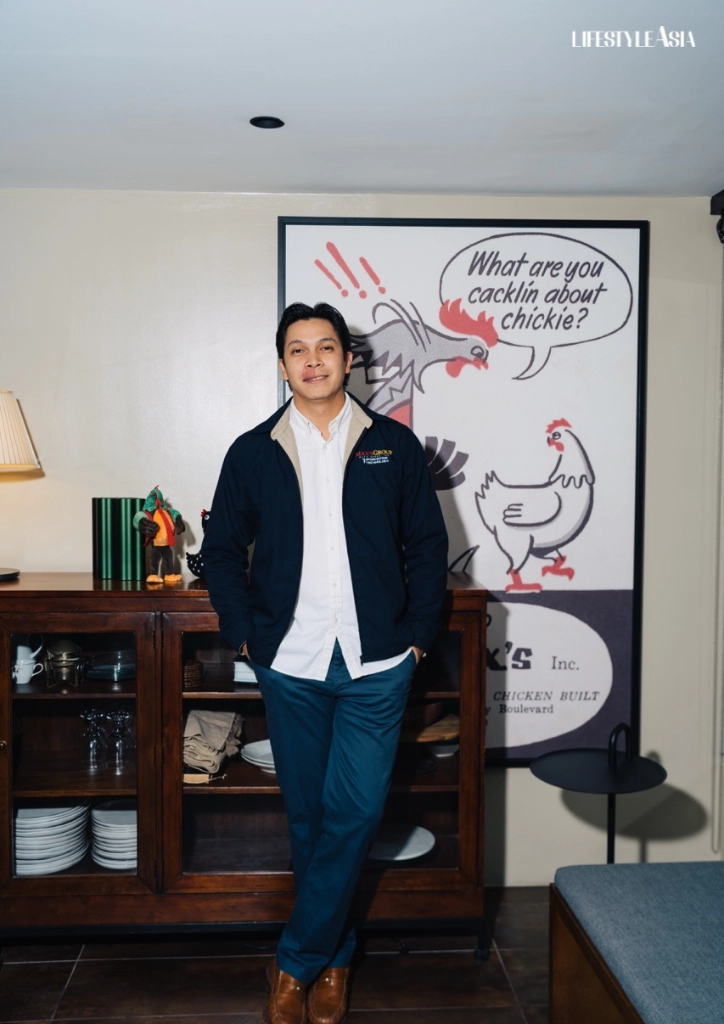
That lesson comes alive through the stories they hear from their long-time employees. “During our immersions, we’d meet people who’ve been with Max’s for decades,” Miguel shares. “Many would get emotional remembering how our family looked after them. That kind of loyalty doesn’t come from policy—it comes from genuine care.”
“It’s what makes the brand feel so human,” adds Martin. “That sense of belonging, of being part of something bigger. That’s the real secret to why Max’s has lasted 80 years.”
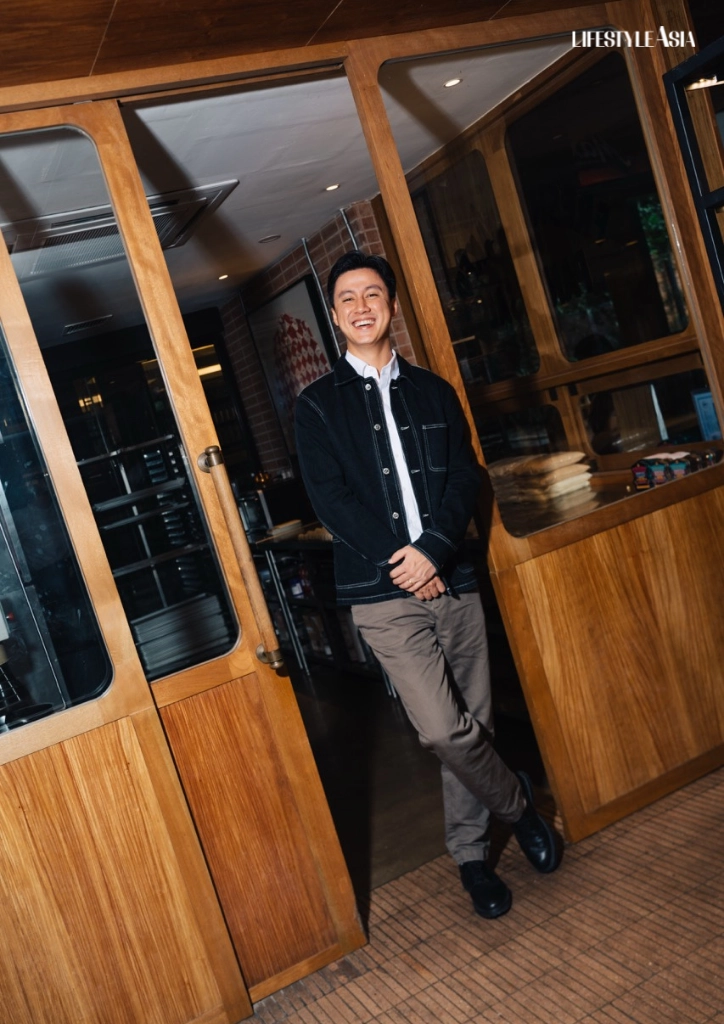
With the weight of eight decades behind them, the cousins now step forward, ready to write the next chapter of Max’s story. “Each generation has added its mark,” Paolo reflects. “From the first restaurant, to franchising, to building a portfolio of brands, to expanding globally. Now, it’s our turn to keep evolving while protecting what makes us who we are.”
“We want Max’s to still feel familiar, but also fresh,” says Miguel. “The goal is to stay relevant not just today, but even a hundred years from now.”
This milestone anniversary is a perfect moment to celebrate that legacy and express gratitude to the people who made it possible: “Thank you,” they say. “For letting Max’s be part of your lives—for sharing your celebrations, your everyday meals, your memories with us. From our family to yours, we promise to keep serving food that makes you feel good—since then, until now.”
Photography by Kim Santos of KLIQ, Inc.
Shot on location at Max’s Restaurant, Scout Tuazon, Quezon City